
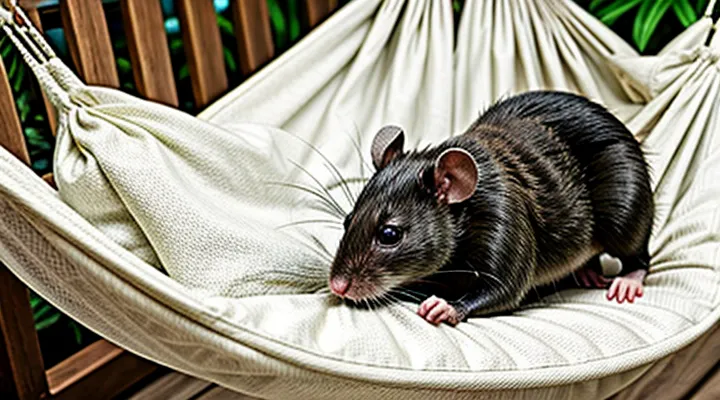
Why Rats Need Hammocks
Benefits of Hammocks for Rats
Comfort and Security
When evaluating a hammock for pet rodents, prioritize two factors: the animal’s physical comfort and its sense of safety.
A comfortable hammock conforms to the rat’s body without causing pressure points. Choose a fabric that is soft, breathable, and resistant to chewing. Natural fibers such as cotton or fleece provide warmth and moisture control, while synthetic blends offer durability. The suspension system should distribute weight evenly; a double‑strand rope or elastic band reduces sagging and prevents the hammock from collapsing under movement.
Security depends on the enclosure’s design and attachment method. The hammock must be anchored to a sturdy cage bar or a dedicated frame that can bear the animal’s weight plus dynamic motion. Quick‑release clips should lock securely yet allow easy removal for cleaning. Closed edges or a shallow lip around the perimeter deter the rat from slipping out. Ensure that any metal hardware is coated to avoid rust, which could harm the animal.
Key specifications to verify:
- Length and width sufficient for a fully stretched rat (minimum 12 inches long, 8 inches wide).
- Load capacity at least 0.5 kg, exceeding the average adult rat weight.
- Material certifications confirming non‑toxicity and odorlessness.
- Attachment hardware compatible with standard cage dimensions.
- Washable cover or removable fabric for regular sanitation.
By confirming these criteria, the selected hammock will provide a restful perch while maintaining the rat’s protection from falls, entanglement, and environmental stressors.
Enrichment and Play
Enrichment through a hammock gives rats a vertical dimension that mimics natural climbing habitats, encouraging exploration and reducing boredom. A well‑chosen hammock should support this behavior while fitting safely within the cage environment.
Key considerations for selecting an enrichment hammock:
- Material durability: Choose chew‑resistant fabrics such as heavy‑weight cotton or reinforced polyester; avoid thin nylon that rats can damage quickly.
- Load capacity: Verify that the hammock can hold the weight of multiple rats without sagging, ensuring stable support during active play.
- Attachment system: Opt for stainless‑steel hooks or reinforced eyelets that can be secured to cage bars without slipping. Quick‑release clamps simplify cleaning and repositioning.
- Size and shape: Provide enough surface area for at least two adult rats to stretch fully; rectangular or oval designs accommodate group dynamics better than narrow strips.
- Cleaning practicality: Select fabrics that are machine‑washable or can be removed for spot cleaning, preventing odor buildup and maintaining hygiene.
Integrating the hammock into a play routine enhances mental stimulation. Place the hammock near other enrichment items—tunnels, climbing ropes, and chew toys—to create a continuous activity circuit. Rotate the hammock’s position periodically to introduce novelty and encourage problem‑solving as rats discover new routes.
Safety checks remain essential. Inspect attachment points weekly for signs of wear, tighten loose fittings, and replace any frayed fabric promptly. Ensure the hammock does not obstruct ventilation or interfere with water bottles and food dishes.
By addressing material strength, load limits, mounting reliability, dimensions, and maintenance, the hammock becomes a functional enrichment tool that supports active play and promotes overall well‑being for pet rats.
Temperature Regulation
When evaluating a hammock for rats, temperature regulation determines comfort and health. The enclosure’s ambient climate, the hammock’s material properties, and supplemental insulation must align with the species’ thermoregulatory limits.
- Material thermal conductivity – Natural fibers such as cotton or hemp retain heat better than synthetic meshes; low‑conductivity fabrics prevent rapid cooling.
- Ventilation balance – Mesh sections provide airflow, but excessive gaps accelerate heat loss. Select designs that combine solid panels with breathable zones.
- Ambient temperature range – Choose a hammock rated for the enclosure’s expected lows and highs; typical laboratory or home setups require stability between 18 °C and 26 °C.
- Thickness and layering – A thicker weave or added fleece liner adds a thermal barrier, useful in colder environments. Ensure the added layer does not impede movement.
- Placement within the cage – Position the hammock away from drafts and direct sunlight; proximity to heating elements should be avoided to prevent overheating.
Monitoring the hammock’s surface temperature with a calibrated probe confirms suitability. Adjustments—such as adding a removable blanket or relocating the hammock—address deviations promptly, maintaining the rat’s core temperature within optimal limits.
Types of Hammocks for Rats
Fabric Hammocks
Fleece Hammocks
Fleece hammocks provide a soft, insulating surface that matches the natural nesting preferences of rats. The fabric’s plush texture reduces pressure points, while its breathability prevents overheating during extended rest periods.
When evaluating a fleece hammock, focus on the following factors:
- Material quality: Choose hammocks made from 100 % polyester fleece without added dyes or flame‑retardant chemicals that could irritate sensitive skin.
- Dimensions: Select a size that allows the rat to stretch fully; a minimum of 12 × 12 inches accommodates most adult specimens, while larger breeds benefit from 16 × 16 inches or more.
- Weight capacity: Verify the product’s load rating exceeds the animal’s body weight by at least 50 % to ensure structural integrity.
- Attachment system: Opt for hammocks equipped with stainless‑steel hooks or reinforced loops that fit standard cage bars without slipping.
- Cleaning method: Confirm the hammock is machine‑washable at low temperatures or can be spot‑cleaned without losing loft.
Purchasing considerations include:
- Buy from reputable pet‑accessory retailers that list material certifications and offer a return policy.
- Compare price points; high‑quality fleece hammocks typically range from $12 to $25, reflecting durability and safe construction.
- Examine customer feedback for reports of fraying or shedding, which indicate long‑term performance.
Maintenance procedures are straightforward:
- Remove the hammock weekly, wash on a gentle cycle at 30 °C, and tumble dry on low heat or air‑dry to preserve softness.
- Inspect attachment points after each wash; replace any corroded hardware promptly to avoid accidental detachment.
By adhering to these specifications, buyers secure a comfortable, safe, and long‑lasting resting platform tailored to the needs of pet rats.
Cotton Hammocks
Cotton hammocks provide a natural, breathable surface that rats find comfortable for climbing and resting. The fibers allow air circulation, reducing heat buildup and moisture, which helps prevent skin irritation and fungal growth.
When evaluating cotton options, consider the following attributes:
- Fabric density – tightly woven cotton resists tearing from vigorous gnawing; a thread count of at least 200 g/m² is advisable.
- Size and shape – a rectangular or oval hammock measuring 12 × 8 inches accommodates an adult rat without restricting movement; larger dimensions suit pairs or particularly active individuals.
- Weight capacity – verify the manufacturer’s load rating; a minimum of 500 g ensures safety for most pet rats.
- Stitching quality – double‑stitched seams and reinforced corners prevent fraying and maintain structural integrity.
- Ease of cleaning – machine‑washable cotton can be laundered at 30 °C; removable covers simplify hygiene.
- Chemical treatment – select hammocks free from flame retardants, dyes, or adhesives that could be toxic if ingested.
- Price‑to‑quality ratio – higher cost often reflects superior yarn, tighter weave, and longer durability; compare long‑term value rather than initial expense.
Additional factors influence purchase decisions. Confirm that the hammock includes attachment points compatible with standard cage bars or hooks. Examine user reviews for reports of durability and rat acceptance. Opt for reputable brands that provide clear specifications and warranty terms.
By prioritizing these criteria, buyers can secure a cotton hammock that meets safety standards, supports natural rat behavior, and offers lasting performance within a cage environment.
Canvas Hammocks
When selecting a canvas hammock for a pet rat, focus on dimensions that accommodate the animal’s size and activity level. A hammock measuring roughly 12 × 12 inches provides enough space for a typical adult rat to stretch, climb, and nest without feeling confined.
Key material considerations include:
- 100 % cotton canvas or a cotton‑polyester blend; both offer breathability and resistance to chewing.
- Tight weave to prevent fraying when the rat gnaws at edges.
- Water‑repellent treatment that does not contain toxic chemicals.
Installation must secure the hammock to a sturdy support, such as a cage bar or a dedicated frame. Use stainless‑steel hooks or reinforced eyelets to avoid rust and ensure the load remains stable under the rat’s weight and movement.
Maintenance involves regular washing in warm water with a mild detergent, followed by thorough drying to prevent mold. Inspect seams and attachment points before each use; replace the hammock if any thread loosens or the canvas shows signs of wear. Choosing a canvas hammock that meets these criteria results in a durable, safe, and comfortable resting spot for rats.
Basket Hammocks
Basket hammocks designed for rats differ from standard models by offering a contained, woven enclosure that mimics natural burrows while providing a secure resting place. The basket shape prevents the animal from slipping out, a frequent concern with open‑ended hammocks.
Key attributes to evaluate when selecting a rat‑appropriate basket hammock:
- Material safety: Choose hammocks woven from untreated, non‑toxic fibers such as cotton, hemp, or polyester blends. Verify that dyes and finishes are free of harmful chemicals.
- Dimension suitability: Measure the rat’s length and allow at least 2–3 inches of clearance on each side. Typical adult rats require a basket with internal dimensions of 8–10 inches wide and 10–12 inches high.
- Weight capacity: Confirm the product’s load rating exceeds the animal’s weight, usually under 1 pound, to avoid sagging.
- Ventilation: Look for a tight weave that still permits airflow, preventing moisture buildup and overheating.
- Attachment method: Prefer hammocks that include reinforced loops or metal rings for secure hanging from cage bars or a dedicated stand.
When purchasing, follow these steps:
- Research manufacturer reputation: Prioritize brands with documented testing for small‑animal safety and positive customer feedback.
- Inspect product specifications: Ensure listed dimensions, materials, and weight limits align with the rat’s size and the cage’s mounting points.
- Compare pricing and warranty: Select options offering a reasonable price‑to‑quality ratio and a warranty covering defects.
- Read return policy: Verify the seller accepts returns if the hammock proves unsuitable after delivery.
Maintenance is straightforward. Clean the hammock weekly with warm, mild soap and rinse thoroughly to remove urine or droppings. Allow complete drying before re‑installation to avoid mold growth. Periodically examine stitching and attachment points for wear; replace the hammock when signs of fraying appear.
By focusing on material safety, proper sizing, secure mounting, and regular upkeep, owners can provide rats with a comfortable, durable basket hammock that enhances enclosure enrichment and supports healthy resting behavior.
Tunnel Hammocks
Tunnel hammocks designed for rats provide a enclosed, suspended pathway that mimics natural burrows while allowing safe movement above the cage floor. The tunnel shape encourages exploration and exercise, reducing stress and promoting agility.
When evaluating tunnel hammocks, focus on the following specifications:
- Length and diameter – ensure the tunnel spans at least 12 inches to accommodate a rat’s body length and that the interior diameter exceeds 3 inches for comfortable passage.
- Material composition – opt for breathable, non‑toxic fabrics such as cotton‑blend canvas or polyester mesh; avoid synthetic fibers that may release fumes when chewed.
- Support structure – choose models with reinforced stitching and metal or sturdy plastic rings for attachment to cage bars.
- Weight capacity – verify that the hammock can hold the combined weight of multiple rats, typically rated for 0.5–1 lb per tunnel segment.
Safety hinges on secure mounting and material integrity. Attach the hammock using stainless‑steel clips or nylon straps that resist rust and breakage. Inspect seams regularly for fraying, and replace any component that shows signs of wear. Avoid hammocks with loose cords that could entangle paws or tails.
Purchasing recommendations:
- Select reputable retailers that list detailed product dimensions and material safety certifications.
- Compare customer feedback for durability and ease of installation; prioritize items with a minimum of 4‑star ratings.
- Expect a price range of $15–$35 for single‑segment tunnels; bulk packages often reduce per‑unit cost.
Maintenance is straightforward. Remove the hammock weekly, wash with mild soap and warm water, then air‑dry completely before reinstalling. Conduct a visual check after each cleaning session to confirm that stitching remains intact and that no sharp edges have formed.
By adhering to these criteria, buyers can secure a tunnel hammock that enhances a rat’s environment while meeting standards of comfort, durability, and safety.
Cube Hammocks
Cube hammocks provide a three‑dimensional enclosure that mimics a nest, giving rats a secure space to climb, curl, and rest. The enclosed design prevents escape while allowing ventilation through mesh panels, which is essential for maintaining air flow and preventing odor buildup.
When evaluating cube hammocks for rats, focus on the following criteria:
- Size – interior dimensions should accommodate the rat’s body length plus at least 2 cm of clearance on all sides; a common minimum is 20 cm × 20 cm × 20 cm.
- Material – sturdy, non‑toxic polyester or nylon mesh combined with a cotton or fleece interior offers durability and comfort without shedding harmful fibers.
- Attachment system – reinforced grommets or stainless‑steel hooks enable secure mounting to cage bars or a stand; avoid flimsy snaps that may break under the animal’s weight.
- Cleaning – removable, machine‑washable liners simplify hygiene; ensure seams are sealed to prevent water infiltration.
- Weight capacity – verify the manufacturer’s load rating; most single‑rat models support up to 250 g, while larger units can hold two or more rats.
Safety considerations include checking for sharp edges, loose threads, or small parts that could be ingested. Inspect the mesh for uniform spacing; gaps larger than 5 mm may allow a rat’s head to slip through, posing a choking hazard.
Purchasing advice:
- Compare specifications across reputable pet‑product brands; prioritize those that provide detailed measurements and material certifications.
- Read customer feedback for indications of durability and ease of cleaning; repeated reports of mesh tearing or odor retention signal low quality.
- Confirm return policies and warranty terms; a minimum six‑month warranty protects against premature defects.
- Consider price‑to‑value ratio; premium models often include reinforced corners and detachable liners, which can reduce long‑term maintenance costs.
By applying these guidelines, buyers can select a cube hammock that enhances a rat’s wellbeing, fits seamlessly into existing cage setups, and offers reliable performance over time.
Key Considerations When Choosing a Hammock
Size and Dimensions
For Single Rats
When selecting a hammock intended for a solitary rat, prioritize dimensions that accommodate the animal’s natural stretching behavior. A cage‑compatible model measuring at least 12 × 8 inches provides sufficient room without crowding the enclosure.
Key factors to evaluate:
- Material durability – breathable cotton or fine‑mesh fabric resists chewing and allows airflow.
- Weight limit – ensure the product supports up to 250 g, exceeding the average adult rat weight of 200 g.
- Attachment method – stainless‑steel hooks or reinforced eyelets prevent rust and maintain structural integrity.
- Ease of cleaning – removable covers or machine‑washable fabrics reduce maintenance time.
- Safety features – smooth edges and no loose threads eliminate entanglement hazards.
Price considerations should reflect the balance between quality and budget. Commercial brands typically range from $12 to $30; discount retailers may offer comparable options at lower cost, but verify material specifications to avoid compromise on safety.
Before purchase, confirm compatibility with the existing cage design. Measure the interior height and verify that the hammock’s suspension points align with the cage’s bars or frame. Reviewing user feedback on durability and rat acceptance can further inform the decision, ensuring the chosen hammock meets the specific needs of a single pet.
For Multiple Rats
When selecting a hammock intended for more than one rat, prioritize size, material durability, and safety features. A hammock that comfortably accommodates two or three adult rats typically measures at least 30 cm in length and 20 cm in width; larger groups require proportional increases.
Key considerations:
- Dimensions: Ensure the interior space allows free movement without crowding. Measure the rats’ combined body length and add a 5 cm margin.
- Load capacity: Verify the manufacturer’s weight rating exceeds the total weight of the intended occupants by at least 20 %.
- Fabric strength: Choose tightly woven cotton, hemp, or reinforced polyester that resists chewing and tearing.
- Attachment system: Opt for stainless‑steel hooks or heavy‑duty carabiners that can bear the full load without slipping.
- Cleaning method: Select a hammock that is machine‑washable or easily wipe‑cleanable to maintain hygiene for multiple animals.
Installation should place the hammock at a height that prevents escape while allowing easy access for cleaning. Anchor points must be anchored securely to a sturdy cage frame or external support, using at least two attachment points to distribute weight evenly.
When purchasing, compare product specifications against the checklist above, read verified user feedback for durability reports, and confirm the return policy in case the hammock fails to meet the required standards. This systematic approach ensures a safe, comfortable resting platform for a group of rats.
Material Safety
Non-Toxic Fabrics
When selecting a hammock for pet rats, the fabric must be free of substances that could harm their respiratory or digestive systems. Toxic dyes, flame retardants, and cheap synthetic blends can release fumes or be ingested during chewing, leading to health issues.
- 100 % organic cotton: untreated, breathable, easy to clean.
- Hemp canvas: naturally resistant to mold, strong under tension.
- Linen: low lint, quick-drying, minimal chemical treatment.
- Unfinished bamboo fiber: antimicrobial properties, no added finishes.
Verification of non‑toxicity requires checking product documentation. Look for certifications such as GOTS (Global Organic Textile Standard) or OEKO‑Tex Standard 100, which confirm the absence of harmful chemicals. Request safety data sheets when they are not posted online. Avoid fabrics labeled merely “eco‑friendly” without third‑party testing.
Durability, washability, and size also affect suitability. Choose a material that tolerates frequent laundering at temperatures above 60 °C, as this removes saliva and droppings without degrading the fibers. Ensure the weave is tight enough to prevent small paws from slipping through, yet flexible enough to support a rat’s weight without sagging. Selecting a hammock that meets these criteria reduces the risk of toxicity and extends the product’s service life.
Durable Stitching
When selecting a hammock for small rodents, the integrity of the seams determines the product’s lifespan and safety. Weak stitching can unravel under the animal’s weight or when the fabric is chewed, creating gaps that may lead to injury.
Key factors to evaluate stitching quality:
- Thread material – polyester or nylon threads resist moisture, UV exposure, and rodent gnawing better than cotton.
- Stitch density – a minimum of 12 stitches per centimeter provides sufficient reinforcement for the typical 150‑gram load of a rat.
- Double‑stitch or lock‑stitch construction – these methods lock the seam edges together, preventing separation under tension.
- Reinforced corners and attachment points – extra rows of stitching around hooks, loops, or D‑rings reduce stress concentration.
- Seam finish – heat‑sealed or bonded edges eliminate fraying, extending durability.
Testing methods:
- Pull each seam gently to feel for looseness or gaps.
- Inspect the interior for exposed thread ends.
- Apply a light load (e.g., a small weight) for several minutes to observe any stretching.
Purchasing advice:
- Choose products that list specific stitch count and construction technique in the description.
- Prefer brands that provide warranty coverage for seam failure.
- Compare price per square inch; higher cost often reflects superior stitching rather than decorative features.
By focusing on these criteria, buyers ensure the hammock remains intact, providing a secure resting platform for their pet rodents.
Avoid Loose Threads
Loose threads present a direct hazard to small rodents. They can snag claws, create entanglement, or fray further, compromising the hammock’s structural integrity and endangering the animal’s health.
When evaluating a hammock for rats, follow these steps:
- Examine all seams and edges under steady lighting; any visible fibers extending beyond the stitch line must be trimmed or the product rejected.
- Pull gently on the fabric near each corner; resistance should be uniform, indicating tight stitching without stray strands.
- Run a fingertip along the surface; a smooth texture without raised yarn confirms that loose threads have been removed.
- Check the manufacturer’s description for “no loose ends” or similar quality assurances; verify by contacting the seller if the claim is unclear.
Choosing a hammock that passes these checks eliminates the risk of thread-related injuries and ensures a durable, safe resting place for the rat.
Cleaning and Maintenance
Machine Washable Options
When a hamster or other small rodent uses a hanging bed, the fabric must endure frequent cleaning without damage. Machine‑washable hammocks reduce odor buildup, prevent mold, and extend the product’s lifespan, making them a practical choice for pet owners who prioritize hygiene.
Key characteristics of washable rat hammocks include:
- Fabric composition – blends of polyester, nylon, or cotton‑polyester that retain shape after high‑temperature cycles. Pure cotton may shrink; synthetic fibers generally perform better.
- Thread count and weave – tight weaves resist tearing when agitated, while still allowing ventilation. A count of 200 threads per inch or higher is advisable.
- Attachment hardware – stainless‑steel or coated metal loops that do not corrode in the washer. Snap‑on or reinforced eyelets prevent seam failure.
- Size and load rating – dimensions that accommodate the animal’s movement and weight, typically 12 × 12 inches for rats, with a 0.5 kg capacity.
- Care instructions – products labeled “machine washable at 40 °C (104 °F) with gentle cycle” guarantee compatibility with standard laundry settings.
Purchasing tips: verify the manufacturer’s warranty covers wash‑related wear, compare the stated cleaning cycle against the owner’s washer capabilities, and read user reviews for real‑world durability. Selecting a hammock that meets these criteria ensures easy maintenance while providing a safe, comfortable perch for the pet.
Frequency of Cleaning
Cleaning a rat hammock regularly prevents odor buildup, parasite proliferation, and material degradation. Neglecting maintenance shortens the hammock’s lifespan and jeopardizes animal health.
Factors that dictate how often the hammock should be cleaned include:
- Frequency of hamster or rat use (multiple daily entries increase waste accumulation).
- Type of material (cotton and fleece retain moisture faster than synthetic blends).
- Ambient humidity and temperature (warmer, damp environments accelerate bacterial growth).
- Presence of nesting material or food remnants inside the hammock.
A practical cleaning schedule:
- Light cleaning (remove visible debris, shake out loose fibers) after each use.
- Full wash (launder according to manufacturer instructions) every 7‑10 days for high‑traffic hammocks; extend to 14‑21 days for occasional use.
- Deep cleaning (disinfect, dry thoroughly) monthly, regardless of usage intensity.
Effective cleaning steps:
- Detach the hammock from the cage and inspect for tears.
- Place in a washing machine on a gentle cycle using mild detergent; avoid bleach that can weaken fibers.
- Rinse thoroughly, then tumble dry on low heat or air‑dry in a well‑ventilated area.
- Apply a pet‑safe antimicrobial spray once dry, then re‑hang securely.
Monitor for signs that cleaning is overdue: persistent smell, visible droppings embedded in fabric, discoloration, or the rats showing reluctance to enter the hammock. Immediate cleaning restores hygiene and preserves the hammock’s functionality.
Attachment Mechanisms
Clips and Hooks
When fitting a small‑animal hammock, the choice of clips and hooks determines how securely the fabric will hang and how easily the enclosure can be accessed. Metal clips made from stainless steel resist corrosion caused by urine and droppings, while polymer clips avoid sharp edges that could injure a rat’s paws. Hooks should be sized to match the hammock’s attachment loops; a ¼‑inch diameter hook fits most commercial rat hammocks, whereas larger hooks may be required for custom‑woven designs.
Key considerations for clips and hooks include:
- Load rating – select hardware rated for at least twice the expected weight of the rat plus the hammock material.
- Locking mechanism – spring‑loaded or screw‑tight clamps prevent accidental release during climbing.
- Corrosion resistance – stainless steel (grade 304 or higher) or coated brass ensures longevity in humid cages.
- Ease of cleaning – smooth surfaces allow quick rinsing; avoid textured finishes that trap debris.
- Compatibility with cage bars – hooks must fit the spacing of standard wire cage panels (typically ½‑inch apart) without bending.
Installation should follow a consistent pattern: attach a clip to each corner of the hammock, secure the clip’s latch, then connect the hook to the cage bar using a swivel joint to allow the hammock to swing without twisting the fabric. Verify that the hammock hangs level and that the clips remain firmly closed after a brief load test.
Regular inspection of clips and hooks extends the lifespan of the hammock. Replace any component showing signs of rust, cracking, or deformation to maintain a safe environment for the animal.
Secure Fastening
Secure fastening determines whether a rat can rest safely in a hammock. The attachment system must resist the animal’s movements, prevent accidental release, and support the hammock’s full load capacity.
Select fasteners made from stainless steel or coated brass to avoid corrosion and maintain strength over time. Verify that each component—clips, hooks, or carabiners—carries a weight rating at least double the combined weight of the hammock and the heaviest rat expected to use it. This safety margin compensates for dynamic forces generated when the rat climbs or shifts.
When installing the hammock, follow these steps:
- Locate sturdy anchor points such as cage bars, reinforced wooden beams, or purpose‑built brackets. Avoid thin wire mesh or plastic fixtures that can deform.
- Attach fasteners using a double‑knot or a locking mechanism to eliminate slippage.
- Tighten all connections uniformly; uneven tension can create weak spots that fail under load.
- Test the setup by applying a gradual load equal to the rated capacity before allowing the rat access.
Regular inspection is essential. Look for signs of wear, bending, or rust on metal parts, and replace any compromised component immediately. Clean fasteners with a mild detergent and dry thoroughly to prevent moisture‑induced degradation.
By adhering to these specifications, the hammock remains firmly secured, providing a reliable resting platform for rats without risk of collapse or injury.
Where to Purchase Rat Hammocks
Pet Stores
Pet stores serve as the primary source for rat hammocks, offering direct access to products, staff guidance, and return options. When evaluating a store, prioritize locations that stock a dedicated small‑animal section, as this indicates a focus on appropriate sizing and material quality.
Key considerations while browsing a pet retailer:
- Size compatibility – Measure the cage interior; the hammock should fit comfortably without restricting movement. Stores typically label dimensions; verify against your enclosure.
- Material safety – Look for woven cotton, fleece, or untreated natural fibers. Avoid hammocks with synthetic dyes or chemicals that could irritate a rat’s skin.
- Weight capacity – Choose a hammock rated for at least twice the average weight of an adult rat (≈200 g). This ensures durability and prevents sagging.
- Attachment method – Secure hooks or reinforced loops must align with cage bars. Confirm that the store provides compatible hardware or instructions for retrofitting.
- Price transparency – Compare unit cost with similar items online; reputable stores list price per square inch, aiding value assessment.
- Return policy – Verify that the retailer accepts returns within a reasonable timeframe, allowing you to test the hammock for comfort and fit.
Staff expertise can streamline the selection process. Ask employees about:
- Recommended brands known for rat‑specific designs.
- Compatibility with various cage models.
- Cleaning protocols and durability expectations.
If the store’s inventory lacks a suitable hammock, request a special order. Provide exact dimensions and material preferences; many retailers can source products from manufacturers within a few business days.
In summary, a pet store that combines a focused small‑animal aisle, knowledgeable personnel, clear product specifications, and flexible return terms provides the most reliable environment for acquiring a safe and comfortable hammock for rats.
Online Retailers
Specialty Rat Supplies
When evaluating specialty rat supplies for a hammock, focus on three core criteria: material durability, size compatibility, and safety features. High‑grade cotton or fleece fabrics resist chewing and provide warmth, while reinforced stitching prevents tearing under the animal’s weight. Measure the rat’s length and add at least two inches to ensure comfortable stretching without constriction.
Key accessories that complement a hammock include:
- Clip‑on chew‑proof anchors that attach securely to cage bars.
- Detachable side nets that create a semi‑enclosed space, reducing the risk of falls.
- Replaceable fabric panels for easy cleaning and odor control.
Select products from manufacturers that certify non‑toxic dyes and use USDA‑approved fibers. Verify that the packaging lists weight limits, typically ranging from 0.2 kg to 0.5 kg for common laboratory and pet rat breeds. Purchasing from reputable distributors guarantees access to warranty support and detailed assembly instructions, which streamline installation and minimize stress for the animal.
Finally, integrate the hammock with other specialized items such as nesting boxes and foraging tubes. This combination promotes natural behaviors, enhances enrichment, and extends the functional lifespan of the hammock by distributing activity across multiple platforms.
Handmade Hammocks
Handmade hammocks offer the level of customization and material quality essential for small‑pet use. Artisans typically select natural fibers such as cotton, hemp, or bamboo, which provide breathability and resistance to chewing. Because each piece is crafted individually, you can request dimensions that match the cage interior and the rat’s size, reducing the risk of entrapment or excessive sagging.
Key factors to evaluate when selecting a handmade rat hammock:
- Material safety: Verify that the yarn is untreated, free of toxic dyes, and tightly woven to prevent strand ingestion.
- Weight capacity: Ensure the hammock supports at least twice the animal’s body weight; a 200‑gram rat requires a hammock rated for 400 grams or more.
- Attachment method: Look for reinforced loops or metal rings that can be secured to cage bars without slipping.
- Ease of cleaning: Choose fabrics that tolerate hand‑washing or machine cycles on a gentle setting; removable covers simplify maintenance.
- Durability: Inspect stitching for even tension and double‑seam reinforcement, especially at load‑bearing points.
Purchasing guidelines:
- Identify reputable makers on platforms that display customer reviews and detailed product photos.
- Request a sample swatch to assess texture, stretch, and colorfastness before committing to a full‑size hammock.
- Confirm the maker’s return policy in case the finished product does not fit the cage or meet safety expectations.
- Compare price against the cost of mass‑produced alternatives; higher expense often reflects superior craftsmanship and longer lifespan.
By focusing on material safety, precise sizing, secure attachment, and reliable construction, you can confidently acquire a handmade hammock that meets the specific needs of pet rats.
DIY Options
Materials Needed
When assembling a hammock suitable for pet rats, gather the following essential items before proceeding.
- Durable fabric – breathable, tightly woven cotton or polyester mesh, weight‑rated for small rodents.
- Support cords – nylon or polypropylene ropes, 2 mm diameter, capable of bearing at least 500 g.
- Attachment hardware – stainless‑steel eye bolts or carabiners, corrosion‑resistant, sized to match the support cords.
- Mounting brackets – metal or reinforced plastic brackets designed for cage bars or ceiling joists, with a load rating exceeding the combined weight of the hammock and rodents.
- Sewing supplies – heavy‑duty thread, needle, and a sewing machine or hand‑stitching tools for reinforcing seams.
- Safety accessories – non‑slip pads or silicone grips to prevent the hammock from sliding on smooth surfaces.
Optional components improve comfort and longevity:
- Soft padding – fleece or fleece‑blend inserts, trimmed to fit the hammock interior.
- Cleaning tools – mild detergent, brush, and washable cover for routine maintenance.
- Inspection kit – magnifying glass and small screwdriver for checking fasteners and fabric integrity.
Collecting these materials ensures the final product meets safety standards, provides a comfortable resting area, and withstands regular use.
Simple Designs
When selecting a hammock for rats, simplicity in design reduces risk and eases maintenance. A minimalist structure eliminates unnecessary components that could trap paws or cause stress, while providing a clear, open space for the animal to rest.
Key characteristics of uncomplicated rat hammocks include:
- Flat or gently curved fabric without excessive padding, allowing easy cleaning.
- Secure stitching at all seams to prevent fraying.
- Lightweight, breathable material such as cotton or linen that resists odor buildup.
- Simple attachment points—two sturdy loops or hooks that fit standard cage bars.
- Minimal hardware; avoid complex clamps or decorative elements that add weight.
Simple designs also tend to be more affordable and readily available from specialty pet suppliers or online retailers. When evaluating options, compare product dimensions to the cage size, verify that the weight limit exceeds the rat’s mass, and confirm that the fabric can be machine‑washed without degradation.
Purchasing a straightforward hammock involves checking seller reviews for durability reports, confirming the return policy, and ensuring the item complies with safety standards for small rodents. A plain, well‑constructed hammock offers the most reliable solution for rat owners seeking comfort and ease of care.