
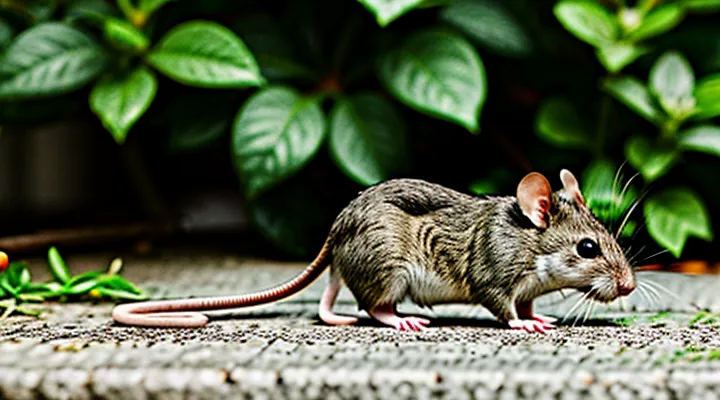
Understanding Mouse and Rat Repellers
Types of Repellers
Ultrasonic Repellers
Ultrasonic repellers emit high‑frequency sound waves that are uncomfortable for rodents but inaudible to most humans and pets. The device typically contains a transducer, a power source, and a timer or sensor module.
When evaluating ultrasonic models, focus on the following criteria:
- Frequency range: 20–65 kHz covers the hearing spectrum of mice and rats; higher frequencies may be less effective.
- Coverage area: manufacturers specify square footage; choose a unit that exceeds the size of the target space.
- Power source: mains‑plugged units provide continuous operation, while battery‑powered models offer portability but require regular replacement.
- Adjustable timer or motion sensor: reduces unnecessary exposure and conserves energy.
- Durability: housing should resist dust and moisture, especially in basements or attics.
- Certification: CE, FCC, or equivalent compliance demonstrates adherence to safety standards.
Installation guidelines:
- Position the repeller at least 12 inches from walls or furniture to avoid sound reflections that diminish efficacy.
- Mount the device at mouse‑level height (approximately 6–12 inches from the floor) for optimal reach.
- Ensure an unobstructed line of sight across the entire coverage zone; avoid placing objects directly in front of the transducer.
- Activate the unit during periods of rodent activity, typically nighttime, to maximize deterrent effect.
Advantages include silent operation, low maintenance, and the absence of chemicals. Limitations involve reduced performance in heavily insulated or cluttered environments and the possibility of habituation if rodents are exposed continuously without variation.
Selecting an ultrasonic repeller that aligns with the specified frequency, coverage, power, and durability requirements will enhance the likelihood of successful rodent deterrence.
Electronic Repellers
Electronic repellers deter mice and rats by emitting ultrasonic or electromagnetic signals that interfere with the animals’ nervous systems. Choose a device that operates across a wide frequency range (typically 20 kHz–65 kHz) to cover the hearing spectrum of both species. Verify that the unit provides adjustable output power; higher intensity expands the effective radius, while lower settings reduce the risk of disturbance to pets or children.
Key specifications to examine:
- Coverage area (square meters). Select a model whose advertised radius exceeds the size of the treated space, allowing overlap for larger rooms.
- Frequency modulation. Devices that vary frequencies prevent rodents from habituating to a single tone.
- Power source. Battery‑operated units offer portability; plug‑in models deliver continuous operation without battery replacement.
- Safety certifications (e.g., CE, FCC). Certified products meet electromagnetic emission standards and reduce liability.
Placement influences performance. Install repellers at ceiling height or on wall mounts, oriented toward open pathways such as entry points, gaps, and wall voids. Avoid obstructing the speaker with furniture or décor; line‑of‑sight interference diminishes signal propagation. For multi‑room coverage, distribute units evenly, ensuring overlapping zones to eliminate blind spots.
Maintenance requirements are minimal. Clean the exterior with a dry cloth to remove dust that can attenuate ultrasonic output. Replace batteries according to manufacturer guidelines, typically every six to twelve months for rechargeable units. Periodically test functionality by listening for a faint hum; absence indicates a power fault.
When comparing brands, prioritize models with documented field trials or independent laboratory data confirming rodent reduction rates. Reviews that cite quantitative results (e.g., “30 % decrease in sightings after 30 days”) provide more reliable evidence than anecdotal statements. Selecting an electronic repeller that meets these criteria maximizes efficacy while minimizing unintended side effects.
Botanical and Natural Repellers
Botanical and natural repellents deter rodents by emitting odors or compounds that irritate their sensory receptors, reducing the likelihood of nesting or foraging in treated areas.
- Peppermint oil – high menthol content; apply a few drops on cotton balls and place them near entry points.
- Clove oil – eugenol disrupts rodent olfactory cues; dilute 1 % in water and spray around baseboards.
- Eucalyptus oil – cineole creates an unpleasant scent; use soaked rags in closets or cabinets.
- Citronella – citral compounds repel rodents and insects alike; install sachets in storage rooms.
- Rosemary and thyme – volatile terpenes act as mild deterrents; scatter dried herbs in pantry corners.
Effective deployment requires consistent renewal of volatile agents, as potency declines within 24–48 hours. Position repellents where rodents travel—near doors, vents, and food sources—and avoid direct contact with pets or children by using sealed containers or low‑concentration sprays.
Compared with electronic or chemical options, botanical solutions present low toxicity, minimal residue, and ease of application, but they demand regular maintenance and may offer limited protection in severe infestations. Combining natural repellents with exclusion techniques—sealing gaps, removing food debris, and maintaining cleanliness—enhances overall efficacy.
Traps and Baits (as a complementary measure)
Traps and baits provide a direct method of reducing rodent populations when used alongside repellent devices. They address individuals that have already entered the premises, allowing immediate removal while repellents discourage further intrusion.
Common trap types include:
- Snap traps: steel jaws deliver rapid lethal force, suitable for indoor and outdoor use.
- Live‑catch traps: cage mechanisms capture rodents unharmed for release or humane euthanasia.
- Electronic traps: high‑voltage plates kill instantly, reduce risk of accidental contact.
Bait options focus on attraction and lethality:
- Rodenticides formulated as pellets or blocks, placed in tamper‑resistant stations to limit non‑target exposure.
- Food‑based attractants (peanut butter, grain, dried fruit) combined with mechanical traps to increase capture rates.
- Scented lures that enhance detection by olfactory‑sensitive traps.
Effective integration follows these principles:
- Position traps along established runways, near walls, and close to entry points identified during inspection.
- Use baits that match the target species’ dietary preferences; rotate attractants to prevent habituation.
- Maintain safety by installing bait stations out of reach of children and pets, and by checking traps daily to remove captured rodents.
- Record capture data to assess population trends and adjust trap density or bait type accordingly.
When traps and baits are deployed systematically, they complement repellent technology, delivering a comprehensive approach to rodent control.
How They Work
Ultrasonic Frequencies and Their Effect
Ultrasonic repellents emit sound waves above the human hearing threshold, typically between 20 kHz and 65 kHz. Devices calibrated within this band target the auditory range of mice and rats, which extends from roughly 1 kHz to 80 kHz, with peak sensitivity near 30–40 kHz.
Rodents detect ultrasonic pulses as discomfort signals. Continuous exposure triggers avoidance behavior, reduces nesting activity, and can interrupt foraging cycles. Frequency modulation prevents habituation; static tones allow rodents to acclimate and ignore the source.
Effective ultrasonic deterrents incorporate the following characteristics:
- Frequency sweep covering 30–45 kHz, with occasional bursts up to 60 kHz.
- Adjustable output power to maintain intensity above 90 dB SPL at the device’s edge.
- Multi‑directional transducers to ensure uniform coverage in enclosed spaces.
- Timer or motion‑activated control to limit continuous operation and conserve energy.
Placement influences performance. Install units near entry points, along walls, and at ceiling height to exploit rodents’ tendency to travel along vertical surfaces. Avoid obstructing the acoustic path with furniture or insulation, which attenuates the signal. Verify that the selected model provides a coverage radius matching the target area; oversized spaces require multiple synchronized units to avoid dead zones.
When evaluating options, compare manufacturer specifications for frequency range, SPL rating, and transducer layout. Prioritize models that disclose empirical data on rodent deterrence efficacy, such as independent laboratory tests or field trials, to ensure the ultrasonic output translates into measurable pest reduction.
Electromagnetic Pulses and Their Function
Electromagnetic pulses create swift variations in magnetic fields that induce electrical currents in the nervous system of rodents. The induced currents produce a sensation of discomfort without causing tissue damage, leading the animals to retreat from the source. Devices that employ this principle emit short‑duration bursts at frequencies tuned to affect the sensory receptors of mice and rats, while remaining below thresholds for human safety.
Key functional aspects of EMP‑based repellents:
- Pulse frequency: typically between 10 kHz and 50 kHz, matching the auditory and tactile sensitivity of small rodents.
- Pulse intensity: calibrated to generate sufficient induced voltage in the animal’s body without exceeding occupational exposure limits for humans.
- Emission pattern: intermittent bursts (e.g., 1 second on, 30 seconds off) prevent habituation and maintain deterrent effectiveness.
- Power source: battery‑operated units provide continuous operation in indoor or outdoor settings, with low standby consumption.
When evaluating repellent options, consider the consistency of pulse output, the coverage radius specified by the manufacturer, and compliance with electromagnetic emission regulations. Devices that deliver stable, precisely timed pulses tend to produce reliable avoidance behavior in target species, reducing the need for chemical or physical traps.
Scent-Based Deterrents
Scent‑based deterrents constitute a distinct category of rodent repellent solutions. They rely on volatile compounds that rodents find unpleasant, creating a chemical barrier without physical contact. The mechanism operates through olfactory irritation, prompting mice and rats to avoid treated areas.
Common active ingredients include:
- Peppermint oil: strong menthol aroma disrupts rodent scent trails.
- Eucalyptus oil: high‑citrus profile interferes with nasal receptors.
- Ammonia or urea solutions: sharp, pungent vapors trigger aversion.
- Predator‑derived scents (e.g., ferret or fox urine): simulate presence of natural enemies.
Effectiveness depends on concentration, frequency of reapplication, and environmental conditions. Products formulated with oil emulsifiers disperse more evenly, extending the active period. Placement near entry points, nesting sites, and food sources maximizes exposure. Compatibility with ultrasonic or mechanical devices enhances overall control.
When evaluating scent deterrents, verify the label for:
- Minimum effective concentration (usually expressed in percent or milliliters per square meter).
- Duration of odor release under typical indoor humidity.
- Safety certifications for humans and pets.
- Independent efficacy data or third‑party testing results.
Choosing a scent‑based option that meets these criteria ensures reliable rodent avoidance while minimizing reliance on traps or poisons.
Physical Capture Methods
Physical capture methods provide direct control over mouse and rat populations without reliance on chemical or ultrasonic devices. They are essential when immediate reduction of activity is required, especially in kitchens, storage areas, or near food preparation surfaces.
Snap traps deliver rapid, lethal capture. Steel construction ensures durability; spring tension determines speed of closure. Placement along walls, near droppings, or behind appliances maximizes contact. Proper bait—peanut butter, dried fruit, or small meat pieces—enhances attraction. Regular inspection prevents unattended deaths and maintains hygiene.
Live‑catch cages allow removal without killing. Wire mesh enclosures feature a one‑way entry door that shuts when the rodent pushes through. Suitable for humane programs or situations where extermination is prohibited. After capture, release should occur at least 200 meters from the infested site to prevent re‑entry. Cages require frequent checking to avoid stress‑induced mortality.
Glue boards immobilize rodents on a sticky surface. Thin, transparent sheets can be placed in concealed corners, under appliances, or along baseboards. They are inexpensive and discreet. Drawbacks include potential suffering and difficulty of disposal; protective gloves are mandatory during handling.
Electronic kill traps combine a baited chamber with a high‑voltage shock. The rodent enters, contacts a metal plate, and receives an instantaneous fatal discharge. Benefits include rapid kill, minimal mess, and reduced risk of secondary poisoning. Battery life and correct placement affect performance.
When integrating physical capture into an overall deterrent strategy, consider the following criteria:
- Target species size and behavior
- Desired level of humaneness
- Maintenance frequency and disposal requirements
- Compatibility with existing sanitation protocols
- Cost per unit and long‑term expense
Selecting the appropriate device hinges on matching these factors to the specific infestation scenario. Combining multiple capture types—such as snap traps for quick reduction and live‑catch cages for humane relocation—often yields the most comprehensive result.
Factors to Consider When Choosing
Area of Coverage
Room Size and Layout
When evaluating a rodent deterrent system, the dimensions of the space dictate the device’s effective range. Manufacturers specify coverage in square feet; selecting a model whose rating meets or exceeds the room’s total area ensures the emitted ultrasonic or electromagnetic field reaches all corners. Over‑estimating coverage can lead to unnecessary expense, while under‑estimating creates blind spots where pests may persist.
The arrangement of walls, doors, and furniture influences signal propagation. Solid barriers such as concrete walls and metal cabinets reflect or absorb ultrasonic waves, reducing reach. Open floor plans allow uninterrupted distribution, whereas compartmentalized layouts require additional units to bridge gaps. Vertical placement matters: mounting devices at the height where rodents travel—typically 4–6 inches above the floor—optimizes exposure.
Practical steps for assessing size and layout:
- Measure the room’s length and width; calculate total square footage.
- Identify materials that impede signal transmission (concrete, brick, metal shelving).
- Count entry points (doors, vents, cracks) that may allow rodents to bypass the field.
- Determine the typical travel paths of rodents; focus placement along walls and near baseboards.
- Compare the measured area with the device’s advertised coverage; add a 10‑15 % margin for complex layouts.
Applying these criteria aligns the selected repeller with the physical characteristics of the environment, maximizing efficacy and minimizing the need for supplementary units.
Indoor vs. Outdoor Use
When selecting a rodent deterrent, the environment of deployment determines the most suitable technology and design features. Indoor applications require devices that operate silently, emit low‑intensity ultrasonic or electromagnetic signals, and comply with safety standards for human occupants and pets. Power sources are typically mains electricity with battery backup, and the unit must fit within confined spaces such as kitchens, basements, or attics. Outdoor installations face exposure to temperature extremes, moisture, dust, and direct sunlight; therefore, equipment must be weather‑sealed, capable of withstanding UV radiation, and often powered by solar panels or ruggedized AC adapters. Coverage radius differs as well: indoor units protect limited square footage, while outdoor models are engineered to cover larger perimeters, including yards, sheds, and crawl spaces.
Key distinctions:
- Power and durability
- Indoor: mains‑powered, optional battery; enclosure rated for indoor use only.
- Outdoor: weather‑proof casing, solar or high‑capacity battery; UV‑resistant components.
- Signal type and safety
- Indoor: low‑frequency ultrasonic or electromagnetic emissions, safe for humans and common pets.
- Outdoor: higher‑intensity ultrasonic, sometimes combined with scent or vibration; may affect wildlife.
- Coverage area
- Indoor: 500–1,200 sq ft per unit, suitable for single rooms or small apartments.
- Outdoor: 1,500–3,000 sq ft, designed for open yards or multiple structures.
- Installation constraints
- Indoor: placement near entry points, concealed mounting, minimal wiring.
- Outdoor: mounting on walls or poles, elevated positioning to avoid ground moisture, secure anchoring against wind.
- Maintenance
- Indoor: periodic cleaning of speaker grills, battery replacement if applicable.
- Outdoor: inspection of seals, cleaning of solar panels, checking for corrosion.
Choosing a device that aligns with these environmental requirements ensures effective rodent control while maintaining safety and longevity.
Type of Pests
Mice vs. Rats (Behavioral Differences)
Mice and rats share rodent characteristics but differ markedly in behavior, influencing the selection of control devices.
Mice are smaller, typically 2–4 inches long, and form tight, hierarchical colonies. Their territories are limited to a few square feet, prompting frequent movement between adjacent hiding spots. They are primarily nocturnal, exhibit high curiosity, and quickly investigate new objects, which makes them susceptible to traps that rely on novelty.
Rats are larger, ranging from 7–10 inches, and establish extensive burrow systems covering tens of square feet. They operate in loosely organized groups, often cooperating in foraging. Their activity peaks at night but includes crepuscular periods. Rats display greater wariness of unfamiliar stimuli and may avoid simple snap traps, favoring devices that mimic natural prey or emit strong deterrent cues.
Both species are omnivorous, yet mice favor grains and soft foods, while rats consume a broader spectrum, including meat and hard objects. This dietary range affects bait choice: mice respond to fine, high‑carbohydrate lures; rats require larger, protein‑rich offerings.
Key behavioral distinctions:
- Size: mice ≈ 2–4 in, rats ≈ 7–10 in.
- Social structure: mice = tight colonies; rats = loose groups.
- Territory: mice = few sq ft; rats = tens of sq ft.
- Curiosity: mice = high; rats = moderate, more cautious.
- Dietary preference: mice = carbohydrate‑rich; rats = protein‑rich, varied.
- Trap response: mice = novelty‑based traps; rats = bait‑oriented, deterrent devices.
Understanding these differences guides the choice of repellent technology, ensuring that the selected system targets the specific habits of each rodent species.
Other Potential Pests
When evaluating a deterrent system for mice and rats, consider the broader spectrum of wildlife that may be attracted to the same food sources or shelter. Devices that emit ultrasonic or electromagnetic signals often affect squirrels, chipmunks, voles, shrews, and occasionally small birds. Understanding the behavioral thresholds of these species helps prevent unintended displacement or habitat disruption.
Key characteristics to assess for multi‑pest compatibility:
- Frequency range: Ultrasonic units operating between 20 kHz and 60 kHz cover most rodent and squirrel hearing capabilities; lower frequencies may reach larger mammals.
- Coverage area: Larger indoor spaces benefit from units with overlapping zones to avoid blind spots where secondary pests could persist.
- Power source: Plug‑in models provide consistent output, whereas battery‑powered options may fluctuate, reducing efficacy against species with higher tolerance.
- Safety features: Devices lacking sharp emitters or chemical agents minimize risk to non‑target animals, including pets and beneficial insects.
Selecting a system that addresses these parameters ensures comprehensive protection while limiting collateral impact on other potential pests.
Safety Considerations
Pets and Children
When selecting a device to deter rodents in a household that includes pets and young children, safety and effectiveness must be balanced. The presence of animals and minors eliminates options that rely on poison or high‑frequency sound that can cause discomfort or injury. Choose a system that operates without direct contact, such as a sealed, electronic unit that emits a calibrated ultrasonic pulse detectable by rodents but inaudible to most pets and children. Verify that the product complies with relevant safety certifications (e.g., UL, CE) and includes a lock‑out feature to prevent accidental activation.
Key considerations:
- Pet compatibility – Verify that the frequency range is outside the hearing spectrum of dogs, cats, and small mammals. Products labeled “pet‑safe” have undergone testing to ensure no behavioral changes or stress responses.
- Child protection – Ensure the repeller has a tamper‑resistant enclosure and no exposed electrodes or chemicals. Models that require wall mounting with concealed wiring reduce the risk of accidental contact.
- Coverage area – Calculate the square footage of the living space and select a unit whose effective radius matches or exceeds that measurement. Overlapping coverage may be necessary for larger homes.
- Power source – Opt for AC‑powered units with battery backup to maintain continuous operation during outages. Avoid cordless devices that require frequent battery replacement, which can create choking hazards.
- Maintenance – Choose a system with minimal upkeep, such as a self‑diagnosing electronic unit that alerts the user when performance degrades. This reduces the need for handling components that could be accessed by children.
Installation should follow manufacturer guidelines, positioning the device away from feeding stations, water sources, and areas where pets rest. After placement, monitor rodent activity for two weeks; if signs persist, consider adding a secondary, pet‑friendly trap that uses a humane catch‑and‑release mechanism, ensuring the trap is out of reach of children.
By adhering to these criteria, a household can implement a rodent deterrent that safeguards both animal companions and young family members while maintaining consistent efficacy.
Environmental Impact
Choosing a rodent deterrent requires assessment of its ecological footprint. Devices that emit ultrasonic waves draw electricity; continuous operation adds to household energy demand and, indirectly, to greenhouse‑gas emissions. Chemical baits introduce toxic substances into the environment; residues can leach into soil and water, affecting non‑target organisms and disrupting local ecosystems. Mechanical traps generate physical waste; broken components and disposable parts contribute to landfill volume.
Key environmental considerations:
- Power usage: prefer low‑energy models or units with automatic shut‑off timers.
- Chemical safety: select baits with biodegradable ingredients and minimal toxicity to wildlife.
- Material durability: opt for traps made from recyclable or long‑lasting materials to reduce waste.
- Noise impact: avoid devices that produce frequencies audible to birds or pets, which can cause stress and alter behavior patterns.
Effective selection criteria focus on minimizing negative outcomes:
- Energy efficiency – verify wattage and standby consumption before purchase.
- Biodegradability – confirm that any attractant or poison degrades without persistent residues.
- Reusability – choose designs that allow repeated use without replacing large parts.
- Non‑lethal operation – prioritize deterrents that repel rather than kill, preserving predator‑prey dynamics.
Implementing these guidelines ensures that rodent control measures address pest problems while preserving environmental integrity.
Power Source and Maintenance
Battery Operated
Battery‑powered repellers eliminate the need for wiring, allowing placement in any location where rodents are active. Portable units can be positioned near entry points, storage areas, or under appliances without drilling holes or running extension cords. This flexibility simplifies installation and reduces the risk of damage to walls or floors.
When evaluating battery‑operated models, consider the following factors:
- Battery type and lifespan – Alkaline, lithium, or rechargeable cells; longer‑lasting batteries lower maintenance frequency.
- Power consumption – Devices that emit ultrasonic or electromagnetic waves continuously require efficient circuitry to preserve charge.
- Coverage radius – Effective range should match the size of the target area; larger spaces may need multiple units.
- Indicator system – Low‑battery warnings or status LEDs help maintain uninterrupted operation.
- Durability and seal – Units intended for basements, garages, or outdoor sheds must resist moisture and dust.
Selecting a repeller with a reliable power source ensures consistent performance, minimizes downtime, and provides a practical solution for rodent control in varied environments.
Plug-In
Plug‑in repellers are devices that connect directly to a wall outlet and emit ultrasonic or electromagnetic signals intended to deter rodents. Their compact design eliminates the need for batteries and allows continuous operation while the power is supplied.
When selecting a plug‑in model, consider the following factors:
- Frequency spectrum: Effective deterrence requires frequencies above 20 kHz, beyond the hearing range of humans but audible to mice and rats. Devices that cover a broader range increase the likelihood of affecting different rodent species.
- Coverage radius: Manufacturers specify the area each unit can protect; choose a model whose radius matches the size of the targeted space, or plan for multiple units in larger environments.
- Power draw: Low‑wattage units reduce electricity costs and lower the risk of overheating. Verify that the device complies with energy‑efficiency standards.
- Safety certifications: Look for approvals such as UL, CE, or FCC, which indicate that the product meets electrical safety and electromagnetic emission limits.
- Warranty and support: A minimum one‑year warranty and accessible customer service provide recourse if performance declines.
Installation guidelines enhance effectiveness:
- Position the unit at a height of 12–18 inches, away from walls and large furniture that could block signal propagation.
- Avoid placement near metal surfaces, mirrors, or dense insulation, which may reflect or absorb ultrasonic waves.
- Ensure the outlet is not shared with high‑power appliances that could introduce electrical noise.
Regular maintenance sustains performance. Clean the exterior of dust and debris monthly, and replace the unit after the manufacturer’s recommended service life, typically three to five years. Monitor rodent activity; a persistent presence may indicate the need for additional units or an alternative control method.
Plug‑in repellers offer a discreet, continuously powered solution for rodent deterrence when chosen based on frequency, coverage, energy use, safety compliance, and warranty support, and when installed according to placement best practices.
Solar Powered
Solar‑powered mouse and rat repellers eliminate the need for batteries or wired electricity, making them ideal for remote areas and outdoor structures. The device harnesses sunlight through a photovoltaic panel, converting it into constant ultrasonic or electromagnetic emissions that deter rodents without human intervention.
Key considerations when evaluating a solar repeller:
- Panel efficiency – Choose a model with a high‑output panel that delivers sufficient power on cloudy days; a minimum of 1 W peak output is advisable for reliable operation.
- Energy storage – Integrated rechargeable batteries should hold at least 12 hours of charge, ensuring continuous coverage during nighttime or prolonged shade.
- Coverage radius – Verify the claimed effective range; for typical residential use, a radius of 30–45 m provides adequate protection for basements, sheds, and garden structures.
- Durability – Look for weather‑resistant housing rated at IP65 or higher; UV‑stabilized plastics prevent degradation from prolonged sun exposure.
- Installation simplicity – Models that attach with brackets or magnetic mounts reduce setup time; a built‑in mounting hole enables placement on metal surfaces without additional hardware.
- Safety features – Devices must emit frequencies outside the audible range for humans and pets; certification such as CE or FCC confirms compliance with electromagnetic standards.
- Maintenance requirements – Periodic cleaning of the solar panel surface maintains efficiency; a self‑diagnostic LED indicator helps identify low‑power conditions.
- Cost‑effectiveness – Compare upfront price with projected lifespan; a unit with a 3‑year warranty typically offers better long‑term value than cheaper, non‑warranty alternatives.
When integrating a solar repeller into a broader pest‑management strategy, combine it with proper sanitation, sealing of entry points, and, if necessary, traps. This layered approach maximizes deterrence while leveraging the autonomous operation of solar technology.
Cleaning and Replacement of Components
Regular upkeep guarantees that a rodent deterrent remains reliable and safe for indoor or outdoor use. Dust, debris, and wear diminish ultrasonic output and sensor accuracy; cleaning restores performance, while timely component swaps prevent failure.
- Disconnect power source before any handling.
- Remove the outer cover with the supplied tool or gentle pry; avoid force that could crack the housing.
- Wipe the ultrasonic transducer and sensor lenses with a soft, lint‑free cloth dampened with isopropyl alcohol; do not saturate the parts.
- Clear vents and fan blades of accumulated particles using compressed air or a soft brush.
- Inspect wiring for fraying or corrosion; replace damaged sections immediately.
Component replacement follows a predictable timeline. Manufacturers typically specify intervals, but practical observation can refine schedules:
- Battery pack – swap every 6–12 months, or sooner if voltage drops below 3.0 V.
- Ultrasonic emitter – replace after 2–3 years of continuous operation, or when output frequency deviates from the rated range.
- Motion sensor – change after 18 months or after exposure to moisture that causes erratic detection.
- Power adapter – inspect annually; replace if heat buildup or connector looseness occurs.
Observe safety protocols throughout maintenance. Use insulated gloves when handling electrical contacts, keep liquids away from open circuits, and verify that the unit is fully powered down before reassembly. After each service, conduct a functional test: place the device in a known rodent‑active area, listen for the ultrasonic tone with a calibrated detector, and confirm sensor activation by moving within its range. Consistent cleaning and component renewal sustain the deterrent’s efficacy and extend its service life.
Installation and Setup
Placement Guidelines
Effective rodent deterrents work only when positioned correctly. Identify areas where mice and rats travel, hide, or seek food. Place devices near entry points, such as cracks, gaps under doors, and utility openings, to intercept movement before pests reach living spaces.
Install units at a height of 12–18 inches from the floor, aligning with the typical path of small rodents. Secure devices on solid surfaces; avoid placement on unstable furniture that can shift or tip. Ensure a clear line of sight between the repeller and the targeted zone; obstructions like cabinets or stacked boxes reduce efficacy.
Maintain a minimum distance of 3 feet between multiple units to prevent signal overlap that can diminish overall coverage. For ultrasonic models, avoid placement in humid environments—bathrooms, basements with standing water, or areas near open containers of liquid—because moisture interferes with sound propagation.
When using chemical or ultrasonic repellents, keep them away from pet feeding stations, children's play areas, and food preparation surfaces. Follow manufacturer safety guidelines regarding ventilation and exposure limits.
Regularly inspect placement locations for dust, debris, or rodent damage. Clean surfaces and reposition units if obstacles appear or if the pest activity shifts to new pathways. Consistent monitoring sustains optimal performance of the deterrent system.
Ease of Use
When evaluating a rodent deterrent, the simplicity of handling directly influences user satisfaction and long‑term effectiveness. A device that can be set up without specialized tools or technical knowledge reduces the risk of incorrect installation, which often compromises performance.
Key aspects of ease of use include:
- Plug‑and‑play design – components connect automatically, requiring only a power source or battery insertion.
- Clear control interface – single‑button activation or intuitive touch panels eliminate ambiguous settings.
- Minimal calibration – preset frequencies or motion sensors operate correctly out of the box, avoiding manual adjustments.
- Low‑maintenance operation – replaceable parts such as ultrasonic modules or lures are accessible, and cleaning procedures are straightforward.
- Visible status indicators – LED or audible alerts confirm proper functioning, helping users detect faults promptly.
Choosing a repeller that meets these criteria ensures quick deployment, reliable performance, and reduced effort throughout its lifespan.
Cost and Warranty
Initial Investment
When budgeting for a rodent deterrent system, the first expense is the purchase price of the device itself. Prices vary widely depending on technology type—ultrasonic emitters, electromagnetic traps, or chemical repellents—and on coverage area. A basic ultrasonic unit for a single room may cost as little as $20, while a comprehensive, multi‑zone system with programmable features can exceed $200.
Additional upfront costs often include:
- Installation accessories such as mounting brackets, power adapters, or wiring kits.
- Professional setup fees if the system requires calibrated placement or integration with existing pest‑control infrastructure.
- Warranty extensions or service contracts that protect the investment against premature failure.
Factoring these elements into the initial outlay provides a realistic picture of the capital required before evaluating long‑term performance or operational expenses.
Running Costs
When evaluating the long‑term expense of a mouse or rat deterrent, focus on the items that will recur throughout its service life.
Electricity consumption is the most visible cost. Ultrasonic units typically draw 2–5 W; at 0.12 USD/kWh this translates to roughly 0.03–0.07 USD per month. Devices that operate continuously will double this figure if set to run 24 hours, so consider programmable timers that limit operation to peak activity periods.
Battery‑powered models incur periodic replacement. Alkaline AA batteries last about 200 hours; a four‑battery pack requires replacement every 2–3 months in continuous mode, costing 1.50–2.00 USD per set. Rechargeable lithium packs extend life to 500 hours, reducing the annual outlay to the initial purchase price plus occasional charging electricity (negligible).
Maintenance includes cleaning transducers and checking for obstruction. A simple wipe‑down with a dry cloth is sufficient; no consumable supplies are needed, keeping this cost at zero.
Component wear may necessitate part replacement. Ultrasonic emitters degrade after 3–5 years, with replacement parts priced between 8 and 15 USD. Some manufacturers bundle a spare emitter in the warranty package, effectively reducing the cost to the warranty period.
Warranty and service contracts add a fixed overhead. A two‑year extended warranty typically costs 10–12 % of the retail price; for a 50 USD unit this equals 5–6 USD, providing coverage for defects that could otherwise require premature replacement.
Summary of recurring costs
- Electricity: 0.03–0.07 USD/month (continuous use)
- Batteries (alkaline): 1.50–2.00 USD per 2–3 months
- Batteries (rechargeable): initial cost only, negligible electricity
- Emitter replacement: 8–15 USD every 3–5 years
- Extended warranty: 5–6 USD for two years
Accurately projecting these expenses enables a realistic comparison of deterrent options and prevents unexpected budget overruns.
Guarantee and Customer Support
When evaluating a mouse or rat repeller, the warranty and after‑sales service determine long‑term value. A clear warranty outlines the period during which the manufacturer will repair or replace a defective unit, reducing financial risk if the device fails. Look for warranties that cover both hardware malfunctions and performance guarantees, such as a “no‑catch” clause that promises a refund if the repeller does not achieve a specified reduction in rodent activity.
Support channels influence how quickly problems are resolved. Effective customer service provides:
- Dedicated phone line with extended hours
- Email response time under 24 hours
- Online knowledge base with troubleshooting guides
- Options for on‑site technician visits or prepaid return shipping
These elements ensure that users can obtain assistance without prolonged downtime, preserving the integrity of the pest‑control plan.
Before purchase, compare warranty length, exclusions, and the reputation of the support team. Companies that publicly display service metrics—average resolution time, satisfaction scores—demonstrate confidence in their product and commitment to the buyer. Selecting a repeller with a robust guarantee and responsive support minimizes risk and enhances overall effectiveness.
Maximizing Repeller Effectiveness
Integrated Pest Management
Combining Repeller Types
When single‑method devices fail to deter rodents, integrating several repeller technologies can increase coverage and resilience.
- Pair ultrasonic emitters with electromagnetic field units; the former disrupts auditory perception, while the latter creates an uncomfortable static charge in tunnels and wall voids.
- Add scent‑based dispensers that release predator‑derived or natural repellents; these chemicals mask food odors and reinforce the aversive environment created by sound and electricity.
- Position snap traps or live‑capture stations near identified activity zones; physical barriers provide immediate removal for individuals that ignore sensory deterrents.
Effective combination requires strategic placement. Install ultrasonic and electromagnetic devices at the same height (12–18 inches above floor) to maximize overlap of their fields. Distribute scent dispensers evenly along perimeter walls, ensuring refill intervals match manufacturer recommendations. Locate traps within 2–3 ft of high‑traffic routes, using bait that complements the repellent scent to avoid attraction conflicts.
Before final deployment, conduct a 48‑hour monitoring period. Record any rodent sightings, damage, or device malfunctions. Adjust spacing or add supplementary units if activity persists. Regular maintenance—cleaning emitters, replacing scent cartridges, and resetting traps—preserves efficacy and prevents habituation.
By synchronizing auditory, electrical, chemical, and mechanical defenses, the system addresses multiple sensory pathways, reducing the likelihood that rodents adapt to a single stimulus. This layered approach delivers a robust, long‑term solution for residential or commercial environments.
Sealing Entry Points
Effective rodent control starts with eliminating the routes that mice and rats use to enter a building. Sealing entry points reduces the reliance on electronic or chemical repellers and improves long‑term results.
Identify all potential openings. Common sources include gaps around pipes, vents, utility lines, foundation cracks, door sweeps, and damaged screens. Conduct a visual inspection during daylight and use a flashlight to examine low‑light areas. Mark each opening with a temporary indicator such as tape.
Select appropriate sealing materials. Use steel wool or copper mesh for small holes, then cover with expanding polyurethane foam or silicone caulk to prevent chewing. For larger gaps, install metal flashing, hardware cloth, or cement‑based mortar. Choose products rated for pest resistance and compatible with the building’s structure.
Apply the sealants correctly. Clean the surface, remove debris, and ensure the area is dry. Pack steel wool tightly before applying foam, and smooth caulk with a putty knife for a tight bond. Allow curing time as specified by the manufacturer before exposing the area to moisture or traffic.
Create a maintenance routine. Inspect sealed areas quarterly, especially after seasonal temperature changes, to detect new gaps or material degradation. Repair any deterioration promptly to maintain a continuous barrier.
Key steps for sealing entry points
- Conduct a comprehensive visual inspection of the exterior and interior.
- Record each opening with a temporary marker.
- Choose appropriate materials: steel wool, copper mesh, hardware cloth, foam, caulk, or mortar.
- Prepare surfaces, apply materials, and allow proper curing.
- Schedule regular inspections and perform timely repairs.
By systematically sealing entry points, homeowners and facility managers create a robust foundation for any chosen mouse or rat deterrent system, ensuring higher efficacy and reduced reliance on active repelling devices.
Eliminating Food Sources
Eliminating food sources is a prerequisite for any rodent deterrent to function reliably. Rodents locate residences by scent and visual cues; when edible material is readily available, even the most sophisticated ultrasonic or electromagnetic devices will be bypassed.
- Store dry goods in airtight containers made of glass, metal, or heavy‑wall plastic.
- Clean countertops, floors, and appliance exteriors after each use; remove crumbs and spills immediately.
- Dispose of kitchen waste in sealed bins; empty bins daily and keep lids closed.
- Seal gaps around pipes, vents, and cabinetry to prevent rodents from accessing hidden storage areas.
- Keep pet food in locked containers; feed pets only at scheduled times and remove leftovers promptly.
Consistent removal of attractants reduces the incentive for mice and rats to remain, allowing the repeller to maintain a deterrent environment with minimal interference.
Common Mistakes to Avoid
Improper Placement
Improper placement of a rodent repeller often renders the device ineffective. When the unit is positioned behind furniture, inside cabinets, or within dense clutter, ultrasonic or electromagnetic signals cannot travel freely, creating blind spots where mice and rats remain undisturbed.
Common mistakes include:
- Installing the device too close to walls or corners, which reflects sound and reduces coverage.
- Placing the unit directly on the floor; low placement limits vertical reach and may be obstructed by carpet or debris.
- Mounting the repeller near food storage or waste areas, where rodents are most active, but signal strength is weakened by obstacles.
- Using multiple units in the same room without spacing; overlapping fields cause interference rather than expanded coverage.
Consequences of these errors are reduced deterrent range, increased likelihood of rodent habituation, and wasted investment. To maintain efficacy, ensure the repeller sits at mid‑room height, at least 12 inches from walls, with an unobstructed line of sight to the target area, and away from dense furniture or storage zones. Adjust positioning after initial testing to verify consistent signal distribution throughout the space.
Ignoring Other Pest Control Measures
When evaluating a rodent deterrent, dismissing complementary pest‑control tactics reduces overall effectiveness. A repeller that relies solely on ultrasonic waves, for example, cannot address food sources, structural entry points, or population pressure that persist without additional measures.
Key consequences of neglecting other actions:
- Continued availability of shelter and nourishment encourages rodents to habituate to the device, diminishing its impact.
- Unsealed gaps allow animals to bypass the repeller entirely, rendering the technology moot.
- Lack of sanitation increases attractants, forcing the repeller to work beyond its designed capacity and shortening its operational lifespan.
Integrating sanitation, exclusion, and trapping with the selected repellent creates a multi‑layered barrier. This approach maximizes the device’s performance, ensures long‑term control, and prevents the false assumption that a single product can resolve an infestation on its own.
Expecting Immediate Results
When selecting a rodent deterrent, the desire for instant elimination often leads to disappointment. Immediate outcomes depend on the technology employed, the size of the infestation, and the environment where the device operates.
- Ultrasonic units emit high‑frequency sound that repels rodents within a limited radius. Effectiveness appears within a few hours, but walls and furniture can block the signal, reducing coverage.
- Electromagnetic devices create a low‑frequency field that disrupts rodents’ nervous systems. Noticeable activity decline may take 24–48 hours, as animals gradually avoid the area.
- Mechanical traps provide instant kills but require proper placement and bait selection. A single trap can capture an intruder within minutes, yet multiple devices are necessary for larger populations.
Factors influencing speed of results:
- Population density – A few individuals respond faster than a well‑established colony.
- Structural layout – Open spaces allow sound or electromagnetic fields to travel unhindered; sealed rooms limit reach.
- Species behavior – Mice tend to react more quickly to ultrasonic cues, whereas rats may tolerate higher sound levels before fleeing.
- Device power rating – Higher wattage expands coverage, shortening the period needed to achieve noticeable reduction.
To manage expectations, evaluate performance after the first 24 hours. If activity persists, adjust device placement, add supplementary units, or combine methods (e.g., traps with an ultrasonic system). Consistent monitoring and strategic positioning are essential for achieving rapid, measurable control.
Troubleshooting Tips
When Repellers Seem Ineffective
When a repeller does not reduce rodent activity, the first step is to verify proper installation. The device must be positioned where rodents travel, typically along walls, near entry points, and close to food sources. Incorrect placement—such as mounting on a metal surface that blocks ultrasonic waves—greatly diminishes performance.
Power source and battery health directly affect output. A low‑capacity battery or intermittent electricity supply reduces signal strength, allowing rodents to ignore the device. Replace depleted batteries and confirm continuous power before evaluating results.
Different species respond to distinct stimuli. Ultrasonic models target mice, while rats often require higher frequencies or combined acoustic and electromagnetic emissions. If the infestation includes both, a single‑frequency unit may appear ineffective. Match the technology to the target pest.
Environmental conditions can interfere with signal propagation. Heavy furnishings, dense insulation, and open windows create acoustic shadows where the repeller’s field does not reach. Conduct a quick sweep of the area, noting obstacles that could block waves, and relocate the unit to a more open location if necessary.
Maintenance issues also undermine efficacy. Dust, pet hair, and debris accumulate on transducers, attenuating emissions. Clean the device according to the manufacturer’s instructions at least monthly.
If the above checks reveal no improvement, consider supplemental measures:
- Seal entry points with steel wool or caulk.
- Remove attractants: store food in airtight containers, eliminate standing water.
- Deploy snap traps or live‑catch traps in high‑traffic zones.
- Use bait stations with approved rodenticides, following safety guidelines.
Combining proper placement, reliable power, species‑specific technology, and environmental adjustments restores the functionality of most repelling devices. Continuous monitoring and periodic maintenance prevent the perception of ineffectiveness.
Signs of Continued Infestation
Identifying ongoing rodent activity is essential when evaluating the performance of any deterrent system. Persistent signs indicate that a repeller is either inadequately calibrated, improperly placed, or unsuitable for the species present.
Typical indicators of continued infestation include:
- Fresh droppings near food storage, appliances, or concealed corners;
- Gnaw marks on wiring, insulation, furniture, or structural elements;
- Presence of urine stains, often visible as darkened areas on surfaces;
- Tracks in dust, sand, or soft flooring, especially near walls or entry points;
- Fresh nesting material such as shredded paper, fabric, or insulation debris;
- Audible scurrying or scratching sounds during nighttime hours;
- Sightings of live rodents or carcasses in concealed locations.
When these observations appear despite the use of a deterrent device, reassess placement height, proximity to attractants, and power settings. Consider integrating complementary measures—physical exclusion, sanitation, and targeted traps—to achieve comprehensive control.