
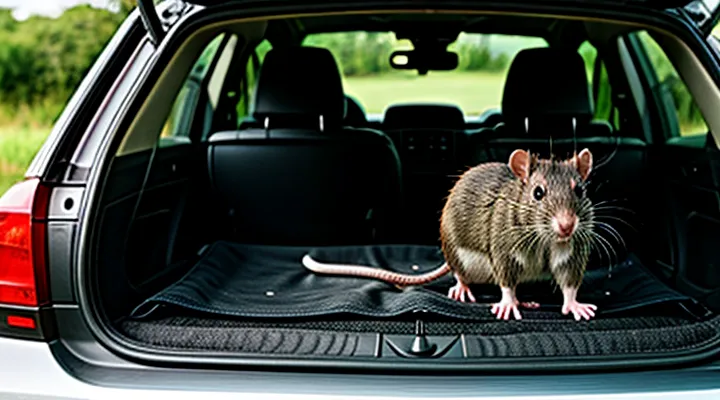
Understanding the Rat Problem in Your Car
Why Rats Choose Cars
Food Sources
Rats infest vehicles primarily because they find edible material inside. Loose crumbs, leftover snacks, and spilled beverages create a reliable nutrient supply, encouraging rodents to enter and remain.
- Bread, pastries, and other bakery products left in the cabin or trunk.
- Fruit, vegetables, and cutlery with residue from meals.
- Pet food stored in carriers, bags, or containers.
- Fast‑food wrappers, candy wrappers, and soda cans with remaining liquid.
- Chewing gum, nuts, and seeds that may be dropped while driving.
Eliminate these attractants by removing all food items before travel, sealing any pet provisions in airtight containers, and cleaning surfaces with a degreasing agent after each use. Vacuum seats, floor mats, and cargo areas to extract hidden particles. Dispose of waste in sealed bags and place them in a vehicle‑proof trash container.
When food sources are absent, baited traps become more effective because rats must seek alternative sustenance, increasing their interaction with capture devices. Consistent removal of edible debris sustains a low‑attractiveness environment, reducing the likelihood of reinfestation after removal.
Shelter and Warmth
Rats enter vehicles seeking a protected, warm environment. The cabin offers insulation from wind and temperature fluctuations, while the engine bay retains heat for hours after operation. Understanding these motivations allows the creation of effective traps.
- Place a baited snap trap or live‑catch cage near the heater vent, where residual warmth concentrates.
- Position a second trap in the rear cargo area, close to insulated panels that retain heat.
- Use a small piece of cloth or cardboard to cover the trap, mimicking a shelter and encouraging entry.
- Deploy a heat source, such as a warm water bottle wrapped in foil, to increase ambient temperature in the targeted zone.
- Check traps every 30 minutes; remove captured rats promptly to prevent injury or escape.
By replicating the shelter and warmth that attract rodents, the traps become indistinguishable from natural hideaways, increasing capture rates without reliance on poison or extensive vehicle modifications.
Vehicle Damage Caused by Rats
Rats frequently infiltrate motor vehicles, causing extensive damage that compromises safety and incurs costly repairs. Their gnawing habit targets components essential for operation, leading to electrical failures, fluid leaks, and structural degradation.
Commonly affected parts include:
- Wiring harnesses and connectors: chewed insulation creates short circuits, disables lights, and can trigger engine shutdown.
- Brake lines and fuel hoses: bite marks weaken walls, resulting in fluid loss, reduced braking efficiency, and fire risk.
- Air‑conditioning and heating ducts: burrowing creates blockages, reduces climate control performance, and promotes mold growth.
- Exhaust system and under‑carriage shields: damage accelerates corrosion and increases noise levels.
- Interior upholstery and insulation: nesting material and urine stain fabric, degrade sound damping, and create unpleasant odors.
Early detection relies on visual inspection for gnaw marks, exposed wires, and droppings, combined with monitoring for intermittent electrical faults, unexplained fluid loss, or unusual odors. Prompt repair of compromised components restores functionality and prevents secondary damage, such as fire hazards from exposed wiring. Regular maintenance checks, especially after periods of vehicle inactivity, reduce the likelihood of severe rat‑induced impairment.
Identifying a Rat Infestation
Signs of Rats in Your Car
Rats leave unmistakable evidence inside a vehicle. Recognizing these indicators early prevents damage to wiring, insulation, and upholstery.
- Droppings: Small, dark pellets scattered on seats, floor mats, or under the dashboard. Fresh droppings appear glossy; older ones dry and crumble.
- Nesting material: Shredded fabric, paper, insulation, or dried plant matter gathered in hidden compartments such as glove boxes, trunk corners, or engine bay.
- Odor: Strong, musky scent emanating from urine or feces, often noticeable when the car is stationary for several hours.
- Gnaw marks: Fresh bite marks on wires, plastic trim, or rubber hoses. Look for clean, straight cuts indicating active chewing.
- Noise: Scratching or scurrying sounds heard when the vehicle is parked, especially at night or in warm weather.
- Tracks: Small footprints or tail marks in dust, sand, or on the car’s interior carpet, usually leading toward a concealed nest.
- Stains: Yellowish or reddish urine spots on upholstery, carpet, or metal surfaces, sometimes accompanied by a wet sheen.
Identifying any combination of these signs warrants immediate inspection and removal to protect the vehicle’s mechanical and structural integrity.
Locating Entry Points
Rats reach a vehicle through openings that provide shelter, food, or a route to the interior. Identifying these gaps prevents infestation and enables effective control.
- Gaps around the firewall where the engine compartment meets the cabin
- Unsealed holes in the floor pan, especially near the rear cargo area
- Damaged or missing weather‑stripping on doors, windows, and trunk lids
- Openings around the exhaust pipe and ventilation ducts
- Cracks in the undercarriage shield or rusted sections of the chassis
Inspect each potential opening by shining a flashlight into dark corners, feeling for drafts, and using a thin probe to test seal integrity. Mark compromised areas, then seal them with metal mesh, high‑temperature silicone, or appropriate automotive caulk before setting traps or deploying repellents. This systematic approach closes access routes and reduces the likelihood of rodent intrusion.
Preparing for Rat Removal
Cleaning Your Car
Removing Food and Debris
Eliminating edible remnants and loose debris from a vehicle reduces attractants that draw rodents and creates an environment where traps function effectively. Residual crumbs, spilled snacks, and discarded packaging provide a reliable food source; without them, rats lose motivation to enter and remain inside the car.
Steps to clear food and debris:
- Remove all trash from seats, floor mats, and storage compartments; place it in a sealed container before disposal.
- Vacuum upholstery, carpeted areas, and under seats to extract crumbs and dust.
- Wipe hard surfaces (dashboard, console, door panels) with a mild detergent solution to dissolve sticky residues.
- Inspect hidden spaces such as glove boxes, trunk liners, and seat crevices; use a small brush or compressed air to dislodge hidden particles.
- Store any legitimate food items in airtight containers or remove them from the vehicle entirely during the trapping period.
Consistently maintaining a clean interior deprives rats of sustenance, increases the likelihood of capture, and prevents re‑infestation.
Sanitizing Interior Surfaces
Sanitizing the vehicle’s interior eliminates disease‑bearing contaminants left by rodents and prevents re‑infestation. Begin by removing all loose debris: floor mats, seat covers, and cargo liners should be taken out and shaken or vacuumed onto a disposable bag. Dispose of the bag in a sealed container to avoid spreading droppings.
Next, apply an EPA‑approved disinfectant to all hard surfaces. Follow these steps:
- Spray disinfectant on dashboards, door panels, and console areas; allow the product to remain wet for the manufacturer‑specified dwell time.
- Wipe with a disposable cloth, discarding the cloth after each use.
- For fabric upholstery, use a steam cleaner set to at least 212 °F (100 °C) to kill pathogens; allow the fabric to dry completely before reinstalling any removed components.
Finally, treat the ventilation system. Insert a disposable filter into each vent, spray a sanitizer designed for airflow channels, and run the fan on high for several minutes to circulate the solution throughout the cabin. Replace the filter with a new one after the process is complete. This thorough sanitation removes residual biohazard material and creates an environment that discourages further rodent activity.
Blocking Access Points
Inspecting and Sealing Gaps
Inspecting and sealing gaps is essential for preventing rodent intrusion in vehicles. A systematic examination of the car’s exterior and interior reveals potential entry points that rodents exploit.
- Door and window seals: examine for tears, gaps, or loose weatherstripping.
- Floor and trunk panels: lift carpeting and inspect underlayer for holes or worn edges.
- Engine compartment: check around wiring harnesses, coolant lines, and vent openings.
- Undercarriage: look for damage to splash shields, exhaust brackets, and chassis welds.
- Roof and sunroof seals: verify that seals are intact and free of cracks.
After identifying vulnerabilities, apply appropriate sealing materials:
- Steel wool or copper mesh: pack into small openings where rodents can gnaw.
- Silicone or automotive-grade caulk: seal cracks around seams and joints.
- Expandable polyurethane foam: fill larger gaps in the undercarriage and engine bay.
- Rubber grommets: protect wiring penetrations while blocking access.
- Weatherstrip replacement: install new, tight-fitting seals on doors and windows.
Complete the process by rechecking each sealed area to ensure no residual openings remain. Properly sealed gaps eliminate the primary pathways rodents use, reducing the likelihood of infestation and associated damage to wiring, insulation, and upholstery.
Using Repellents as a Barrier
Rats entering a vehicle create health hazards and damage to wiring, upholstery, and insulation. Repellents provide a non‑lethal barrier that discourages rodents from nesting or traveling inside the cabin and cargo area.
- Choose a repellent formulated for automotive use; options include ultrasonic devices, scent‑based sprays, and granular deterrents containing peppermint oil, capsaicin, or ammonia. Verify that the product is safe for plastics, fabrics, and electronic components.
- Apply scent‑based sprays to seams, under seats, door panels, and the trunk lining. Allow the liquid to dry completely before driving to prevent staining.
- Distribute granular deterrents in hidden compartments such as the spare‑tire well, under the floor mats, and within the engine bay. Reapply according to the manufacturer’s schedule, typically every 30‑45 days.
- Install ultrasonic units in the interior and cargo space, positioning them away from metal surfaces that could reflect the sound. Replace batteries or recharge devices as recommended.
- Combine multiple repellent types for layered protection; a scent barrier paired with an ultrasonic field increases effectiveness against both exploratory and established rodents.
Monitor the vehicle weekly for signs of activity—chewed wires, droppings, or gnaw marks. If evidence appears, increase repellent concentration or add additional units. Regular cleaning of food residue and securing garbage eliminate attractants, enhancing the repellent barrier’s performance.
Trapping and Removing Rats
Choosing the Right Traps
Snap Traps
Snap traps provide immediate, lethal control of rodents that infiltrate vehicle interiors. Their mechanical action delivers a rapid kill, preventing prolonged suffering and reducing the risk of disease transmission.
Select traps calibrated for the size of common automotive rodents. Models featuring a 2‑inch trigger bar and a 4‑inch spring force accommodate mice and small rats. Choose units with a sealed bait compartment to protect food from spills and to keep the trap stable during vehicle movement.
Place traps where rodent activity concentrates: beneath seats, in the engine compartment, within storage bins, and behind dashboard panels. Secure each trap to a fixed surface using zip ties or adhesive pads to prevent displacement while the vehicle is in motion. Ensure the trigger side faces the expected travel path of the animal.
Wear disposable gloves when loading bait and setting the trigger. Keep the trap’s spring tension disengaged until the vehicle is stationary. Store loaded traps in a sealed container when not in use to avoid accidental activation.
Effective bait includes high‑fat items such as peanut butter, bacon grease, or dried fruit. Apply a pea‑size amount to the bait cup, refresh every 48 hours, and rotate flavors to counteract habituation.
After a capture, immobilize the trap, place the carcass in a double‑bagged waste bag, and seal tightly. Clean the trap with hot, soapy water, then disinfect with a 10 % bleach solution before reuse. Dispose of waste according to local regulations for dead wildlife.
Confirm compliance with regional pest‑control statutes; some jurisdictions require specific documentation or limit the use of certain trap designs. Adhere to these rules to avoid legal penalties and to maintain responsible pest‑management practices.
Live Traps
Live traps provide a humane solution for removing rats that have entered a vehicle. They capture the animal without killing it, allowing owners to release the rodent far from residential areas.
Select a trap designed for small to medium‑sized rodents. Common models include collapsible metal cages with a spring‑loaded door and plastic containers with a hinged lid. Ensure the trap size accommodates a rat weighing up to 500 g; a cage measuring at least 8 × 6 × 6 inches meets this requirement.
Bait the trap with attractants that rats readily pursue. Effective options are:
- Peanut butter mixed with oats
- Fresh fruit pieces (apple, banana)
- Small amounts of cooked meat or fish
Apply a thin layer of bait to the trigger plate to prevent the animal from pushing the door open without activating the mechanism.
Place the trap where rat activity is evident. Typical locations inside a car include:
- Under the front seats, near the floorboard
- Inside the glove compartment, if accessible
- Between the rear seat cushions
Position the trap so the entrance faces the wall or dashboard, directing the rat toward the trigger. Secure the trap to prevent movement while the vehicle is in motion; use non‑slip mats or tie‑down straps.
Check the trap at least twice daily. Once a rat is captured, wear disposable gloves, cover the cage with a cloth, and transport it to a release site at least 5 miles from the residence. Open the trap gently, allowing the animal to exit without injury.
After release, disinfect the trap with a solution of diluted bleach (1 part bleach to 9 parts water) and rinse thoroughly. Inspect the vehicle for additional signs of infestation—droppings, gnaw marks, nesting material—and repeat the trapping process until no further captures occur.
Maintain cleanliness inside the car to deter future incursions. Remove food remnants, store snacks in sealed containers, and vacuum upholstery regularly. A consistent trapping routine combined with proper sanitation eliminates the rat problem without resorting to lethal methods.
Electronic Traps
Electronic traps offer a rapid, humane solution for eliminating rats that have entered a vehicle. These devices deliver a high‑voltage shock that instantly incapacitates the rodent, preventing injury to the car’s interior and avoiding the mess associated with traditional snap or glue traps.
Key advantages include:
- Immediate kill, eliminating the need for repeated inspections.
- No bait required; motion sensors detect the animal’s presence.
- Reusable battery‑powered units reduce ongoing costs.
- Compact design fits under seats, in the trunk, or behind panels without obstructing passengers.
Installation steps:
- Locate typical rat pathways such as wheel wells, undercarriage, and cargo areas.
- Place the trap on a flat surface, ensuring the sensor faces the expected travel route.
- Connect the power source, verify the indicator light confirms readiness.
- Activate the device; most models reset automatically after each discharge.
Safety considerations:
- Disconnect the vehicle’s battery before handling the trap to avoid accidental shocks.
- Keep the unit out of reach of children and pets; many models feature lockable covers.
- Follow the manufacturer’s maintenance schedule, replacing batteries or capacitors as indicated.
Effectiveness depends on proper placement and regular monitoring. After each activation, inspect the trap, remove the carcass, and clean the area with a disinfectant to deter secondary infestations. Combining electronic traps with preventive measures—such as sealing entry points and removing food sources—maximizes the likelihood of a rat‑free vehicle.
Strategic Trap Placement
High-Traffic Areas
Rats frequent routes that intersect with vehicle movement, making certain zones especially prone to intrusion. Recognizing these zones enables targeted trap placement and reduces the likelihood of infestation.
- Parking lots adjacent to restaurants, waste‑handling facilities, or grocery stores. Food residues and garbage attract rodents, and vehicles parked for extended periods provide shelter.
- Delivery bays and loading docks where pallets and crates are regularly moved. Open doors and gaps in these areas allow easy entry for rats seeking shelter during transport.
- Highway rest stops and service stations with abundant litter and pet food. High vehicle turnover creates continuous access points for rodents.
- Urban alleyways that channel traffic between residential blocks and commercial districts. Narrow passages concentrate rat activity and often lead directly to parked cars.
Position snap‑type traps or bait stations near the identified zones, focusing on entry points such as door seals, under‑carriage openings, and ventilation ducts. Secure all openings with steel mesh or foam inserts to prevent re‑entry after capture. Regular inspection of traps, combined with prompt disposal of captured rodents, maintains a rodent‑free interior and deters future incursions.
Near Food Sources
Rats are drawn to any food residue left in or around a vehicle. Even small crumbs, spilled drinks, or pet food can create a persistent attractant that keeps rodents inside the cabin and under the seats.
Identify and eliminate sources:
- Remove all food items before travel, including snacks, wrappers, and pet treats.
- Clean the interior thoroughly after each trip, vacuum seats, floor mats, and trunk compartments.
- Store perishable goods in sealed containers or insulated bags that prevent leakage.
- Dispose of garbage in a sealed bag and place it in a closed trunk compartment or external trash bin.
Inspect the vehicle for hidden deposits. Check under seats, between upholstery seams, and in cargo areas where crumbs may accumulate. Use a damp cloth with mild detergent to wipe surfaces, then dry completely to avoid moisture that also attracts rodents.
Maintain a regular cleaning schedule. Perform a deep clean at least once a month, focusing on areas where food particles tend to collect. Replace worn upholstery or carpet that retains odors, as these can serve as long‑term feeding sites.
Implement preventive measures. Apply non‑toxic rodent deterrent sprays around entry points such as door seals and ventilation openings. Keep the car parked in a clean environment, away from dumpsters or outdoor feeding stations that could increase the likelihood of rats approaching the vehicle.
By removing all potential food sources and maintaining a disciplined cleaning routine, the incentive for rats to enter and remain in a car diminishes dramatically, making trapping or removal efforts far more effective.
Baiting Techniques
Effective Bait Choices
Choosing the right attractant determines the success of any rodent‑control effort inside a vehicle. Rats are motivated by food odors that mimic natural sources, so bait must combine strong scent, palatability, and durability under temperature fluctuations typical of car interiors.
- Peanut butter mixed with oats – high fat content, strong aroma, adheres to traps.
- Sunflower seeds, shelled – bright scent, small size fits tight spaces.
- Dried fruit (apricot or raisin) – sweet odor, appeals to omnivorous diet.
- Meat‑based cat food, moist – intense protein smell, remains attractive for hours.
- Commercial rodent gel bait – formulated with attractants, resistant to drying.
Placement guidelines: apply a thin layer of bait on the trigger mechanism or attach a small dab to a piece of cardboard positioned near suspected travel routes. Ensure the bait does not spill onto upholstery, which can cause staining. Replace bait every 24–48 hours or after a capture to maintain potency.
Safety precautions: wear gloves when handling bait, especially protein‑based products, to avoid contaminating personal items. Store unused bait in sealed containers away from food supplies. Verify that bait does not contain toxic substances that could harm passengers or pets if inadvertently ingested.
Secure Baiting
Effective baiting inside a vehicle requires careful selection, placement, and containment to attract rodents while preventing mess and hazards.
Choose bait that appeals to rats and resists degradation in a confined space. Preferred options include:
- Peanut butter mixed with oats, sealed in a small plastic sachet.
- Hardened cheese cubes wrapped in waxed paper.
- Commercial rodent attractants formulated for indoor use.
Secure the bait to prevent movement during driving. Attach the sachet or wrapper to a fixed interior surface—such as the underside of a seat, the trunk floor, or a door panel—using zip ties or adhesive clips. Ensure the attachment does not interfere with seat belts, airbags, or vehicle operation.
Isolate the bait from passengers and pets. Place the secured package in a location inaccessible to humans, preferably inside a sealed container with a small entry hole that allows rats to reach the attractant while keeping the contents contained.
Monitor bait condition regularly. Replace any compromised packages before the attractant loses potency or becomes contaminated. Dispose of used bait in sealed waste bags to avoid spreading disease.
By selecting durable attractants, anchoring them securely, and isolating the bait from occupants, the baiting process remains effective and safe while targeting rodents within the vehicle.
Post-Removal Procedures
Disposing of Rats
After a rodent has been removed from a vehicle, immediate and safe disposal prevents health hazards and future infestations. Follow these steps to eliminate the captured animal without exposing occupants to disease or attracting additional pests.
- Wear disposable gloves and a mask to avoid direct contact with bodily fluids.
- Place the live or deceased rat in a sealable, puncture‑resistant container such as a heavy‑duty plastic bag or a metal box with a tight‑fitting lid.
- Label the container clearly as “Rodent Waste” to ensure proper handling during transport.
- Transport the sealed container to a licensed animal control facility, wildlife rehabilitation center, or municipal pest‑disposal service within 24 hours.
- If local regulations permit, dispose of the container in a designated hazardous‑waste bin; otherwise, arrange for a professional waste‑removal service.
After disposal, sanitize the vehicle interior. Use an EPA‑approved disinfectant on all surfaces the rat may have contacted, including upholstery, floor mats, and cargo areas. Allow the disinfectant to remain on surfaces for the manufacturer‑specified dwell time before wiping or vacuuming.
Finally, implement preventive measures to reduce re‑entry risk. Seal gaps around doors, windows, and ventilation openings; install rodent‑proof liners under seats; and regularly inspect the vehicle for signs of gnawing or droppings. Consistent maintenance eliminates attractants and reinforces long‑term protection.
Preventing Re-Infestation
After removing rodents from a vehicle, the risk of a new invasion remains high if proactive measures are not taken. Clean all compartments thoroughly; debris, food crumbs, and spilled liquids attract rodents. Vacuum seats, floor mats, and cargo areas, then wipe surfaces with a disinfectant that eliminates scent trails.
Secure potential entry points. Inspect door seals, window seals, and ventilation openings for gaps. Apply steel wool or silicone sealant to any opening larger than a quarter‑inch. Replace damaged weather stripping promptly.
Implement deterrents that discourage future activity. Place sealed, rodent‑resistant containers for any food items kept in the car. Use natural repellents such as peppermint oil–infused cotton balls in hidden spots, and consider electronic ultrasonic devices that emit frequencies uncomfortable to rodents.
Maintain a regular inspection schedule. Perform a quick visual check weekly for signs of gnaw marks, droppings, or nesting material. Replace bait stations or traps only after confirming no new activity.
Key actions to prevent recurrence
- Deep clean interior after each capture
- Seal all gaps and replace worn seals
- Store food in airtight containers
- Apply scent‑based or ultrasonic repellents
- Conduct weekly visual inspections
Consistent application of these steps eliminates attractants, blocks access, and creates an environment where rodents cannot re‑establish a presence.
Long-Term Prevention Strategies
Regular Car Maintenance
Engine Bay Cleaning
Cleaning the engine compartment is a critical component of any strategy aimed at preventing and eliminating rodents that have entered a vehicle. Rodents gnaw on wiring, hoses, and insulation, creating short‑circuit hazards and costly repairs. Removing nesting material and food residues eliminates the primary attractants that draw rats into the engine bay.
- Disconnect the battery to avoid accidental discharge.
- Remove loose debris, droppings, and shredded insulation with a vacuum equipped with a HEPA filter.
- Apply a biodegradable degreaser to metal surfaces; scrub with a non‑abrasive brush.
- Rinse with low‑pressure water, protecting electrical connectors with plastic covers.
- Dry the area thoroughly using compressed air or absorbent cloths.
- Inspect wiring for bite marks; replace damaged sections immediately.
Regular maintenance of the engine compartment reduces the likelihood of re‑infestation. After each cleaning session, place rodent‑deterrent devices—such as ultrasonic emitters or peppermint oil sachets—near heat shields and intake manifolds. Seal gaps in the firewall and undercarriage to block entry points. Consistent inspection and prompt removal of debris sustain a hostile environment for rats, protecting the vehicle’s electrical system and extending its operational life.
Wire Protection
Protecting a vehicle’s wiring from rodent damage is essential when implementing rodent‑control measures. Rats gnaw on insulation, causing short circuits, loss of power to lights, and costly repairs. Effective wire protection reduces the likelihood of such failures and supports any trapping strategy applied inside the vehicle.
Common protective methods include:
- Braided steel sleeves – encase cables in a metal mesh that resists chewing.
- Rodent‑repellent tape – apply adhesive strips infused with bitter or ultrasonic deterrents along exposed harnesses.
- Heat‑shrink tubing with metal reinforcement – shrink over connections, providing a seamless barrier.
- Cable conduit runs – route wires through PVC or metal conduits, keeping them out of reach.
- Chemical sprays – treat cable bundles with approved rodent‑repellent sprays, reapplying according to manufacturer guidelines.
Installation should follow these steps:
- Identify all wiring sections that pass through the cabin, trunk, and engine bay.
- Clean surfaces to ensure adhesives adhere properly.
- Apply the chosen protective material, overlapping seams by at least one inch.
- Secure ends with zip ties or clamps to prevent movement.
- Inspect regularly for signs of wear or rodent activity, replacing compromised sections promptly.
Maintaining a sealed environment—closing openings, sealing gaps, and keeping the interior clean—complements physical barriers and maximizes the effectiveness of wire protection in any vehicle‑based rodent‑mitigation effort.
Environmental Control Around Your Car
Yard Maintenance
Maintaining the yard around a vehicle reduces the likelihood that rodents will seek shelter inside the car. Regular removal of debris, fallen fruit, and excess vegetation eliminates food sources and nesting sites that attract rats. Trim grass and shrubs to a low height, creating a clear perimeter that discourages rodents from approaching the vehicle.
Implement the following yard‑care actions:
- Collect and dispose of garbage daily; use sealed containers to prevent access.
- Store firewood, compost, and pet food away from the car, preferably elevated or in metal bins.
- Keep the driveway and parking area free of tall weeds, tall grasses, and overgrown bushes.
- Inspect and repair any gaps in fences or gates that could serve as entry points for rodents.
- Apply non‑toxic rodent deterrents, such as peppermint oil or ultrasonic devices, around the vehicle’s perimeter.
Inspect the vehicle’s undercarriage and wheel wells after each yard‑maintenance session. Remove any nesting material or droppings discovered, and seal openings in the chassis with steel wool or appropriate mesh. Consistent yard upkeep, combined with vehicle inspection, creates an environment where rats are less likely to infiltrate the automobile, thereby reducing the need for direct trapping measures.
Storing Food Properly
Proper food storage is a critical factor in preventing rodent activity inside a vehicle. Residual crumbs, open containers, and improperly sealed snacks create a food source that draws rats to the interior, where they can gnaw wiring, contaminate surfaces, and cause damage. Managing food items eliminates the primary attraction and supports any effort to remove rodents from a car.
Store all edible items in airtight containers made of hard plastic or metal. Ensure lids seal tightly and inspect seals regularly for wear. Keep containers in a cool, dry compartment, such as a trunk organizer, rather than on seats or dashboards where they are exposed to temperature fluctuations.
Before each trip, remove any leftover food, wrappers, or packaging from the passenger area. Clean surfaces with a mild detergent and dry thoroughly to remove scent traces that could guide pests. Dispose of waste in sealed bags and place them in an external trash receptacle, never inside the vehicle.
Key practices for effective food management in a car:
- Use resealable, hard‑shelled containers for snacks, drinks, and meals.
- Place containers in a fixed storage slot to avoid movement and spills.
- Clean interior upholstery and floor mats after each use of food.
- Inspect and replace damaged container seals promptly.
- Keep a small, dedicated trash bag that seals tightly and is removed daily.
Implementing these measures reduces the likelihood of rats finding a viable food source, thereby strengthening any strategy aimed at eliminating rodent presence from a vehicle.
Professional Pest Control
When to Call an Expert
Rodent activity inside a vehicle can quickly become a safety and health issue. Recognizing the point at which professional assistance is required prevents damage to wiring, upholstery, and mechanical components.
Signs that merit immediate expert intervention include:
- Large numbers of droppings or urine stains covering multiple seats or floorboards.
- Evidence of gnaw marks on wiring harnesses, brake lines, or fuel hoses.
- Persistent, strong odor of ammonia or rot that does not dissipate after basic cleaning.
- Repeated sightings of live rats despite repeated DIY traps or repellents.
- Electrical failures or intermittent malfunctions that coincide with rodent damage.
When any of these conditions appear, contact a licensed pest‑control service that offers automotive treatment. Professionals bring specialized equipment—such as heat‑based extermination units and vehicle‑safe bait stations—and possess knowledge of regulations governing chemical use inside confined spaces. They also provide post‑treatment inspection to confirm eradication and advise on preventive measures, such as sealing entry points and applying long‑lasting deterrents.
Attempting to resolve severe infestations without expert help risks costly repairs, compromised vehicle safety, and prolonged exposure to disease vectors. Prompt consultation with a qualified technician safeguards both the vehicle’s integrity and the occupants’ health.