
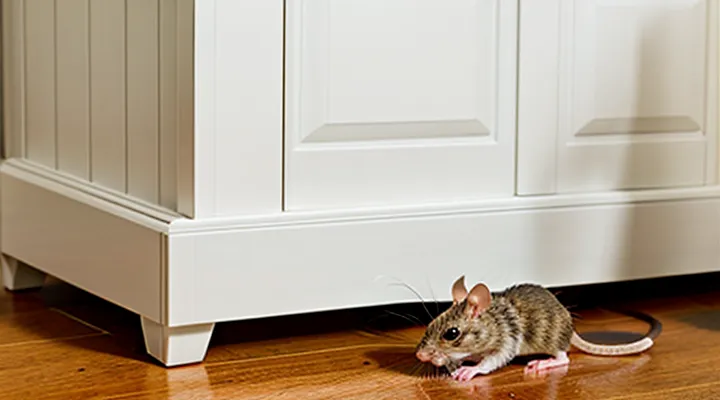
Understanding the Mouse Problem
Signs of a Mouse Infestation
Droppings and Urine
Mouse droppings and urine are primary indicators of infestation and pose health hazards. Fresh droppings appear as small, dark, rice‑shaped pellets; older deposits turn gray and crumble. Urine stains often manifest as yellowish rings or wet spots on surfaces, especially near food storage, cabinets, and concealed areas.
Health risks stem from pathogens such as Hantavirus, Salmonella, and Leptospira, which survive in dried feces for up to two years and in urine for several weeks. Inhalation of aerosolized particles during cleaning can lead to respiratory illness; direct contact may cause gastrointestinal infection.
Effective remediation follows a strict protocol:
- Ventilate the area by opening windows and using fans; avoid dust‑generating activities.
- Wear disposable gloves, N‑95 respirator, and protective clothing.
- Dampen droppings and urine with a 10% bleach solution (1 part bleach to 9 parts water) for at least five minutes; this neutralizes pathogens before removal.
- Scoop damp material into a sealed plastic bag; discard in an outdoor trash container.
- Clean the exposed surface with the same bleach solution, allowing it to remain wet for ten minutes.
- Rinse with clean water, then dry thoroughly; repeat if residue persists.
- Dispose of gloves and respirator according to local hazardous‑waste guidelines.
Detection and removal of droppings and urine should precede trap placement. Eliminating these signs reduces attractants, improves trap success, and minimizes the likelihood of secondary infestations. Continuous monitoring for fresh deposits confirms the effectiveness of control measures and signals when additional interventions are required.
Gnaw Marks
Gnaw marks are the most reliable indication that mice are present in a residence. They appear as smooth, crescent‑shaped bite holes on wood, plastic, cardboard, and wiring, typically 2–6 mm in diameter. Fresh gnawing leaves clean edges, while older damage darkens and may show frayed fibers. Identifying these signs helps pinpoint activity zones and informs the placement of traps or bait stations.
Accurate mapping of gnaw marks enables targeted intervention. Follow these steps:
- Inspect baseboards, cabinets, and appliance housings for fresh bite holes.
- Trace the direction of the marks; mice gnaw outward from nesting sites.
- Record each location on a floor plan to create a concentration map.
- Position snap traps, live‑catch traps, or bait stations at the outer edge of the gnawed path, where mice are most likely to travel.
Understanding gnaw marks reduces unnecessary placement of devices and increases capture rates. By focusing on verified damage, homeowners can apply proven rodent‑control methods efficiently and achieve quicker results.
Scratching Noises
Scratching sounds often signal mouse movement within walls, ceilings, or floor cavities. Mice generate short, repetitive scratches as they gnaw on structural wood or navigate tight spaces. The noise typically occurs at night when rodents are most active and may be heard from behind baseboards, under cabinets, or inside attic insulation.
To distinguish mouse scratches from other sources, consider the following characteristics:
- Frequency: 2–5 rapid clicks per second, repeating in short bursts.
- Pitch: High‑frequency, sharper than the low thuds produced by larger rodents.
- Location: Concentrated near entry points, food storage, or warm zones.
- Timing: Peaks after sunset and diminishes before sunrise.
When the origin of scratching noises is confirmed, use the information to position traps effectively:
- Mark the exact spot where the sound is loudest.
- Place snap or live‑capture traps directly against the wall or inside the cavity identified.
- Add a small amount of attractive bait (peanut butter, cheese, or grain) to increase capture probability.
- Install a secondary trap a few inches away to cover potential escape routes.
Continuous monitoring of the area after trap placement helps verify success. A sudden silence or a change in the pattern of scratches indicates reduced activity, while persistent noise may require repositioning of traps or sealing of entry gaps. By treating scratching noises as precise indicators, homeowners can target mouse infestations with minimal disruption and maximize the effectiveness of control measures.
Nests
Mice build nests to protect offspring and store food, making nests a focal point for any control effort. Recognizing nest locations allows you to target interventions where rodents spend the most time.
Typical nest sites include:
- Behind appliances, inside wall cavities, and beneath cabinets.
- In insulated attic spaces, especially where ventilation is limited.
- Within stored items such as boxes, laundry piles, and pet bedding.
When a nest is discovered, follow these steps:
- Wear disposable gloves and a mask to prevent exposure to urine, droppings, and parasites.
- Remove all nesting material; place it in a sealed bag for disposal.
- Clean the area with a detergent solution, then disinfect with a 10% bleach mixture or an EPA‑registered rodent disinfectant.
- Seal entry points around the cleaned site using steel wool, caulk, or metal flashing to block future access.
- Install traps or bait stations nearby, positioning them perpendicular to walls where mice travel to and from the nest.
Preventing new nests requires eliminating conditions that attract rodents:
- Keep food in airtight containers; clean spills immediately.
- Reduce clutter that offers concealment.
- Maintain low humidity; dry out damp areas that provide comfort for nesting.
Regular inspection of potential nest zones, combined with prompt removal and sealing, reduces mouse populations and supports long‑term control.
Preparation Before Trapping
Cleaning and Sanitizing
Removing Food Sources
Eliminating accessible nutrition deprives mice of the incentive to remain in a residence, forcing them to search elsewhere and reducing population growth. Secure storage and diligent sanitation are the most reliable tactics.
- Keep all dry goods in airtight containers made of glass, metal, or heavy‑wall plastic; seal lids tightly after each use.
- Refrigerate or freeze bulk items such as grains, nuts, and dried fruit; discard any packaging that shows damage.
- Clean countertops, floors, and appliance exteriors immediately after meals; sweep or vacuum crumbs and spill residues at least once daily.
- Store pet food in sealed containers; remove uneaten portions within 30 minutes and avoid leaving bowls overnight.
- Use trash cans with tight‑fitting lids; empty them regularly and keep the exterior of cans clean.
- Eliminate outdoor attractants by covering birdseed feeders, removing fallen fruit, and trimming vegetation near entry points.
Consistently applying these measures removes the primary draw for rodents, making the environment inhospitable and supporting any additional trapping or exclusion methods employed.
Sealing Entry Points
Sealing entry points prevents mice from re‑entering a residence after traps or baits have been deployed. Effective exclusion begins with a systematic inspection of the building envelope.
Start by examining the exterior for visible gaps larger than a quarter inch. Common locations include:
- Gaps around utility pipes, vent pipes, and cable entries
- Openings beneath doors and windows, especially where weatherstripping is missing or damaged
- Cracks in foundation walls, siding, or brick veneer
- Holes in the roofline, such as around chimney flues or attic vents
- Unsealed openings around garage doors and pet doors
Mark each opening with a temporary indicator (e.g., masking tape) to track progress.
Select appropriate sealing materials based on the size and type of gap:
- Steel wool or copper mesh for small holes; combine with caulk to hold in place
- Expanding polyurethane foam for irregular or larger voids; trim excess after curing
- Heavy‑duty silicone or acrylic caulk for seams around windows and doors
- Metal flashing or sheet metal for gaps around pipes and vents; secure with screws or rivets
- Mortar or concrete patch for foundation cracks exceeding one inch
Apply sealants in dry conditions. For exterior surfaces, clean the area of debris, dust, and grease before application. Press steel wool or mesh firmly into the opening, then cover with a bead of caulk to create a continuous barrier. When using foam, insert the nozzle into the gap, fill slowly to avoid over‑expansion, and allow the product to cure fully before trimming.
After sealing, perform a secondary inspection. Verify that no new openings have been created during the repair process and that all previously marked points are fully closed. Conduct periodic checks—monthly or after severe weather—to maintain integrity.
By systematically identifying, treating, and monitoring entry points, homeowners eliminate the primary pathway mice use to infiltrate living spaces, increasing the long‑term success of any trapping or baiting program.
Identifying Mouse Hotspots
Kitchen Areas
Maintain a clean kitchen to eliminate food sources that attract mice. Store dry goods in airtight containers, immediately clean crumbs and spills, and regularly empty trash bins with sealed lids.
Identify and seal potential entry points. Inspect walls, cabinets, and the underside of countertops for gaps larger than a quarter‑inch; fill openings with steel wool, caulk, or copper mesh, materials mice cannot gnaw through.
Place traps strategically. Position snap traps or electronic devices along walls, behind appliances, and near known activity zones such as the pantry or sink area. Ensure traps are set perpendicular to the wall, with the trigger side facing the wall, to align with natural mouse travel routes.
Use bait that appeals to kitchen‑habituated rodents. Peanut butter, small pieces of cheese, or dried fruit work effectively when applied to the trap trigger. Replace bait daily to retain potency and monitor trap success.
Implement ongoing monitoring. Keep a log of trapped mice, noting location and date, to detect patterns and adjust placement of seals or traps accordingly. Regularly reassess the kitchen’s sanitation and structural integrity to prevent re‑infestation.
Basements and Attics
Basements and attics provide ideal shelter for rodents because they are rarely frequented, often damp, and contain numerous entry points. Mice exploit gaps around utility lines, floor joists, and foundation cracks to gain access. Regular inspection of these areas reduces the likelihood of infestation.
- Examine walls, ceilings, and flooring for gnaw marks, droppings, and shredded insulation.
- Seal openings larger than ¼ inch with steel wool, caulk, or hardware cloth.
- Install weather‑stripping on doors and windows that lead to the basement or attic.
- Repair damaged vent covers and ensure crawl‑space doors close tightly.
Strategic placement of traps and bait maximizes capture rates in these secluded spaces.
- Position snap traps along walls where mice travel, typically within 12 inches of the baseboard.
- Use bait such as peanut butter, oats, or dried fruit, secured to the trap to prevent removal.
- Deploy multiple traps in a line, spacing them 2–3 feet apart, to intercept movement corridors.
- Replace or reposition traps daily until activity ceases.
Sanitation measures limit food sources that attract mice.
- Store firewood away from the house, elevating pallets to prevent nesting.
- Keep stored items in sealed containers; avoid cardboard boxes that provide cover.
- Remove debris, insulation scraps, and excess clutter that can serve as hiding spots.
By maintaining structural integrity, sealing potential ingress points, and employing targeted trapping techniques, basements and attics become inhospitable to mice, preventing their spread throughout the residence.
Garages and Sheds
Garages and sheds often serve as the first foothold for mice seeking shelter and food, because they contain stored items, clutter, and numerous openings to the house. Mice can travel through gaps as small as a quarter‑inch, so unchecked access points quickly become a conduit for infestation.
- Conduct a thorough visual inspection of walls, doors, windows, and utility penetrations; look for gnaw marks, droppings, and nesting material.
- Identify and prioritize openings larger than 6 mm; common sources include vent covers, pipe sleeves, and gaps around garage doors.
- Apply steel wool, copper mesh, or silicone‑based sealant to fill cracks; use metal flashing for larger gaps around foundations.
- Install snap traps or electronic traps along walls, behind stored boxes, and near known runways; position bait (peanut butter, dried fruit) securely to prevent spillage.
- Place tamper‑resistant bait stations in concealed corners; monitor and replace according to manufacturer guidelines.
- Remove food sources by storing feed, pet food, and garden produce in airtight containers; keep the floor clear of debris and shredded paper.
- Maintain regular cleaning cycles; sweep floors, vacuum corners, and dispose of waste in sealed bags to eliminate attractants.
Sealing entry points, deploying appropriate traps, and enforcing strict sanitation together create an environment where mice cannot establish a foothold in garages or sheds, thereby protecting the entire home from further intrusion.
Effective Trapping Methods
Snap Traps
Baiting Strategies
Effective rodent control in residential settings relies heavily on selecting appropriate attractants and deploying them strategically. Successful baiting reduces the time required to locate and eliminate mice while minimizing collateral damage to non‑target species.
- Peanut butter or soft cheese: strong odor, high fat content, adheres to trap surfaces, remains attractive for several days.
- Commercial rodent blocks: formulated with grain, soy, and attractants; designed for slow release, useful for long‑term placement.
- Chocolate or dried fruit: sweet scent appeals to omnivorous rodents; suitable for indoor traps where strong odors may be undesirable.
- Seed mixtures with added oil: mimic natural foraging options; effective in pantry or storage areas.
Placement guidelines:
- Position bait within 1–2 inches of trap trigger to ensure contact without allowing the mouse to remove bait without triggering the device.
- Locate stations along walls, behind appliances, and near known runways; mice prefer concealed routes.
- Secure bait in tamper‑proof containers when children or pets are present; use sealed plastic boxes with small entry slots.
- Rotate bait types every 3–5 days to prevent habituation; replace stale or dried attractants promptly.
- Monitor traps daily; remove captured mice and replenish bait to maintain continuous pressure on the population.
Combining multiple attractants and rotating them according to observed activity patterns maximizes capture rates while preserving safety and hygiene in the home environment.
Placement Techniques
Effective trap placement determines the success of a mouse control program. Identify high‑traffic zones by observing droppings, gnaw marks, and grease trails. Position devices where rodents travel between food sources and hiding places.
- Place snap or electric traps along walls, exactly 2–3 inches from the baseboard, because mice prefer to run close to surfaces.
- Install bait stations in concealed corners of cabinets, pantry shelves, and behind appliances; ensure the bait is secured to prevent accidental contact with children or pets.
- Set glue boards on the floor beneath cabinets and near the backs of refrigerators; these locations intercept mice moving upward toward food.
- Deploy multi‑catch traps in utility closets and laundry rooms, where clutter offers shelter.
- Use motion‑activated deterrents in entry points such as gaps around pipes, vents, and door frames; these devices reduce reinfestation by discouraging entry.
After deployment, inspect traps daily. Replace or relocate any device that remains untouched for 48 hours, as this indicates an ineffective spot. Rotate trap positions every week to cover alternate pathways and prevent mice from learning trap locations. Maintain a log of captures to track activity patterns and refine placement strategy over time.
Live Traps
Humane Considerations
When addressing rodent control inside a residence, humane considerations shape both the choice of tools and the execution of the process. Ethical treatment reduces suffering, protects non‑target animals, and complies with many local regulations.
Key humane principles include:
- Selecting live‑capture devices that immobilize mice without injury.
- Positioning traps away from areas frequented by children, pets, or wildlife to prevent accidental capture.
- Using bait that attracts only the target species, such as grain or peanut butter, and avoiding toxic substances.
- Monitoring traps frequently—at least twice daily—to limit stress and dehydration.
- Implementing a release protocol that transports captured mice at least 100 meters from the home, preferably into a suitable natural habitat where they can survive.
- Documenting each capture and release to maintain accountability and assess effectiveness.
Additional measures reinforce humane practice:
- Seal entry points after removal to prevent re‑infestation, eliminating the need for repeated trapping.
- Maintain a clean environment by storing food in airtight containers and promptly cleaning crumbs, which reduces attractants without harming the animals.
- Educate household members about the purpose and proper handling of live traps, ensuring consistent and respectful treatment.
By integrating these considerations, homeowners achieve effective rodent management while upholding ethical standards and minimizing ecological impact.
Release Protocol
When a mouse is captured, the release protocol determines whether the animal can be returned to a suitable outdoor environment without compromising health, safety, or efficacy of the control program.
- Verify local regulations regarding the release of rodents; some jurisdictions prohibit releasing captured pests.
- Select a release site at least 150 feet (≈45 m) from the residence, preferably in a wooded or field area where shelter and food sources are abundant.
- Wear disposable gloves to prevent disease transmission and to avoid leaving human scent on the animal.
- Gently open the trap or container, allowing the mouse to exit on its own; avoid direct handling.
- Observe the mouse for a brief period to confirm it has left the immediate area, then retreat to prevent re‑entry.
- Clean and disinfect the trap according to manufacturer guidelines before reuse.
Document each release, noting date, time, and location, to track patterns and assess the need for additional control measures. This systematic approach minimizes the risk of re‑infestation while complying with ethical and legal standards.
Glue Traps
Risks and Ethical Concerns
Effective mouse control carries several hazards that require careful management. Physical injury can result from handling traps, especially spring‑loaded or snap devices, which may release sudden force. Exposure to rodent‑borne pathogens, such as hantavirus, leptospirosis, and salmonella, increases when dead or living mice are handled without protective gloves. Chemical baits containing anticoagulants or neurotoxins pose poisoning risks to children, pets, and non‑target wildlife if misapplied or left unsecured. Improper disposal of carcasses can contaminate household surfaces and attract secondary pests.
Ethical considerations focus on humane treatment and ecological impact. Live‑catch traps that release mice outdoors may subject animals to predation, starvation, or exposure to extreme weather, raising questions about responsible relocation. Lethal methods, including snap traps and poison, cause rapid death but may also inflict suffering if malfunctioning or misaligned. Use of poison can lead to secondary poisoning of predators that consume poisoned mice. Balancing pest control objectives with respect for animal welfare demands selection of methods that minimize pain, prevent unintended harm, and comply with local regulations governing humane pest management.
Electronic Traps
Advantages and Disadvantages
Effective mouse control in residential settings requires weighing the benefits and drawbacks of each technique. Understanding these trade‑offs enables informed selection of the most suitable approach for a given environment.
-
Snap traps
Advantages
• Immediate kill, preventing breeding
• Low cost, reusable after resetting
• No chemical residueDisadvantages
• Requires careful placement to avoid accidental injury
• May cause distress to occupants who witness the kill
• Limited to single captures per reset -
Live‑catch traps
Advantages
• Allows relocation of captured rodents
• No lethal action, reducing ethical concerns
• Reusable indefinitelyDisadvantages
• Requires regular monitoring to prevent stress or death of the animal
• May release captured mice back into the home if not removed promptly
• Higher initial price than snap traps -
Glue boards
Advantages
• Simple deployment on flat surfaces
• Effective for small, hidden infestationsDisadvantages
• Causes prolonged suffering for the animal
• Leaves adhesive residue, difficult to clean
• Ineffective against larger or determined mice -
Electronic traps
Advantages
• Quick, humane kill via high‑voltage shock
• Visible indicator of capture, confirming activity
• No chemicals, safe for children and pets when used correctlyDisadvantages
• Requires power source or battery replacement
• Higher purchase price than mechanical traps
• May not attract mice without additional bait -
Rodenticide baits
Advantages
• Can eliminate multiple rodents from a single application
• Minimal placement effortDisadvantages
• Toxic to non‑target animals and children
• Risk of secondary poisoning for predators
• Potential for bait aversion after initial exposure -
Ultrasonic repellents
Advantages
• No physical traps, silent operation
• Easy installation, low maintenanceDisadvantages
• Effectiveness varies widely among species and building layouts
• Mice may habituate, reducing long‑term impact
• Devices consume electricity continuously -
Natural deterrents (e.g., peppermint oil, steel wool)
Advantages
• Non‑toxic, safe around humans and pets
• Inexpensive, readily availableDisadvantages
• Provide only short‑term deterrence, not elimination
• Require frequent reapplication to maintain potency
• May be ineffective against established infestations
Choosing a method involves matching these characteristics to the specific constraints of the household, such as budget, presence of children or pets, and tolerance for lethal versus non‑lethal solutions.
Advanced Prevention and Control
Natural Deterrents
Peppermint Oil
Peppermint oil is a widely recognized natural deterrent for rodents. Its strong menthol scent overwhelms the olfactory receptors that mice rely on for navigation and foraging, causing them to avoid treated areas.
To employ peppermint oil effectively, follow these steps:
- Choose a 100 % pure essential oil to ensure potency.
- Dilute the oil with water at a ratio of 10 ml oil to 250 ml water; add a few drops of mild dish soap to emulsify.
- Soak cotton balls or small cloth pieces in the solution and place them in corners, behind appliances, and along wall voids where mouse activity is observed.
- Replace the saturated materials every 3–4 days, or sooner if the scent fades.
Concentration matters. Undiluted oil can damage wood finishes and irritate human skin; the recommended dilution maintains efficacy while protecting surfaces and occupants.
Peppermint oil works best as a preventive measure rather than an instant elimination tool. It discourages entry and reduces the likelihood of infestation, but it does not kill mice. For comprehensive control, combine the oil with mechanical traps or sealing of entry points.
Safety considerations include keeping the treated materials out of reach of pets and children, ventilating rooms after application, and testing a small, inconspicuous area for material compatibility.
When integrated into a broader rodent-management plan, peppermint oil provides a low‑toxicity, inexpensive option that complements other proven strategies for keeping mice out of the home.
Dryer Sheets
Dryer sheets can serve as a low‑cost deterrent for rodents inside a residence. The strong fragrance and fabric softener chemicals mask the scent trails that mice use to navigate, making the environment unattractive for them.
The mechanism relies on volatile compounds released when the sheet contacts air. These compounds interfere with the rodents’ olfactory receptors, reducing their willingness to explore treated areas. The effect is temporary; the scent diminishes after a few days.
To employ dryer sheets effectively:
- Choose unscented or lightly scented sheets to avoid overwhelming odors for occupants.
- Place one sheet in each known entry point, such as gaps under appliances, behind cabinets, and near baseboards.
- Replace sheets every 48–72 hours, or sooner if the scent weakens.
- Combine with other control measures, such as sealing holes and setting traps, for comprehensive results.
Dryer sheets do not kill mice and should not replace mechanical traps or exclusion techniques. Their use may be unsuitable in households with pets that could ingest the material, and strong fragrances may cause irritation for sensitive individuals.
Professional Extermination
When to Call an Expert
Professional pest control should be considered when DIY measures fail to reduce mouse activity, when infestation signs spread beyond a single room, or when structural damage becomes apparent.
- Repeated sightings despite traps and baits
- Droppings, gnaw marks, or urine stains in multiple areas
- Damage to insulation, wiring, or stored food containers
- Presence of mice in inaccessible spaces such as wall cavities or attics
- Health concerns, including allergic reactions or disease risk, affecting vulnerable occupants
Engaging a licensed exterminator provides access to specialized equipment, certified rodenticides, and expertise in sealing entry points that homeowners typically overlook. Professionals can also conduct a comprehensive inspection to identify hidden nests and recommend long‑term prevention strategies.
When selecting a service, verify certification, request a written assessment, and confirm that the provider follows integrated pest management principles to minimize chemical use while ensuring effective eradication.
Long-Term Solutions
Effective rodent control relies on preventive measures that eliminate access, reduce attraction, and sustain a hostile environment for mice over time.
- Seal all potential entry points: inspect foundations, walls, doors, and windows; install steel wool or copper mesh in gaps larger than ¼ inch, then cover with caulk or metal flashing.
- Improve sanitation: store food in airtight containers, clean crumbs and spills immediately, and discard waste in sealed bins.
- Reduce shelter: clear clutter, trim vegetation away from the building, and keep stored items off the floor.
- Install exclusion devices: use door sweeps, vent screens, and chimney caps designed to block rodents while allowing ventilation.
- Apply integrated pest management (IPM): combine physical barriers, regular monitoring, and targeted baiting only when necessary, minimizing chemical reliance.
- Conduct periodic inspections: schedule quarterly checks to verify the integrity of seals and identify new activity signs such as gnaw marks or droppings.
Sustaining these practices creates a long‑term barrier that prevents re‑infestation, reduces reliance on reactive trapping, and promotes a mouse‑free home environment.