
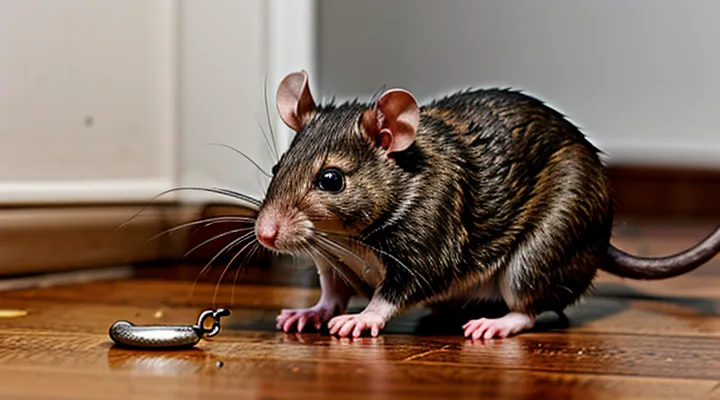
Understanding Rat Behavior
Signs of a Rat Infestation
Droppings and Urine Trails
Droppings and urine trails provide reliable indicators of rat activity, allowing precise trap placement. Recognizing these signs reduces the number of traps needed and increases capture success.
Fresh droppings appear as small, dark, cylindrical pellets about ¼ inch long, often found along walls, behind appliances, and near food sources. Their presence confirms recent movement; a concentration of pellets signals a primary pathway.
Urine trails are invisible to the naked eye but leave a distinct odor and may be detected with a black‑light flashlight, which makes fresh deposits fluoresce. Wet spots on surfaces, stained wood, or a strong musky smell indicate active routes.
Using these clues to set traps follows a clear sequence:
- Locate a cluster of droppings or a visible urine stain.
- Identify the direction of travel by observing the line of pellets or the spread of scent.
- Position a snap or live‑catch trap perpendicular to the pathway, with the trigger end facing the expected approach.
- Bait the trap with food that matches the rat’s diet, placed near the droppings but not directly on them to avoid contamination.
- Check traps daily, relocate if no activity is observed, and repeat the process along the identified route.
By focusing on droppings and urine trails, trap deployment becomes data‑driven, leading to faster, more efficient rat control.
Gnaw Marks and Damage
Gnaw marks indicate active rodent presence and guide trap placement. Fresh incisors leave clean, shallow cuts on wood, plastic, or cables, while older bites appear ragged and darkened. Identifying the direction of chew lines reveals the animal’s travel path, allowing you to position a trap directly in the line of movement.
Key observations for effective trapping:
- Consistent bite depth of 2‑3 mm suggests a healthy adult; deeper marks may signal a larger individual.
- Parallel scratches on baseboards or walls point to a preferred runway.
- Damage to wiring or insulation often occurs near feeding stations; locate these hotspots for bait placement.
Targeting these specific damage sites maximizes encounter probability, reduces trap failures, and accelerates removal of the infestation.
Unusual Noises
Unusual noises often signal rat activity and can guide the placement of a trap. A series of faint scratching sounds inside walls or ceilings suggests a rodent’s movement through concealed passages. Sharp, intermittent squeaks heard at night indicate a lone rat navigating its burrow, while continuous rustling behind stored items reveals a small colony foraging for food. Detecting these auditory clues allows precise positioning of a capture device where the animal is most active.
When a trap is set, acoustic cues improve effectiveness. Place the mechanism near the source of the loudest scraping, ensuring the trigger is aligned with the rat’s typical travel route. Use a bait that emits a subtle scent without masking the noise, so the rodent remains focused on the sound of potential shelter. Regularly monitor the trap during periods of heightened activity—usually after dusk—when the identified noises are most prominent.
Key auditory indicators to watch:
- Persistent gnawing on insulation or wiring
- Sharp squeals during quiet hours
- Continuous rustling in stored boxes or pantry shelves
- Intermittent thumping from ceiling joists
By correlating these sounds with strategic trap placement, the likelihood of a successful capture increases markedly.
Rat Habits and Preferences
Food Sources
Effective bait selection determines trap success. Rats are omnivorous; they prefer high‑protein, high‑fat foods that provide quick energy. Fresh meat, such as cooked chicken or fish, attracts quickly but deteriorates rapidly, limiting shelf life. Fatty cheese, particularly cheddar or mozzarella, retains aroma longer and remains palatable in cooler conditions. Peanut butter offers strong scent, adheres to trap mechanisms, and resists spoilage; a teaspoon placed on the trigger plate is sufficient for most species.
- Cooked meat (small pieces of chicken, beef, or fish) – strong odor, short‑term use.
- Hard cheese (cheddar, mozzarella) – lasting scent, suitable for extended deployment.
- Peanut butter – adhesive, long‑lasting, effective for both nocturnal and diurnal activity.
- Sunflower or pumpkin seeds – high fat, easy to attach, minimal mess.
- Wet cat food or tuna slurry – intense aroma, ideal for indoor traps.
Bait placement influences capture rates. Position the food directly on the trigger mechanism to ensure the rat contacts the release lever while feeding. Secure the bait to prevent removal; use a small amount to avoid masking the trap’s scent with excess food. Rotate bait types every 2–3 days to prevent habituation, which reduces interest and lowers capture efficiency.
Nesting Sites
Identifying a rat’s nesting site is essential for successful trap placement. Rats select locations that provide shelter, food access, and safety from predators. Typical nesting sites include wall voids, attic insulation, under floorboards, behind appliances, and dense vegetation near structures. Recognizing these areas allows the trap to be positioned where the rat is most likely to travel.
Key indicators of a nesting site:
- Fresh droppings concentrated in a specific area
- Chewed building materials or wires
- Grease stains or urine marks along walls
- Presence of shredded fabric or paper
- Audible scratching or scurrying sounds, especially at night
Once a nesting site is confirmed, follow these steps:
- Clear clutter around the identified area to create a direct path to the trap.
- Place the trap within 12‑18 inches of the nest entrance, aligning it with the rat’s usual travel route.
- Use bait that mimics the rat’s preferred food sources, such as peanut butter, dried fruit, or cooked meat, and secure it to prevent removal.
- Set the trap to a sensitive trigger mechanism to react to the rat’s light weight.
- Monitor the trap daily, resetting or relocating it if no activity is observed after 48 hours.
Maintaining the environment reduces the likelihood of new nests forming. Seal gaps larger than ¼ inch, repair damaged insulation, and store food in sealed containers. Consistent inspection of known nesting sites ensures that traps remain effective and that rat populations are controlled with minimal effort.
Travel Paths
Understanding the routes a rat uses is essential for effective trap placement. Rats follow predictable travel paths that connect food sources, nesting sites, and water. Mapping these routes allows the operator to position traps where the rodent must pass.
Key steps for mapping travel paths:
- Observe droppings, gnaw marks, and grease trails to locate active corridors.
- Identify entry points such as gaps under doors, vent openings, and pipe penetrations.
- Trace the line between food locations (e.g., pantry, garbage) and water sources (e.g., sinks, pet bowls).
- Note any concealed pathways behind appliances, within wall voids, or under flooring.
Once the primary corridor is identified, place the trap perpendicular to the path, with the trigger end facing the direction of travel. Secure the trap to prevent displacement by the rat’s weight or by other animals. Use multiple traps in parallel lines if the corridor is wide, ensuring coverage of the entire width.
Regularly inspect the traps and adjust placement based on fresh evidence of movement, such as new droppings or altered grease trails. Consistent monitoring maintains alignment with the rat’s evolving travel patterns, increasing capture success.
Choosing the Right Trap
Types of Rat Traps
Snap Traps
Snap traps are mechanical devices that deliver a rapid, lethal strike to a rat when the animal triggers a spring-loaded bar. The design eliminates prolonged suffering and reduces the chance of escape, making snap traps a reliable option for rodent control.
Choosing an effective snap trap involves evaluating material, sensitivity, and size. Metal traps with a sturdy base resist chewing, while plastic models offer lighter weight and easier handling. Sensitivity settings should allow activation by a rat’s weight (approximately 150‑300 g) without being too delicate, which could cause false triggers. Dimensions of the trigger platform must accommodate the rodent’s body length (10‑12 cm) to ensure proper positioning.
Bait selection influences capture rates. High‑protein foods such as peanut butter, cooked bacon, or dried fish attract rats more consistently than carbohydrate‑only options. Apply a pea‑sized amount to the trigger plate; excess bait can deter the rat or cause premature activation.
Placement guidelines:
- Position traps along walls, behind appliances, and in dark corners where rats travel.
- Align the trigger plate perpendicular to the wall; rats typically run close to surfaces.
- Set traps on stable, flat surfaces to prevent misfires.
- Use multiple traps spaced 1–2 m apart in heavily infested areas.
- Replace traps after each capture to maintain readiness.
Safety measures include wearing gloves when handling traps, securing them out of reach of children and non‑target animals, and disposing of captured rodents in sealed bags before discarding. After a successful strike, reset the spring mechanism according to the manufacturer’s instructions, checking for wear or damage that could compromise performance. Regular inspection and timely replacement of worn components sustain the trap’s efficacy over time.
Live-Catch Traps
Live‑catch traps provide a humane alternative for removing rats while preserving the animal for relocation. These devices typically consist of a sturdy cage with a trigger mechanism that closes a door when the rat enters to reach bait. The cage’s mesh allows ventilation and visibility, preventing injury during capture.
When selecting a live‑catch trap, consider the following criteria:
- Size: interior dimensions must accommodate an adult Norway rat (approximately 10–12 inches long).
- Material: stainless steel or heavy‑gauge wire resists gnawing and corrosion.
- Trigger sensitivity: adjustable levers ensure reliable closure without false releases.
- Locking system: spring‑loaded latch secures the door after activation.
Effective placement maximizes capture rates. Position traps along established runways, near walls, or adjacent to food sources. Align the entry side with the wall to encourage natural movement into the cage. Secure the trap to the floor or a baseboard to prevent tipping.
Bait selection influences success. Preferred attractants include:
- Small pieces of peanut butter mixed with oats.
- Fresh fruit such as apple or banana slices.
- Commercial rodent attractants formulated for live traps.
Place bait on the trigger platform, ensuring the rat must step on the lever to reach it. Check traps at least twice daily; prolonged confinement can cause stress or injury. When a rat is captured, transport the cage in a sealed box, wear thick gloves, and release the animal at least ½ mile from the original site, preferably in a wooded or agricultural area with adequate shelter and food.
Maintain traps by cleaning interior surfaces with mild detergent, inspecting for damage, and lubricating moving parts. Replace worn springs or mesh promptly to preserve functionality.
Live‑catch traps, when used correctly, deliver efficient, humane rat control while complying with local wildlife regulations.
Electronic Traps
Electronic rat traps rely on a powered circuit to deliver a lethal shock, eliminating the need for poison or manual handling. The device consists of a conductive platform, a sensor that detects contact, and a battery or mains source that powers the discharge. When a rat steps onto the platform, the circuit closes, releasing a high‑voltage, low‑current pulse that instantly incapacitates the animal.
Key factors when selecting an electronic trap:
- Voltage rating of at least 2,000 V to ensure rapid incapacitation.
- Battery capacity sufficient for at least 1,000 cycles, or a plug‑in option for continuous operation.
- Indicator lights or audible alerts that confirm a successful strike.
- Removable, washable catch compartment to simplify disposal and sanitation.
Installation steps:
- Position the unit along established rodent pathways, such as near walls, behind appliances, or adjacent to food sources.
- Plug the device into a grounded outlet or insert fresh batteries, verifying that the power indicator is active.
- Activate the sensor mode; most models provide a switch for “armed” and “disarmed” positions.
- Monitor the indicator; a flash or beep signals a capture, prompting immediate removal of the carcass.
Safety considerations include keeping the trap out of reach of children and pets, using models with insulated housing, and following manufacturer instructions for battery replacement. Regular maintenance involves cleaning the catch compartment with a mild detergent, inspecting electrode surfaces for corrosion, and testing the power supply monthly.
Performance data from independent studies show mortality rates above 95 % for rats weighing 200–300 g when the device meets the voltage and cycle specifications listed above. Consistent placement and prompt removal of captured rodents prevent secondary health hazards and maintain the trap’s effectiveness over extended periods.
Factors to Consider When Selecting a Trap
Safety for Pets and Children
When a rat trap is deployed in a home or yard, the primary concern is preventing accidental activation by pets or children. Contact with a triggered device can cause severe injury, and non‑target captures may lead to unnecessary suffering.
- Position traps out of reach: mount on walls, under shelves, or inside sealed containers that only rats can enter.
- Use bait that does not attract dogs, cats, or toddlers: avoid food items such as cheese, peanut butter, or sugary treats; opt for rodent‑specific lures.
- Secure the area with barriers: place a child‑proof gate or a pet‑deterrent fence around the trap zone.
- Inspect daily: remove captured rodents promptly, reset the mechanism, and verify that the trap remains inaccessible to non‑target species.
- Choose a trap with a safety lock or a trigger that requires a specific amount of pressure, reducing the likelihood of accidental activation.
Place traps along known rodent pathways—near walls, behind appliances, or in dark corners—while maintaining clear sight lines for monitoring. Supervise vulnerable individuals whenever traps are active, and consider replacing lethal devices with catch‑and‑release models if supervision cannot be guaranteed. Continuous vigilance and proper placement eliminate most risks to household members while effectively addressing the rodent problem.
Effectiveness and Humane Aspects
Traps remain the most reliable method for reducing rat populations in residential and commercial settings. Mechanical devices, such as snap traps, deliver immediate mortality, eliminating the need for chemicals that can contaminate food stores. Success rates exceed 80 % when bait placement aligns with established rodent pathways, and devices can be inspected and reset within minutes, allowing rapid response to new activity.
Humane considerations focus on minimizing suffering and preventing non‑target captures. Modern snap traps employ calibrated spring tension that produces instantaneous brain trauma, meeting animal‑welfare standards for rapid death. Alternatives, including live‑catch cages, avoid lethal injury but require prompt release or euthanasia to prevent prolonged stress; guidelines recommend releasing captured rats at least 5 km from the original site to reduce re‑infestation risk.
Key factors influencing both effectiveness and humane outcomes:
- Bait selection – high‑protein foods attract rats quickly, reducing time spent searching and limiting exposure to other animals.
- Placement – positioning traps along walls and near gnaw marks ensures target engagement while avoiding accidental captures of pets or wildlife.
- Maintenance – checking traps at least twice daily prevents dead‑fall decomposition, which can attract scavengers and create health hazards.
- Regulatory compliance – adhering to local pest‑control legislation guarantees that methods meet legal and ethical standards.
By integrating precise placement, appropriate bait, and regular monitoring, operators achieve high removal rates while respecting humane principles.
Reusability
Reusable rat traps reduce recurring expenses and minimize waste. Durable components such as stainless‑steel springs, reinforced plastic bodies, and interchangeable bait stations allow a single device to function through multiple capture cycles. After each use, the trap can be disassembled, cleaned, and reassembled without compromising performance.
Key design elements that support reusability:
- Modular latch mechanism – replaceable springs and hinges prevent failure when worn.
- Non‑porous surfaces – smooth interiors resist odor retention and simplify sanitation.
- Adjustable trigger sensitivity – calibrated screws enable calibration for different rodent sizes, extending the trap’s applicability.
- Interchangeable bait compartments – detachable trays allow rapid swapping of attractants and easy cleaning.
Maintenance procedures sustain effectiveness. Rinse all surfaces with hot water, disinfect with a mild bleach solution, and dry thoroughly before reassembly. Inspect moving parts weekly; replace springs or pins that show signs of fatigue. Store the trap in a dry environment to avoid corrosion.
Economic analysis shows that a reusable trap amortizes its initial cost over dozens of captures, yielding a lower per‑catch price than disposable alternatives. Environmental assessment confirms reduced plastic and metal waste, aligning with sustainable pest‑control practices.
Implementing these reusable features transforms a simple rodent‑capture device into a long‑lasting tool, delivering consistent results while conserving resources.
Preparing for Trapping
Selecting the Best Bait
High-Protein Foods
High‑protein foods increase the attractiveness of a trap to rodents because rats seek nutrient‑dense sources. Using such bait aligns the lure with their dietary preferences, which accelerates capture rates.
- Peanut butter (dense protein and strong scent)
- Cooked chicken or turkey meat, shredded into small pieces
- Hard‑boiled egg, halved and lightly salted
- Canned tuna, drained and formed into a compact pellet
- Soybean paste (e.g., miso) or roasted soybeans
Prepare bait by shaping it into a compact mass that fits the trigger mechanism without obstructing movement. Place the bait directly on the trigger platform, ensuring it does not spill onto surrounding surfaces. Secure the trap in areas of known activity, such as along walls, behind appliances, or near food storage, and check it regularly to remove captured rodents and refresh bait as needed.
Sticky Baits
Sticky baits consist of a highly adhesive surface combined with a scent that lures rodents. The adhesive layer is engineered to retain strength when exposed to moisture and temperature variations, ensuring the rat remains immobilized after contact.
When a rat encounters the bait, the scent draws it toward the trap. Contact with the adhesive surface prevents escape, allowing the trap’s mechanism to activate or the pest to be removed directly from the sticky platform. This dual action reduces the time needed for capture and limits the chance of injury to the animal.
Key factors for selecting effective sticky baits include:
- Non‑toxic attractant that mimics natural food sources
- Adhesive strength calibrated to hold a rat of average size without breaking
- Durability to withstand humidity and dust for at least several days
- Size large enough to accommodate the rat’s body without causing premature release
Placement recommendations:
- Position baits along walls, behind appliances, and near known gnawing sites
- Align the adhesive surface perpendicular to the expected travel path
- Secure the bait to a stable surface to prevent movement from wind or vibrations
- Avoid locations frequented by pets or wildlife to minimize accidental capture
Safety procedures require gloves during handling, sealing the used bait in a plastic bag, and disposing of it according to local pest‑control regulations. Cleaning the surrounding area with a mild detergent removes residual odor that could attract additional rodents.
Commercial Rat Lures
Commercial rat lures are essential components for maximizing trap efficiency. They attract rodents to the device, reduce search time, and increase capture rates in residential, industrial, and agricultural settings.
Common lure categories include:
- Food‑based attractants: grain, peanut butter, dried fruit, and meat extracts.
- Pheromone‑based formulations: synthetic rodent sex or territorial chemicals.
- Synthetic odorants: chemically engineered blends that mimic natural food scents.
When selecting a lure, consider potency, moisture resistance, toxicity, and compliance with local pest‑control regulations. High‑potency products deliver a strong scent that persists for several days, while moisture‑resistant formulations remain effective in damp environments. Non‑toxic options protect pets and non‑target wildlife, and regulatory‑approved products avoid legal complications.
Effective placement follows rodent movement patterns. Position lures near walls, behind appliances, or along established runways. Secure the lure within the trap housing to prevent spillage and limit access by children or non‑target animals. Rotate lure locations periodically to discourage bait fatigue.
Store lures in cool, dry conditions and respect expiration dates. Use gloves when handling concentrated formulations to prevent skin irritation. Dispose of unused material according to manufacturer guidelines to avoid environmental contamination.
Integrating appropriate commercial lures with well‑placed traps consistently improves capture success, reduces infestation duration, and supports long‑term rodent management strategies.
Optimal Trap Placement
Along Walls and Dark Corners
Place traps where rats travel most often: the edges of rooms, behind furniture, and in any concealed area adjacent to a wall. Rats instinctively stay close to surfaces to avoid open spaces; a trap positioned directly against a wall forces the animal to encounter it while moving along its preferred route.
Key considerations for wall‑adjacent placement:
- Align the trigger mechanism with the wall, leaving only a narrow gap for the rat to enter.
- Position the trap at a distance of 12–18 inches from the nearest corner, where rats tend to turn.
- Ensure the bait is visible from the side of the wall to attract the rat without exposing the trap to non‑target species.
Dark corners amplify the trap’s effectiveness. Rats seek shelter in low‑light zones, so situate the device in the deepest shadow of a corner, preferably where the floor meets the baseboard. Secure the trap firmly to prevent displacement by the animal’s weight or by vibrations.
Additional tips:
- Use a strong, aromatic bait (peanut butter, dried fruit) to draw the rat from the darkness.
- Check the trap every few hours; rats may retreat quickly after an initial encounter.
- Rotate trap locations along different walls and corners to prevent rats from learning avoidance patterns.
By concentrating traps along structural boundaries and within poorly lit junctions, the probability of capture rises dramatically, exploiting the rat’s natural behavior of staying close to surfaces and seeking concealment.
Near Food and Water Sources
Position a trap where rats regularly encounter food or water. These resources generate predictable traffic, increasing the likelihood of contact with the device.
Typical sites include: the edge of pantry shelves, beneath kitchen sinks, behind appliances, in cabinets with stored grains, and along drainage pipes. Inspect each area for droppings, gnaw marks, or grease trails to confirm activity.
Prepare bait that mimics natural provisions. Soft cheese, peanut butter, or a small piece of fruit work well when applied to the trigger mechanism. Secure the bait so the rat must engage the trigger to reach it, preventing premature release.
- Locate the trap within 12–18 inches of the identified resource.
- Ensure the trigger is calibrated to the rat’s weight (approximately 200–300 g).
- Place the bait on the trigger plate, covering only enough to expose the mechanism.
- Set multiple traps along parallel routes if traffic is heavy.
- Check traps daily, remove captured rodents, and reset with fresh bait.
Consistent placement near nourishment and hydration points maximizes capture rates while minimizing non‑target encounters.
In Areas of High Activity
Rats concentrate in zones where food, water, and shelter intersect; these hotspots demand precise trap deployment.
Choose traps that function reliably under constant disturbance: snap traps with steel springs, electronic devices delivering instantaneous shock, and multi‑catch cages calibrated for rapid reset.
Place traps directly along established runways, near wall junctions, and adjacent to droppings or gnaw marks. Position bait—peanut butter, dried fruit, or meat scraps—on the trigger mechanism, then secure the trap at a 45‑degree angle to the wall to align with the rodent’s natural approach.
Key placement steps:
- Identify fresh gnaw sites and droppings; mark each location.
- Install traps no more than 12 inches apart along the identified path.
- Check traps every two hours during peak activity periods (dawn and dusk).
- Replace captured traps with fresh units to maintain pressure on the population.
Maintain a clean environment by sealing entry points, removing food residues, and disposing of captured rats in sealed containers. Continuous monitoring and prompt trap turnover sustain effectiveness in high‑traffic areas.
Safety Precautions
Wearing Gloves
Wearing gloves when setting a rat trap protects the handler from disease‑bearing saliva, urine, and fur, and prevents the transfer of human scent onto the bait. Direct contact can contaminate the trap, reducing its attractiveness to the target.
Choose gloves that combine durability with tactile sensitivity. Latex or nitrile gloves resist punctures and are easy to dispose of, while thick leather gloves provide superior bite protection but limit fine motor control. For indoor use, thin disposable gloves allow quick adjustments; for outdoor or high‑risk situations, reinforced gloves are advisable.
Proper application of gloves follows a simple routine:
- Wash hands thoroughly before putting on gloves.
- Inspect gloves for tears or holes; replace any compromised pair.
- Pull the glove over the hand, ensuring a snug fit without gaps at the wrist.
- Secure the trap without excessive force; maintain a firm grip to avoid accidental release.
- After placement, remove gloves by turning them inside out to contain any residue, then discard or clean according to material guidelines.
Gloves also reduce the likelihood of leaving human odor on the trap, which can deter rats. By eliminating skin oils and sweat, the bait remains the dominant scent, increasing capture rates. Consistent glove use establishes a hygienic protocol that minimizes health risks and improves overall trap performance.
Avoiding Direct Contact with Rats
When setting a rodent trap, the primary safety priority is to prevent any physical interaction with the animal. Direct contact increases the risk of bites, disease transmission, and accidental injury from the trap mechanism.
Wear disposable gloves, a face mask, and long sleeves to create a barrier between skin and potential contaminants. Choose gloves made of nitrile or latex, replace them after each use, and dispose of them in sealed bags. Eye protection shields against splashes of urine or feces that may be expelled during capture.
Handle bait and trap components with tools rather than hands. Use tongs, tweezers, or a small scoop to place food attractants and to position the trap. Keep the trap’s trigger side facing away from the body until it is securely anchored.
- Position the trap along established rodent pathways, away from high‑traffic human areas.
- Secure the trap to a stable surface to prevent movement that could bring the mechanism near the operator.
- Check the trap from a safe distance; use a flashlight or mirror to observe activity without approaching.
- When removal is required, pull the trap’s release cord with gloved hands, then transfer the captured rat into a sealed container before disposal.
After each trapping session, wash hands thoroughly with soap and disinfect any reusable equipment. Store protective gear in a clean, separate area to avoid cross‑contamination. By adhering to these precautions, the risk of direct rat contact remains minimal while maintaining effective trap performance.
Securing Traps from Non-Targets
When setting a rodent trap, protecting non‑target animals and humans requires deliberate safeguards. The following measures reduce accidental captures:
- Position traps inside sealed bait stations that open only when a rat applies sufficient pressure.
- Use trigger mechanisms calibrated to the weight of a typical rat (≈ 150–300 g) and exclude larger mammals.
- Install barriers such as mesh screens or wire cages that allow a rat to enter but prevent cats, dogs, or children from reaching the trigger.
- Place traps at ground level or within wall voids where pets and children cannot access them.
- Cover traps with non‑transparent housings to conceal bait and reduce curiosity from non‑target species.
- Mark trap locations with bright, non‑toxic warning stickers to alert household members.
Additional precautions enhance safety:
- Conduct a visual inspection before each use to confirm that the trap is correctly assembled and that no foreign objects interfere with the trigger.
- Test the trigger weight using a calibrated scale to ensure sensitivity remains within the intended range.
- Store unused traps in locked containers out of reach of children and pets.
By integrating these controls, the likelihood of unintended captures drops dramatically while maintaining trap effectiveness against rats.
Setting and Monitoring Traps
How to Set Different Trap Types
Snap Trap Setting Techniques
Snap traps provide a rapid, humane method for eliminating rats when positioned and triggered correctly.
Effective placement hinges on rat behavior: locate active runways, near walls, behind appliances, and in dark corners where rodents travel unnoticed. Ensure the trap faces the wall so the rat approaches from the side, increasing the likelihood of a decisive strike.
Key steps for setting a snap trap:
- Pull the trigger arm back until it locks securely.
- Attach a fresh bait—peanut butter, dried fruit, or a small piece of meat—directly to the bait cup, avoiding excess that might allow the rat to bypass the mechanism.
- Position the trap with the bait end facing the anticipated entry point, keeping the trigger arm parallel to the wall.
- Press the trap gently onto the floor or baseboard to maintain stability without compromising the spring tension.
After capture, wear gloves, dispose of the dead rat in a sealed bag, and reset the trap with new bait. Inspect the spring mechanism weekly; replace corroded springs or cracked bodies to preserve lethal force. Regular cleaning prevents scent buildup that could deter future attempts.
Live Trap Setup
A live trap must be positioned, baited, and secured correctly to capture a rat without injury. Begin by selecting a trap size that accommodates an adult rodent; a cage measuring at least 12 × 12 × 12 inches provides sufficient space. Ensure the trap’s door mechanism operates smoothly and closes firmly when triggered.
Place the trap along established rodent pathways—near walls, behind appliances, or in corners where droppings are visible. Position it perpendicular to the wall, with the entry side facing the wall, because rats prefer to travel alongside surfaces. Keep the trap away from strong drafts or direct sunlight, which may deter activity.
Bait selection influences success. Use high‑protein foods such as peanut butter, bacon bits, or canned tuna. Apply a small amount (approximately ½ teaspoon) to the trigger plate or at the far end of the cage, forcing the rat to fully enter before reaching the reward. Avoid scented or sugary baits that may attract non‑target species.
Secure the trap to prevent escape. If the model includes a latch, verify that it engages when the door closes. For traps lacking an internal latch, attach a zip tie or rope to the door hinge, allowing the trap to be lifted only after capture.
After placement, inspect the trap at intervals no longer than two hours. When a rat is caught, wear thick gloves, cover the cage with a cloth, and transport the animal to a release site at least one mile from the property. Release the rat near natural cover such as dense brush or a wooded area, then reset the trap for continued monitoring.
Electronic Trap Activation
Electronic traps rely on precise activation to ensure immediate, humane termination of a rat. The moment a rodent contacts the baited platform, the device must deliver a calibrated electric shock that incapacitates without causing unnecessary suffering. Accurate activation also prevents false triggers that could damage the trap or waste battery life.
Key components of the activation system include:
- Sensor plate: Conductive surface that registers the rat’s weight and movement.
- Microcontroller: Processes sensor input and initiates the discharge sequence.
- Power source: High‑capacity rechargeable battery or sealed alkaline cell delivering consistent voltage.
- Discharge circuit: Generates a short, high‑voltage pulse (typically 5–10 kV) timed to the sensor signal.
Installation steps:
- Position the trap along established rat pathways, near walls or concealed routes.
- Connect the power source to the trap’s input terminals, ensuring polarity is correct.
- Calibrate the sensor sensitivity according to the manufacturer’s specifications, adjusting for local rodent size.
- Test the system by applying a temporary load to the sensor plate; verify that the microcontroller emits a pulse and that the discharge circuit activates.
- Secure the trap to a stable surface to prevent movement that could disrupt sensor alignment.
Safety considerations demand isolation of the high‑voltage components from accidental contact. Enclose the trap in a protective housing that allows only the baited area to be accessible. Regularly inspect battery health and replace cells before voltage drops below operational thresholds. Clean the sensor plate after each capture to maintain conductivity and prevent residue buildup that could impair activation.
Regular Trap Monitoring
Checking Frequency
When a trap is set, regular inspection determines success and prevents unnecessary suffering. The interval between checks should reflect the trap type, bait potency, and environmental conditions.
- Mechanical snap traps: inspect every 2‑4 hours during active periods (dusk to dawn). In high‑traffic areas, reduce to hourly checks.
- Live‑capture cages: examine every 4‑6 hours. If temperature exceeds 30 °C, shorten to 2‑3 hours to avoid heat stress.
- Glue boards: monitor every 30‑60 minutes, as rodents may become immobilized quickly and require prompt removal.
Factors influencing the schedule include:
- Bait degradation – volatile attractants lose potency after a few hours; replace or re‑bait accordingly.
- Target activity patterns – nocturnal rats demand more frequent nighttime inspections.
- Weather – rain or humidity can alter bait scent and trap function, necessitating tighter intervals.
- Regulatory compliance – many jurisdictions require humane handling within a specific timeframe; adhere to local guidelines.
Consistent checking minimizes escape risk, maintains trap effectiveness, and ensures ethical treatment. Adjust the routine based on observed capture rates; a sudden decline signals the need for more frequent inspections or trap repositioning.
Signs of a Catch
When a rat becomes trapped, several observable indicators confirm a successful capture. Recognize these signs promptly to prevent escape, reduce suffering, and maintain trap effectiveness.
- Visible body contact: The rat’s torso, limbs, or tail are pressed against the trigger plate or spring mechanism.
- Displaced trigger: The trigger lever or plate remains in the activated position, showing that pressure was applied.
- Blood stains: Small drops or smears appear on the trap’s interior surfaces, especially near the bite plate.
- Fresh droppings: Dark, moist pellets are found within the trap’s enclosure, indicating recent activity.
- Odor change: A distinct, sharp, musky scent emerges from the trap, differing from ambient odors.
- Movement restriction: The rat’s head or hindquarters are immobilized, with limbs unable to free themselves.
- Noise reduction: The usual scratching or scurrying sounds cease once the trap is set.
Confirming any combination of these cues validates that the rat has been captured, allowing immediate removal and resetting of the device.
Re-baiting Strategies
Effective re‑baiting is essential for maintaining trap performance when pursuing a rat. Fresh bait attracts a wary animal, while stale bait loses scent strength and can be ignored. Replace bait promptly after any capture attempt, even if the trap did not trigger, to ensure the odor remains potent.
Key practices for re‑baiting include:
- Rotate bait varieties (peanut butter, bacon, dried fruit) every 24‑48 hours to prevent habituation.
- Use a small amount of bait, enough to scent the trap without obscuring the trigger mechanism.
- Store bait in airtight containers to preserve freshness, especially in humid environments.
- Apply a thin layer of scent‑enhancing attractant (e.g., pheromone spray) before each bait change.
- Position bait away from strong ambient odors (garbage, cleaning chemicals) that could mask its scent.
Pre‑baiting the area before trap deployment improves success rates. Place a few pieces of preferred food near the intended trap location for 12‑24 hours; the rat will investigate and associate the spot with food. After this conditioning period, install the trap with fresh bait and monitor daily.
Inspect bait condition after each check. If the bait appears dry, crumbly, or contaminated by urine, discard it and apply a new portion. Consistent re‑baiting minimizes the chance that a rat will lose interest, keeping the trap ready for a decisive capture.
Handling a Caught Rat
Disposal of Deceased Rats
After a rat is captured, the dead animal must be handled securely to prevent disease transmission, odor problems, and secondary infestations. Immediate removal from the trap eliminates the risk of other pests feeding on the carcass and reduces the chance of attracting predators that could spread pathogens.
Follow these procedures for safe disposal:
- Wear disposable gloves and, if available, a mask to protect respiratory health.
- Place the deceased rat in a sealable plastic bag; expel excess air before sealing.
- Double‑bag the carcass to contain fluids and odors.
- Dispose of the double‑bagged rat in a municipal waste container designated for non‑recyclable refuse, or contact local waste management for hazardous‑material pickup if required by regulations.
- Clean the trap with a detergent solution, rinse thoroughly, and disinfect with a solution containing at least 1 % bleach. Allow the trap to air‑dry before reuse.
Document the disposal date and method in a pest‑control log to maintain compliance with health‑department guidelines and to track the effectiveness of the trapping program. Regularly reviewing disposal records helps identify patterns that may require adjustments to trap placement or bait selection.
Releasing Live-Caught Rats
When a trap captures a rat alive, the next step is to release the animal safely and responsibly. Mishandling at this stage can cause injury to the rat, spread disease, or create new infestations.
First, prepare a release site that meets the following criteria:
- At least 100 meters from any building, garden, or food source.
- Located in a wooded or heavily vegetated area where natural predators exist.
- Free from direct human traffic to reduce the chance of recapture.
Second, handle the rat with protective gloves to prevent bites and protect the handler from zoonotic pathogens. Use a sturdy container with ventilation holes; place the rat inside without excessive force. Allow the animal a brief period to recover from stress before transport.
Third, transport the container upright, minimizing shaking. Upon arrival at the release site, open the container on the ground, step back, and let the rat exit of its own accord. Do not chase or force movement, as this increases the risk of injury.
Finally, document the release: note the date, time, GPS coordinates, and any observations about the animal’s condition. Record keeping supports compliance with local wildlife regulations and provides data for future pest‑management strategies.
Adhering to these steps ensures humane treatment of live‑caught rats and reduces the likelihood of re‑infestation in the original environment.
Cleaning and Sanitizing Traps
Cleaning and sanitizing rat traps is essential for reliable performance and disease prevention. Residual blood, urine, or bait remnants can attract additional pests, corrode mechanisms, and compromise the trap’s effectiveness. Proper maintenance eliminates these risks and extends the lifespan of the device.
Before each cleaning session, wear disposable gloves and protective eyewear. Remove the trap from its location, disassemble according to the manufacturer’s instructions, and place all components in a container that prevents spillage. Rinse each part with hot water to dissolve organic matter, then apply a disinfectant solution (e.g., 10% bleach or a commercial sanitizer) for at least five minutes. Rinse again with clean water, dry thoroughly, and reassemble on a clean surface.
Routine sanitation schedule:
- Inspect traps daily for debris and damage.
- Perform a full clean after every capture.
- Conduct a deep sanitization weekly, even if no catches occur.
- Replace worn springs, hinges, or lures as soon as wear is evident.
Consistent adherence to these procedures ensures traps remain functional, reduces health hazards, and maintains a hygienic environment for occupants.
Post-Trapping Measures
Preventing Future Infestations
Sealing Entry Points
Sealing entry points prevents rats from re‑entering an area after a trap has been set, increasing the likelihood of a successful capture.
- Inspect walls, floors, and ceilings for gaps larger than ¼ inch. Common locations include where pipes, wires, or vents penetrate structures.
- Use steel wool or copper mesh to fill openings before applying sealant; rodents can gnaw through softer materials.
- Apply a high‑quality silicone or polyurethane caulk around the mesh, smoothing it to create a continuous barrier.
- For larger cracks, install metal flashing or cement mortar, ensuring the surface is clean and dry before adhesion.
- Verify that doors and windows close tightly; install weatherstripping or door sweeps where gaps remain.
After sealing, position traps along the identified pathways. Traps placed near sealed gaps will intercept rats that attempt to navigate the limited access routes, reducing escape opportunities and speeding eradication. Regularly inspect sealed areas for new damage and repair promptly to maintain the barrier’s effectiveness.
Eliminating Food and Water Sources
Eliminating food and water sources directly reduces rat activity and forces the animal to seek shelter, making a trap the most attractive option.
Identify every potential attractant: exposed grains, spilled crumbs, pet food left out, unsecured garbage, compost piles, leaky pipes, condensation on surfaces, and standing water in basins or plant trays.
Implement the following measures:
- Store all dry goods in airtight containers made of metal or heavy‑wall plastic.
- Sweep and mop floors daily; wipe countertops after each meal preparation.
- Place pet feed in sealed bins; feed only at scheduled times and remove leftovers promptly.
- Use trash cans with tight‑fitting lids; empty them nightly and keep them away from the building.
- Repair leaks, drape hoses, and eliminate puddles; install drip trays beneath appliances that generate moisture.
- Cover compost with a lid or keep it in a sealed outdoor container.
Maintain the environment by inspecting storage areas weekly, checking for new spills or moisture, and adjusting sanitation practices as needed. Consistent denial of food and water leaves rats with limited options, increasing the likelihood that they will enter the trap.
Maintaining Cleanliness
Maintaining a clean environment directly influences the success of rat control using traps. Rats are attracted to food residues, water sources, and clutter that provide shelter. Removing these attractants limits their activity zones, forcing them to move through areas where traps are placed.
Key actions for cleanliness include:
- Store food in sealed containers; discard crumbs and spills immediately.
- Clean countertops, floors, and appliances daily with detergent or a mild disinfectant.
- Empty trash bins regularly; use lids that close tightly.
- Repair leaks, dry standing water, and ensure proper drainage.
- Declutter storage spaces; keep boxes off the floor and stack items against walls.
- Sweep and vacuum behind appliances, under furniture, and in corners where debris accumulates.
Implementing these measures reduces the likelihood that rats will find alternative food sources near traps, increasing the probability of capture. Regular inspection of the premises confirms that cleanliness standards are upheld and allows prompt adjustment of trap placement if rat activity persists.
Professional Pest Control
When to Call an Expert
When a rat infestation exceeds the capacity of DIY methods, professional assistance becomes necessary. Indicators that signal the need for an expert include:
- Multiple capture failures despite proper trap placement and bait selection.
- Evidence of rats inside walls, ceilings, or other concealed spaces inaccessible to standard traps.
- Rapid population growth, evidenced by fresh droppings, gnaw marks, or audible activity across a wide area.
- Health concerns such as allergic reactions, asthma triggers, or disease exposure risk.
- Legal or rental‑agreement restrictions that require certified pest control services.
Professional pest controllers bring specialized equipment, knowledge of rat behavior, and compliance with safety regulations. They can conduct thorough inspections, identify entry points, and implement integrated control plans that combine trapping, exclusion, and sanitation measures. Engaging an expert reduces the likelihood of recurrence and minimizes potential damage to property and occupants.
Integrated Pest Management (IPM)
Integrated Pest Management (IPM) provides a structured framework for rodent control that prioritizes prevention, monitoring, and targeted interventions while limiting reliance on poisons.
Key elements of an IPM program for rats include:
- Regular inspection to locate activity signs such as droppings, gnaw marks, and runways.
- Accurate species identification to select appropriate control tactics.
- Sanitation measures that remove food, water, and shelter sources.
- Physical barriers (door sweeps, sealants) that deny entry.
- Mechanical devices, primarily traps, employed as the first line of lethal control.
- Chemical applications reserved for severe infestations after non‑chemical methods have been exhausted.
When a trap is the chosen mechanical device, IPM dictates precise execution:
- Choose a trap type (snap, live‑catch, electronic) matched to the target environment and legal requirements.
- Position the trap along established travel paths, near walls, or at entry points, with the trigger side facing the expected direction of movement.
- Apply a bait that reflects the rat’s dietary preferences while minimizing attraction of non‑target species.
- Set the trigger mechanism to the recommended sensitivity; test for proper function before deployment.
- Check the trap at consistent intervals (e.g., every 12 hours) to remove captured rats, reset the device, and record capture data.
Documentation of inspections, trap locations, capture counts, and corrective actions completes the feedback loop, allowing continuous refinement of the IPM strategy and ensuring long‑term reduction of rat populations.