
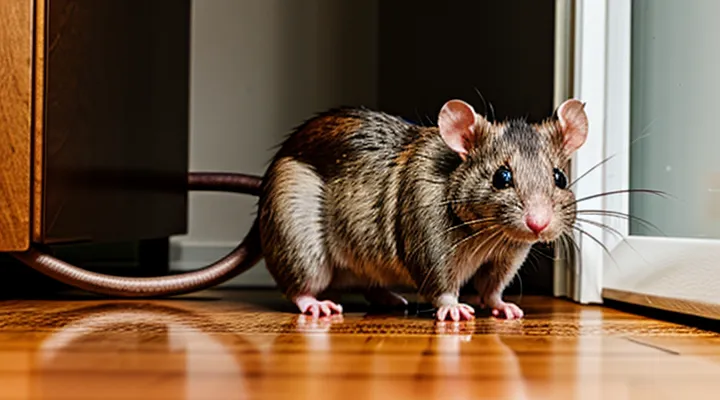
Understanding the Problem
Signs of a Rat Infestation
Droppings and Urine Trails
Rodent feces and urine paths provide the most reliable indicators of a rat’s presence, movement, and nesting sites. Fresh droppings appear as dark, rice‑shaped pellets, typically 1‑2 cm long, found along walls, behind appliances, and in concealed corners. Their distribution reveals the animal’s travel corridors; a concentration near a wall base suggests a primary run, while isolated clusters indicate secondary routes.
Urine leaves a faint, ammoniacal odor detectable with a blacklight; it stains surfaces, creating a glossy sheen that becomes visible under ultraviolet illumination. Traces along the same line as droppings confirm the direction of travel. The combination of droppings and urine marks the exact route a rat follows to reach food and shelter.
To exploit these signs for capture:
- Locate the main run by following the line of pellets and urine stains from the point of entry toward the suspected nesting area.
- Place snap traps or electronic traps perpendicular to the run, with the trigger end facing the direction of travel.
- Use adhesive boards or live‑catch cages at intersections where several runs converge, ensuring bait is positioned near the identified trail.
- Apply a strong, non‑toxic scent blocker (e.g., peppermint oil) beyond the trap line to prevent the rat from seeking alternate paths.
Monitoring the droppings and urine after trap placement confirms activity; a decrease in fresh pellets indicates successful reduction, while continued deposits signal the need to adjust trap locations. Continuous observation of these signs enables precise, efficient removal of the intruder.
Gnaw Marks and Damage
Rats leave characteristic gnaw marks that reveal the extent of their intrusion and guide effective removal. Their incisors create clean, V‑shaped cuts on wood, plastic, and electrical wiring, often exposing the interior of cables. Damage to insulation may produce exposed wires, increasing fire risk and short‑circuit potential. Chewed seams in drywall or baseboards indicate pathways used for movement and nesting.
Key indicators of gnaw activity include:
- V‑shaped bite marks on wooden beams, furniture, or molding.
- Shredded plastic containers, especially near food storage.
- Exposed or frayed electrical cords, often near wall outlets.
- Damaged insulation or torn fabric on upholstery.
- Fresh gnaw pits on cardboard boxes or paper packaging.
Identifying these signs allows precise placement of traps and baits. Position snap or live traps along the line of gnaw marks, targeting the exact entry points and travel routes. Seal compromised openings after capture to prevent re‑entry, using steel wool or cement to block the same pathways that produced the damage. Regular inspection of gnawed areas sustains control efforts and protects structural integrity.
Strange Noises
Strange noises often provide the first indication that a rodent has entered a residence. Their characteristics help locate the animal and determine the most effective control measures.
Typical sounds include scratching on walls, scurrying in ceilings, and gnawing on insulation. Scratching follows a rapid, repetitive pattern and is usually heard at night when the rodent is most active. Scurrying produces a light, intermittent patter that moves from room to room, suggesting the creature is traveling through concealed pathways. Gnawing generates a deeper, intermittent crunch that may be heard through floorboards or furniture.
To use these cues effectively, follow a systematic approach:
- Identify the source – Stand quietly in each room, listen for the specific noise pattern, and note the direction of movement.
- Map the path – Sketch a simple floor plan marking where each sound is heard; this reveals likely travel routes and nesting sites.
- Confirm activity – Place a motion-activated audio recorder or a small infrared camera at suspected points to verify the presence of a rat.
- Set traps – Position snap or live traps along the identified route, preferably near the last point of audible activity.
- Monitor and adjust – Check traps daily, relocate them if no captures occur, and re‑listen for changes in noise patterns.
Understanding the timing of noises improves success. Most rodents are nocturnal; peak activity occurs between dusk and dawn. Conduct listening sessions during these hours for the clearest signals. If noises persist despite trap placement, consider sealing entry points revealed by the noise map before re‑deploying traps.
By interpreting strange sounds with precision, homeowners can locate the intruder, choose optimal trap locations, and eliminate the problem with minimal disruption.
Risks of Having Rats Indoors
Health Hazards and Diseases
Rats that infiltrate a dwelling introduce a range of pathogenic threats. Their urine, feces, and saliva contain agents capable of causing severe illness in humans.
- Leptospirosis – bacterial infection transmitted through contaminated water or surfaces.
- Hantavirus pulmonary syndrome – virus spread by inhalation of aerosolized rodent droppings.
- Salmonellosis – bacterial gastroenteritis contracted from food contaminated by rat excreta.
- Rat‑bite fever (spirochetal infection) – bacterial disease resulting from bites or scratches.
- Lymphocytic choriomeningitis – viral illness acquired by handling infected rodents or their secretions.
Transmission occurs via direct contact, ingestion of contaminated food, or inhalation of dust particles laden with rodent waste. Children, elderly individuals, and immunocompromised patients exhibit heightened susceptibility to these infections.
Prompt removal of the animal eliminates the source of contamination, reduces the likelihood of disease spread, and protects household occupants. Effective eradication requires sealing entry points, setting appropriate traps, and maintaining rigorous sanitation to prevent re‑infestation.
Property Damage
Rats that infiltrate a residence cause extensive property damage that can compromise structural integrity, health, and financial stability. Identifying and quantifying this damage is essential for selecting effective removal tactics.
Common damage includes:
- Chewed electrical wiring, increasing fire risk.
- gnawed wood framing, weakening support beams.
- perforated insulation, reducing energy efficiency.
- contaminated food stores, prompting spoilage.
- staining and erosion of walls and flooring from urine and feces.
Assessing damage involves visual inspection of entry points, tracing gnaw marks to locate active pathways, and testing wiring continuity. Documentation of affected areas guides the placement of traps and bait stations, ensuring coverage of high‑risk zones while protecting undamaged sections.
Mitigation steps:
- Seal identified entryways with steel wool, metal flashing, or concrete.
- Replace compromised wiring and structural components before trapping.
- Clean contaminated surfaces with enzymatic cleaners to eliminate scent trails.
- Deploy snap traps or electronic devices at concealed locations near fresh gnaw marks.
- Monitor traps daily, remove captured rodents, and re‑inspect for new damage.
Prompt repair of compromised elements prevents secondary hazards and enhances the likelihood of successful rodent eradication.
Preparing for Rat Removal
Identifying Entry Points
Inspecting Walls and Foundations
Rats invade homes through unnoticed openings in walls and foundations; locating these breaches is the first decisive action in any control effort.
Inspect interior walls by examining visible surfaces and listening for activity. Look for gnaw marks on wood or drywall, dark droppings near baseboards, oily streaks along seams, and fresh burrow dust. Tap walls with a screwdriver; a hollow sound often indicates a concealed cavity. Use a flashlight to scan behind appliances, inside cabinets, and around pipe penetrations.
Examine the exterior foundation for structural gaps that permit entry. Walk the perimeter, shining a light into any cracks, joint seams, or gaps around vents, utility lines, and drainage pipes. Probe suspicious openings with a steel rod; a space larger than a quarter‑inch allows rat passage. Seal identified cracks with hydraulic cement or metal flashing before sealing with stainless‑steel mesh.
Typical inspection checklist
- Visual survey of interior wall surfaces for gnaw marks, droppings, and grease trails.
- Auditory test for hollow or rattling sounds behind panels.
- Flashlight examination of concealed spaces behind appliances and cabinets.
- Perimeter walk‑around to locate exterior cracks, gaps, and unsealed utility entries.
- Probe testing of openings larger than 0.25 in (6 mm).
- Immediate sealing of all confirmed entry points with appropriate materials.
Completing this systematic inspection isolates the rat’s pathways, enabling targeted trapping or bait placement and preventing further intrusion.
Checking Pipes and Vents
Inspecting plumbing and ventilation systems is essential when a rat infiltrates a residence. Rats travel through concealed routes, and pipes or ducts often provide the shortest path between walls, floors, and exterior openings. Identifying these passages allows you to locate activity, set traps, and block further entry.
- Examine all visible pipe joints, especially under sinks, behind appliances, and in basements. Look for gnaw marks, droppings, or urine stains.
- Open vent covers in bathrooms, kitchens, and attic spaces. Use a flashlight to trace the interior for nests, shredded material, or fresh tracks.
- Follow the route of each pipe or duct outward to the exterior wall. Seal any gaps with steel wool and caulk, then cover the opening with a metal mesh or concrete.
- Install snap traps or live‑catch traps at points where the rat must cross to reach the interior, positioning them perpendicular to the flow of the pipe or vent.
- After placement, monitor traps daily, record captures, and adjust locations based on new evidence of movement.
Thorough inspection of these concealed conduits reduces the likelihood of missed entry points, improves trap effectiveness, and prevents future infestations.
Sealing Cracks and Holes
Sealing cracks and holes is a critical preventative measure when attempting to capture a rat that has entered the dwelling. Identifying every potential entry point eliminates alternative routes, forces the rodent toward traps, and reduces the likelihood of reinfestation.
Begin by inspecting the exterior and interior of the structure. Look for gaps around pipe penetrations, utility conduits, vents, foundation seams, and door frames. Use a flashlight to reveal hidden fissures behind baseboards and under appliances. Record each opening before proceeding with repairs.
Apply the following sealing protocol:
- Clean the area of debris, dust, and loose material.
- Choose a material appropriate for the opening size and location:
- Steel wool for gaps larger than a pencil diameter; secure with expanding foam to prevent gnawing.
- Cement or mortar for foundation cracks wider than ¼ inch.
- Silicone caulk for small seams around windows and doors.
- Metal flashing for vent openings and utility penetrations.
- Install the chosen material, ensuring a tight fit that leaves no residual space.
- Allow the sealant to cure according to manufacturer specifications before rechecking for integrity.
After completion, verify that all sealed points are stable by applying light pressure. Any compromised seal should be repaired immediately. Maintaining a sealed envelope around the home forces the rat into monitored zones where traps can be positioned effectively, increasing capture success while preventing future incursions.
Cleaning and Sanitizing
Removing Food Sources
Eliminating accessible nutrition deprives the intruder of the incentive to remain, forcing it to search elsewhere and increasing the likelihood of capture.
Typical attractants include uncovered pantry items, pet food left out overnight, spilled grains, fruit on countertops, and crumbs behind appliances. Garbage containers without tight lids, compost bins, and birdseed feeders placed near entry points also provide sustenance.
- Store dry goods in sealed, rodent‑proof containers made of metal or heavy plastic.
- Transfer pet meals to airtight bins; feed only at scheduled times and remove leftovers promptly.
- Clean countertops and floors after each meal; sweep under appliances and behind cabinets.
- Use trash cans with locking lids; empty them daily and keep them away from walls.
- Relocate compost and birdseed feeders to locations inaccessible to the rodent, preferably outside the building envelope.
Regular inspection confirms that no new food sources have emerged. Adjust storage methods whenever new products are introduced, and maintain a schedule for deep cleaning to prevent accidental accumulation. Consistent denial of nutrition reduces the rat’s activity level, making it easier to trap or exclude.
Decluttering Spaces
Decluttering eliminates hiding places that rats exploit. Removing excess items from floors, closets, and storage areas creates a clear line of sight, making it easier to identify movement and to set traps effectively.
Start by sorting belongings into three categories: keep, donate, discard. Place items that are not needed in sealed containers or remove them from the interior entirely. Store seasonal or seldom‑used objects in exterior sheds or garages, ensuring that doors and vents are properly screened.
- Clear floor space beneath appliances, cabinets, and furniture.
- Eliminate piles of newspapers, cardboard, or fabric that provide nesting material.
- Organize wiring and hoses to prevent gaps where rodents can travel.
- Seal cracks, gaps, and openings that become exposed after items are moved.
A tidy environment reduces the number of potential entry points and limits food sources. With fewer obstacles, bait stations and snap traps can be positioned directly along the rat’s established pathways, increasing capture rates. Regular maintenance of the cleared spaces prevents re‑accumulation of debris, sustaining the effectiveness of any control measures.
Choosing Your Trapping Method
Live Traps
Baiting Live Traps
Using live traps provides a humane method to remove a rodent that has infiltrated a residence. The trap’s effectiveness depends primarily on the bait selected and its presentation.
Choose attractants that trigger a rat’s natural foraging instincts. Effective options include:
- Fresh peanut butter, applied in a thin layer.
- Small pieces of cooked bacon or sausage, chilled to retain scent.
- Dried fruit such as apricot or fig, cut into bite‑size chunks.
- Commercial rodent lures containing grain and cheese aromas.
Apply the bait directly to the trap’s trigger mechanism, ensuring it does not obstruct the door’s movement. Secure the bait so the animal must fully enter the chamber to reach it.
Place traps along walls, behind appliances, and near known gnawing sites. Position each trap with the entry side facing the wall, as rats travel close to surfaces. Maintain a quiet environment; avoid foot traffic that could startle the target.
Check traps at least twice daily. When a capture occurs, transport the live trap to a suitable release location, such as a wooded area at least one mile from the dwelling. Release the animal gently, allowing it to exit the trap uninjured. Clean and disinfect the trap before redeployment to prevent scent contamination.
Releasing Rats Safely
When a rodent has been trapped inside a residence, the final phase—releasing the animal without endangering people, pets, or the rat itself—requires careful preparation and execution.
First, select a release site at least 200 meters from the building, preferably in a wooded area, field, or park where natural shelter and food sources are abundant. Verify that local regulations permit the release of wild rodents; some jurisdictions require permits or prohibit relocation.
Prepare the release location:
- Clear a 10‑meter radius of debris and human activity.
- Identify nearby cover such as shrubs, logs, or stone piles.
- Ensure no domestic animals are present.
When transporting the trap, keep the cage upright and covered with a breathable lid to reduce stress. Approach the release point slowly, place the trap on its side, and open the door fully. Allow the rat to exit voluntarily; do not force movement. After the animal leaves, wait a few seconds to confirm it has entered the environment before retrieving the trap.
Sanitize equipment after each use with a solution of diluted bleach (1 part bleach to 9 parts water) or an approved disinfectant. Dispose of any waste, such as bedding or droppings, in sealed bags and wash hands thoroughly.
By following these steps, the removal process concludes with minimal risk to occupants and the rodent, supporting humane pest management while preventing future infestations.
Snap Traps
Placement Strategies
Effective placement of control devices determines success when a rat has entered a residence. Identify pathways—gaps under doors, along walls, behind appliances, and near food sources. Position traps and bait stations directly on these routes, not in open spaces where activity is low.
- Place snap traps or electronic devices a few inches from the wall, with the trigger mechanism facing the expected travel direction.
- Position bait stations at a distance of 12–18 inches from each other to cover overlapping zones, ensuring each station is inaccessible to children and pets.
- Install live‑catch traps near concealed entry points, such as behind baseboards or in utility closets, where rats are likely to pause.
- Use glue boards only as a diagnostic tool; locate them in high‑traffic corridors for short periods, then replace with lethal devices.
- For multi‑room infestations, set a line of traps along the perimeter of each room, maintaining a consistent spacing of 2–3 feet.
Secure traps on stable surfaces to prevent displacement by the animal’s force. Avoid placing devices on slippery floors; use a small piece of cardboard or a rubber mat to improve grip. Ensure bait is fresh and securely attached to the trigger; avoid loose crumbs that can be carried away without activating the trap.
Monitor placements daily. Remove captured rodents promptly, reset traps, and rotate positions if activity ceases in a given area. Consistent, strategic positioning eliminates hiding spots and forces the rat into the control device, achieving effective eradication.
Safety Precautions
When rodents enter a residence, direct contact poses health risks. Use protective equipment, isolate the area, and follow disinfection protocols to prevent disease transmission.
- Wear disposable gloves and a mask to avoid exposure to saliva, urine, and droppings.
- Seal off the room; keep children and pets out until the rat is removed and the space is cleaned.
- Choose traps that do not rely on toxic baits when possible; if poison is used, follow label instructions precisely and store it out of reach of non‑target animals.
- After capture, place the rodent in a sealed container before disposal; never handle a live rat with bare hands.
- Clean surfaces with a bleach solution (1 part bleach to 9 parts water) or an EPA‑approved disinfectant.
- Allow fresh air to circulate for at least 30 minutes after cleaning; use a fan if ventilation is limited.
- Dispose of used gloves, masks, and cleaning materials in a sealed bag to avoid secondary contamination.
Adhering to these measures reduces the likelihood of bites, allergic reactions, and the spread of pathogens such as leptospirosis and hantavirus.
Electronic Traps
Advantages of Electronic Traps
Electronic traps provide a reliable solution for homeowners confronting a rat inside the residence. They deliver immediate, humane termination without the hazards associated with chemical baits.
- Rapid kill: high‑voltage shock incapacitates the rodent within seconds, preventing prolonged suffering and escape.
- No poison exposure: eliminates risk of secondary poisoning for pets, children, or other wildlife.
- Mess‑free operation: the animal is contained within a sealed chamber, simplifying cleanup and reducing odor.
- Reusability: the device can be reset after each capture, offering long‑term cost efficiency.
- Monitoring capability: built‑in indicator lights or audible alerts confirm a successful catch, allowing prompt response.
- Target specificity: sensors detect size and weight, reducing accidental capture of non‑target species.
- Safety features: insulated housing and tamper‑proof designs protect users from accidental discharge.
These characteristics make electronic traps a preferred choice for effective, safe, and low‑maintenance rat control in domestic settings.
Proper Setup and Maintenance
Effective rat control begins with a well‑designed trap system and consistent upkeep. Select traps that match the infestation size; snap traps provide immediate kill, while multi‑catch cages allow repeated captures. Position devices along walls, behind appliances, and near known droppings, ensuring the trigger side faces the wall to exploit the rodent’s habit of running close to surfaces.
Maintain the arrangement through a routine schedule:
- Inspect each trap daily for capture evidence.
- Replace bait with fresh material every 24 hours or when it becomes soiled.
- Clean trigger mechanisms with mild detergent to prevent rust and false releases.
- Relocate or discard traps that show wear, damage, or loss of sensitivity.
Sanitation supports trap performance. Seal entry points by applying steel wool and caulk around gaps, vents, and pipe penetrations. Store food in airtight containers, remove crumbs, and dispose of waste in sealed bins. Regularly vacuum corners and under furniture to eliminate scent trails that attract rodents.
Document findings in a simple log: date of inspection, number of captures, bait type, and any adjustments made. Review the record weekly to identify patterns, adapt placement, and determine when professional intervention becomes necessary. Consistent application of these practices sustains trap efficacy and reduces the likelihood of re‑infestation.
Professional Pest Control
When to Call an Expert
When a rodent infiltrates a residence, the first instinct is to attempt DIY removal. Professional assistance becomes necessary under specific conditions that exceed the capacity of household measures.
- The infestation involves more than a single sighting, indicating an established population.
- Damage to structural components, wiring, or insulation is evident.
- Traps and bait fail repeatedly over several days, despite correct placement and proper bait selection.
- Children, pets, or individuals with compromised immunity are present, raising health‑risk concerns.
- The rat has accessed concealed areas such as wall cavities, attics, or crawl spaces where safe access is impractical.
- Local regulations restrict the use of certain poisons or require licensed handlers for rodent control.
In these scenarios, a certified pest‑control professional provides several advantages: accurate identification of entry points, deployment of integrated pest‑management techniques, compliance with safety standards, and assurance of long‑term exclusion. Contact an expert promptly to prevent escalation, protect property, and reduce health hazards.
Benefits of Professional Services
Professional pest‑control services provide expertise that exceeds typical DIY attempts. Trained technicians identify entry points, assess infestation level, and apply targeted treatments that eradicate rodents while minimizing health risks. Their equipment reaches hidden cavities and structural voids where rats hide, ensuring comprehensive elimination.
Benefits include:
- Accurate detection of all access routes, preventing future incursions.
- Use of licensed, low‑toxicity products that protect occupants and pets.
- Guaranteed follow‑up inspections, confirming that the problem remains solved.
- Compliance with local health regulations, avoiding potential fines.
- Time savings; professionals complete removal within hours rather than days of trial and error.
Cost efficiency results from avoiding repeated purchases of ineffective traps and chemicals. Moreover, professional interventions reduce property damage caused by gnawing, which can compromise wiring, insulation, and structural integrity. The combination of specialized knowledge, reliable methods, and accountability makes hiring experts the most effective solution for a residential rat problem.
Post-Removal Actions
Preventing Future Infestations
Regular Home Maintenance
Regular upkeep of a dwelling directly reduces the likelihood of rodent incursions and simplifies the capture of an intruding rat. By eliminating food sources, sealing openings, and maintaining a clean environment, the homeowner creates conditions that deter rats and make traps more effective.
- Inspect exterior walls, foundation, and roof for gaps larger than ¼ inch; fill with steel wool, caulk, or metal flashing.
- Trim vegetation and remove debris that contact the building; this removes pathways used by rodents.
- Store food in sealed containers; promptly clean spills and crumbs from countertops, floors, and appliances.
- Keep garbage in bins with tight‑fitting lids; empty them regularly to prevent odor attraction.
- Repair leaky pipes and standing water; moisture attracts rodents and provides drinking sources.
Schedule a visual inspection every month and a thorough examination each season. During each check, verify that previously sealed entry points remain intact, replace worn weatherstripping, and confirm that traps are positioned in high‑traffic zones such as behind appliances, along walls, and near suspected burrows. Document findings to track recurring problem areas.
Consistent maintenance eliminates the conditions that encourage rats to enter, allowing any capture effort to focus solely on removal rather than ongoing prevention.
Storing Food Properly
Proper food storage is a critical component of any rodent‑control strategy. When food is sealed, inaccessible, and regularly inspected, rats lose a primary attraction and are less likely to remain in the dwelling.
Store dry goods in containers made of glass, metal, or heavy‑wall plastic with airtight lids. Label each container with the date of purchase and rotate stock so older items are used first. Keep pantry shelves tidy; remove crumbs and spilled grains immediately.
For perishables, place items in the refrigerator or freezer promptly. Use sealed bags or bins for leftovers and discard any food that has been left out for more than two hours. Clean countertops and tables after meals; a damp cloth removes residue that can draw rodents.
Maintain a routine cleaning schedule:
- Sweep and vacuum floors daily, focusing on corners and under appliances.
- Wipe down cabinets and pantry doors weekly with a mild detergent.
- Empty trash cans at night, use bins with tight‑fitting lids, and store them away from entry points.
By eliminating accessible food sources, you reduce the incentive for rats to explore and nest within the home, making other control measures more effective.
Monitoring for Re-entry
Continued Vigilance
Continued vigilance means maintaining active observation after the first trap or deterrent is set. The goal is to verify that the rodent does not return and to catch any hidden individuals that may have evaded initial measures.
Effective ongoing monitoring includes:
- Inspecting entry points daily for new gnaw marks or droppings.
- Checking traps each evening, resetting or relocating them based on capture data.
- Recording sightings, noises, or fresh food damage in a log to identify patterns.
- Keeping food storage sealed and waste containers covered to eliminate attractants.
- Re‑examining walls, ceilings, and attic spaces weekly for fresh burrow activity.
A systematic schedule prevents complacency. If a trap remains empty for several nights, replace the bait with a fresh, high‑protein option and verify that the trap is still functional. Should signs reappear after a period of inactivity, expand the inspection radius to include adjacent rooms and utility areas.
Documenting each step creates a reference that can be reviewed if the problem recurs. This record assists in adjusting strategies promptly, ensuring that the household remains inhospitable to the intruder.
Setting Up Monitoring Devices
Effective monitoring begins with selecting devices that reliably detect rodent activity. Motion-activated cameras, infrared trail detectors, and bait stations equipped with electronic counters are the most commonly employed tools. Each device should be battery‑powered or connected to an uninterrupted power source to avoid gaps in coverage.
Placement follows a logical pattern. Identify signs such as droppings, gnaw marks, or grease trails, then position cameras at a 45‑degree angle to capture movement along these pathways. Infrared detectors belong near walls, under cabinets, and behind appliances where rats travel. Bait stations go in concealed locations, preferably within 2‑3 feet of observed activity, to ensure prompt contact with the animal.
Calibration ensures accurate reporting. Set motion sensors to trigger at a threshold of 4‑6 inches of movement to exclude insects. Adjust camera sensitivity to record only when a warm‑blooded creature passes, reducing false alerts. Test electronic counters with a known weight before deployment to verify proper operation.
Data collection requires regular review. Download footage weekly, noting time stamps, entry points, and direction of travel. Record the frequency of detections per device in a simple table to identify high‑traffic zones. Correlate this information with bait consumption data to confirm successful engagement.
Maintenance prevents device failure. Clean lenses and sensor lenses of debris after each inspection. Replace batteries when voltage drops below 3.0 V. Inspect wiring for wear and secure loose connections. Re‑position any device that shows reduced detection rates after a two‑week observation period.
By systematically installing, calibrating, and reviewing monitoring equipment, you obtain precise intelligence on rat movement patterns, enabling targeted control measures that reduce the need for indiscriminate trapping.