
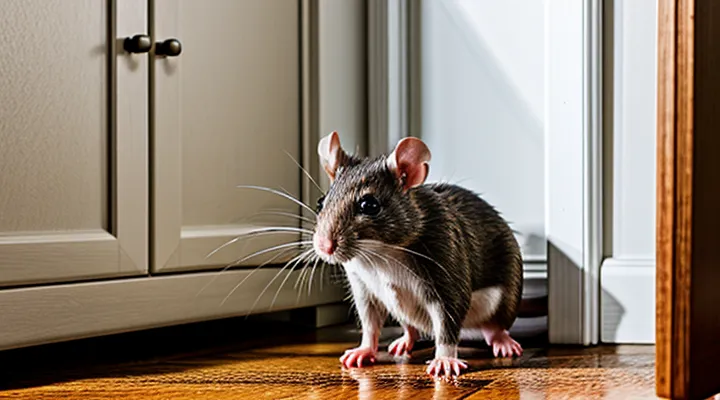
Recognizing a Rat Infestation
Signs of Rats
Droppings
Droppings provide definitive evidence of a rodent presence and guide effective control measures. Their size, shape, and location reveal species, activity patterns, and infestation severity.
- Size: pellets measuring ¼‑½ inches indicate a rat; mouse droppings are smaller, about ¼ inches long.
- Shape: pointed ends and a tapered profile characterize rat feces; mouse droppings are more rounded.
- Color: fresh droppings appear dark brown to black; older deposits turn grayish and dry.
- Location: accumulation along walls, behind appliances, and in hidden corners signals travel routes and nesting sites.
Health risks stem from pathogens carried in feces. Direct contact can transmit leptospirosis, hantavirus, and salmonella. Inhalation of dried particles may cause respiratory irritation. Protective gloves and a mask are essential during inspection and removal.
Cleaning procedures require disinfection before disposal. Steps:
- Wet droppings with a disinfectant solution (e.g., 10 % bleach) to prevent aerosolization.
- Scrape material into a sealed bag.
- Apply the same disinfectant to the affected surface, allow a contact time of at least 10 minutes.
- Rinse with clean water and dry thoroughly.
Identifying droppings informs trap placement. Position snap or live traps along established runways, near droppings, and at points where the rodents forage. Monitoring droppings after trap deployment confirms reduced activity.
Regular inspection for fresh deposits, combined with prompt cleaning, reduces disease exposure and supports long‑term rodent management in residential settings.«Effective control relies on accurate detection and thorough sanitation.»
Gnaw Marks
Gnaw marks appear as crescent‑shaped bite impressions on wood, plastic, insulation and wiring. The edges are smooth, the interior shows parallel teeth marks, and the surrounding material may show splintering or shredded fibers.
These impressions indicate the pathways used by a rodent to access food, water or shelter. Their location reveals entry points, travel routes and preferred nesting areas, allowing targeted placement of control devices.
To exploit gnaw marks effectively:
- Inspect concealed areas such as behind appliances, under cabinets and within wall cavities.
- Follow each mark to its nearest opening; openings often measure 1–2 cm in diameter.
- Position snap traps or electronic devices perpendicular to the direction of the bite, with bait placed just beyond the mark.
- Reinforce identified openings with steel wool or metal mesh to prevent re‑entry after capture.
Understanding gnaw marks reduces unnecessary inspection time and improves success rates when removing a rodent from a residence.
Scratching Noises
Scratching noises often indicate rodent activity within walls, ceilings, or floorboards. The sound typically originates from gnawing or movement of a rat’s paws against structural surfaces. Detecting these noises provides a reliable early warning before visible signs appear, allowing prompt intervention.
When a scratching noise is heard, follow a systematic assessment:
- Locate the source by moving quietly and listening from different positions.
- Identify entry points near the noise, such as gaps around pipes, vents, or foundation cracks.
- Set monitoring devices, like motion-activated cameras or sound recorders, to confirm rat presence.
- Deploy appropriate traps or bait stations at the identified pathways, ensuring placement aligns with the direction of the noise.
Eliminating the scratching source requires sealing identified entry points with steel wool, caulk, or concrete. After sealing, maintain traps for several days to capture any remaining individuals. Continuous monitoring of the area for recurring noises confirms the effectiveness of the control measures.
Sightings
Rats reveal their presence through distinct visual cues that indicate infestation levels and guide intervention strategies. Recognizing these indicators enables timely placement of traps, bait stations, or exclusion measures.
Typical sightings include:
- Fresh droppings, ¼‑inch dark pellets, found along walls, behind appliances, or in pantry corners.
- Gnaw marks on wood, plastic, wiring, or food packaging, characterized by clean, parallel cuts.
- Visible tracks in dust, flour, or soft soil, displaying four‑toed footprints with a distinctive tail drag.
- Grease or urine stains on surfaces, often appearing as shiny, damp patches near entry points.
- Small burrows or nests constructed from shredded paper, fabric, or insulation, located in concealed areas such as behind baseboards or within wall voids.
- Audible activity, especially nocturnal scurrying, scratching, or squeaking, heard from ceiling spaces, attics, or crawl spaces.
Documenting each observation—date, location, and type of evidence—creates a reliable record that supports targeted control actions and assesses the effectiveness of ongoing measures. Regular monitoring of these signs ensures that any resurgence is detected promptly, allowing swift response to maintain a rat‑free environment.
Odor
Odor provides a reliable indicator of rodent activity within a dwelling. Presence of urine, feces, and glandular secretions produces a distinctive musky scent that concentrates in concealed areas such as wall voids, attics, and behind appliances. Detecting this odor enables early intervention before damage escalates.
Common attractants emit strong food‑related aromas. Typical sources include:
- Grease residues on stovetops and range hoods
- Stale grains and cereals stored in open containers
- Pet food left uncovered overnight
- Fruit peels and discarded vegetable scraps
These smells stimulate the rat’s highly developed olfactory system, guiding it toward shelter and feeding sites.
Conversely, certain scents function as repellents. Effective deterrents are:
- Peppermint oil diluted in water and applied to entry points
- Ammonia placed in sealed containers near suspected pathways
- Predator urine, such as fox or coyote, applied on flooring edges
Regular application reduces the likelihood of re‑infestation by creating an environment perceived as hostile.
Implementation steps:
- Conduct a systematic inspection for musky odor clusters; focus on corners, insulation, and pipe runs.
- Eliminate identified attractants by sealing food containers, cleaning grease buildup, and disposing of waste promptly.
- Deploy scent‑based lures—such as peanut butter or dried fruit—inside snap traps positioned near odor hotspots.
- Apply repellent solutions to potential entry points and surrounding surfaces to discourage further incursions.
- Maintain a routine of thorough cleaning to prevent residual odors that could attract new rodents.
Consistent management of odor sources and strategic use of scent cues significantly enhance control efforts within a residential setting.
Preparing for Rat Removal
Safety First
Protecting Food and Water
Protecting food and water eliminates the primary attractants that draw rodents into residential spaces. Secure storage prevents rats from locating edible sources, reducing the likelihood of infestation.
Key measures include:
- Use airtight containers made of glass, metal, or heavy‑wall plastic for dry goods, grains, and pet food.
- Store perishable items in the refrigerator or freezer, ensuring lids are sealed tightly.
- Transfer bulk supplies into smaller, sealed packages after opening.
- Keep countertops, floors, and appliances free of crumbs and spills; wipe surfaces immediately after meals.
- Place trash cans with fitted lids away from food preparation areas; empty them regularly.
- Install a drip‑free sink and repair leaks promptly to deny rats access to standing water.
- Cover water bowls for pets when not in use, and store them in cabinets or sealed containers overnight.
Additional steps reinforce protection:
- Inspect pantry shelves for gaps; seal openings with steel wool or caulking.
- Rotate stored food, using older items first to avoid prolonged exposure.
- Conduct routine inspections for signs of gnawing or contamination; discard compromised products without hesitation.
By eliminating accessible nourishment and moisture, the environment becomes inhospitable to rodents, facilitating successful control efforts.
Wearing Protective Gear
When dealing with rodent infestations, personal protection prevents exposure to pathogens, allergens, and bites. Selecting appropriate equipment reduces the risk of contamination and injury during trap placement, bait handling, and removal of carcasses.
Key items of protective gear include:
- Heavy‑duty disposable gloves resistant to puncture.
- N95 or higher‑efficiency respirator to filter dust, urine, and droppings.
- Safety goggles or face shield to guard against splashes.
- Full‑length coveralls with elastic cuffs to seal skin.
- Slip‑resistant boots to maintain stability on uneven surfaces.
Each component should be inspected for tears or defects before use. Replace disposable items after each session; clean reusable gear according to manufacturer instructions. Proper donning and doffing procedures minimize cross‑contamination: secure gloves and sleeves before entering the infested area, and remove outer layers before exiting the premises.
Identifying Entry Points
Inspecting Walls and Floors
Inspecting walls and floors is a primary step in locating hidden rodent activity. Structural cavities provide shelter, nesting sites, and travel routes; therefore, thorough examination reveals entry points and infestation severity.
Visible indicators include:
- Fresh droppings, typically dark and pellet‑shaped, found along baseboards or within wall seams.
- Gnawed wood, insulation, or wiring, showing fresh bite marks or shredded material.
- Strong musky odor, especially near concealed spaces, suggesting urine accumulation.
- Small runways of mud or shredded paper leading to concealed openings.
Effective inspection proceeds as follows:
- Remove outlet covers, switch plates, and any removable paneling to expose interior surfaces.
- Use a bright flashlight or headlamp to illuminate dark gaps; a mirror on an extendable pole assists in viewing deep recesses.
- Probe suspected holes with a thin, rigid rod or a flexible inspection camera to confirm passage size and activity.
- Document all findings, noting location, size of openings, and type of damage for targeted remediation.
Recommended tools comprise a high‑intensity LED flashlight, a stainless‑steel inspection probe, a compact fiber‑optic camera, and a notebook for systematic recording. Combining visual assessment with these instruments ensures accurate identification of rodent pathways, enabling decisive control measures.
Checking Pipes and Vents
Inspecting plumbing and ventilation systems is a fundamental step in locating and eliminating rodent activity within a residence. Rats travel through concealed pathways; pipes and vents provide direct routes from the exterior to interior spaces.
Begin by turning off water supply to prevent accidental flooding. Remove access panels on sink drains, bathtub overflow openings, and utility closets. Use a flashlight to examine the interior walls of all exposed pipes. Look for gnaw marks, droppings, or urine stains. Pay special attention to joints, elbows, and any gaps where pipe insulation is missing.
Next, assess ventilation shafts. Open vent covers and inspect the ductwork for nesting material, shredded insulation, or tracks. Verify that vent grills are securely fastened; loose grills create entry points. Seal any cracks or gaps with steel wool followed by caulking to block rodent ingress.
A systematic checklist can streamline the process:
- Shut off water and electricity to relevant areas.
- Remove all access panels and vent covers.
- Scan pipe interiors for bite marks, droppings, and urine.
- Examine ductwork for nesting debris and chew damage.
- Secure and seal gaps using steel wool and appropriate sealant.
- Reinstall panels and grills, ensuring a tight fit.
Regular monitoring of pipes and vents reduces the likelihood of re‑infestation. Schedule quarterly inspections, especially after heavy rains or seasonal changes, to maintain a rodent‑free environment.
Choosing Your Method
Traps
Effective rat control relies on selecting and deploying appropriate trapping devices. Different trap designs address various infestation scenarios and safety considerations.
- Snap traps: metal bar mechanism delivers rapid kill; suitable for single‑rat encounters in confined spaces.
- Live‑catch traps: wire mesh cage with trigger plate; captures without injury, allowing release far from the residence.
- Glue boards: adhesive surface attracts and immobilizes; best for monitoring activity rather than eradication.
- Electronic traps: battery‑powered voltage delivers instantaneous death; useful where sanitation is a priority.
Placement determines success. Position traps along walls, behind appliances, and near known gnawing marks. Rats prefer concealed routes; align trigger plates perpendicular to the wall to match their natural running pattern. Use multiple devices at intervals of 1–2 feet to create a barrier that intersects travel paths.
Bait selection influences capture rates. High‑protein foods such as peanut butter, bacon, or dried fish generate strong attraction. Apply a pea‑sized amount to the trigger area; excess bait may cause premature activation or avoidance.
Safety measures protect occupants and pets. Keep traps out of reach of children, secure with protective covers, and label with warning signs. Inspect devices daily; dispose of deceased rodents in sealed bags and replace used glue boards promptly to maintain efficacy.
Regular monitoring identifies population trends. Record capture counts, adjust trap density, and rotate bait types to prevent habituation. Consistent application of these practices reduces rat presence and prevents re‑infestation.
Baits
Baits constitute the primary attractant that drives rats toward lethal or non‑lethal control devices. Effective use of baits reduces the time required to achieve a noticeable decline in activity.
Typical bait categories include:
- Anticoagulant formulations such as brodifacoum or difethialone, which interrupt blood clotting.
- Metal phosphide compounds, notably zinc phosphide, releasing toxic phosphine gas upon ingestion.
- Vitamin‑D derivatives, for example cholecalciferol, which cause hypercalcemia.
- Non‑chemical attractants, comprising grain mixtures, peanut butter, or commercial rodent lures, designed for use with snap or live‑capture traps.
Selection criteria focus on palatability to Rattus spp., potency at low concentrations, minimal risk to non‑target organisms, and compliance with local regulations. Preference is given to baits that match the dietary preferences observed in the infestation area.
Placement strategy emphasizes proximity to established runways and nesting sites. Recommended locations consist of concealed stations behind appliances, within wall voids, and along baseboards. Stations should be secured to prevent access by children or domestic animals, employing tamper‑resistant containers where required.
Regular inspection confirms bait consumption and detects signs of avoidance. Depleted stations must be replenished promptly, and any signs of bait shyness should trigger a reassessment of attractant composition or placement density.
Integrating these practices into a comprehensive rat‑control program maximizes the probability of rapid population suppression while maintaining safety standards.
Professional Extermination
Professional extermination provides a systematic approach to eliminating rodents from residential environments. Certified technicians assess infestation severity, identify entry points, and design a targeted intervention that minimizes health risks and property damage.
Key components of an expert rat‑control program include:
- Comprehensive inspection of interior and exterior spaces to locate nests, droppings, and gnaw marks.
- Sealing of structural gaps using durable materials such as steel wool, cement, or metal flashing.
- Placement of bait stations or traps calibrated for the species, complying with local regulations.
- Application of rodenticides in secure, tamper‑proof devices to prevent accidental exposure to non‑target organisms.
- Ongoing monitoring and follow‑up visits to verify eradication and prevent re‑infestation.
The final stage involves a detailed report documenting findings, actions taken, and recommendations for long‑term prevention. Implementation of these measures, performed by qualified personnel, ensures effective rat removal and safeguards the household from future incursions.
Humane Rat Trapping Methods
Setting Up Live Traps
Choosing Trap Locations
Selecting optimal positions for rodent traps determines the success of indoor pest control. Effective placement follows a logical assessment of rat activity patterns and structural features.
Identify high‑traffic zones by observing droppings, gnaw marks, and grease streaks. Concentrate traps along walls, behind appliances, and near concealed entry points such as gaps around pipes or vents. Rats prefer routes that provide cover; therefore, align devices perpendicular to these pathways to intercept movement.
Avoid locations with excessive clutter that can obscure trap mechanisms. Ensure each trap rests on a stable surface to prevent displacement by the animal’s weight. Position traps at least six inches from food storage areas to reduce accidental contact with non‑target species.
Consider environmental conditions that influence bait effectiveness. Place traps in cool, dry spots where moisture does not degrade attractants. In multi‑level homes, distribute traps on each floor, focusing on stairwells and utility rooms that connect levels.
Maintain a systematic rotation: relocate active traps after several captures to cover unexplored sections. Document each placement, noting capture dates and locations, to refine future deployment strategies.
Best Baits for Live Traps
Effective bait selection determines the success of live‑capture devices for indoor rodent control. Fresh, aromatic foods that mimic a rat’s natural diet attract the most attention. Choose baits that emit strong scent, resist spoilage, and fit securely on trap platforms.
- Peanut butter – dense, oily, and highly scented; adheres well to trap surfaces.
- Soft cheese – strong aroma, easy to apply in small quantities.
- Fresh fruit (e.g., apple slices, banana pieces) – sweet scent, attractive to opportunistic feeders.
- Nuts and seeds (e.g., almonds, sunflower seeds) – natural rodent staples, provide lasting lure.
- Cooked meat or fish – potent odor, especially effective when warmed slightly before placement.
- Commercial rodent attractants – formulated blends designed for consistent release of pheromonal cues.
Placement considerations enhance bait performance. Position bait at the rear of the trap to compel the rat to fully enter before reaching the food. Keep bait sealed in airtight containers until use to preserve potency. Replace bait daily in high‑traffic areas to maintain freshness. Avoid overly large pieces that may allow the animal to manipulate the trigger without full entry.
When deploying live traps, combine optimal bait choice with strategic placement near walls, behind appliances, or along known runways. Monitoring traps regularly and releasing captured rodents promptly reduces stress and improves overall capture rates.
Checking Traps Regularly
Regular inspection of rodent traps determines whether a control program is functioning. A trap that remains unchecked may become saturated, lose bait potency, or allow a captured animal to decompose, reducing effectiveness and creating health hazards.
Inspection schedule and indicators
- Check each trap at least once every 12 hours while activity is evident; increase to every 6 hours during peak infestations.
- Look for the following signs:
- Record observations immediately to adjust placement or bait type.
Post‑capture handling
- Remove captured rodents using disposable gloves.
- Seal the animal in a plastic bag, place it in a secondary sealed container, and dispose of it according to local regulations.
- Reset the trap with fresh bait before returning it to its original location.
Safety and hygiene considerations
- Wear protective gloves and a mask to prevent exposure to droppings and urine.
- Clean trap surfaces with a mild disinfectant after each use to maintain bait effectiveness.
- Store unused traps in a dry, sealed container to protect against moisture and pests.
Consistent monitoring ensures traps remain operational, maximizes capture rates, and prevents secondary problems associated with unattended devices.
Releasing Trapped Rats
Safe Release Distance
When a trapped rodent is to be released, the distance between the home and the release site determines the likelihood of re‑entry. A minimum buffer of 150 feet (≈45 meters) from any exterior wall reduces the chance that the animal will find its way back through gaps or openings. Extending the distance to 300 feet (≈90 meters) provides a stronger safety margin, especially in densely built neighborhoods where structures are close together.
Key considerations for selecting a release point:
- Open area free of shelters such as piles of debris, dense vegetation, or abandoned structures.
- Presence of natural predators (e.g., owls, hawks, snakes) that can help control the population.
- Accessibility for safe transport without exposing occupants to bites or disease.
The release site should be situated in a location where the rodent can find food and shelter without threatening nearby residences. Urban settings may require coordination with local wildlife agencies to identify approved release zones. Rural environments typically offer suitable habitats several hundred feet from the property line, complying with the distance guidelines above.
Preventing Re-entry
After a rat is removed, the greatest risk is its return. Secure the house by eliminating every possible access route. Inspect the exterior for gaps larger than a quarter‑inch and close them with steel wool, cement, or hardware cloth. Install door sweeps on all exterior doors and ensure windows have tight-fitting screens. Repair damaged vents, chimney flashing, and utility penetrations with metal mesh. Trim vegetation that contacts the building, as vines and branches provide ladders for rodents.
Maintain a barrier by keeping the interior clean. Store food in sealed containers, dispose of waste in tightly closed bins, and clean crumbs from floors and countertops daily. Remove standing water sources, fixing leaks and drying sinks after use. Use sealed trash cans and empty them regularly.
Implement ongoing monitoring. Place snap traps or electronic detectors along walls where activity was previously noted. Check traps weekly and replace bait as needed. Record any sightings and adjust sealing measures promptly.
Regular maintenance schedule:
- Quarterly exterior inspection for new gaps.
- Monthly interior cleaning of food storage areas.
- Weekly trap and detector checks.
By systematically sealing entry points, controlling attractants, and monitoring activity, the likelihood of a rat re‑entering the residence is minimized.
Lethal Rat Trapping Methods
Snap Traps
Proper Trap Placement
Effective rat control in a residence depends on strategic placement of traps. Position devices where rodents travel, hide, or feed to increase capture rates.
- Identify high‑traffic zones: along walls, behind appliances, near garbage containers, and in dark corners.
- Target entry points: gaps under doors, vents, and foundation cracks.
- Place traps perpendicular to walls, with the trigger end facing the baseboard, forcing rats to encounter the mechanism while moving forward.
- Use multiple traps spaced 1–2 feet apart in confirmed activity areas to prevent avoidance.
Secure each trap on a stable surface to avoid displacement by the animal or household traffic. Ensure placement does not obstruct human movement or pose a hazard to children and pets. Check traps daily; replace bait and reset devices promptly after each capture. Maintain a clean environment by removing food sources and sealing potential entryways, thereby reinforcing the effectiveness of the trap arrangement.
Effective Baits for Snap Traps
Effective snap‑trap bait must possess strong scent, high protein content, and a texture that adheres to the trigger mechanism. Preference should be given to items that remain stable at room temperature and resist rapid drying, ensuring consistent attraction over several days. Placement of bait directly on the trigger platform maximizes contact and reduces the chance of premature release.
- Peanut butter – dense, aromatic, adheres firmly to the trap surface.
- Cooked bacon – intense, greasy odor, high protein, attracts nocturnal rodents.
- Dried fish or sardines – potent smell, strong lipid content, effective in cooler environments.
- Chocolate – sweet scent, appealing to omnivorous rats, maintains softness when warmed.
- Fresh fruit pieces (apple, banana) – natural sugars, strong volatile compounds, useful when protein sources are limited.
Selection should consider local rodent diet preferences and the availability of bait materials. Regular inspection and replacement of bait maintain trap efficacy and prevent loss of attraction due to desiccation or contamination.
Safety Precautions
When attempting to eliminate a rodent infestation, protecting personal health and property integrity is paramount.
Identify the type of trap or bait before handling. Wear thick‑walled disposable gloves to prevent direct contact with urine, feces, or potential pathogens. Use a mask rated at least N95 to avoid inhaling dust or aerosolized contaminants. Ensure eye protection, such as safety goggles, is in place to guard against splashes from traps or cleaning solutions.
Prepare the work area by removing food items, dishes, and utensils. Seal all containers in airtight bags and store them away from the treatment zone. Vacuum or sweep surfaces to eliminate loose debris that could interfere with trap placement.
When deploying traps, position them away from children’s reach and pet access. Secure traps to stable surfaces to avoid accidental displacement. If using chemical baits, follow manufacturer instructions regarding dilution, application rate, and ventilation requirements. Place baits in tamper‑proof stations and label them clearly with hazard warnings.
After a successful capture, dispose of the rodent and trap according to local health regulations. Place the carcass in a sealed plastic bag, double‑bag if necessary, and discard it in an outdoor trash receptacle. Decontaminate gloves, masks, and tools with a solution of at least 1 % bleach or a registered disinfectant. Wash hands thoroughly with soap and water after removing protective equipment.
Maintain ongoing vigilance by inspecting potential entry points. Seal gaps around pipes, vents, and foundation cracks with steel wool and caulk. Regularly monitor trap locations and replace bait as needed to sustain effectiveness while preserving a safe environment.
Electronic Traps
Advantages of Electronic Traps
Electronic rat traps provide a reliable solution for indoor rodent control. Their operation relies on a high‑voltage shock that instantly neutralizes the target, eliminating the need for repeated handling or disposal of live animals.
- Immediate lethality reduces the risk of disease transmission.
- No bait required, preventing accidental poisoning of pets or children.
- Reusable design lowers long‑term costs compared with disposable snap traps.
- Silent activation minimizes disturbance in residential environments.
- Compact size allows placement in concealed locations, improving coverage in tight spaces.
- Digital monitoring features enable real‑time status checks, facilitating timely intervention.
The combination of swift action, safety, cost efficiency, and discreet deployment makes electronic traps a superior choice for homeowners seeking effective, humane, and low‑maintenance rat management.
Setup and Maintenance
Effective rodent control begins with a well‑planned trap system and continues with regular upkeep. The initial arrangement requires selecting appropriate devices—snap traps, electronic traps, or live‑capture cages—based on the size of the infestation and the layout of the dwelling. Placement should target high‑traffic zones such as along walls, behind appliances, and near food storage areas. Each trap must be positioned with the trigger facing the expected path of travel, ensuring the bait remains concealed from sight but accessible to the animal.
Maintenance procedures include:
- Daily inspection of all traps for captures, damage, or bait depletion.
- Immediate disposal of captured rodents following local health regulations.
- Replacement of spent bait with fresh material, preferably a strong, aromatic attractant such as peanut butter or dried fruit.
- Cleaning of trap surfaces with mild detergent to remove residue that could deter future activity.
- Periodic assessment of trap effectiveness; relocate or upgrade devices if capture rates decline.
Environmental management supports the trap system. Seal entry points by installing steel wool or silicone caulk around gaps in walls, floors, and utility openings. Store food in airtight containers and eliminate standing water to reduce alternative food sources. Regularly vacuum and wipe down surfaces to remove droppings and scent trails, which can otherwise encourage further intrusion.
Consistent adherence to these setup and maintenance protocols sustains a hostile environment for rodents, maximizing the likelihood of successful removal from the residence.
Glue Traps
When to Use Glue Traps
Glue traps provide a passive method for capturing rats when immediate, active control is impractical. Their use is appropriate in the following situations:
- Early signs of activity appear in confined spaces such as wall cavities, attic corners, or behind appliances, where direct placement of snap traps is difficult.
- A small, localized infestation is detected, allowing targeted trapping without widespread chemical deployment.
- The environment includes children, pets, or food‑handling areas that preclude the use of poison baits.
- The homeowner prefers a non‑lethal approach for temporary monitoring before deciding on more aggressive measures.
Placement timing matters. Install traps shortly after evidence of rat movement, typically within 24–48 hours of spotting droppings, gnaw marks, or fresh tracks. Position the adhesive surface perpendicular to known travel routes, ensuring the rat must cross the trap to reach food or shelter. Replace traps promptly when they become saturated or after a catch, as reduced stickiness diminishes effectiveness.
Avoid glue traps in high‑traffic zones where non‑target species might become ensnared, and refrain from use during severe infestations that require rapid population reduction. In such cases, combine traps with exclusion techniques—sealing entry points and eliminating attractants—to achieve lasting control.
Ethical Considerations
Ethical assessment is essential when addressing rodent removal from a residence. Actions must balance human health protection with humane treatment of the animal.
Key considerations include:
- Necessity: Intervention should follow verification of an active infestation rather than speculative concerns.
- Humaneness: Methods that cause minimal suffering, such as live traps or quick‑acting, approved poisons, are preferred over crushing or prolonged confinement.
- Alternatives: Prevention through sealing entry points, proper waste management, and sanitation reduces the need for lethal measures.
- Legal compliance: Local regulations often dictate permissible control techniques and require documentation of humane disposal.
- Environmental impact: Avoiding broad‑spectrum chemicals prevents secondary poisoning of non‑target species and protects ecosystem balance.
- Safety: Procedures must protect occupants, especially children and pets, from accidental exposure to traps or toxins.
Implementing these principles ensures that rodent management aligns with moral responsibility, public health standards, and legal obligations.
Using Rat Baits and Poison
Types of Rat Bait
Anticoagulants
Anticoagulant rodenticides are chemical agents that disrupt blood clotting in rodents, leading to fatal internal hemorrhage. Their effectiveness derives from interference with vitamin K recycling, a process essential for synthesis of clotting factors.
The active compounds inhibit the enzyme vitamin K epoxide reductase. Blocked recycling prevents regeneration of active vitamin K, causing progressive depletion of clotting factors II, VII, IX and X. As a result, even minor injuries trigger uncontrolled bleeding, typically resulting in death within three to seven days after ingestion.
Common formulations include:
- First‑generation anticoagulants (e.g., warfarin, chlorophacinone) – require multiple feedings.
- Second‑generation anticoagulants (e.g., bromadiolone, difenacoum, brodifacoum) – potent enough for single‑dose lethality.
Application guidelines:
- Place baits in tamper‑resistant stations near suspected «rat» activity, avoiding direct contact with children and non‑target species.
- Use the minimum effective concentration, usually 0.005 % to 0.025 % active ingredient, as specified by the product label.
- Rotate active ingredients periodically to mitigate resistance development.
- Record placement locations and monitor bait consumption daily.
Resistance management:
- Conduct periodic susceptibility testing of captured rodents to identify emerging resistance patterns.
- Integrate non‑chemical measures such as exclusion, sanitation and trapping to reduce reliance on anticoagulants.
- Comply with local regulations governing the sale, distribution and disposal of rodenticide products, ensuring proper documentation and reporting where required.
Non-Anticoagulant Baits
Non‑anticoagulant baits provide an effective alternative for managing rodent activity in domestic environments. These products rely on substances that cause rapid physiological disruption without interfering with blood clotting mechanisms, reducing the risk of secondary poisoning.
Key characteristics of non‑anticoagulant formulations include:
- Active ingredients such as cholecalciferol, bromethalin, or zinc phosphide, which induce lethal effects through hypercalcemia, cellular energy failure, or metabolic poisoning respectively.
- Rapid onset of action, typically within 24–48 hours, facilitating prompt reduction of infestations.
- Low secondary toxicity, allowing safe use around non‑target wildlife and pets when applied according to label instructions.
Selection criteria for optimal bait deployment:
- Identify the target species and confirm susceptibility to the chosen active ingredient.
- Verify that the product complies with local regulatory standards and carries an appropriate safety rating.
- Choose a bait matrix that appeals to the specific dietary preferences of house rats, such as grain‑based or protein‑rich formulations.
Placement guidelines emphasize strategic positioning to maximize encounter rates while minimizing human exposure:
- Position baits near walls, behind appliances, and within concealed pathways where rodent activity is observed.
- Secure baits in tamper‑resistant containers to prevent accidental contact by children or domestic animals.
- Rotate bait stations every 2–3 weeks to maintain effectiveness and prevent habituation.
Monitoring protocols require regular inspection of bait stations, documentation of consumption levels, and prompt replacement of depleted units. Integrating non‑anticoagulant baits with sanitation improvements and structural exclusion measures enhances overall control success and reduces the likelihood of reinfestation.
Safe Bait Placement
Securing Bait Stations
Securing bait stations maximizes rodent control while protecting non‑target occupants. Proper containment prevents rats from removing bait, reduces the risk of accidental ingestion by children or pets, and extends the useful life of the product.
- Select tamper‑resistant containers that lock with a key or combination.
- Position stations at least 2 m from food preparation areas, child‑accessible zones, and animal feeding sites.
- Anchor each unit to a solid surface using screws or heavy‑duty brackets to thwart relocation by determined rodents.
- Cover bait with a sealed lid that allows only rodent entry through a calibrated opening.
- Inspect stations every 24–48 hours; replace depleted or compromised units promptly.
- Rotate bait types quarterly to mitigate habituation and maintain attraction.
Routine monitoring confirms station integrity and informs timely disposal of spent bait. Consistent application of these safeguards supports reliable rodent management in residential environments.
Keeping Bait Away from Pets and Children
When rodents are targeted inside a residence, the bait must be positioned so that pets and children cannot access it. Secure placement reduces the risk of accidental ingestion and prevents secondary poisoning.
- Choose bait stations made of hard plastic with a tight‑fit lid; the interior opening should be no larger than a rat’s head.
- Install stations at least 12 inches above floor level, preferably on shelves or wall brackets out of reach of small hands and paws.
- Anchor stations to a wall or sturdy surface to prevent tipping or removal.
- Use tamper‑resistant locks on stations when available; lock mechanisms deter curious toddlers and inquisitive pets.
- Locate stations along walls, behind appliances, or in crawl spaces where rodents travel, keeping them away from food preparation areas and pet feeding zones.
Storage of unused bait is equally critical. Keep bait in a sealed, child‑proof container labeled with the warning «rodent control material—keep out of reach of children and animals». Store the container in a locked cabinet or high shelf, separate from pet food and household supplies.
If bait stations cannot be installed safely, consider alternative methods such as snap traps or electronic devices that do not involve poisonous substances. These options eliminate the need for toxic bait while still providing effective rodent control.
Regular inspection of bait stations ensures that no damage has occurred and that bait remains intact. Replace any compromised stations immediately and document the location and condition of each unit to maintain a comprehensive safety record.
Risks and Precautions
Secondary Poisoning
Secondary poisoning occurs when predators, scavengers, or pets ingest rodents that have consumed toxic bait. The toxin, typically an anticoagulant, remains active in the dead rat’s tissues and can cause hemorrhagic disease in any animal that feeds on the carcass. In residential environments, secondary poisoning presents a significant health risk to non‑target species, including cats, dogs, and wildlife such as birds of prey.
Risk assessment begins with identification of bait type and placement. Anticoagulant rodenticides persist for weeks, whereas acute toxins degrade more quickly. The following measures reduce the likelihood of unintended exposure:
- Locate baits in sealed stations inaccessible to non‑target animals.
- Use low‑toxicity formulations when possible; consider non‑chemical alternatives for initial control.
- Remove dead rodents promptly; dispose of carcasses in sealed containers or incinerate according to local regulations.
- Monitor pets and domestic animals for signs of internal bleeding: lethargy, pale mucous membranes, bruising, or unexplained hemorrhage.
- Report suspected secondary poisoning incidents to veterinary services and local health authorities.
Legal frameworks often require documentation of rodenticide use. Property owners must retain records of product type, quantity, and placement dates. Compliance with municipal ordinances helps avoid penalties and supports public health initiatives.
Detection of secondary poisoning relies on laboratory analysis of blood clotting parameters (e.g., prolonged prothrombin time) and identification of rodenticide residues in tissue samples. Prompt diagnosis enables targeted treatment with vitamin K₁ therapy, which restores clotting function and improves survival odds.
Preventive strategies integrate bait management with environmental sanitation. Eliminating food sources, sealing entry points, and maintaining clutter‑free spaces diminish rodent attraction, reducing the need for toxic interventions. When chemical control is unavoidable, strict adherence to bait station protocols and vigilant carcass removal constitute the most effective safeguards against secondary poisoning.
Handling Dead Rats
Dead rodents present health risks that require immediate, controlled action. Protective equipment—gloves, mask, and disposable clothing—must be worn before any contact. The body should be placed in a sealable plastic bag, then enclosed in a second bag to prevent leakage. The double‑bagged carcass is to be disposed of according to local regulations, typically by placing it in a trash container for municipal pickup or by arranging a licensed waste‑removal service.
Sanitation follows removal. Surfaces that touched the animal need thorough disinfection with an EPA‑approved rodent‑borne pathogen cleaner. Mop floors, wipe countertops, and launder any fabric that may have been contaminated. Dispose of cleaning materials in sealed bags to avoid cross‑contamination.
Key steps for safe handling:
- Wear disposable gloves and a mask.
- Place the dead rat in a plastic bag; seal tightly.
- Enclose the sealed bag in a second bag; seal again.
- Label the outer bag with “dead rodent – hazardous waste.”
- Transfer to a sealed trash container or request professional disposal.
- Clean all contact surfaces with an approved disinfectant.
- Launder or discard contaminated textiles.
«Never handle a dead rodent with bare hands». Immediate, methodical disposal and thorough sanitation eliminate disease vectors and reduce the likelihood of secondary infestations.
Preventing Future Rat Infestations
Sealing Entry Points
Repairing Holes and Cracks
Rats exploit any opening larger than a quarter‑inch, including gaps around pipes, vents, and foundation cracks. Sealing these entry points removes the most common pathways and forces rodents to seek alternative, less accessible routes.
Inspection should focus on structural joints, utility penetrations, and exterior cladding. Identify each breach, measure its width, and classify the material surrounding it. This information determines the appropriate repair method.
- Use expandable foam for gaps up to one inch; apply until the foam expands to fill the void, then trim excess.
- Apply steel wool or copper mesh to larger cracks, then cover with caulk or mortar to prevent gnawing.
- Install cement‑based sealant on foundation fissures; press sealant into the crack, smooth the surface, and allow curing according to manufacturer instructions.
- For gaps around pipes, wrap the opening with self‑adhesive metal flashing, then seal edges with silicone or acrylic caulk.
After repairs, verify integrity by probing with a thin probe or flashlight. Repeat inspections seasonally, especially after heavy rain or structural adjustments, to detect new damage promptly. Maintaining a sealed envelope around the dwelling sustains long‑term rodent exclusion.
Installing Mesh on Vents
Installing mesh on household vents creates a physical barrier that prevents rats from entering through air ducts, chimney flues, and attic vents. The barrier eliminates a common access point without compromising airflow, reducing the likelihood of infestation spreading to living spaces.
Steps for proper installation:
- Measure the vent opening accurately; record width and height to the nearest millimeter.
- Select stainless‑steel or galvanized wire mesh with openings no larger than ¼ inch; this size blocks adult rats while allowing adequate ventilation.
- Cut the mesh to match the measured dimensions, leaving a ½‑inch margin on each side for secure attachment.
- Position the mesh over the vent frame, ensuring full coverage without gaps.
- Secure the mesh with rust‑resistant screws or zip ties, spacing fasteners every 4 inches to maintain tension.
- Seal the perimeter with silicone caulk to prevent small openings that could be exploited by juveniles.
Regular inspection is required to maintain effectiveness. Check for rust, corrosion, or displacement weekly; replace damaged sections promptly. Clean accumulated debris from the mesh surface to preserve airflow and deter nesting material. By following these procedures, the vent system remains a robust obstacle against rodent intrusion, supporting overall pest‑management efforts in the residence.
Eliminating Food Sources
Storing Food in Airtight Containers
Storing food in airtight containers eliminates accessible food sources that attract rodents, directly reducing the likelihood of a rat infestation. Sealed containers prevent odors from escaping, deny rats the scent cues they rely on to locate meals, and block entry points that could be exploited by small pests.
Key practices for effective food storage include:
- Selecting containers with lock‑tight lids made of glass, heavy‑wall plastic, or stainless steel.
- Ensuring containers are free of cracks or damaged seals before use.
- Labeling each container with the date of purchase to encourage regular rotation and consumption of older items.
- Placing containers on shelves away from floor level, minimizing the chance of rats reaching them.
Regular inspection of storage areas reinforces these measures. Any spillage or crumbs must be removed immediately, and damaged containers should be replaced without delay. Consistent application of these protocols supports long‑term rodent control in residential environments.
Cleaning Up Spills and Crumbs
Maintaining a spotless environment eliminates the food sources that attract rodents. Every spill should be addressed immediately; lingering moisture provides both nourishment and a hiding place. Crumbs left on countertops, floors, or beneath appliances create a persistent scent trail that guides rats directly to the kitchen.
Effective cleaning routine:
- Wipe surfaces with a disinfectant after each meal preparation.
- Sweep or vacuum floors twice daily, focusing on corners and behind furniture.
- Empty trash cans before they become overfilled; seal lids tightly.
- Store dry goods in airtight containers; avoid leaving open packages on shelves.
- Inspect and clean under appliances weekly, removing any debris that may have accumulated.
Consistent removal of these attractants reduces the likelihood of infestation, supporting long‑term rodent prevention in the residence.
Maintaining a Clean Environment
Decluttering Storage Areas
Effective rat control begins with eliminating shelter and food sources. Storage spaces such as garages, basements, and closets often provide both. Reducing clutter removes hiding places and simplifies inspection.
Key actions for decluttering storage areas:
- Remove unnecessary items; discard, donate, or recycle.
- Store remaining belongings on shelves, not on the floor.
- Seal containers with tight‑fitting lids; avoid cardboard boxes that rats can chew.
- Keep aisles clear to allow unobstructed movement of traps and monitoring devices.
- Conduct a visual sweep weekly; record any signs of rodent activity.
A tidy environment forces rats to seek alternative locations, increasing the likelihood of detection and capture. Maintaining organization also facilitates regular cleaning, which deprives rodents of food residues. Implementing these practices creates a hostile setting for rats, supporting broader pest‑management efforts.
Regular Waste Disposal
Regular waste disposal directly influences rodent activity inside residential structures. Food residues, organic debris, and improperly sealed trash provide a reliable food source for rats, encouraging them to enter and remain in the dwelling. Maintaining a schedule for emptying bins, using containers with tight-fitting lids, and promptly removing compost or pet food waste eliminates the nutritional incentives that attract rodents.
Effective waste management includes the following practices:
- Store garbage in metal or heavy‑duty plastic containers equipped with locking lids.
- Transfer waste to outdoor receptacles no later than once per day, preferably before nightfall.
- Keep the area around dumpsters clear of spilled material; sweep and disinfect surfaces regularly.
- Separate recyclables and compost from general waste, and store compost in sealed bins away from entry points.
Consistent implementation of these measures reduces the likelihood of rat infestations, supporting broader pest‑control strategies within the home.
Landscaping for Pest Control
Trimming Overhanging Branches
Trimming overhanging branches removes direct pathways that rats use to enter roofs and eaves. Cutting back limbs that touch the house creates a physical barrier, limiting access to the attic and interior walls where rodents seek shelter.
Key actions:
- Identify branches within a 12‑inch radius of the building.
- Use a ladder or pole cutter to sever limbs at a safe height.
- Dispose of cut wood promptly to prevent it from becoming a shelter.
- Apply a sealant to remaining stubs to deter gnawing.
Regular maintenance of vegetation around the structure reduces the likelihood of new entry points. Incorporating this practice into a broader rodent‑prevention program enhances overall effectiveness.
Removing Debris Around the House
Removing debris from the perimeter of a residence eliminates shelter and food sources that attract rodents. Cluttered areas provide hidden pathways for rats to travel between the outdoors and interior spaces, making exclusion efforts ineffective.
Key actions for debris removal:
- Collect and discard all piles of leaves, branches, and garden waste within three meters of the building’s foundation.
- Eliminate stored items such as firewood, cardboard boxes, and discarded furniture that lie against walls or under eaves.
- Trim overgrown vegetation, including shrubs and vines, to create a clear zone around doors, windows, and utility openings.
- Seal cracks, gaps, and openings in the exterior wall, roofline, and foundation after clearing debris to prevent re‑entry.
Regular maintenance reinforces these measures. Schedule inspections monthly to identify new accumulations and address them promptly. Proper disposal—using sealed containers or municipal waste services—prevents secondary contamination that could lure rodents back to the property. By maintaining a clean, unobstructed perimeter, the likelihood of rat intrusion decreases markedly, supporting overall pest‑management objectives.