
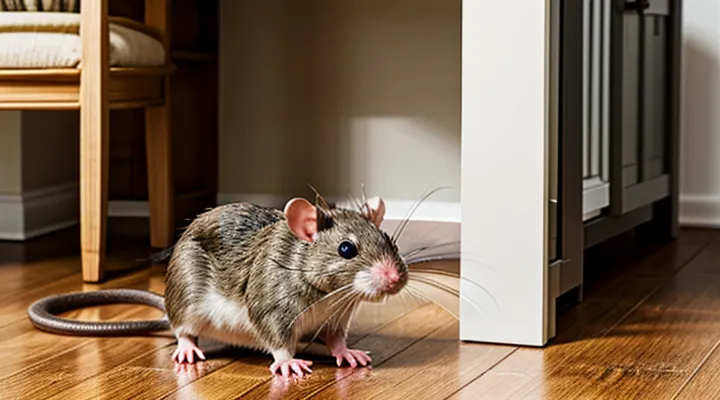
Understanding Your Enemy: Rat Behavior and Signs
Common Rat Species in Private Houses
Rats that regularly invade residential properties belong to two primary species, each with distinct characteristics that affect detection and control.
-
Norway rat (Rattus norvegicus) – Large, robust body, blunt nose, brown to gray fur. Prefers ground-level habitats such as basements, crawl spaces, and garden beds. Constructs burrows and runs along walls, leaving droppings up to 1 inch long. Frequently enters through gaps around utility pipes, foundation cracks, and poorly sealed doors.
-
Roof rat (Rattus rattus) – Smaller, slender build, pointed nose, typically black or dark brown fur. Occupies elevated areas like attics, eaves, and upper floors. Climbs along wires, vines, and tree branches to access roofs. Leaves droppings about ½ inch long, often found near food storage, ceiling joists, and insulation.
Both species exhibit nocturnal activity, strong gnawing ability, and a high reproductive rate. Identifying the species present in a home guides the selection of traps, baits, and exclusion measures, ensuring that control efforts target the specific habits and preferred pathways of the invading rats.
Identifying Rat Infestations
Droppings and Urine Signs
Rat droppings and urine are the most reliable indicators of an infestation inside a home. Fresh droppings appear as small, dark, cylindrical pellets, approximately ¼‑½ inch long, with blunt ends. Older droppings darken, become crumbly, and may develop a faint, ammonia‑like odor. Urine stains are invisible but leave a distinct, sharp smell that intensifies in confined spaces such as attics, crawl spaces, and behind appliances.
When inspecting a property, focus on the following locations:
- Near food storage areas: pantry shelves, pantry corners, and under countertops.
- Along walls and baseboards: rats travel close to surfaces for protection.
- In hidden voids: insulation, wall cavities, and under floorboards.
- Around water sources: sinks, leaky pipes, and pet water dishes.
- Near entry points: gaps around doors, windows, and utility lines.
Identify droppings by their size and shape; mouse droppings are considerably smaller (about ¼ inch) and have pointed ends. Use a disposable glove and a flashlight to collect samples for laboratory confirmation if needed. For urine, employ a blacklight; fresh urine fluoresces a pale green under UV illumination, confirming recent activity.
Safety precautions are essential. Rat waste can carry hantavirus, leptospirosis, and salmonella. Wear a N‑95 respirator, disposable gloves, and eye protection while handling droppings or cleaning contaminated surfaces. Disinfect with a solution of 1 part bleach to 10 parts water, ensuring a contact time of at least five minutes before wiping away residue.
Document the findings: note the type of waste, exact location, and estimated age. This information guides trap placement, allowing targeted deployment along confirmed runways and nesting sites, increasing the likelihood of successful capture.
Gnawing Marks and Damage
Rats leave unmistakable gnawing marks on wood, plastic, wiring, and insulation. The bite pattern consists of clean, crescent‑shaped cuts with parallel teeth visible on the edges. Damage often appears on baseboards, door frames, and furniture legs where rodents test structural integrity before entering a room.
Identifying these signs helps locate active pathways and nesting sites. Look for:
- Fresh gnaw marks on electrical cables, which indicate a risk of short circuits.
- Chewed holes in walls or floorboards, suggesting entry points that can be sealed.
- Scratched or shredded material near food storage areas, pointing to foraging routes.
Each type of damage provides clues for setting traps or bait stations. For example, a gnawed wire near a kitchen outlet signals a high‑traffic corridor; placing a snap trap adjacent to the damaged section increases capture probability. Sealing gnaw‑induced openings after inspection prevents re‑entry and limits further destruction.
Monitoring gnawing activity over several days reveals patterns of movement. Consistent fresh marks on the same surface confirm ongoing presence, while scattered, older damage may indicate past activity. Prioritizing repair of compromised structures reduces habitat suitability and supports a systematic eradication effort.
Sounds and Sights
Rats reveal their presence through distinct noises and visual signs that can be monitored to increase capture efficiency.
Auditory indicators include:
- Scratching on walls, ceilings, or stored items, especially at night.
- Rapid, high‑pitched squeaks when startled or during mating calls.
- Soft, repetitive thumping from gnawing on wood, plastic, or wiring.
- Rattling sounds produced by moving debris in concealed burrows.
Visual clues consist of:
- Fresh droppings, typically dark, rodent‑shaped, and found along walls, behind appliances, or near food sources.
- Gnaw marks on packaging, furniture, and structural components, identifiable by irregular bite patterns.
- Grease or urine stains, often appearing as darkened patches or faint, oily films.
- Tracks in dust, sand, or flour, showing four‑toed footprints with a characteristic tail drag.
Effective monitoring combines these cues. Place motion‑activated audio recorders near suspected pathways to capture nocturnal activity. Deploy infrared cameras at entry points, behind furniture, and in utility spaces to document movement without disturbing the animal. Use sticky traps or snap devices aligned with identified routes, positioning them where scratching or gnawing is most frequent. Regularly inspect for new droppings or gnaw marks to adjust trap placement promptly.
Consistent observation of sounds and sights enables precise targeting, reduces wasted effort, and accelerates removal of the rodent from the residence.
Odors
Odors serve as the primary sensory cue for rats navigating a home environment. Their acute sense of smell enables them to locate food sources, nesting materials, and safe pathways. By manipulating scent cues, homeowners can guide rats toward traps or deter them from occupied areas.
Effective use of odors involves two contrasting strategies:
- Attractive lures – Apply strong, food‑based scents such as peanut butter, bacon grease, or dried fruit near snap or live traps. Concentrate the bait on a small surface to prevent diffusion, ensuring the rat detects a precise source.
- Repellent scents – Disperse ammonia, peppermint oil, or predator urine in zones where rat activity is unwanted. Apply the repellent on cotton balls, cloth strips, or via aerosol, and reapply every 48 hours to maintain potency.
Placement matters. Position attractant‑baited traps along walls, behind appliances, and near known droppings, because rats travel close to surfaces. Deploy repellents at entry points, utility shafts, and storage closets to create an invisible barrier.
Monitoring odor effectiveness requires regular inspection. If traps remain untouched after 24 hours, replace the bait with a fresher, more aromatic variety. If repellent zones show persistent gnaw marks or droppings, increase concentration or combine multiple scents to prevent habituation.
Combining attractant and repellent odor tactics maximizes control. Lures concentrate rat movement toward capture devices, while repellents limit access to living spaces, reducing the likelihood of secondary infestations.
Why Rats Enter Your Home
Food Sources
Rats enter a residence primarily because food is readily available. Removing or securing these resources eliminates the main incentive for infestation.
Common attractants include:
- Cereals, grains, and dried goods
- Pet food left out overnight
- Unsealed garbage bags or overflowing bins
- Fresh fruit, vegetables, and kitchen scraps
- Crumbs and spills on countertops, floors, and under appliances
Store all consumables in airtight containers made of metal or heavy‑wall plastic. Position trash cans with tight‑fitting lids away from walls and empty them daily. Relocate pet feeding stations to a room that can be sealed at night, or use timed dispensers that limit access.
Maintain a rigorous cleaning regimen: wipe surfaces after each meal, sweep or vacuum floors nightly, and scrub the area beneath stoves, refrigerators, and cabinets where debris accumulates. Repair any leaks that create damp spots, as moisture supports food mold and attracts rodents.
After eliminating food sources, deploy bait stations only as a secondary measure. Monitor for fresh gnaw marks or droppings to confirm that the environment no longer supports rat activity.
Water Access
Rats require fresh water to survive; limiting that resource forces them to move toward traps and baits.
Common indoor water sources include leaky pipes, condensation on windows, pet bowls, houseplants, and uncovered containers.
To deny rats access to water, follow these actions:
- Repair all pipe leaks and seal joints with appropriate sealant.
- Empty and dry pet dishes after each use; store them in a cabinet when not needed.
- Remove standing water from plant saucers; use self‑watering pots with sealed reservoirs.
- Store food‑grade containers with tight lids; discard any open containers that may hold liquid.
- Wipe down countertops and floors to eliminate spills; mop with a dry cloth after cleaning.
When water is unavailable, rats concentrate activity near the few remaining sources, increasing the likelihood of encountering traps. Denying water also reduces the population’s overall health, making bait consumption more effective.
Implementing strict water control creates an environment where rodents are compelled to seek food, thereby enhancing the success rate of capture efforts in a private residence.
Shelter and Warmth
Rats enter residential buildings to find protected, warm environments where they can rest and rear young. Recognizing the places they consider safe is essential for effective control.
Typical shelter locations include:
- Attic insulation and roof joists
- Wall cavities and behind baseboards
- Basement corners and crawl‑space gaps
- Stacks of stored items, laundry piles, or cluttered closets
Eliminating these refuges requires a systematic approach:
- Seal cracks, gaps, and openings larger than ¼ in. with steel wool, caulk, or metal flashing.
- Remove debris, store items off the floor, and keep storage areas tidy.
- Replace damaged insulation and repair structural defects that create voids.
- Install door sweeps and weather stripping on exterior doors and windows.
Warmth can be turned into a lure when combined with trapping:
- Position snap or live traps near identified shelter sites and cover them with a thin layer of insulation to retain heat.
- Place heated bait stations (e.g., a small, low‑voltage heating pad beneath a food lure) to attract nocturnal foragers.
- Operate traps during the coldest hours of the night when rats seek the greatest thermal comfort.
After implementing shelter reduction and warmth‑based lures, monitor trap activity daily, record captures, and re‑inspect previously treated areas for new signs of occupancy. Continuous assessment ensures that remaining shelter sources are identified and addressed promptly.
Preparation and Prevention
Sealing Entry Points
Inspecting the Exterior
Inspect the building’s perimeter to locate potential rat ingress. Begin at ground level and move clockwise around the property, noting any gaps larger than ¼ inch in foundations, walls, or utility penetrations. Record damaged siding, cracked mortar, or missing weather‑stripping, as these create direct pathways.
Identify signs of rodent activity. Look for fresh droppings, gnaw marks on wood or plastic, and greasy smears along baseboards. Examine exterior lighting fixtures and vents for nesting material such as shredded paper or insulation fragments.
Assess environmental factors that attract rodents. Trim vegetation that contacts the structure; vines, shrubs, and overgrown grass provide cover and bridge gaps. Ensure that garbage containers have tight‑fitting lids and are positioned away from the house. Remove debris piles, firewood stacks, and compost heaps from the immediate vicinity.
Create a checklist for remediation:
- Seal openings with steel wool, cement, or metal flashing.
- Install rodent‑proof screens on vents and chimney flues.
- Repair damaged exterior cladding and mortar joints.
- Trim or relocate plants that touch the building.
- Position waste bins on a non‑accessible surface and keep lids closed.
- Clear clutter and remove potential shelter materials.
Regularly repeat the perimeter inspection, especially after heavy rain or seasonal changes, to verify that all barriers remain intact and no new entry points have formed. This systematic exterior assessment forms the foundation for effective rat control within a private residence.
Sealing Cracks and Holes
Sealing cracks and holes eliminates the pathways rats use to enter a private residence. By removing these access points, you reduce the likelihood of infestation and limit the need for further control measures.
Identify typical entry locations: gaps around utility pipes, openings beneath doors, cracks in foundation walls, vents, and spaces around window frames. Inspect the exterior and interior surfaces, focusing on areas where the building meets the ground or other structures.
Choose durable, rodent‑proof materials such as steel wool, copper mesh, expanding polyurethane foam, cement mortar, or metal flashing. Equip yourself with a caulking gun, putty knife, drill, and protective gloves to ensure a secure seal.
- Clean each opening, removing debris and loose material.
- Insert steel wool or copper mesh into the gap to create a barrier that rats cannot gnaw through.
- Apply expanding foam or mortar over the barrier, shaping it to fill the space completely.
- Smooth the surface with a putty knife, allowing the material to cure according to the manufacturer’s instructions.
- Repeat the process for every identified opening, verifying that no residual gaps remain.
Periodically review sealed areas, especially after seasonal temperature changes or structural shifts, and repair any new cracks promptly. Consistent maintenance preserves the integrity of the barrier and sustains long‑term rat prevention.
Securing Vents and Pipes
Rats enter homes through openings that provide direct access to shelter and food. Vents, utility shafts, and pipe penetrations often remain unsealed, creating pathways that rodents exploit. Securing these gaps eliminates a primary route of entry and forces rats to seek less accessible alternatives.
- Inspect all exterior vents, including dryer, bathroom, and attic exhausts. Install stainless‑steel mesh with openings no larger than ¼ inch.
- Cover utility shafts with rigid metal flashing that overlaps the surrounding siding. Seal edges with silicone‑based caulk.
- Fit pipe sleeves made of heavy‑gauge steel around water, gas, and sewer lines. Clamp sleeves tightly and apply expanding foam to fill residual gaps.
- Verify that vent hoods have hinged doors equipped with latch mechanisms. Adjust doors to close fully when not in use.
- Conduct a walk‑around audit quarterly. Replace damaged mesh or corroded flashing immediately.
Regular maintenance sustains the barrier’s effectiveness. Clean debris from vent filters, tighten loose fasteners, and reapply sealant after seasonal temperature shifts. A consistently sealed envelope around the house reduces rat activity and supports broader control measures.
Eliminating Food and Water Sources
Proper Food Storage
Proper food storage is a fundamental component of any rat‑prevention strategy in a residential setting. Food that is easily accessible provides a reliable attractant; eliminating that source reduces the likelihood that rodents will enter the home.
- Store dry goods in airtight containers made of metal or heavy‑wall plastic; seal lids tightly after each use.
- Keep pantry shelves clear of spills; wipe surfaces with a mild detergent after handling food.
- Place pet feed in sealed bins and remove leftovers within 30 minutes.
- Refrigerate or freeze perishable items; do not leave fruit, vegetables, or cooked meals uncovered on counters.
- Dispose of garbage daily; use bins with fitted lids and keep them away from doors and windows.
Maintain a routine inspection of storage areas. Look for signs of gnawing, torn packaging, or droppings; replace compromised containers immediately. By restricting food availability, the environment becomes hostile to rats, making other control measures more effective.
Waste Management
Effective waste management directly reduces rat attraction in a private residence. Secure trash containers with tight-fitting lids; replace damaged seals promptly. Store food waste in separate, sealed bins and empty them daily to prevent odor buildup. Keep compost piles in enclosed, rodent‑proof composters, and locate them away from the house foundation.
Maintain cleanliness in all storage areas. Remove discarded packaging, cardboard, and paper that can serve as nesting material. Sweep kitchen floors after each meal and vacuum corners where crumbs accumulate. Dispose of pet food leftovers in sealed containers rather than leaving them exposed.
Implement routine inspections and corrective actions:
- Verify that garbage cans are intact and lid hinges function smoothly.
- Inspect under appliances, cabinets, and behind furniture for hidden debris.
- Repair cracks or gaps in walls, floors, and utility penetrations that provide entry points.
- Rotate and clean waste containers regularly to eliminate residual scent trails.
By eliminating accessible food sources and eliminating shelter opportunities, waste management becomes a critical component of any rat‑control strategy within a home environment.
Addressing Leaks and Moisture
Moist environments provide rats with easy access to water and soft nesting material, increasing the likelihood of infestation in a residence.
Typical sources of unwanted humidity include pipe joints, roof penetrations, bathroom fixtures, and foundation cracks. Each point can generate condensation or slow drips that create damp spots attractive to rodents.
To eliminate these hazards, follow a systematic repair process:
- Inspect all visible piping for corrosion, loose fittings, or joint failure; tighten or replace as needed.
- Test roof integrity with a hose or professional inspection; seal cracked tiles, flashing, and vent openings using appropriate roofing sealant.
- Examine bathroom and kitchen caulking; remove deteriorated material and apply fresh, mildew‑resistant silicone.
- Locate foundation fissures; fill with hydraulic cement or epoxy designed for subterranean use.
- Verify that drainage systems (gutters, downspouts, French drains) direct water away from the building’s perimeter.
After repairs, reduce residual moisture by operating dehumidifiers in basements and crawl spaces, ensuring ventilation fans in bathrooms and kitchens run continuously, and maintaining indoor humidity below 50 % using hygrometers for monitoring.
A dry interior removes a critical resource for rats, making the property less inviting and supporting long‑term exclusion efforts.
Maintaining a Clean Environment
Decluttering
Cleared spaces eliminate shelter and concealment that rats use to move undetected. When debris, cardboard boxes, and unused items are piled near walls or under appliances, they create pathways that allow rodents to travel from entry points to food sources. Reducing such obstacles forces the animal into open areas where monitoring and trapping become feasible.
- Eliminate all food residues: store groceries in sealed containers, clean countertops after each use, and promptly dispose of crumbs and spills.
- Remove or relocate cardboard, paper stacks, and fabric piles: place necessary items in closed cabinets or on elevated shelves.
- Organize storage areas: label boxes, keep them off the floor, and maintain a gap of at least six inches between stacked items and walls.
- Inspect and seal gaps: use steel wool or caulk to block holes around pipes, vents, and baseboards.
- Maintain routine cleaning: sweep, vacuum, and mop daily to prevent accumulation of dust and droppings that may attract rodents.
A decluttered environment improves visibility of rodent activity, allowing traps to be positioned along established travel routes. With fewer hiding spots, baited devices remain exposed, increasing capture rates and reducing the time required to eradicate the infestation.
Regular Cleaning
Regular cleaning eliminates food residues that attract rodents, thereby reducing the likelihood of a rat establishing a foothold in a residence. By removing crumbs, spilled grains, and pet food leftovers, the environment becomes inhospitable to the species that seeks readily available nourishment.
- Sweep and vacuum floors daily, focusing on corners, under appliances, and behind furniture.
- Wipe countertops, tables, and cabinet interiors after each meal.
- Store dry goods in sealed containers; discard opened packages promptly.
- Clean pet feeding areas after every use, rinsing bowls and removing excess feed.
A systematic cleaning schedule prevents accumulation of debris that can conceal entry points and nesting material. Weekly deep cleaning of kitchens, pantries, and storage rooms dislodges hidden droppings and urine, which otherwise provide scent cues that guide rats to the location.
Consistent sanitation enhances the effectiveness of mechanical control devices. Traps placed in cleaned zones encounter fewer obstacles, and bait remains uncontaminated, increasing capture rates. Maintaining a spotless environment therefore serves both as a preventative measure and as a catalyst for successful rodent removal in a private dwelling.
Trapping and Eradication Methods
Non-Lethal Trapping
Live Traps: Selection and Placement
Live traps capture rats without killing them, allowing safe removal from a residence and reducing the risk of disease spread.
When choosing a trap, prioritize dimensions that accommodate adult rats, a reliable trigger that activates with minimal force, a sturdy cage that resists chewing, a smooth interior for easy cleaning, and a bait chamber that holds attractants without leakage.
- Multi‑catch box traps: hold several rodents, ideal for heavy infestations.
- Single‑catch cage traps: simple design, easy to monitor and release.
- Funnel‑type traps: guide rats into a holding area, useful in narrow passages.
- PVC or metal traps: provide extra durability in locations where chewing is likely.
Place traps along established travel routes: close to walls, behind appliances, near garbage containers, and at the base of stairways. Position them on the floor, not on furniture, and ensure the trigger side faces the expected direction of approach. Keep traps out of reach of children and pets, and use fresh bait such as peanut butter, dried fruit, or meat scraps to increase capture rates.
- Identify droppings, gnaw marks, or grease trails to locate activity hotspots.
- Set traps perpendicular to the wall, with the entrance facing the wall.
- Check traps daily, release captured rats at least five miles from the property, and reset with fresh bait.
- Rotate trap locations if capture rates decline, indicating possible trap shyness.
These practices maximize the efficiency of live trapping for rat control in a private home.
Releasing Trapped Rats Humanely
When a rat is captured inside a residence, releasing it safely and ethically prevents further infestation and respects animal welfare. The process requires careful handling, appropriate equipment, and awareness of local wildlife regulations.
- Wear thick gloves to protect hands from bites and disease transmission.
- Transfer the rat to a sturdy, ventilated container with a secure lid.
- Locate an open area at least one mile from the home, preferably a wooded or grassy field away from other residences.
- Open the container slowly, allowing the rat to exit on its own.
- Observe from a distance until the animal disappears, then retrieve the container and close it securely.
After release, seal entry points, repair damaged structures, and maintain cleanliness to deter future incursions. Record the release location and date in case follow‑up action becomes necessary.
Lethal Trapping
Snap Traps: Types and Baiting
Snap traps provide immediate, lethal control of rodents inside a dwelling. Their design relies on a spring‑loaded bar that releases with minimal pressure, delivering a quick kill. Proper selection and placement reduce the risk of non‑target captures and improve overall efficacy.
Typical snap‑trap configurations include:
- Wooden base with a metal spring (classic wooden trap).
- Plastic housing with a stainless‑steel spring (lightweight, corrosion‑resistant).
- Covered models featuring a concealed triggering plate (reduces visual deterrence).
- Dual‑spring mechanisms that increase closing force (effective against larger rats).
Bait selection directly influences trap success. Effective attractants are:
- Fresh peanut butter mixed with a small amount of cornmeal.
- Small pieces of cooked bacon or sausage, chilled to remain firm.
- Commercial rodent lures containing soy protein and synthetic pheromones.
- Dried fruit or nuts for environments where meat odors may be undesirable.
When applying bait, place a pea‑sized amount on the trigger platform, ensuring the rat must apply pressure to reach it. Position traps along walls, behind appliances, and near known gnawing sites; rats habitually travel close to vertical surfaces. Check traps daily, dispose of captured rodents according to local regulations, and reset with fresh bait. Rotating bait types prevents habituation and sustains trap attractiveness.
Electronic Traps: Functionality and Safety
Electronic rat traps rely on a high‑voltage discharge that instantly disables a rodent when it contacts a conductive plate. Sensors detect the animal’s presence, usually via infrared beams or pressure pads, and trigger a capacitor that releases a brief, lethal shock. The device then locks, preventing further activation until the user resets it. This mechanism eliminates the need for poisons or snap‑type devices, reducing secondary hazards such as dead‑in‑place carcasses that attract insects.
Key functional aspects include:
- Power source: Rechargeable lithium‑ion batteries provide several weeks of operation; some models accept AC adapters for continuous use.
- Detection method: Infrared beams offer reliable triggering for active rodents; pressure sensors are useful in confined spaces where beam alignment is difficult.
- Reset procedure: A manual lever or button disengages the lock, allowing safe removal of the dead animal and preparation for the next capture.
Safety considerations for residential use:
- Isolation of children and pets: Place traps in areas inaccessible to non‑target occupants; use protective covers or lockable enclosures where possible.
- Electrical compliance: Verify that the trap meets local safety certifications (e.g., UL, CE) to prevent accidental short circuits or fire hazards.
- Handling of carcasses: Wear disposable gloves and dispose of the dead rat in sealed bags to avoid disease transmission.
- Battery maintenance: Follow manufacturer guidelines for charging cycles; replace batteries when capacity drops below recommended levels to ensure consistent shock delivery.
- Placement strategy: Position traps along walls, behind appliances, or near known gnawing sites to maximize contact probability while minimizing exposure to household traffic.
When installed correctly, electronic traps provide a rapid, humane, and low‑maintenance solution for eliminating rats in private dwellings, while adhering to safety standards that protect residents and pets.
Glue Traps: Considerations and Ethics
Glue traps are a common option for rodent control inside residential properties. Their design relies on a sticky surface that immobilizes the animal upon contact, allowing for later disposal. Effectiveness depends on proper placement, regular inspection, and prompt removal of captured specimens.
Key practical considerations:
- Position traps along established runways: near walls, behind appliances, and in concealed corners where rodents travel.
- Use traps with a clear adhesive layer that remains tacky for several days; replace when the surface loses stickiness.
- Protect non‑target species by installing barriers or using bait that specifically attracts rats.
- Monitor traps at least once daily to prevent prolonged suffering and to avoid attracting insects or other pests.
- Dispose of trapped rats according to local regulations, typically by sealing them in a plastic bag and discarding in a waste container.
Ethical aspects:
- Immediate immobilization does not guarantee a painless death; rats may experience distress while struggling on the adhesive.
- Glue traps offer no rapid euthanasia method; additional steps, such as humane killing, are required to minimize suffering.
- The risk of accidental capture of pets, wildlife, or children raises safety concerns that must be addressed through careful placement and signage.
- Many jurisdictions classify glue traps as inhumane, imposing restrictions or bans; compliance with local laws is mandatory.
- Alternatives, such as snap traps or live‑catch cages, provide quicker outcomes and lower ethical burdens, and should be evaluated before selecting glue traps.
Chemical Baits and Poisons
Risks and Dangers to Pets and Children
When attempting to remove a rodent from a dwelling, the safety of pets and children must be evaluated before any trap or poison is deployed. Contact with bait, snap mechanisms, or glue surfaces can cause accidental ingestion, puncture wounds, or entanglement, leading to medical emergencies that require immediate attention.
Potential hazards include:
- Toxic baits – contain anticoagulants or neurotoxins; ingestion may result in internal bleeding, seizures, or death.
- Snap traps – spring‑loaded jaws can crush paws, snouts, or fingers, producing severe lacerations and shock.
- Glue boards – adhesive surface adheres to fur or skin, causing painful removal and possible skin damage.
- Improvised devices – untested contraptions may release hazardous materials or create fire risks.
Children are particularly vulnerable to accidental exposure because of their curiosity and limited comprehension of danger zones. Unsupervised access to areas where traps are set can lead to unintended activation or ingestion of bait. Pets, especially small dogs, cats, and rodents, may be attracted to the scent of bait or the movement of traps, increasing the likelihood of contact.
Mitigation measures:
- Place traps or poison stations exclusively in locations inaccessible to non‑adult occupants, such as locked cupboards, behind appliances, or in attics.
- Use bait stations that enclose the toxic material, preventing direct handling.
- Opt for humane live‑capture devices that avoid lethal injury, then release the animal far from the property.
- Supervise all activities in the affected area until traps are removed and the environment is confirmed safe.
Adhering to these precautions minimizes the risk of harm while allowing effective rodent control within a private residence.
Proper Application and Disposal
Effective rat control in a private residence depends on precise deployment of traps and safe removal of captured animals. Incorrect handling can spread disease, damage property, or violate local regulations.
Before setting any device, eliminate food sources, seal entry points, and wear disposable gloves. Choose a trap suited to the target size; snap traps provide immediate kill, while live‑catch cages require later euthanasia. Ensure the bait is securely attached to prevent accidental ingestion by non‑target species.
Place traps along walls, behind appliances, or near droppings where rodents travel. Position the trigger mechanism perpendicular to the rodent’s path, press the spring firmly, and test for proper function. Check traps at least twice daily to reduce suffering and prevent secondary infestations.
When a trap is triggered, follow a strict disposal protocol:
- Wear fresh gloves; avoid direct contact with the carcass.
- Transfer the dead rat into a sealed, puncture‑proof bag.
- Disinfect the trap with a bleach solution (1 part bleach to 9 parts water) before reuse or disposal.
- If the trap is disposable, place it in a sealed bag and discard it with regular household waste, adhering to local waste‑management guidelines.
- Clean the surrounding area with a disinfectant, then wash hands thoroughly.
Document the date, location, and outcome of each trap to monitor activity patterns and adjust placement as needed. Maintaining these procedures safeguards health, complies with regulations, and maximizes the likelihood of eliminating the infestation.
When to Avoid Chemical Solutions
Chemical rodenticides pose serious hazards in occupied dwellings. Toxic agents can contaminate food, surfaces, and air, creating immediate health risks for residents and pets. In addition, improper application may trigger secondary poisoning of non‑target wildlife.
Avoid chemical solutions under the following conditions:
- Children under twelve years of age or pets share the treated area.
- Food preparation, storage, or consumption zones are present.
- Inadequate ventilation prevents dispersal of vapors or dust.
- Residents have known allergies or respiratory sensitivities to rodenticide ingredients.
- Local regulations restrict the use of poisons in residential properties.
- The infestation is limited to a few sighted individuals, allowing mechanical traps to be effective.
- The building’s structure includes porous materials that can absorb and retain chemicals, leading to long‑term contamination.
When any of these factors apply, prioritize non‑chemical interventions such as snap traps, live‑catch cages, or exclusion techniques. Seal entry points, maintain a clean environment, and monitor trap activity to achieve control without exposing occupants to toxic substances.
Post-Eradication and Long-Term Control
Cleaning and Sanitization
Disinfecting Contaminated Areas
After a rat has been trapped or removed, the area it occupied remains a source of disease‑causing agents. Disinfection eliminates pathogens, reduces odor, and prevents secondary infestations.
Effective disinfection follows these steps:
- Identify all surfaces the rodent contacted: droppings, urine stains, gnaw marks, and food residues.
- Remove solid waste with disposable gloves and a sealed bag.
- Clean the area with hot, soapy water to dissolve organic matter.
- Apply an EPA‑registered disinfectant that is effective against bacteria, viruses, and parasites. Follow the product’s contact time precisely.
- Allow the surface to dry completely before restoring normal use.
Safety measures protect occupants and workers:
- Wear gloves, goggles, and a mask rated for particulate protection.
- Ventilate the room by opening windows or using exhaust fans.
- Keep children and pets out of the treated zone until the disinfectant has fully evaporated.
Regular monitoring and prompt cleaning of any new contamination maintain a hygienic environment and support long‑term rodent control.
Removing Odors
Effective odor control is a critical component of any rodent‑capture strategy in a residence. Residual scent from droppings, urine, or dead rodents can mask bait odors, reduce trap effectiveness, and create health hazards. Eliminating these odors improves bait detection and minimizes the likelihood of secondary infestations.
Key actions for odor removal:
- Locate all waste deposits: inspect corners, cupboards, attic spaces, and behind appliances for droppings, urine stains, or carcasses.
- Clean with enzymatic solutions: apply products that break down organic matter, ensuring thorough coverage of contaminated surfaces.
- Rinse and dry: remove cleaning residues with clean water and allow surfaces to dry completely to prevent mold growth.
- Ventilate the area: open windows and use fans to circulate fresh air for at least 30 minutes after cleaning.
- Deploy odor absorbers: place activated charcoal, baking soda, or commercial odor‑neutralizing packets in the treated zones.
- Seal entry points: after cleaning, close gaps and cracks that could allow fresh scent trails to escape, limiting the spread of residual odors.
Consistent implementation of these steps maintains a neutral environment, enhances bait attractiveness, and supports successful rodent capture in a private dwelling.
Monitoring for Re-Infestation
Effective rodent control does not end with a single capture; continuous observation determines whether the problem returns. After a rat is removed, the environment must be examined regularly to detect early signs of resurgence.
Visible indicators include fresh droppings, gnaw marks on furniture or wiring, urine stains, and new pathways marked by fresh grease or shredded material. Auditory cues such as scratching or scurrying noises, especially at night, also signal activity. An increase in unexplained food loss or damage to stored goods confirms ongoing infestation.
Monitoring tools and techniques:
- Motion‑activated cameras positioned near entry points and suspected pathways.
- Sticky traps placed along walls, under cabinets, and in concealed corners; check and replace them weekly.
- Infrared or thermal detectors to reveal warm bodies hidden in walls or attics.
- Regular visual inspections of potential harborages, including insulation, crawl spaces, and behind appliances.
A systematic schedule enhances detection reliability. Conduct inspections at least once per week for the first month, then biweekly for the next two months, and monthly thereafter. Record each visit, noting findings, trap counts, and any corrective actions taken. Maintaining detailed logs enables trend analysis and informs timely intervention before a minor re‑entry escalates into a full‑scale problem.
Professional Pest Control: When to Call for Help
Rats in a private residence often hide behind walls, attics, or crawl spaces, making detection and elimination difficult for untrained individuals. When attempts to set traps or seal obvious gaps fail repeatedly, professional intervention becomes necessary.
Typical indicators that expert assistance is required include:
- Visible gnaw marks on structural components or wiring.
- Presence of multiple droppings, urine stains, or a strong musky odor throughout the house.
- Evidence of damage to food storage, insulation, or electrical systems.
- Repeated sightings despite ongoing DIY measures.
- Health concerns such as allergic reactions or disease transmission risks.
- Legal or insurance requirements that mandate certified pest control actions.
Professional services provide comprehensive inspection, accurate identification of entry points, and deployment of approved baiting or trapping methods that minimize risk to occupants and pets. Technicians also ensure compliance with local regulations and offer warranties that guarantee follow‑up treatment if activity persists.
When selecting a contractor, verify that the company holds a current license for rodent control, carries liability insurance, and has a documented track record of handling residential rat infestations. Request references or read reviews to confirm reliability and effectiveness.