
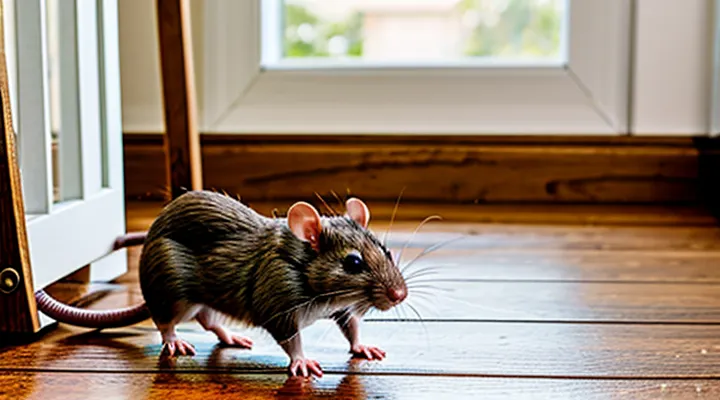
Understanding the Enemy: Rat Behavior and Signs
Common Rat Species in Homes
Norway Rats
Norway rats (Rattus norvegicus) are the most common indoor pest in residential settings. Their size, adaptability, and nocturnal habits make them difficult to detect until damage appears. Understanding their biology, preferred habitats, and behavior is essential for effective DIY capture.
These rodents favor dark, cluttered areas near food and water sources. Typical entry points include gaps around pipes, cracks in foundations, and unsealed vents. Identifying and sealing such openings prevents further intrusion and concentrates activity in predictable zones, simplifying trap placement.
Effective capture relies on three components: bait selection, trap type, and strategic positioning.
- Bait – Use high‑fat, protein‑rich foods such as peanut butter, bacon grease, or canned fish. Apply a small amount to the trigger mechanism to ensure rapid engagement.
- Trap – Choose snap traps for immediate kill or multi‑catch live traps for relocation. Snap traps should have a sturdy base and a spring calibrated for a 300‑gram target.
- Placement – Position traps along walls, behind appliances, and in concealed passages where gnaw marks or droppings are evident. Place traps perpendicular to the wall, with the trigger end facing the expected travel path.
After deployment, check traps daily. Dispose of dead rodents with sealed bags and disinfect the area using a bleach solution (1 part bleach to 9 parts water). Replace bait regularly to maintain attraction.
Preventive measures reinforce capture efforts:
- Store all food in airtight containers.
- Eliminate standing water by fixing leaks and drying wet surfaces.
- Reduce clutter to limit hiding places.
- Maintain a regular inspection schedule for new signs of activity.
By combining precise baiting, appropriate trap selection, and targeted placement, homeowners can successfully remove Norway rats without professional intervention.
Roof Rats
Roof rats (Rattus rattus) thrive in elevated structures, using roof spaces, attics, and eaves to access a home. Their slender bodies and long tails allow movement through narrow gaps, making sealing entry points essential. Look for gnaw marks on wood, shredded insulation, and greasy droppings near ceiling joists as primary indicators of activity.
Identify entry routes by inspecting exterior walls, soffits, and roof vents for gaps larger than ¼ inch. Apply steel wool or copper mesh, then seal with caulk or expanding foam. Trim tree branches that touch the roof to eliminate bridge pathways.
Select traps that match rat size and behavior. Snap traps positioned perpendicular to walls, with the trigger end facing the wall, increase strike probability. Live‑catch cages should be baited with high‑fat foods such as peanut butter or dried fruit; place them along known runways and check daily. For a chemical‑free approach, use electronic traps that deliver a quick, humane shock.
Bait placement matters. Apply a small amount of bait directly onto the trigger mechanism to prevent rats from removing it without activating the trap. Rotate trap locations every 24 hours to prevent trap shyness.
After capture, release live rats at least 2 miles from the residence, following local wildlife regulations, or dispose of dead specimens in sealed bags placed in a garbage container. Clean contaminated areas with a disinfectant solution to remove scent trails that could attract additional rodents.
Maintain vigilance by conducting monthly inspections of attic insulation, wiring, and stored items. Replace damaged insulation and store food in airtight containers to reduce attractants. Regularly clear debris from gutters and roof drains, as standing water provides a secondary water source for roof rats.
By combining exclusion, targeted trapping, and ongoing monitoring, homeowners can effectively control roof‑rat infestations without professional assistance.
House Mice (Distinction)
House mice differ from larger rodents in size, behavior, and preferred habitats. Adults measure 2–4 inches in body length, weigh 0.5–1 ounce, and possess a pointed snout, large ears, and a long, hairless tail. Their activity peaks at night, but they may forage during daylight when food is abundant. Unlike larger species that burrow outdoors, house mice thrive in concealed indoor spaces such as wall voids, cabinets, and ceiling panels, where they build shallow, irregular nests from shredded material.
Key distinctions that affect control methods include:
- Feeding habits: Mice consume grains, seeds, and processed foods, often leaving small, scattered crumbs. Rats prefer larger portions and are more likely to gnaw on structural elements.
- Travel routes: Mice use narrow openings as small as ¼ inch; rats require gaps of at least ½ inch. Sealing minute cracks can deter mice without impacting rat barriers.
- Reproductive rate: A mouse litter averages 5–7 pups, with a gestation of 19‑21 days, allowing rapid population growth. Rat litters are larger but develop more slowly.
- Scent marking: Mice leave faint urine trails, making detection more difficult. Rats deposit more noticeable droppings and odorous secretions.
Understanding these differences informs a DIY approach to removing larger rodents. Effective strategies begin with exclusion: install steel wool or silicone caulk in gaps under ¼ inch, while maintaining larger openings sealed for rats. Placement of snap traps or electronic devices should target mouse pathways—typically along walls, behind appliances, and near food storage. Bait selection matters; use high‑carbohydrate items such as peanut butter for mice, whereas rats respond better to protein‑rich bait.
Monitoring remains essential. Inspect for characteristic mouse droppings (1‑3 mm, dark brown) and gnaw marks on soft materials. Replace or reposition traps when activity diminishes. Combining precise exclusion of mice with broader barriers for larger rodents maximizes success in a home‑based pest‑control program.
Identifying a Rat Infestation
Droppings and Urine Trails
Droppings and urine trails provide the most reliable indicators of rat activity inside a residence. Fresh droppings appear as small, dark, cylindrical pellets, roughly ¼ inch long, each with a tapered end. The presence of multiple pellets in a line suggests a travel route. Urine leaves faint, oily stains on surfaces; on fabric it yields a strong ammonia odor, while on wood it leaves a yellowish sheen that becomes visible under a UV flashlight.
Identify hotspots by scanning:
- Kitchen counters, behind appliances, and pantry shelves for droppings.
- Baseboards, wall cavities, and under sinks for urine stains.
- Exterior entry points such as vents, cracks, and gaps for concentrated deposits.
Map the discovered deposits. Connect lines of droppings to locate primary pathways; intersecting trails often lead to nesting sites. Follow urine trails from the outermost point inward; the trail narrows as it approaches the source. Use a blacklight to reveal invisible urine spots, confirming the direction of movement.
Once the main route is charted, position traps or bait stations directly in the path. Place them perpendicular to the line of droppings, ensuring the rat must cross the device to continue toward food or shelter. Regularly inspect and replace traps, maintaining a clean environment to prevent new deposits that could obscure the trail.
Gnaw Marks and Damage
Rats leave distinct gnaw marks on wood, plastic, and wiring. The bite pattern is a clean, shallow groove, typically ¼‑inch deep, with sharp, straight edges. Examine baseboards, cabinet doors, and exposed cords for these signatures; damage often clusters near food sources or nesting sites.
Identifying gnaw damage serves two purposes: confirming infestation and pinpointing activity zones. Record the location of each mark, noting the material and proximity to potential bait stations. This map guides placement of traps, reducing trial‑and‑error and increasing capture efficiency.
Common consequences of rat gnawing include:
- Compromised structural integrity of wooden framing
- Exposed electrical conductors, raising fire risk
- Breached insulation, leading to energy loss
- Contamination of food containers and surfaces
Addressing the damage promptly prevents secondary problems. Repair or replace chewed sections, seal entry points, and reinforce vulnerable areas with steel wool or metal flashing before setting traps. Integrating damage assessment into a DIY rodent‑control plan maximizes the likelihood of a successful capture.
Strange Sounds and Scratches
Rats reveal their presence through distinct noises and surface marks. Identifying these indicators early narrows the search area and increases the success rate of a do‑it‑yourself removal plan.
Audible clues include:
- High‑pitched squeaks or chattering, often heard at night when the animal is most active.
- Scurrying sounds behind walls, under floors, or within ceiling cavities.
- Rapid, intermittent scratching on wooden structures, especially near concealed entry points.
Visible evidence consists of:
- Fine, parallel scratches on baseboards, cabinets, or exposed beams, created by the rat’s claws as it navigates tight spaces.
- Gnaw marks on insulation, wiring, or furniture, distinguished by shallow, crescent‑shaped teeth impressions.
- Small droppings near food sources, typically ½‑inch long, dark, and tapered at one end.
When these signs appear, follow a systematic approach:
- Locate the exact origin of the sound or scratch by listening from multiple positions and noting the loudest point.
- Inspect adjacent surfaces for fresh gnaw marks or droppings to confirm activity.
- Seal obvious entry routes with steel wool, metal flashing, or caulk to prevent re‑entry.
- Set snap traps or live‑capture cages directly in the identified pathway, baiting with high‑protein foods such as peanut butter or dried meat.
- Check traps daily, dispose of captured rodents according to local regulations, and repeat placement until activity ceases.
Consistent monitoring of strange noises and scratches allows rapid response, minimizing damage and ensuring effective home‑based rat control.
Nests and Burrows
Rats establish nests and burrows in concealed areas where food, water, and shelter are readily available. Typical locations include wall cavities, attic insulation, under appliances, and behind baseboards. Signs of active nesting include shredded paper, fabric, or insulation, droppings clustered near a single point, and gnaw marks on surrounding material. Burrow entrances appear as small holes, often ½‑inch in diameter, surrounded by disturbed dust or debris.
Identifying nest and burrow sites enables precise placement of traps and bait. Position snap or live traps directly in front of the entrance, ensuring the trigger mechanism aligns with the rat’s path. Use a small amount of attractive bait—peanut butter, dried fruit, or canned meat—secured to the trap to encourage entry. For multiple burrows, deploy a series of traps spaced 12‑18 inches apart to cover the likely travel corridor.
After successful capture, seal each entrance with steel wool, copper mesh, or expanding foam to prevent re‑entry. Reinforce potential future sites by eliminating food sources, maintaining clean surfaces, and repairing structural gaps. Regular inspection of previously identified nests and burrows confirms that the infestation has been eradicated and helps avoid recurrence.
Preparing for the Hunt: Safety and Prevention
Ensuring Home Safety
Securing Food Sources
Securing food sources eliminates the primary attraction for rats and is a fundamental step in any home‑based rodent control plan. Store all dry goods—cereals, grains, pet food, and snacks—in airtight containers made of metal or heavy‑wall plastic. Containers should feature a tight‑locking lid and be placed on shelves, not on the floor, to prevent accidental spills.
Eliminate exposed food waste immediately. Empty trash cans daily and use bins with fitted lids that close securely. Line the interior of trash containers with a disposable liner and replace it before it becomes saturated with moisture. Compost bins should be kept outdoors, away from the house, and equipped with a tight‑fitting cover.
Maintain a clean kitchen environment. Wipe countertops, stovetops, and table surfaces after each meal. Sweep floors to remove crumbs, and mop regularly to eradicate residue that may attract rodents. Do not leave dishes soaking overnight; rinse and load them into the dishwasher promptly.
Control pet feeding routines. Place pet food in sealed containers and feed pets at set times rather than leaving bowls out continuously. Remove any uneaten food after each feeding session and clean the feeding area thoroughly.
Implement a systematic inspection schedule. Once a week, check pantry shelves, cabinets, and under‑sink areas for signs of food spillage or gnaw marks. Repair any damaged packaging and seal gaps where pests could access stored items.
By enforcing these measures, the home environment becomes inhospitable to rats, reducing the likelihood of infestation and supporting any subsequent trapping or exclusion efforts.
Eliminating Water Access
Rats survive on minimal moisture, but any readily available water dramatically increases their presence. Removing all potential water sources deprives them of a critical resource, forcing them to seek food elsewhere and reducing the likelihood of infestation.
Typical indoor water sources include leaky pipes, dripping faucets, pet water bowls, condensation on windows, and standing water in basements or crawl spaces. Even seemingly minor leaks create micro‑habitats that sustain rodent activity. Inspect every room, focusing on kitchens, bathrooms, laundry areas, and utility closets.
- Repair all plumbing leaks promptly; tighten fittings, replace worn seals, and test for drips after repairs.
- Eliminate condensation by improving ventilation, using dehumidifiers, and wiping surfaces regularly.
- Store pet water in sealed containers; refill only when necessary and dry bowls between uses.
- Remove standing water from basements, under appliances, and in floor drains; install sump pumps or proper drainage if needed.
- Seal gaps around pipes, sinks, and fixtures with silicone caulk to prevent moisture accumulation.
After eliminating water, monitor the environment for a week. Absence of fresh moisture signals successful denial of this essential need, making the home less attractive to rats and supporting other control measures.
Sealing Entry Points
Sealing entry points eliminates the pathways rats use to invade a residence, thereby reducing the likelihood of infestation and supporting any trapping effort.
Rats typically enter through gaps larger than a quarter‑inch. Common locations include:
- Openings around pipes, vents, and utility lines
- Gaps beneath doors and windows
- Cracks in foundation walls, floor joists, and roof sheathing
- Unsealed openings around appliances, such as refrigerators and dishwashers
Begin by conducting a systematic inspection. Turn off interior lights, use a flashlight to examine the perimeter, and note every opening that meets or exceeds the size threshold. Pay special attention to areas where walls meet the floor, where cabinets abut the foundation, and where exterior cladding meets the roof.
Select appropriate sealing materials for each type of gap. Steel wool or copper mesh combined with expandable polyurethane foam works well for irregular cracks, while metal flashing or cement‑based mortar suits larger structural openings. Apply the following steps:
- Clean the area to remove debris, dust, and loose material.
- Insert steel wool or mesh into the gap to create a base barrier.
- Fill the remaining space with expanding foam, ensuring the foam contacts the filler material.
- Trim excess foam flush with the surrounding surface once cured.
- Cover high‑traffic or exposed sections with metal flashing or cement patch for added durability.
After sealing, monitor the sealed areas regularly. Re‑inspect after heavy weather, renovations, or when noticing new rodent activity. Promptly repair any fresh breaches to maintain a continuous barrier.
A thorough, well‑executed sealing program reduces rat access, increases trap effectiveness, and contributes to long‑term pest‑free living conditions.
Inspecting Foundation and Walls
Inspecting the foundation and walls is the first step in any effective DIY rat control plan for a private residence. Rats gain entry through cracks, gaps, and openings that compromise the building envelope, so a systematic examination of these structures is essential.
Begin by walking around the exterior perimeter. Use a flashlight to highlight any fissures in concrete, brick, or stone. Pay special attention to areas where utilities enter the home—pipes, cables, and vent stacks often create gaps. Measure each opening; any gap larger than ¼ inch can accommodate a rat. Mark problematic spots with chalk or tape for later repair.
Next, assess the interior walls. Look for signs of gnawing, such as bite marks on wood framing, plaster, or insulation. Examine baseboards, window frames, and door thresholds for loose or warped sections that may indicate structural movement or previous rodent activity. In unfinished basements or crawl spaces, inspect joist bays and rim joists for holes or shredded material.
A concise checklist can streamline the process:
- Walk the exterior foundation, noting all cracks and gaps.
- Measure openings; record any exceeding ¼ inch.
- Inspect utility penetrations (water, gas, electrical) for seal integrity.
- Examine interior wall surfaces for gnaw marks and displaced material.
- Check baseboards, window frames, and door thresholds for gaps.
- Review crawl‑space joists and rim joists for holes or damage.
After identification, seal each entry point with appropriate materials—concrete patch for large cracks, steel wool and silicone caulk for small gaps, and metal flashing around utility conduits. Reinforce vulnerable sections with rodent‑resistant hardware cloth where necessary. Completing this inspection and repair phase dramatically reduces the likelihood of rats re‑entering the home, laying a solid foundation for subsequent trapping or exclusion efforts.
Checking Vents and Pipes
Inspect every vent and pipe that penetrates walls, floors, or ceilings. Rats use these openings to travel unseen, so sealing or monitoring them prevents further intrusion and provides access points for traps.
- Locate all external vents (dryer, furnace, attic, crawl‑space). Remove grates, shine a flashlight inside, and look for droppings, gnaw marks, or fresh urine stains.
- Examine interior vent covers and ductwork. Pull back insulation, check for shredded material, and feel for movement behind the ducts.
- Follow each pipe run from the exterior wall to its termination inside the house. Trace sewer, water, and gas lines, noting any gaps around the pipe sleeves.
- Use a fine‑mesh wire screen or steel wool to block openings larger than ¼ inch. Secure with stainless steel screws to resist chewing.
- Install snap‑trap stations or live‑capture cages adjacent to confirmed pathways. Position bait at the far end of the vent or pipe, ensuring the device is stable and inaccessible to children or pets.
After sealing, re‑inspect weekly for new signs of activity. Continuous monitoring of vents and pipes maintains control over rodent movement and supports any broader rodent‑removal strategy.
Repairing Gaps in Doors and Windows
Rats enter homes through even the smallest openings. Sealing cracks in doors and windows removes the primary pathways that rodents exploit, reducing the likelihood of an infestation without chemicals.
To locate vulnerable points, inspect all entryways when the house is darkened. Shine a flashlight along the perimeter; any light escaping indicates a gap. Pay special attention to:
- The space between the door frame and the floor, especially where weather‑stripping is worn.
- The gap around door hinges and locksets.
- Window sashes that do not close flush with the frame.
- Ventilation grilles, especially those without mesh screens.
- Utility penetrations for cables or pipes.
Materials for effective sealing include:
- Silicone or polyurethane caulk – flexible, weather‑resistant, suitable for irregular cracks.
- Metal or copper mesh – reinforces larger openings before applying sealant.
- Self‑adhesive weather‑stripping – closes gaps along the bottom and sides of doors.
- Expanding foam – fills cavities around pipes and wiring, then trimmed flush.
- Wood or PVC trim – covers gaps around window frames that caulk cannot reach.
Application steps:
- Clean each gap of dust, debris, and old sealant.
- Insert mesh or foam where the opening exceeds ¼ inch.
- Apply a continuous bead of caulk, smoothing with a putty knife to ensure full contact.
- Install weather‑stripping on door bottoms and side jambs, overlapping to eliminate drafts.
- Allow sealant to cure according to manufacturer instructions before testing for light leaks.
Regularly repeat the inspection after seasonal changes or after any home repairs. Maintaining a sealed envelope around the residence deprives rats of easy access, supporting a sustainable, non‑chemical approach to rodent control.
Personal Safety Precautions
Wearing Gloves and Masks
When attempting to remove a rat from a residence, personal protective equipment protects both the handler and the household.
Gloves form the first barrier against bites, scratches, and disease‑bearing saliva. Choose nitrile or thick latex gloves that extend past the wrist; these materials resist puncture and are resistant to disinfectants. Slip the glove on before any contact with the animal or its droppings, and inspect for tears after each use. If a breach occurs, replace the glove immediately and wash hands thoroughly with soap and water.
Masks prevent inhalation of aerosolized pathogens and dust from rodent nests. A disposable N95 respirator, or a surgical mask combined with a face shield, provides adequate filtration for most home scenarios. Ensure a snug seal around the nose and mouth; perform a user‑seal check by exhaling and feeling for air leaks. Replace the mask after each trapping session or when it becomes damp or soiled.
Recommended protective gear
- Nitrile or latex gloves, wrist‑length or longer
- N95 respirator or surgical mask with face shield
- Disposable coveralls or old clothing designated for the task
- Safety goggles to shield eyes from splatter
Proper donning and removal procedures further reduce contamination risk. Put on gloves and mask before entering the affected area, and remove them in the reverse order—mask first, then gloves—while avoiding contact with the outer surfaces. Dispose of single‑use items in a sealed bag and clean reusable equipment with a bleach solution (1 % sodium hypochlorite) before storage.
Handling Traps Safely
When setting up rodent traps inside a residence, follow strict safety protocols to protect occupants and prevent accidental injury.
- Wear thick gloves before handling any trap to avoid direct contact with bait or trigger mechanisms.
- Keep traps out of reach of children and pets; place them on flat, stable surfaces where they cannot be knocked over.
- Inspect each trap for damage before use; replace cracked springs or broken components immediately.
- Position traps perpendicular to walls, with the entry side facing the wall, because rats travel close to edges.
- Use bait that does not attract non‑target animals; peanut butter or dried fruit applied to a small portion of the trap reduces spillover.
- After a capture, wear gloves, deactivate the trap according to the manufacturer’s instructions, and dispose of the rodent in a sealed bag.
- Clean the trap with a mild disinfectant before resetting or storing it; allow it to dry completely to maintain functionality.
Document each trap location and capture date. Record keeping enables evaluation of trap effectiveness and informs adjustments to placement or bait selection. Maintaining these practices ensures humane, efficient rodent control while minimizing risk to household members.
Disposing of Carcasses Properly
After a rodent is eliminated, proper carcass disposal prevents disease spread and eliminates odor. Place the dead animal in a sealable plastic bag, expel excess air, and tie the knot securely. Transfer the bag to a heavy‑duty trash container that is regularly emptied.
If local regulations require it, contact the municipal waste authority for guidance on hazardous organic waste. Some jurisdictions accept animal remains in designated biohazard bins; others mandate double‑bagging and placement in a curbside collection on a specific day.
Follow these steps to ensure safe removal:
- Wear disposable gloves; avoid direct contact.
- Wrap the carcass in a disposable, puncture‑resistant bag.
- Seal the bag and place it inside a second bag for double containment.
- Label the outer bag with “dead animal – dispose promptly.”
- Dispose according to local waste‑management rules, preferably at a landfill or approved collection point.
DIY Trapping Methods: A Comprehensive Guide
Choosing the Right Trap
Snap Traps: Pros and Cons
Snap traps are a traditional, mechanical solution for eliminating rats inside a residence. They rely on a spring‑loaded bar that releases when a rat triggers a pressure plate, delivering a rapid, lethal blow. Their simplicity allows placement in concealed areas such as behind appliances, under cabinets, or within wall voids.
-
Immediate kill reduces the risk of disease transmission.
-
Low purchase price makes them accessible for most households.
-
No need for electricity or chemicals eliminates additional hazards.
-
Compact design permits deployment in tight spaces.
-
Requires careful baiting to attract wary rodents.
-
Single‑use nature generates waste after each capture.
-
Inconsistent placement can lead to missed catches, prolonging infestation.
-
Improper handling may cause accidental injury to humans or pets.
When selecting a snap trap, choose a model with a strong spring, a sturdy base, and a trigger mechanism sensitive enough for the target size. Position traps along known runways, near nesting sites, and close to food sources. Replace bait regularly and inspect traps daily to remove captured rats and reset the device. Proper sanitation around trap locations prevents secondary contamination.
Live Traps: Humane Options
Live traps provide a practical, humane method for removing rats from a private residence without chemicals or lethal devices. These cages capture the animal intact, allowing owners to relocate it far from the home.
Effective use of live traps requires sturdy construction, a reliable trigger mechanism, and appropriate bait. Commonly available options include plastic or metal cages with a spring‑loaded door. Choose a model that closes securely when the rat enters and that can be opened without harming the animal.
Key considerations for placement and operation:
- Locate traps along walls, behind appliances, and near visible droppings, as rats travel close to surfaces.
- Use fresh, high‑protein bait such as peanut butter, cooked meat, or canned fish. Apply a small amount to the trigger plate to ensure the rat contacts the mechanism.
- Set traps in the evening when rats are most active; check them early each morning to prevent stress or injury.
- Wear gloves when handling captured rats to avoid bites and to reduce scent transfer that could deter future captures.
- After capture, transport the rat in a secure container at least five miles away from the property, releasing it in a wooded or rural area with shelter and water.
Maintenance of the trap includes cleaning after each capture with mild detergent and disinfectant, then drying thoroughly before reuse. Regular inspection of the trigger and door ensures reliable operation and prevents accidental escapes.
By following these steps, homeowners can manage rat infestations responsibly, minimizing harm while protecting their living environment.
Electronic Traps: Modern Solutions
Electronic rat traps provide a reliable alternative to traditional snap or glue devices. Powered by batteries or mains electricity, they deliver a lethal shock when a rodent completes the circuit. The immediate result eliminates the need for repeated checking and disposal of dead animals.
Key advantages include:
- Consistent kill rate across multiple captures
- Minimal exposure to poisons or chemicals
- Quiet operation that does not disturb household occupants
- Reusable components that reduce long‑term expense
Installation requires positioning the unit near known activity paths, such as along walls, behind appliances, or close to entry points. Connect the power source, activate the sensor, and ensure the trap’s safety interlock is engaged to prevent accidental discharge. Regular maintenance involves emptying the collection chamber and cleaning contacts to preserve conductivity.
When selecting a model, prioritize features such as adjustable voltage, built‑in bait compartments, and tamper‑proof housing. Devices with digital counters allow tracking of capture numbers, facilitating assessment of infestation severity. Combining electronic traps with exclusion methods—sealing holes, storing food securely—maximizes control effectiveness while maintaining a DIY approach.
Glue Traps: Ethical Considerations
Glue traps consist of adhesive-coated surfaces that immobilize rodents upon contact. They are marketed as inexpensive, easy‑to‑install tools for indoor pest control.
Ethical concerns include:
- Animal suffering: Rats experience prolonged distress, dehydration, and injury while struggling against the adhesive.
- Non‑target capture: Insects, small reptiles, or pets may become unintentionally trapped, raising additional welfare issues.
- Humane standards: Professional pest‑management guidelines frequently classify glue traps as inhumane because they do not provide rapid death.
Legal frameworks in many jurisdictions restrict or ban the sale of glue traps for residential use, citing cruelty statutes. Enforcement varies, but compliance with local regulations remains a mandatory consideration.
For responsible rodent management, prioritize alternatives that deliver swift, painless outcomes, such as snap traps or live‑capture devices paired with immediate euthanasia performed by qualified personnel. If glue traps are employed despite these reservations, implement strict placement controls, monitor traps at least twice daily, and dispose of captured animals with minimal suffering.
Effective Baiting Strategies
Best Bait for Rats
Choosing the most effective attractant determines the success of a home rat‑trapping effort. Rats are omnivorous, but they favor foods with high protein, fat, and sugar content. The bait must be fresh, aromatic, and capable of staying on a trap without disintegrating quickly.
- Peanut butter – strong scent, adhesive texture, appeals to both male and female rats.
- Fresh fruit (apple, banana, berries) – sweet aroma, high sugar, attractive during warmer months.
- Meat scraps (cooked chicken, bacon) – rich protein and fat, especially effective in kitchens.
- Pet food (dry kibble or canned wet food) – familiar scent, readily available in households with animals.
- Nuts and seeds (almonds, sunflower seeds) – high fat, durable, suitable for long‑term traps.
Placement influences bait performance. Position traps along walls, behind appliances, and near droppings, where rats travel. Secure bait to the trigger mechanism to prevent removal without activation. Rotate bait types every few days to avoid habituation.
Safety considerations include wearing gloves when handling bait, especially raw meat, to prevent disease transmission. Dispose of used bait and trapped rodents promptly, following local health regulations.
Placement of Bait
Effective bait placement determines whether a trap will entice a rat or remain untouched. Position the lure where rats naturally travel and forage, avoiding locations that expose the bait to pets or children.
- Align bait with walls: rodents hug surfaces, so place traps 1‑2 inches from baseboards, behind appliances, and under furniture legs.
- Target active runways: look for fresh gnaw marks, droppings, or greasy pathways; position the bait directly on these routes.
- Use concealed spots: hide traps inside cabinets, closets, or behind clutter where rats seek shelter, ensuring the lure remains visible from the entry point.
- Near food sources: place bait close to pantry shelves, garbage cans, or pet feeding areas, but keep it out of direct contact with human food to prevent contamination.
- Elevate in multi‑level homes: if rats are present on upper floors, install bait on the same level, preferably near stairwell openings or attic access points.
Secure bait in tamper‑resistant containers to prevent accidental exposure. Replace the lure every 3‑5 days, or sooner if it becomes dry or contaminated, to maintain high attractiveness. Consistent placement in these strategic zones maximizes trap success without resorting to chemical controls.
Replenishing Bait
Replenishing bait is essential for maintaining an effective rodent‑control program inside a private residence. Once a trap is set, the lure degrades due to exposure to air, moisture, and the rats’ own activity. A weakened attractant reduces capture rates and may allow the pest to avoid the device entirely.
Monitor each station daily. If the bait appears dry, crumbly, or covered with droppings, replace it immediately. Fresh bait should be applied at least every 48 hours during active infestation and weekly once the population declines.
When adding new bait, follow these steps:
- Wear disposable gloves to prevent scent transfer.
- Use a small amount—no more than a pea‑size piece—for each trap; excess material can attract non‑target animals.
- Press the bait firmly into the trap’s holding area to ensure it remains in place.
- Store unused bait in an airtight container, away from heat and direct sunlight, to preserve potency.
Choose attractants that match the rats’ preferences. Common options include:
- Peanut butter or nut‑based spreads.
- Fresh fruit pieces, such as apple or banana.
- Commercial rodent lures formulated with protein and grain blends.
Rotate between attractants every few days to prevent habituation. Keep a log of bait types, placement dates, and capture results; the record will reveal which lure yields the highest success and guide future replenishment cycles.
Strategic Trap Placement
Identifying High-Traffic Areas
Rats concentrate activity along routes that provide easy access to food, water, and shelter. Spotting these pathways is the first step in an effective home‑based rodent control plan.
Observe walls, baseboards, and ceiling lines for fresh droppings, gnaw marks, or greasy tracks. Concentrations of these signs often indicate a primary corridor. Check behind appliances, under sinks, and inside cabinets where food residues accumulate; these spots attract repeated movement.
Typical high‑traffic zones include:
- Kitchen countertops and pantry shelves
- Garbage bins and recycling containers
- Bathroom fixtures and plumbing stacks
- Entry points such as door thresholds, window sills, and utility openings
- Attic beams, crawl‑space joists, and basement corners
Inspect each area during daylight and again at night using a flashlight; rats prefer darkness, so nocturnal activity may be more evident. Mark locations with tape or chalk to create a visual map of the most frequented routes. This map guides trap placement, ensuring devices sit directly in the paths rats use most often, maximizing capture rates while minimizing unnecessary disturbance to the household.
Placing Traps Safely Away from Pets and Children
When setting traps for indoor rodents, keep the devices out of reach of non‑target occupants. Choose locations that rodents frequent—behind appliances, along walls, and near entry points—while maintaining a clear buffer zone around pets and children. Secure traps on flat surfaces; use heavy objects or adhesive strips to prevent tipping.
- Position traps at least three feet from pet feeding stations, litter boxes, or child play areas.
- Mount traps on low shelves or behind furniture where animals cannot climb or pull them down.
- Cover traps with a removable barrier (e.g., a cardboard shield) that can be lifted only when monitoring captures.
- Inspect and reset traps daily; remove captured rodents promptly to eliminate odor that might attract other pests.
Use bait that is unattractive to household animals, such as peanut butter mixed with a small amount of dried fruit, and place it deep within the trap mechanism. This approach reduces accidental contact while preserving trap effectiveness.
Optimal Trap Density
Effective rodent control in a residence depends on placing enough traps to intersect a rat’s typical movement paths. Trap density refers to the number of devices per unit of floor space, expressed as traps per 100 square feet (≈9 square meters). A higher density forces the animal to encounter a trap within a short distance, reducing the time required for capture.
- For a single‑room area (12‑15 sq ft per rat), install one trap for every 10 sq ft (≈0.9 sq m).
- In larger open spaces (kitchens, basements), aim for one trap per 12 sq ft (≈1.1 sq m).
- In cluttered or multi‑level zones, increase density to one trap per 8 sq ft (≈0.7 sq m) to compensate for concealed routes.
Adjust density based on observed activity. If captures are infrequent after 48 hours, add traps at a 25 % higher rate in the affected zone. Maintain the arrangement for at least three days before further changes, then reassess placement and remove any redundant devices. Continuous monitoring ensures the trap network remains efficient while minimizing unnecessary equipment.
Beyond Trapping: Long-Term Rat Control
Natural Deterrents
Peppermint Oil
Peppermint oil serves as a natural deterrent against rats when applied correctly in a residential setting. The strong menthol scent overwhelms a rat’s sensitive olfactory system, prompting avoidance of treated areas.
Preparation and application
- Dilute 10–15 drops of pure peppermint essential oil in 250 ml of water.
- Add a teaspoon of mild dish soap to create an emulsion that adheres to surfaces.
- Transfer the mixture to a spray bottle for even distribution.
Target locations
- Corners of walls, behind appliances, and inside cabinets where rodent activity is suspected.
- Entry points such as gaps around pipes, vents, and door frames.
- Areas where food residues accumulate, including pantry shelves and trash containers.
Frequency
- Reapply every 2–3 days, or after cleaning, to maintain potency.
- Replace the solution weekly to prevent degradation of aromatic compounds.
Safety considerations
- Keep the solution away from pets and children; direct contact may cause skin irritation.
- Test a small, inconspicuous area before full application to ensure no staining of fabrics or finishes.
- Store the oil in a sealed container, away from heat and sunlight.
Effectiveness limits
- Peppermint oil deters but does not eliminate an established infestation.
- Combine with physical barriers, traps, and sanitation measures for comprehensive control.
- Persistent problems may require professional pest management.
Ammonia
Ammonia’s strong, pungent odor repels rodents, making it a practical component of a home‑based rat control strategy. The volatile compound irritates the nasal passages of rats, causing them to avoid areas where the scent is present.
A solution of 10 % household ammonia (approximately one part ammonia to nine parts water) provides sufficient vapor without damaging interior finishes. Higher concentrations increase toxicity to humans and pets without markedly improving repellency.
Application methods include:
- Soaking cotton balls or small cloth pieces in the diluted solution, then placing them inside snap traps or near entry points.
- Pouring a thin layer on a disposable tray, positioning it beneath a baited trap to create a scented barrier.
- Spraying the mixture onto the outer surface of a trap’s lid, allowing it to dry before setting the device.
Safety measures are mandatory:
- Wear nitrile gloves and eye protection while handling the solution.
- Ensure adequate ventilation; open windows and doors during and after application.
- Keep the mixture out of reach of children, pets, and food preparation areas.
- Store any unused solution in a clearly labeled, sealed container away from heat sources.
Ammonia alone does not eliminate an established infestation; it functions best when combined with proper sanitation, sealing of entry points, and regular trap maintenance. Monitoring trap activity and replenishing the scent source every 24 hours sustains its effectiveness.
Ultrasonic Repellents (Effectiveness)
Ultrasonic devices emit high‑frequency sound waves that rodents cannot hear but are claimed to cause discomfort. The technology relies on a continuously varying frequency to prevent rats from adapting to a single tone.
Effectiveness is mixed. Laboratory tests show immediate avoidance when rats are exposed to frequencies above 20 kHz, yet field trials in occupied homes report limited long‑term success. Rats often habituate after a few days, reducing deterrent impact.
Key factors influencing performance:
- Placement: devices must be positioned at ground level, away from walls and furniture that block sound.
- Coverage area: most units cover 500–800 sq ft; larger homes require multiple units for overlapping fields.
- Power source: battery‑operated models may lose output as voltage drops, compromising efficacy.
- Species variation: Norway rats respond less consistently than roof rats, which are more sensitive to ultrasonic frequencies.
When integrated into a broader DIY rat‑control plan, ultrasonic repellents can supplement traps and exclusion measures, but they should not be the sole method. Continuous monitoring of activity, combined with sealing entry points and strategic bait placement, remains essential for reliable eradication.
Maintaining a Rat-Free Home
Regular Inspections
Regular inspections form the backbone of any effective rat‑control plan inside a home. By systematically checking vulnerable areas, homeowners can spot early signs of activity before an infestation expands.
Typical inspection points include:
- Kitchen cabinets, pantry shelves, and behind appliances where food residues accumulate.
- Utility rooms, basements, and crawl spaces with exposed wiring or insulation.
- Entryways such as door thresholds, window frames, and vent openings for gnaw marks or droppings.
- Exterior foundations, gutters, and roof eaves for gaps that allow rodents to enter.
Inspectors should look for specific evidence: fresh droppings (approximately ½‑inch black pellets), greasy smears along walls, gnaw holes in wood or plastic, and faint squeaking sounds at night. A flashlight, magnifying glass, and disposable gloves improve detection accuracy.
Frequency matters. Conduct a thorough sweep once a week during peak season (spring through fall) and reduce to bi‑weekly during colder months. Spot checks in high‑risk zones should occur after any major cleaning or renovation work.
Document findings immediately. Record location, type of evidence, and date in a dedicated log. This record guides subsequent actions, such as sealing entry points, setting traps, or applying bait stations.
Finally, maintain a clean environment to complement inspections. Remove food scraps, store perishables in sealed containers, and keep trash cans covered. A tidy setting reduces attractants, making each inspection more likely to reveal genuine rodent activity rather than false positives.
Proper Waste Management
Effective waste handling reduces food sources that attract rodents. Store trash in containers with tight-fitting lids and place them away from entry points. Remove waste daily to prevent accumulation.
- Use bins made of durable material that resist gnawing.
- Seal bags before disposal to contain odors.
- Position containers on a smooth surface to facilitate cleaning.
- Keep the area around bins free of spilled food or debris.
- Empty outdoor dumpsters regularly and keep lids closed.
Proper disposal of compost and pet food follows the same principles: cover containers, limit access, and clean spills promptly. When waste is managed correctly, the incentive for rats to enter a dwelling diminishes, making traps and exclusion methods more effective.
Landscaping for Prevention
Effective landscaping can reduce rodent activity around a residence, making indoor capture efforts more manageable. Trim vegetation that contacts the building; overgrown shrubs and vines create pathways for rats to climb and enter through roof eaves or soffits. Keep grass at a maximum height of two inches to eliminate cover and discourage nesting.
Maintain a clear perimeter by removing debris, wood piles, and compost bins that sit directly against the foundation. Store firewood at least three feet away from the house and elevate it on pallets. Install a solid, impermeable barrier—such as metal flashing or concrete—along the base of exterior walls to block burrowing.
Control moisture sources that attract rats. Direct downspouts away from the foundation using extensions or splash blocks, and grade the soil to slope away from the structure. Repair leaky irrigation lines and ensure that garden beds have proper drainage.
Create a hostile environment for rats by using plant selections that deter them. Dense, thorny hedges like barberry or holly can form a physical barrier. Aromatic herbs such as mint, rosemary, and lavender emit scents rats avoid; planting them near entry points adds a chemical deterrent.
Regularly inspect the landscape for signs of activity—fresh droppings, gnaw marks, or burrow openings. Promptly seal any gaps larger than a quarter inch with steel wool, caulk, or metal mesh. Consistent maintenance reduces the likelihood of rats seeking shelter indoors, thereby supporting any DIY capture strategy.
When to Call in the Professionals
Signs of a Persistent Infestation
Rats rarely hide their presence; early detection prevents a small problem from becoming a long‑term invasion. Recognizing the most reliable indicators allows homeowners to act before damage escalates.
- Dark, pellet‑shaped droppings near food sources, along walls, or in hidden corners.
- Gnaw marks on wood, plastic, wiring, or furniture, especially on the edges of cabinets and baseboards.
- Fresh nests composed of shredded paper, fabric, insulation, or dried plant material, often found in attics, wall voids, or under appliances.
- Strong, musky urine odor that intensifies at night when rodents are most active.
- Visible tracks or smudge marks on dusty surfaces, indicating frequent movement paths.
- Chewed or missing food packaging, seeds, or pet food left uncovered.
- Small burrows or tunnels in insulation, stored cardboard, or garden soil adjacent to the house.
- Occasional sightings of live rats, especially during dusk or early morning, often near garbage bins or entry points.
Each of these signs confirms ongoing activity and suggests that the population has established a breeding colony. When multiple indicators appear together, immediate implementation of traps, exclusion measures, and sanitation improvements becomes essential to halt further growth.
Health Risks and Large Numbers
Rats in a residence carry pathogens that can cause leptospirosis, hantavirus pulmonary syndrome, salmonellosis, and plague. Direct contact with urine, feces, or saliva may introduce these agents through skin abrasions or ingestion of contaminated food. Inhalation of dried droppings releases aerosolized particles capable of reaching the lower respiratory tract, increasing the likelihood of severe respiratory illness. Allergic reactions to rodent dander and urine proteins can trigger asthma attacks and chronic sinus inflammation. Secondary infestations by insects such as fleas, mites, and cockroaches thrive on rat waste, extending the vector pool for additional diseases.
When the population within a home exceeds a few individuals, the following hazards intensify:
- Exponential growth of bacterial load in hidden cavities, leading to rapid food spoilage.
- Amplified contamination of structural materials; insulation and wiring become saturated with droppings, creating fire and electrical risks.
- Greater competition for limited food sources forces rats to gnaw on walls, pipes, and electrical cords, raising the probability of structural damage and utility failures.
- Increased frequency of aggressive encounters among rats, resulting in more frequent biting and blood loss, which elevates the risk of secondary infections for occupants.
- Higher probability of odor accumulation, which can impair indoor air quality and provoke respiratory distress.
Effective control measures must address both the disease vectors and the potential for rapid population expansion. Immediate actions include sealing entry points, removing accessible food and water, and deploying traps or humane capture devices in strategic locations. Follow-up sanitation—disinfecting surfaces with a 10% bleach solution, ventilating enclosed spaces for at least 30 minutes, and disposing of contaminated materials in sealed bags—reduces pathogen load and prevents re‑infestation. Regular monitoring, at least weekly, ensures that any resurgence is detected before the colony reaches a size that magnifies health threats.
Inability to Control with DIY Methods
Rats quickly adapt to traps, bait stations, and makeshift barriers. Simple snap traps often miss due to cautious behavior; rats learn the sound and avoid contact after a single exposure. Glue boards lose effectiveness when moisture or dust interferes with adhesive, allowing rodents to escape or become injured without capturing the entire population.
Homemade repellents—essential oils, peppermint sprays, or ultrasonic devices—provide inconsistent results. Their reach is limited to line‑of‑sight areas, and rodents quickly become desensitized. Without professional-grade formulation, concentration levels drop below thresholds needed to deter activity, leading to false confidence and continued infestation.
Structural gaps frequently exceed the capacity of DIY sealing methods. Foam sealants and weatherstripping shrink over time, re‑opening entry points. Rats exploit gaps as small as ¼ inch; inadequate material thickness or improper application leaves hidden routes untouched.
When these limitations converge, the infestation persists despite persistent effort. Indicators include:
- Repeated sightings after trap placement
- New droppings in previously cleared zones
- Damage to stored food or property
- Persistent gnaw marks on wiring or insulation
At this stage, professional pest control offers:
- Comprehensive inspection of hidden pathways
- Access to high‑efficacy traps and baits
- Certified rodenticide application with safety protocols
- Long‑term exclusion solutions, such as steel mesh and concrete sealing
Attempting to manage a rat problem solely with do‑it‑yourself tools often results in wasted time, increased health risks, and amplified property damage. Recognizing the limits of home‑based tactics and transitioning to expert intervention prevents escalation and restores a safe living environment.