
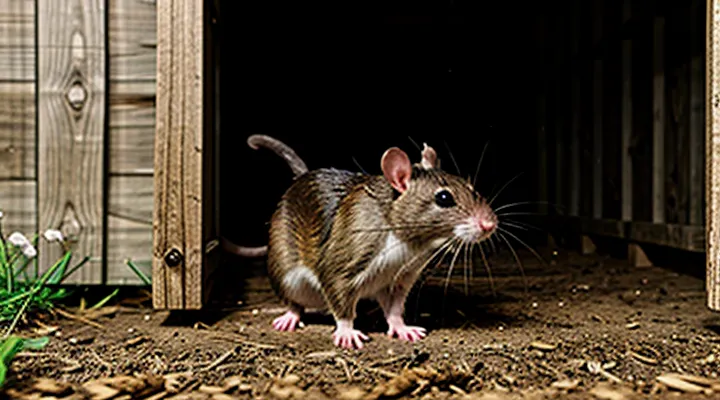
Understanding the Barn Environment
Why Rats Are Attracted to Barns
Food Sources in Barns
Rats are drawn to barns by readily available nourishment; eliminating or securing these supplies reduces the likelihood of infestation.
Typical attractants include:
- Grain spillage on the floor
- Silage residues in troughs
- Pet feed left uncovered
- Fruit and vegetable waste in bins
- Insect larvae in stored hay
- Moisture‑rich feed such as molasses or corn syrup
Control measures focus on denial of access and removal of contamination:
- Install sealed containers for all feed, using lids that lock securely.
- Sweep floors daily to collect fallen grain and debris.
- Position feed bins on raised platforms equipped with metal legs to prevent gnawing.
- Employ airtight waste bins, emptying them regularly to avoid odor buildup.
- Apply concrete or metal sheeting around feed troughs to eliminate cracks where feed can accumulate.
- Conduct routine inspections for moisture leaks that create damp feed patches.
By targeting each identified source and enforcing strict storage protocols, the barn environment becomes inhospitable to rats, supporting effective population management.
Shelter and Hiding Spots
Rats select barns because structural gaps and stored materials provide concealed refuge. Understanding where these refuges exist enables precise placement of traps and reduction of population growth.
Typical shelter locations include:
- Roof voids and insulation cavities
- Beam joints and wall cracks
- Stacked hay, straw, or feed bags
- Equipment pallets and feed troughs
- Drainage channels and gutter overhangs
Each site offers darkness, limited disturbance, and proximity to food sources. Inspection should focus on signs such as droppings, gnaw marks, and nesting material. Lighting a flashlight along beams or using a small mirror can reveal concealed burrows without disrupting the environment.
To convert shelters into capture points, seal non‑essential openings with metal mesh or cement, leaving only controlled entryways where traps can be positioned. Place snap traps or live‑catch cages directly in identified pathways, ensuring bait is positioned at the rear to force the rodent to pass the trigger. Regularly monitor and reset devices to maintain effectiveness.
Eliminating excess clutter and maintaining a clean, well‑ventilated barn reduces available hiding spots, forcing rats into exposed areas where capture methods are most successful. Continuous assessment of shelter conditions sustains long‑term control.
Water Availability
Water availability directly influences rodent activity in agricultural structures. Moisture sources attract rats, increase population density, and facilitate movement between shelter and feeding areas. Controlling water presence reduces the likelihood of infestation and improves the effectiveness of trapping strategies.
Key actions regarding moisture management:
- Eliminate standing water in feed troughs, buckets, and cleaning equipment. Drain residual pools after each use.
- Repair leaks in roofing, gutters, and plumbing promptly. Inspect walls and ceilings for condensation buildup.
- Store feed in sealed containers to prevent moisture absorption, which can create a humid micro‑environment.
- Maintain proper ventilation to lower humidity levels throughout the building. Use fans or vents where airflow is restricted.
- Schedule regular inspections of water‑related infrastructure. Document findings and corrective measures to ensure consistent conditions.
By minimizing accessible water, rats lose a critical resource, decreasing their attraction to the barn and enhancing the success of capture efforts.
Identifying Rat Activity
Droppings and Urine Signs
Recognizing fecal deposits and urine traces provides the most reliable indicator of rodent presence in a barn. Fresh droppings are typically ¼ – ½ inch long, dark brown to black, and possess a tapered shape. Older pellets become lighter, crumbly, and may be scattered near feed storage. Urine appears as dark, shiny stains on wood, metal, or plastic surfaces; a strong, ammonia‑like odor accompanies recent deposits. Both signs concentrate along walls, beneath beams, in dark corners, and near food sources.
Key identification points:
- Size: ¼ – ½ inch, tapering ends
- Color: dark brown/black when fresh, lightening with age
- Distribution: linear rows along travel routes, clusters near nesting material
- Urine stains: glossy patches, often accompanied by a pungent smell
- Location: low‑lying areas, behind equipment, near feed bins
Mapping these locations directs trap placement to high‑traffic zones. Snap traps, live‑capture cages, and bait stations perform best when positioned directly adjacent to droppings trails or beneath urine stains, where rats pause to investigate. Re‑checking trap sites after 24 hours confirms activity patterns and informs adjustments.
Handling of contaminated material requires disposable gloves, a mask, and a disinfectant solution. All droppings and urine‑stained debris should be removed before trap deployment to reduce disease risk and improve bait acceptance. Regular inspection—weekly during peak season—maintains situational awareness and prevents population growth.
«Effective rodent management depends on early detection of fecal and urinary evidence».
Gnaw Marks and Damage
Gnaw marks provide the first reliable evidence of rodent activity within a barn. Fresh incisor teeth leave shallow, crescent‑shaped bite edges on wood, wire, and plastic. Older marks become rounded and may be covered by dust or cobwebs, yet their pattern remains distinctive.
Typical damage caused by rats includes:
- Severed wires and cables, leading to electrical failures.
- Compromised structural beams, reducing load‑bearing capacity.
- Contaminated feed bins, creating health hazards for livestock.
- Punctured sacks and bags, resulting in product loss.
Assessing damage begins with a systematic walk‑through along walls, feed storage areas, and ventilation ducts. Document each mark’s location, depth, and orientation. Compare fresh marks to older ones to estimate the duration of infestation. Use a flashlight to reveal gnawing on hidden surfaces such as under floorboards and behind insulation.
Information gathered from gnaw‑mark analysis guides trap placement. Concentrate snap traps and bait stations near the most recent markings, especially where damage indicates frequent travel routes. Regular monitoring of the same sites confirms whether activity declines, allowing adjustments to the control strategy as needed.
Tracks and Runways
Tracks left by rodents reveal preferred movement corridors within a barn. Fresh footprints, gnawed grain, and disturbed straw indicate high‑traffic zones where a rat is most likely to travel.
To locate active pathways, observe the following indicators:
- Clear, repeated footprints in dust or loose bedding.
- Grain spillage concentrated along a line.
- Nests or droppings positioned near the same route.
Once established, shape artificial runways that channel the animal toward traps. Use narrow strips of wood, corrugated cardboard, or smooth plastic, placed directly on identified tracks. Align the runway so that the rat must cross the trap’s trigger zone to continue toward food sources or shelter.
Integrate runway design with trap deployment:
- Position a snap or live‑capture trap at the runway’s midpoint, ensuring the trigger plate aligns with the animal’s natural gait.
- Secure the runway to the floor or wall to prevent displacement by wind or other livestock.
- Maintain a clear scent trail by sprinkling a small amount of grain or peanut butter at the runway’s far end, encouraging forward movement.
Regularly inspect runways for wear and replace them as needed. Consistent maintenance preserves the corridor’s effectiveness and maximizes capture rates.
Sighting Live Rats
Observing live rats provides the most reliable data for effective barn rodent control. Direct sightings confirm activity zones, population size, and movement patterns, allowing precise placement of traps and deterrents.
Key observations include:
- Time of day when rats are active; dusk and pre‑dawn periods often show heightened movement.
- Specific locations such as feed storage, water troughs, and structural gaps where rats congregate.
- Behavioral signs, including foraging, nesting, and escape routes, identified through repeated visual checks.
- Group size and age distribution, noted by counting individuals and noting juvenile presence.
Accurate documentation of each sighting—date, time, and exact spot—creates a reference map that guides trap deployment, bait placement, and exclusion efforts. Regular monitoring, ideally twice daily, updates the map and reveals shifts in activity, ensuring that control measures remain targeted and efficient.
Preparing for Rat Eradication
Safety Precautions
Protecting Pets and Livestock
Effective rat control in a barn must safeguard animals that share the space. Secure feed storage by sealing grain bins, using metal containers, and elevating feed bags. This eliminates easy access for rodents and reduces the likelihood that pets or livestock will ingest contaminated food.
Implement trapping methods that pose no risk to non‑target animals. • Place snap traps inside walls, under beams, or in concealed corners where rats travel, away from feeding areas. • Use live‑capture cages with bait, then release captured rodents far from the farm. • Avoid snap traps with exposed triggers near animal pathways; cover with protective guards if placement is unavoidable.
Reject toxic rodenticides that can be ingested indirectly through droppings or secondary poisoning. Opt for mechanical control and environmental management. Regularly inspect the barn for signs of activity, repair structural gaps, and maintain cleanliness to discourage infestations while preserving the health of pets and livestock.
Personal Protective Equipment (PPE)
Effective rodent control in a barn demands comprehensive personal protective equipment. Proper PPE shields workers from disease transmission, chemical exposure, and physical injury while handling traps, baits, and contaminated materials.
Key components include:
- Heavy‑duty gloves resistant to puncture and chemicals, ensuring safe manipulation of traps and hazardous substances.
- Respiratory protection such as N95 or higher‑efficiency masks, required when aerosolized dust or rodent‑borne pathogens are present.
- Safety goggles or face shields to prevent eye contact with debris, splashes, or aggressive animal movements.
- Full‑body coveralls made of breathable, water‑resistant fabric, preventing skin contact with urine, feces, and cleaning agents.
- Slip‑resistant, steel‑toe boots to protect feet from falling objects and provide stability on uneven barn flooring.
- Ear plugs or earmuffs when operating loud equipment like trap‑setting tools or ventilation fans.
Inspection before entry confirms integrity of each item; damaged gloves or filters must be replaced immediately. Decontamination procedures—soap and water for reusable gear, proper disposal for single‑use items—must follow after each session to limit cross‑contamination. Documentation of PPE condition and replacement schedule supports compliance with occupational safety standards.
Storing Baits and Traps Safely
Storing baits and traps securely prevents accidental poisoning of livestock, pets, and farm workers while maintaining the effectiveness of rat‑control measures in a barn environment.
- Keep all toxic baits in a locked, weather‑proof container labeled with hazard symbols.
- Place traps in a designated area away from feed storage, water sources, and animal pathways.
- Use child‑resistant latches on any cabinet or box that holds bait stations.
- Separate different bait types to avoid cross‑contamination; store each formulation in its original packaging.
- Maintain an inventory log that records purchase dates, expiration dates, and quantities on hand.
When handling baits, wear disposable gloves and wash hands thoroughly after each use. Dispose of used traps and spent bait in accordance with local hazardous‑waste regulations; never discard them in regular trash or near feed bins. Regularly inspect storage containers for damage, moisture ingress, or pest intrusion, and replace compromised units immediately.
Implementing these practices ensures that rat‑control tools remain safe, effective, and compliant with agricultural safety standards.
Cleaning and Sanitation
Removing Food and Water Sources
Removing food and water eliminates the primary attractants that sustain rodent activity in a barn. Secure storage and strict sanitation break the supply chain that rodents depend on, forcing them to leave the structure in search of sustenance.
- Store grain, feed, and hay in sealed, metal containers with tight-fitting lids.
- Clean spillage daily; sweep floors and remove debris from corners and troughs.
- Install drip‑free watering systems; fix leaks in pipes, gutters, and roof sheeting.
- Provide water only in closed dispensers; empty and disinfect containers weekly.
- Dispose of waste in rodent‑proof bins; keep lids locked and remove bins from the building regularly.
Eliminating accessible nourishment reduces rat population pressure and enhances the effectiveness of traps and exclusion methods. Continuous monitoring of storage integrity and sanitation practices maintains a hostile environment for rodents, supporting long‑term control in the barn.
Decluttering and Eliminating Hiding Spots
Effective rat control in agricultural buildings begins with systematic removal of clutter and elimination of potential hiding places. Reducing excess material deprives rodents of shelter and limits access to food sources.
- Store all feed in airtight containers; discard any spillage immediately.
- Keep hay, straw, and bedding off the ground by using pallets or raised platforms.
- Remove debris such as broken wood, discarded equipment, and unused crates.
- Organize tools and supplies on shelves that allow easy inspection and cleaning.
Securing structural gaps prevents rats from entering and establishing nests.
- Inspect walls, floors, and ceilings for cracks, holes, and gaps around pipes or vents; seal with metal mesh or cement.
- Install weather‑stripping on doors and windows; ensure tight closure.
- Cover ventilation openings with fine‑mesh screens that resist gnawing.
- Trim vegetation near the building; maintain a clear perimeter to discourage entry.
Regular maintenance reinforces these measures. Schedule monthly inspections to verify that clutter remains minimal and that all sealing materials retain integrity. Consistent application of these practices creates an environment hostile to rodent habitation, thereby supporting successful rat capture efforts in the barn.
Sealing Entry Points
Sealing entry points prevents rats from accessing the barn, reducing the likelihood of population growth and limiting damage to feed, equipment, and structural components. Excluding rodents eliminates the need for repeated trapping and chemical control, thereby improving biosecurity and lowering long‑term costs.
Typical ingress locations include gaps around utility lines, ventilation ducts, foundation cracks, roof eaves, door frames, and openings beneath feed bins. Small rodents can exploit openings as narrow as ¼ inch; therefore, inspection must extend to all joints, seams, and penetrations.
Effective sealing follows a systematic process:
- Conduct a comprehensive visual survey during daylight and nighttime hours to identify active pathways.
- Use a flashlight to examine interior corners, undersides of beams, and the perimeter of the building envelope.
- Measure each opening; record dimensions for material selection.
- Apply appropriate sealing materials:
- Steel wool or copper mesh for irregular gaps, followed by caulking or expanding foam to secure the filler.
- Rigid metal flashing or hardware cloth (¼‑inch mesh) for larger voids around pipes and ducts.
- Concrete mortar or hydraulic cement for foundation cracks, ensuring complete adhesion.
- Weather‑striped door sweeps and self‑closing hinges for exterior doors.
- Verify the integrity of each seal by probing with a thin rod; any residual movement indicates insufficient closure.
Routine maintenance includes quarterly re‑inspection of sealed areas, especially after severe weather or structural modifications. Prompt repair of compromised seals prevents re‑entry and sustains the exclusion barrier.
«Effective rodent exclusion begins with thorough inspection». Implementing these measures creates a durable barrier that limits rat access, supporting overall barn hygiene and operational efficiency.
Choosing the Right Rat Control Methods
Trapping Strategies
Snap Traps: Pros and Cons
Snap traps represent a widely used mechanical solution for rodent control in agricultural outbuildings. Their design relies on a spring‑loaded bar that delivers a rapid, lethal strike when a rat triggers the baited trigger plate.
Advantages
- Immediate kill reduces the risk of disease transmission.
- Low initial cost compared to electronic or chemical alternatives.
- No need for power sources; operation independent of electricity or batteries.
- Simple construction allows easy deployment and rapid replacement.
Disadvantages
- Requires precise placement to align with rat pathways; misplacement reduces effectiveness.
- Potential for non‑target injury if other animals encounter the device.
- Repeated handling of dead rodents may pose hygiene concerns for workers.
- Limited reusability; each capture typically disables the mechanism, necessitating frequent reset or replacement.
Effective use demands strategic positioning along established runways, secure mounting to prevent displacement by livestock, and regular inspection to remove captured rodents and reset the trap. Integration with complementary methods—such as sanitation improvements and exclusion techniques—enhances overall control success in barn environments.
Live Traps: Humane Options
Live traps provide a practical, humane solution for managing rodent activity within agricultural structures. These devices capture rats without inflicting injury, allowing for relocation away from the barn environment.
Key characteristics of effective live traps include:
- Durable construction resistant to barn dust and moisture.
- Secure latch mechanism that closes quickly when the animal enters.
- Size appropriate for adult rats, typically 12–15 cm in length.
- Easy‑to‑clean interior to maintain hygiene and prevent disease transmission.
When deploying live traps, follow these steps:
- Identify high‑traffic zones such as feed storage, water sources, and entry points along walls.
- Position traps perpendicular to the wall, with the entry side facing the anticipated route.
- Bait traps with attractive foods—peanut butter, dried fruit, or grain—applied sparingly to avoid spillage.
- Check traps at least twice daily; remove captured rats promptly to reduce stress.
- Relocate captured individuals at a minimum distance of five miles from the farm, releasing them in suitable natural habitats.
Maintenance considerations:
- Inspect latch function before each use; replace worn springs.
- Clean traps with mild detergent and disinfectant after each capture.
- Rotate trap locations periodically to prevent habituation among the rodent population.
Live traps, when integrated into a comprehensive pest‑management plan, reduce reliance on lethal methods and support ethical standards for livestock facilities.
Electronic Traps: Modern Solutions
Electronic traps represent a contemporary approach to rodent control within agricultural outbuildings. These devices deliver a calibrated high‑voltage pulse that instantly incapacitates a rat upon contact with a detection plate. Sensors activate the circuit only when a target of appropriate size bridges the electrodes, preventing accidental discharge on non‑target objects.
Key benefits include:
- Immediate neutralization without reliance on toxic baits.
- Minimal risk of secondary poisoning for livestock and wildlife.
- Simplified disposal; a single kill event eliminates the need for ongoing bait management.
- Integrated data logging that records capture timestamps and frequencies.
- Low mechanical wear, extending operational lifespan to several years.
Effective deployment follows several practical steps. Position traps along established runways, typically within 30 cm of walls where rats travel. Secure devices to stable surfaces to avoid displacement by vibrations. Connect units to a reliable power source, preferably a dedicated low‑voltage outlet equipped with surge protection. Enclose trap housings with mesh barriers to prevent access by larger animals.
Routine maintenance consists of periodic inspection of electrode integrity, verification of battery backup performance, and clearing of captured specimens. Resetting the device after each capture restores readiness for subsequent events. Data retrieved from onboard logs should be reviewed weekly to assess activity patterns and adjust trap density accordingly.
Although initial acquisition costs exceed those of conventional snap or glue traps, the reduction in labor, bait expenses, and potential livestock losses yields a favorable return on investment. Long‑term savings become evident as electronic systems maintain consistent efficacy without the need for frequent replacement.
Placement of Traps: Strategic Locations
Effective trap placement maximizes capture rates while minimizing disruption to livestock and equipment. Identify primary rat pathways and concentrate devices where movement converges.
- Near all known entry points, including gaps in walls, doors, and ventilation shafts.
- Along walls and corners, where rodents instinctively follow edges.
- Adjacent to feed storage, grain bins, and hay stacks, exploiting foraging behavior.
- Close to water sources such as troughs and leaky pipes, addressing hydration sites.
- In proximity to nesting material, including piles of straw, insulation, and debris.
Deploy multiple traps at each location, spacing them 2–3 feet apart to cover the width of established runways. Overlap coverage zones to prevent rats from bypassing isolated devices. Maintain a consistent grid pattern in high‑traffic areas, ensuring no dead‑end segments remain unchecked.
Regular inspection, at least once daily, confirms trap functionality and records capture data. Replace bait and reset mechanisms promptly to sustain effectiveness. Adjust placement based on observed activity shifts, relocating devices toward emerging routes as needed.
Baiting Techniques
Types of Bait: Attracting Rats
Effective bait selection determines success when trapping rodents in a barn.
- «Peanut butter» – strong odor, adheres to trap, appeals to omnivorous habits.
- «Cheese» – high‑fat dairy, familiar food source for many rat species.
- «Sunflower seeds» – oily texture, easy to attach to bait stations.
- «Dried fruit» – sweet scent, attracts rats that prefer carbohydrate‑rich diets.
- «Fresh meat» – potent protein aroma, suitable for carnivorous individuals.
- «Commercial rodent blocks» – formulated blend of attractants and slow‑acting poison, designed for prolonged exposure.
Selection criteria focus on scent intensity, resistance to spoilage, and compatibility with trap design. Aromatic baits placed near entry points or feeding corridors increase encounter rates. Durable baits reduce the need for frequent replacement, maintaining consistent attraction.
Safety measures require isolating toxic baits from non‑target animals and children. Use sealed bait stations, label with «Poison», and monitor traps regularly to minimize accidental exposure.
Bait Stations: Security and Effectiveness
Bait stations provide a controlled delivery system for rodenticide, limiting exposure to non‑target animals while concentrating the attractant where rats are most active. Their design isolates the poison, preventing accidental ingestion and reducing the risk of environmental contamination.
Security considerations include:
- Placement at least 10 feet from feed troughs and water sources to avoid contact with livestock.
- Use of tamper‑resistant locks and reinforced housing to deter wildlife and children.
- Weather‑sealed construction to protect contents from rain, dust, and temperature extremes.
- Regular inspection for damage, displacement, or signs of unauthorized access.
Effectiveness depends on proper bait selection, station density, and maintenance:
- Choose a bait formulation matched to local rat behavior and resistance patterns.
- Distribute stations at a density of one per 200 sq ft in high‑traffic zones, ensuring overlapping coverage.
- Rotate bait types every 3–4 weeks to prevent habituation.
- Record the date of placement, monitor consumption, and replace stations promptly when bait is depleted or contaminated.
Adhering to these security and performance guidelines maximizes the likelihood of successful rat control in agricultural buildings while safeguarding surrounding livestock and personnel.
Bait Rotation: Preventing Aversion
Effective rodent control in a barn relies on maintaining bait attractiveness. Repeated exposure to a single product allows rats to develop learned avoidance, reducing trap success. Rotating bait disrupts this pattern and sustains feeding interest.
Key principles of bait rotation:
- Alternate active ingredients (e.g., anticoagulants, bromadiolone, diphacinone) on a weekly or bi‑weekly basis.
- Vary presentation format (pellet, block, liquid) to prevent scent habituation.
- Shift placement zones within the structure, ensuring each area receives fresh bait every 3–5 days.
- Record product changes in a log to monitor effectiveness and avoid accidental overlap.
Implementing these steps prevents aversion, prolongs bait potency, and increases capture rates across the facility. Regular assessment of rodent activity guides adjustments, ensuring the rotation schedule remains aligned with observed behavior.
Other Control Methods
Rodenticides: When to Use and How
Rodenticides provide a rapid reduction of rat populations when other control measures prove insufficient. Their use in a barn setting requires careful assessment of infestation severity, availability of non‑chemical options, and potential risks to livestock, pets, and workers.
Key considerations for deployment include:
- Confirmed presence of multiple active burrows or visible damage.
- Exhaustion of exclusion techniques, such as sealing entry points and habitat modification.
- Availability of secure bait stations that prevent accidental consumption by non‑target species.
- Compliance with local regulations governing pesticide application in agricultural environments.
Selection of an appropriate rodenticide depends on the target species, resistance patterns, and desired speed of action. Anticoagulant formulations, such as bromadiolone or difenacoum, disrupt blood clotting and are effective against established colonies but require multiple feedings. Non‑anticoagulant agents, for example, zinc phosphide, cause rapid mortality after a single dose but demand strict handling due to acute toxicity. Dosage recommendations follow label specifications, typically expressed in milligrams of active ingredient per kilogram of bait.
Application guidelines ensure efficacy while minimizing collateral impact:
- Position bait stations along walls, near known runways, and away from feed storage.
- Secure stations to prevent tampering and to shield bait from weather.
- Replace bait regularly, monitoring consumption and adjusting placement based on activity patterns.
- Record dates of placement, observations of rodent activity, and any signs of non‑target exposure.
Legal and safety obligations mandate the use of personal protective equipment during handling, proper labeling of all containers, and maintenance of a usage log for inspection purposes. Disposal of unused bait and contaminated materials must follow hazardous waste protocols to protect the surrounding ecosystem.
Natural Predators: Encouraging Barn Owls
Barn owls (Tyto alba) serve as effective biological agents against rodent infestations in agricultural buildings. Their nocturnal hunting habits align with the activity patterns of rats, allowing predation to occur while human activity is minimal. Placement of nesting boxes encourages colonization, providing a safe roosting site that increases local owl density and sustains continuous predation pressure.
Key considerations for establishing a barn‑owl program include habitat suitability, disturbance reduction, and legal compliance. Boxes should be mounted 10–15 feet above the floor, facing away from prevailing winds, and constructed from untreated wood with a 4‑inch entrance hole. Surrounding vegetation must be trimmed to maintain clear flight paths, and lighting should be limited to prevent disorientation. Local wildlife regulations require permits in some jurisdictions; verification with authorities prevents inadvertent violations.
Practical steps:
- Install one nesting box per 1,000 sq ft of barn floor area.
- Position boxes on sturdy beams, avoiding direct exposure to rain.
- Seal gaps around boxes to deter predators of the owls, such as raccoons.
- Monitor occupancy monthly; record egg laying dates and fledgling success.
- Limit human traffic near boxes during the breeding season (March–July).
Consistent implementation of these measures enhances natural predation, reducing rat numbers without chemical interventions.
Exclusion: Permanent Solutions
The principle of «Exclusion: Permanent Solutions» focuses on eliminating access routes rather than relying on temporary traps. By preventing entry, the rodent population cannot establish a foothold, reducing the need for ongoing intervention.
Effective permanent measures include:
- Sealing all gaps larger than ¼ inch with steel wool, cement, or expanding foam.
- Installing door sweeps and weatherstripping on barn doors and service entrances.
- Covering ventilation openings with stainless‑steel mesh of ¼ inch or smaller aperture.
- Reinforcing utility penetrations (pipes, cables) with metal collars or concrete sleeves.
- Maintaining a clear perimeter: removing debris, storing feed in sealed containers, and trimming vegetation that contacts the structure.
Implementation of these actions creates a continuous barrier, ensuring long‑term protection against rodent ingress.
Post-Eradication Management
Monitoring for Reinfestation
Regular Inspections
Regular inspections form the backbone of an effective rodent‑control program in agricultural structures.
Each inspection should follow a documented schedule, preferably weekly during peak activity periods and monthly when rodent pressure is low. Consistency prevents populations from establishing hidden nests and allows early detection of entry points.
Key actions during an inspection:
- Walk the entire perimeter, noting gaps larger than ¼ inch in walls, doors, windows, and ventilation openings.
- Examine feed storage areas for spillage, damaged bags, and compromised containers.
- Inspect utility lines, pipe runs, and structural joints for gnaw marks or fresh droppings.
- Use a flashlight to check dark corners, lofts, and under‑floor spaces where rats prefer concealment.
- Record findings in a log, assigning priority levels to each breach for prompt remediation.
Remediation must occur immediately after documentation. Seal identified gaps with steel wool, metal flashing, or cement‑based sealants; repair damaged feed containers; and remove any debris that could provide shelter.
Integrating these routine checks with trap placement and baiting creates a layered defense, reducing the likelihood of a full‑scale infestation. Continuous monitoring also supplies data for trend analysis, informing adjustments to inspection frequency and preventive measures.
Maintaining Cleanliness
Maintaining a clean barn reduces the availability of food, shelter, and nesting material that attract rodents. Removing spilled grain, cleaning up manure, and storing feed in sealed containers eliminate the primary resources rats rely on for survival.
- Sweep floors daily to eliminate residual grain and debris.
- Empty feed bins after each use; inspect for cracks and seal openings.
- Store bedding material in waterproof containers; replace soiled bedding regularly.
- Dispose of waste in rodent‑proof containers; clean containers weekly.
- Inspect structural gaps; seal cracks with steel wool and caulk.
A regular sanitation schedule prevents the buildup of attractants. Weekly deep cleaning of stalls, monthly inspection of storage areas, and quarterly review of building integrity create a hostile environment for rats. Documentation of cleaning activities supports consistent implementation and facilitates early detection of lapses.
Consistent cleanliness forces rats to seek alternative habitats, decreasing their presence in the barn and enhancing the effectiveness of trapping and exclusion measures.
Preventing Future Infestations
Ongoing Sanitation Practices
Effective rodent control in livestock shelters relies on continuous sanitation. Clean environments remove food sources, shelter, and breeding sites, reducing the likelihood of infestation.
Key components of an ongoing sanitation program include:
- Prompt removal of spilled grain, hay, and manure.
- Secure storage of feed in rodent‑proof containers.
- Regular inspection and repair of cracks, holes, and gaps in walls, floors, and roofing.
- Scheduled cleaning of stalls, walkways, and equipment using appropriate disinfectants.
- Proper disposal of waste in sealed containers, emptied frequently.
Monitoring the effectiveness of these measures requires routine visual checks and trap counts. Adjustments—such as increasing cleaning frequency or enhancing barrier integrity—should follow any rise in rodent activity. Consistent application of these practices sustains a hostile environment for rats, supporting long‑term prevention in agricultural buildings.
Sealing and Proofing the Barn
Sealing and proofing a barn creates a physical barrier that prevents rats from entering, thereby reducing the need for lethal control measures. Effective barrier work begins with a systematic inspection of the structure. Identify all gaps larger than one‑quarter inch, including cracks in walls, gaps around utility lines, openings under doors, and vent covers that lack screens.
Key actions include:
- Apply polyurethane or silicone caulk to interior and exterior wall cracks.
- Pack steel wool into holes before sealing with expanding foam to deter chewing.
- Install metal flashing around roof penetrations and around window frames.
- Fit door sweeps on all barn doors; verify that thresholds rest flush against the floor.
- Replace damaged or missing vent screens with stainless‑steel mesh of ¼‑inch openings.
After initial sealing, schedule monthly walkthroughs to verify the integrity of all closures. Replace worn caulk, re‑pack steel wool where signs of gnawing appear, and tighten door sweeps after heavy use. Maintaining a tight envelope eliminates the primary pathways that rats exploit, supporting long‑term rodent control within the barn environment.
Routine Trap or Bait Station Checks
Routine inspection of traps and bait stations is a cornerstone of effective rodent management in agricultural structures. Regular checks confirm proper placement, assess capture success, and prevent bait degradation that could compromise control efforts.
- Verify that each device remains securely anchored to the floor or wall; loose fixtures allow rats to avoid capture.
- Examine trigger mechanisms for obstruction by debris, straw, or moisture; clean and re‑lubricate if necessary.
- Record the number and condition of captured rodents; replace full traps with fresh ones promptly.
- Inspect bait stations for signs of spoilage, moisture damage, or consumption by non‑target species; replenish with fresh, appropriately sized bait.
- Rotate trap locations weekly within the barn to disrupt established rat pathways and reduce trap avoidance.
- Document inspection dates, observations, and actions taken in a log; use the record to identify patterns and adjust placement strategies.
Consistent documentation enables rapid identification of high‑activity zones and informs adjustments to trap density. Maintaining a disciplined schedule—ideally daily in peak seasons and at least every 48 hours otherwise—maximizes capture rates while minimizing resource waste.