
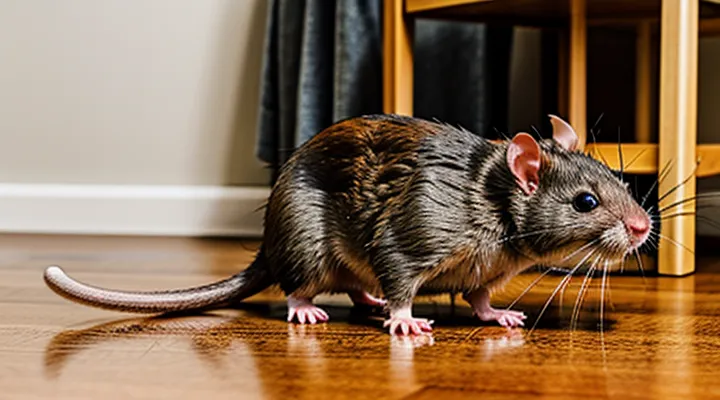
Understanding the Problem: Why Your Pet Rat is Roaming Free
Identifying the Cause of Escape
Common Escape Routes
Rats exploit any opening that provides a direct path to freedom. Identifying and sealing these passages is essential for a successful capture.
Typical escape routes include:
- Gaps beneath interior doors, especially those wider than a quarter‑inch.
- Unscreened vent covers in kitchens, bathrooms, and utility rooms.
- Cracks in baseboards, wall joints, and flooring tiles.
- Openings around plumbing fixtures, such as pipe sleeves and drainage pipes.
- Unsecured gaps around electrical outlets and switch plates.
- Small holes in window frames, especially if screens are damaged or missing.
- Openings at the base of cabinets, especially where backs are removed for cleaning.
Each opening should be measured, then blocked with appropriate material—steel wool, copper mesh, or silicone caulk—followed by a rigid cover such as plywood or metal flashing. Regular inspection of these points prevents the rodent from fleeing during trap placement and increases the likelihood of capture.
Behavioral Factors Contributing to Escape
Rats exhibit specific behaviors that increase the likelihood of escape when confined in a residential setting. Recognizing these patterns enables the design of effective capture strategies.
- Heightened curiosity – Rats explore new objects and openings, probing gaps in cages or barriers.
- Nocturnal activity – Peak movement occurs after dark, when occupants are less attentive and doors may be left open.
- Stress‑induced flight response – Sudden noises or handling trigger rapid attempts to flee, often toward the nearest exit.
- Territorial marking – Scent deposits around familiar routes encourage repeated use of those pathways for escape.
- Aversion to confinement – Persistent attempts to exit cages reflect an innate drive to avoid restriction.
- Social hierarchy dynamics – Dominant individuals may lead others toward escape routes, reinforcing group movement.
- Lack of environmental enrichment – Absence of toys or nesting material intensifies restlessness, prompting exploration of escape routes.
Immediate Steps to Secure Your Apartment
Containing the Rat within a Designated Area
Blocking Potential Exits
Securing an apartment requires eliminating every passage the rodent could use to escape.
Begin by inspecting the perimeter of each room. Typical routes include gaps beneath doors, openings around baseboards, holes in walls, vent covers, and spaces around plumbing fixtures.
Close each opening with materials that resist gnawing. Use steel‑wool pads or copper mesh behind silicone sealant for small cracks. Install door sweeps that extend to the floor and verify that they overlap the seal when the door closes. Replace damaged vent grilles with metal screens secured by screws. For larger holes, apply a combination of hardware cloth and expanding foam, ensuring the wire mesh remains exposed to prevent the rat from chewing through the foam.
Additional measures reinforce the barrier:
- Fit removable traps inside sealed rooms to limit movement once the animal is confined.
- Cover utility openings with metal plates, fastening them with bolts rather than nails.
- Position furniture to block direct paths to remaining gaps, reducing the need for extensive sealing.
Regularly re‑examine sealed areas for signs of new damage. Prompt repair maintains an impenetrable environment, increasing the likelihood of a successful capture.
Setting Up a «Safe Zone»
Creating a «Safe Zone» isolates the rodent, reduces stress, and facilitates capture. The area should be a single room or a large enclosed space that the rat can access but cannot leave.
Select a location away from high‑traffic zones. Seal gaps under doors, around vents, and behind furniture with weather‑stripping or removable panels. Ensure the floor is solid and free of clutter that could provide hiding places.
Prepare the interior with familiar elements. Lay a thin layer of soft bedding, place a small nest box, and scatter a few pieces of the rat’s preferred food. Keep lighting low to mimic a natural environment and avoid sudden noises.
Typical equipment for a «Safe Zone» includes:
- Sturdy pet carrier or live‑trap positioned near the food source
- Temporary barriers (e.g., acrylic sheets, cardboard) to guide movement
- Gloves and a towel for safe handling once the rat is contained
After the rat enters the zone, monitor quietly. When the animal settles near the food, gently guide it toward the carrier or trap without abrupt movements. Once secured, relocate the rat to the designated holding area and release the temporary barriers.
Preparing for the Catch
Gathering Necessary Supplies
Gathering the tools required for a successful rodent capture in a residential setting begins with a clear inventory of items that ensure both safety and humane treatment. Selecting equipment that matches the size and behavior of the target animal reduces stress and increases capture efficiency.
Key supplies include:
- A snap‑free, live‑catch trap designed for small mammals; models with smooth interior surfaces prevent injury.
- Attractive bait such as peanut butter, sunflower seeds, or dried fruit, applied in a thin layer to encourage entry.
- Disposable nitrile gloves to protect hands from bites and contamination.
- A sealable plastic bag or container for temporary holding of the captured animal before release.
- Cleaning agents—mild disinfectant and absorbent pads—to sanitize the trap after each use.
- A flashlight or headlamp for low‑light inspection of hidden entry points and trap placement areas.
Additional considerations:
- Measure the trap’s interior dimensions to confirm compatibility with the expected size of the pet rat.
- Position the trap along known pathways, near walls or corners, where rodents typically travel.
- Keep a spare set of gloves and bait on hand to replace any compromised items promptly.
Ensuring Pet and Child Safety
When a rodent companion must be restrained in a residential setting, the presence of small children creates a dual‑risk scenario. Preventing bites, scratches, and accidental ingestion of traps requires a systematic approach that protects both the animal and the youngster.
Secure the environment before any capture attempt. Close off rooms that are not part of the operation, place barriers such as baby gates or folded towels at doorway thresholds, and remove loose items that could become choking hazards. Keep cords, wires, and small objects out of reach of children and the rat alike.
Use humane capture devices that do not rely on lethal force. Recommended options include:
- Live‑catch traps with smooth interior surfaces, equipped with a single‑door latch that closes automatically when the rodent enters.
- Small, ventilated cages fitted with a removable lid, allowing quick transfer of the animal once captured.
- Slip‑cover nets that can be slipped over the rat without excessive squeezing.
Position traps at ground level, away from furniture where a child might climb. Place bait—such as a piece of fruit or a small amount of grain—inside the device, ensuring the bait does not attract the child. Monitor traps continuously; do not leave them unattended for extended periods.
After capture, handle the rat with thick, insulated gloves to reduce the risk of bite injuries. Transfer the animal to a secure holding container that features a lockable lid. Store the container on a high, stable surface inaccessible to children.
Finally, educate any caregivers about the procedure. Provide written instructions that outline each step, emphasizing the need for constant supervision and the avoidance of direct hand‑to‑hand contact with the rodent. Regularly inspect the apartment for potential escape routes, and seal any gaps that could allow the rat to re‑enter the living space.
Humane Trapping Methods for Pet Rats
Lure-Based Trapping Techniques
Choosing the Right Bait
Choosing an effective attractant is the first step in trapping a domestic rat indoors. Rats respond to scent, texture, and familiarity. Selecting bait that matches the animal’s regular diet increases the likelihood of a quick capture.
Recommended attractants include:
- Fresh fruit such as apple slices or banana pieces; natural sugars stimulate a strong feeding response.
- Small nuts, especially peanuts or almonds, which provide protein and fat.
- Commercial rodent chow; the blend of grains and seeds mirrors typical pet rat nutrition.
- Soft cheese; strong odor and creamy texture attract many individuals.
- Cooked egg or shredded meat; occasional protein treats are appealing to older or growth‑phase rats.
When evaluating options, consider the following criteria:
- Palatability – the bait must be readily consumable without causing hesitation.
- Safety – avoid toxic substances, excessive salt, or strong spices that could harm the animal.
- Moisture content – a slightly moist bait adheres to the trap and prevents premature drying.
- Familiarity – using food the rat has previously accepted reduces fear of the trap.
Placement of the bait matters as well. Position the attractant at the rear of the trap to ensure the rat must fully enter before accessing the food. Secure the bait with a small amount of peanut butter or a dab of honey to keep it in place during handling.
Regularly inspect the bait for spoilage and replace it every 24 hours to maintain effectiveness. By matching the bait’s characteristics to the rat’s dietary habits and ensuring safe, fresh presentation, the trapping process becomes more reliable.
Placement Strategies for Traps
Effective trap placement maximizes capture probability while minimizing stress for the animal. Position devices where a rat naturally moves, where food or shelter is present, and where human activity is limited.
- Adjacent to walls; rats travel close to vertical surfaces.
- Behind furniture, appliances, or clutter; these locations provide concealment.
- Directly beside known food sources such as pantry shelves or pet feeding stations.
- Along established runways; identify repeated droppings or gnaw marks to locate pathways.
- In quiet corners of rooms; low‑traffic areas encourage exploratory behavior.
- At entry points to the dwelling; include gaps under doors, vents, or pipe openings.
Each trap should be secured to prevent displacement, and bait should be placed centrally to attract the rodent without exposing the mechanism. Regular inspection ensures timely removal and reduces the risk of escape.
DIY Trapping Solutions
Building a Simple Box Trap
A compact box trap provides an efficient, humane solution for capturing a pet rat inside an apartment. The design relies on a one‑way entry that closes when the animal steps onto a trigger plate, preventing escape while allowing easy removal for release or relocation.
Materials required:
- Sturdy cardboard box or lightweight wooden crate, dimensions at least 30 cm × 30 cm × 30 cm
- Thin wooden or plastic strip, length 15 cm, thickness 0.5 cm, for the trigger
- Elastic band or rubber cord, 10 cm long
- Small amount of attractive food, such as a piece of fruit or seed, referred to as «bait»
- Tape or glue for securing components
Assembly steps:
- Cut a rectangular opening on one side of the box, large enough for the rat to enter but small enough to prevent turning around.
- Attach the trigger strip to the interior wall opposite the opening, positioning it so that stepping on the strip lifts the lid of the entrance.
- Connect the elastic band between the lid and the box frame; the band should keep the lid closed until the trigger is depressed.
- Place the «bait» on a small platform just inside the entrance, ensuring the rat must step on the trigger to reach it.
- Secure all joints with tape or glue, verify that the lid closes smoothly, and test the mechanism without food to confirm proper operation.
Once set, position the trap along known rat pathways, check it regularly, and handle the captured animal according to local regulations. The simplicity of the design allows quick construction and reliable performance in confined living spaces.
Utilizing Household Items for Containment
Utilizing common household items provides an effective, low‑cost method for containing a pet rat within a residential unit.
A sturdy cardboard box, reinforced with tape, creates a portable trap. Place a piece of fruit or a small amount of grain at the far end, then set a lightweight plank as a trigger. When the rat pushes the plank to reach the bait, the box tips and seals the animal inside.
A plastic storage container with a lid serves as a reusable cage. Cut a small opening near the bottom, attach a piece of fabric as a one‑way flap, and position the container adjacent to a known running route. The rat enters for food, then the flap prevents exit.
A glass jar, approximately half a liter in volume, can be converted into a temporary holder. Insert a narrow funnel made from a cut plastic bottle, ensuring the rat can crawl inward but cannot navigate the reverse path. Seal the jar promptly after entry.
For additional security, employ a towel or sheet to cover the trap immediately after capture, limiting visual stress and preventing escape.
Key considerations:
- Ensure all materials are free of sharp edges to avoid injury.
- Clean and disinfect each item before and after use to maintain hygiene.
- Position traps near walls, as rats prefer concealed pathways.
These strategies leverage readily available objects, eliminating the need for specialized equipment while achieving reliable containment of a domestic rat in an apartment setting.
After the Catch: Re-Securing Your Pet Rat
Safe Handling and Transport
Minimizing Stress for Your Pet
Capturing a pet rat in a confined living space often triggers anxiety, which can hinder cooperation and compromise health. Reducing stress enhances the animal’s willingness to move into a trap and supports rapid recovery after release.
- Provide a quiet environment; eliminate sudden noises and bright lights during the capture process.
- Use a familiar, scent‑marked container; place bedding or a favorite chew toy inside to create a sense of security.
- Keep handling brief; support the rat’s body with both hands, avoiding restraint that restricts breathing.
- Offer a small treat immediately after capture; positive reinforcement associates the trap with reward rather than threat.
- Maintain a stable temperature; avoid drafts and extreme heat that can exacerbate nervous responses.
Monitoring breathing rate and posture after capture indicates stress levels; a calm rat exhibits steady breathing and relaxed limbs. Promptly returning the animal to its regular enclosure, with fresh water and food, completes the stress‑reduction cycle.
Inspecting for Injuries
After a rat is secured, a thorough health check prevents complications during transport and release. The examination should begin immediately, before the animal is placed in a carrier.
- Inspect the fur and skin for cuts, abrasions, or signs of parasites. Look for redness, swelling, or scabs.
- Examine each limb for limping, tenderness, or missing digits. Gently flex joints to assess range of motion.
- Feel the abdomen for masses, hardness, or abnormal bulges. Observe breathing rate and pattern for irregularities.
- Check the eyes, ears, and nose for discharge, cloudiness, or swelling. Note any unusual secretions.
- Palpate the tail for breaks or tears. Verify that the tail is flexible and not overly painful when handled.
If any injury is detected, isolate the rat in a quiet area, apply appropriate first‑aid measures, and contact a veterinarian experienced with small mammals. Prompt treatment reduces stress and improves the likelihood of a successful capture outcome.
Preventing Future Escapes
Fortifying the Cage
Fortifying the cage is essential for preventing escape during a capture attempt in a flat.
Secure all access points. Replace plastic latches with stainless‑steel locks that engage automatically when the door is closed. Ensure the lock mechanism cannot be manipulated by the animal’s teeth or paws.
Reinforce structural components. Install metal mesh of ¼‑inch gauge on any wire sections; mesh should overlap seams by at least two inches. Add corner brackets made of steel to strengthen junctions and reduce deformation under pressure.
Eliminate gaps. Inspect the interior for openings larger than ¼ inch. Seal cracks with high‑temperature silicone or metal flashing. Cover ventilation slots with fine mesh that is firmly attached to the frame.
Upgrade the door. Fit a double‑acting latch that requires simultaneous pressure on two points to open. Attach a secondary latch on the interior side as a backup. Test the mechanism repeatedly to confirm smooth operation without sticking.
Maintain the enclosure. Clean daily to remove food residue that could be used as leverage. Replace worn components immediately; metal fatigue can create new escape routes.
By implementing these measures, the cage becomes escape‑proof, allowing safe handling of the rat while setting traps or performing health checks.
Addressing Behavioral Triggers
Understanding the specific stimuli that provoke a rat’s escape response is essential for successful capture. Rats react strongly to sudden movements, bright lights, and unfamiliar scents; eliminating or moderating these triggers reduces panic and encourages the animal to remain within a confined area.
- Minimize abrupt noises and vibrations; use silent, low‑vibration traps placed near regular foraging routes.
- Dim ambient lighting during capture attempts; rats prefer dim environments, so a subdued setting prevents agitation.
- Remove foreign odors by cleaning the capture zone with unscented, mild detergent and allowing it to dry completely before setting the trap.
- Provide familiar bedding or nesting material inside the trap; the scent of the rat’s own nest creates a sense of safety and increases entry likelihood.
- Schedule trapping during periods of natural inactivity, typically late night to early morning, when the rat’s exploratory drive is lower.
Addressing these behavioral triggers creates a controlled environment that guides the rat toward the capture device without triggering a flight response. Consistent application of these measures improves the probability of a humane and efficient capture.