
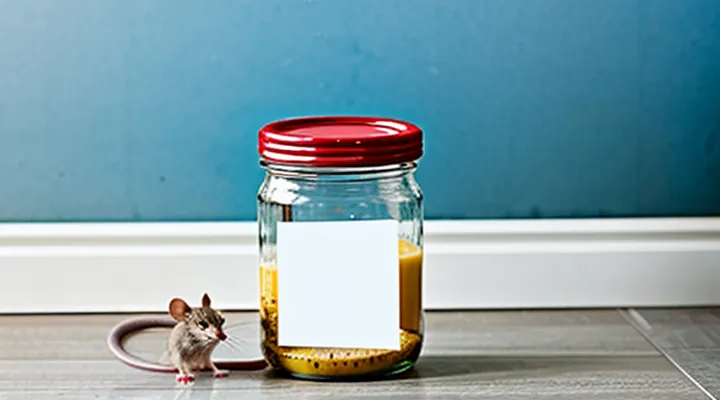
Why Choose Humane Mouse Removal?
Understanding Mouse Behavior
Signs of a Mouse Infestation
Recognizing a mouse presence is a prerequisite for applying a jar‑based capture technique. Accurate identification prevents wasted effort and ensures the method targets active areas.
- Small, dark droppings near walls, cabinets, or food sources
- Gnaw marks on wood, plastic, wiring, or packaging
- Nests constructed from shredded paper, fabric, or insulation
- Scurrying sounds in ceilings, attics, or behind appliances, especially at night
- Visible footprints or tail marks in dusty corners or along baseboards
- Chewed or contaminated food containers and spilled grain
Each indicator confirms a thriving population and guides placement of the jar, bait, and positioning for maximum effectiveness.
Risks of Traditional Traps
Traditional rodent traps present several hazards that compromise safety, effectiveness, and ethical standards.
- Physical injury to non‑target species – spring‑loaded or snap traps can strike pets, children, or wildlife that inadvertently trigger the mechanism.
- Human injury – handling live traps or resetting snap devices exposes users to finger punctures, bruises, or deeper wounds when the spring releases unexpectedly.
- Inhumane outcomes – many traps cause severe trauma, broken bones, or prolonged suffering, raising ethical concerns and potential legal liabilities in jurisdictions with animal‑welfare regulations.
- Unreliable capture rates – bait aversion, trap shyness, and environmental factors often reduce success, leading to repeated deployments and increased exposure to the hazards listed above.
- Contamination risk – dead rodents decompose quickly, releasing pathogens, allergens, and odors that can affect indoor air quality and surface hygiene.
- Environmental impact – disposable traps generate plastic waste; reusable models may require chemicals for cleaning, contributing to pollution.
Evaluating these risks underscores the need for alternative methods that minimize harm while maintaining control over rodent activity.
Gathering Your Materials
The Right Jar
Size and Shape Considerations
When employing a jar as a humane capture device, the dimensions of the container dictate success. A jar must be large enough to accommodate a mouse’s full body length—typically 8–10 cm—plus a margin for movement, so a volume of at least 500 ml is advisable. Smaller vessels induce stress and increase the likelihood of escape.
The opening shape influences entry. A wide mouth, preferably 5 cm or greater in diameter, allows the rodent to slip in without turning or squeezing. Circular or slightly oval rims reduce the chance of the mouse becoming lodged, which can cause injury and prompt release.
Material thickness matters for durability and safety. Glass offers clear visibility but can shatter if the mouse bangs against it; thick, tempered glass or sturdy clear plastic mitigates this risk. The container’s walls should be smooth to prevent the animal from gaining traction and climbing out.
Key considerations summarized:
- Minimum internal height: 10 cm to permit standing posture.
- Minimum opening width: 5 cm for unrestricted entry.
- Transparent, impact‑resistant material for observation and durability.
- Smooth interior surfaces to discourage climbing.
Selecting a jar that meets these specifications maximizes capture efficiency while preserving the mouse’s welfare.
Material Matters: Glass vs. Plastic
When a jar serves as a humane capture device for a rodent, the container material influences success rate, safety, and maintenance. Selecting the appropriate material requires evaluating transparency, durability, weight, and interaction with the mouse’s senses.
Glass offers clear visibility, allowing continuous observation without opening the container. Its non‑porous surface resists odor absorption, reducing the chance that a mouse will detect a lingering scent. The material tolerates repeated washing at high temperatures, eliminating bacterial buildup. However, glass adds weight, making placement and transport more cumbersome, and it can shatter if the mouse bites or if the jar is dropped.
Plastic provides lightweight handling and resistance to breakage, which is advantageous in environments where the jar may be moved frequently. Its flexibility reduces the risk of accidental injury to the animal during retrieval. Conversely, many plastics are semi‑porous, retaining odors that could deter a mouse. Some polymers may release chemicals when exposed to heat or cleaning agents, potentially affecting the animal’s health. Additionally, plastic can become scratched, creating micro‑crevices that harbor debris.
Key considerations
- Visibility – glass: superior; plastic: adequate but may yellow over time.
- Weight – glass: heavy; plastic: light.
- Durability – glass: fragile; plastic: impact‑resistant.
- Odor retention – glass: minimal; plastic: moderate.
- Cleaning – glass: high‑temperature safe; plastic: limited to warm water and mild detergent.
For indoor use where observation and hygiene are priorities, glass is the optimal choice. In field situations that demand portability and resilience, a sturdy, food‑grade plastic jar provides practical advantages. The decision should align with the specific capture environment and the need to minimize stress on the mouse while ensuring operator safety.
The Perfect Bait
Irresistible Options for Mice
Capturing a mouse with a jar instead of a conventional trap requires bait that the animal cannot refuse. Effective attractants exploit the rodent’s natural preferences for high‑energy, aromatic, and textured foods.
- Peanut butter – strong scent, sticky texture, high calorie content.
- Sunflower seeds – bright color, crunchy bite, familiar to wild mice.
- Chocolate chips – sweet odor, fat‑rich, triggers curiosity.
- Dried fruit – sweet aroma, soft chew, appealing to omnivorous diet.
- Cheese cubes – classic lure, strong dairy smell, firm enough to stay on a spoon.
Selection depends on availability, mouse species, and environment. Choose a bait that adheres to the spoon or small platform inside the jar, ensuring the mouse must step onto the edge to reach it. Position the jar where rodent activity is observed, tilt slightly to guide the animal toward the opening, and monitor for entry. This approach eliminates the need for mechanical traps while delivering a reliable capture method.
How to Secure Your Bait
Secure bait is the critical factor that determines whether a simple jar will attract a mouse. The bait must remain accessible to the animal while being protected from spillage, contamination, and premature consumption by other pets.
- Choose a high‑value food such as peanut butter, cheese, or dried fruit; these aromas stimulate a mouse’s sense of smell.
- Apply a thin layer (approximately ¼ inch) directly to the interior rim of the jar. This placement ensures the mouse contacts the bait as it reaches for the opening.
- Seal the top with a loosely fitted lid or a piece of breathable fabric. The cover must allow scent diffusion but prevent the bait from drying out or being removed by wind.
- If using a fabric cover, secure it with a rubber band or string to keep it taut and prevent the mouse from pulling it away.
Position the jar where mouse activity is evident—near walls, behind appliances, or along known runways. Verify that the bait remains intact after each inspection; replace any degraded material to maintain potency. Consistent bait security minimizes false captures and maximizes the likelihood of a successful, humane capture.
Creating the Imbalance
Selecting a Stable Support
A stable support is essential for keeping the jar upright while a mouse approaches. The support must resist tipping, wobbling, and accidental displacement.
- Choose a surface that is flat, rigid, and level. Concrete, hardwood, or thick cardboard provide reliable foundations.
- Ensure the support can bear the combined weight of the jar, bait, and any movement from the mouse. A weight of at least twice the jar’s mass reduces the risk of collapse.
- Add anti‑slip material under the jar’s base. Silicone pads, rubber mats, or textured fabric increase friction and prevent sliding.
- Position the support away from edges, drafts, and high‑traffic zones. A central location minimizes disturbances that could cause the jar to shift.
- Verify stability by applying gentle pressure to the jar’s side. The support should hold without rocking or shifting.
When the support meets these criteria, the jar remains steady, allowing the mouse to enter without the need for a traditional trap.
Achieving the Right Angle
When a mouse approaches a jar baited with a small food item, the opening must be positioned so the animal can enter without hesitation. The optimal angle aligns the rim of the jar with the mouse’s line of sight, typically between 30° and 45° relative to the floor. This tilt creates a clear, unobstructed path while maintaining enough vertical space for the mouse to slip inside.
To achieve this angle, follow these steps:
- Place the jar on a stable surface such as a piece of cardboard.
- Prop the far side of the jar with a thin wedge (e.g., a folded piece of paper) until the rim reaches the desired tilt.
- Verify the angle with a protractor or by measuring the height of the lifted side; a rise of 2–3 cm over a 5‑cm horizontal distance falls within the target range.
- Secure the wedge with tape to prevent movement when the mouse pushes against the jar.
The angle influences two critical factors: visibility of the bait and ease of entry. A shallow tilt (less than 20°) hides the food from the mouse’s perspective, while an excessive tilt (over 60°) creates a steep descent that discourages entry. Maintaining the 30°–45° window maximizes the mouse’s willingness to explore the interior.
Finally, test the setup by observing the mouse’s approach. Adjust the wedge incrementally until the animal can see the bait directly and slide into the jar without needing to reorient its body. Consistent positioning of the correct angle ensures reliable capture without the need for a conventional trap.
Setting Up Your Jar Trap
Choosing the Ideal Location
Identifying Mouse Hotspots
Identifying mouse hotspots is essential for positioning a simple jar trap effectively. Mice frequent areas where food, water, and shelter intersect, so locating these convergence points maximizes capture chances.
Typical hotspot indicators include:
- Fresh gnaw marks on baseboards, cabinets, or pantry shelves.
- Accumulated droppings near wall corners, under appliances, or behind storage units.
- Scratched or shredded insulation and wiring in concealed spaces.
- Persistent odor of urine or ammonia in low‑traffic zones.
- Paths of shredded paper or fabric leading to concealed entry points.
Observe mouse activity during nighttime when movement peaks, and map the identified locations. Place the jar baited with a small food item at the center of the most active hotspot, ensuring the opening faces the anticipated entry route. This strategic placement aligns the trap with the mouse’s natural foraging behavior, increasing the likelihood of capture without traditional devices.
Safety Precautions for Placement
Place the jar on a flat, non‑slippery surface to prevent tipping. A sturdy countertop or a low shelf works best; avoid edges or areas prone to vibration.
- Keep the jar away from walkways and pet zones. A clear zone of at least 30 cm reduces accidental knocks.
- Ensure the opening faces upward and is unobstructed. Remove debris, cords, or objects that could block entry.
- Use a jar made of clear, impact‑resistant glass or thick plastic. Inspect for cracks before deployment.
- Position the jar under a steady light source. Adequate illumination helps locate the mouse and discourages other animals from approaching.
- Secure the jar with a lightweight weight (e.g., a small stone) if the environment is subject to drafts or minor disturbances.
- Maintain a distance from food preparation areas. Prevent cross‑contamination by isolating the capture site.
- If children are present, store the jar out of reach after use or cover it with a breathable mesh until retrieval.
After a mouse is captured, handle the jar with gloves, lift it slowly, and release the animal outdoors, far from the building. Clean the jar with mild detergent and sanitize before any future use.
Assembling the Trap
Step-by-Step Guide
Catching a mouse with a plain jar is a practical alternative to conventional traps. The method relies on the animal’s curiosity and a simple bait arrangement.
Prepare the equipment.
- A clear glass or plastic jar with a wide mouth (at least 8 cm in diameter).
- A piece of soft cheese, peanut butter, or a small amount of grain as bait.
- A thin piece of cardboard or stiff paper to create a ramp.
- A towel or cloth for safe handling after capture.
Set up the lure. Place the bait at the bottom of the jar, ensuring it does not touch the sides. Position the ramp so it leans against the jar’s rim, forming a gentle incline that leads directly to the opening.
Position the trap. Locate the jar near areas where mouse activity is evident—along walls, behind appliances, or near stored food. Ensure the ramp is stable and the jar’s interior remains visible.
Observe and wait. Mice will investigate the scent, climb the ramp, and enter the jar seeking the bait. Once inside, the animal cannot escape because the wide mouth prevents it from reaching the rim.
Secure the capture. When the mouse is fully inside, slide the cardboard under the jar’s opening, lift the jar, and place the cloth over the top. Transport the sealed jar to a release point far from the building, then gently open it to allow the mouse to exit.
Clean the apparatus. Wash the jar and ramp with soap and hot water to remove odors that might deter future use. Repeat the process as needed until no further sightings occur.
Troubleshooting Common Issues
Capturing a mouse with a simple jar instead of a conventional trap can fail for several predictable reasons. Identify the problem first, then apply the corrective action described below.
- The mouse avoids the jar because the lid is not airtight. Seal the opening with a rubber band or cling film to prevent escape once the animal enters.
- The bait loses attractiveness after a short period. Refresh the lure every 12 hours with fresh cheese, peanut butter, or a piece of fruit.
- The jar is placed too high or too low for the mouse’s travel routes. Position the container at floor level along walls, near known gnawing sites.
- The jar’s interior is slippery, causing the mouse to fall out when climbing. Line the bottom with a thin layer of paper towel or cloth to increase friction.
- The mouse becomes frightened by sudden movements or vibrations. Set the jar in a quiet, undisturbed area and avoid handling it after placement.
If the mouse still eludes capture, reassess the environment: eliminate competing food sources, block alternative entry points, and ensure the jar remains undisturbed for at least several hours. Repeating the steps with adjusted placement and fresh bait typically resolves persistent failures.
After the Catch
Safe and Humane Release
Best Practices for Relocation
When a mouse is coaxed into a jar, the relocation step determines whether the animal returns to the same location or is safely released elsewhere. Follow these precise actions to maximize success and minimize stress for the rodent.
Secure the jar by placing a sturdy lid or a piece of cardboard over the opening. Hold the jar upright, keeping the mouse calm by avoiding sudden movements. Carry the container in a level hand, preventing the mouse from falling out.
Choose a release site at least 50 meters from the capture point, preferably in a vegetated area with natural cover and access to food sources. Ensure the location is free from predators such as cats, hawks, or snakes.
Release procedure:
- Position the jar on the ground with the lid slightly ajar.
- Gently tilt the jar, allowing the mouse to exit on its own.
- Step back immediately, giving the animal space to retreat into the surroundings.
After release, observe from a distance for a few minutes to confirm the mouse has moved away. If the mouse remains near the jar, repeat the tilt until it departs.
Maintain hygiene by cleaning the jar with hot, soapy water before any subsequent use. This prevents disease transmission and eliminates lingering scent trails that could deter future captures.
Distant Release: How Far is Far Enough
When a mouse is secured in a simple jar, the point of release must be far enough to prevent immediate return to the capture site and to minimize stress. Determining that distance involves evaluating environmental variables, mouse behavior, and human activity.
Key variables that dictate the required distance include:
- Presence of predators or pets that could recapture the mouse quickly.
- Terrain features such as walls, fences, or dense vegetation that may limit escape routes.
- Ambient temperature and weather, which affect the mouse’s speed and willingness to travel.
- Human traffic that could inadvertently guide the mouse back toward the original location.
Practical guidelines for a safe release distance are:
- Residential settings: at least 10 m (30 ft) from the capture point, ensuring a clear path away from doors and windows.
- Suburban yards: minimum 20 m (65 ft), with obstacles cleared to allow straight movement.
- Rural or open fields: 30 m (100 ft) or more, taking advantage of natural cover to reduce predation risk.
Measurement can be performed with a tape measure, a marked rope, or by counting consistent strides. Identify a visible landmark (tree, rock, fence post) at the chosen distance to guide placement.
Safety steps during release:
- Wear disposable gloves to avoid contaminating the mouse or exposing yourself to disease.
- Verify that no domestic animals or wildlife are within a 5‑m radius.
- Open the jar gently, tilt it toward the chosen direction, and allow the mouse to exit without forced pressure.
Applying these criteria ensures that the mouse can disperse effectively, reducing the likelihood of recapture and supporting humane handling practices.
Preventing Future Infestations
Sealing Entry Points
Sealing entry points prevents mice from re‑entering the area after they have been lured into a jar. Identify all possible openings—gaps around pipes, cracks in walls, gaps under doors, and openings around vents. Measure each opening and select a material that matches the surrounding surface: steel wool combined with caulk for small holes, sheet metal or hardware cloth for larger gaps, and weatherstripping for door thresholds.
Apply the sealant in the following order:
- Clean the perimeter of the opening to remove debris and dust.
- Insert steel wool or mesh to block the gap, ensuring a tight fit.
- Cover the filler with a layer of silicone or acrylic caulk, smoothing it to create a seamless barrier.
- Allow the sealant to cure fully before testing for drafts.
Regularly inspect sealed areas for wear, especially in high‑traffic zones or where moisture is present. Replace damaged sections promptly to maintain an airtight environment that discourages mouse activity. By eliminating access routes, the jar lure becomes the sole viable entry, increasing capture efficiency without the need for traditional traps.
Maintaining a Clean Environment
A clean environment is essential when attempting to capture a mouse with a simple jar rather than a conventional trap. Dirt, food crumbs, and clutter provide hiding places and encourage rodent activity, reducing the likelihood of success. Maintaining hygiene also prevents secondary problems such as disease spread and unpleasant odors.
To keep the area conducive to the jar method, follow these steps:
- Remove all food sources: store perishables in sealed containers, clean dishes immediately after use, and sweep crumbs from floors and countertops.
- Eliminate clutter: discard unnecessary items from countertops, shelves, and the floor to reduce potential shelter for the mouse.
- Perform regular cleaning: mop or vacuum floors daily, wipe surfaces with disinfectant, and dispose of waste in sealed bags.
- Seal entry points: inspect walls, doors, and windows for gaps; apply caulk or weatherstripping to block access.
- Use a dedicated jar: sterilize the container with hot, soapy water before placement to avoid contaminating the environment.
A systematic approach to cleanliness not only increases the probability of guiding the mouse into the jar but also sustains a healthier living space.