
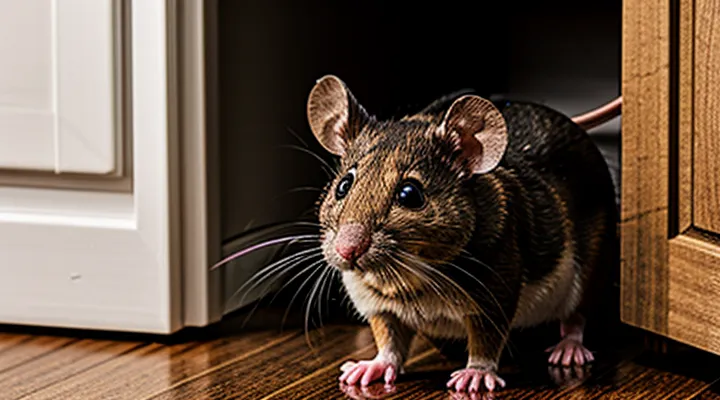
Understanding Mouse Behavior
Why Mice Enter Homes
Search for Food and Water
Mice survive by locating nourishment and hydration, so disrupting these searches creates a reliable capture opportunity. Identify all accessible food items; store pantry goods in sealed containers, clean crumbs from countertops, and remove pet food after each meal. Replace exposed supplies with unattractive alternatives such as steel‑wool or glass‑fiber barriers that block rodent entry.
Locate water sources by inspecting leaky pipes, condensation on windows, and pet water bowls. Repair leaks promptly, dry damp areas, and position water dishes only when necessary, removing them after use. Eliminating easy hydration forces mice to move toward controlled bait stations.
Arrange bait stations where mice naturally travel. Use high‑protein foods (peanut butter, cheese, seeds) placed on small platforms that prevent escape. Position stations near walls, behind appliances, and in corners where rodents follow perimeter routes. Monitor stations daily; replace depleted bait to maintain attraction.
By systematically removing unintended food and water, then concentrating essential resources in monitored points, a mouse can be guided into a capture zone without employing conventional traps. This method leverages the animal’s innate foraging behavior to achieve containment.
Shelter from Elements
Providing a mouse with a temporary shelter that mimics natural protection from weather can redirect its activity away from interior spaces. A structure that offers warmth, dryness, and concealment encourages the rodent to occupy the artificial refuge rather than seeking cracks in walls or hidden corners.
- Construct a small enclosure using a cardboard box or plastic container, line the interior with soft material (cotton, shredded paper) to retain heat.
- Position the shelter near a known entry point, such as a gap under a door or a vent, to create a convenient alternative.
- Add a modest food source (seed, grain) at the far end of the shelter, ensuring the mouse must travel fully inside to reach it.
- Seal any surrounding gaps with steel wool or caulk after the mouse occupies the shelter, preventing re‑entry into the living area.
The shelter’s effectiveness relies on maintaining a stable micro‑climate. Keep the enclosure free from drafts, moisture, and direct sunlight. Regularly check for signs of occupancy and replace bedding as needed to preserve comfort. Once the mouse consistently uses the refuge, remove the food attractant and relocate the shelter outdoors, allowing the animal to exit the home without direct contact with lethal devices.
Breeding Grounds
Breeding grounds are locations where mice reproduce, store food, and rest. These sites provide shelter, warmth, and access to nutrients, allowing populations to expand rapidly.
Typical breeding grounds appear in hidden areas with abundant nesting material: behind appliances, within wall voids, under furniture, and inside stored boxes. Evidence includes shredded paper, droppings, gnaw marks, and faint urine odor.
Eliminating breeding grounds reduces the need for active capture methods:
- Remove food sources: store dry goods in sealed containers, clean crumbs promptly, and discard expired items.
- Declutter: discard unnecessary cardboard, fabric piles, and unused objects that offer concealment.
- Seal entry points: apply steel wool or caulk to gaps around pipes, vents, and baseboards.
- Disinfect: clean suspected sites with a diluted bleach solution to eliminate scent trails.
- Install deterrents: place natural repellents such as peppermint oil or ultrasonic devices near former breeding locations.
By disrupting the environment that supports reproduction, mouse activity declines, making non‑trapping control measures more effective.
Signs of a Mouse Infestation
Droppings and Urine Trails
Droppings and urine trails provide the most reliable indicators of a mouse’s activity pattern. Fresh droppings appear as small, dark, rice‑shaped pellets; older deposits turn lighter and may crumble. Urine leaves a faint, oily sheen on surfaces and can be detected with a blacklight. Together they map the routes the rodent uses to travel between food sources and nesting sites.
Identify the primary pathways by following the concentration of droppings. A line of pellets leading from a kitchen counter to a wall void suggests a preferred corridor. Check adjacent walls, baseboards, and behind appliances for corresponding urine stains. The presence of both signs in the same area confirms a high‑traffic zone.
Use the information to create a targeted interception strategy:
- Mark the corridor – apply a thin line of non‑toxic, scented deterrent (e.g., peppermint oil) along the identified path. The scent disrupts the mouse’s scent trail, forcing it to pause or change direction.
- Introduce a temporary barrier – place a removable strip of steel wool or copper mesh at the entry point to the wall void. The material irritates the mouse’s whiskers, preventing further passage.
- Deploy a baited enclosure – position a small, sealed container with a food lure at the far end of the marked route. The mouse, driven by hunger, enters the container and cannot escape because the entry is a one‑way flap.
- Monitor and repeat – inspect the droppings and urine marks daily. If activity persists, adjust the barrier or relocate the baited enclosure to a new segment of the trail.
By systematically tracking droppings and urine, one can locate the mouse’s core movement network and apply precise, non‑trap interventions that lead to capture or exclusion.
Gnaw Marks
Gnaw marks are the most reliable indicator that a mouse is present in a residence. They appear on wood, plastic, wiring insulation, and food packaging, typically in a V‑shaped pattern with teeth spacing of 2–4 mm. Recognizing these signs allows you to pinpoint the rodent’s pathways and focus non‑trapping removal methods.
When gnaw marks are observed, follow these steps:
- Map the damage – Sketch a quick layout of the affected area, noting the direction of the bites. This reveals the mouse’s travel routes and nesting zones.
- Seal entry points – Use steel wool, copper mesh, or expanding foam to block holes larger than 1 mm. Apply material directly over the gnawed surface to prevent re‑entry.
- Remove attractants – Store food in airtight containers, clean crumbs, and eliminate standing water. A clean environment reduces the incentive for the mouse to linger.
- Create deterrent zones – Place natural repellents (peppermint oil, dried cayenne) or ultrasonic emitters near identified pathways. Concentrate them where gnaw marks converge.
- Monitor activity – Install motion‑activated cameras or infrared sensors at the mapped locations. Continuous observation confirms whether the mouse has vacated the premises.
Understanding gnaw marks eliminates guesswork, directs preventive actions, and increases the likelihood of eliminating the rodent without resorting to conventional traps.
Scratching Sounds
Scratching noises can serve as an effective lure for a house mouse when mechanical traps are unavailable. Mice communicate through auditory cues; a steady, irregular scratching pattern mimics the activity of a predator or a competing rodent, prompting curiosity and territorial investigation.
To generate appropriate sounds, use a wooden stick, a dry brush, or a small piece of cardboard. Apply rapid, uneven strokes on a hard surface such as a floorboard or a table. The rhythm should last 10–15 seconds, pause briefly, then repeat. Consistency in timing encourages the mouse to approach the source, expecting a potential food source or a nesting site.
Place a small container of preferred bait—peanut butter, cheese, or grains—directly beneath the scratching area. Ensure the container is shallow enough for the mouse to access without requiring a trap mechanism. When the rodent investigates, it will often enter the container to retrieve the food, allowing for safe capture or relocation.
If the mouse does not respond immediately, adjust the volume and pitch of the scratches by varying the force applied to the surface. Softer scratches may attract timid individuals, while louder, more forceful strokes can draw bold specimens. Maintain a quiet environment; extraneous noises diminish the effectiveness of the auditory lure.
For repeated attempts, clean the area between sessions to remove scent traces that could deter the mouse. Rotate the scratching location within the same room to prevent habituation. This method relies solely on auditory stimulation and bait placement, eliminating the need for traditional trapping devices.
Nests
Identifying a mouse’s nest is the most reliable way to intercept the rodent when conventional devices are unavailable. Nests are typically built in concealed areas such as behind appliances, inside wall voids, under furniture, or within piles of stored material. Look for shredded paper, fabric, dried food, and small droppings arranged in a compact, spherical shape. The presence of gnaw marks on nearby objects also signals a nesting site.
Once the nest is located, employ one of the following passive capture methods:
- Containment: Place a sturdy box or bucket over the nest, then slide a piece of cardboard or a thin board underneath to create a temporary enclosure. Secure the opening with a heavy object and transport the container outside for release.
- Relocation: Dig a shallow trench around the nest, carefully lift the material with a flat tool, and transfer it to a distant, secure outdoor location away from the home. Ensure the mouse is still present before moving the material.
- Habitat modification: Remove all nesting materials, seal entry points, and replace them with non‑food items such as steel wool or silicone caulk. Depriving the mouse of a safe shelter forces it to seek new refuge, increasing the chance of encountering a humane capture device later.
Monitoring the nest area after intervention confirms success. Absence of fresh droppings, gnaw marks, or nesting material indicates the mouse has vacated the premises. Regular inspection of potential nesting zones prevents re‑infestation without reliance on traditional traps.
Preparation Before Catching
Identifying Entry Points
Cracks in Walls and Foundations
Cracks in walls and foundations provide direct entry points for rodents seeking shelter and food. Identifying and sealing these openings eliminates the primary route mice use to infiltrate a home, reducing the need for lethal devices.
Inspection should focus on areas where structural materials meet: baseboards, window frames, door thresholds, utility penetrations, and the perimeter of the foundation. Pay particular attention to gaps larger than a quarter‑inch, as mice can squeeze through openings as small as a dime.
Typical sealing actions include:
- Applying steel wool or copper mesh to fill the gap, then covering with caulk or expanding foam.
- Installing metal flashing around vents, pipes, and cables.
- Using concrete patch or mortar to repair larger fissures in the foundation wall.
After all openings are closed, maintain a dry environment by fixing leaks and managing humidity. A dry, inaccessible interior discourages mice from lingering, allowing passive capture methods—such as live‑catch containers placed near remaining activity zones—to work without resorting to traditional traps.
Gaps Around Pipes and Vents
Gaps surrounding plumbing, heating ducts, and ventilation openings often serve as entry points for rodents seeking shelter and food. Identifying and sealing these openings eliminates a primary route mice use to infiltrate living spaces, thereby reducing reliance on mechanical capture devices.
First, conduct a systematic inspection. Follow the perimeter of each room, tracing the path of visible pipes, cables, and vent shafts. Use a flashlight to reveal cracks, holes, or loose fittings. Pay special attention to areas where walls meet the floor, as well as attic and basement junctions.
Next, select appropriate sealing materials. Expandable foam works well for irregular gaps up to two inches, while steel wool combined with caulk provides a durable barrier for smaller apertures that rodents could gnaw through. For vent covers, install fine‑mesh screens rated for pest exclusion.
Apply sealing measures in the following order:
- Clean the surface to remove dust and debris.
- Insert steel wool into the gap, compressing it to fill the space completely.
- Cover the steel wool with silicone caulk or an expanding foam sealant.
- Smooth the sealant, ensuring no gaps remain around the pipe or vent.
- Allow the material to cure according to the manufacturer’s instructions before exposing the area to normal use.
Finally, verify the integrity of the work after a few days. Observe for fresh gnaw marks or signs of mouse activity near sealed locations. Re‑apply sealant where necessary, and maintain a regular inspection schedule, especially after seasonal temperature changes that can cause building materials to contract.
By systematically eliminating pipe and vent gaps, homeowners create a hostile environment for mice, effectively preventing entry without the need for traditional trapping methods.
Damaged Screens and Doors
Damaged window screens and door frames create direct pathways for rodents to enter residential spaces. Even small tears or misaligned hinges allow a mouse to slip inside, bypassing any active deterrent measures.
Inspect all exterior openings. Identify gaps larger than a quarter‑inch, broken mesh, or warped panels. Verify that door sweeps contact the floor evenly and that weatherstripping remains intact.
- Replace torn screen sections with fiberglass or aluminum mesh, securing edges with rust‑resistant staples.
- Reinforce door frames using wood filler or metal brackets where cracks appear.
- Install tight‑fitting door sweeps; adjust height to eliminate clearance.
- Apply silicone caulk around hinges, locksets, and adjacent wall joints to seal residual openings.
Use materials rated for outdoor exposure to prevent premature degradation. Fasten fasteners with a cordless drill to ensure uniform tension, and test each repaired opening by passing a thin piece of cardboard; any resistance indicates a successful seal.
Regular maintenance—monthly visual checks and immediate repair of new damage—reduces the likelihood of mouse intrusion without relying on capture devices. By eliminating entry points, occupants achieve effective rodent control through structural integrity alone.
Removing Food Sources
Storing Food in Airtight Containers
Storing food in airtight containers reduces the availability of edible scraps that attract rodents, making non‑trap removal strategies more effective. By eliminating easy food sources, mice are less likely to linger in exposed areas, facilitating detection and exclusion efforts.
Select containers that seal completely, resist chewing, and fit the dimensions of pantry items. Materials such as heavy‑wall plastic, glass, or stainless steel provide durability and prevent odor escape. Ensure lids feature locking mechanisms or silicone gaskets to maintain a vacuum‑tight environment.
Implement the following practices:
- Transfer all grains, cereals, nuts, and pet food into sealed vessels immediately after purchase.
- Label each container with purchase date to rotate stock and avoid spoilage.
- Inspect seals weekly for cracks or compromised locks; replace damaged units promptly.
- Keep storage areas clean, wiping surfaces with a mild disinfectant to remove residue that could lure rodents.
Consistent use of airtight storage complements other non‑trap methods, such as sealing entry points and employing natural repellents, by removing the primary incentive for mice to invade living spaces.
Cleaning Up Crumbs and Spills
Eliminating food residues deprives rodents of the incentive to enter living spaces. Every visible crumb, droplet, or spill creates a potential scent trail that guides a mouse toward the kitchen or pantry. Removing these traces directly reduces the likelihood of an encounter and supports a capture‑free approach.
- Sweep floors after each meal; focus on corners and under appliances.
- Vacuum upholstered furniture and rugs to extract hidden particles.
- Mop hard surfaces with a mild detergent; rinse to avoid lingering odors.
- Wipe countertops, tables, and cabinet doors immediately after food preparation.
- Store dry goods in sealed containers; discard open packages or relocate them to airtight bins.
- Clean pet feeding areas daily; rinse bowls and remove spilled kibble.
Maintain a routine that includes weekly deep cleaning of storage areas, inspecting behind appliances for residual debris, and promptly addressing any accidental spills. Consistent hygiene eliminates the primary attractant, making it far less probable that a mouse will linger long enough for alternative capture methods to be necessary.
Securing Pet Food
Securing pet food reduces the food source that attracts rodents, making it harder for mice to thrive indoors. When the primary attractant is eliminated, the need for active capture methods diminishes.
Store dry kibble in airtight containers made of metal or heavy‑wall plastic. These containers should feature a tight‑locking lid and be placed on a stable surface away from walls or cabinets where mice can reach them. For wet food, keep portions in the refrigerator and discard leftovers promptly.
Use the following practices to maintain a rodent‑free feeding area:
- Transfer kibble from the original bag to a sealed container within 24 hours of purchase.
- Clean the feeding station daily, removing crumbs and spilled food.
- Feed pets at set times rather than leaving food out continuously.
- Position bowls on a non‑slippery mat that can be wiped clean easily.
- Inspect containers weekly for signs of damage or compromised seals.
By implementing these measures, the likelihood of mouse activity declines, supporting a trap‑free approach to rodent control.
Eliminating Water Sources
Fixing Leaky Faucets
A persistent drip from a faucet supplies moisture that attracts rodents, making it harder to remove a mouse without using a device. Stopping the leak eliminates a key resource, forcing the animal to seek water elsewhere and increasing the effectiveness of non‑lethal deterrents.
To repair a leaking faucet:
- Shut off the water supply at the nearest valve.
- Remove the faucet handle with an appropriate screwdriver or Allen key.
- Unscrew the cartridge or valve stem; inspect for worn seals or O‑rings.
- Replace damaged seals with new ones matching the faucet model.
- Reassemble the components, ensuring tight but not overtightened connections.
- Turn the water back on and verify that the drip has ceased.
A dry environment reduces mouse activity, allowing methods such as sealing entry points, using natural repellents, or employing humane catch‑and‑release devices to succeed without a trap. Maintaining all water fixtures in good condition therefore supports a comprehensive, trap‑free mouse control strategy.
Drying Wet Areas
Dry environments discourage rodents because moisture provides shelter and food sources. Removing standing water and drying damp surfaces eliminates a primary attractant, making indoor capture without a device more feasible.
Identify all wet zones, including under sinks, behind appliances, and near leaky pipes. Use a moisture meter to confirm humidity levels exceed 60 %. Prioritize areas where condensation accumulates, as these often become nesting sites.
Apply the following actions:
- Repair leaks promptly; replace faulty seals and tighten connections.
- Increase ventilation with exhaust fans or open windows to promote airflow.
- Deploy dehumidifiers set to maintain relative humidity below 45 %.
- Absorb residual moisture with silica gel packs or moisture‑absorbing crystals placed in corners and cabinets.
- Wipe surfaces with a dry cloth after cleaning to prevent lingering dampness.
After drying, inspect for mouse activity. Absence of fresh droppings or gnaw marks indicates reduced attraction. Maintain low humidity through regular equipment checks and periodic dehumidifier operation to sustain conditions unfavorable to rodents, supporting a trap‑free capture strategy.
Decluttering and Cleaning
Reducing Hiding Spots
Reducing the areas where a mouse can conceal itself is a fundamental step in eliminating the need for a physical trap. By limiting accessible shelters, the rodent is forced into open spaces where it can be observed and removed safely.
Seal gaps and openings. Inspect walls, floors, and ceilings for cracks larger than a quarter‑inch and apply steel wool, caulk, or expanding foam. Install door sweeps and weather stripping on all exterior doors.
Remove clutter that creates concealment zones. Store boxes, papers, and linens off the floor; keep storage areas tidy and organized. Vacuum regularly to eliminate hidden food particles that attract rodents.
Maintain a clean kitchen environment. Store dry goods in airtight containers, wipe spills immediately, and keep countertops free of crumbs. Dispose of garbage in sealed bins and remove pet food after each feeding.
Implement the following checklist to ensure thorough reduction of hiding spots:
- Examine interior walls for holes and repair them.
- Fit screens on vents and chimneys.
- Elevate furniture away from walls to expose potential entry points.
- Declutter basements, attics, and closets.
- Keep all surfaces dry; fix leaks that create damp hiding places.
By systematically eliminating these refuges, a mouse loses the advantage of secrecy, making capture without a trap straightforward and humane.
Regular Vacuuming
Regular vacuuming reduces the likelihood of indoor rodent activity by eliminating food residues, nesting material, and scent trails that attract mice. Removing these cues interferes with a mouse’s ability to locate and exploit a home environment, thereby increasing the chance of detection without relying on mechanical traps.
Effective vacuuming requires systematic coverage of areas where mice travel or hide. Follow these steps:
- Vacuum floors, baseboards, and corners at least once daily in kitchens, pantries, and dining rooms.
- Use a hose attachment to clean under appliances, behind cabinets, and inside cracks where debris accumulates.
- Empty the vacuum bag or canister after each session to prevent re‑contamination.
- Select a model equipped with a HEPA filter to capture fine particles and allergens that could mask mouse scent.
Consistent application of these practices creates an environment that discourages rodent ingress and facilitates early identification of any remaining activity.
Humane Catching Methods
DIY Live Traps
Bucket Trap with Ramp
A bucket trap with a ramp offers a humane, low‑cost solution for removing a mouse from indoor spaces. The device consists of a sturdy container, a smooth inclined plane, and a bait that lures the rodent toward the edge.
First, select a bucket at least one liter in capacity. Place a small piece of cardboard or a piece of plywood against the rim to create a stable ramp. Secure the ramp with tape or adhesive so it does not shift when the mouse climbs. Position the bait—peanut butter, sunflower seeds, or a piece of cheese—at the far end of the ramp, just above the bucket’s opening.
When the mouse reaches the bait, its weight pushes it forward, causing the ramp to tip or the mouse to lose footing and fall into the bucket. The bucket’s smooth interior prevents escape; a lid with a small ventilation hole keeps the animal contained.
To maintain effectiveness:
- Clean the ramp and replace bait daily.
- Check the trap every few hours to avoid prolonged confinement.
- Release the captured mouse at least several hundred meters from the residence, preferably in a wooded area.
The bucket trap requires minimal materials, produces no poison, and can be assembled in minutes, providing a practical alternative to traditional snap or glue devices.
Toilet Paper Roll Trap
A toilet‑paper roll can be turned into an effective, humane capture device for indoor mice when a conventional snap or live‑catch trap is unavailable.
Materials needed
- Empty cardboard toilet‑paper tube, cleaned of any paper residue
- Peanut butter, cheese, or a small piece of fruit as bait
- Two sturdy cardboard pieces (approximately 10 × 15 cm)
- Tape or a rubber band
Construction and placement
- Cut one cardboard piece in half lengthwise, creating two equal strips.
- Lay the strips parallel on a flat surface, leaving a gap of about 2 cm between them.
- Position the tube across the gap so that its ends rest on the strips, forming a bridge.
- Secure the tube to the strips with tape or a rubber band, ensuring it can roll freely when pressure is applied.
- Apply a thin layer of bait to the interior of the tube, near its center.
- Move the assembled device to a known mouse pathway—behind appliances, along baseboards, or near food storage.
Operation
When a mouse enters the tube to reach the bait, its weight causes the tube to roll off the supporting strips, trapping the animal inside the hollow cylinder. The mouse remains confined without injury, allowing safe removal later.
Release or disposal
- Wear disposable gloves.
- Carry the tube to an outdoor area, open a door, and gently tip the tube to let the mouse exit.
- If euthanasia is preferred, follow local humane‑kill guidelines.
- Discard the used tube and clean the surrounding area to remove scent traces.
Prevention tip
After capture, block entry points (gaps under doors, holes in walls) and store food in sealed containers to reduce future incursions.
Soda Bottle Trap
A soda bottle can serve as an effective, low‑cost device for removing a mouse from indoor spaces without relying on purchased traps. The principle relies on a slippery interior surface and a bait that lures the rodent into a chamber from which escape becomes difficult.
Materials required:
- One‑liter clear plastic soda bottle
- Small piece of cheese, peanut butter, or seed as bait
- Scissors or a utility knife
- Tape or rubber bands
- Optional: a few drops of vegetable oil to increase interior smoothness
Construction steps:
- Remove the bottle’s cap and label; rinse thoroughly.
- Cut the bottle near the base, creating a funnel‑shaped opening that widens toward the top.
- Invert the cut portion and insert it into the bottle’s neck, forming a one‑way entry. Secure the joint with tape or rubber bands to prevent separation.
- Apply a thin layer of oil to the interior of the funnel to reduce friction.
- Place the bait at the far end of the funnel, ensuring the mouse must travel through the narrow passage to reach it.
Placement guidelines:
- Position the trap along walls, behind appliances, or near known mouse activity.
- Keep the device stable on a flat surface; a small weight can prevent tipping.
- Monitor daily; replace bait as needed to maintain attractiveness.
After capture, wear gloves and release the mouse outdoors at a distance of at least 100 meters from the residence, or dispose of it according to local regulations. Regularly clean the bottle to remove scent traces that could deter future use. This method provides a humane, reusable solution for indoor rodent control without commercial trapping devices.
Using Attractants and Baits
Peanut Butter and Seeds
Peanut butter and seeds serve as highly effective attractants when attempting to capture a house mouse without employing a traditional trap. Their strong aroma and rich taste stimulate the rodent’s foraging behavior, encouraging repeated visits to the bait site.
Place a small amount of peanut butter on a piece of cardboard or a shallow dish. Add a handful of seeds—sunflower, pumpkin, or millet—around the bait to increase visual appeal. Position the assembly along walls, behind appliances, or near known gnawing marks, because mice travel close to baseboards and concealment points.
Secure the bait to prevent displacement by pets or children. Use double‑sided tape or a lightweight container with a narrow opening that permits mouse entry while restricting larger animals. Replace the bait every 24–48 hours to maintain freshness and scent potency.
Monitor the area regularly. Signs of successful attraction include gnawed edges, droppings, or fresh footprints. Once activity is confirmed, reinforce the location with a humane capture device or a sealed enclosure that can be removed later for release.
By combining the olfactory lure of peanut butter with the visual and nutritional draw of seeds, homeowners can steer a mouse toward a controlled capture point without relying on standard snap or glue mechanisms.
Chocolate and Sweets
Chocolate and sweets can serve as effective attractants when attempting to remove a mouse from a home without employing a conventional trap. Their strong aroma and sugary taste appeal to rodents, encouraging them to enter a designated area where they can be safely captured or guided outdoors.
To use confectionery as bait, follow these steps:
- Choose a high‑sugar item such as chocolate chips, caramel squares, or gummy candies. Prefer products with a strong scent and a soft texture that a mouse can easily bite.
- Place a small amount of the chosen treat on a piece of cardboard, a shallow dish, or a disposable cup. Position the bait near known mouse pathways, behind appliances, or in corners where droppings have been observed.
- Create a simple enclosure using a cardboard box or a plastic container with a one‑way entry. Cut a narrow opening large enough for a mouse but too small for a human hand. Insert the bait inside the enclosure so the rodent must pass through the opening to reach it.
- Monitor the setup regularly. Once the mouse enters, close the opening from the outside to prevent escape. Transfer the captured animal to a release point far from the residence, then clean the area thoroughly to remove residual scent.
Using chocolate and other sugary treats leverages the mouse’s natural preference for sweet, high‑energy foods, allowing homeowners to achieve removal without traditional trapping devices.
Cotton Balls for Nesting Material
Cotton balls serve as effective lure material when attempting to remove a mouse from a home without employing conventional traps. The rodent seeks soft, insulating substances for nest construction; providing such material creates a focal point that draws the animal away from food storage and structural damage zones.
- Place a handful of dry cotton balls in a small, enclosed container (e.g., a plastic jar with a removable lid).
- Position the container in a quiet corner where mouse activity has been observed.
- Ensure the lid can be opened from the outside without disturbing the interior; a simple hinge or rubber seal works well.
- Monitor the site; when cotton is displaced or shredded, the mouse is likely inside.
- Close the lid securely and relocate the container outdoors, releasing the mouse far from the residence.
Cotton’s low cost, availability, and neutral scent make it suitable for repeated use. By concentrating nesting material in a controllable space, homeowners can direct mouse behavior toward a capture zone while avoiding lethal devices.
Setting Up Traps Safely
Placement in Mouse Activity Areas
Identify the locations where mice travel most frequently and concentrate control measures there. Typical activity zones include:
- Paths along walls, especially where they meet baseboards.
- Areas near food storage, such as pantry shelves, cabinets, and countertops.
- Warm, hidden spots behind appliances, inside closets, and under furniture.
- Entry points like gaps around pipes, vents, and door frames.
Position non‑lethal deterrents directly in these zones. Place scented repellents, ultrasonic emitters, or homemade barriers (e.g., steel wool plugged into cracks) along the identified routes. Deploy bait stations that use non‑trap capture methods—such as glue‑free containers with attractive food—within a few inches of the mouse trails. Ensure the devices are stable, unobtrusive, and positioned at the same level as the mouse’s travel path to maximize contact.
Maintain the arrangement by regularly inspecting the zones for new signs of activity. Replace or relocate deterrents when evidence shifts to different areas. Consistent monitoring and targeted placement keep the environment hostile to rodents while avoiding traditional trapping devices.
Checking Traps Frequently
Frequent inspection of any capture devices is essential for effective mouse control. Regular checks prevent prolonged suffering, reduce the risk of escape, and allow immediate disposal of captured animals, keeping the indoor environment hygienic.
Key reasons to monitor traps often:
- Mice can trigger a device within minutes; delayed observation may let them die inside walls, creating odor and attracting pests.
- Live‑catch systems require prompt release; a mouse left unattended can become stressed, compromising humane treatment.
- Early detection reveals malfunctioning equipment, enabling quick repair or repositioning before infestations spread.
Practical routine:
- Set a timer for every 2‑4 hours during active periods (dusk to early morning).
- Inspect each device, noting any signs of activity—droppings, gnaw marks, or movement.
- Remove captured rodents promptly, using gloves and a sealed container.
- Clean and sanitize the trap before redeployment to maintain effectiveness.
Consistent monitoring integrates seamlessly with a trap‑free strategy, ensuring that any temporary capture tools serve their purpose without compromising the overall goal of mouse removal.
Releasing Captured Mice
Appropriate Release Locations
When a mouse is removed from a residence, the release site must protect both the animal and the surrounding community. Choose locations that offer shelter, abundant food sources, and minimal risk of re‑entry into human dwellings.
- Dense vegetation such as thickets, shrubbery, or forest undergrowth; these provide cover and natural foraging opportunities.
- Open fields or grassy meadows located at least 200 meters from the house; distance reduces the likelihood of the mouse navigating back along utility lines or walls.
- Vacant lots or abandoned structures where predators are present; predation encourages the mouse to stay within a wild habitat.
- Rural property with a barn, chicken coop, or livestock area; the presence of other animals creates a balanced ecosystem and deters the mouse from seeking shelter near humans.
Additional considerations:
- Verify that local regulations permit releasing captured wildlife; some municipalities restrict releases on private land.
- Avoid releasing near food storage facilities, compost piles, or pet feeding stations, as these attract rodents back to human activity.
- Ensure the release point is free of chemical treatments, pesticides, or other hazards that could harm the mouse.
- Select a site with natural water sources, such as a creek or pond, to sustain the animal after release.
By adhering to these criteria, the mouse is given a realistic chance to survive in its natural environment while minimizing the probability of future infestations.
Distance from Your Home
The distance between a dwelling and potential mouse habitats directly influences the likelihood of indoor incursions. Greater separation from agricultural fields, grain storage, or waste disposal sites reduces the frequency of rodent activity around structural foundations.
Proximity to these sources creates pressure gradients that drive mice to seek shelter within walls, attics, or floor cavities. When a residence lies within a 100‑meter radius of such attractants, the probability of entry rises sharply; beyond 500 meters, the risk drops markedly.
To mitigate intrusion without employing conventional traps, consider the following actions:
- Map surrounding land use, identifying farms, dumpsters, and compost piles within a 300‑meter perimeter.
- Install physical barriers—seal gaps larger than 1 cm, reinforce door sweeps, and place metal mesh over vent openings.
- Relocate attractants: move compost bins, secure garbage containers, and clear vegetation that bridges the gap between exterior and interior.
- Monitor entry points daily for signs of gnawing or droppings, focusing on areas nearest identified external sources.
- Adjust landscaping to create a buffer zone of at least 2 meters of hardscape or low‑growth plants, discouraging rodent pathways.
Maintaining a measurable buffer between the home and rodent habitats lowers the pressure for mice to infiltrate, providing an effective, trap‑free strategy for indoor pest control.
Prevention and Long-Term Solutions
Sealing Entry Points
Using Steel Wool and Caulk
Steel wool and caulk create a physical barrier that prevents mice from entering or moving through small openings. The combination blocks access points and, when applied correctly, can stop an existing mouse from navigating confined spaces.
Steel wool’s coarse fibers resist chewing; mice cannot bite through the material without damaging their incisors. When packed tightly into gaps around pipes, vents, or wall penetrations, it eliminates a common route for intrusion.
Caulk seals the surrounding area, securing the steel wool in place and closing any residual cracks. Acrylic or silicone sealants adhere to most building surfaces, creating a durable, airtight seal that discourages further exploration.
Procedure
- Identify entry points: inspect baseboards, behind appliances, and around utility penetrations for gaps larger than ¼ inch.
- Prepare steel wool: pull a small bundle, compress it into a compact plug that fits snugly into the opening.
- Insert the plug: push the steel wool firmly into the gap, ensuring no space remains for the rodent to bypass it.
- Apply caulk: run a bead of sealant around the steel wool, covering the material and the surrounding edges. Smooth the caulk with a fingertip to create a continuous seal.
- Allow curing: let the sealant dry according to the manufacturer’s instructions before exposing the area to normal use.
Regularly inspect sealed locations for signs of damage or new openings. Reapply steel wool and caulk if wear or shifting occurs, maintaining an uninterrupted barrier that keeps mice out without relying on conventional trapping devices.
Repairing Damaged Structures
Mice gnawing on wood, insulation, or wiring create holes, weakened frames, and exposed circuits. Restoring these elements eliminates shelter and food sources, reducing the need for lethal devices.
- Inspect walls, ceilings, and baseboards for chew marks, splintered wood, or frayed cables. Mark each compromised spot.
- Remove damaged material with a clean cut, preserving surrounding integrity. Replace with treated lumber or fire‑rated drywall to deter future gnawing.
- Apply steel wool or copper mesh to fill gaps before sealing. Over‑sheet with caulk or expanding foam that resists rodent teeth.
- Reinforce vulnerable joints using nails or screws sized to prevent easy removal. Add a thin metal flashing around entry points for added protection.
- Install non‑chemical deterrents such as ultrasonic emitters or motion‑activated lights near repaired zones. Monitor for new activity weekly and repeat repairs as needed.
Completing these actions restores structural soundness, removes habitats, and supports a humane approach to mouse control.
Maintaining a Clean Environment
Regular Kitchen and Pantry Upkeep
Maintaining a clean, sealed kitchen and pantry removes the resources that attract rodents, making it possible to eliminate a mouse without relying on mechanical traps.
- Store dry goods in airtight containers; metal or heavy‑wall plastic jars prevent gnawing.
- Inspect shelves and cabinets weekly for torn packaging or crumbs; discard compromised items immediately.
- Sweep countertops after each meal; wipe spills promptly to eliminate scent trails.
- Keep trash cans covered and empty them at least once daily; use bags that seal securely.
- Seal gaps around pipes, vents, and under appliances with steel wool and silicone caulk; rodents cannot penetrate reinforced barriers.
Regular inspection of these areas reinforces the deterrent effect. Conduct a visual check every seven days, focusing on entry points, food storage integrity, and signs of activity such as droppings or gnaw marks. Promptly address any issues to sustain an environment that discourages mouse presence without the need for traps.
Outdoor Waste Management
Effective control of indoor rodents often begins with how waste is handled outside the home. Improperly stored or scattered refuse attracts mice, increasing the likelihood that they will seek shelter indoors. By managing outdoor waste properly, homeowners reduce the attraction points that drive mice into living spaces, thereby simplifying rodent capture without resorting to traditional traps.
Key practices for outdoor waste management include:
- Securing trash containers with tight‑fitting lids to prevent scavenging.
- Positioning garbage bins at least three meters from the house foundation.
- Regularly cleaning litter areas, compost piles, and pet feeding stations to eliminate food residues.
- Using wildlife‑resistant containers made of metal or heavy‑wall plastic that rodents cannot gnaw through.
- Scheduling frequent waste collection to avoid prolonged exposure of food sources.
Implementing these measures creates a hostile environment for mice outside the residence, compelling them to search elsewhere. Consequently, the indoor population diminishes, and alternative capture methods—such as humane relocation devices, exclusion techniques, or environmental deterrents—become more effective. Maintaining strict outdoor waste protocols therefore serves as a proactive element in rodent management, reducing reliance on conventional trapping mechanisms.
Natural Deterrents
Peppermint Oil
Peppermint oil deters rodents through a strong, volatile scent that overwhelms their sensory receptors. When applied correctly, it creates an environment that rodents avoid, reducing the likelihood of indoor activity.
To employ peppermint oil effectively:
- Mix 10–15 drops of pure peppermint essential oil with 200 ml of water in a spray bottle.
- Add a small amount of dish soap to improve adherence to surfaces.
- Spray the solution around entry points, along baseboards, behind appliances, and in areas where droppings have been observed.
- Reapply every 48 hours, or after cleaning, to maintain potency.
For continuous protection, soak cotton balls in undiluted peppermint oil and place them in sealed plastic containers with small ventilation holes. Position these containers near suspected pathways; the gradual release of aroma sustains the repellent effect without direct contact.
Safety considerations:
- Keep oil out of reach of children and pets; ingestion can cause gastrointestinal irritation.
- Test a small, inconspicuous area before widespread application to ensure no discoloration of fabrics or finishes.
- Use only food‑grade peppermint oil to avoid introducing harmful chemicals into the home environment.
Peppermint oil functions as a non‑lethal deterrent, offering a practical alternative to mechanical capture methods while preserving household cleanliness and minimizing stress to both occupants and the animal.
Essential Oils
Essential oils provide a chemical deterrent that discourages rodents from entering treated areas without the need for physical traps. The scent profile of certain oils interferes with a mouse’s olfactory system, prompting avoidance behavior.
- Peppermint oil – strong menthol aroma, high volatility, proven repellent effect.
- Eucalyptus oil – sharp, camphoraceous scent, disrupts sensory cues.
- Citronella oil – citrus‑based fragrance, masks food odors.
- Clove oil – potent phenolic compound, toxic at high concentrations.
- Lavender oil – soothing scent, less effective alone but useful in blends.
To create a deterrent solution, mix 10–15 drops of the chosen oil with 250 ml of water in a spray bottle. Add a teaspoon of dish‑soap to emulsify. Apply the mist along baseboards, behind appliances, and near entry points twice daily for the first week, then weekly as needed. Soak cotton balls in undiluted oil and place them in concealed corners; replace every 3–4 days.
Avoid direct skin contact; wear gloves when handling concentrated oils. Ensure ventilation to prevent respiratory irritation. Keep pets and children away from treated zones, as some oils are toxic when ingested. Test a small surface area for material compatibility before widespread application.
Observe mouse activity for signs of retreat, such as reduced gnaw marks or absence of droppings. If deterrent effect wanes, rotate oils or increase application frequency. Consistent use maintains an environment unattractive to rodents, reducing the likelihood of infestation without mechanical trapping devices.
Sonic Repellents
Sonic repellents emit ultrasonic or electromagnetic frequencies that rodents find uncomfortable, prompting them to vacate the area. The devices operate continuously, covering a radius of 15‑30 feet depending on power output and room layout. Effective placement requires positioning units at the center of each level or near known entry points, ensuring unobstructed line of sight for sound propagation.
Key characteristics include:
- Frequency range: 20 kHz–65 kHz, above human hearing but within mouse auditory sensitivity.
- Power source: mains‑plug or battery, with automatic shut‑off during power loss to prevent silent operation.
- Coverage: multiple units can be linked to expand the protected zone in larger homes.
Performance data from independent laboratory tests show a reduction of mouse activity by 60‑80 % after 48 hours of continuous use. Field reports indicate higher success in single‑room environments; multi‑room layouts may require additional units to prevent frequency gaps.
Safety considerations:
- No chemicals or physical hazards; suitable for households with children and pets, though some small animals may experience mild distress.
- Devices generate negligible electromagnetic emissions, complying with FCC and CE standards.
Limitations:
- Effectiveness diminishes if mice establish nests behind solid barriers, as sound cannot penetrate walls or dense furniture.
- Some rodent populations may acclimate to specific frequencies; rotating devices with varied output can mitigate habituation.
Integrating sonic repellents with complementary actions—sealing cracks, removing food sources, and maintaining cleanliness—maximizes the likelihood of eliminating mice without resorting to conventional traps. Continuous monitoring for signs of activity and adjusting unit placement ensures sustained deterrence.