
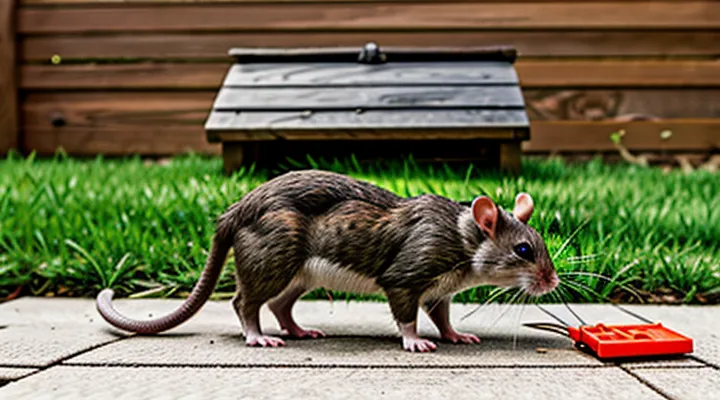
Understanding Rat Behavior and Trap Placement
Common Rat Species and Their Habits
Understanding which rat species are present determines bait selection, trap placement, and activation mechanism.
Common urban and rural rats include:
- Norwegian (Brown) Rat (Rattus norvegicus) – nocturnal, prefers ground burrows, forages near food waste, avoids open water, travels along walls and utility lines.
- Black Rat (Rattus rattus) – crepuscular, climbs trees and structures, nests in high locations such as attic rafters, attracted to grain and fruit, uses narrow pathways.
- Polynesian Rat (Rattus exulans) – active at dusk, inhabits tropical islands, feeds on seeds and insects, nests in low vegetation and ground debris.
- Roof Rat (Rattus tanezumi) – similar to Black Rat, thrives in warm climates, exploits roof spaces and ceiling voids, seeks sugary foods and dairy.
Each species exhibits distinct movement patterns and food preferences. Ground‑dwelling rats, like the Norwegian, respond best to traps positioned along baseboard edges, behind appliances, or within sewer access points. Arboreal rats, such as Black and Roof rats, require traps mounted on elevated surfaces, near roof joists or wall cavities. Bait choice should match dietary habits: meat or oily foods attract Norwegian rats, while fruit, nuts, and grain are more effective for climbing species.
Designing a homemade trap therefore demands alignment of trigger sensitivity with the animal’s size and strength, placement that intercepts habitual travel routes, and bait that exploits the specific palate of the target species. Adjusting these variables for each rat type maximizes capture efficiency while minimizing non‑target interference.
Identifying Rat Infestations
Rats leave unmistakable evidence that points to an active infestation. Recognizing these signs early prevents damage and health risks, allowing you to design a functional DIY trap with confidence.
- Fresh droppings, typically ½‑inch long, dark, and pellet‑shaped, appear near food sources, along walls, and in hidden corners. A single cluster indicates a nearby nest.
- Gnaw marks on wood, plastic, or wiring reveal feeding activity. Fresh cuts show a glossy surface; older ones become dull and splintered.
- Urine stains appear as dark rings or yellowish patches on surfaces where rats travel. A strong ammonia odor often accompanies heavy use.
- Nests constructed from shredded paper, fabric, insulation, or shredded wood are usually found in concealed areas such as attics, crawl spaces, and wall voids. Loose material gathered in a corner signals a breeding site.
- Tracks captured on a dusted surface or a white sheet expose the characteristic four‑toed footprints and tail drag marks. Footprints are typically ½‑inch apart.
- Audible evidence includes scratching, scurrying, or squeaking sounds, especially at night when rats are most active.
Conduct a systematic inspection:
- Choose a low‑light flashlight and examine all potential entry points, including gaps around pipes, vents, and doors. Measure openings; any gap larger than ¼ inch can admit a rat.
- Follow walls clockwise, checking for droppings, gnaw marks, and urine stains. Record locations to map activity zones.
- Inspect storage areas, pantry shelves, and garbage containers for shredded food packaging or nesting material.
- Place a thin layer of flour or talc in suspected pathways. After 24 hours, examine for footprints or droppings to confirm traffic.
- Seal identified entry points before deploying a trap to ensure captured rats are those already inside the structure.
By documenting these indicators and applying a methodical survey, you acquire the data needed to position a homemade rat trap where it will intercept the greatest number of rodents.
Strategic Trap Placement Tips
Effective trap placement maximizes catch rates while minimizing interference from non‑target animals and human activity. Identify high‑traffic zones by observing droppings, gnaw marks, and runways; focus on walls, corners, and near food sources. Position traps perpendicular to wall edges, with the entry side facing the wall, because rodents prefer to run along surfaces. Place traps 1–2 inches from the wall to align with their natural path.
Avoid locations with strong drafts, direct sunlight, or frequent cleaning, as these deter rats and reduce bait effectiveness. Secure traps on stable surfaces to prevent tipping; use adhesive pads or brackets when necessary. Rotate trap locations weekly to disrupt rat habituation and to cover new activity areas.
Key placement considerations:
- Near active burrow entrances or fresh droppings.
- Along established runways, typically 2–3 feet from each other.
- At junctions of walls and floor, where rodents change direction.
- In concealed spots close to food storage, but out of reach of pets.
Monitor each trap daily; record capture locations to map movement patterns and refine future placement. Adjust height to 1.5–2 inches above the floor for adult rats, lower for juveniles. Ensure bait remains fresh and securely attached to maintain attractant potency. By systematically applying these positioning principles, the trap network becomes a proactive barrier that exploits rat behavior and reduces population pressure.
Materials and Tools for DIY Rat Traps
Essential Supplies for Various Trap Types
Humane Traps
Humane rat traps capture rodents without causing injury, allowing safe release away from residential areas. The design relies on a trigger mechanism that closes a compartment when the animal enters, securing the creature inside a smooth, ventilated chamber.
- Sturdy wooden or acrylic box, dimensions 10 × 6 × 6 in.
- Spring‑loaded latch or simple wooden lever as trigger.
- One‑inch opening fitted with a flexible PVC tunnel to guide entry.
- Non‑slip rubber pads on interior surfaces to prevent escape.
- Small piece of food (peanut butter, dried fruit) placed at the far end as bait.
Construction steps:
- Cut the box panels to size; assemble using wood glue and screws, leaving the front panel removable for cleaning.
- Install the latch on the rear wall, aligning it with a pressure plate beneath the bait spot.
- Attach the PVC tunnel to the front opening, securing it with silicone sealant to eliminate gaps.
- Test the trigger by applying gentle pressure; ensure the latch snaps shut cleanly and the box remains locked until manually released.
After capture, transport the trap to a location at least one mile from the building, open the front panel, and allow the rat to exit voluntarily. Clean the interior with diluted bleach solution, dry thoroughly, and reset the bait before redeploying. This approach maintains rodent control while adhering to ethical standards and preventing property damage.
Lethal Traps
When constructing a lethal rat trap, begin with a sturdy base that resists gnawing. Use a 2‑by‑4 wooden board or a thick plastic sheet, cut to a rectangle of approximately 12 × 8 inches. Secure the base to a stable surface with screws or heavy‑duty adhesives to prevent movement during activation.
Select a trigger mechanism that delivers a swift, fatal strike. Common options include:
- Spring‑loaded steel bar attached to a release latch.
- Weighted hammer that falls onto a sharp plate when the bait is disturbed.
- Snap‑action clamp that closes over the animal’s neck.
The trigger must be calibrated so that a minimal force—such as the rat pulling a baited cord—releases the lethal component. Test the sensitivity with a small weight before final assembly.
Bait placement influences capture efficiency. Apply a small amount of peanut butter, dried fruit, or meat on a chew‑resistant platform positioned directly in front of the trigger. Ensure the bait does not obstruct the moving parts.
After assembly, verify operation by pulling the trigger manually. The lethal element should strike within a fraction of a second, immobilizing the rodent instantly. Adjust spring tension or hinge placement if the response is sluggish.
Install the trap along established rodent pathways: near walls, behind appliances, or in dark corners. Position the device perpendicular to the wall so the rat approaches head‑first, aligning with the trigger.
Safety precautions are mandatory. Wear cut‑resistant gloves when handling springs and blades. Keep the trap out of reach of children and pets. Store unused traps in a locked container.
When a rat is captured, follow local regulations for disposal. Place the dead animal in a sealed bag, label it clearly, and discard it according to municipal waste guidelines. Clean the trap with a disinfectant solution, then dry thoroughly before reuse.
Regular maintenance extends trap lifespan. Inspect springs for fatigue, replace worn blades, and tighten all fasteners each week. Consistent upkeep ensures reliable performance and reduces the risk of non‑lethal injuries.
Basic Tools Required
To construct a reliable homemade rat trap, gather the following essential tools before beginning work:
- Wire cutters for trimming and shaping metal components.
- Needle‑nose pliers to bend springs and secure small fasteners.
- Electric drill with assorted bits for precise holes in wood or plastic.
- Screwdriver set (flat‑head and Phillips) for assembling frames and attaching triggers.
- Hacksaw or metal file to adjust length of bars and remove burrs.
- Measuring tape or ruler to ensure consistent dimensions.
- Safety gloves and protective eyewear to prevent injury during cutting and drilling.
Having these items on hand eliminates interruptions, ensures accurate assembly, and supports a durable, functional trap.
Building Humane Rat Traps
Constructing a «Bucket Trap»
Step-by-Step Assembly
Building a functional rat trap requires precise construction and reliable materials. Follow each stage to create a device that activates quickly, captures securely, and can be disassembled for cleaning.
- Gather components: wooden board (30 × 15 cm), metal spring bar, sturdy wire mesh, two 2 cm nails, a small hinge, a bait cup, and a drill with 4 mm bit.
- Cut the board to size, then drill two parallel holes 5 cm from one edge; insert nails to serve as trigger pivots.
- Attach the hinge to the opposite edge of the board, allowing the bait cup to swing upward when released.
- Secure the spring bar between the nails, ensuring tension pulls the bait cup closed when the trigger is untouched.
- Fit the wire mesh over the board, fastening it with small screws to prevent escape after capture.
- Position the bait cup at the center of the board, aligning its hinge with the spring mechanism.
- Test the trap: apply gentle pressure to the trigger area; the cup should snap shut, locking the mesh in place. Adjust spring tension if the motion is sluggish.
- Place attractant (peanut butter, cheese, or grain) inside the cup, then position the trap along known rodent pathways, away from human traffic.
- After a catch, disengage the spring, lift the bait cup, and release the rodent into a distant, suitable environment. Clean all components before reuse.
Baits and Release Methods
Choosing the right attractant determines whether a homemade rat trap will capture its target. Effective attractants fall into three categories: food-based, scent-based, and mechanical.
- Food-based: peanut butter, dried fruit, cooked meat, cheese, and grain mixes.
- Scent-based: pheromone lures, synthetic rodent urine, and essential oils such as peppermint or cinnamon.
- Mechanical: small pieces of cardboard or cloth that retain odor and provide a tactile cue.
Combine a strong food lure with a scent enhancer for maximum appeal; apply a thin layer of peanut butter to the trigger mechanism, then dab a few drops of pheromone concentrate nearby.
Release methods focus on placement, timing, and monitoring. Position the trap along established rodent pathways—near walls, behind appliances, or within concealed corners—where rats travel in straight lines. Set the trap during evening hours when rats are most active, then check it at regular intervals of two to four hours. If the trap is not triggered after 24 hours, relocate it a few feet along the same route and repeat the observation cycle. Maintain a clean environment around the trap to prevent competing food sources from diverting attention.
Creating a «Live-Catch Box Trap»
Materials and Dimensions
A successful DIY rat trap requires sturdy components that can withstand repeated impacts. Select a hardwood block (2 × 4 inches, 1‑inch thickness) for the base, a metal spring‑loaded bar (approximately 6 inches long, 0.25 inches thick), and a rigid trigger plate (1 × 3 inches, 0.125 inches thick). Use a small piece of wire mesh (¼ inch mesh size) to cover the bait area, preventing escape once the animal enters. Secure all parts with stainless‑steel screws (½‑inch length) and waterproof wood glue to avoid corrosion.
The trap’s overall dimensions should accommodate an adult rat without constriction. Recommended measurements are:
- Height: 8 inches from floor to top of the spring arm.
- Width: 4 inches across the base.
- Depth: 6 inches from front to back, allowing sufficient room for the trigger mechanism and bait compartment.
Maintain tolerances of ±0.1 inch for the moving parts to ensure reliable activation. Align the spring bar so its free end clears the trigger plate by 0.2 inch when set, providing enough force to snap shut instantly upon contact. Use a ruler or digital caliper during assembly to verify all dimensions meet these specifications.
Ventilation and Safety Considerations
When constructing a homemade rat trap, adequate airflow and personal protection are non‑negotiable. Poor ventilation can cause odor buildup, increase the risk of respiratory irritation, and interfere with the trap’s performance. Protective equipment reduces the chance of injury from sharp components, bait chemicals, or accidental contact with trapped rodents.
Key ventilation measures:
- Position the trap outdoors or in a well‑ventilated area such as a garage, shed, or utility room with windows or exhaust fans.
- Ensure at least one unobstructed opening for air exchange; avoid enclosing the device in sealed containers.
- If indoor placement is unavoidable, install a portable air purifier or a window fan to disperse fumes from bait or dead rodents.
Critical safety actions:
- Wear nitrile gloves and eye protection while assembling the mechanism and handling bait.
- Use a dust mask or respirator when cutting metal, drilling holes, or applying adhesives that emit volatile compounds.
- Secure the trap on a stable surface to prevent tipping; anchor it to a wall or floor if the design includes moving parts.
- Keep the device out of reach of children and pets; store bait in a locked container when not in use.
- After capture, dispose of the rodent in a sealed bag and disinfect the trap with a bleach solution or commercial sanitizer before resetting.
By adhering to these airflow and protection guidelines, the trap remains effective while minimizing health hazards for the builder and occupants of the space.
Building Lethal Rat Traps
Designing a «Snap Trap Modification»
Enhancing Trigger Sensitivity
Improving the trigger mechanism determines whether a homemade rat trap captures pests reliably. A sensitive trigger reacts to minimal weight changes, reducing missed catches and preventing premature releases.
Select a low‑friction pivot point. Use a stainless‑steel rod or a thin wooden dowel as the fulcrum, inserting it into a drilled hole that allows free rotation. Apply a thin layer of silicone lubricant to the contact surfaces to eliminate drag.
Adjust the trigger arm length. A longer arm multiplies the force applied by the rat, while a shorter arm increases the required pressure. Experiment with a 2‑inch to 3‑inch arm and record the activation force using a kitchen scale. Aim for a threshold between 30 g and 50 g, which matches the typical weight of a rat’s footfall.
Incorporate a tension spring. Position a small compression spring behind the trigger arm so that it returns to the armed position instantly after activation. Choose a spring with a spring constant of roughly 5 N/m; this provides enough pull to keep the trap set without resisting the rat’s weight.
Fine‑tune the trigger surface. Cover the contact point with a piece of rubber or silicone pad to increase grip and reduce slippage. Ensure the pad is thin enough to maintain the desired sensitivity but thick enough to prevent the arm from sliding under light disturbances.
Test the assembly repeatedly. Place a known weight on the trigger and observe the movement. Adjust arm length, spring tension, or lubrication until the trap snaps shut at the target weight range. Conduct multiple trials to confirm consistent performance.
Maintain the trigger system. Periodically clean debris, reapply lubricant, and inspect the spring for fatigue. Replacing worn components preserves the trap’s responsiveness over time.
Securing Bait Effectively
Securing bait properly determines whether a homemade rat trap will attract its target or be ignored. Use a bait that appeals to the rodent’s natural preferences—high‑fat foods such as peanut butter, bacon grease, or dried fruit. Apply a thin, uniform layer to prevent the bait from falling out when the trap is triggered.
- Choose a container that fits the trap’s design (e.g., a small plastic cup, a hollowed wooden block, or a silicone mold).
- Drill a single opening just large enough for the rat to insert its snout.
- Secure the bait inside the container with a removable lid or a piece of mesh that allows scent diffusion but blocks escape.
- Attach the container to the trigger mechanism using zip ties or stainless‑steel wire; ensure the connection is tight enough to move the trap only when the rat pulls the bait out.
Seal the edges of the bait chamber with non‑toxic adhesive tape to eliminate gaps that could let the bait shift. Test the setup by applying gentle pressure to the bait; the trap should release only when sufficient force is exerted, mimicking a rat’s natural foraging behavior.
Maintain bait effectiveness by refreshing it every 24–48 hours, especially in hot or humid environments where odor dissipates quickly. Store any unused bait in an airtight container to preserve its scent until the next deployment. This systematic approach maximizes lure potency while minimizing accidental releases, ensuring the trap functions reliably.
Crafting a «Falling Weight Trap»
Mechanism and Safety Features
A functional rat trap relies on a rapid-release mechanism that converts stored energy into a swift, controlled motion. The core components include a spring-loaded arm, a trigger lever, and a containment chamber. When a rodent applies pressure to the trigger, the lever pivots, releasing the spring and driving the arm forward to close the chamber and secure the animal. The design minimizes the distance the arm travels, reducing the chance of escape and ensuring a quick capture.
Safety considerations are integral to the trap’s operation.
- A rigid shielding panel surrounds the moving arm, preventing accidental contact with fingers or paws.
- The trigger incorporates a low-force activation point, allowing a small animal to set the device without requiring excessive pressure that could cause structural failure.
- A lockable latch secures the chamber after capture, enabling safe removal of the rodent without exposure to the release mechanism.
- Placement guidelines advise positioning the trap away from child‑accessible areas and away from pet pathways; mounting brackets can elevate the device to a height unsuitable for non‑target species.
Materials should be corrosion‑resistant, such as stainless steel or coated aluminum, to maintain structural integrity over repeated cycles. Regular inspection of the spring tension and trigger alignment prevents malfunction and extends the trap’s service life.
Baiting and Resetting Instructions
Select bait that matches the target’s preferences. Peanut butter, dried fruit, or small pieces of meat work well. Apply a thin layer to the trap’s trigger platform; excess material may cause premature activation. Secure the bait with a small piece of cloth or waxed paper to prevent it from being dragged away.
Place the trap along established rodent pathways. Position it with the trigger facing the wall, allowing the animal to approach from the side that offers the most concealment. Ensure the trap rests on a stable surface; wobbling can reduce capture efficiency.
After a successful catch, follow these steps to reset the device:
- Wear disposable gloves; handle the trap only by the metal edges.
- Transfer the captured rodent to a sealed container for humane disposal.
- Clean the trigger mechanism with alcohol or a mild detergent solution; dry completely.
- Inspect springs and levers for deformation; replace damaged parts before reuse.
- Reapply fresh bait using the same method as initially described.
- Reset the trigger according to the manufacturer’s instructions, ensuring the latch engages fully.
- Return the trap to its original location, maintaining the same orientation.
Repeat the baiting and resetting cycle as needed, monitoring trap performance daily. Adjust bait type or placement if captures decline, keeping the device consistently operational.
Safety Precautions and Ethical Considerations
Handling Rats Safely
When constructing a DIY rat trap, safe interaction with the animal is a prerequisite for both effectiveness and personal health. Direct contact without protection increases the risk of bites, scratches, and disease transmission; therefore, each step must incorporate precautionary measures.
Protective gear
- Thick gloves resistant to puncture (e.g., leather or cut‑proof nitrile).
- Long‑sleeved shirt and sturdy trousers to shield skin.
- Eye protection such as safety glasses or a face shield.
- Disposable mask to reduce inhalation of allergens and rodent‑borne particles.
Capture handling
- Position the trap where visibility is clear; avoid blind corners that force you to reach in blindly.
- Once a rat is caught, keep the trap upright and cover it with a rigid lid before moving.
- Transfer the sealed trap to a secondary container (e.g., a sturdy bucket with a lid) to prevent escape.
- If a live release is required, choose a location far from residential areas and open the container gently, allowing the animal to exit without direct handling.
Disposal procedures
- For deceased rodents, place the body in a double‑sealed bag, then dispose of it according to local regulations (municipal waste or licensed disposal service).
- Do not crush or puncture the carcass; this can release pathogens and create aerosolized particles.
Post‑operation hygiene
- Remove gloves and other disposable items without touching the exterior surfaces.
- Wash hands thoroughly with soap and water for at least 20 seconds; follow with an alcohol‑based sanitizer.
- Clean and disinfect all tools, trap components, and the work area using a solution of 1 % bleach or an EPA‑approved disinfectant.
- Launder any clothing that may have come into contact with rodent material separately from other laundry.
Adhering to these protocols ensures that the trap performs its intended function while minimizing health hazards and legal liabilities associated with improper rat handling.
Disposing of Deceased Rats Responsibly
When a homemade rat trap captures its target, the final step—removing the carcass—must follow health‑safe and legally compliant procedures. Improper disposal can spread disease, attract predators, and violate local regulations.
First, wear disposable gloves and a face mask to prevent direct contact with bodily fluids. Place the dead rat in a sealable, puncture‑resistant bag; double‑bagging adds an extra barrier against leaks. Seal the bag tightly, then label it with the capture date and location for record‑keeping, as many municipalities require documentation of pest control activities.
Next, choose an appropriate disposal method:
- Municipal waste collection: Many cities accept sealed animal carcasses in regular trash if they are packaged according to local guidelines. Verify the schedule and any size limits.
- Specialized animal waste services: Commercial providers pick up and incinerate or render pest remains. This option eliminates the risk of attracting scavengers.
- Burial: If local law permits, dig a pit at least 12 inches deep, place the bagged carcass inside, and cover with soil. Mark the site to avoid accidental disturbance.
After disposal, disinfect the work area with a solution of bleach (1 part bleach to 9 parts water) or an EPA‑approved sanitizer. Dispose of gloves and masks in a sealed bag with the same precautions used for the carcass.
Finally, retain documentation of the disposal method and date for at least 30 days. This record supports compliance with health department inspections and helps track the effectiveness of the pest‑control program.
Preventing Future Infestations
After installing a homemade rat trap, maintain a pest‑free environment by removing conditions that invite rodents and by monitoring the property regularly.
- Store food in sealed containers; clean crumbs and spills promptly.
- Keep garbage bins closed and dispose of waste frequently.
- Repair cracks, gaps, and holes in walls, floors, and foundations; use steel wool or caulk to block small openings.
- Trim vegetation and remove debris that provide shelter near the building’s exterior.
- Install door sweeps and weather stripping to prevent entry under doors and windows.
- Conduct periodic inspections of the trap area; replace bait and check for new signs of activity.
Consistent application of these measures reduces the likelihood of re‑infestation and supports long‑term effectiveness of the trap system.
Troubleshooting and Optimizing Trap Effectiveness
Common Reasons for Trap Failure
Rats often avoid traps because the device does not match their habits or environment. The most frequent causes of failure include:
- Incorrect placement: traps set near walls, in dark corners, or far from established runways receive little traffic.
- Inadequate bait: stale, unappealing, or overly strong scents deter rats; fresh, high‑protein foods work best.
- Improper sizing: a trap that is too large or too small prevents the rat from triggering the mechanism.
- Faulty trigger: loose springs, worn levers, or misaligned components reduce sensitivity.
- Poor maintenance: dirt, debris, or moisture can jam moving parts and mask scent cues.
- Environmental distractions: competing food sources, heavy foot traffic, or frequent disturbances cause rats to abandon the trap area.
- Incorrect trap type: snap traps, live‑catch cages, and glue boards each suit different rat behaviors; using the wrong model lowers capture rates.
Addressing each factor—positioning the trap along active pathways, selecting fresh bait, ensuring proper dimensions, testing and adjusting the trigger, keeping the device clean, minimizing competing attractants, and matching trap design to rat habits—significantly improves success.
Adjusting Trap Design and Placement
When constructing a homemade rat-catching device, the effectiveness of the apparatus hinges on two variables: the physical configuration of the trap and the strategic placement of that configuration.
First, determine the size of the entry tunnel. A tunnel that is too large allows rats to bypass the trigger, while a tunnel that is too small discourages entry. Aim for an opening no wider than 2‑3 cm and no taller than 3‑4 cm. Use smooth interior surfaces to prevent the animal from gaining traction that could interfere with the trigger mechanism.
Second, select the type of trigger. A lever‑based spring offers rapid closure, whereas a pressure‑plate design provides a quieter activation. Test both on a sample of local rodents to identify which yields the highest capture rate. Adjust the sensitivity by tightening or loosening the spring tension, ensuring that a 100‑gram weight is sufficient to release the latch.
Third, choose bait placement. Position the attractant at the far end of the tunnel, directly opposite the trigger, to compel the rat to travel the full length before activating the mechanism. Secure the bait with a thin wire or adhesive so that it does not shift when the animal nudges it.
Fourth, evaluate environmental factors for placement:
- Near walls or along established runways; rats prefer concealed routes.
- In dimly lit corners; bright areas reduce activity.
- Away from competing food sources; eliminate alternative sustenance within a 5‑meter radius.
- On stable surfaces; avoid locations that vibrate or sway, which can trigger false releases.
Fifth, conduct a placement trial. Set the trap in a chosen location for 24 hours, then observe capture frequency. If no captures occur, relocate the device by 1‑2 meters along the same wall, or adjust the tunnel angle by 15‑30° to align with the rodent’s preferred path.
Finally, maintain the trap after each capture. Reset the trigger tension, replace the bait, and inspect for wear. Regular maintenance preserves the calibrated design and prevents loss of efficiency over time.
Alternative Baits and Scents
When designing a homemade rat trap, the choice of attractant can determine success as much as the mechanism itself. Conventional options such as peanut butter or dried fruit work well, but a broader palette of baits and scents expands effectiveness across different environments and rat preferences.
Effective alternatives include:
- Protein‑rich foods: cooked chicken, boiled eggs, or canned tuna provide strong olfactory cues that appeal to nocturnal foragers.
- Grain mixtures: rolled oats, cornmeal, or cracked wheat attract rats that favor plant‑based diets.
- Sweet substances: maple syrup, honey, or a small piece of chocolate stimulate opportunistic feeders.
- Fermented items: beer, wine, or sour milk emit volatile compounds that mimic natural decay, luring rats accustomed to scavenging.
- Pheromone‑based lures: commercially available rodent‑specific scent blends replicate territorial markers, prompting investigative behavior.
- Essential oil blends: a few drops of anise, peppermint, or clove oil mixed with a carrier (e.g., vegetable oil) create a potent aromatic stimulus without relying on food.
To maximize lure potency, follow these guidelines:
- Freshness – Use recently prepared or opened items; stale bait loses volatile compounds quickly.
- Quantity – Apply a pea‑sized amount to the trigger area; excess bait may saturate the trap and reduce sensitivity.
- Placement – Position the attractant near the trigger but not directly on the mechanism, allowing the rat to engage the device while investigating the scent.
- Rotation – Change bait every 48 hours to prevent habituation and maintain a strong odor gradient.
Combining multiple attractants can cover a wider range of rat dietary habits. For instance, a small dab of tuna paired with a few drops of anise oil creates both protein and pheromone cues, increasing the probability of capture in varied settings. Adjust the composition based on observed rat activity: if rodents avoid food‑based lures, shift toward scent‑heavy options; if they ignore strong odors, revert to high‑protein baits. This adaptive approach ensures the trap remains effective over time.