
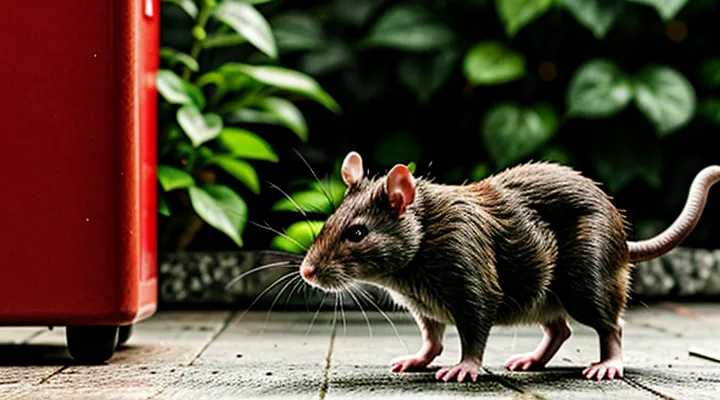
Understanding Rat Behavior and Hearing
The Auditory Range of Rats
Frequencies Rats Can Hear
Rats possess an auditory system that extends far beyond the upper limit of human hearing. Their cochlea detects sounds up to approximately 90 kHz, with peak sensitivity typically located between 20 kHz and 30 kHz. This range classifies most rat‑detectable frequencies as ultrasonic, a band that humans cannot perceive without specialized equipment.
The sensitivity curve is not uniform; lower ultrasonic frequencies (10–15 kHz) are detectable but elicit weaker neural responses, while frequencies above 50 kHz are perceived with diminishing intensity. Younger rats exhibit broader hearing ranges, maintaining sensitivity near the upper extreme, whereas aging individuals experience a gradual decline, often losing responsiveness above 60 kHz.
Acoustic deterrent devices exploit these characteristics by emitting continuous or pulsed tones within the 20–30 kHz window, where rats are most responsive. Some models incorporate a frequency sweep that traverses 15–45 kHz, preventing habituation by varying the stimulus. The intensity of the emitted sound typically ranges from 85 to 110 dB SPL at the source, ensuring that the signal reaches sufficient amplitude to trigger an aversive reaction without exceeding safety thresholds for humans and pets.
Key points for effective sound‑based repellent design:
- Target frequency band: 20–30 kHz (peak rat sensitivity).
- Include frequency modulation to reduce adaptation.
- Maintain sound pressure level between 85–110 dB SPL at the device’s output.
- Consider environmental attenuation; higher frequencies diminish more rapidly over distance.
Understanding the precise auditory capabilities of rats enables the formulation of sound emissions that maximize deterrent efficacy while minimizing unintended exposure to non‑target species.
How Rats Use Sound in Their Environment
Rats possess a highly developed auditory system that enables detection of a broad frequency range, from low‑frequency vibrations to ultrasonic sounds exceeding 80 kHz. Their inner ear contains a cochlea with finely tuned hair cells, allowing precise discrimination of pitch and temporal patterns. This sensitivity supports several essential behaviors.
Rats use sound for:
- Social communication – ultrasonic vocalizations convey aggression, mating intent, and alarm signals; each call type exhibits a distinct frequency and duration.
- Environmental scanning – passive listening identifies rustling leaves, moving objects, and predator footsteps; rapid frequency shifts trigger evasive actions.
- Navigation – echo‑based orientation helps rats locate obstacles in cluttered burrows; short‑range reverberations provide spatial cues.
Auditory processing occurs in the auditory cortex, where neural circuits integrate frequency, intensity, and timing information. Experiments demonstrate that rats can distinguish between frequencies separated by as little as 1 kHz, and they react to sudden amplitude changes within milliseconds. These capabilities enable immediate response to threats and coordination within colonies.
Understanding rat acoustic perception informs the design of deterrent technologies. Devices that emit frequencies beyond the normal communication band can overload sensory pathways, causing discomfort and prompting avoidance. Effective deterrents exploit the same frequency sensitivity that rats rely on for survival, thereby interrupting their natural acoustic behaviors.
Principles of Ultrasonic Pest Repellents
What is Ultrasonic Sound?
Frequency Bands Used in Repellents
Ultrasonic rat deterrents rely on sound frequencies that fall outside the human audible range but within the hearing sensitivity of rodents. The devices generate acoustic energy that triggers discomfort, startle responses, or disorientation in rats, thereby reducing their presence in treated areas.
Typical frequency bands employed in these devices include:
- 20 kHz – 30 kHz: just above the upper limit of human hearing, effective against younger rats with broader hearing ranges.
- 30 kHz – 40 kHz: aligns with the peak auditory sensitivity of adult rats, providing strong aversive stimulus.
- 40 kHz – 50 kHz: targets the higher‑frequency region where rats maintain acute perception, useful for prolonged exposure.
- 50 kHz – 80 kHz: exploits the upper boundary of rat hearing, delivering intense irritation without audible disturbance to humans.
Devices may emit a single narrowband frequency or a sweep covering multiple bands. Broadband sweeps reduce the likelihood of habituation by presenting varying pitches that prevent rats from adapting to a constant tone. Modulation techniques—such as frequency hopping or amplitude variation—further enhance deterrent efficacy by creating unpredictable acoustic patterns.
Selection of frequency bands depends on the target rodent population, environmental constraints, and regulatory limits on ultrasonic emissions. Properly calibrated frequencies ensure maximal aversive impact while maintaining safety for non‑target species and human occupants.
How Ultrasonic Waves Propagate
Ultrasonic waves used in rodent deterrent devices travel as high‑frequency pressure variations in air. The source, typically a piezoelectric transducer, converts electrical energy into oscillations above 20 kHz, a range inaudible to humans but detectable by many rodents. Once generated, the wavefront expands outward from the transducer surface, forming a roughly spherical pattern in open space.
Propagation relies on the elastic properties of the medium. Each compression raises local air pressure; the subsequent rarefaction lowers it, creating a rapid succession of alternating high‑ and low‑pressure zones. The speed of sound in air (≈ 343 m s⁻¹ at 20 °C) determines the wavelength, which for a 30 kHz signal is about 11 mm. Short wavelengths enable the wave to interact with small obstacles and to diffract around objects, maintaining coverage in cluttered environments.
Attenuation reduces the effective range. Three mechanisms dominate:
- Viscous absorption: internal friction converts acoustic energy to heat, increasing with frequency.
- Molecular relaxation: energy exchange between translational and internal molecular modes dissipates energy, also frequency‑dependent.
- Geometric spreading: spherical expansion spreads energy over a larger area, lowering intensity proportionally to the square of the distance.
Design of effective rodent deterrents accounts for these factors by positioning transducers at optimal heights, using multiple units to overlap coverage zones, and selecting frequencies that balance penetration depth with sensitivity of target species. The resulting acoustic field creates an uncomfortable sensory environment for rodents, discouraging their presence without human‑perceptible noise.
The Mechanism of Repulsion
Discomfort and Stress Induction
Rat‑deterrent devices emit frequencies above the range of human hearing but within the auditory sensitivity of rodents. The emitted sound generates an immediate mismatch between expected environmental acoustics and the perceived stimulus, producing a sensation of discomfort.
The auditory overload triggers the rat’s central nervous system, activating the sympathetic branch of the autonomic system. Resulting physiological changes include elevated heart rate, increased respiration, and a surge of stress hormones such as corticosterone. These responses create a negative affective state that discourages lingering in the treated area.
Specific mechanisms through which the acoustic stimulus induces stress:
- Rapid oscillations saturate cochlear hair cells, causing temporary auditory fatigue.
- Interruption of conspecific vocalizations impairs social communication, leading to isolation stress.
- Sudden onset of high‑intensity tones initiates a startle reflex, producing a fight‑or‑flight response.
- Repeated exposure sustains elevated cortisol levels, fostering avoidance behavior over time.
Collectively, the induced discomfort and chronic stress drive rats to vacate the vicinity, achieving the intended repellent effect without physical contact.
Disruption of Communication and Navigation
The acoustic deterrent generates ultrasonic pulses that exceed the normal hearing range of rats. These pulses saturate the auditory receptors, preventing the detection of conspecific vocalizations used for mating, territorial claims, and alarm signaling. By masking these signals, the device interrupts the social information flow that coordinates group behavior.
The ultrasonic field also interferes with the spatial cues rats rely on for navigation. Rats orient themselves by processing reflected sound waves and subtle acoustic gradients; continuous high‑frequency emission creates a background of false echoes, leading to disorientation and avoidance of the treated area. The combined effect reduces the ability to locate food sources, nesting sites, and safe passages.
Key mechanisms of disruption:
- Overload of cochlear hair cells, reducing sensitivity to natural ultrasonic calls.
- Masking of species‑specific communication frequencies (typically 20–50 kHz).
- Generation of artificial echo patterns that distort acoustic maps used for movement.
- Persistent exposure leading to habituation avoidance, as rats withdraw from environments where reliable auditory information is unavailable.
Habituation and Its Implications
Rats exposed repeatedly to a constant ultrasonic signal often exhibit habituation, a decrease in behavioral response after initial aversion. The neural adaptation underlying this process reduces the perceived threat, allowing rodents to ignore the sound and resume normal activity. Consequently, the deterrent’s efficacy declines sharply once habituation sets in.
Habituation impacts long‑term pest‑control outcomes by shortening the period during which the sound remains a reliable repellent. Field observations confirm that untreated devices lose effectiveness within weeks when the emitted frequency, intensity, and pattern remain unchanged.
Mitigation measures include:
- Rotating frequencies or modulating pulse patterns to prevent predictable auditory stimuli.
- Introducing intermittent operation schedules, allowing silent intervals that disrupt continuous exposure.
- Combining acoustic devices with alternative repellents (e.g., scent or physical barriers) to create multi‑modal deterrence.
- Periodically resetting devices to emit novel sounds, forcing re‑evaluation by the rodents.
Implementing these strategies restores the deterrent’s impact, extending the functional lifespan of ultrasonic systems and maintaining a measurable reduction in rodent activity.
Types of Rat Repellent Devices
Stationary vs. Portable Units
Ultrasonic rat deterrents emit frequencies above 20 kHz, a range inaudible to humans but uncomfortable for rodents. Devices differ primarily in installation method, power source, and coverage pattern, which determines suitability for various environments.
Stationary units are designed for permanent placement. They connect to mains electricity, allowing continuous operation without battery constraints. Their transducers are typically mounted in a fixed housing, directing sound toward a defined area such as a warehouse, basement, or kitchen. Advantages include:
- Consistent output power, ensuring stable frequency and amplitude.
- Larger effective radius, often 30 ft or more, due to higher‑gain speakers.
- Ability to integrate with building wiring for covert installation.
Portable units rely on rechargeable or disposable batteries, making them movable and usable in temporary settings. They usually feature compact, handheld housings with omnidirectional emitters. Key characteristics are:
- Limited operating time per charge, ranging from 4 to 12 hours.
- Smaller coverage, generally 10–15 ft, suitable for localized infestations.
- Flexibility to place in tight spaces, on vehicles, or in outdoor shelters.
When choosing between the two, consider the following criteria:
- Duration of use – permanent infestation control favors stationary models; short‑term interventions benefit from portability.
- Power availability – access to AC power eliminates the need for battery management, a decisive factor for stationary installations.
- Coverage requirements – large, open areas demand higher output, while confined zones can be addressed with compact devices.
- Mobility needs – frequent relocation or use across multiple sites necessitates a battery‑operated unit.
Both types employ the same ultrasonic principle, but their engineering trade‑offs dictate optimal deployment scenarios. Proper placement, uninterrupted operation, and alignment with the specific infestation layout maximize efficacy regardless of unit class.
Single vs. Multiple Frequency Devices
Rat ultrasonic deterrents rely on sound waves that exceed the hearing range of rodents, causing discomfort and prompting avoidance. Devices differ primarily in the frequency patterns they emit.
A single‑frequency unit produces a constant tone at one specific ultrasonic frequency, typically between 20 kHz and 30 kHz. The steady signal targets the most sensitive hearing band of rats, delivering a uniform stimulus that can be effective in confined spaces where the sound field remains consistent. Advantages include lower power consumption, simpler circuitry, and reduced manufacturing cost. Limitations arise when rats habituate to the unchanging tone, diminishing long‑term efficacy, and when structural acoustics attenuate the fixed frequency unevenly across a larger area.
Multiple‑frequency devices cycle through several ultrasonic frequencies or emit a broadband spectrum. This variation prevents habituation by continually presenting new auditory stimuli, maintaining a higher level of discomfort over extended periods. The broader coverage improves penetration through obstacles and ensures that at least one frequency reaches rats in different locations within a room. Drawbacks include higher energy demand, more complex electronics, and increased production expense.
Choosing between the two approaches depends on the environment and intended duration of control:
- Small, sealed enclosures (e.g., storage cabinets) favor single‑frequency emitters for efficiency.
- Large, open areas (e.g., warehouses, basements) benefit from multiple‑frequency systems to sustain deterrence and overcome acoustic dead zones.
Both designs must generate sound levels above the rat auditory threshold while remaining inaudible to humans, ensuring safety and compliance with indoor noise regulations.
Power Sources and Coverage Areas
Rat repellent devices rely on either mains electricity, rechargeable batteries, disposable cells, solar panels, or USB power. Mains‑connected units provide continuous operation without user intervention, but require installation near an outlet and may include a backup battery for power outages. Rechargeable battery models typically use lithium‑ion cells delivering 8–12 hours of runtime per charge; they are suited for locations where wiring is impractical. Disposable alkaline or carbon‑zinc batteries extend service life to several weeks at low duty cycles, though replacement frequency increases with higher output levels. Solar panels convert ambient light into electricity, enabling autonomous outdoor deployment; efficiency depends on panel size and sunlight exposure. USB‑powered units draw 5 V from adapters or power banks, offering flexibility for temporary or portable use.
Coverage area specifications describe the effective radius within which ultrasonic or sonic emissions deter rodents. Manufacturers report ranges from 10 ft (3 m) for compact indoor units to 30 ft (9 m) for high‑power outdoor models. Real‑world performance declines with solid barriers such as walls, metal furniture, or dense insulation, which absorb or reflect sound waves. Open‑plan spaces allow full radius utilization, whereas partitioned rooms require multiple devices to eliminate dead zones. Some devices list coverage in square footage; a 500 sq ft (46 m²) rating assumes unobstructed floor area. When planning installation, calculate total area, identify obstacles, and position units to overlap peripheral zones, ensuring continuous acoustic exposure throughout the target environment.
Factors Affecting Efficacy
Environmental Obstacles
Walls, Furniture, and Absorption
Ultrasonic deterrent devices rely on sound waves that travel through interior spaces and reach rodents. The effectiveness of these waves depends on how they interact with structural elements, interior objects, and the acoustic properties of the environment.
Walls act as primary barriers. Dense materials such as concrete or brick reflect a large portion of high‑frequency energy, limiting penetration to adjacent rooms. Lightweight panels, gypsum board, or hollow‑core construction allow more transmission but also introduce resonance that can attenuate specific frequencies. Surface treatments—paint, plaster, or insulation—modify the reflection coefficient, altering the amount of energy that reaches the target area.
Furniture contributes to both scattering and absorption. Hard, flat surfaces (metal legs, glass tops) reflect waves, creating localized zones of higher intensity. Soft furnishings—upholstered chairs, curtains, carpets—convert acoustic energy into heat, reducing the overall level of sound that continues to propagate. The arrangement of items determines the path of the waves; dense clusters can create shadow zones where the signal diminishes sharply.
Absorption characteristics of the room dictate the persistence of the ultrasonic field. Key factors include:
- Material porosity and thickness
- Frequency‑dependent absorption coefficients
- Overall reverberation time
Higher absorption shortens reverberation, decreasing the distance the deterrent signal can travel before falling below the threshold required to affect rodents. Conversely, rooms with low absorption maintain stronger fields over longer distances, enhancing coverage.
Optimizing placement of ultrasonic emitters requires accounting for wall composition, furniture layout, and the room’s acoustic absorption profile. Aligning devices to avoid major reflective or absorptive obstacles maximizes the likelihood that the sound reaches rats throughout the intended area.
Open Spaces vs. Enclosed Areas
Ultrasonic rat deterrents rely on frequencies that exceed human hearing, delivering sound pressure levels (SPL) capable of disrupting rodent behavior. The environment in which a device operates determines how effectively that energy reaches target animals.
In open spaces, sound waves expand spherically, causing rapid SPL reduction with distance (inverse square law). Ambient wind and temperature gradients further scatter energy, requiring devices with higher output power or multiple units to maintain a threshold level across a broad area. Direct line‑of‑sight placement maximizes coverage; obstacles such as vegetation or structures create shadow zones where the signal drops below effective levels.
Enclosed areas confine sound, producing reflections from walls, ceilings, and floors. These reflections can increase average SPL through constructive interference, allowing lower‑output devices to achieve deterrent thresholds. However, standing‑wave patterns generate zones of both amplification and attenuation. Strategic positioning—mid‑room height, away from parallel surfaces—minimizes dead spots. Sealed doors and windows prevent external noise from diluting the ultrasonic field.
Key contrasts:
- Propagation: Open → rapid dispersion; Enclosed → multiple reflections.
- Power requirement: Open → higher SPL needed; Enclosed → lower SPL often sufficient.
- Coverage uniformity: Open → variable, dependent on line of sight; Enclosed → potential for uneven zones due to standing waves.
- Device placement: Open → spread across area; Enclosed → central, elevated, offset from parallel surfaces.
Pest Infestation Levels
Pest infestation levels describe the intensity of rodent presence in a given environment. Low levels involve occasional sightings or minor gnaw marks; moderate levels show frequent droppings, noticeable chew damage, and occasional audible activity; high levels present continuous droppings, extensive structural damage, and visible nesting; severe levels feature pervasive contamination, large breeding colonies, and constant noise.
The effectiveness of ultrasonic or ultrasonic‑based rat deterrents correlates directly with these levels. At low and moderate infestations, devices generate frequencies that disrupt rodent communication, reducing activity and preventing population growth. In high infestations, the sheer number of individuals can overwhelm the acoustic field, requiring multiple units or complementary measures such as traps and sanitation. Severe infestations often render sound alone insufficient; integrated pest management becomes necessary to achieve control.
Key considerations for assessing infestation and selecting sound deterrents:
- Population density – estimated by droppings per square meter or sighting frequency.
- Spatial coverage – larger areas demand overlapping acoustic zones to avoid dead spots.
- Ambient noise – high background sounds can mask deterrent frequencies, reducing impact.
- Device placement – positioning near nesting sites maximizes exposure to repellent tones.
Accurate evaluation of infestation level informs the required number of devices, placement strategy, and the need for auxiliary control methods, ensuring the acoustic approach functions within its operational limits.
Proper Placement and Installation
Effective use of ultrasonic rodent deterrents depends on precise positioning and secure mounting. The device must be placed where sound waves can travel uninterrupted, covering the entire target area without obstruction.
- Install the unit at a height of 12–18 inches above the floor, near the perimeter of the building or the specific zone where activity is detected. This height maximizes horizontal dispersion and prevents signal loss caused by furniture or clutter.
- Ensure the emitter faces the open space, not a wall or solid surface. Angling the speaker slightly upward directs the ultrasonic beam into the room’s central volume.
- Maintain a minimum distance of 3 feet from large metal objects, appliances, or thick insulation panels. Such materials absorb or reflect ultrasonic frequencies, creating dead zones.
- Space multiple units at intervals of 20–30 feet for large structures. Overlapping coverage eliminates gaps while avoiding excessive signal intensity that could cause habituation.
- Secure the device to a stable surface using the supplied brackets or screws. Vibration or movement disrupts the calibrated output and reduces efficacy.
- Keep the power source and wiring away from water sources and direct sunlight. Excess heat or moisture can degrade electronic components, shortening operational life.
- Conduct a brief field test after installation: activate the unit and listen for a faint high‑frequency hum from a distance of 5 feet. Absence of audible sound indicates proper functioning; a muted or absent tone suggests a faulty connection or improper orientation.
Following these placement and mounting guidelines ensures that ultrasonic emissions fill the intended environment uniformly, delivering consistent deterrent performance against rats.
Limitations and Considerations
Scientific Evidence and Debates
Lack of Consistent Peer-Reviewed Studies
Research on ultrasonic rat deterrent technology suffers from a scarcity of reproducible, peer‑reviewed evidence. Most published studies rely on small sample sizes, uncontrolled environments, or proprietary equipment, limiting the ability to compare results across laboratories. Consequently, conclusions about the acoustic mechanism’s efficacy remain tentative.
Key methodological gaps include:
- Inconsistent frequency ranges reported, with some experiments using 20 kHz while others test above 30 kHz, preventing a unified assessment of optimal parameters.
- Absence of long‑term field trials; most investigations last fewer than 48 hours, insufficient to evaluate habituation or population‑level effects.
- Limited statistical reporting; many papers present raw counts without confidence intervals or effect size calculations, obscuring the significance of observed reductions.
The cumulative effect of these deficiencies is an inability to establish a robust, evidence‑based model of how sound deters rats, hindering regulatory approval and informed consumer choices.
Anecdotal Evidence vs. Empirical Data
Anecdotal reports dominate online discussions about ultrasonic rodent deterrents. Homeowners describe sudden silence after installing a device, claim immediate disappearance of rats, and attribute success to a specific tone. Such narratives lack systematic verification, rely on personal observation, and often omit environmental variables that could influence outcomes.
Empirical investigations apply controlled conditions to assess acoustic deterrence. Researchers measure emitted frequencies, sound pressure levels, and exposure durations, then monitor rodent behavior in test arenas. Results consistently show limited habituation, variable avoidance, and rapid desensitization when frequencies fall outside the species’ hearing range. Peer‑reviewed studies quantify effect size, confidence intervals, and replication across different rat populations.
Key distinctions emerge:
- Source – personal testimony versus laboratory measurement.
- Scope – individual incident versus population sample.
- Control – uncontrolled environment versus standardized protocol.
- Reproducibility – anecdote cannot be reproduced on demand; empirical data can be repeated by independent teams.
Statistical analysis reveals that documented behavioral changes rarely exceed chance levels when rigorous controls are applied. Conversely, isolated stories often omit negative outcomes, creating a biased perception of efficacy.
For consumers, reliance on verified experiments provides a realistic expectation of performance. Devices that demonstrate measurable disruption of rat activity under controlled testing offer a predictable baseline, whereas unverified claims may lead to misplaced confidence and ineffective pest management.
Potential Impact on Other Animals
Pets and Their Sensitivity to Ultrasound
Ultrasonic pest deterrent devices emit sound waves typically between 20 kHz and 65 kHz to discourage rodents. Frequencies above 20 kHz lie beyond the threshold of human hearing but fall within the auditory range of many domestic animals.
Dogs detect sounds up to 45 kHz, cats up to 64 kHz, while small mammals such as hamsters and guinea pigs respond to frequencies as low as 10 kHz and as high as 60 kHz. Birds often hear between 2 kHz and 8 kHz, with some species extending into the ultrasonic spectrum.
- Dogs: 20 kHz – 45 kHz
- Cats: 20 kHz – 64 kHz
- Hamsters/Guinea pigs: 10 kHz – 60 kHz
- Rabbits: 10 kHz – 40 kHz
Exposure to ultrasonic emissions can produce stress responses in pets, including agitation, vocalization, or avoidance behavior. Prolonged or high‑intensity exposure may cause temporary hearing fatigue; irreversible damage is unlikely at levels compliant with regulatory standards, but the risk rises with continuous operation in confined spaces.
To mitigate adverse effects, place devices at least three meters from pet resting areas, select models with adjustable frequency and volume controls, and monitor animal behavior after installation. If signs of discomfort appear, reduce exposure time or discontinue use. Regular assessment ensures the deterrent remains effective against rodents while preserving pet well‑being.
Wildlife Concerns
Acoustic devices designed to deter rats emit ultrasonic or high‑frequency sounds that target the auditory sensitivity of rodents. Because many wildlife species share overlapping hearing ranges, the deployment of such emitters can affect non‑target animals sharing the same environment.
Potential effects on wildlife include:
- Disruption of bird communication and nesting behavior when frequencies intersect avian hearing thresholds.
- Stress responses in small mammals such as squirrels, chipmunks, and hedgehogs, leading to altered foraging patterns.
- Interference with bat echolocation if emitted frequencies overlap with bat call ranges, potentially reducing hunting efficiency.
- Impact on beneficial insects that rely on vibrational cues, causing reduced pollination or predation services.
Mitigation measures focus on device configuration and site management:
- Select frequencies above the documented hearing limits of local bird and bat species while remaining effective against rats.
- Install emitters at ground level or within rodent pathways to limit acoustic propagation into open habitats.
- Operate devices during periods of reduced wildlife activity, such as nighttime for diurnal birds, to minimize exposure.
- Conduct pre‑installation acoustic surveys to map species presence and adjust placement accordingly.
Regulatory compliance often requires monitoring programs that record ambient sound levels and wildlife behavior before and after installation. Continuous data collection enables adjustments to maintain rat control efficacy while preserving ecological integrity.
Alternative and Complementary Methods
Trapping and Baiting
Acoustic deterrent devices emit frequencies that rats find uncomfortable, yet they do not eliminate existing infestations. Physical capture and food attraction remain necessary to reduce population levels and verify device performance.
- Snap traps: quick kill, minimal maintenance, suitable for high‑traffic pathways.
- Live‑catch traps: humane capture, allows relocation, requires frequent checking.
- Multi‑catch traps: retain several rodents, ideal for monitoring activity trends.
Effective baiting relies on rodent preferences and strategic placement.
- Peanut butter, dried fruit, or grain: strong odor, attracts foraging rats.
- Small portions applied to trap trigger surfaces: prevents bait spillage, ensures contact.
- Placement near walls, behind appliances, or along known runways: maximizes encounter rate.
Integration of traps, bait, and ultrasonic emitters follows a systematic protocol. Install devices at least 12 inches from traps to avoid interference with sound fields. Position traps within the audible radius of the emitter to exploit heightened agitation, which drives rats toward capture points. Conduct daily inspections, record captures, and adjust bait type or trap location based on observed activity patterns.
Performance assessment requires quantitative data. Compare capture counts before and after activation of the acoustic system, noting reductions in repeat sightings. Adjust frequency settings, add supplementary traps, or modify bait composition if capture rates plateau. Continuous monitoring ensures that the combination of sound deterrence, trapping, and baiting maintains effective control over rat populations.
Exclusion and Sanitation Practices
Effective rat management with acoustic deterrents relies on two complementary pillars: preventing entry and eliminating attractants. Exclusion creates physical barriers that block rodents from accessing structures, while sanitation removes food, water, and shelter sources that would otherwise draw them into the protected area.
-
Seal all exterior openings larger than ¼ inch with steel wool, metal mesh, or concrete.
-
Install door sweeps and weather stripping on all entry points.
-
Repair cracks in foundations, walls, and roofing promptly.
-
Use vent covers with fine mesh to block passage through ventilation systems.
-
Install self‑closing mechanisms on trash containers and utility hatches.
-
Store dry goods in airtight containers made of metal or thick plastic.
-
Remove spilled grain, seed, or waste daily; clean surfaces with detergent.
-
Eliminate standing water by fixing leaks and using drainage solutions.
-
Dispose of garbage in sealed bins; relocate refuse away from building perimeters.
-
Conduct regular inspections to identify and eradicate hidden food caches.
Integrating these measures with ultrasonic or ultrasonic‑plus‑vibrational devices maximizes efficacy. Exclusion reduces the number of rodents exposed to the sound field, allowing the device to concentrate on any residual individuals that manage to infiltrate. Sanitation lowers ambient noise and competing stimuli, ensuring the acoustic signal remains discernible to target species. Consistent application of both strategies sustains low rodent populations and diminishes reliance on chemical controls.
Integrated Pest Management
Integrated Pest Management (IPM) treats rodent control as a systematic process that combines biological, cultural, mechanical, and chemical tactics to achieve long‑term population suppression. Acoustic deterrents belong to the mechanical category and are evaluated against specific criteria before inclusion in an IPM program.
The evaluation framework for ultrasonic rat devices includes:
- Frequency range that matches the auditory sensitivity of Rattus spp.
- Sound pressure level sufficient to produce discomfort without causing habituation.
- Coverage area verified by field mapping.
- Power consumption and durability under typical building conditions.
When a device meets these standards, it is deployed alongside complementary measures:
- Habitat modification removes food sources and shelter, reducing attractants.
- Physical barriers seal entry points, limiting access to interior spaces.
- Monitoring traps provide quantitative data on infestation levels and device efficacy.
- Targeted baits are applied only after non‑chemical methods have failed to achieve desired reductions.
Data collected from trap returns and acoustic monitoring inform adjustments to device placement, frequency settings, and exposure duration. If rodent activity declines consistently over several monitoring cycles, the acoustic component remains active; otherwise, the system is recalibrated or replaced with alternative tactics.
IPM emphasizes documentation, regular inspection, and adaptive management. By integrating ultrasonic deterrents within this structured approach, practitioners achieve measurable control while minimizing reliance on poisons and reducing environmental impact.