
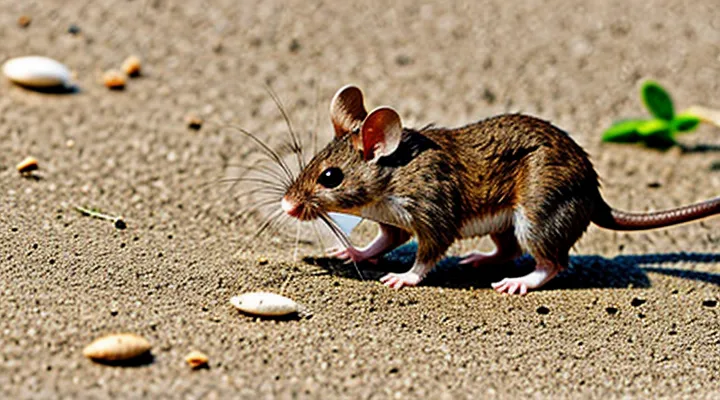
Introduction to Two Distinct Creatures
Mice: Mammalian Characteristics
Taxonomy and Classification
Mice belong to the order Rodentia, family Muridae, genus Mus (commonly Mus musculus for the house mouse). Their classification places them among mammals, characterized by hair, three‑middle ear bones, and viviparous reproduction. Within Rodentia, mice are further divided into subfamilies such as Murinae, which groups them with other small, omnivorous rodents.
Mole crickets are insects of the order Orthoptera, family Gryllotalpidae, genus Gryllotalpa. They are classified as hexapods, possessing a chitinous exoskeleton, six legs, and undergoing incomplete metamorphosis. Their subfamily Gryllotalpinae includes species adapted to subterranean life, distinguished by enlarged forelimbs for digging.
Key taxonomic distinctions:
- Kingdom: Animalia (both)
- Phylum: Chordata (mice) vs. Arthropoda (mole crickets)
- Class: Mammalia (mice) vs. Insecta (mole crickets)
- Order: Rodentia (mice) vs. Orthoptera (mole crickets)
- Family: Muridae (mice) vs. Gryllotalpidae (mole crickets)
These hierarchical differences reflect divergent evolutionary paths, influencing morphology, reproductive strategies, and ecological niches.
General Physical Attributes
Mice and mole crickets exhibit distinct physical characteristics that reflect their divergent ecological roles.
Mice possess a vertebrate body plan: a streamlined torso covered with soft fur, a relatively long tail for balance, and four slender limbs ending in dexterous paws equipped with sharp claws. Their skulls are proportionally large, housing prominent incisors that continuously grow. Vision is moderate, while auditory and olfactory senses are highly developed, supported by large, mobile ears and an acute sense of smell.
Mole crickets belong to the orthopteran order and display an invertebrate anatomy: a hardened exoskeleton, a short, robust abdomen, and powerful hind legs adapted for digging and jumping. The forelegs are broad and spade‑shaped, functioning as efficient burrowing tools. Antennae are long and segmented, serving as primary tactile organs. Their mandibles are strong for chewing plant material and soil. Wings, when present, are membranous and folded beneath a protective tegmina.
Key physical contrasts:
- Skeleton: vertebral column with internal bones (mouse) vs external chitinous exoskeleton (mole cricket).
- Covering: fur with hair follicles (mouse) vs rigid cuticle with minimal setae (mole cricket).
- Limbs: four flexible limbs with opposable digits (mouse) vs three pairs of legs, front pair modified for excavation (mole cricket).
- Sensory focus: auditory and olfactory dominance (mouse) vs tactile and mechanoreceptive emphasis via antennae and foreleg spades (mole cricket).
- Size range: body length typically 6–10 cm (mouse) versus 2–5 cm for the adult cricket, excluding elongated antennae.
These anatomical divergences underpin the separate lifestyles of the two organisms, with the mouse’s morphology favoring agile navigation of surface environments and the mole cricket’s structure optimizing subterranean activity.
Habitat and Geographic Distribution
Mice occupy a broad range of environments. They thrive in natural settings such as forests, grasslands, and shrublands, and they readily colonize human structures, including homes, barns, and storage facilities. Their adaptability allows populations to persist from sea level to mountainous regions, where vegetation provides cover and food sources.
- Forest understory and leaf litter
- Open fields and cultivated crops
- Urban buildings and sewers
- Rocky outcrops and cliff faces
Geographically, mice are nearly worldwide. The common house mouse (Mus musculus) and related species are present on every continent except Antarctica, extending from temperate zones to tropical areas. Their distribution reflects human trade routes and agricultural expansion, which facilitate rapid colonization of new locales.
Mole crickets inhabit soils that retain moisture and support a rich community of plant roots and organic matter. They construct deep burrows where they feed on underground plant parts and occasionally surface to mate. Preferred substrates include loamy or sandy soils with adequate humidity, often found in lawns, pastures, and the edges of wetlands.
- Moist lawns and garden beds
- Sandy or loamy fields with moderate irrigation
- Perimeter zones of ponds and marshes
- Agricultural soils with regular tillage
The geographic range of mole crickets is more restricted than that of mice. Species such as the northern mole cricket (Gryllotalpa hexadactyla) occur across temperate regions of North America and Europe, while tropical species are recorded in parts of Central and South America, Africa, and Southeast Asia. Their presence diminishes in arid deserts and cold high‑latitude zones where soil conditions fail to meet moisture requirements.
Mole Crickets: Insectoid Characteristics
Taxonomy and Classification
Mice belong to the kingdom Animalia, phylum Chordata, class Mammalia, order Rodentia, family Muridae, genus Mus (e.g., Mus musculus). Their classification reflects vertebrate characteristics such as an internal skeleton, hair, and mammary glands. The family Muridae encompasses a broad range of small, omnivorous rodents adapted to diverse habitats, including burrows, fields, and human dwellings.
Mole crickets also fall within the kingdom Animalia but diverge at the phylum level, belonging to Arthropoda. Their classification proceeds through class Insecta, order Orthoptera, suborder Ensifera, family Gryllotalpidae, genus Scapteriscus (e.g., Scapteriscus didactylus). Arthropod traits include an exoskeleton, segmented body, and jointed limbs, all of which support a subterranean, predatory lifestyle.
Key taxonomic distinctions:
- Phylum: Chordata (mice) vs. Arthropoda (mole crickets)
- Class: Mammalia vs. Insecta
- Order: Rodentia vs. Orthoptera
- Family: Muridae vs. Gryllotalpidae
These hierarchical differences correspond to divergent physiological systems, reproductive strategies, and ecological niches, providing a framework for comparing their respective ways of life.
General Physical Attributes
Mice and mole crickets exhibit distinct morphological traits that reflect their divergent ecological niches. Mice possess a vertebrate skeletal framework covered by a dense fur coat, typically measuring 7–10 cm in body length, with a flexible spine that supports rapid, agile locomotion. Their forelimbs end in dexterous paws equipped with five digits, each bearing clawed nails suited for grasping and climbing. Sensory organs include prominent, forward‑facing eyes and large, mobile ears that facilitate acute auditory perception.
Mole crickets are invertebrates with a chitinous exoskeleton, ranging from 2.5–4 cm in length. Their bodies are segmented into a head, thorax, and elongated abdomen, the latter terminating in a robust, spade‑shaped foreleg adapted for burrowing. Hind legs are enlarged and equipped with powerful femora for jumping, while the forewings are reduced or absent in many species. Compound eyes are small and recessed, providing limited vision; antennae are long and filamentous, serving as primary tactile sensors.
Key physical contrasts include:
- Skeleton: vertebral column with fur (mouse) vs. exoskeleton of chitin (mole cricket).
- Size: mouse larger overall; mole cricket smaller but proportionally elongated abdomen.
- Limbs: five‑digit paws for manipulation (mouse) vs. specialized digging forelegs and jumping hind legs (mole cricket).
- Covering: mammalian hair versus insect cuticle.
- Sensory emphasis: auditory and visual dominance (mouse) versus tactile and vibratory detection through antennae (mole cricket).
Habitat and Geographic Distribution
Mice occupy a wide range of environments, from temperate forests and grasslands to urban settings. They thrive in areas where shelter, such as burrows, nests, or crevices, is readily available and where food sources—seeds, insects, and human waste—are abundant. Their distribution spans North America, Europe, and Asia, extending into temperate zones of South America and Africa where introduced populations have established.
Mole crickets are confined to moist soils that support their subterranean lifestyle. They require loose, sandy or loamy substrates that allow deep tunneling and provide access to plant roots and decaying organic matter, which constitute their primary diet. Their range includes warm‑temperate and subtropical regions of North America, the Caribbean, parts of Central and South America, and selected areas of Europe and Asia where suitable soil conditions exist.
Key distinctions in habitat and geography:
- Soil preference: Mice tolerate diverse ground types; mole crickets need soft, moist soils.
- Surface exposure: Mice are frequently observed above ground; mole crickets remain underground except during mating flights.
- Climate tolerance: Mice endure cold winters and hot summers; mole crickets favor mild, humid climates.
- Geographic spread: Mice are globally pervasive; mole crickets occupy a more limited, climate‑restricted belt.
Key Lifestyle Differences
Diet and Feeding Habits
Mice: Omnivores and Scavengers
Mice are highly adaptable mammals that exploit a broad spectrum of food resources. Their classification as omnivores reflects a diet that includes plant matter such as seeds, grains, and fruits, alongside animal protein from insects, eggs, and carrion. This dietary flexibility enables mice to thrive in diverse habitats, from agricultural fields to urban interiors.
Key aspects of mouse scavenging behavior:
- Rapid detection of food through acute olfactory and tactile senses.
- Preference for readily available waste, including discarded human food and dead insects.
- Ability to store surplus items in concealed caches for later consumption.
- Consumption of low‑quality protein sources, such as decomposing tissue, without adverse health effects.
Digestive physiology supports this opportunistic feeding strategy. A short gastrointestinal tract processes both fibrous plant material and protein‑rich animal tissue efficiently. Enzymatic activity adapts to the prevailing diet, increasing amylase production when carbohydrate intake rises and enhancing protease function during periods of higher animal protein consumption.
In contrast to mole crickets, which specialize in subterranean herbivory and rely on soil moisture for survival, mice demonstrate a mobile, surface‑dwelling lifestyle. Their omnivorous and scavenging tendencies reduce dependence on specific environmental conditions, allowing rapid colonization of new territories and sustained population growth even when preferred resources are scarce.
Mole Crickets: Herbivores and Detritivores
Mole crickets (family Gryllotalpidae) are subterranean insects whose nutritional strategy combines plant consumption with organic matter recycling. Their mandibles are adapted for chewing both living vegetation and decayed material, allowing them to exploit resources unavailable to many surface‑dwelling mammals.
- Herbivory – adults and larvae feed on roots, stems, and leaf litter of grasses, crops, and wild plants. Consumption of root tissue can reduce plant vigor, while selective grazing of tender shoots may alter plant community composition.
- Detritivory – individuals ingest decomposing organic matter, including fungal mycelia and microbial films that line soil pores. This activity accelerates breakdown of leaf litter, integrates nutrients into the soil profile, and supports microbial turnover.
Burrowing behavior reinforces the dual diet. Tunnels aerate soil, transport organic particles to deeper layers, and create microhabitats where detritus accumulates. The combination of herbivorous and detritivorous feeding sustains mole crickets throughout seasonal fluctuations in plant availability, reducing reliance on a single food source.
Compared with small rodents, mole crickets obtain energy primarily from belowground sources rather than stored seeds or grain. Their metabolic demands are met by a diet that simultaneously extracts carbon from living plants and recycles nitrogen from decaying matter, a lifestyle that shapes soil structure and nutrient dynamics in ways distinct from mammalian foragers.
Reproductive Strategies
Mice: Rapid Breeding Cycles and Parental Care
Mice reach sexual maturity within six to eight weeks, allowing populations to expand quickly. Gestation lasts approximately 19‑21 days, after which a female typically gives birth to a litter of three to twelve pups. Breeding can occur year‑round in temperate zones, with females capable of producing five to ten litters annually under optimal conditions.
Parental investment begins immediately after birth. The mother provides warmth, nourishment, and protection, nursing pups every two to three hours. She constructs a nest of shredded material to regulate temperature and shield offspring from predators. Once pups attain eye opening and fur development at about 14 days, the mother gradually reduces nursing frequency, encouraging independent foraging.
Key reproductive parameters:
- Sexual maturity: 6‑8 weeks
- Gestation period: 19‑21 days
- Litter size: 3‑12 offspring
- Litters per year: 5‑10 (under favorable conditions)
- Weaning age: 21 days
These traits enable mice to maintain high turnover rates and sustain population density in diverse habitats. Parental behavior, though brief compared with longer‑lived species, ensures rapid growth and survival of the next generation.
Mole Crickets: Egg Laying and Nymph Development
Mole crickets reproduce by depositing eggs in underground chambers they excavate with their powerful fore‑legs. Females construct a shallow burrow, line it with moist soil, and lay a clutch of 30‑150 eggs, each encased in a gelatinous sheath that maintains humidity. The egg capsule hardens slightly, protecting embryos from desiccation and predators.
Incubation lasts 2‑3 weeks, depending on temperature and soil moisture. Warmer, moist conditions accelerate development, while dry or cool soils can extend the period up to six weeks. After hatching, nymphs emerge as miniature, wingless adults. They undergo three instar stages, each marked by a molt that enlarges the body and refines the fore‑leg digging apparatus.
Key aspects of nymph development:
- Feeding: Nymphs consume root material and decaying organic matter, providing essential nutrients for growth.
- Habitat: They remain within the maternal burrow or nearby soil tunnels, avoiding surface exposure.
- Molting cycle: Occurs approximately every 7‑10 days under optimal conditions; each molt is accompanied by a brief period of inactivity while the exoskeleton hardens.
- Growth rate: By the end of the third instar, nymphs reach 80‑90 % of adult size and are capable of reproducing in the next breeding season.
Successful egg laying and nymph maturation rely on stable soil humidity, temperature between 20‑30 °C, and minimal disturbance. Disruption of these parameters—through drought, soil compaction, or predation—reduces hatch rates and slows nymph development, directly influencing mole cricket population dynamics.
Social Structures and Behavior
Mice: Solitary to Colonial Living
Mice exhibit a spectrum of social organization that ranges from solitary individuals to complex colonies. In the wild, many species maintain exclusive territories, defending food sources and nesting sites from conspecifics. When resources are abundant, the same species may form communal nests, sharing burrows and raising offspring cooperatively.
Key factors influencing the shift between solitary and colonial living include:
- Resource density: High seed or grain availability reduces competition, encouraging group formation.
- Predation pressure: Group vigilance and collective alarm calls improve survival odds.
- Seasonal changes: Breeding periods often trigger temporary aggregations for mate access and shared parental care.
- Genetic relatedness: Kin groups tend to cooperate more intensely, reinforcing colony stability.
Mice colonies develop structured hierarchies. Dominant individuals secure prime nesting chambers and control access to food stores, while subordinate mice occupy peripheral burrows. Communication relies on ultrasonic vocalizations, pheromonal cues, and tactile grooming, which maintain social cohesion and delineate rank.
In contrast, mole crickets remain primarily solitary. They construct individual burrows, forage alone, and exhibit minimal social interaction beyond brief mating encounters. The divergent lifestyles stem from ecological niches: mice exploit variable surface habitats where group living can mitigate environmental fluctuations, whereas mole crickets inhabit stable subterranean zones where solitary behavior optimizes energy expenditure.
Understanding mice’s flexible social system clarifies why their lifestyle diverges sharply from that of mole crickets, highlighting the adaptive value of both solitary and colonial strategies within distinct ecological contexts.
Mole Crickets: Largely Solitary and Territorial
Mole crickets live primarily as isolated individuals, each defending a personal burrow that serves as a refuge, feeding site, and mating arena. Males excavate extensive tunnels, line them with compacted soil, and guard the entrance against intruders. The burrow’s dimensions and depth reflect the owner’s size and competitive status, creating a clear spatial hierarchy among neighboring individuals.
Key aspects of solitary and territorial behavior include:
- Burrow ownership: Continuous maintenance and reinforcement prevent occupation by rivals.
- Acoustic signaling: Males produce loud chirps from within the burrow to attract females and deter competing males; the sound intensity correlates with the burrow’s structural integrity.
- Aggressive encounters: Physical confrontations occur when an outsider attempts entry, often ending with the intruder’s retreat or displacement.
- Limited social interaction: Apart from brief mating visits, individuals avoid communal activities, reducing disease transmission and competition for resources.
In contrast, house mice form dense colonies, share nesting material, and exhibit cooperative foraging. Their social organization relies on hierarchical groups rather than exclusive territories, highlighting a fundamental divergence in lifestyle strategies between the two taxa.
Locomotion and Movement
Mice: Running, Climbing, and Burrowing
Mice are agile mammals adapted to three primary modes of locomotion. Their slender bodies and powerful hind limbs enable rapid sprinting across horizontal surfaces, allowing escape from predators and efficient foraging. Muscle fiber composition favors fast‑twitch contractions, supporting bursts of speed up to 13 mph over short distances.
Climbing exploits the mouse’s sharp claws and flexible spine. Digit pads generate friction on vertical and inclined substrates, while the tail serves as a counterbalance. These traits permit navigation of complex three‑dimensional environments such as vegetation, building interiors, and tree trunks.
Burrowing combines excavation and tunnel maintenance. Incisors and forelimb claws displace soil, creating networks that provide shelter, temperature regulation, and food storage. Mice reinforce tunnel walls with compacted earth, preventing collapse and facilitating rapid movement between chambers.
- Running: high‑speed sprints, short bursts, predator evasion.
- Climbing: digit pad adhesion, tail balance, vertical access.
- Burrowing: incisors and claws for soil displacement, tunnel architecture for protection.
Compared with subterranean insects that primarily dig, mice integrate above‑ground activity with underground refuge, reflecting a versatile lifestyle that balances mobility, exploration, and safety.
Mole Crickets: Burrowing and Limited Flight
Mole crickets construct extensive underground tunnels that serve as shelters, mating chambers, and foraging routes. Their forelimbs are broadened and equipped with spade‑like claws, enabling the rapid displacement of soil and the creation of vertical shafts that reach the surface for moisture regulation. The burrow architecture typically includes a main tunnel, side chambers, and a shallow exit that allows occasional emergence.
Flight capability in mole crickets is restricted to brief, low‑altitude hops. Their wings are reduced, lack strong musculature, and function primarily for short dispersal during damp evenings. Consequently, the insects rely on subterranean locomotion rather than aerial movement for most activities, including predator avoidance and resource acquisition. Key characteristics:
- Strong, flattened forelegs for digging
- Compact, fused thorax supporting limited wing development
- Preference for moist, loamy soils that facilitate tunnel stability
- Seasonal surface activity limited to brief nocturnal flights
These adaptations differentiate mole crickets from many other orthopterans and underscore their specialization for a burrow‑centric lifestyle.
Predation and Defense Mechanisms
Mice: Evasion and Hiding
Mice rely on acute sensory systems and rapid locomotion to avoid predators and remain concealed. Their whiskers detect minute air currents, allowing immediate response to approaching threats. Sharp hearing discerns high‑frequency sounds that many larger animals cannot perceive. Vision, though limited in low light, is optimized for detecting motion at close range.
Key evasion behaviors include:
- Erratic sprinting: sudden bursts of speed in unpredictable directions reduce capture probability.
- Vertical escape: climbing walls, fences, or vegetation exploits spaces inaccessible to ground‑bound predators.
- Burrow entry: using pre‑existing tunnels or creating shallow depressions provides immediate shelter.
- Camouflage positioning: selecting nest sites among debris, litter, or dense foliage blends the mouse’s silhouette with the environment.
- Scent masking: secreting specialized glandular fluids and frequent grooming diminish odor trails that predators follow.
These tactics collectively enable mice to persist in habitats where mole crickets, which inhabit subterranean chambers and depend on acoustic signaling, cannot survive. The contrast underscores the mouse’s reliance on multimodal detection and swift, flexible movement to maintain a hidden existence.
Mole Crickets: Camouflage and Underground Living
Mole crickets construct extensive tunnel systems that protect them from predators and environmental extremes. Burrows consist of vertical shafts reaching 30 cm deep and horizontal chambers for feeding and mating. Soil composition influences tunnel stability; loamy soils allow easier excavation, while compacted clay demands stronger mandibles.
Camouflage relies on a combination of coloration and behavior. The exoskeleton displays muted browns and tans that blend with surrounding earth, reducing visual detection by birds and mammals. During daylight, individuals remain deep within the substrate, emerging at night when ambient light is low and their cryptic hue merges with the dim environment.
Key adaptations supporting subterranean life include:
- Enlarged forelegs equipped with spade‑like tibiae for efficient digging.
- Antennae rich in mechanoreceptors that detect vibrations from approaching threats.
- Respiratory spiracles positioned near the abdomen to minimize soil blockage while allowing gas exchange.
- A diet of plant roots and decaying organic matter, accessed directly through the burrow network.
Ecological Roles and Impact
Mice: Seed Dispersal and Pest Status
Impact on Agriculture
Mice and mole crickets occupy separate ecological niches that produce distinct threats to cultivated plants. Their contrasting habits determine how each species interacts with agricultural systems and influences production outcomes.
Mice forage above ground, targeting seeds, fruits, and stored grains. Their gnawing activity reduces marketable yield, contaminates harvests with droppings, and creates entry points for pathogens. Rapid reproduction allows populations to expand quickly during warm seasons, intensifying pressure on field crops and storage facilities.
Mole crickets live primarily underground, feeding on roots and tubers. Their burrowing disrupts soil structure, impairs water infiltration, and weakens plant anchorage. Root damage diminishes nutrient uptake, leading to stunted growth and lower harvest weight. Seasonal emergence coincides with planting periods, increasing the likelihood of early-season injury.
Both pests affect yield but require different control approaches:
- Mice: trapping, bait stations, exclusion of entry points, and sanitation of storage areas.
- Mole crickets: soil moisture management, crop rotation with non‑host species, and targeted application of entomopathogenic nematodes or insecticides.
Understanding the divergent lifestyles of these organisms enables farmers to allocate resources efficiently, mitigate losses, and maintain consistent production levels.
Role in Ecosystems
Mice and mole crickets occupy distinct niches that shape soil structure, nutrient cycling, and food webs. Their contrasting habits generate separate ecological effects.
-
Mice forage on seeds, fruits, and insects; discarded shells and uneaten parts enrich the litter layer, accelerating decomposition.
-
Burrowing activity aerates soil, creates channels for water infiltration, and provides refuge for invertebrates and microorganisms.
-
Predation by owls, snakes, and carnivorous mammals links mice to higher trophic levels, transferring energy upward through the ecosystem.
-
Mole crickets feed primarily on plant roots and decaying organic matter, influencing root health and soil organic content.
-
Their deep, spiral tunnels improve soil porosity, promote drainage, and facilitate the movement of nutrients.
-
Eggs and nymphs serve as prey for beetles, spiders, and small amphibians, supporting predator populations within the soil community.
Mole Crickets: Soil Aeration and Plant Damage
Impact on Gardens and Lawns
Mice and mole crickets affect cultivated areas in distinct ways, requiring separate assessment for effective garden and lawn maintenance.
- Mice create tunnels that destabilize soil structure, leading to uneven surfaces and increased erosion.
- Their gnawing behavior damages plant stems, roots, and seedlings, reducing plant vigor and yield.
- Excrement deposits introduce pathogens and attract secondary pests, compromising plant health.
Mole crickets contribute damage primarily through their feeding and burrowing activities.
- Larval and adult insects consume grass crowns and tender foliage, producing visible holes and brown patches.
- Burrows near the surface weaken turf integrity, causing sections to lift and separate from the soil matrix.
- Soil disturbance promotes fungal growth by improving moisture retention in the disrupted zones.
Effective control strategies must address the specific habits of each organism. Mechanical removal of mouse nests and sealing entry points limit tunneling, while targeted insecticidal applications or biological agents, such as entomopathogenic nematodes, reduce mole cricket populations. Regular monitoring and prompt remediation prevent minor infestations from escalating into widespread lawn degradation.
Role in Soil Health
Mice improve soil structure by creating extensive burrow networks that increase aeration and water infiltration. Their foraging activity mixes surface litter with deeper soil layers, accelerating organic matter decomposition and nutrient redistribution. Excrement adds localized nitrogen and phosphorus, directly enriching the surrounding substrate.
Mole crickets influence soil health through different mechanisms. Their vertical tunneling disrupts compacted layers, facilitating root penetration. Feeding on plant roots and soil-dwelling insects modifies the composition of the soil fauna community, indirectly affecting decomposition rates. Their molted exoskeletons contribute calcium and chitin, which decompose slowly and add structural complexity to the soil matrix.
Key contrasts in their contributions:
- Burrow size: mice generate larger, interconnected chambers; mole crickets produce narrow, vertical shafts.
- Organic input: mice deposit feces rich in readily available nutrients; mole crickets add mineralized exoskeleton fragments.
- Biological impact: mice primarily alter physical properties; mole crickets affect both physical and biological components by predation on other soil organisms.
Together, these divergent activities shape soil porosity, nutrient availability, and microbial dynamics, resulting in distinct patterns of ecosystem function.