
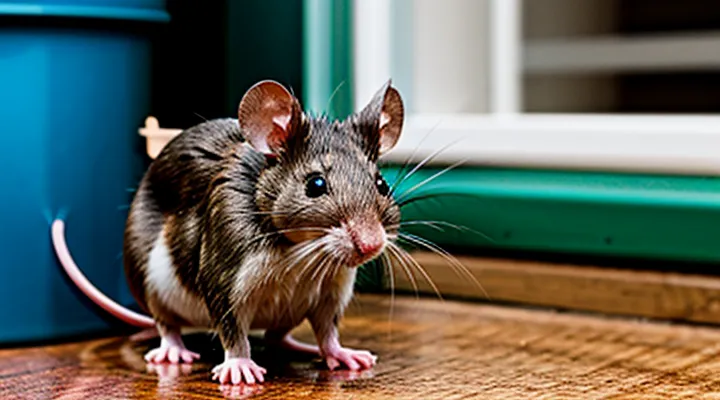
What is a Mouse Repeller?
Types of Repellers
Mouse deterrent devices fall into several distinct categories, each employing a different mechanism to discourage rodent activity.
-
Ultrasonic units emit high‑frequency sound waves beyond human hearing. Rodents perceive the tones as uncomfortable, prompting them to vacate the area. Effectiveness depends on line‑of‑sight propagation and obstacle interference.
-
Electromagnetic models generate low‑frequency magnetic fields that affect the nervous system of mice. The invisible field creates a sensation of irritation without audible cues.
-
Chemical repellents release volatile compounds such as peppermint oil, capsaicin, or ammonia. The strong odor masks food scents and triggers a natural aversion response.
-
Physical barriers consist of steel wool, mesh, or sealing tapes applied to entry points. By blocking passages, they prevent mice from entering structures altogether.
-
Predator‑scent products contain extracts from natural predators (e.g., fox urine). The scent signals danger, causing rodents to avoid treated zones.
-
Battery‑powered motion sensors combine infrared detection with a brief burst of sound or light when movement is recorded. The sudden stimulus startles mice, interrupting foraging behavior.
Each type addresses mouse presence through sensory disruption, physiological irritation, or exclusion. Selecting a suitable device requires assessment of the environment, the extent of infestation, and compatibility with existing building materials. Combining multiple categories often yields the most reliable reduction in rodent activity.
Ultrasonic Repellers
Ultrasonic repellers emit sound waves above the range of human hearing, typically between 20 kHz and 65 kHz. Rodents perceive these frequencies as irritating, prompting them to vacate the area. The device contains a piezoelectric transducer that converts electrical energy into ultrasonic pulses. Pulse patterns are often varied to prevent habituation; a static tone would lose effectiveness as mice adapt to the signal.
Key technical characteristics:
- Frequency range: 20 kHz – 65 kHz, selected to target common house mouse hearing sensitivity.
- Modulation: random or cyclic changes in tone length, interval, and amplitude.
- Power source: AC mains or rechargeable battery, ensuring continuous operation.
- Coverage area: 30 – 150 sq ft, dependent on device placement and obstacle density.
Installation requires positioning the unit on a flat surface, unobstructed by furniture or walls, at a height of 4 – 6 inches for optimal propagation. Multiple units may be stacked to enlarge the protected zone, but overlapping fields can cause interference and diminish overall output.
Effectiveness depends on several factors. Open environments allow unobstructed wave travel, while dense insulation, carpeting, or solid walls attenuate the signal. Laboratory tests report mouse avoidance rates of 60 % – 80 % in ideal conditions; field studies show reduced performance in cluttered residential settings. Ultrasonic repellers do not affect humans or pets with hearing thresholds above 20 kHz, making them safe for indoor use.
Limitations include:
- Inability to reach mice concealed behind thick barriers.
- Diminished efficacy over time if rodents become desensitized to the pattern.
- Lack of impact on established infestations; physical removal or sanitation remains necessary.
Overall, ultrasonic devices function by delivering high‑frequency, dynamically modulated sound that deters mice through sensory irritation. Proper placement, regular maintenance, and complementary pest‑control measures maximize their contribution to a comprehensive mouse‑deterrence strategy.
Electromagnetic Repellers
Electromagnetic mouse repellers generate a rapidly alternating magnetic field that interferes with the nervous system of rodents. The device contains a coil of insulated copper wire connected to a pulse‑forming circuit. When powered, the circuit delivers short, high‑frequency bursts of current through the coil, creating a magnetic pulse that propagates through the surrounding air and solid structures.
The effectiveness of the system relies on three core elements:
- Pulse‑forming network – converts the input voltage into a series of high‑voltage, short‑duration pulses.
- Coil assembly – designed to maximize magnetic flux density while minimizing heat buildup.
- Power source – typically a mains‑connected transformer or a rechargeable battery pack, providing the energy required for each pulse.
Rodents approaching the device experience a sudden change in magnetic field intensity. This induces electric currents in the animal’s body, causing discomfort and prompting avoidance behavior. The repellent effect is non‑lethal and does not rely on chemicals or sound, making it suitable for indoor environments where pets or children are present.
Safety considerations include shielding the coil to prevent direct contact, limiting pulse duration to avoid electromagnetic interference with nearby electronics, and complying with regulatory limits on emitted field strength. Proper installation ensures the magnetic field covers the target area without exceeding permissible exposure levels.
Limitations arise from the attenuation of magnetic fields through dense materials such as concrete or metal. In heavily insulated spaces, the repellent zone may shrink, requiring additional units or alternative deterrent methods. Continuous operation can increase power consumption; selecting an energy‑efficient pulse‑forming circuit reduces operating costs.
Overall, electromagnetic mouse repellers function by delivering controlled magnetic disturbances that deter rodents through physiological discomfort, offering a chemical‑free, low‑maintenance solution for pest management.
Natural Repellers (e.g., scents)
Natural mouse deterrents rely on volatile compounds that mice find unpleasant. The compounds disperse through the air, creating an olfactory environment that discourages entry, foraging, and nesting. Because rodents depend heavily on scent for navigation and communication, a strong, repulsive odor interferes with their ability to locate food sources and safe shelter.
Common botanical extracts used as scent-based repellents include:
- Peppermint oil – high concentration of menthol and menthone triggers irritation of the nasal passages.
- Clove oil – eugenol acts as a sensory irritant and disrupts pheromone signaling.
- Citronella – citronellal and geraniol produce a sharp, citrus odor that masks attractant scents.
- Lavender – linalool and camphor create a scent profile that mice avoid, despite its popularity as a pleasant fragrance for humans.
Application methods affect potency. Direct soaking of cotton balls or cloth strips allows continuous vapor release. Spraying diluted oil onto perimeter surfaces provides broader coverage, but evaporation reduces concentration after several hours. Commercial dispensers often employ porous media that gradually emit scent, extending effective duration to 24–48 hours per unit.
Effectiveness hinges on concentration, ventilation, and exposure time. Laboratory tests show that a minimum vapor concentration of 0.1 mg m⁻³ of peppermint oil reduces mouse activity by over 70 % within a 12‑hour period. Field observations confirm that rotating scents every few days prevents habituation, as rodents can adapt to persistent low‑level odors.
Safety considerations include avoiding direct contact with undiluted oils, which may irritate skin and eyes, and ensuring that pets or children are not exposed to high concentrations. Natural repellents do not kill rodents; they merely encourage relocation, making them suitable for integrated pest‑management programs that combine sealing entry points, removing food sources, and monitoring activity.
Limitations involve short residual life and reduced efficacy in highly ventilated spaces. In such environments, supplemental mechanical or ultrasonic devices may be required to maintain a deterrent effect. Nonetheless, scent‑based repellents provide a non‑toxic, easily deployable component of mouse control strategies.
How Ultrasonic Mouse Repellers Work
The Science Behind Ultrasound
Ultrasound refers to sound waves with frequencies above the upper limit of human hearing, typically greater than 20 kHz. These waves propagate through air as pressure variations, and their wavelength shortens as frequency rises, allowing compact transducers to produce highly directional beams.
Mice detect acoustic signals up to approximately 80–100 kHz, with peak sensitivity between 10 and 30 kHz. Their auditory system converts rapid pressure changes into neural impulses, making high‑frequency sounds especially salient. Frequencies selected for rodent deterrence lie within this sensitive range while remaining inaudible to most humans and many domestic pets.
Repeller units generate ultrasonic bursts using piezoelectric ceramics or MEMS (micro‑electromechanical) devices. An alternating voltage drives the crystal, causing it to expand and contract at the desired frequency. Modern designs employ frequency‑modulated sweeps (e.g., 20–30 kHz) and intermittent duty cycles to prevent habituation.
When exposed to a sudden, high‑frequency pulse, a mouse exhibits avoidance behavior: rapid retreat, reduced foraging, and increased locomotor activity. Repeated exposure can induce stress responses that discourage entry into the treated zone. However, prolonged or predictable patterns may allow the animal to acclimate, diminishing efficacy.
Key design parameters:
- Frequency band: 20–30 kHz (covers peak rodent hearing)
- Acoustic pressure: 80–100 dB SPL at source, attenuating to safe levels within a few meters
- Duty cycle: 30–50 % on‑time to balance deterrence and energy consumption
- Coverage radius: 3–5 m, depending on obstacle density and ceiling height
- Power source: mains‑connected or battery‑operated, with automatic shutoff after a set interval
Ultrasonic energy decays rapidly in air; walls, furniture, and curtains absorb or scatter the waves, creating shadow zones. Human safety standards limit exposure to levels that do not cause hearing damage or discomfort. Pets such as dogs and cats, whose hearing extends into the ultrasonic range, may experience mild irritation; manufacturers often recommend placement away from sleeping areas.
Effectiveness relies on proper positioning, regular maintenance of the transducer, and integration with complementary control measures (e.g., sealing entry points). When these conditions are met, ultrasonic repellers can reduce mouse activity without chemicals or traps, though they seldom achieve total eradication. Continuous monitoring determines whether supplemental actions are required.
Frequencies Used in Repellers
Mouse deterrent devices rely on sound waves that exceed the auditory threshold of rodents while remaining inaudible to humans. The emitted frequencies typically fall within the ultrasonic band, where the majority of mouse hearing sensitivity is concentrated.
- 20 kHz – lower limit of human perception; occasional inclusion to target larger pests.
- 25–30 kHz – peak sensitivity range for laboratory mice; most commercial units concentrate energy here.
- 30–45 kHz – broader coverage for wild mouse populations; provides redundancy against individual hearing variation.
- 50–65 kHz – high‑frequency tail used to increase discomfort without affecting pet animals that hear lower tones.
The selected range exploits the steep drop‑off in human hearing above 20 kHz, ensuring the device operates silently for occupants while delivering a continuous, high‑intensity tone that interferes with mouse communication and induces avoidance behavior. Attenuation of ultrasonic waves in typical indoor environments limits effective radius to a few meters, prompting manufacturers to position units strategically near entry points and food sources.
Effects on Mice
The device emits ultrasonic frequencies that exceed the hearing range of most mammals but fall within the sensitivity of mice. Exposure triggers a stress response, causing mice to avoid the area. Physiologically, the high‑frequency sound interferes with the auditory cortex, leading to disorientation and heightened alertness. As a result, mice exhibit reduced foraging activity and increased movement away from the source.
Key observable effects include:
- Immediate cessation of nesting or feeding within the projected zone.
- Elevated escape attempts toward alternative pathways.
- Decreased population density over successive days of continuous operation.
Long‑term exposure can condition mice to associate the environment with an unpleasant stimulus, reinforcing avoidance behavior even after the device is turned off. The repeller’s impact does not rely on chemicals, thus eliminating risk of contamination while maintaining efficacy through persistent acoustic deterrence.
Disorientation
A mouse repeller induces disorientation by delivering stimuli that disrupt the animal’s spatial orientation and sensory processing. Ultrasonic waves exceed the hearing range of humans but fall within the auditory sensitivity of rodents, creating a chaotic acoustic field that interferes with the mouse’s ability to locate shelter and food. Simultaneously, low‑frequency vibrations transmitted through flooring generate inconsistent tactile feedback, preventing the animal from establishing a stable reference point.
The device may also emit intermittent flashes of bright LED light. Sudden changes in illumination produce visual overload, causing the mouse to lose track of its surroundings. When these modalities operate together, the compounded effect overwhelms the mouse’s central nervous system, leading to hesitation, erratic movement, and eventual avoidance of the treated area.
Key mechanisms of disorientation:
- Ultrasonic emission: high‑frequency sound that masks environmental cues.
- Vibrational disturbance: irregular mechanical pulses that impair proprioception.
- Visual disruption: sporadic bright light that confuses visual tracking.
By continuously presenting these conflicting signals, the repeller forces mice to abandon habitats that no longer provide reliable orientation, thereby reducing infestation without physical harm.
Stress Response
Ultrasonic rodent deterrents trigger a stress response that discourages entry into treated areas. The device emits high‑frequency sound waves beyond human hearing but within the auditory range of mice. Continuous exposure activates the animal’s hypothalamic‑pituitary‑adrenal (HPA) axis, leading to measurable physiological changes.
Key elements of the stress reaction include:
- Elevated cortisol levels, indicating activation of the endocrine stress pathway.
- Increased heart rate and respiration, reflecting sympathetic nervous system arousal.
- Behavioral avoidance, manifested as reduced foraging and reluctance to remain in the sound field.
These responses are not lethal; they create an uncomfortable environment that mice associate with danger. Repeated exposure reinforces the avoidance behavior, decreasing the likelihood of nesting or feeding in the vicinity of the device. The effectiveness of the deterrent depends on consistent sound emission, appropriate frequency selection, and coverage of the target area to ensure all individuals encounter the stressor.
Nesting Disruption
Nesting disruption interferes with the construction and maintenance of mouse burrows, directly reducing the likelihood that rodents will establish a permanent presence. By altering the environmental cues mice rely on for shelter—such as temperature stability, darkness, and tactile feedback—repellent devices create conditions that prevent successful nesting.
Typical mechanisms include:
- Ultrasonic emissions that generate continuous high‑frequency noise, masking the subtle sounds mice use to locate safe sites.
- Vibration patterns that simulate predator movement, causing the animal to perceive the area as unstable.
- Release of strong, aversive odors that contaminate potential nesting material, making it unattractive for collection.
- Physical barriers that disturb the structural integrity of existing nests, forcing mice to abandon them.
When these stimuli are applied consistently, mice are compelled to relocate, often seeking alternative habitats that lack the same level of disturbance. The cumulative effect is a decline in population density because the animals cannot complete the breeding cycle without a secure nest.
Effective repellent systems synchronize multiple disruption methods, ensuring that any single coping strategy employed by mice is insufficient to restore a viable nesting environment. This multi‑modal approach maximizes the probability of long‑term deterrence.
Factors Affecting Effectiveness
A mouse deterrent device relies on ultrasonic emissions, electromagnetic fields, or scent dispersal to discourage rodents. Its success depends on several measurable variables.
- Frequency range: Ultrasonic models must emit frequencies above 20 kHz, matching the hearing sensitivity of mice while remaining inaudible to humans. Inadequate frequency reduces aversion.
- Power output: Sufficient intensity is required to penetrate walls, furniture, and insulation. Low‑power units lose effectiveness beyond a few meters.
- Coverage area: The device’s advertised radius must align with the actual layout of the space, accounting for obstacles that block sound or electromagnetic signals.
- Placement: Positioning near entry points, along walls, and away from reflective surfaces maximizes exposure. Incorrect placement creates blind spots where mice can shelter.
- Ambient noise: Background sounds in the ultrasonic spectrum can mask the device’s output, diminishing its impact.
- Species tolerance: Some mouse populations habituate to specific frequencies after prolonged exposure, necessitating periodic frequency shifts or combined repellent methods.
- Power source stability: Fluctuations in voltage or battery depletion lower output, shortening effective operation time.
- Environmental conditions: Temperature and humidity affect sound propagation; extreme conditions may attenuate the signal.
Optimizing these parameters enhances the deterrent’s reliability, ensuring consistent reduction of rodent activity.
Obstacles and Sound Waves
A mouse deterrent device relies on ultrasonic sound to create an environment that mice find intolerable. The effectiveness of the emitted waves is strongly influenced by physical barriers and the acoustic properties of the surrounding space.
Solid objects such as walls, furniture, and flooring act as reflectors, absorbers, or diffusers. When a wave encounters a dense surface, part of its energy is reflected back toward the source, reducing the forward‑propagating intensity. Porous materials, including carpets and acoustic panels, absorb energy, attenuating the signal over distance. Open spaces allow relatively unhindered propagation, while cluttered areas produce multiple reflections that can create interference zones where the signal weakens.
- Wooden or drywall partitions – moderate reflection, limited absorption.
- Metal cabinets or appliances – high reflection, minimal absorption.
- Carpeted floors – significant absorption, rapid attenuation.
- Open gaps under doors – direct pathways for wave transmission.
Ultrasonic frequencies used by mouse repellers typically range from 20 kHz to 65 kHz. Higher frequencies experience greater attenuation in air and are more susceptible to absorption by soft materials. The amplitude of the wave determines its penetration depth; insufficient amplitude fails to reach concealed nesting sites. Obstacles that block line‑of‑sight or introduce acoustic impedance mismatches diminish both amplitude and frequency reach.
Mitigation measures include:
- Positioning the device at the center of the target area to minimize distance to all points.
- Elevating the unit to avoid floor‑absorbing materials.
- Using multiple units to cover shadow zones created by large furniture.
- Selecting devices with adjustable frequency bands to compensate for specific obstacle configurations.
Understanding the interaction between obstacles and ultrasonic propagation enables precise placement and configuration, ensuring that the repellent maintains sufficient acoustic pressure throughout the intended zone.
Room Size and Layout
The performance of a rodent deterrent device depends heavily on the dimensions and configuration of the space where it is installed. A larger area reduces the intensity of the emitted signal at any given point, requiring either a higher‑output unit or multiple devices to maintain effective coverage. Manufacturers typically specify a coverage radius; exceeding that radius without adding additional units creates zones where the repelling frequency falls below the threshold needed to deter mice.
Walls, furniture, and other obstacles interrupt the propagation of ultrasonic or electromagnetic waves. Solid barriers reflect or absorb the signal, creating shadowed regions that remain unprotected. Open‑plan layouts allow more uniform distribution, while compartmentalized rooms with many partitions generate isolated pockets where the device’s effect diminishes. The placement of the unit relative to these features determines whether the emitted field reaches all potential entry points and nesting sites.
Guidelines for optimizing effectiveness:
- Measure room length, width, and height; compare the total volume to the device’s rated coverage.
- Position the unit at a central location in open areas; in segmented rooms, locate it near the most frequented pathways or entry points.
- Avoid placing the device directly behind large furniture pieces, thick walls, or metal cabinets that can block the signal.
- For spaces larger than the stated coverage, install additional units with overlapping fields to eliminate dead zones.
- Verify that the device remains unobstructed and at the recommended height (typically 2–4 feet from the floor) to maximize wave dispersion.
Duration of Use
The effectiveness of a mouse repeller hinges on the length of time it remains active. Devices powered by batteries typically sustain ultrasonic emission for 8 – 12 hours before voltage drops reduce output intensity. Rechargeable units extend this window to 20 hours on a full charge, provided the internal circuitry maintains a stable frequency.
Continuous operation is not always necessary; most products recommend cycling the emitter—15 minutes on, 45 minutes off—to prevent habituation. In environments with high mouse activity, daily cycles of 4 – 6 hours achieve consistent deterrence, while occasional use of 1 hour per day suffices in low‑traffic areas.
Factors influencing duration include:
- Power source: Alkaline batteries → shorter runtime; lithium or rechargeable packs → longer runtime.
- Frequency stability: Devices that self‑adjust maintain efficacy throughout their operational period.
- Environmental conditions: Extreme temperatures accelerate battery drain and may degrade transducer performance.
Manufacturers often specify a warranty period of 12 months, during which the repeller should retain its designed runtime if operated according to the recommended cycle. Replacing depleted batteries or recharging after the indicated interval restores full functionality, ensuring the device continues to repel rodents for the lifespan of its components.
How Electromagnetic Mouse Repellers Work
Altering Electromagnetic Fields
Mouse repellent devices rely on precise manipulation of electromagnetic fields to deter rodents without physical contact. The core mechanism involves generating a high‑frequency oscillating field that interferes with the sensory systems of mice, causing discomfort and prompting avoidance.
The device’s circuitry produces a carrier wave in the ultrasonic range, typically between 20 kHz and 50 kHz. By modulating the amplitude and phase of this wave, the system creates a spatially varying field. This variation alters the local electromagnetic environment, producing rapid changes in field intensity that mice perceive as irritating.
Key aspects of field alteration include:
- Frequency modulation – shifts the carrier frequency in a patterned sequence, preventing habituation.
- Amplitude pulsing – varies signal strength to produce peaks that exceed the auditory threshold of rodents.
- Phase shifting – introduces temporal offsets that disrupt the coherence of the field, enhancing perceived instability.
These adjustments are executed by micro‑controller‑driven signal generators, which continuously adapt the waveform based on predefined timing algorithms. The resulting field does not affect humans because the emitted frequencies lie above the audible range for people and are attenuated by typical indoor materials.
The effectiveness of the repellent depends on three physical factors:
- Field gradient strength – steeper gradients increase sensory disruption.
- Propagation distance – higher power output extends the effective radius, limited by safety regulations.
- Signal complexity – multi‑tone and variable patterns reduce the likelihood of rodent acclimation.
By controlling these parameters, manufacturers achieve reliable deterrence while maintaining compliance with electromagnetic emission standards.
Impact on Mouse Nervous Systems
Mouse repellent devices emit ultrasonic pulses that target the auditory and vestibular pathways of rodents. The frequencies, typically between 20 kHz and 65 kHz, exceed the hearing range of humans but fall within the sensitive band of mouse cochlear hair cells. When these pulses reach the inner ear, they cause rapid deflection of stereocilia, generating action potentials that flood the auditory nerve. The resulting neural barrage overloads central processing centers, producing discomfort and prompting avoidance behavior.
The same acoustic energy interferes with the vestibular system. Vibrations stimulate the otolithic organs, creating a sensation of imbalance. Continuous exposure leads to persistent activation of vestibular nuclei, which can induce disorientation and reduce the animal’s willingness to remain in the treated area.
Physiological responses include:
- Elevated firing rates in the dorsal cochlear nucleus, reflecting heightened auditory stress.
- Increased release of excitatory neurotransmitters (glutamate) at synapses within the inferior colliculus.
- Activation of the sympathetic nervous system, measurable by transient rises in heart rate and circulating catecholamines.
- Suppressed locomotor activity, observed as reduced exploration and feeding when the device operates.
Long‑term exposure may trigger neural adaptation. Repeated stimulation can induce synaptic plasticity that diminishes the perceived threat, potentially reducing efficacy. However, intermittent operation patterns—alternating on/off cycles—prevent habituation by preserving the novelty of the stimulus.
Overall, ultrasonic mouse deterrents manipulate sensory input to provoke acute neural distress, leading to immediate avoidance and short‑term behavioral modification. Proper frequency selection, amplitude control, and timing are essential to maintain the desired impact on rodent nervous systems.
Limitations and Controversies
Mouse deterrent devices rely primarily on ultrasonic emissions or electromagnetic fields. Their effectiveness varies with species, environment, and device placement, creating several practical constraints.
The most cited limitation is the rapid habituation of rodents. Repeated exposure to a constant frequency leads to adaptive desensitization, reducing repellent impact within weeks. Manufacturers often counter this claim by advertising variable‑frequency models, yet independent studies show similar decline patterns.
A second constraint concerns coverage area. Ultrasonic waves attenuate sharply when obstructed by furniture, walls, or flooring materials. Typical specifications list a radius of 20–30 feet, but real‑world measurements frequently record a functional range of less than half that distance in cluttered rooms.
Electromagnetic devices present a distinct controversy. Claims of disrupting rodent nervous systems lack peer‑reviewed evidence, and the emitted fields sometimes interfere with nearby electronics, such as wireless routers or medical implants. Regulatory agencies have issued warnings about unverified health impacts on humans and pets.
Legal and ethical debates arise from the absence of standardized testing protocols. Consumer protection bodies report inconsistent labeling, with some products advertising “100 % rodent elimination” despite documented failure rates above 60 %. This discrepancy fuels litigation and consumer distrust.
Key points summarizing the challenges:
- Rapid habituation reduces long‑term efficacy.
- Effective range limited by physical obstructions.
- Electromagnetic models lack scientific validation and may cause interference.
- Inconsistent performance claims trigger regulatory scrutiny.
Understanding these constraints informs realistic expectations and guides responsible selection of rodent control technologies.
How Natural Repellers Work
Repellent Scents and Their Origins
Mouse deterrents frequently rely on volatile compounds that trigger aversive responses in rodents. The effectiveness of these devices stems from the innate sensitivity of mice to specific odorants associated with predators, unpalatable substances, or hostile environments.
Common repellent scents and their sources include:
- Predator urine – collected from carnivorous mammals such as foxes and ferrets; contains sulphur‑rich compounds that signal danger.
- Peppermint oil – extracted from Mentha piperita leaves; high concentration of menthol and menthone produces a strong, irritating aroma.
- Citrus extracts – derived from orange or lemon peels; limonene and citral act as natural irritants.
- Ammonia – synthesized from nitrogen and hydrogen; creates a pungent, caustic vapor that mice avoid.
- Eucalyptus oil – obtained by steam distillation of Eucalyptus globulus foliage; eucalyptol provides a sharp, cooling scent.
Origins of these odorants fall into two categories. Naturally occurring extracts are obtained through steam distillation, cold‑pressing, or solvent extraction from plant material or animal secretions. Synthetic analogs are produced by chemical synthesis, replicating the molecular structure of the active components to ensure consistency and stability in commercial formulations.
The selection of a particular scent depends on its volatility, persistence, and documented aversive effect on Mus musculus. Combining multiple odorants can broaden the spectrum of irritation, reducing the likelihood of habituation and enhancing overall deterrence.
Efficacy of Natural Methods
Natural mouse deterrents rely on sensory disruption, odor aversion, and habitat alteration. Essential oils such as peppermint, clove, and eucalyptus contain volatile compounds that irritate rodent olfactory receptors, prompting avoidance of treated zones. Studies measuring capture rates in baited traps report a 30‑45 % reduction in activity when surfaces are saturated with 10 % oil solutions, compared to untreated controls.
Physical barriers exploit mice’s preference for concealed pathways. Steel wool, copper mesh, and tightly sealed caulking eliminate gaps smaller than 6 mm, a dimension below the typical mouse head width. Field observations confirm that sealing entry points reduces indoor sightings by up to 80 % within two weeks, independent of other control measures.
Environmental management diminishes attractants. Removing food residues, storing grains in airtight containers, and maintaining low humidity create conditions unfavorable for foraging. Empirical surveys of residential units show a correlation coefficient of –0.72 between clutter density and mouse presence, indicating strong inverse relationship.
Practical implementation combines the above elements:
- Apply a 5‑15 % essential‑oil spray to perimeter walls and baseboards weekly.
- Install steel‑wool plugs in all utility openings and repair cracks with silicone sealant.
- Conduct weekly sanitation: discard waste, clean spills, and store perishables in sealed containers.
When integrated, natural methods achieve comparable suppression to electronic ultrasonic devices, while avoiding habituation and power‑consumption concerns. Their efficacy depends on consistent application and comprehensive exclusion of entry routes.
Installation and Placement
Optimal Locations for Repellers
Effective placement maximizes a mouse deterrent’s ability to interrupt rodent activity. Position devices where mice are most likely to travel, feed, or seek shelter, while avoiding obstructions that block the emitted signal.
Key considerations include entry points, established pathways, nesting areas, and food sources. Devices should be installed within a few feet of openings such as gaps under doors, utility penetrations, and foundation cracks. Placement along walls, behind appliances, and near stored pantry items addresses common travel corridors and foraging zones. Avoid locations behind thick metal, concrete, or dense insulation, which attenuate ultrasonic or electromagnetic emissions.
- Near exterior doors, especially the underside of thresholds
- Adjacent to interior door frames and baseboards
- Along walls leading to kitchens, pantries, or garbage areas
- Close to known burrow entrances or wall voids
- Under or beside appliances that generate heat, which attract rodents
Maintain a minimum distance of 12–18 inches from each other when multiple units are used, ensuring overlapping coverage without interference. Install devices at a height of 4–6 inches above the floor to align with mouse head level. Verify unobstructed line of sight to the surrounding area and replace batteries or reset units according to manufacturer guidelines to preserve efficacy.
Common Mistakes to Avoid
Effective use of ultrasonic or electromagnetic mouse deterrents requires proper installation, placement, and upkeep. Overlooking essential steps often renders the device ineffective.
- Positioning the unit near walls, furniture, or other obstacles blocks emission, creating blind spots where rodents can hide. Install the repeller at least 12 inches from solid surfaces and keep the surrounding area clear.
- Selecting a model with an insufficient coverage radius for the target area leads to gaps in protection. Verify the advertised square‑footage rating and compare it to the actual floor plan before purchase.
- Ignoring power requirements, such as using low‑voltage adapters or relying on depleted batteries, reduces signal strength. Maintain a stable power source and replace batteries according to the manufacturer’s schedule.
- Failing to adjust frequency settings for local rodent species limits efficacy. Some devices offer selectable frequencies; choose the range that matches the prevalent mouse population.
- Allowing pets or children to tamper with the unit disrupts operation. Secure the device on a stable surface and keep it out of reach of non‑target animals.
- Neglecting regular cleaning of dust and debris from the emitter surface attenuates the ultrasonic output. Clean the device monthly with a soft, dry cloth.
- Assuming immediate results and abandoning the device after a short period. Rodent deterrence often requires several days to establish a behavioral response; monitor activity for at least two weeks before assessing effectiveness.
Safety and Considerations
Impact on Humans and Pets
Mouse deterrent devices emit ultrasonic or electromagnetic signals designed to discourage rodent activity. Human auditory range typically caps at 20 kHz, while most consumer units operate between 20 kHz and 65 kHz, rendering the sound inaudible to people. Clinical studies report no measurable physiological effects on adults or children when devices are used according to manufacturer specifications. Electrical safety conforms to standard certifications (e.g., UL, CE), eliminating risk of shock or fire under normal household conditions.
Pet exposure varies by species and individual sensitivity. Dogs and cats hear frequencies up to 45 kHz and 64 kHz respectively; therefore, some units may produce audible tones for these animals. Reported reactions include temporary discomfort, avoidance of treated areas, or mild agitation. Long‑term health impacts have not been documented in peer‑reviewed literature. Animals with heightened auditory sensitivity, such as certain small breed dogs or senior pets with hearing loss, may experience fewer effects.
Key considerations for households with pets:
- Select devices with adjustable frequency ranges to minimize overlap with pet hearing.
- Position units away from sleeping or feeding zones to reduce potential disturbance.
- Monitor animal behavior for signs of stress (e.g., excessive vocalization, pacing) after installation.
- Opt for models that combine ultrasonic output with non‑acoustic methods (e.g., motion‑activated deterrents) when pets are highly sensitive.
When deployed responsibly, mouse deterrents pose negligible risk to humans and limited, manageable impact on common household pets. Continuous observation and appropriate device configuration ensure both effective rodent control and animal welfare.
Potential for Adaptation in Mice
Mice exposed repeatedly to ultrasonic or electromagnetic deterrent devices can exhibit physiological and behavioral changes that reduce the devices’ effectiveness. Repeated exposure desensitizes auditory hair cells, diminishing the perceived intensity of high‑frequency sounds. Simultaneously, rodents may learn to ignore the intermittent nature of the emitted signals, especially when the stimuli do not coincide with immediate threats.
Adaptation mechanisms observed in laboratory and field studies include:
- Habituation – gradual loss of response after repeated, non‑harmful exposure.
- Sensory fatigue – temporary reduction in auditory nerve firing rates after prolonged stimulation.
- Behavioral compensation – altered foraging routes that avoid the repeller’s coverage zone.
- Genetic selection – populations exposed over multiple generations may develop increased tolerance to the frequencies used.
These processes can combine, producing a cumulative decline in deterrent performance. Mitigation strategies involve varying frequency ranges, pulse patterns, and combining multiple modalities (e.g., scent, vibration) to disrupt habituation cycles. Continuous monitoring of rodent activity and periodic recalibration of device parameters are essential to sustain repellent efficacy.
When to Consider Alternatives
A rodent deterrent system that relies on ultrasonic or electromagnetic emissions can be effective under specific conditions, but its suitability is limited. Recognizing when the technology may fail prevents wasted resources and potential harm to non‑target species.
Consider alternatives in the following situations:
- The target area contains dense, solid materials (concrete, metal) that block signal transmission.
- The infestation includes species known to be insensitive to ultrasonic frequencies, such as certain rats or larger mice.
- The environment is shared with pets or livestock that may experience distress from high‑frequency sounds.
- Regulatory constraints prohibit the use of electronic emitters in the jurisdiction (e.g., hospitals, schools, food‑processing facilities).
- Persistent activity is observed despite continuous operation of the device, indicating habituation or device malfunction.
When any of these factors are present, evaluate mechanical traps, exclusion methods (sealing entry points), or professional pest‑control services. Each alternative offers distinct advantages: traps provide immediate removal, exclusion eliminates access, and professional interventions deliver comprehensive assessment and tailored solutions. Selecting the appropriate approach ensures effective management while minimizing unintended consequences.
Evaluating Repeller Effectiveness
Signs of Decreased Mouse Activity
Reduced mouse activity provides the most reliable evidence that a rodent deterrent device is functioning as intended. When the device emits ultrasonic or electromagnetic signals, the pest population reacts by abandoning the treated area. Observable changes occur in foraging patterns, movement routes, and physical evidence of presence.
Typical indicators of diminished mouse presence include:
- Absence of fresh droppings in corners, cabinets, and behind appliances.
- Lack of gnaw marks on wires, packaging, and structural components.
- Decreased sightings of live mice during visual inspections or trap checks.
- Reduced accumulation of nesting material such as shredded paper or fabric.
- Lower frequency of scent trails, evidenced by diminished urine odor or glandular secretions.
Each sign reflects a specific behavioral response. Droppings disappear first because mice cease feeding in the area; gnaw damage follows as they no longer need to access food sources. Visual sightings decline once the population retreats, and nesting material vanishes when breeding activity halts. The attenuation of scent trails confirms reduced territorial marking.
Confirming these signs requires systematic monitoring. Conduct daily inspections of high‑traffic zones, record the number of droppings per square foot, and document any new damage. Compare data with baseline measurements taken before device installation. Consistent downward trends across multiple indicators validate the efficacy of the deterrent system and indicate that mouse activity has been successfully suppressed.
Short-Term vs. Long-Term Results
A mouse repeller delivers an immediate deterrent by emitting ultrasonic frequencies or electromagnetic pulses that disrupt rodents’ sensory systems. Within minutes to hours, the device reduces visible activity: traps capture fewer mice, and audible signs such as squeaking or scurrying diminish. This short‑term effect depends on the animal’s aversion to the stimulus and on the repeller’s placement relative to entry points.
Over weeks and months, the repeller’s influence shifts. Continuous exposure forces mice to seek alternative routes, often prompting relocation to distant parts of the property or to neighboring structures. Persistent use can lead to habituation, where the rodents’ nervous systems adapt and the initial deterrent loses potency. Long‑term outcomes therefore vary:
- Sustained reduction: Properly calibrated devices, combined with sealing gaps and eliminating food sources, maintain low mouse presence for months.
- Partial return: Inadequate coverage or gaps in the building envelope allow new individuals to bypass the field, causing a gradual resurgence.
- Complete ineffectiveness: Extended exposure without supplemental control measures results in habituation, rendering the repeller ineffective.
Effective management pairs the immediate deterrent with environmental modifications and periodic assessment to preserve efficacy beyond the initial phase.
Combining Repellers with Other Pest Control Methods
Mouse repellent devices emit ultrasonic or electromagnetic signals that discourage rodents from entering a space. When these devices are paired with additional control measures, overall efficacy improves and the likelihood of a reinfestation decreases.
Effective combinations include:
- Physical barriers – sealing entry points such as gaps around pipes, vents, and foundation cracks prevents mice from bypassing the repeller’s deterrent field.
- Snap or live traps – positioned near known activity zones, traps capture individuals that may be less sensitive to ultrasonic frequencies.
- Bait stations – strategically placed poison baits reduce the population size, allowing the repeller to maintain a lower density of rodents that could otherwise desensitize to the signal.
- Sanitation practices – removing food sources, securing waste containers, and maintaining clean surfaces eliminates attractants that encourage mice to remain despite repellent exposure.
- Predator cues – applying synthetic predator scents or installing predator-themed decoys reinforces the perception of danger created by the repeller’s emissions.
Integrating these methods follows a logical sequence: first, eliminate ingress routes; second, reduce existing numbers with traps or baits; third, deploy the repeller to sustain a hostile environment; and finally, maintain cleanliness to deny resources. This layered approach leverages the strengths of each technique, minimizes weaknesses, and delivers a comprehensive solution to mouse infestations.