
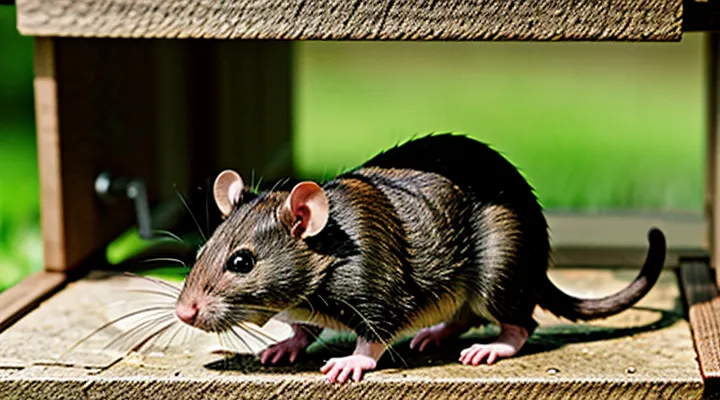
Introduction to Rat Control
Why Opt for Trap-Free Methods«Environmental and Ethical Considerations»
Trap‑free rat control eliminates the need for manufactured devices that often contain plastic, metal components, and synthetic bait. By relying on natural deterrents and structural modifications, the method reduces material consumption and prevents polluting waste that would otherwise enter landfills.
Environmental benefits include:
- Absence of disposable traps removes single‑use plastic from the ecosystem.
- No chemical poisons are introduced, protecting soil and water quality.
- Reduced risk of non‑target species ingesting toxic substances, preserving biodiversity.
Ethical advantages focus on humane treatment of rodents. Methods that discourage entry through sealing gaps, using scent barriers, or providing alternative shelter avoid inflicting pain or death. This approach aligns with animal‑welfare standards and eliminates the moral dilemma associated with lethal capture. Additionally, it prevents secondary poisoning of predators that might consume trapped rodents, safeguarding the broader food chain.
Choosing a trap‑free strategy therefore supports sustainable living practices while respecting the intrinsic value of all wildlife.
Understanding Rat Behavior«Key to Effective Trapping»
Understanding rat behavior «Key to Effective Trapping» provides the foundation for a DIY rat‑control strategy that does not rely on commercial traps. Rats are nocturnal, scent‑driven, and highly territorial; each trait creates a predictable pattern that can be exploited with simple household materials.
Key behavioral traits to consider:
- Nocturnal activity – peak foraging occurs after sunset; bait placement should align with this window.
- Scent marking – individuals deposit urine and glandular secretions along established routes; concentrate bait near these trails.
- Food preference – rats favor high‑protein, sweet, and oily foods; use small amounts of peanut butter, dried fruit, or cooked meat.
- Avoidance of open spaces – confined, dark environments reduce exposure risk; create a narrow tunnel or box with a single entry point.
- Hierarchical scouting – dominant rats explore new resources first; position bait where a scouting individual can access it without competition.
Applying these insights to a homemade trap:
- Select a container (e.g., a plastic bottle or cardboard tube) that can be sealed at one end.
- Cut an entry slit just large enough for a rat to pass but difficult to exit.
- Attach a scent‑laden bait at the far end, ensuring it remains visible only from inside the tunnel.
- Position the device along a known run line, preferably near a wall or corner where rats travel.
- Deploy the trap shortly before dusk and inspect after several hours; remove captured rodents promptly.
By aligning trap design with rat activity cycles, scent cues, and spatial preferences, a simple, trap‑free method achieves reliable capture rates without specialized equipment.
Materials and Preparation
Essential Household Items«Gathering Your Supplies»
Containers and Buckets«Selecting the Right Size»
Choosing an appropriate container or bucket determines the effectiveness of a homemade rat capture system. The device must accommodate a rat’s body length, allow sufficient space for movement, and prevent escape once the animal enters.
Key dimensions to evaluate:
- Length of the interior cavity should exceed the average body length of the target rodent (approximately 20 cm for adult rats) by at least 5 cm to avoid confinement that triggers avoidance behavior.
- Diameter or width must be large enough for the rat to turn around comfortably; a minimum of 15 cm is recommended.
- Height should permit the placement of bait at the far end while leaving a clearance of 5 cm above the bait to discourage immediate escape.
- Volume calculation (length × width × height) helps compare different containers; a total capacity of 1–2 liters generally satisfies the size requirements for single‑rat capture.
- Shape influences ease of entry: a cylindrical bucket with a smooth interior provides consistent walls, whereas a rectangular container may create corners that hinder movement.
Material selection also impacts performance. Transparent plastic allows visual monitoring without opening the device, while opaque metal reduces light penetration, encouraging nocturnal activity. Ensure the container’s walls are sturdy enough to resist chewing; a thickness of at least 2 mm prevents damage.
Finally, verify that the lid or covering mechanism aligns with the chosen size. The opening must be large enough for the rat to enter but small enough to prevent it from pushing the lid open from the inside. Adjust the aperture using a removable flap or a simple hinge, maintaining a clearance of 2–3 cm.
By adhering to these measurements, the selected container or bucket will create a reliable, trap‑free environment for capturing rats.
Bait Options«What Attracts Rats Most»
Effective bait selection determines the success of a trap‑free rat control strategy. Understanding the sensory preferences of rodents guides the choice of attractants that can be assembled from common household items.
Bait options that consistently draw rats include:
- Peanut butter – strong scent, high fat content, adheres to surfaces.
- Cooked meat scraps – warm odor, protein source, especially effective when slightly chilled.
- Fruit pieces (apple, banana) – sweet aroma, natural sugars, attractive to younger rats.
- Cheese – pungent dairy scent, preferred by some populations, best when soft.
- Birdseed mix – grain fragrance, familiar to outdoor‑foraging rats, works well in pantry settings.
- Chocolate – rich cocoa odor, high caloric value, appealing to both genders.
- Bacon grease – oily residue, intense smell, persists after cooking.
Supplementary attractants enhance primary baits. A few drops of vanilla extract or a pinch of cinnamon amplify scent trails, while a smear of petroleum jelly secures the bait and prolongs exposure.
Choosing a bait that matches the local environment increases capture probability. In residential kitchens, sweet or fatty foods dominate, whereas in barns, grain‑based mixes prove most effective. Aligning bait selection with the phrase «What Attracts Rats Most» ensures the homemade, trap‑free method remains efficient and low‑cost.
Setting Up Your Workspace«Safety and Cleanliness»
A well‑organized workspace reduces the risk of injury and prevents contamination when preparing a homemade rat control solution. Clear the area of food debris, clutter, and any items that could become hazards. Ensure adequate ventilation, especially if chemicals or strong odors are involved.
- «Wear disposable gloves» to protect skin from irritants and potential disease agents.
- «Use a disposable apron or old clothing» that can be discarded after the procedure.
- «Place a waterproof liner or plastic sheet» on the work surface to contain spills and facilitate cleanup.
- «Keep a fire‑extinguishing device nearby» if flammable substances are used.
- «Store all tools and ingredients in sealed containers» when not in immediate use.
After the setup, sanitize the surface with a mild bleach solution or an approved disinfectant. Dispose of waste materials in sealed bags and wash hands thoroughly before leaving the area. Maintaining these practices ensures that the preparation phase remains safe and hygienic, supporting the overall effectiveness of the rat‑control process.
Step-by-Step Trap-Free Methods
The «Bucket Drop» Method«Construction and Placement»
Preparing the Bait Station«Luring Techniques»
Preparing a bait station for a trap‑free rat control system involves creating an attractive, durable platform that encourages rodents to investigate and consume the lure. The station must be stable, weather‑resistant, and positioned where rat activity is highest.
The following steps outline the construction and placement of an effective bait station:
- Select a shallow, waterproof container (plastic tray, tin lid, or repurposed food container). Ensure the edges are low enough for rats to climb easily.
- Drill or cut a small opening (≈2 cm) on one side to allow scent to escape while restricting larger animals.
- Attach a non‑slip mat or grated surface inside the container to provide traction for rodents.
- Prepare the lure according to the «Luring Techniques» guidelines: combine peanut butter, dried fruit, and a few drops of vanilla extract; mix until a pliable paste forms.
- Spread a thin layer of the paste evenly across the interior surface, leaving a small margin near the opening to prevent spillage.
- Secure the lid with a simple latch or tape, ensuring the station remains closed during transport but can be opened for bait refreshment.
- Position the station along walls, behind appliances, or near known gnawing sites. Place it low to the ground (≤30 cm) to match rat foraging height.
- Monitor the station daily; replace the bait when it becomes dry or contaminated.
By following these precise actions, the bait station becomes a reliable component of a non‑trap rat management approach, maximizing attractant exposure while minimizing interference from non‑target species.
Ensuring Safety«For Pets and Children»
When implementing a DIY rat‑control technique that does not rely on a conventional trap, protecting non‑target animals and young family members is essential. The method must prevent accidental contact with hazardous ingredients and eliminate exposure to harmful devices.
- Secure all bait in sealed containers that children cannot open; use child‑proof lids and store away from play areas.
- Position the lure or deterrent at heights or locations inaccessible to pets, such as on sturdy shelves or behind furniture.
- Choose non‑toxic attractants, for example, food‑grade peanut butter mixed with a mild scent, to avoid poisoning if a pet accidentally ingests the material.
- Install physical barriers, like mesh screens or wire fencing, around the bait area to block paws and small hands.
- Supervise the environment continuously; remove the setup as soon as rodent activity ceases to reduce lingering risk.
Placement of the apparatus should occur in isolated sections of the home, away from feeding stations and sleeping quarters. All components must be inspected regularly for wear or breakage that could create sharp edges or loose parts. If a pet or child approaches the area, interrupt the process immediately and relocate the materials to a secure space.
By adhering to these precautions, the homemade approach remains effective while maintaining a safe environment «For Pets and Children».
The «Rolling Log» Method«Ingenious Engineering»
Material Assembly«DIY Components»
A successful trap‑free rodent control solution begins with a well‑planned collection of readily available items. The essential components include:
- A sturdy cardboard box, dimensions large enough to accommodate a mouse or rat.
- A length of thin, flexible wire or strong string for creating a tension‑release mechanism.
- A small piece of fabric or rubber sheet to serve as a slip surface.
- An absorbent material such as shredded paper or sawdust to provide a comfortable interior.
- A scent‑attractant, for example, a dab of peanut butter or a piece of fruit, placed on a piece of cloth.
- A lightweight lid or flap that can be secured with the wire, allowing one‑way entry.
Each element must be clean, dry, and free of sharp edges that could injure the animal. The cardboard box offers structural support while remaining disposable. The wire creates a simple hinge that releases when the rodent pushes against the entry point, causing the lid to close. The slip surface reduces friction, ensuring the animal moves quickly toward the bait. The absorbent interior encourages the rodent to linger, increasing the likelihood of activation. The attractant, positioned on the cloth, draws the rodent into the enclosure without the need for a conventional trap.
Assembly proceeds by first reinforcing the box corners with tape, then attaching the wire hinge to the lid. The slip surface and absorbent material line the interior, followed by placement of the baited cloth near the entry. Finally, test the mechanism by applying gentle pressure to the entry point; the lid should swing shut smoothly when released. This configuration provides a humane, cost‑effective method for capturing rodents without employing a traditional trap.
Strategic Positioning«Maximizing Success»
Strategic positioning«Maximizing Success» determines the effectiveness of a DIY rat control method that forgoes conventional traps. Selecting a location with high rodent traffic—near food sources, along walls, and at entry points—creates a natural funnel that guides the animal toward the baited barrier. The barrier, constructed from common household items such as a shallow tray, plastic sheet, and sticky surface, must be placed where the rat’s path is unavoidable.
Key considerations for placement include:
- Proximity to known gnawing sites, typically within 30‑50 cm of walls.
- Alignment with the rodent’s preferred travel direction, usually parallel to structural joints.
- Visibility of bait without exposing it to predators or household pets.
Adjustment of the setup follows observation of rodent activity. If sightings concentrate away from the initial site, reposition the barrier toward the new hotspot while maintaining the same structural constraints. Continuous monitoring and incremental relocation ensure that the strategic layout consistently drives the rat into the capture zone, thereby achieving the intended outcome.
Other Improvised Techniques«Brief Overview»
Improvised rat control methods rely on readily available materials and simple mechanics. The following techniques provide alternatives when conventional traps are unavailable.
-
A baited bucket with a slippery interior surface. A piece of food placed on a narrow plank leads the rodent onto the bucket’s edge; the plank tilts under weight, causing the animal to fall into the water‑filled container. The bucket should be positioned near known activity zones and secured to prevent displacement.
-
A rope‑sling snare constructed from a sturdy cord looped around a fixed anchor. The loop is tightened around a trigger stick that releases when the rat pulls on the bait. The sudden contraction immobilizes the rodent. Adjust tension to avoid excessive force that could cause injury.
-
A cardboard funnel leading to a concealed container. The funnel’s wide opening is baited, guiding the rat toward a narrow exit that drops into a covered box. The box remains sealed until removal, allowing safe disposal.
-
A wooden board with a hinged flap. The flap rests open under the weight of a baited platform; when the rat steps onto the platform, the board pivots, dropping the animal into a shallow pit. Ensure the pit is deep enough to prevent escape.
Each method emphasizes safety, ease of assembly, and minimal cost. Proper placement, regular monitoring, and humane handling are essential for effective implementation.
Post-Trapping Procedures
Safe Handling and Release«Ethical Considerations»
Remote Release Locations«Choosing the Right Spot»
Remote release locations are essential when employing a DIY rat removal technique that avoids conventional traps. Selecting a site far enough from the residence prevents immediate return, while proximity to natural corridors encourages the animal’s movement away from human habitation.
Key factors for «Choosing the Right Spot» include:
- Minimum distance of 200 meters from the building to limit re‑entry risk.
- Presence of dense vegetation, water sources, or burrow‑friendly terrain to facilitate shelter.
- Compliance with local wildlife regulations; verify that release is permitted in the chosen area.
- Absence of pets, children, or livestock that could encounter the released rat.
- Accessibility for safe transport of the captured animal without causing stress.
Implementation steps:
- Survey the surrounding area using a map or GPS to identify locations meeting the criteria.
- Obtain any required permissions from property owners or municipal authorities.
- Prepare a secure, ventilated container for transport; line it with a soft material to reduce injury.
- Approach the selected site during early evening, when rats are most active, and release the animal gently onto the ground.
- Observe from a safe distance to ensure the rat moves into cover, then withdraw promptly.
Adhering to these guidelines maximizes the effectiveness of the non‑trap method while minimizing ecological disruption and homeowner inconvenience.
Health Precautions«Avoiding Disease Transmission»
When removing rats without a conventional trap, direct contact with rodents or their droppings poses a high risk of disease transmission. Protective measures must be applied before, during, and after the capture process.
Gloves made of disposable nitrile or latex should be worn at all times. Masks that filter airborne particles reduce inhalation of pathogens. Protective clothing, such as long sleeves and aprons, prevents skin exposure. Hand washing with soap and water must occur immediately after removing gloves, and disinfectant solutions should be applied to any surfaces that have been touched.
The following precautions are essential:
- Wear disposable gloves, a face mask, and an apron throughout the operation.
- Place captured rodents in sealed, puncture‑resistant containers before disposal.
- Use a disinfectant (e.g., 10 % bleach solution) to clean tools and work areas after each use.
- Wash hands thoroughly for at least 20 seconds after handling any material.
- Keep children and pets away from the work zone until cleaning is complete.
- Store cleaning supplies out of reach of non‑authorized individuals.
Proper disposal of the sealed container should follow local regulations for hazardous waste. By adhering strictly to these steps, the likelihood of contracting leptospirosis, hantavirus, salmonellosis, or other rodent‑borne illnesses is minimized.
Cleaning and Disinfection«Post-Capture Hygiene»
After a rat is secured using a homemade, trap‑free capture technique, immediate sanitation prevents disease spread and deters future activity. The process consists of three essential phases: removal, cleaning, and disinfection.
- Wear disposable gloves and a mask before handling the animal. Place the captured rat in a sealed plastic bag, then seal and dispose of the bag in an outdoor trash container away from living spaces.
- Remove all bedding, food remnants, and debris from the capture zone. Use a disposable paper towel or a dedicated cloth to wipe visible residue. Discard the material in a sealed bag.
- Prepare a disinfectant solution of 1 part household bleach to 9 parts water. Saturate a clean sponge or spray bottle with the solution, then thoroughly coat surfaces that the rat contacted, including floors, walls, and any equipment. Allow the solution to remain on the surface for at least five minutes to ensure viral and bacterial inactivation. Rinse with clean water if the area is likely to be accessed by children or pets, then dry with a disposable towel.
The final step involves confirming that the treated area is completely dry before restoring normal use. Regular repetition of this «Post-Capture Hygiene» routine after each capture maintains a sanitary environment and reduces the risk of reinfestation.
Prevention and Long-Term Solutions
Identifying Entry Points«Sealing Your Home»
Identifying potential ingress points is the first decisive action in any DIY rat control strategy that avoids conventional traps. Systematic inspection begins at the ground level, proceeds upward along walls, and concludes with the roof and attic spaces. Look for gaps larger than ¼ inch, damaged vent covers, unscreened utility openings, and cracked foundation blocks. Pay special attention to areas surrounding pipes, cables, and chimney flues, as rodents exploit these concealed routes.
Sealing the structure eliminates the conditions that attract and sustain rodent populations. Apply the following measures:
- Insert steel wool into narrow openings, then cover with expanding polyurethane sealant to prevent gnawing.
- Install hardware cloth (mesh size ≤ ¼ inch) over larger gaps, securing with screws or nails.
- Replace cracked or missing weatherstripping around doors and windows with silicone‑based caulk.
- Fit metal flashing around vent pipes and exhaust ducts, ensuring a tight overlap.
- Repair foundation cracks using hydraulic cement, which expands to fill voids and creates a durable barrier.
Each sealed entry point reduces the likelihood of re‑infestation, reinforcing the overall effectiveness of a trap‑free rat mitigation plan. Regular re‑inspection after seasonal changes confirms the continued integrity of the barriers.
Food Storage and Sanitation«Eliminating Attractants»
Proper food storage and sanitation are fundamental to discouraging rat activity when employing a trap‑free approach. Contaminated residues, accessible crumbs, and improperly sealed containers provide reliable cues for rodents, undermining any non‑mechanical control effort.
Key actions for «Eliminating Attractants»:
- Store dry goods in airtight containers made of metal or heavy‑wall plastic; avoid cardboard boxes that can be chewed.
- Clean surfaces after each meal; sweep, mop, and wipe countertops to remove food particles.
- Dispose of waste in sealed bins; empty bins regularly and keep lids tightly closed.
- Keep pet food in sealed containers and remove leftovers promptly.
- Inspect and repair cracks or gaps in walls, floors, and cabinetry that allow entry; seal with steel wool or caulk.
- Maintain a dry environment; fix leaks, use dehumidifiers, and ensure proper ventilation to reduce moisture that attracts rodents.
By implementing these measures, food sources become inaccessible, and the environment loses the scent trails that guide rats. Consequently, the likelihood of rodent sightings diminishes, supporting the effectiveness of a homemade, trap‑free control strategy.
Regular Inspection and Maintenance«Ongoing Vigilance»
Regular inspection and maintenance constitute the backbone of any effective DIY rat control strategy that relies on exclusion rather than traps. The process demands systematic observation of potential entry points, food sources, and signs of activity, ensuring that preventive measures remain functional over time.
Inspection should occur at least once a week during peak rodent seasons and monthly when activity declines. Each session includes three core actions: visual scan of building exterior, interior examination of storage areas, and verification of sealing materials. Documentation of findings in a simple log enables trend analysis and timely intervention.
- Identify cracks, gaps, or holes larger than ¼ inch; seal with steel wool, caulk, or cement.
- Remove food residues from countertops, floors, and waste containers; store supplies in airtight containers.
- Check drainage and gutter systems for standing water; eliminate moisture accumulation.
- Inspect and repair damaged screens, door sweeps, and vent covers.
- Replace worn or damaged sealing materials promptly.
Sustained attention embodied by the principle «Ongoing Vigilance» prevents re‑infestation and reduces reliance on lethal methods. Consistent application of the outlined routine maintains a hostile environment for rodents, preserving structural integrity and health standards.