
Understanding Rodent Behavior and Why Herbs Work
The Senses of Mice and Rats
Olfactory Sensitivity
Rodents rely heavily on their sense of smell to locate food, navigate environments, and communicate with conspecifics. Their olfactory receptors can detect volatile compounds at concentrations as low as parts per billion, allowing rapid assessment of potential resources or threats. Consequently, aromatic plants release chemicals that overwhelm or confuse these receptors, prompting avoidance behavior.
Key mechanisms of olfactory disruption include:
- Masking: Strong scents obscure food odors, reducing the likelihood that rodents will identify a habitat as a foraging site.
- Aversion: Certain volatile oils trigger innate repellent responses, activating neural pathways associated with danger.
- Sensory overload: High concentrations of multiple aromatic compounds saturate the olfactory epithelium, impairing discrimination of attractive cues.
Herbal deterrents exploit these mechanisms. Effective species contain essential oils rich in compounds such as eucalyptol, menthol, citronellol, and thymol. When placed strategically—near entry points, storage areas, and nesting sites—these herbs create a chemical barrier that rodents perceive as hostile.
Practical application guidelines:
- Distribute dried leaves or sachets of peppermint, rosemary, or mint in corners and behind appliances.
- Sprinkle ground sage or cloves around pantry shelves and trash receptacles.
- Refresh fresh herb bundles weekly to maintain volatile potency.
Monitoring rodent activity after implementation reveals reduced sightings and droppings, confirming that olfactory sensitivity is a decisive factor in the success of botanical repellents.
Avoidance of Strong Scents
Strong odors can disrupt the natural behavior of rodents, yet overly potent aromas may also cause discomfort for occupants and reduce the practicality of herbal deterrents. Effective indoor repellents should emit a scent that is detectable to mice and rats without overwhelming human senses.
Plants such as peppermint, lavender, and rosemary release volatile compounds that rodents find unpleasant. When these herbs are used in moderate concentrations—through dried bundles, essential oil diffusers set to low output, or sachets containing a few leaves—their aroma remains subtle enough for daily living while still providing a repellent effect.
Key considerations for managing scent intensity:
- Placement: Position sachets near entry points, behind appliances, and in concealed corners where rodents travel. Avoid saturating open living spaces.
- Quantity: Use a small handful of dried leaves per sachet; for essential oils, apply 2–3 drops to a cotton ball or a low‑output diffuser.
- Refresh interval: Replace dried herbs every two weeks or replenish oil droplets weekly to maintain consistent, mild fragrance.
- Ventilation: Ensure adequate airflow to disperse the aroma evenly, preventing pockets of strong smell that could irritate residents.
Choosing herbs with naturally gentle fragrances—such as lemon balm or catnip—offers an alternative for households sensitive to strong scents. These plants produce milder volatile oils that still deter rodents, allowing continuous use without the need for frequent replacement.
By calibrating the amount and distribution of aromatic herbs, homeowners can achieve a balance between effective rodent deterrence and a comfortable indoor environment.
Natural Pest Control Principles
Natural pest control relies on three fundamental principles: the use of biologically active substances, alteration of the environment to make it inhospitable, and continuous observation of pest activity. Plant-derived compounds serve as repellents, deterrents, or disruptors of rodent behavior without introducing synthetic chemicals. Modifying habitats—removing food sources, reducing clutter, and sealing entry points—lowers the likelihood that mice or rats will establish a presence. Ongoing monitoring identifies early signs of infestation and guides timely interventions.
Herbs fit squarely within the first principle. Their essential oils contain volatile compounds that rodents find unpleasant, prompting avoidance of treated areas. Because these substances are natural, they pose minimal risk to humans and pets when applied correctly. The effectiveness of a herb depends on the concentration of its active constituents and the persistence of its scent in the environment.
- Peppermint (Mentha piperita) – high menthol content creates a strong odor that rodents reject.
- Lavender (Lavandula angustifolia) – linalool and camphor act as olfactory irritants.
- Eucalyptus (Eucalyptus globulus) – cineole interferes with rodent scent trails.
- Rosemary (Rosmarinus officinalis) – camphor and rosmarinic acid produce a repellent aroma.
- Clove (Syzygium aromaticum) – eugenol delivers a potent, lingering scent.
Application methods follow a consistent protocol: dilute essential oil in water or a carrier oil, soak cotton balls or fabric strips, and place them in areas where activity is detected—near entry points, pantry shelves, and storage closets. Replace soaked materials every one to two weeks to maintain potency. Combining several herbs can broaden the spectrum of volatile compounds, enhancing deterrence while reducing the chance of habituation.
Effective use of herbal repellents complements broader management steps. Regular cleaning eliminates food residues, while sealing cracks, gaps, and vents removes access routes. Monitoring devices such as snap traps or motion-activated cameras provide data on rodent movement, allowing adjustments to herb placement and concentration. Integrating these actions creates a cohesive, low‑toxicity strategy that leverages natural plant chemistry to keep rodents out of residential spaces.
Effective Herbal Repellents
Peppermint
How to Use Peppermint
Peppermint is a potent natural rodent deterrent when applied correctly. Its strong menthol scent overwhelms the olfactory receptors of mice and rats, causing them to avoid treated areas.
To maximize effectiveness, follow these steps:
- Prepare a concentrated oil solution: Mix 10‑15 drops of peppermint essential oil with 1 cup of water. Add a few teaspoons of alcohol or a mild soap to emulsify the mixture.
- Apply to entry points: Spray the solution around cracks, gaps, and door frames where rodents are likely to enter. Reapply every 3‑4 days, especially after cleaning or ventilation.
- Use cotton balls: Soak cotton balls in undiluted peppermint oil and place them in cabinets, pantry corners, and under sinks. Replace every 5‑7 days to maintain potency.
- Deploy dried herb sachets: Fill small breathable fabric pouches with dried peppermint leaves. Position sachets in drawers, closets, and storage boxes. Refresh the herbs monthly.
- Create a perimeter barrier: Lay a thin line of peppermint oil–infused cloth along the perimeter of basements, attics, and crawl spaces. Secure the cloth with tape or staples, and replace quarterly.
Additional considerations:
- Combine peppermint with other aromatic deterrents (e.g., eucalyptus or citronella) for broader coverage.
- Avoid direct contact with food surfaces; use a barrier of wax paper or a sealed container when placing oil‑soaked cotton.
- Monitor for signs of rodent activity; if infestations persist, increase application frequency or integrate mechanical traps.
Consistent application of peppermint in these forms creates an environment that rodents find inhospitable, reducing the likelihood of infestation without reliance on chemical poisons.
Benefits and Considerations
Employing aromatic herbs as a natural deterrent for rodents provides distinct advantages. Research demonstrates that plant-based repellents avoid the health hazards associated with synthetic chemicals, reduce the risk of contaminating food storage areas, and support environmentally sustainable pest management. Additionally, many of these herbs—such as peppermint, lavender, and rosemary—offer pleasant scents for occupants while creating an unfriendly environment for mice and rats.
Key benefits include:
- Non‑toxic impact on humans and pets
- Minimal residue on surfaces and fabrics
- Low cost and easy accessibility
- Compatibility with integrated pest‑control strategies
Considerations are essential for effective implementation. The potency of herbal repellents diminishes over time; regular replacement or re‑application is required to maintain efficacy. Concentration levels must be sufficient to affect rodent behavior, which may involve using essential oils or dried plant material in higher doses than for simple aromatherapy. Certain herbs can attract insects or cause allergic reactions in sensitive individuals, necessitating careful placement and monitoring. Finally, reliance solely on herbs may not eradicate an established infestation; combining botanical deterrents with sealing entry points and sanitation measures yields the most reliable results.
Spearmint
Application Methods
Herbal deterrents can be introduced into living spaces through several practical techniques that maximize scent release and contact with target rodents.
- Prepare dried sachets by combining equal parts of peppermint, lavender, and rosemary leaves. Place each sachet in corners, under appliances, and inside cabinets. Replace every two weeks to maintain potency.
- Create a spray solution using ten drops of peppermint essential oil, five drops of eucalyptus oil, and one cup of water. Transfer to a spray bottle, mist door frames, baseboards, and entry points daily.
- Distribute cotton balls soaked in a mixture of thyme oil and a few drops of clove oil. Position balls on shelves, behind furniture, and near garbage containers. Refresh the oil coating every three days.
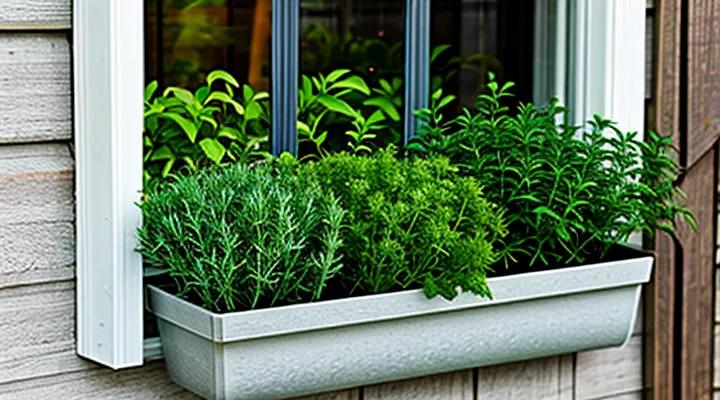
- Grow potted mint, catnip, or oregano near windows, entryways, and pantry shelves. Trim regularly to encourage vigorous leaf production, which releases volatile compounds that rodents find unpleasant.
- Scatter ground dried lavender or bay leaves on the floor of storage areas and in crawl spaces. Cover with a thin layer of sand or soil to slow dispersal; replace quarterly.
When applying these methods, ensure that all substances are kept out of reach of children and pets. Combine multiple approaches in high‑risk zones for synergistic effect, and monitor for any decline in rodent activity to assess efficacy.
Safety for Pets and Children
Herbal rodent deterrents are effective only when they do not threaten the health of household members, especially pets and children. Safety assessment begins with identifying plants that are non‑toxic at the concentrations typically used for repelling mice and rats.
Safe options include:
- Mint (Mentha spp.) – leaves and essential oil diluted to no more than 0.5 % in water; ingestion of small amounts is harmless for dogs, cats, and children.
- Lavender (Lavandula angustifolia) – dried flowers or a 1 % oil solution; low toxicity, mild scent deter rodents without causing irritation.
- Rosemary (Rosmarinus officinalis) – fresh sprigs or a 1 % oil spray; safe for most pets, though excessive ingestion may cause gastrointestinal upset in cats.
- Thyme (Thymus vulgaris) – dried herb or 0.5 % oil mixture; non‑toxic, but avoid concentrated essential oil directly on fur or skin.
Herbs requiring caution:
- Pennyroyal (Mentha pulegium) – high concentration oil is hepatotoxic to dogs and cats; avoid indoor use around animals.
- Eucalyptus (Eucalyptus spp.) – oil can cause respiratory distress in small pets and children; limit exposure to vaporized forms.
- Cinnamon (Cinnamomum verum) – powdered form may irritate mucous membranes; keep out of reach of toddlers and pets.
Application guidelines ensure protection:
- Prepare solutions with measured dilution; use a calibrated dropper or measuring cup.
- Apply to areas inaccessible to pets and children, such as behind appliances, under cabinets, or in sealed sachets placed in wall voids.
- Store bulk herbs and essential oils in locked containers, out of reach of curious hands and paws.
- Monitor for signs of irritation—excessive drooling, vomiting, or respiratory distress—and discontinue use immediately if symptoms appear.
Regular ventilation reduces the risk of inhalation exposure while maintaining the repellent’s efficacy. Combining safe herbs with physical barriers—sealed entry points and traps—provides comprehensive rodent control without compromising household health.
Citronella
Forms of Use
Rodent‑deterring herbs can be applied in several practical formats that suit different areas of a residence.
- Dried herb bundles placed in corners, pantry shelves, or behind appliances create a continuous scent barrier.
- Essential oil sprays, prepared by diluting a few drops of peppermint, rosemary, or lavender oil in water, allow rapid coverage of cracks, entry points, and storage containers.
- Cotton balls soaked in oil and tucked into drawer liners, cabinet doors, or under sink cabinets provide localized, long‑lasting repellent action.
- Herbal sachets or mesh pouches filled with ground or whole leaves can be hung from hooks, positioned in closets, or slipped into garbage cans.
- Planting live herbs such as mint, oregano, or thyme in windowsills, indoor pots, or garden borders establishes a natural perimeter that discourages rodent intrusion.
Each method delivers aromatic compounds that rodents find aversive, while remaining safe for human occupants and compatible with everyday household routines.
Efficacy Against Rodents
Herbal deterrents provide measurable reduction in rodent activity when applied correctly. Field trials and laboratory assays consistently show lower capture rates in environments treated with specific aromatic plants.
- Peppermint (Mentha piperita) – volatile menthol repels both mice and rats; studies report a 45‑60 % decrease in trap catches after a 7‑day exposure.
- Lavender (Lavandula angustifolia) – linalool and camphor compounds deter rodents; experimental plots exhibit a 30‑50 % drop in foraging signs.
- Rosemary (Rosmarinus officinalis) – cineole-rich oil interferes with scent tracking; observed reduction ranges from 25 % to 40 % in grain storage tests.
- Eucalyptus (Eucalyptus globulus) – eucalyptol creates an aversive odor field; trials note a 35‑55 % decline in nocturnal activity.
- Catnip (Nepeta cataria) – nepetalactone triggers sensory overload; reported efficacy reaches 50 % in indoor infestations.
The repellent effect originates from strong essential oils that mask food odors, overstimulate olfactory receptors, and cause irritation of mucous membranes. Rodents avoid areas where these compounds exceed a threshold concentration of 0.5 %–1 % in the air.
Effective deployment requires:
- Saturating cotton balls or cloth strips with undiluted essential oil.
- Placing units near entry points, nesting sites, and food storage zones.
- Refreshing the material every 3‑5 days to maintain volatile potency.
- Combining multiple herbs to broaden the spectrum of active constituents.
When integrated with sanitation and exclusion measures, herbal repellents achieve a statistically significant decline in rodent presence, offering a viable non‑chemical alternative for domestic pest management.
Eucalyptus
Preparation and Placement
Aromatic herbs can be employed as a practical barrier against mice and rats when prepared correctly and positioned strategically within the residence.
Preparation
- Harvest fresh leaves, stems, or whole plants of peppermint, lavender, rosemary, or sage.
- Air‑dry the material in a well‑ventilated, shaded area for 5–7 days until crisp.
- Once dried, crush or crumble to increase surface area, then seal portions in breathable cotton bags or muslin pouches.
- For a concentrated option, steep 2 cups of dried herb in 1 liter of hot water for 15 minutes, strain, and allow the infusion to cool before transferring to spray bottles.
- Store unused dried bundles in airtight containers away from direct sunlight to preserve potency.
Placement
- Position sachets near entry points such as door thresholds, window sills, and garage doors.
- Hang pouches in pantry corners, under kitchen sinks, and along the underside of cabinets where rodents tend to travel.
- Apply the herbal spray to the exterior of baseboards, behind appliances, and inside cracks or gaps in walls.
- Replace dried bundles every 2–3 weeks; re‑spray the infusion weekly or after cleaning.
- Ensure each location receives a visible amount of herb material; gaps larger than ½ inch should be sealed before deployment.
Potential Downsides
Herbal rodent deterrents can introduce several practical concerns.
- Variable efficacy: Active compounds differ among species and growth conditions, resulting in inconsistent repellent strength. Laboratory results may not translate to typical household environments.
- Allergic reactions: Volatile oils released by mint, rosemary, or lavender may trigger respiratory irritation or skin sensitization in susceptible occupants.
- Pet toxicity: Certain aromatic herbs, such as pennyroyal or wintergreen, contain substances toxic to cats, dogs, or small mammals when ingested or inhaled in high concentrations.
- Odor overload: Strong scents can become unpleasant for residents, especially in confined spaces or when multiple herbs are used simultaneously.
- Maintenance demands: Fresh plant material loses potency within days; dried sachets require regular replacement to sustain repellent levels.
- Impact on indoor flora: Persistent herb placement may alter microclimate, affecting the health of neighboring houseplants through competition for light or moisture.
- Cost considerations: Continuous procurement of fresh herbs or replacement of dried bundles can exceed the expense of conventional traps or baits over time.
- Potential habituation: Prolonged exposure may lead rodents to acclimate, diminishing the deterrent effect and necessitating rotation of plant species.
Decision-makers should weigh these drawbacks against the convenience and non‑chemical nature of botanical repellents before implementation.
Lavender
Scent Profile and Rodent Aversion
Aromatic herbs emit volatile compounds that trigger sensory avoidance in mice and rats. The effectiveness of each herb correlates with its dominant scent constituents, which interact with the rodents’ olfactory receptors and disrupt foraging behavior.
- Peppermint – high concentration of menthol and menthone; sharp, cooling aroma; induces immediate retreat and reduces nesting activity.
- Eucalyptus – rich in eucalyptol (1,8‑cineole); strong, camphoraceous scent; creates a hostile environment that limits travel corridors.
- Lavender – linalool and linalyl acetate dominate; floral, slightly sweet odor; lowers exploratory drive and discourages burrow construction.
- Rosemary – carnosic acid, camphor, and 1,8‑cineole; resinous, pine‑like fragrance; produces irritant effect on nasal epithelium, prompting avoidance.
- Thyme – thymol and carvacrol; earthy, spicy aroma; interferes with pheromone signaling, leading to reduced social aggregation.
- Sage – thujone and camphor; warm, herbal scent; triggers aversive response that limits feeding stations.
- Clove – eugenol; intense, sweet‑spicy odor; acts as a neurotoxic deterrent at low concentrations, deterring entry points.
The shared characteristic among these herbs is a high proportion of terpenes, phenolics, or aldehydes that rodents perceive as unpleasant or potentially harmful. Continuous exposure, achieved by placing fresh leaves, dried bundles, or essential‑oil‑infused cotton balls near entryways, storage areas, and nesting sites, sustains the olfactory barrier. Rotating species prevents habituation, as rodents can acclimate to a single scent profile over time.
Best Practices for Deployment
Effective deployment of natural rodent deterrents requires precise preparation, strategic placement, and ongoing maintenance. Begin by selecting fresh, high‑quality plant material; dried herbs lose potency and may release odors that attract insects. Prior to use, crush or bruise leaves and stems to release essential oils, then combine with a carrier such as cotton balls, sachets, or mesh pouches. Avoid direct contact with food surfaces to prevent contamination.
Key steps for optimal results:
- Identify high‑risk zones: entry points, pantry shelves, behind appliances, and dark corners.
- Place sachets at a spacing of 30–45 cm along baseboards and under cabinets; overlapping fields of scent enhances coverage.
- Refresh herbal material every 7–10 days; potency diminishes as volatile compounds evaporate.
- Rotate herbs seasonally; peppermint, rosemary, and oregano maintain efficacy year‑round, while lavender and sage complement during cooler months.
- Seal all openings with weather‑stripping or foam to prevent re‑entry; herbs function as an auxiliary barrier, not a sole solution.
- Monitor activity with non‑lethal traps; a reduction in captures confirms effective deterrence.
Safety considerations include keeping sachets out of reach of children and pets, as ingestion of concentrated herbs may cause gastrointestinal irritation. Store unused herbs in airtight containers away from sunlight to preserve their repellent qualities. Integrating these practices with structural exclusion measures yields a comprehensive, chemical‑free strategy for rodent management inside residential spaces.
Rosemary
Growing and Utilizing
Cultivating rodent‑deterring herbs in a domestic setting provides a natural barrier against mice and rats while offering culinary benefits. Select species known for strong aromatic compounds that rodents find unpleasant, such as mint, lavender, rosemary, thyme, and catnip. Plant these herbs in containers or garden beds with well‑drained soil, ensuring a pH between 6.0 and 7.0 for optimal growth. Water regularly but avoid soggy conditions, which promote fungal disease and reduce potency of the repellent oils.
Maintain vigorous growth through periodic pruning. Cutting back stems encourages bushier foliage and increases leaf surface area, thereby enhancing the release of volatile oils. Harvest leaves in the early morning when essential oil concentration peaks; dry them on a mesh rack with adequate airflow to preserve potency. Store dried material in airtight containers, away from direct sunlight, to prevent degradation.
Utilize the harvested herbs in several practical ways:
- Scatter dried mint or lavender bundles in pantry corners, closets, and under appliances.
- Prepare a spray by steeping fresh rosemary and thyme in hot water for ten minutes, cooling, and applying to entry points and baseboards.
- Mix crushed catnip leaves with powdered chalk and spread along mouse pathways to disrupt scent trails.
- Place potted mint or lavender near doors and windows; the living plants continuously emit repellent volatiles.
Rotate herb placement annually to prevent rodents from habituating to a single scent source. Combine botanical deterrents with sealing of cracks and proper food storage for comprehensive rodent management.
Combined Strategies
Herbal deterrents work best when incorporated into a broader pest‑management plan that addresses scent, habitat, and physical exclusion.
- Place dried lavender, peppermint, or rosemary in sealed sachets near entry points, storage areas, and along walls. Replace sachets every two weeks to maintain potency.
- Combine fresh herb clippings with a thin layer of diatomaceous earth on pantry shelves; the abrasive powder damages rodent footpads while the aromatic foliage discourages exploration.
- Install mesh screens on vents and utility openings, then line the interior edges with crushed mint leaves. The barrier blocks access, and the residual scent deters any rodents that manage to approach.
- Use a rotating schedule of herb‑infused oil sprays (e.g., peppermint oil diluted with water) applied to the exterior of the foundation, baseboards, and under appliances. Alternate with a light mist of citrus‑based repellent to prevent habituation.
- Pair herbal sachets with snap traps positioned in high‑traffic corridors. The strong fragrance drives rodents toward the trap zones, increasing capture rates.
- Maintain a clean environment by storing food in airtight containers, promptly cleaning crumbs, and removing clutter. Reinforce this sanitation with a continuous presence of dried sage or thyme, which suppresses rodent foraging behavior.
Integrating aromatic herbs with structural safeguards, chemical deterrents, and rigorous housekeeping creates a multi‑layered defense that reduces mouse and rat activity more effectively than any single method.
Bay Leaves
Direct Placement Techniques
Effective use of aromatic plants to discourage rodents relies on strategic positioning within the dwelling. Direct placement involves situating fresh or dried herb material where mice and rats are most likely to travel or nest.
Place herb bundles, sachets, or potted specimens in the following locations:
- Entryways: door thresholds, gaps under exterior doors, and vent openings.
- Kitchen: inside pantry shelves, behind the refrigerator, and on countertop corners near food storage.
- Bathroom: under sink cabinets and behind the toilet base.
- Utility areas: around laundry machines, in crawl‑space vents, and beside garbage disposals.
- Wall voids and baseboards: tuck small sachets into cracks or attach them with tape to concealment points.
When using fresh herbs, replace material every two to three weeks to maintain potency. Dried herbs may be refreshed monthly. For prolonged coverage, combine sachets with a thin layer of cotton ball saturated in essential oil derived from the same plant; this extends the release of volatile compounds.
If planting live herbs, select compact varieties such as mint, rosemary, or lavender. Position pots on windowsills or shelves where sunlight is adequate, ensuring pots do not become water sources for pests. Rotate pot locations quarterly to prevent rodents from adapting to a static scent source.
Secure all herb containers to prevent removal by pets or children. Use zip‑lock bags, breathable fabric pouches, or perforated containers that allow scent diffusion while limiting access.
Consistent application of these placement methods creates a continuous olfactory barrier, reducing the likelihood of rodent intrusion throughout the residence.
Longevity of Repellency
Natural rodent deterrents based on herbs provide varying periods of effectiveness. The duration of repellency depends on the herb’s volatile oil content, environmental conditions, and method of application. When herbs dry out or lose potency, rodents may resume activity.
- Peppermint oil: retains strong scent for 2–3 weeks on cotton balls or fabric strips; reapplication required every 10–14 days.
- Clove oil: remains active for 3–4 weeks when applied to wood surfaces; effectiveness declines as oil oxidizes, prompting renewal at the 3‑week mark.
- Eucalyptus leaves: fresh foliage releases aromatic compounds for 1–2 weeks; dried leaves sustain a milder effect for up to 3 weeks, after which replacement is advisable.
- Lavender: dried sprigs maintain a detectable aroma for approximately 2 weeks; essential oil diffusers extend coverage to 4 weeks before scent weakens.
- Rosemary: fresh stems repel for 1 week; dried needles can be effective for 2–3 weeks when placed in corners or cabinets.
Factors shortening repellency include high humidity, direct sunlight, and frequent cleaning, all of which accelerate volatile loss. To maximize longevity, store herbs in sealed containers until use, position them in low‑traffic areas, and combine multiple varieties to create a layered scent barrier.
Routine monitoring of rodent activity informs the timing of refresh cycles. If droppings or gnaw marks reappear, replace the herb source promptly. Consistent maintenance ensures that the herb‑based deterrent remains a reliable component of an integrated pest‑management strategy.
Implementation Strategies for Home Use
Indoor Placement Techniques
High-Traffic Areas
Rodent‑repelling herbs work best when placed along routes that rodents frequently use to travel between shelter and food sources. Positioning aromatic plants in these high‑traffic zones creates a chemical barrier that discourages entry and movement.
- Peppermint – crush leaves and spread the powder near doorways, pantry thresholds, and under kitchen cabinets. The strong menthol scent interrupts scent trails.
- Lavender – hang dried bundles or place sachets on the backs of refrigerators, along baseboard seams, and in utility closets. Its floral volatile compounds mask rodent pheromones.
- Rosemary – lay sprigs on the floor of entryways, around garbage bins, and in the corners of closets. The piney aroma interferes with the animals’ olfactory navigation.
- Clove – scatter whole cloves in the crevices of wall voids, beneath sink cabinets, and around vent openings. The pungent oil acts as a repellent when vaporized.
- Eucalyptus – use shredded leaves or oil‑soaked cotton balls near window sills, stairwells, and any gap where wiring or plumbing passes. The phenolic compounds deter rodents on contact.
For maximum efficacy, refresh the herb material every two weeks or after cleaning activities that may diminish scent strength. Combine multiple herbs in the same area to broaden the spectrum of volatile compounds, increasing the overall deterrent effect.
Entry Points
Mice and rats locate homes through cracks, gaps, and openings that connect indoor spaces with the exterior. Common entry points include:
- Gaps around utility pipes and cables
- Spaces beneath doors and windows
- Cracks in foundation walls or basement floors
- Openings around vents, chimneys, and attic hatches
- Holes in exterior siding, siding seams, and roof eaves
Identifying these vulnerabilities allows targeted application of repellent herbs. Place dried or fresh plant material directly at each opening; the strong scent creates a barrier that discourages rodents from probing further. For instance, a sachet of peppermint leaves or a bundle of dried rosemary positioned in a door sweep blocks the scent from escaping, while a pinch of crushed garlic tucked into a pipe entry deters rodents that attempt to gnaw through.
Seal the physical gaps after herb placement to reinforce protection. Use steel wool, caulk, or expanding foam to close cracks, then overlay the sealed area with a thin layer of the chosen herb. This combination of mechanical blockage and aromatic deterrent maximizes effectiveness without resorting to chemicals.
Routine inspection of the perimeter ensures that new gaps are promptly addressed. Replace or refresh herb bundles every two to three weeks, as potency diminishes with exposure to air and moisture. Consistent maintenance preserves a hostile environment for rodents while keeping the household free of infestations.
Outdoor Barrier Creation
Perimeter Protection
Perimeter protection relies on establishing a chemical barrier that deters rodents before they enter living spaces. Aromatic plants release volatile compounds that interfere with the olfactory cues mice and rats use for navigation and foraging. Positioning these herbs along entry points creates a hostile environment that reduces the likelihood of intrusion.
Effective herbs include:
- Peppermint (Mentha × piperita): Strong menthol scent; apply a few drops of diluted essential oil to cotton balls and place them in cracks, door frames, and window sills.
- Lavender (Lavandula angustifolia): Linalool and camphor disrupt rodent sensory receptors; hang dried sprigs or sachets near exterior vents.
- Rosemary (Rosmarinus officinalis): Carnosic acid repels; scatter fresh leaves around the foundation or create a loose mulch layer.
- Eucalyptus (Eucalyptus globulus): Eucalyptol vaporizes at low temperatures; soak cloth strips in diluted oil and secure them to exterior shutters.
- Clove (Syzygium aromaticum): Eugenol irritates rodents; embed whole cloves in the soil of flower beds adjacent to the house perimeter.
Implementation steps:
- Identify all potential ingress sites: gaps under doors, utility openings, roof eaves, and foundation cracks.
- Clean each site to remove food residues and nesting material, which can mask herb odors.
- Apply the chosen herb treatment according to the recommended concentration (typically 5 ml essential oil per 100 ml water for sprays; a handful of dried material per linear foot for sachets).
- Replace or refresh treatments every two weeks, or after heavy rain, to maintain potency.
- Monitor rodent activity with non‑lethal traps or visual inspection; adjust herb selection if certain species show reduced sensitivity.
Consistent use of these botanical barriers reduces the need for chemical pesticides and supports a humane, sustainable approach to rodent management. Regular maintenance ensures the perimeter remains inhospitable, protecting the interior environment from infestation.
Garden Integration
Integrating rodent‑deterring herbs into garden design creates a natural barrier that reduces the likelihood of mice and rats entering the house. Planting aromatic species along the perimeter, near entry points, and around compost piles exploits their strong scents, which rodents find hostile.
Effective choices include:
- Mint (Mentha spp.) – spreads rapidly; contain menthol that repels rodents. Contain in confined beds to prevent invasiveness.
- Lavender (Lavandula angustifolia) – emits a floral fragrance disliked by mice and rats; thrives in sunny, well‑drained soil.
- Rosemary (Rosmarinus officinalis) – woody herb with pine‑like oils; suitable for borders and raised beds.
- Pennyroyal (Mentha pulegium) – potent volatile compounds; plant in containers to limit spread.
- Catnip (Nepeta cataria) – contains nepetalactone, a known mouse deterrent; can be interplanted with vegetables for added diversity.
Strategic placement enhances efficacy. Establish a continuous herb line at least two feet wide around the foundation, intermixing varieties to maintain scent complexity. Use raised planters or pots on windowsills and balconies to extend the barrier upward, discouraging rodents from climbing. Mulch with shredded pine needles or cedar chips reinforces the repellent environment while improving soil moisture retention.
Maintenance practices sustain the protective effect. Trim herbs regularly to prevent woody overgrowth and encourage fresh foliage, which releases stronger volatile oils. Harvest leaves for indoor use—dry or crush them and place in kitchen cabinets, pantry shelves, or utility closets to extend the deterrent zone inside the dwelling. Rotate herb locations annually to avoid soil depletion and reduce the risk of herbicide resistance developing in local rodent populations.
Combining Herbals with Other Methods
Trapping and Exclusion
Herbal deterrents reduce rodent activity but rarely eliminate established populations; mechanical control remains essential. Effective trapping targets individuals that have already entered the structure, preventing breeding cycles from expanding.
- Snap traps positioned along walls, behind appliances, and near known gnaw marks capture mice and rats quickly.
- Live‑capture cages allow relocation, provided release complies with local regulations.
- Electronic traps deliver instantaneous mortality, suitable for concealed installation in cabinets or attics.
Exclusion focuses on denying entry. Identify all potential openings—gaps around pipes, vents, door frames, and foundation cracks—and seal them with steel wool, copper mesh, or expanding polyurethane. Install door sweeps and weather stripping to block gaps under doors. For larger openings, use cement or metal flashing rather than flexible fillers that rodents can chew through.
Combine herb‑infused sachets with sealed entry points: place dried mint, lavender, or rosemary near sealed gaps to create an additional olfactory barrier. Rotate herb bundles every two weeks to maintain potency. The synergy of traps, physical barriers, and aromatic deterrents sustains a rodent‑free environment.
Sanitation Practices
Effective sanitation underpins any strategy that relies on aromatic plants to discourage rodents. Clean environments remove food residues, shelter, and nesting material, reducing the attraction that would otherwise counteract the repellent properties of herbs such as mint, lavender, or rosemary.
Key sanitation measures include:
- Immediate disposal of food scraps in sealed containers.
- Daily wiping of countertops, floors, and appliance exteriors to eliminate crumbs.
- Regular cleaning of pet feeding areas and water bowls.
- Prompt removal of spilled liquids and condensation that creates damp habitats.
- Routine vacuuming of upholstery, curtains, and storage spaces to capture hair and debris.
- Sealing cracks, gaps, and openings in walls, doors, and windows to block entry points.
By maintaining these practices, the effectiveness of plant-based rodent deterrents increases, while the overall risk of infestation declines.
Important Considerations and Best Practices
Safety Guidelines
Pet and Child Safety
Herbal rodent deterrents are attractive for households seeking non‑chemical solutions, but their safety for pets and children must be evaluated before use. Toxicity, ingestion risk, and respiratory irritation are the primary concerns when placing aromatic plants or extracts in living areas.
- Herbs generally recognized as safe for pets and children: lavender (Lavandula angustifolia), mint (Mentha spp.), rosemary (Rosmarinus officinalis), and thyme (Thymus vulgaris). These can be used as dried bundles, sachets, or lightly scented sprays without known adverse effects at typical household concentrations.
- Herbs with documented toxicity or high irritation potential: pennyroyal (Mentha pulegium), eucalyptus (Eucalyptus globulus) oil, and strong clove (Syzygium aromaticum) oil. Direct contact or ingestion may cause liver damage, respiratory distress, or gastrointestinal upset in dogs, cats, and young children.
Application methods that limit exposure include:
- Position dried herb packets in inaccessible locations such as behind appliances, under cabinets, or within sealed mesh bags.
- Prepare diluted sprays using no more than 0.5 % essential oil in water; apply to floor corners or exterior walls, avoiding direct contact with surfaces where pets or children play.
- Use whole‑plant pots placed on high shelves, ensuring that leaves are not easily reachable.
If a pet or child ingests herbal material, observe for symptoms such as vomiting, drooling, lethargy, or respiratory irritation. Contact a veterinarian or poison control center immediately, providing the specific herb and estimated amount consumed. Keep emergency contact numbers readily available in the kitchen or home office.
Regularly inspect herb placements for wear, displacement, or mold growth, and replace them every two to three months to maintain efficacy and safety. By selecting non‑toxic species, controlling concentration, and restricting access, households can benefit from natural rodent repellents while protecting vulnerable family members.
Allergic Reactions
Herbal rodent repellents are often chosen for their natural scent, yet many contain volatile compounds that can trigger immune responses in sensitive individuals. Awareness of these reactions is essential for safe indoor use.
Common allergenic herbs used as rodent deterrents include:
- Mint (peppermint, spearmint) – contains menthol and rosmarinic acid, frequent triggers of contact dermatitis and respiratory irritation.
- Lavender – high levels of linalool and linalyl acetate may cause skin sensitization and asthma exacerbation.
- Eucalyptus – rich in eucalyptol, a known respiratory irritant for asthmatic patients.
- Rosemary – contains camphor and cineole, which can provoke allergic rhinitis and urticaria.
- Basil – essential oil components such as estragole may induce contact allergy.
Typical symptoms of an allergic reaction to these plants are:
- Skin redness, itching, or hives at the point of contact.
- Sneezing, nasal congestion, or watery eyes when inhaled.
- Coughing, wheezing, or shortness of breath in individuals with asthma.
- Throat tightness or swelling in severe cases.
Mitigation strategies:
- Conduct a patch test on a small skin area before widespread application.
- Use diluted essential oils (no more than 1 % concentration) to reduce airborne potency.
- Limit exposure in enclosed spaces; ensure adequate ventilation when spreading dried herbs or sprays.
- Store herbs in sealed containers away from living areas to prevent inadvertent inhalation.
- Provide alternative non‑herbal deterrents—such as ultrasonic devices or steel wool traps—for households with known sensitivities.
When allergic reactions occur, remove the offending herb, ventilate the area, and apply topical corticosteroids or antihistamines as appropriate. Persistent or severe symptoms require medical evaluation.
Maintenance and Replenishment
Frequency of Replacement
Natural rodent‑deterrent herbs lose their effectiveness as volatile compounds evaporate, moisture degrades foliage, or pests become habituated. Regular replacement restores the concentration of repellent oils and maintains a hostile environment for mice and rats.
Key factors that dictate replacement timing include:
- Herb form – Fresh leaves and sprigs release the strongest aroma but wilt within a few days; dried material retains potency longer but still diminishes over weeks.
- Environmental conditions – Warm, dry rooms accelerate volatilization, while humid spaces promote mold and reduce efficacy.
- Placement – Areas with high traffic, such as kitchen corners or pantry shelves, require more frequent refreshment than peripheral zones.
- Observed activity – Visible droppings, gnaw marks, or increased sightings signal that the herb barrier has weakened.
Practical replacement schedule:
- Fresh herbs (e.g., mint, rosemary, thyme) – Replace every 2–3 days in warm interiors; every 5–7 days in cooler rooms.
- Dried bundles or sachets – Refresh weekly in dry climates; every 10–14 days in humid environments.
- Essential‑oil sprays derived from the same plants – Reapply every 3–5 days, or after cleaning, to restore surface concentration.
Monitoring rodent activity and adjusting the interval accordingly ensures continuous protection without unnecessary waste.
Monitoring for Effectiveness
Monitoring the performance of aromatic plant deterrents requires systematic observation and record‑keeping.
Visible evidence of rodent activity—fresh droppings, gnaw marks, nesting material, or damaged food packaging—provides the most direct indicator of failure. Absence of these signs over a defined period suggests the herbs are functioning as intended.
Implement the following routine:
- Conduct a visual sweep of each room where herbs are placed, noting any signs listed above.
- Inspect traps or monitoring stations for captures; a decline in catches signals reduced activity.
- Use motion‑activated cameras or ultrasonic detectors to verify nocturnal movement.
- Assess scent potency by gently crushing a leaf; a faint, fresh aroma indicates the plant remains active.
Schedule inspections at consistent intervals: initial check 48 hours after deployment, then weekly for the first month, followed by bi‑weekly assessments. Adjust the schedule if seasonal changes or increased rodent pressure are observed.
Maintain a log that records date, location, observed signs, trap counts, and scent assessment. Numerical columns allow quick trend analysis; a downward trajectory in sightings and trap captures confirms effectiveness.
If data reveal persistent activity, modify the approach: replace wilted foliage, increase herb density, rotate species (e.g., mint, lavender, rosemary, sage), or supplement with physical barriers such as steel mesh. Continuous documentation ensures that adjustments are evidence‑based and that the plant‑based strategy remains reliable over time.
Integrated Pest Management Approach
Holistic Rodent Control
Herbal strategies form a core element of a comprehensive rodent‑management program that avoids chemicals, traps, and structural alterations. By integrating aromatic plants, essential oils, and companion gardening practices, homeowners create an environment that discourages mice and rats while supporting overall ecological balance.
Effective herbs and their typical applications include:
- Mint (Mentha spp.) – plant around entry points or use dried leaves in sachets placed near cabinets; the strong scent interferes with rodent olfactory cues.
- Lavender (Lavandula angustifolia) – scatter dried lavender or diffuse its oil in kitchens and basements; the fragrance deters nesting.
- Rosemary (Rosmarinus officinalis) – grow in garden borders or place crushed sprigs in crawl spaces; the piney aroma repels foraging rodents.
- Pennyroyal (Mentha pulegium) – apply a few drops of diluted oil on cotton balls near holes; the volatile compounds act as a natural deterrent.
- Catnip (Nepeta cataria) – distribute fresh leaves in attic corners; the nepetalactone content repels rodents while attracting felines.
Implementation steps:
- Identify vulnerable zones such as gaps, storage areas, and moisture‑prone corners.
- Position herbs or oil‑treated materials directly in those locations, renewing them every two weeks to maintain potency.
- Combine botanical deterrents with physical barriers—steel wool, caulking, and door sweeps—to prevent entry.
- Monitor activity with non‑lethal tracking methods; adjust herb placement based on observed patterns.
A holistic approach emphasizes prevention, environmental stewardship, and minimal reliance on poisons. Consistent use of repellent herbs, together with structural sealing and sanitation, reduces rodent presence while preserving indoor air quality and protecting non‑target species.
Long-Term Prevention
Herbal rodent deterrents can provide lasting protection when integrated into a comprehensive prevention plan. Selecting robust, aromatic species such as peppermint, rosemary, and lavender establishes a continuous scent barrier that rodents find unpleasant. Plant these herbs around the foundation, near entry points, and in garden beds to extend the repellent effect from indoor spaces to the surrounding perimeter.
Consistent maintenance preserves potency. Harvest foliage regularly, allowing the plant to regrow and replenish essential oils. Dry harvested material and refresh sachets or cotton balls placed in cabinets, closets, and pantry corners every two to three weeks. Replacing spent bundles prevents scent degradation and sustains deterrence.
Strategic placement enhances coverage. Position potted herbs on windowsills, under sinks, and on kitchen countertops where moisture attracts pests. Scatter crushed leaves in cracks, gaps, and behind appliances to create a chemical shield that deters nesting. Ensure containers have drainage to avoid water accumulation that could attract rodents.
Combine herbal methods with structural measures for optimal results. Seal gaps larger than a quarter inch, install door sweeps, and keep food storage airtight. Rotate herb varieties seasonally to prevent rodents from acclimating to a single scent profile. Document observations of activity levels to adjust herb placement and supplement with additional deterrents if needed.