
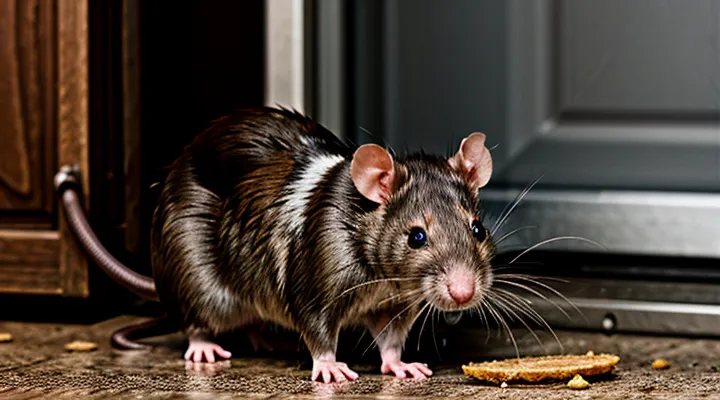
Understanding Bloody Crusts on a Rat’s Back
Common Causes of Bloody Crusts
Parasitic Infestations
Parasitic infestations are a frequent cause of hemorrhagic crusts that develop on the dorsal surface of laboratory and pet rats. Ectoparasites such as Sarcoptes scabiei (mange mites), Notoedres muris (fur mites), and Ornithonyssus bacoti (tropical rat mites) penetrate the epidermis, provoke intense pruritus, and induce secondary bacterial infection. Endoparasites, notably Hymenolepis nana (dwarf tapeworm) and Trichinella spiralis, may provoke systemic inflammation that manifests as skin lesions when the host’s immune response becomes dysregulated.
Typical clinical presentation includes:
- Erythematous patches that progress to ulcerated, crusted plaques.
- Excessive scratching and self‑trauma leading to blood‑stained scabs.
- Alopecia surrounding the affected area.
- Generalized weakness or weight loss in severe cases.
Diagnostic protocol:
- Visual inspection of lesions for characteristic mite burrows or crust morphology.
- Skin scrapings examined microscopically for mite ova or adult forms.
- Fecal flotation to detect helminth eggs.
- Histopathology of biopsy samples to confirm inflammatory patterns and rule out neoplasia.
Effective treatment relies on targeted acaricides and anthelmintics. Ivermectin (0.2 mg/kg, subcutaneous) or selamectin (0.2 mg/kg, topical) eliminates most ectoparasites within 48 hours. Albendazole (10 mg/kg, oral) administered for three consecutive days eradicates common intestinal helminths. Concurrent administration of broad‑spectrum antibiotics (e.g., enrofloxacin) addresses secondary bacterial infection and prevents septic complications.
Prevention strategies include:
- Regular cage cleaning and bedding replacement.
- Quarantine of new arrivals for at least two weeks with prophylactic acaricide treatment.
- Routine fecal examinations every four weeks in breeding colonies.
- Maintaining ambient temperature and humidity within optimal ranges to discourage mite proliferation.
Prompt identification and aggressive management of parasitic burdens reduce morbidity and prevent the development of bloody crusts on rat backs, preserving animal welfare and experimental integrity.
Skin Infections
Rats that develop hemorrhagic crusts on the dorsal surface are frequently suffering from secondary skin infections. Common bacterial agents include Staphylococcus aureus, Pseudomonas aeruginosa, and Streptococcus spp., which proliferate after trauma, mite infestation, or ulceration. Fungal pathogens such as Trichophyton and Candida species may also colonize compromised integument, producing exudate that dries into crusts.
Clinical presentation typically features:
- Localized erythema and edema
- Purulent or serosanguinous discharge that hardens into crusts
- Pruritus leading to self‑trauma
- Possible systemic signs (fever, lethargy) in advanced cases
Accurate diagnosis requires:
- Visual assessment of lesion morphology
- Cytological examination of crust material
- Bacterial culture and sensitivity testing
- Fungal microscopy or PCR when indicated
Effective therapy combines:
- Topical antiseptics (chlorhexidine or povidone‑iodine) applied twice daily
- Systemic antibiotics selected according to culture results, commonly enrofloxacin or amoxicillin‑clavulanate
- Antifungal agents (e.g., itraconazole) for confirmed fungal involvement
- Routine wound cleaning and removal of crusts to prevent re‑infection
Preventive measures focus on environmental hygiene and parasite control:
- Maintain dry bedding and regular cage cleaning
- Implement a strict ectoparasite regimen (e.g., ivermectin or selamectin)
- Monitor for early skin lesions and address them promptly
- Provide balanced nutrition to support immune function
Prompt identification and targeted treatment reduce morbidity and prevent progression to systemic infection, ensuring the health of laboratory and pet rat populations.
Allergies and Irritations
Allergic reactions and skin irritations are frequent contributors to hemorrhagic crust formation on the dorsal surface of laboratory and pet rats. Contact allergens—such as bedding fibers, cleaning agents, or dietary components—trigger mast‑cell degranulation, releasing histamine and proteases that increase vascular permeability. The resulting exudate dries, forming scabs that may bleed when disturbed.
Typical manifestations include:
- Red, raised plaques on the back
- Crusts that darken and rupture, releasing blood
- Scratching or gnawing behavior that exacerbates tissue damage
- Localized swelling without systemic fever
Diagnostic steps involve:
- Visual inspection for characteristic lesions
- Skin scrapings examined under microscopy to exclude parasitic infestation
- Patch testing with suspected allergens to identify specific triggers
- Histopathology of biopsy samples to differentiate allergic dermatitis from infectious etiologies
Effective management requires:
- Immediate removal of the offending material (e.g., switch to paper bedding, use fragrance‑free cleaning solutions)
- Topical corticosteroids applied twice daily for 5‑7 days to suppress inflammation
- Oral antihistamines (e.g., diphenhydramine 5 mg/kg) administered every 12 hours for severe pruritus
- Regular cleaning of cages to prevent secondary bacterial colonization of compromised skin
Preventive measures focus on environmental control:
- Employ low‑dust, hypoallergenic bedding
- Avoid scented detergents and aerosol sprays in the animal room
- Rotate diet ingredients gradually to monitor for food‑related sensitivities
- Conduct routine health checks to detect early skin changes before crust development
By isolating allergenic sources, applying anti‑inflammatory therapy, and maintaining a clean habitat, the incidence of bloody dorsal crusts linked to allergic and irritant dermatitis can be substantially reduced.
Nutritional Deficiencies
Nutritional deficiencies are a primary factor in the development of hemorrhagic crusts on the dorsal skin of laboratory and pet rats. Inadequate intake of essential nutrients compromises skin integrity, impairs wound healing, and predisposes the integument to ulceration and bleeding.
Key deficiencies associated with dorsal crust formation include:
- Vitamin C deficiency – limits collagen synthesis, leading to fragile dermal fibers and spontaneous capillary rupture.
- Protein deficiency – reduces fibroblast activity, delays tissue repair, and weakens the extracellular matrix.
- Zinc deficiency – disrupts epithelial regeneration, causes hyperkeratosis, and promotes inflammatory lesions.
- Essential fatty acid deficiency – diminishes barrier function, increases transepidermal water loss, and facilitates skin breakdown.
The pathophysiological cascade begins with compromised structural proteins, progresses to microvascular fragility, and culminates in localized hemorrhage. Crusts develop as blood coagulates on the surface, often accompanied by secondary infection if the underlying deficiency remains uncorrected.
Diagnostic evaluation should measure serum levels of the aforementioned nutrients, assess dietary composition, and rule out parasitic or infectious agents. Treatment protocols focus on:
- Repletion of deficient nutrients through fortified feed or supplemental administration.
- Monitoring of skin lesions for resolution and signs of secondary infection.
- Adjustment of husbandry practices to ensure consistent access to a balanced diet.
Prompt correction of nutritional imbalances restores dermal resilience, prevents recurrence of dorsal crusts, and supports overall health in rat colonies.
Behavioral Issues
Rats presenting hemorrhagic crusts on the dorsal surface often exhibit behavioral alterations that precede or accompany the lesions. Excessive grooming, repetitive scratching, or compulsive biting of the back can generate abrasion and subsequent hemorrhage, producing the observed crusts.
Elevated social stress, such as dominance disputes or chronic crowding, frequently triggers aggressive encounters. Victims of repeated attacks develop localized trauma that progresses to crusted wounds.
Environmental deprivation contributes to stereotypic actions, including bar‑rolling and excessive self‑grooming. Lack of nesting material or insufficient space intensifies these patterns, increasing the likelihood of self‑inflicted damage.
Monitoring protocols should include:
- Daily observation of grooming frequency and intensity.
- Recording of inter‑rat aggression incidents and hierarchy shifts.
- Assessment of cage size, enrichment availability, and population density.
Intervention strategies involve:
- Providing ample nesting substrates and climbing structures.
- Reducing group size to alleviate hierarchical pressure.
- Implementing regular health checks to differentiate behavioral lesions from infectious or metabolic causes.
Prompt identification of abnormal behavior reduces the progression of dorsal crust formation and improves overall welfare.
Recognizing Symptoms and Diagnosis
Observing Associated Signs
Itching and Scratching
Itching drives rats to vigorous scratching, which directly damages the epidermis and can transform superficial lesions into hemorrhagic crusts. Repeated mechanical trauma disrupts the skin barrier, promotes bacterial invasion, and accelerates clot formation. The resulting scabs often contain blood, reflecting ongoing microvascular injury.
Primary factors that provoke pruritus in laboratory and pet rats include:
- Ectoparasite infestations (e.g., Sarcoptes spp., Demodex spp.)
- Dermatophytic fungi (Microsporum spp.)
- Allergic dermatitis caused by environmental allergens or dietary proteins
- Chemical irritants present in bedding or disinfectants
- Underlying systemic diseases such as renal insufficiency or hepatic dysfunction
Effective control requires a systematic approach:
- Identify the etiological agent through skin scrapings, fungal cultures, or blood work.
- Apply targeted antiparasitic or antifungal therapy according to susceptibility results.
- Reduce environmental irritants by selecting low‑dust, hypoallergenic bedding and avoiding harsh cleaning agents.
- Administer anti‑pruritic medications (e.g., antihistamines, gabapentin) to interrupt the itch‑scratch cycle.
- Monitor wound healing; replace damaged scabs with sterile dressings when necessary to prevent secondary infection.
Persistent scratching without intervention leads to chronic ulceration, secondary bacterial infections, and potential systemic sepsis. Prompt diagnosis and comprehensive management of pruritic stimuli are essential to halt progression to bloody crust formation on the dorsal surface.
Hair Loss
Hair loss frequently accompanies severe dermal lesions in laboratory rats. The presence of alopecia on the dorsal surface often indicates underlying inflammation, infection, or self‑inflicted trauma related to painful crusts.
Typical mechanisms include:
- Dermatitis caused by bacterial or fungal invasion of compromised skin; inflammation destroys hair follicles.
- Pruritus induced by ulcerated crusts; rats bite or groom the area, leading to mechanical removal of hair.
- Nutritional deficiency secondary to systemic illness; reduced keratin synthesis results in thinning coats.
- Stress‑related endocrine changes; elevated corticosterone can suppress hair growth cycles.
Clinical assessment should record the pattern of hair loss, examine the crusted region for exudate, and collect samples for microbiological culture. Histopathology of biopsied skin distinguishes between inflammatory alopecia and neoplastic processes.
Therapeutic measures focus on:
- Wound cleaning with antiseptic solution to reduce microbial load.
- Topical anti‑inflammatory agents to alleviate itching and prevent further self‑damage.
- Systemic antibiotics or antifungals when culture results confirm infection.
- Nutritional supplementation of essential fatty acids and vitamins to support follicular regeneration.
- Environmental enrichment to lower stress and discourage excessive grooming.
Monitoring hair regrowth over two to three weeks provides an objective indicator of treatment efficacy. Persistent alopecia despite intervention warrants re‑evaluation for underlying systemic disease or immune‑mediated disorders.
Skin Lesions
Rats that develop hemorrhagic crusts on the dorsal surface exhibit a specific type of skin lesion characterized by ulceration, necrosis, and coagulated blood. The lesions typically arise from a combination of traumatic injury, infectious agents, and underlying systemic disorders.
Common etiologies include:
- Mechanical trauma: cage abrasions, aggressive grooming, or bite wounds.
- Bacterial infection: Staphylococcus aureus or Pseudomonas spp. producing pyogenic abscesses.
- Parasitic infestation: mite or flea bites leading to secondary bacterial invasion.
- Nutritional deficiencies: lack of essential fatty acids or vitamin A compromising epidermal integrity.
- Systemic disease: hepatic insufficiency, coagulopathies, or neoplasia causing impaired wound healing.
Diagnostic protocol requires thorough physical examination, culture of exudate, and histopathological analysis of biopsy specimens. Blood work should assess complete blood count, coagulation profile, and liver function to identify systemic contributors.
Effective management combines:
- Debridement of necrotic tissue under aseptic conditions.
- Topical antimicrobial therapy using broad‑spectrum ointments or silver‑based dressings.
- Systemic antibiotics selected based on culture sensitivity.
- Supportive care: analgesia, fluid therapy, and dietary supplementation with omega‑3 fatty acids and vitamin A.
- Environmental control: regular cage cleaning, bedding replacement, and reduction of stressors to prevent recurrence.
Prompt intervention limits tissue loss, reduces pain, and lowers mortality risk associated with these dorsal skin lesions in laboratory and pet rats.
Changes in Behavior
Rats suffering from dorsal hemorrhagic crusts exhibit distinct behavioral alterations that reflect pain, infection, and systemic stress. Observations consistently show reduced self‑grooming; affected individuals spend less time cleaning the coat and more time avoiding contact with the lesion. Locomotor activity declines, with fewer entries into open areas of an arena and slower traversal of familiar tunnels. Feeding behavior changes, manifested by decreased food intake and irregular drinking patterns, indicating discomfort during mastication and swallowing. Social interactions become limited; afflicted rats withdraw from group activities, show diminished play behavior, and avoid close contact with cage mates. In some cases, irritability increases, leading to heightened aggression toward conspecifics when approached near the affected region. These patterns provide reliable indicators for researchers to assess the severity of dorsal skin pathology and to evaluate the efficacy of therapeutic interventions.
Diagnostic Procedures
Veterinary Examination
A veterinary examination of a rat presenting with hemorrhagic crusts on the dorsal surface begins with a systematic physical assessment. The clinician restrains the animal gently, inspects the affected area for size, depth, and distribution of lesions, and records any accompanying signs such as pruritus, alopecia, or edema. Palpation determines tissue consistency and detects underlying masses or fluid accumulation.
Diagnostic sampling follows the visual inspection. The veterinarian collects:
- Swab specimens from the crust for bacterial culture and sensitivity.
- Skin scrapings for microscopic identification of parasites or fungal elements.
- Biopsy cores from the margin of the lesion for histopathology.
- Blood sample for complete blood count and serum chemistry, focusing on markers of infection, inflammation, and organ function.
Laboratory results guide differential diagnoses. Common causes of dorsal hemorrhagic crusting in rats include:
- Dermatophytosis (ringworm) complicated by secondary bacterial infection.
- Staphylococcal dermatitis with necrotic ulceration.
- Parasitic infestations such as Myobia spp. or Cheyletiella spp. causing intense scratching.
- Autoimmune skin disorders like pemphigus vulgaris.
- Traumatic injury leading to wound infection and necrosis.
Treatment protocols align with the identified etiology. Empirical therapy may start with topical antiseptic ointments and systemic antibiotics (e.g., enrofloxacin) pending culture results. Antifungal agents (e.g., terbinafine) are added if dermatophytes are confirmed. Antiparasitic medication (e.g., ivermectin) addresses mite infestations. Pain management includes non‑steroidal anti‑inflammatory drugs at appropriate dosages. Severe immune‑mediated conditions require immunosuppressive agents such as prednisolone.
Environmental management reduces recurrence. Recommendations include:
- Regular cage cleaning and disinfection.
- Provision of nesting material that can be sterilized.
- Isolation of affected individuals until lesions resolve.
- Routine health monitoring for early detection of skin abnormalities.
Follow‑up examinations occur weekly for the first month, then biweekly until complete healing. Each visit reassesses lesion progression, adjusts medication based on response, and ensures the rat maintains adequate nutrition and hydration throughout recovery.
Skin Scrapes and Biopsies
Bloody crusts forming on the dorsal skin of laboratory rats often indicate underlying dermal pathology that cannot be resolved by visual inspection alone. Precise tissue sampling is essential for identifying infectious agents, inflammatory processes, or neoplastic changes.
Skin scrapes provide superficial cellular material suitable for cytological evaluation. The procedure involves:
- Anesthetizing the animal to prevent movement.
- Using a sterile scalpel blade or glass slide to gently abrade the crusted area.
- Collecting the detached material onto a microscope slide.
- Staining with Wright‑Giemsa or Gram stain for rapid microscopic assessment.
Scrapes are most effective for detecting surface parasites, bacterial colonization, and keratinocyte atypia. They require minimal tissue loss and allow repeated sampling from the same site.
Biopsies obtain intact dermal architecture for histopathological analysis. Common techniques include:
- Punch biopsy: a cylindrical core (2–4 mm) removed with a sterile punch instrument, preserving epidermis, dermis, and subcutaneous tissue.
- Excisional biopsy: a full‑thickness section, typically used when the lesion is small enough to be removed entirely.
Key steps:
- Secure the rat under anesthesia.
- Disinfect the lesion and surrounding skin.
- Apply a sterile instrument to excise the sample.
- Place tissue in 10 % neutral‑buffered formalin for fixation.
- Process for paraffin embedding, sectioning, and staining (H&E, special stains as indicated).
Histology reveals depth of inflammation, vascular involvement, and cellular morphology, enabling definitive diagnosis of conditions such as ulcerative dermatitis, vasculitis, or cutaneous tumors.
Choosing between scraping and biopsy depends on lesion depth and diagnostic goal. Superficial crusts with suspected microbial involvement are efficiently addressed by scrapes, while deep or ambiguous lesions require biopsy to assess tissue architecture and guide therapeutic decisions.
Blood Tests
Blood analysis is essential for identifying the physiological disturbances that produce hemorrhagic crusts on a rodent’s dorsal skin.
A complete blood count (CBC) quantifies erythrocytes, leukocytes, and platelets. Anemia, indicated by reduced hemoglobin or hematocrit, suggests chronic blood loss or hemolysis. Leukocytosis or a left shift points to an inflammatory or infectious process, while thrombocytopenia reveals impaired clotting that may exacerbate cutaneous bleeding.
Serum biochemistry evaluates organ function and metabolic status. Elevated alanine aminotransferase or aspartate aminotransferase signals hepatic involvement, which can affect coagulation factor synthesis. Increased blood urea nitrogen or creatinine indicates renal compromise, potentially contributing to systemic hypertension and capillary rupture. Hyperglycemia or altered electrolyte balances may reflect endocrine disorders that influence skin integrity.
Coagulation profiles—prothrombin time (PT), activated partial thromboplastin time (aPTT), and fibrinogen concentration—directly assess the clotting cascade. Prolonged PT or aPTT, together with low fibrinogen, confirms a coagulopathy that can produce persistent bleeding and crust formation.
Serological tests detect specific pathogens. Antibody titers for Mycoplasma pulmonis, Streptobacillus moniliformis, or viral agents such as rat coronavirus identify infectious etiologies that manifest as dermal hemorrhage. Polymerase chain reaction (PCR) on blood samples provides rapid confirmation of microbial DNA.
Sample collection must follow aseptic technique: tail vein or saphenous vein puncture for small volumes, cardiac puncture under terminal anesthesia for larger volumes. Anticoagulant choice (EDTA for CBC, citrate for coagulation assays) influences result accuracy.
Interpretation integrates laboratory data with clinical observation. A pattern of anemia, leukocytosis, and positive bacterial serology suggests septicemia as the primary driver of dorsal crusts. Normal CBC combined with prolonged PT and low fibrinogen indicates a primary clotting disorder. Elevated liver enzymes with coagulopathy point to hepatic failure as a secondary factor.
In practice, a tiered diagnostic algorithm begins with CBC and biochemistry, proceeds to coagulation testing, and concludes with targeted serology or PCR based on initial findings. This systematic approach maximizes diagnostic yield and guides therapeutic interventions for rats exhibiting hemorrhagic dorsal lesions.
Treatment and Management Strategies
Addressing the Underlying Cause
Antiparasitic Medications
Antiparasitic agents are essential for treating dermal infestations that cause hemorrhagic crusts on the backs of laboratory and pet rats. Effective control relies on accurate identification of the causative ectoparasite—commonly Notoedres muris (mange mite) or Sarcoptes scabiei (scabies mite)—followed by administration of a suitable systemic or topical product.
Systemic medications
- Ivermectin, 0.2 mg kg⁻¹, subcutaneous injection once; repeat after 7 days if lesions persist.
- Selamectin, 0.2 mg kg⁻¹, oral or topical application, single dose; repeat after 14 days for heavy infestations.
- Moxidectin, 0.1 mg kg⁻¹, oral gel, single dose; effective against resistant mite strains.
Topical treatments
- Lime sulfur dip, 1 % solution, immerse rat for 5 minutes, repeat weekly for three applications.
- Amitraz spray, 0.025 % concentration, apply to affected area twice daily for five days.
Selection criteria
- Weight‑based dosing prevents toxicity; rats under 150 g require dose reduction.
- Pregnant or lactating females avoid ivermectin and moxidectin; selamectin is preferred.
- Observe for neurotoxicity (tremors, ataxia) within 24 hours; discontinue and provide supportive care if symptoms appear.
Adjunct measures
- Environmental decontamination: clean cages, replace bedding, disinfect surfaces with 0.5 % chlorhexidine.
- Quarantine of treated individuals for at least 14 days to interrupt transmission.
Monitoring
- Re‑examine skin 48 hours post‑treatment; reduction in crust size and erythema indicates efficacy.
- Conduct fecal flotation to rule out concurrent gastrointestinal parasites that may exacerbate skin lesions.
Proper use of these antiparasitic drugs eliminates the underlying infestation, resolves hemorrhagic crusts, and prevents recurrence in rat colonies.
Antibiotics and Antifungals
Antibiotics are required when bacterial infection underlies the hemorrhagic crusts observed on the dorsal skin of laboratory or pet rats. Empirical therapy should target common Gram‑negative and Gram‑positive organisms, including Staphylococcus aureus, Pseudomonas aeruginosa and Streptococcus spp. Preferred agents are:
- Enrofloxacin 10 mg/kg subcutaneously once daily for 5–7 days.
- Trimethoprim‑sulfamethoxazole 30 mg/kg orally twice daily for 7 days.
- Amoxicillin‑clavulanate 20 mg/kg orally twice daily for 7–10 days (if susceptibility confirmed).
Culture and sensitivity testing are recommended before initiating treatment to avoid resistance and to adjust the regimen as needed. Monitor for signs of gastrointestinal disturbance, weight loss or neurologic changes, which may indicate adverse drug reactions.
Fungal infection must be considered when crusts contain hyphal elements or when bacterial cultures are negative. Antifungal therapy includes:
- Itraconazole 5 mg/kg orally once daily for 14 days.
- Terbinafine 30 mg/kg orally once daily for 10 days.
- Fluconazole 10 mg/kg orally once daily for 7–14 days (effective against Candida spp.).
Topical antifungal creams (e.g., clotrimazole 1 % or miconazole 2 %) can be applied to clean, debrided lesions twice daily to reduce surface fungal load. Systemic therapy should be combined with environmental decontamination, including bedding replacement and humidity control, to prevent reinfection.
Both antibiotic and antifungal regimens require dosage adjustment for young or compromised rats. Record all administered drugs, dosages, and treatment duration in the animal’s health log. Regular physical examination of the back lesions should document crust size, coloration and presence of exudate to assess therapeutic response. If lesions persist beyond the planned course, reevaluate the diagnosis, consider mixed bacterial‑fungal infection, and perform repeat cultures.
Dietary Adjustments
Rats with ulcerated lesions on the dorsal skin often exhibit nutritional deficiencies that impede healing. Adjusting the diet can reduce inflammation, promote tissue regeneration, and prevent recurrence.
- Increase high‑quality protein to 20–25 % of caloric intake; sources such as cooked chicken breast, boiled egg whites, or commercial rodent formulas with ≥18 % protein provide essential amino acids for collagen synthesis.
- Add omega‑3 fatty acids (e.g., flaxseed oil, fish oil) at 1–2 % of the diet to modulate inflammatory pathways.
- Ensure adequate vitamin C (50–100 mg/kg feed) and vitamin E (30–50 IU/kg feed) to support antioxidant defenses and wound repair.
- Supplement zinc (30–50 mg/kg feed) and copper (5–10 mg/kg feed) to facilitate epithelial regeneration.
- Incorporate soluble fiber (e.g., psyllium husk) at 3–5 % of the diet to maintain gut health and improve nutrient absorption.
- Eliminate known allergens and irritants, such as raw soy, high‑fat biscuits, and sugary treats, which can exacerbate skin lesions.
- Provide fresh, filtered water daily; low mineral content prevents excess calcium that may interfere with wound healing.
- Offer a consistent feeding schedule (same time each day) to reduce stress‑related hormonal fluctuations that can impair immune function.
Monitoring body weight, coat condition, and lesion progression weekly informs further refinements. Adjustments should be made gradually to avoid gastrointestinal upset, and any change must be documented for veterinary evaluation.
Environmental Enrichment
Environmental enrichment directly influences the incidence of dorsal dermal lesions in laboratory rats. Providing varied stimuli reduces chronic stress, promotes natural grooming behavior, and decreases the likelihood of self‑inflicted or socially transmitted skin damage that manifests as hemorrhagic crusts.
Key enrichment elements that mitigate back‑related skin problems include:
- Nesting material (e.g., shredded paper, cotton) that encourages burrowing and self‑maintenance.
- Structural complexity such as tunnels, platforms, and climbing apparatus to increase locomotor activity.
- Objects for oral exploration (e.g., wooden blocks, chewable toys) that satisfy gnawing instincts and prevent abnormal chewing of skin.
- Social housing with compatible conspecifics, allowing normal grooming interactions while limiting aggressive encounters.
Implementation guidelines:
- Rotate enrichment items weekly to maintain novelty and prevent habituation.
- Monitor individual rats for signs of over‑stimulation or competition for resources; adjust quantity accordingly.
- Record lesion severity before and after enrichment changes to assess efficacy.
Consistent application of these measures lowers stress‑induced immunosuppression and improves integumentary health, thereby reducing the prevalence of bloody crust formation on the backs of rats.
Symptomatic Relief
Topical Treatments
Topical agents are essential for managing hemorrhagic crusts that develop on the dorsal skin of laboratory rats. Effective products must provide hemostasis, antibacterial protection, and promote tissue regeneration while minimizing irritation.
- Hemostatic gels (e.g., fibrin sealants, chitosan‑based dressings) create a physical barrier that arrests bleeding within seconds. Apply a thin layer directly to the lesion; re‑apply only if the crust dislodges.
- Antiseptic ointments (e.g., povidone‑iodine 10 % or chlorhexidine 0.5 %) reduce bacterial colonization. Spread a pea‑sized amount over the crusted area twice daily; avoid excess to prevent dermal dryness.
- Silver‑nanoparticle creams combine antimicrobial activity with anti‑inflammatory effects. Use a 1 % formulation once daily; monitor for signs of systemic silver accumulation in long‑term studies.
- Hydrocolloid dressings maintain a moist environment that accelerates epithelialization. Cut to fit the lesion, secure with a hypoallergenic tape, and replace every 48 hours.
- Topical corticosteroids (e.g., clobetasol propionate 0.05 %) suppress local inflammation when crusts are associated with severe erythema. Limit application to a single 24‑hour cycle to avoid skin atrophy.
Application protocol:
- Clean the area with sterile saline; pat dry gently.
- Apply the selected hemostatic or antimicrobial layer.
- Cover with an appropriate dressing if required.
- Record lesion size and crust integrity daily; adjust treatment if bleeding persists or infection signs emerge.
Cautionary measures:
- Verify that the chosen product is compatible with the rat’s strain and any concurrent systemic medications.
- Avoid agents containing lanolin or heavy fragrances, which can exacerbate dermatitis.
- Monitor for systemic toxicity, especially with silver or high‑potency steroids, by checking weight, behavior, and blood chemistry weekly.
Pain Management
Rats presenting with dorsal hemorrhagic crusts experience acute nociceptive stimulation that can compromise welfare and interfere with experimental outcomes. Effective analgesia requires rapid identification of pain intensity, selection of agents with proven efficacy in rodents, and continuous monitoring for adverse effects.
Initial assessment should include behavioral indicators such as reduced grooming, abnormal posture, and vocalization during handling. Scoring systems that combine activity level, weight bearing, and response to palpation provide quantifiable data for treatment decisions.
Pharmacologic options:
- Non‑steroidal anti‑inflammatory drugs (NSAIDs) – meloxicam 1–2 mg kg⁻¹ subcutaneously every 24 h; carprofen 5 mg kg⁻¹ orally every 12 h. Both reduce inflammation and peripheral sensitization but require monitoring of renal function.
- Opioids – buprenorphine 0.05 mg kg⁻¹ subcutaneously every 8–12 h; fentanyl transdermal patches delivering 0.018 mg kg⁻¹ day⁻¹ for up to 72 h. Opioids provide strong analgesia for severe pain; dosage adjustments are necessary for aged or compromised animals.
- Local anesthetics – lidocaine 2 % topical application to the lesion once daily, combined with a protective dressing. Useful for short‑term relief and reduction of secondary infection risk.
Adjunctive measures:
- Environmental enrichment – soft bedding, reduced handling stress, and temperature control diminish nociceptive amplification.
- Wound care – sterile saline lavage, antimicrobial ointments, and regular inspection prevent infection that can exacerbate pain.
- Analgesic rotation – alternating NSAIDs and opioids every 48 h minimizes tolerance development while maintaining coverage.
Monitoring protocol:
- Record pain scores before each dose.
- Observe for sedation, respiratory depression, or gastrointestinal signs.
- Adjust dosing intervals if pain scores remain above the predefined threshold.
Documentation of all interventions ensures reproducibility and compliance with institutional animal care guidelines. Effective pain management in rats with dorsal hemorrhagic lesions safeguards animal welfare and preserves data integrity.
Anti-Inflammatory Medications
Rats that develop hemorrhagic crusts on the dorsal surface often suffer from acute inflammation secondary to trauma, infection, or dermatitis. Inflammatory mediators increase vascular permeability, promote edema, and exacerbate tissue necrosis, creating the observed crusted lesions.
Anti‑inflammatory agents mitigate these processes by inhibiting cyclo‑oxygenase pathways or suppressing immune cell activation. Non‑steroidal anti‑inflammatory drugs (NSAIDs) such as meloxicam, carprofen, and flunixin reduce prostaglandin synthesis, decreasing swelling and pain. Corticosteroids—including dexamethasone and prednisolone—interfere with cytokine production, providing rapid attenuation of severe inflammation.
Key considerations for therapeutic use:
- Meloxicam: 1–2 mg/kg subcutaneously, once daily; monitor for gastrointestinal irritation.
- Carprofen: 5 mg/kg orally, every 12 hours; observe renal function in prolonged courses.
- Flunixin: 2 mg/kg intraperitoneally, once daily; limit duration to avoid hepatic stress.
- Dexamethasone: 0.1–0.2 mg/kg subcutaneously, every 24 hours; taper gradually to prevent adrenal suppression.
Effective treatment combines anti‑inflammatory medication with wound management. Clean lesions with sterile saline, apply topical antimicrobial ointments when bacterial contamination is evident, and maintain a dry, low‑stress environment to prevent re‑injury. Regular assessment of body weight, behavior, and lesion progression guides dosage adjustment and identifies adverse reactions promptly.
Prevention and Long-Term Care
Maintaining a Healthy Environment
Cage Hygiene
Maintaining a clean cage environment directly reduces the incidence of dorsal skin lesions in laboratory rats. Accumulated waste, urine, and moisture create a breeding ground for bacteria and fungi that can invade compromised fur and produce hemorrhagic crusts. Regular removal of soiled bedding eliminates the primary source of irritants that trigger inflammation and secondary infection.
Effective cage hygiene includes:
- Daily spot‑cleaning of visible waste and urinate stains.
- Complete bedding change every 3–5 days, depending on animal density and humidity.
- Disinfection of cage surfaces with an approved antiseptic solution after each bedding replacement.
- Monitoring water bottle and food dispenser for leaks or contamination; replace or clean them weekly.
- Inspecting cages for cracks or damaged components that could trap debris; repair or replace promptly.
Implementing these procedures creates a stable, low‑contamination habitat, thereby preventing the development of bloody crusts on the backs of rats and supporting overall health.
Proper Bedding Choices
Choosing appropriate bedding is essential for preventing dorsal skin lesions in laboratory and pet rats. Inadequate substrate can cause moisture retention, friction, and bacterial growth, all of which contribute to crust formation and hemorrhage on the back.
Effective bedding must satisfy three criteria: absorbency, low dust, and non‑abrasive texture. Materials that meet these standards include:
- Compressed paper pellets: high absorbency, minimal dust, smooth surface.
- Aspen shavings: low lignin content, reduced splinter risk, moderate absorbency.
- Coconut fiber (coir): excellent moisture wicking, low irritant particles, biodegradable.
Avoid cedar, pine, or scented wood products because volatile oils and phenols irritate the epidermis and promote inflammation. Synthetic fibers such as polyester fleece retain moisture and generate static electricity, increasing the likelihood of skin damage.
Maintenance practices reinforce bedding selection:
- Replace bedding completely every 3–5 days, or sooner if wet spots appear.
- Clean cages with an approved disinfectant before adding fresh substrate.
- Monitor humidity levels; keep ambient humidity between 40 % and 60 % to limit bacterial proliferation.
Implementing these bedding choices and upkeep protocols reduces the incidence of bloody crusts on rat backs, supporting overall health and welfare.
Humidity Control
Humidity levels directly influence the development and severity of dermal lesions in laboratory rodents. Excessive moisture promotes bacterial proliferation and softens skin, facilitating the formation of moist, hemorrhagic crusts on the dorsal surface. Conversely, overly dry environments cause epidermal desiccation, leading to fissuring and secondary hemorrhage that can also appear as crusted lesions.
Effective humidity management reduces the risk of these conditions by maintaining a stable microclimate that discourages pathogen growth while preserving skin integrity. Recommended parameters for rodent housing are:
- Relative humidity: 40 % ± 5 %
- Temperature: 20–22 °C (consistent with humidity control)
- Air exchange: minimum 15 changes per hour to prevent condensation buildup
Implementation steps:
- Install calibrated hygrometers in each cage rack; record readings at least twice daily.
- Use automated humidifiers/dehumidifiers linked to a central control system to correct deviations promptly.
- Inspect bedding and enclosure materials for moisture retention; replace saturated items before they exceed 24 hours.
- Conduct weekly microbial cultures of cage surfaces to verify that humidity control is limiting opportunistic organisms.
Monitoring humidity alongside other environmental factors provides a reliable method for preventing dorsal crust formation and associated complications in rat colonies.
Nutritional Support
Balanced Diet
A balanced diet supplies the nutrients required for skin integrity, immune competence, and wound healing in laboratory and pet rats. Deficiencies in protein, essential fatty acids, vitamins A, D, E, and minerals such as zinc and copper predispose rodents to dermal lesions that can progress to ulcerated, crusted areas on the back.
Key dietary components:
- High‑quality animal or plant protein providing at least 18 % of caloric intake.
- Omega‑3 and omega‑6 fatty acids in a 1:4 ratio to maintain epidermal barrier function.
- Vitamin A (5 000–10 000 IU/kg feed) for epithelial cell turnover.
- Vitamin D₃ (1 000–2 000 IU/kg feed) to support calcium metabolism and immune regulation.
- Vitamin E (150–200 IU/kg feed) as an antioxidant protecting cell membranes.
- Zinc (80–120 mg/kg feed) and copper (10–15 mg/kg feed) to facilitate collagen synthesis and enzymatic activity.
Feeding practices that reinforce nutritional adequacy:
- Provide fresh, nutritionally complete rodent chow formulated for the specific strain and life stage.
- Supplement with small quantities of boiled egg, lean meat, or soy protein to boost amino acid intake when growth or recovery is rapid.
- Offer a source of essential fatty acids, such as flaxseed oil or fish oil, mixed into the diet no more than 2 % of total feed weight.
- Rotate fresh vegetables rich in vitamins A and E (e.g., carrots, spinach) while monitoring for excess calcium that could disrupt mineral balance.
- Ensure constant access to clean water to aid nutrient absorption and tissue hydration.
Monitoring guidelines:
- Inspect the dorsal skin weekly for erythema, scaling, or crust formation.
- Record body weight and feed consumption; a drop of more than 5 % in one week signals possible nutritional stress.
- Adjust dietary formulation promptly if signs of deficiency appear, consulting a veterinary nutritionist for precise micronutrient dosing.
Implementing these nutritional strategies reduces the incidence of back‑side skin lesions and supports recovery when crusts develop.
Supplementation
Rats presenting with hemorrhagic crusts on the dorsal skin often exhibit compromised epidermal integrity, impaired immune response, or underlying metabolic imbalance. Nutritional support can mitigate lesion progression and accelerate repair.
Supplementation targets three physiological domains: keratinocyte differentiation, collagen synthesis, and inflammatory regulation. Adequate provision of specific micronutrients restores barrier function and reduces exudate formation.
- Vitamin A (retinol) – promotes epithelial cell turnover; 150–200 IU kg⁻¹ day⁻¹ administered orally.
- Vitamin E (α‑tocopherol) – antioxidant protection for cell membranes; 30–50 IU kg⁻¹ day⁻¹ mixed into feed.
- Zinc – cofactor for metalloproteinases involved in tissue remodeling; 30 mg kg⁻¹ day⁻¹ supplied as zinc sulfate.
- Omega‑3 fatty acids (EPA/DHA) – modulate inflammatory cytokines; 1 % of dietary fat content from fish oil.
- Probiotic blend (Lactobacillus spp.) – enhances gut barrier, indirectly supporting skin health; 10⁸ CFU g⁻¹ feed.
Implementation requires baseline serum analysis, followed by weekly assessment of lesion size, crust integrity, and weight gain. Adjust dosages if hypervitaminosis or mineral excess signs emerge. Integration with antimicrobial therapy, when infection is confirmed, maximizes therapeutic outcome.
Consistent supplementation, calibrated to individual weight and health status, reduces crust formation frequency and promotes full epithelial regeneration in affected rodents.
Regular Health Checks
Monitoring Skin and Coat
Effective observation of a rat’s integumentary condition is essential when addressing dorsal lesions that produce hemorrhagic crusts. Regular assessment provides early detection of worsening inflammation, infection, or secondary complications, allowing timely therapeutic action.
Monitoring should include:
- Visual inspection of the back, flank, and adjacent areas at least twice daily. Look for discoloration, swelling, ulceration, or crust formation.
- Palpation to evaluate tissue consistency, temperature, and pain response. Increased firmness or heat may indicate underlying infection.
- Photographic documentation with a scale reference. Consistent imaging enables objective comparison over time.
- Recording of coat quality: note any loss, brittleness, or abnormal grooming behavior, which can reflect systemic distress.
- Environmental checks: verify bedding cleanliness, humidity, and temperature, as adverse conditions exacerbate skin pathology.
Data collection must be systematic. Use a standardized log sheet that captures date, time, observations, and any interventions performed. Correlate findings with clinical signs such as reduced activity, weight loss, or altered feeding patterns.
Intervention thresholds are defined by observable changes: rapid expansion of crusted areas, emergence of purulent discharge, or signs of systemic illness require immediate veterinary evaluation. Preventive measures include maintaining optimal husbandry, providing a balanced diet rich in essential fatty acids, and minimizing stressors that provoke excessive grooming.
Consistent, objective monitoring of the rat’s skin and coat forms the cornerstone of effective management for back‑related dermal disorders.
Early Detection of Issues
Early identification of dorsal hemorrhagic lesions in laboratory rats reduces morbidity and prevents escalation to systemic infection. Visual inspection should occur at least twice daily; any darkened, adherent material on the back signals possible ulceration. Immediate steps include:
- Isolating the affected animal to limit stress and contamination.
- Recording lesion size, color, and texture with calibrated photography.
- Collecting a small tissue sample for histopathology, preserving it in formalin.
- Performing a rapid blood smear to assess leukocyte count and detect bacterial presence.
Temperature, weight, and activity levels provide supplementary indicators; a sudden drop in body weight or reduced locomotion often precedes cutaneous breakdown. Non‑invasive imaging, such as high‑frequency ultrasound, can reveal subdermal fluid accumulation before crust formation becomes apparent. Implementing a structured monitoring log ensures trend analysis and facilitates timely veterinary intervention.