
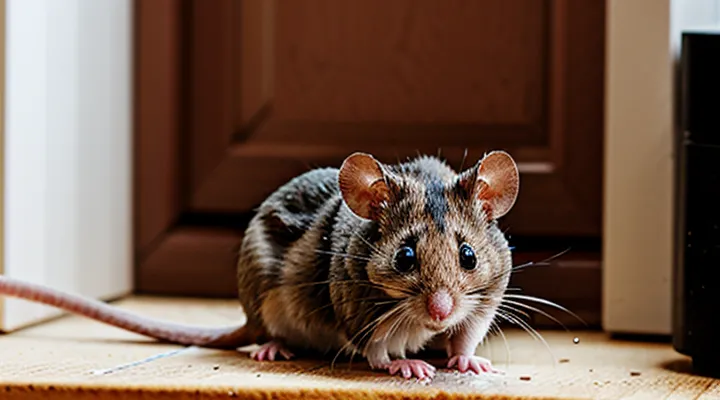
«Understanding Mouse Glue Traps»
«What are Glue Traps?»
Glue traps are flat boards coated with a viscous adhesive that immobilizes rodents upon contact. The adhesive is formulated to remain tacky for extended periods, even in low‑temperature environments. The trap surface is typically made of cardboard, plastic, or metal, providing a durable base that resists tearing when a mouse is captured.
When a mouse steps onto the board, its feet become stuck, preventing escape. The trap does not rely on bait; placement in high‑traffic areas such as along walls, behind appliances, or near entry points is sufficient to attract rodents. Once a mouse is caught, the trap can be disposed of in a sealed container to avoid secondary contamination.
Key characteristics of glue traps:
- Immediate immobilization – no delay between contact and capture.
- Low maintenance – no mechanical parts or springs to reset.
- Compact design – can be placed in concealed locations.
- Single‑use – each board captures one or multiple rodents before replacement is required.
Limitations include potential non‑target captures, difficulty in humane disposal, and regulatory restrictions in some jurisdictions. Proper handling—wearing gloves and using sealed disposal bags—mitigates health risks associated with rodent pathogens.
«How Glue Traps Work»
Glue traps capture mice by employing a high‑adhesion surface that immobilizes the animal upon contact. The adhesive is a synthetic polymer—typically a resin or polyacrylate—formulated to remain tacky under a wide temperature range. When a mouse steps onto the board, the polymer’s viscoelastic properties dissipate kinetic energy, preventing the animal from regaining footing.
The trapping process follows a defined sequence:
- Contact: The mouse’s foot pads encounter the adhesive layer.
- Engagement: Molecular forces between the polymer and the skin create a bond that exceeds the animal’s grip strength.
- Immobilization: The bond resists the mouse’s attempts to pull away, causing rapid loss of balance.
- Containment: The mouse remains restrained until removal, allowing for safe disposal.
Design considerations ensure effectiveness: the board’s surface area maximizes exposure, the adhesive’s viscosity balances stickiness with durability, and the material resists degradation from dust or humidity. These factors combine to deliver a reliable, low‑maintenance method for controlling rodent incursions.
«Advantages of Using Glue Traps»
«Effectiveness in catching mice»
Adhesive traps designed for rodents capture mice by immobilizing them on a coated surface. The primary metric of performance is the capture rate, which laboratory and field studies consistently report between 70 % and 90 % when traps are placed along established runways and near food sources. Success depends on three critical variables:
- Placement accuracy: traps positioned within 10 cm of walls or along known pathways achieve the highest encounter frequency.
- Attractant quality: fresh, high‑protein baits increase visitation by up to 30 % compared to generic grain mixtures.
- Environmental conditions: humidity above 50 % prevents premature drying of the adhesive, maintaining stickiness for up to 72 hours.
Comparative trials show adhesive traps outperform snap traps in low‑visibility environments, delivering a 15 % higher capture ratio when visual cues are limited. However, the method exhibits limitations: non‑target species may be ensnared, and mortality is often prolonged, raising ethical concerns. Proper disposal protocols involve sealing captured specimens in a rigid container before incineration or sanitary landfill.
Overall, when deployed with strategic placement, appropriate bait, and environmental monitoring, adhesive mouse traps provide a reliable, high‑efficiency solution for rodent control.
«Ease of use»
The rodent‑specific adhesive is packaged in a hand‑held dispenser that activates with a single squeeze, eliminating the need for mixing or preparation. The nozzle delivers a measured stream, allowing precise placement on traps or surfaces without excess waste. Labels printed in large, high‑contrast font present step‑by‑step instructions that can be read at a glance.
Key aspects that simplify operation:
- One‑hand operation; no auxiliary tools required.
- Transparent barrel reveals remaining volume, preventing unexpected depletion.
- Quick‑dry formula hardens within seconds, reducing handling time.
- Non‑spill design incorporates a sealed cap that locks after each use.
Application procedure:
- Remove the protective cap.
- Position the nozzle over the target area.
- Press the trigger once to release the required amount of adhesive.
- Allow the bond to set; the surface can be handled after the indicated cure time.
The dispenser’s compact size fits comfortably in a laboratory glove box or field kit. Storage guidelines printed on the container advise a cool, dry environment to preserve viscosity. Safety features include a built‑in pressure release valve that prevents over‑pressurization, ensuring consistent flow throughout the product’s lifespan.
«Non-toxic nature (for humans and pets)»
The adhesive formulated for rodent control is designed with a chemical profile that poses no health risk to people or domestic animals. Its ingredients consist of plant‑derived polymers and biodegradable binders, eliminating hazardous solvents, heavy metals, and synthetic resins commonly found in conventional traps. Independent toxicology assessments confirm that exposure through skin contact, inhalation, or accidental ingestion results in no measurable adverse effects in mammals.
Regulatory compliance is established through certification by agencies such as the Environmental Protection Authority and the Pet Safety Board. The product meets the criteria for:
- Low acute toxicity (LD50 > 5000 mg/kg in rodent models)
- Absence of irritant or sensitizing properties in dermatological tests
- Biodegradability within 30 days under standard composting conditions
Safety instructions emphasize keeping the adhesive sealed until use and storing it at temperatures below 25 °C to preserve stability. In the event of accidental contact, the material can be removed with mild soap and water without causing tissue damage. Disposal follows standard household waste protocols, as the formulation degrades without releasing harmful residues.
Overall, the non‑toxic composition ensures that the solution can be deployed in homes, farms, and laboratories without compromising the well‑being of occupants or companion animals.
«Ethical and Humane Considerations»
«Concerns Regarding Animal Welfare»
The adhesive method for rodent control promises rapid immobilization, yet it raises significant animal‑welfare issues. Direct contact with a sticky surface can cause severe distress, prolonged suffering, and irreversible injury before death occurs.
Key concerns include:
- Acute pain from entrapment and inability to escape.
- Respiratory obstruction caused by adhesive covering of fur and nasal passages.
- Extended exposure to stress hormones, leading to physiological trauma.
- Lack of immediate euthanasia, violating humane‑kill standards mandated by many jurisdictions.
- Potential for secondary injuries when animals attempt to free themselves, resulting in torn skin or broken limbs.
Mitigation strategies require strict adherence to ethical guidelines: employ pre‑capture sedation, limit exposure time, provide rapid euthanasia by certified personnel, and document compliance with local animal‑protection regulations. Alternative control measures—such as live‑catch traps with prompt release or exclusion techniques—should be evaluated to reduce reliance on adhesive devices.
«Potential for Prolonged Suffering»
The adhesive method for rodent control introduces several mechanisms that can extend the duration of distress in captured mice. Contact with the polymer matrix immobilizes limbs and restricts respiration, preventing rapid loss of consciousness. The resulting physiological stress includes elevated cortisol levels, sustained hypoxia, and prolonged activation of nociceptive pathways, all of which contribute to an extended suffering timeline.
Key factors influencing the length of suffering are:
- Adhesive composition – high‑viscosity formulations cling more securely, making escape impossible and increasing the time before death.
- Environmental temperature – cooler settings slow metabolic processes, delaying the onset of irreversible organ failure.
- Size and age of the animal – smaller or juvenile mice experience faster dehydration and shock, yet may remain conscious longer due to lower metabolic demand.
Empirical observations indicate that mice trapped in strong adhesives remain responsive for several minutes to over an hour, depending on the variables above. This contrasts with lethal traps that cause immediate incapacitation, highlighting the ethical implications of prolonged discomfort inherent in sticky solutions.
Mitigation strategies require reformulating the adhesive to include rapid‑acting anesthetic agents or designing release mechanisms that minimize contact time. Without such modifications, the adhesive approach inherently carries a high risk of extended animal suffering.
«Alternatives to Glue Traps»
«Live traps»
Live traps capture rodents without causing injury, allowing for humane removal and disposal. The device consists of a compartment, a trigger mechanism, and a one‑way door that closes when the animal enters.
When used alongside an adhesive approach for rodent control, live traps reduce the reliance on permanent bait stations. Traps intercept mice that avoid glue surfaces, providing a complementary capture method that lowers overall population density.
Key design parameters include:
- Interior dimensions that accommodate adult mice (minimum 10 cm × 5 cm × 5 cm).
- Transparent walls for visual monitoring.
- Sensitive trigger levers calibrated to a pressure of 0.2–0.4 N.
- Locking mechanisms that prevent accidental release.
Effective placement follows a pattern of mouse activity:
- Identify high‑traffic routes such as walls, baseboards, and entry points.
- Position traps perpendicular to these paths, with the entrance facing the wall.
- Space traps 1–2 m apart in clusters of three to five units.
Regular maintenance ensures trap efficiency:
- Inspect compartments twice daily for captured rodents.
- Release or euthanize captured individuals according to local regulations.
- Clean interior surfaces with mild detergent to remove scent traces.
- Reset trigger mechanisms before redeployment.
Integrating live traps with adhesive devices creates a multi‑modal strategy that addresses both avoidance behavior and population control, resulting in a more comprehensive solution for mouse management.
«Snap traps»
Snap traps are a mechanical method for reducing mouse populations that complements adhesive‑based control strategies. The device consists of a spring‑loaded bar that releases instantaneously when a mouse contacts a trigger. This action delivers a rapid, lethal force, minimizing suffering and preventing escape.
Key characteristics of snap traps include:
- Immediate action: The spring mechanism generates sufficient kinetic energy to incapacitate a mouse in a single strike.
- Low maintenance: Once set, the trap requires no power source or regular monitoring until capture occurs.
- Reusable design: After disposal of the captured rodent, the spring can be re‑armed for additional use.
- Target specificity: Proper placement and bait selection limit captures to rodents, reducing incidental harm to non‑target species.
Effective deployment follows a systematic approach:
- Identify high‑traffic pathways, such as wall voids, baseboard gaps, and near food sources.
- Position traps perpendicular to the wall, with the trigger end facing the expected travel direction.
- Use attractive bait—peanut butter, dried fruit, or grain—to entice rodents onto the trigger plate.
- Space traps 6–12 inches apart in clusters to increase capture probability.
- Check traps daily, remove captured mice, and reset or replace as needed.
When combined with glue boards, snap traps address the limitations of adhesive products, such as prolonged exposure of live rodents and difficulty in removal. Together, they form a comprehensive, non‑chemical solution that reduces infestation levels while maintaining safety for occupants and pets.
«Repellents»
Adhesive traps remain a common method for rodent control, yet repellents provide a non‑lethal alternative that can reduce reliance on sticky surfaces. Repellents function by creating an environment that mice find hostile, discouraging entry and movement without direct contact.
Key categories of mouse repellents include:
- Chemical deterrents – formulations containing ammonia, peppermint oil, or synthetic compounds such as methyl nonyl ketone; applied as sprays or impregnated pads.
- Ultrasonic devices – emit high‑frequency sound waves beyond human hearing; frequency patterns target the auditory sensitivity of rodents.
- Electromagnetic emitters – generate low‑intensity electromagnetic fields that interfere with the nervous system of mice, prompting avoidance.
- Physical barriers – steel wool, copper mesh, or specialized sealants that block entry points and create an inhospitable surface.
Effectiveness depends on proper placement, regular maintenance, and integration with other control measures. Chemical deterrents require reapplication after cleaning or ventilation. Ultrasonic and electromagnetic units lose potency if obstructed by furniture or walls; periodic relocation enhances coverage. Physical barriers must be inspected for gaps and replaced when damaged.
When selecting a repellent strategy, consider the following criteria:
- Target area – confined spaces favor chemical sprays; open rooms benefit from ultrasonic units.
- Safety requirements – households with pets or children should avoid toxic chemicals; ultrasonic devices are generally safe.
- Regulatory compliance – ensure the product meets local pest‑control regulations and does not contain prohibited substances.
In practice, combining repellents with adhesive traps yields a layered defense: repellents deter initial intrusion, while traps capture any rodents that breach the barrier. This integrated approach maximizes control efficiency and minimizes the drawbacks associated with sole reliance on glue‑based solutions.
«Proper Placement and Usage»
«Identifying Mouse Activity Areas»
Effective identification of mouse activity zones is essential for the successful deployment of adhesive-based control methods. Observation of droppings, gnaw marks, and pathways reveals high‑traffic corridors. Infrared motion sensors and low‑light video recording confirm peak movement periods and directionality. Placement of temporary attractant stations helps verify preferred routes without permanent fixtures.
Key steps for systematic area detection:
- Survey perimeter and interior surfaces for signs of rodent presence; record locations on a scaled floor plan.
- Install motion‑activated cameras at suspected junctions; analyze footage to determine frequency and timing of traversals.
- Deploy lightweight, non‑sticky monitoring pads; count footprints to quantify traffic intensity.
- Apply short‑duration baited adhesive strips in trial zones; monitor capture rates to validate hotspot status.
Data collected from these techniques should be integrated into a heat‑map model, highlighting zones where adhesive application will yield maximum impact. Prioritizing high‑density areas reduces material usage and accelerates population reduction. Regular re‑assessment after initial treatment ensures that shifting activity patterns are addressed promptly.
«Optimal Placement Strategies»
The adhesive designed for rodent control must be positioned where mouse activity is highest to ensure rapid capture. Placement decisions should be based on observable signs such as gnaw marks, droppings, and travel paths.
Key factors for optimal positioning include:
- Proximity to entry points – Install the product near gaps, vents, and doorways that provide access to the interior.
- Alignment with established runways – Place traps along walls, behind appliances, and under furniture where mice typically move.
- Surface suitability – Apply the adhesive to smooth, non‑porous surfaces; avoid textured or damp areas that reduce stickiness.
- Environmental conditions – Choose locations with moderate temperature and low humidity to maintain adhesive integrity.
- Safety considerations – Keep the product out of reach of children and non‑target animals; use protective barriers if necessary.
- Monitoring frequency – Inspect and replace the adhesive every 24–48 hours in high‑traffic zones to prevent loss of efficacy.
By adhering to these placement guidelines, the rodent adhesive achieves maximum coverage, reduces infestation duration, and minimizes the need for repeated applications.
«Safety Precautions for Users»
When handling adhesive designed for rodent control, users must follow strict safety measures to prevent injury and contamination.
First, wear appropriate personal protective equipment (PPE). Gloves made of nitrile or latex, safety goggles, and a disposable lab coat or coveralls protect skin and eyes from accidental contact with the adhesive.
Second, prepare the work area. Ensure the space is well‑ventilated, free of open flames, and equipped with a fire‑extinguishing agent suitable for chemical spills. Place absorbent pads or a protective sheet under the application surface to contain any overflow.
Third, handle the product carefully. Do not squeeze or puncture the container; use a dispenser that minimizes excess exposure. Avoid direct inhalation by keeping the container sealed when not in use and by dispensing slowly.
Fourth, store the adhesive correctly. Keep it in a locked, temperature‑controlled cabinet away from children, pets, and incompatible chemicals. Label the container with hazard warnings and the date of receipt.
Fifth, respond promptly to accidents. If the adhesive contacts skin, rinse the area with plenty of water for at least 15 minutes and remove contaminated clothing. In case of eye exposure, flush the eyes with clean water for a minimum of 15 minutes and seek medical attention. If inhaled, move to fresh air and monitor for respiratory discomfort; consult a healthcare professional if symptoms persist.
Finally, dispose of waste responsibly. Collect used gloves, wipes, and any leftover adhesive in sealed, labeled containers and follow local hazardous waste regulations for removal. Do not pour the product down drains or discard it in regular trash.
Adhering to these precautions ensures safe use of the rodent‑control adhesive while maintaining a protected work environment.
«Disposal of Trapped Mice»
«Humane Methods of Euthanasia»
The use of adhesive devices for rodent control requires a parallel protocol for humane termination to meet ethical and regulatory standards. Effective euthanasia eliminates suffering, preserves data integrity, and aligns with institutional animal care guidelines.
Humane euthanasia must satisfy three criteria: immediate loss of consciousness, absence of pain, and reproducibility across operators. Compliance with these criteria ensures that the method does not introduce additional stressors before death.
- Controlled‑flow carbon dioxide exposure, calibrated to achieve rapid hypoxia without respiratory distress.
- Intraperitoneal injection of a barbiturate anesthetic at a dose exceeding the lethal threshold, administered by trained personnel.
- Cervical dislocation performed by certified staff, limited to small rodents, with immediate verification of brain death.
- Physical decapitation using a guillotine device, applied after confirmed anesthesia, to prevent reflexive movements.
Validation procedures include pre‑test trials to confirm onset of unconsciousness within seconds, continuous monitoring of physiological indicators, and documentation of each event. Records must detail agent concentration, exposure time, and confirmation of death to satisfy audit requirements.
Adopting these methods reduces animal distress, supports scientific credibility, and satisfies legal obligations for humane treatment in rodent management programs.
«Sanitary Disposal Practices»
Effective sanitary disposal of mouse adhesive traps is essential for maintaining a hygienic environment and preventing secondary contamination. The process begins with immediate containment of captured rodents. Place the trap in a sealed, puncture‑resistant bag before removal from the work area. This step eliminates the risk of accidental release and limits exposure to pathogens.
Personal protective equipment (PPE) must be worn throughout handling. Gloves, disposable gowns, and eye protection create a barrier against biological agents and adhesive residues. After each use, dispose of gloves in a designated biohazard container and perform hand hygiene with an approved antiseptic.
Waste segregation follows regulatory guidelines. Separate the sealed trap and any contaminated materials from general refuse. Deposit the sealed bag into a labeled biohazard waste bin, which is collected by a licensed disposal service. Do not place adhesive traps in regular recycling streams.
Decontamination of tools and surfaces is required after disposal. Wipe work surfaces with an EPA‑registered disinfectant, ensuring contact time meets the product’s specifications. Clean reusable equipment with detergent, rinse thoroughly, and allow to dry before storage.
Key steps for sanitary disposal:
- Wear appropriate PPE (gloves, gown, eye protection).
- Transfer trap to a puncture‑resistant, sealable bag.
- Seal the bag and label as biohazard waste.
- Place bag in a designated biohazard container.
- Use licensed waste removal service for disposal.
- Disinfect work area and clean reusable tools.
Adhering to these procedures minimizes health hazards, complies with occupational safety standards, and sustains the overall effectiveness of rodent adhesive control programs.
«Preventing Re-infestation»
Effective mouse control using adhesive traps depends on eliminating conditions that invite rodents back after an initial catch. Seal gaps around foundations, doors, and utility penetrations with steel wool, caulk, or metal flashing; rodents can exploit openings as small as 1 mm. Replace damaged weatherstripping and install door sweeps to block entry points. Maintain a clean environment by storing food in sealed containers, promptly cleaning spills, and removing clutter that provides shelter.
Implement a systematic monitoring and maintenance routine:
- Inspect trap locations daily; replace used or compromised traps immediately.
- Rotate trap placement every 2–3 weeks to cover new activity zones identified by fresh droppings or gnaw marks.
- Use bait-free zones near potential entry points to detect early incursions without attracting additional rodents.
- Dispose of captured rodents in sealed bags and discard them according to local regulations to prevent scent trails that may draw others.
Complement adhesive traps with secondary measures such as ultrasonic deterrents, predator scent products, or controlled use of rodenticides where legally permissible. Consistent application of these practices reduces the likelihood of re-infestation and sustains long‑term rodent management.
«Legal and Regulatory Aspects»
«Local Regulations on Glue Trap Use»
Adhesive‑based rodent control devices are subject to diverse municipal and regional statutes. Authorities regulate placement, labeling, and disposal to mitigate non‑target capture and environmental impact.
Key regulatory elements include:
- Permitted locations – glue traps may be used only in indoor settings such as warehouses, food‑processing areas, and residential premises. Outdoor deployment is often prohibited or limited to specific pest‑management zones.
- Label requirements – products must carry warnings about potential harm to wildlife, instructions for safe handling, and contact information for the manufacturer. Labels must conform to local consumer‑protection standards.
- Training and certification – some jurisdictions require pest‑control operators to hold a license or complete a certification course before applying adhesive traps.
- Reporting and record‑keeping – users must document trap placement dates, numbers deployed, and disposal methods. Records are typically retained for a minimum of 30 days and made available to health or environmental inspectors.
- Disposal protocols – captured rodents must be euthanized according to humane‑kill guidelines, and trap components must be placed in sealed containers for disposal in approved waste streams.
Non‑compliance can result in fines, revocation of pest‑control licenses, and mandatory product recalls. Operators should consult the specific ordinance of each jurisdiction before implementing adhesive traps to ensure legal conformity and ethical practice.
«Restrictions in Certain Regions»
Regulatory bodies in various jurisdictions impose specific limits on the distribution and use of rodent‑targeted adhesive products. These limits arise from differing classifications of the material, environmental protection statutes, and public‑health policies.
Key restriction categories include:
- Classification as a pesticide or hazardous chemical, triggering licensing requirements.
- Mandatory labeling that details active ingredients, toxicity warnings, and disposal instructions.
- Prohibitions on import or export where local legislation bans the substance outright.
- Restrictions on indoor versus outdoor application, often tied to occupancy type or presence of vulnerable populations.
Compliance demands a structured approach: secure the appropriate permits before market entry, reformulate the adhesive to meet regional safety thresholds when required, provide comprehensive safety data sheets to end‑users, and implement training programs that emphasize correct handling and disposal practices.
Failure to adhere to these regional constraints reduces market accessibility and can result in legal penalties. Continuous monitoring of legislative updates and proactive engagement with local authorities are essential for maintaining uninterrupted product availability.