
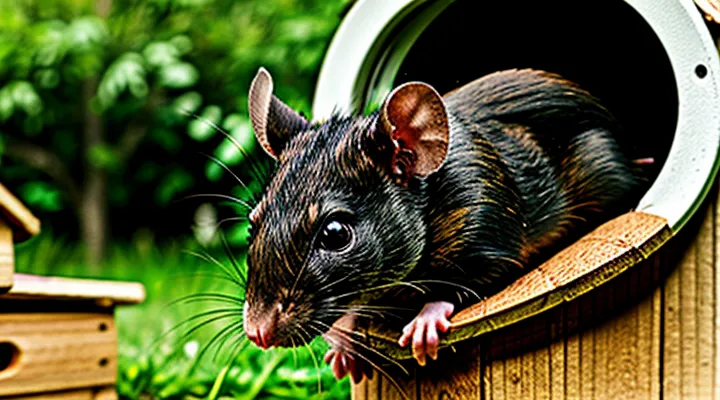
Understanding the Rat Problem in Chicken Coops
Why Rats are a Threat to Chickens and Coops
Health Risks for Poultry
Rats in a poultry enclosure can transmit pathogens that jeopardize bird health. Direct contact or droppings introduce bacteria such as Salmonella and Campylobacter, leading to gastro‑intestinal illness and reduced egg production. Parasites carried by rodents, including mites and tapeworms, may infest chickens, causing anemia and weight loss.
Improper application of traditional rodent deterrents creates additional hazards. Common folk agents—garlic powder, peppermint oil, or powdered ash—may contaminate feed, provoking digestive upset or respiratory irritation. Physical traps positioned near perches risk feather damage and bleeding wounds, providing entry points for secondary infections. Some homemade bait mixtures contain substances toxic to birds when ingested in small quantities.
Key health risks associated with rodent control in a coop:
- Bacterial and viral diseases from rodent excreta
- Parasitic infestations transferred by rodents
- Feed contamination leading to toxicity or nutrient imbalance
- Physical injury from traps or deterrent devices
- Stress‑induced immunosuppression due to environmental disturbances
Mitigating these risks requires careful placement of deterrents, exclusion of rodent access to feed stores, and regular health monitoring of the flock.
Damage to Coop Infrastructure
Rats infiltrate chicken houses, gnawing structural components and compromising the safety of the flock. Their incisors rapidly wear through wood, wire mesh, and plastic, creating openings that allow predators and weather exposure. Continuous chewing weakens roof supports, collapses nesting boxes, and damages ventilation ducts, leading to increased maintenance costs and reduced egg production.
Typical infrastructure damage includes:
- Chewed wooden beams and floor joists, resulting in sagging or collapse.
- Punctured or torn wire fencing, creating escape routes for birds and entry points for other pests.
- Severed electrical wiring, causing short circuits and fire hazards.
- Damaged water lines and feeders, leading to leaks, contamination, and feed loss.
- Destroyed insulation and plaster, reducing thermal regulation and exposing birds to extreme temperatures.
Feed Contamination and Loss
Rats infiltrate chicken coops and directly compromise feed quality. Their saliva and urine introduce pathogens, while gnawed kernels create waste that must be discarded. The resulting contamination reduces nutritional value and can trigger disease outbreaks among the flock, leading to measurable economic loss.
Effective folk-based deterrents target the root of the problem—rat attraction to stored feed. Common practices include:
- Sprinkling powdered cayenne pepper or crushed red pepper around feed containers; the strong odor discourages rodents without harming chickens.
- Hanging bundles of dried lavender, mint, or rosemary near feed bins; volatile oils act as natural repellents.
- Installing shallow water trays with floating citrus peels; the scent repels rats while providing birds with supplemental hydration.
- Placing dried chili‑infused cotton balls inside feed sacks; the irritant deters gnawing.
When these measures are combined with proper feed management, contamination drops significantly. Key management steps are:
- Store feed in airtight, metal containers with tight-fitting lids to block entry.
- Rotate stock regularly; use older feed first to prevent spoilage that attracts rodents.
- Clean the coop floor daily, removing spillage and droppings that serve as food sources.
- Conduct weekly inspections for droppings, gnaw marks, or shredded packaging; immediate removal of contaminated feed prevents spread.
- Position natural traps—such as bamboo tubes filled with peanut butter—outside the coop to capture rats before they reach the feed area.
By integrating these traditional repellents with disciplined storage and sanitation, feed loss is minimized and the health of the poultry remains protected.
Prevention: The First Line of Defense
Coop Maintenance and Hygiene
Securing Feed Storage
Securing feed storage eliminates a primary food source that draws rodents into a poultry house. Proper containment prevents rats from accessing grain, pellets, and scratch grains, thereby reducing population growth and limiting damage to the coop.
- Store feed in airtight, metal or heavy‑plastic containers equipped with tight‑fitting lids.
- Elevate containers on sturdy shelves or pallets at least 12 inches above the floor to hinder climbing.
- Line the floor beneath storage units with diatomaceous earth; the abrasive particles damage rat exoskeletons on contact.
- Add a thin layer of dried herbs such as mint, lavender, or rosemary on top of the feed; strong scents act as natural deterrents.
- Rotate stock regularly, discarding stale or infested portions to avoid attracting pests.
- Keep the storage area clean; sweep spills immediately and mop with vinegar solution to remove scent trails.
Implementing these measures creates a hostile environment for rats, supporting traditional pest‑control practices while safeguarding the coop’s feed supply.
Eliminating Entry Points
Rats gain access to a chicken coop through gaps, cracks, and openings that are often overlooked during routine maintenance. Sealing these entry points eliminates the primary pathway for infestation and reduces the need for more aggressive control measures.
Identify all potential breaches: examine the foundation, walls, roof, and ventilation ducts; inspect doors, windows, and feed hatches for misalignment; probe the coop’s perimeter for holes created by burrowing or weather damage. Use a flashlight and a thin probe to detect hidden gaps.
Apply traditional sealing techniques:
- Pack small openings with steel wool, then cover with a layer of cement or plaster to prevent gnawing.
- Install hardware cloth (minimum 1/4‑inch mesh) over larger gaps, fastening it securely with rust‑resistant nails or staples.
- Coat exterior walls with a mixture of lime and sand; lime creates an alkaline barrier that discourages rodent chewing.
- Use a blend of powdered diatomaceous earth and powdered chalk to fill cracks; the abrasive texture deters gnawing while remaining safe for poultry.
- Fit wooden doors with weatherstripping made from natural rubber or tightly woven straw rope; ensure a tight seal when closed.
Reinforce vulnerable zones regularly. After heavy rain or seasonal temperature shifts, re‑inspect the coop and repair any new fissures promptly. Consistent monitoring combined with these folk‑based sealing methods creates a durable barrier that keeps rats out without resorting to chemical poisons.
Regular Cleaning Practices
Regular cleaning of a chicken coop creates an environment that discourages rodent activity. Accumulated feed, droppings, and nesting material provide food and shelter for rats; removing these resources reduces the likelihood of infestation.
Maintain a daily sweep of the floor to eliminate spilled grain and debris. Dispose of waste in sealed containers away from the coop. Replace bedding weekly with fresh, dry material; soak‑free litter prevents moisture that attracts rodents. Clean waterers and feeders each evening; scrub surfaces with a vinegar solution to remove residue and deter scent trails.
A weekly deep‑clean routine should include:
- Removing all removable equipment, washing with hot water and a mild detergent, and drying before returning.
- Scrubbing walls, perches, and nesting boxes with a brush and a solution of one part vinegar to three parts water.
- Inspecting and sealing gaps larger than ¼ inch with steel wool and non‑toxic sealant to block entry points.
Monthly, conduct a thorough inspection of the coop’s exterior. Clear vegetation, mulch, and stored feed within a two‑meter radius. Dispose of any rodent droppings with a disposable glove and a disinfectant spray. Rotate the location of feed bins if possible, limiting prolonged exposure to a single area.
Consistent implementation of these cleaning practices, combined with traditional deterrents such as aromatic herbs and natural predators, forms an effective, low‑cost strategy for managing rat populations in a backyard chicken enclosure.
Environmental Deterrents
Strategic Placement of Plants
Strategic planting around a poultry enclosure creates a natural barrier that discourages rodent activity. Selecting species with strong scent, repellent compounds, or dense growth patterns positions the coop’s perimeter as an unattractive zone for rats.
- Mint (Mentha spp.) – Plant in containers at each entrance; strong aromatic oils deter gnawing.
- Lavender (Lavandula angustifolia) – Establish a low hedge along the outer fence; the volatile compounds interfere with rodent olfactory cues.
- Garlic (Allium sativum) – Intercrop in raised beds adjacent to feed storage; crushed cloves release sulfur that repels.
- Marigold (Tagetes spp.) – Border the coop’s walkway; bitter-tasting foliage reduces foraging.
- Pennyroyal (Mentha pulegium) – Place in pots near ventilation openings; volatile oils act as a persistent deterrent.
Placement guidelines:
- Position plants at least 12 inches from the coop walls to prevent rats from using foliage as a bridge.
- Use raised beds or containers to keep roots below ground level, eliminating underground tunnels.
- Align plant rows perpendicular to typical rat pathways, forcing movement through multiple repellent zones.
- Maintain a minimum spacing of 18 inches between individual plants to ensure adequate airflow and scent diffusion.
Regular pruning preserves potency and prevents overgrowth that could shelter rodents. Combining these botanical defenses with secure coop construction and diligent feed management enhances overall effectiveness without relying on chemical controls.
Utilizing Natural Predators
Natural predators can suppress rodent populations in a poultry enclosure without chemicals or traps. Birds of prey, such as barn owls and hawks, hunt rats opportunistically; installing perches and nesting boxes encourages their presence. Reptiles, particularly non‑venomous snakes, locate rodents in crevices and under litter, providing continuous pressure on rat numbers. Small carnivores—ferrets, barn cats, and livestock guardian dogs—exhibit instinctive chase behavior that deters rats from establishing burrows.
Key considerations for employing these allies:
- Habitat enhancement: Provide roosting platforms for owls, elevated perches for hawks, and sheltered hideouts for snakes. Ensure structures are weather‑proof and positioned away from direct chicken activity to prevent predation on birds.
- Population management: Introduce one or two barn cats per coop, rotating individuals if necessary to maintain hunting vigor. Ferrets should receive regular health checks and be confined to supervised sessions to avoid stress to the flock.
- Safety measures: Verify that any introduced predator cannot harm chickens; select breeds with low prey drive toward poultry. Secure coop openings to prevent accidental entry of larger raptors or aggressive dogs.
- Sustainability: Rotate predator species seasonally to align with their breeding cycles, ensuring a continuous deterrent effect throughout the year.
By integrating these biological controls, a farmer leverages the ecosystem’s own checks and balances, achieving long‑term rodent reduction while preserving a natural, low‑maintenance environment for the flock.
Folk Remedies for Rat Control
Herbal Repellents
Peppermint Oil and Leaves
Peppermint oil and fresh peppermint leaves are widely used in traditional pest control to repel rodents that threaten poultry housing. The strong menthol scent overwhelms a rat’s olfactory receptors, making the environment unattractive and prompting the animals to avoid the area.
- Apply 10–15 ml of pure peppermint essential oil to cotton balls or small cloth strips.
- Distribute the scented items at entry points, along the coop walls, and near feed storage.
- Replace the oil‑treated material every 3–4 days to maintain potency.
Fresh peppermint leaves can complement the oil treatment. Place a handful of chopped leaves in mesh bags or open containers and hang them in the same locations used for oil. The leaves release volatile compounds gradually, extending the deterrent effect between oil replacements.
Safety considerations:
- Ensure the oil does not contact the birds directly; avoid applying it to surfaces where chickens perch or feed.
- Use food‑grade peppermint oil to prevent toxic residues.
- Monitor the coop for any signs of irritation in the birds; discontinue use if adverse reactions occur.
Studies of rodent behavior confirm that menthol‑based aromas disrupt foraging patterns, leading to reduced activity in treated zones. Combining oil and leaf applications creates a layered barrier that maximizes coverage while remaining inexpensive and easy to implement.
Eucalyptus and Other Aromatic Herbs
Eucalyptus oil, rich in cineole, emits a potent scent that rodents find intolerable. When applied to cotton balls or rag strips and placed near entry points, the volatile compounds disperse throughout the coop, creating an environment that discourages rat activity without harming chickens.
Other aromatic herbs function similarly:
- Lavender (Lavandula angustifolia): Strong floral aroma; use dried bundles or essential oil sprays on perches and nesting boxes.
- Peppermint (Mentha × piperita): Menthol vapor interferes with rodent olfactory receptors; soak cotton pads in diluted oil and refresh weekly.
- Rosemary (Rosmarinus officinalis): Woody, piney scent; scatter fresh sprigs on the floor and replace as they wilt.
- Sage (Salvia officinalis): Earthy fragrance; crush leaves and mix with bedding material for continuous release.
Application guidelines:
- Position aromatic sources at known rodent pathways, such as gaps under doors, ventilation openings, and feed storage areas.
- Maintain a concentration that is detectable to rats but not overwhelming for birds; a few drops of essential oil per cotton ball suffice.
- Replace or refresh herbs every 5–7 days to sustain potency, especially in warm climates where volatiles evaporate quickly.
- Monitor coop for signs of avoidance, such as reduced gnaw marks, and adjust placement accordingly.
Safety considerations include avoiding direct contact of concentrated oils with poultry skin or eyes and ensuring that any treated material is out of reach of chicks. Aromatic herbs complement structural barriers and sanitation practices, forming an integrated, low‑toxicity strategy for managing rodent presence in poultry housing.
Chili Powder and Spicy Solutions
Rats threaten the health of poultry and the integrity of a coop, prompting growers to adopt low‑cost, non‑chemical deterrents. Chili powder, a common kitchen spice, exploits rodents’ aversion to capsaicin, the compound that produces heat.
Capsaicin irritates the nasal passages and mucous membranes of rats, creating an environment they avoid. When applied correctly, the spice does not harm chickens, which possess a higher tolerance for pungent flavors. The method remains inexpensive, easy to source, and integrates seamlessly with routine coop maintenance.
Effective deployment of chili powder includes:
- Sprinkle a thin layer along the perimeter of the coop floor, focusing on entry points, gaps, and nesting boxes.
- Mix equal parts chili powder and ground dried garlic; the combination enhances repellency and masks any residual odor.
- Replace the coating weekly, or after heavy rain, to maintain potency.
- Use a fine mesh to distribute the powder evenly, preventing clumping that could interfere with bedding.
Alternative spicy solutions extend the principle of capsaicin irritation:
- Cayenne pepper flakes: Apply directly to wooden beams or metal fasteners where rats may gnaw.
- Hot pepper spray: Prepare a solution of water, a tablespoon of liquid hot sauce, and a few drops of dish soap; spray on exterior surfaces and around vent openings.
- Pepper‑infused cotton balls: Soak cotton balls in a strong chili infusion, place them in concealed corners, and replace monthly.
Safety considerations are essential. Avoid direct contact between the spice mixture and feed or water sources, as excessive consumption may cause digestive upset in chickens. Monitor the coop for signs of irritation in the birds, adjusting dosage if necessary.
Overall, chili‑based repellents provide a practical, community‑tested approach to limiting rat activity without resorting to toxic chemicals. Regular application, combined with diligent coop upkeep, sustains a hostile environment for rodents while preserving poultry welfare.
Food-Based Deterrents
Onion and Garlic
Onion and garlic have long been employed as natural deterrents against rats in chicken houses. Their strong odor and sulfur‑based compounds create an environment that rodents find unpleasant, reducing the likelihood of infestation.
The active components, such as allicin in garlic and various sulfides in onion, interfere with rats’ olfactory receptors. Exposure to these substances diminishes the appeal of nesting sites and food sources, prompting rats to seek alternative locations.
Practical application:
- Chop fresh onion and garlic into small pieces.
- Distribute the material in mesh bags or breathable fabric pouches.
- Hang or place the pouches around the coop perimeter, near entry points, and in feed storage areas.
- Replace the contents every 3–5 days to maintain potency.
Caution: Ensure that the bags are securely sealed to prevent chickens from ingesting large quantities, which could cause digestive upset. Monitor the coop for any signs of aversion or stress in the birds and adjust placement accordingly.
Coffee Grounds
Coffee grounds create an environment that rats find unpleasant. The strong aroma masks the scent of feed, reducing the attraction of rodents to a coop. When dispersed around the perimeter, the grounds form a barrier that discourages entry.
To employ coffee grounds effectively:
- Collect used grounds from brewing or purchase fresh, unsweetened beans.
- Dry the grounds on a tray for several hours to prevent mold.
- Sprinkle a thin layer on the ground surrounding the coop, focusing on gaps, burrow entrances, and near feed storage.
- Refresh the layer weekly or after rain to maintain potency.
The caffeine and acidic compounds act as natural repellents, while the coarse texture hinders movement through small openings. Rats avoid the bitter smell, and the grounds do not harm chickens when used in moderate amounts.
Safety considerations include keeping the material away from water sources to prevent contamination and ensuring that the grounds do not accumulate in nesting boxes, where they could affect egg quality. Monitor for signs of rodent activity; if rats persist, combine coffee grounds with additional folk methods such as predator scent or habitat modification.
Ammonia-Soaked Materials
Ammonia‑soaked items create a pungent environment that deters rats from entering a chicken house. The strong odor overwhelms the rodents’ sensitive olfactory system, causing them to avoid areas where the scent is concentrated.
- Materials: rags, cotton balls, or shredded newspaper fully saturated with household ammonia (5‑10 % solution).
- Preparation: place the material in a shallow, sealable plastic bag, allow it to absorb the liquid for 10‑15 minutes, then remove excess liquid to prevent dripping.
- Placement: distribute the soaked items near entry points, along the perimeter of the coop, and under nesting boxes where rats are likely to travel. Replace every 3‑5 days, or sooner if the odor weakens.
Caution: ammonia can irritate birds and humans; keep the coop well‑ventilated and limit exposure time. Do not apply directly to feed or water sources. The method works best when combined with other non‑chemical tactics, such as sealing gaps and maintaining cleanliness, to reduce attractants and limit rat populations.
Trapping and Removal Techniques
Homemade Traps (e.g., bucket traps)
Homemade rat traps provide an effective, low‑cost option for protecting a chicken enclosure from rodent damage. A bucket trap, one of the most popular designs, combines simple materials with a reliable capture mechanism.
Materials required:
- 5‑gallon plastic bucket with lid
- Wooden or PVC dowel, 12–18 inches long
- Small piece of stiff cardboard or plywood (≈ 6 × 6 in)
- Rat‑attracting bait (peanut butter, dried fruit, or corn)
- Strong adhesive or nails for securing the board
- Optional: sand or water to fill the bucket partially
Construction steps:
- Cut a 2‑inch hole near the bucket’s rim; the opening must allow a rat to enter but not escape.
- Drill a 1‑inch hole in the board, position the board over the bucket rim, and secure it so the board can tilt when weight is applied.
- Insert the dowel through the board hole, extending it outward to create a lever that holds the board in the open position.
- Attach bait to the far end of the board, ensuring the scent draws the rodent onto the platform.
- If using liquid or sand, pour a shallow layer into the bucket to cushion the catch and reduce injury.
Placement guidelines:
- Position the trap along the wall where rats travel, ideally near known entry points.
- Keep the trap away from chicken perches to prevent accidental falls.
- Ensure the bucket is stable; a wobbling trap may discourage rodents.
Maintenance routine:
- Check the bucket daily; remove captured rats promptly to avoid odor buildup.
- Clean the bucket with hot, soapy water after each capture.
- Refresh bait every 2–3 days to maintain attraction.
- Inspect the board and dowel for wear; replace if the mechanism loses tension.
Safety considerations:
- Use non‑toxic bait to prevent poisoning chickens that might investigate the trap.
- Cover the bucket lid when not in use to block access for curious birds.
- Store any spare materials out of reach of livestock.
These instructions enable producers of backyard poultry to construct reliable, self‑resetting traps without specialized equipment, reducing rodent pressure while preserving the health of the flock.
Baiting with Non-Toxic Options
Baiting remains a central component of traditional rat‑control programs for poultry houses, provided the attractant does not endanger the flock. Non‑toxic options rely on strong odors, taste deterrents, or natural repellents that rats find appealing while chickens ignore them.
- Peppermint‑oil‑infused grain – Mix a few drops of pure peppermint oil into cracked corn or wheat. Place the mixture in shallow dishes near suspected runways. Peppermint overwhelms rat olfactory receptors, yet chickens tolerate the scent without stress.
- Dried hot peppers – Grind dried cayenne or chili flakes into a fine powder and blend with oatmeal. Distribute the blend on the coop floor away from feeding stations. Capsaicin irritates rat mucous membranes, discouraging prolonged contact.
- Garlic‑water sachets – Soak small cloth bags in a solution of garlic extract diluted with water. Hang the sachets from the coop’s upper beams. Garlic’s sulfur compounds repel rodents while remaining harmless to birds.
- Apple‑cider‑vinegar pads – Soak cotton pads in diluted apple cider vinegar (1:4 ratio). Position pads near entry points. The acidic vapor deters rats without affecting egg production or feed consumption.
- Cornmeal‑with‑mustard – Combine equal parts cornmeal and ground mustard seed. Scatter the mixture along walls where rats travel. Mustard’s pungency creates an aversive barrier once rats ingest it.
Implementation guidelines:
- Placement – Position bait stations at least 30 cm from chicken feed and water sources to prevent accidental consumption.
- Quantity – Use no more than 50 g of bait per station; excess attracts non‑target wildlife.
- Rotation – Replace bait every 3–5 days to maintain potency and prevent mold growth.
- Monitoring – Inspect stations daily for rodent activity; record captures to assess effectiveness.
- Safety checks – Verify that none of the bait components cause irritation to the birds’ respiratory or digestive systems; discontinue any item that produces adverse reactions.
When applied consistently, these non‑lethal baits reduce rat populations while preserving the health of the chickens and the integrity of the coop environment.
Humane Relocation Strategies
Effective, non‑lethal approaches to removing rats from a poultry enclosure rely on capture, safe transport, and habitat alteration. Live traps fashioned from wood or sturdy wire mesh allow capture without injury. Bait the trap with grain, fruit, or a small piece of meat; check it at least twice daily to prevent stress. Once a rat is secured, place it in a ventilated container with bedding and transport it a minimum of two miles from the coop, preferably to a wooded area with abundant cover and food sources.
Relocation success depends on preparing the release site. Select a location with dense vegetation, natural burrows, and no nearby farms to reduce the chance of return. Release each animal at dusk, allowing it to disperse into the surrounding habitat. Record the GPS coordinates of each release point for future reference and to monitor any potential impact on local wildlife.
Preventing re‑entry involves modifying the coop environment. Seal all gaps larger than a quarter‑inch with metal flashing or hardware cloth. Elevate feed containers and store them in sealed bins. Scatter dried herbs such as peppermint, lavender, or rosemary around the perimeter; their strong scent deters rodents without harming chickens.
Key steps for humane relocation
- Set sturdy live traps; use appropriate bait.
- Inspect traps twice daily; handle captured rats gently.
- Transport to a suitable natural site at least two miles away.
- Release at dusk in dense cover; document exact location.
- Secure coop openings; store feed in airtight containers.
- Apply natural repellents (e.g., peppermint, lavender) around the coop perimeter.
Integrated Pest Management Approaches
Combining Folk Remedies with Modern Methods
When to Seek Professional Help
When rat activity in a poultry enclosure exceeds the limits of home‑based tactics, immediate consultation with a licensed pest‑control specialist becomes essential.
Key indicators that professional assistance is required:
- Population density surpasses a few dozen individuals, evident by frequent sightings, droppings, or gnaw marks throughout the coop.
- Damage to structural components, feed containers, or wiring threatens the safety of the birds or the integrity of the building.
- Signs of disease transmission, such as sudden illness or mortality among chickens, suggest a health emergency.
- Repeated failure of traditional deterrents—herbal sprays, predator decoys, or traps—after multiple attempts.
- Legal or regulatory obligations mandate certified eradication methods, especially in commercial operations.
Delaying expert intervention can amplify losses, spread pathogens, and increase the cost of remediation. Professional teams possess access to rodenticides, bait stations, and monitoring technologies unavailable to the average keeper, ensuring rapid reduction of the rodent load while minimizing risk to poultry.
When selecting a service provider, verify certification, request a written plan outlining safety protocols, and confirm that the company follows integrated pest‑management principles. Transparent communication about the coop’s layout, existing deterrents, and any previous treatments enables the specialist to design an effective, targeted solution.
Monitoring Rat Activity
Effective observation of rodent presence is essential for any traditional pest‑control plan in a poultry enclosure. Identify activity by inspecting feed containers, nesting boxes, and perches for gnaw marks, droppings, and shredded bedding. Look for grease or oil trails left by rats moving along walls and ceilings. Record each sign with date, location, and severity to detect patterns.
Common monitoring techniques include:
- Visual sweep: walk the coop at dusk, when rats are most active, and scan for fresh droppings or disturbed straw.
- Track stations: place a shallow tray of flour or powdered charcoal near suspected pathways; footprints reveal traffic volume.
- Motion‑activated cameras: position low‑light devices at entry points to capture nocturnal movement without disturbing the flock.
- Sound detection: use ultrasonic recorders to log high‑frequency noises characteristic of rodent scurrying.
Maintain a simple log sheet or digital spreadsheet. Enter observations daily, noting weather conditions and any folk deterrents applied, such as peppermint oil sachets or crushed garlic. Correlate spikes in activity with changes in environmental factors or the placement of natural repellents. This data informs adjustments to the traditional regimen, ensuring timely reinforcement of barriers, bait placement, and habitat modification.
Long-Term Prevention Plans
Implementing a durable strategy against rodent intrusion in a poultry enclosure requires consistent habitat modification, natural deterrents, and community‑level monitoring.
First, eliminate all sources of food and shelter. Store feed in sealed metal containers, clean spilled grain daily, and keep nesting material dry. Replace wooden perches with smooth, metal alternatives that rats cannot gnaw through. Seal cracks around the coop foundation with lime‑based mortar, a material that repels rodents while remaining environmentally safe.
Second, employ time‑tested botanical repellents. Plant strong‑scented herbs—such as peppermint, lavender, and rosemary—around the perimeter; their volatile oils deter rats without harming chickens. Prepare a diluted garlic‑onion spray and apply it to the exterior walls and fence posts weekly. Use crushed dried chilies mixed with straw as a barrier inside the run; the capsaicin irritates rodent sensory receptors, discouraging entry.
Third, integrate predator cues. Hang frozen mouse carcasses or install low‑profile owl silhouettes near the coop; the presence of natural predators sustains a fear response in the rat population. Rotate these visual deterrents monthly to prevent habituation.
Fourth, schedule systematic inspections. Conduct a bi‑weekly walk‑through to identify fresh gnaw marks, droppings, or burrows. Record findings in a log, noting locations and dates, then address each issue promptly with the above measures. Encourage neighboring farms to share observations, creating a regional network that reduces reinfestation risk.
Finally, maintain a balanced ecosystem. Introduce a modest number of barn owls or domestic cats, ensuring they are housed safely to avoid predation on chickens. Their ongoing activity provides continuous pressure on rodent numbers, complementing the botanical and structural defenses.
By combining habitat denial, botanical deterrents, predator simulation, regular surveillance, and controlled biological control, a long‑term plan can sustain a rat‑free environment for poultry without reliance on chemical poisons.