
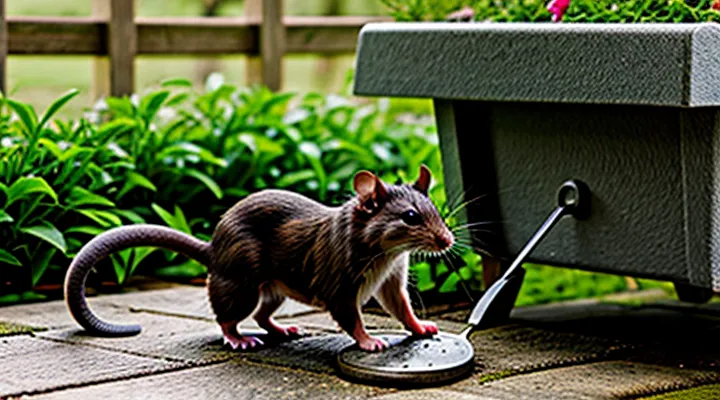
Understanding the Rodent Problem in Your Garden
Why Mice are a Nuisance in the Garden
Damage to Plants and Crops
Mice infiltrate garden beds and vegetable plots, chewing seedlings, stripping bark from young stems, and gnawing roots. Their incisors create entry wounds that become infection sites, reducing plant vigor and accelerating wilting. In fruiting crops, rodents strip ripening produce, leaving exposed flesh vulnerable to secondary pests and disease.
Typical damage includes:
- Consumption of seeds and sprouts before establishment
- Severing of tender stems and leaves, leading to stunted growth
- Burrowing in soil, disrupting root systems and aeration
- Contamination of harvested produce with urine and feces, rendering it unsafe for consumption
Field observations report yield reductions ranging from 10 % to 40 % in heavily infested plots, with economic losses proportional to crop value and market timing. Repeated infestations weaken plant resilience, increasing susceptibility to fungal pathogens and insect herbivores.
Understanding the scope of rodent‑induced injury clarifies why gardeners turn to time‑tested, locally sourced repellents. Effective traditional formulas target mouse behavior without harming beneficial organisms, preserving crop health while minimizing chemical intervention.
Spreading Diseases
Mice that forage in vegetable beds and ornamental plots can carry pathogens capable of infecting humans, domestic animals, and cultivated plants. Direct contact with droppings, urine, or contaminated soil creates a route for disease transmission, especially when garden workers handle produce without protective gloves.
- Hantavirus – respiratory illness transmitted through inhalation of aerosolized rodent excreta.
- Leptospirosis – bacterial infection entering through skin cuts or mucous membranes after exposure to urine‑tainted water.
- Salmonellosis – gastrointestinal disease acquired from contaminated produce or soil.
- Lymphocytic choriomeningitis virus – neuroinvasive virus spread by handling infected rodents or their secretions.
- Plague (Yersinia pestis) – rare but possible in regions with established rodent reservoirs.
Traditional deterrents reduce these risks by discouraging mouse activity and limiting the deposition of infectious material. Proven recipes include:
- Peppermint oil solution – mix 20 ml essential oil with 1 L water, add a few drops of dish‑soap, spray along plant rows and near entry points. The strong scent interferes with rodent olfactory receptors, decreasing foraging time.
- Garlic‑chili paste – crush 5 cloves garlic, blend with 2 g dried chili flakes and 50 ml vinegar, apply thinly to the base of vulnerable plants. Capsaicin and allicin act as irritants, prompting mice to avoid treated zones.
- Dried lavender bundles – place 10–15 g of lavender in mesh bags, tuck beneath mulch or in pot saucers. Volatile compounds repel rodents, limiting the accumulation of droppings.
To maximize efficacy, prepare fresh mixtures weekly, reapply after rain, and combine at least two methods in high‑risk sections. Use gloves when handling preparations, avoid direct contact with edible foliage until the spray has dried, and monitor mouse activity with snap traps to assess reduction in presence. Consistent application of these folk repellents curtails rodent ingress, thereby lowering the probability of disease spread within the garden ecosystem.
Nesting Habits
Mice select garden locations that offer shelter, warmth, and easy access to food. They favor dense ground cover, such as low‑lying herbs, mulch, or leaf litter, where they can conceal nests from predators. Areas near compost piles, vegetable rows, or fruit‑bearing shrubs provide both nesting material and a steady food supply, encouraging mice to establish colonies.
Typical nest construction involves shredded plant matter, soft debris, and occasionally fabric scraps. Mice often line their burrows with grasses, shredded bark, or dried leaves to create a insulated chamber. The entrance is usually a small, concealed opening near the base of a plant, allowing rapid entry and exit while minimizing exposure.
Key nesting habits that influence the effectiveness of traditional deterrents:
- Preference for hidden, humid microenvironments; dry, open soil reduces appeal.
- Use of soft, fibrous materials; replacing these with rough, sharp substrates discourages settlement.
- Proximity to food sources; removing fallen fruit and securing compost limits motivation to nest.
- Re‑use of established burrow systems; regular disturbance of existing tunnels prevents long‑term occupation.
Identifying Mouse Infestation Signs
Droppings
Droppings serve as the most reliable indicator of mouse activity in a garden. Their size, shape, and placement reveal the species, population density, and movement paths, allowing gardeners to target control measures precisely. Fresh, dark pellets found near planting rows, under mulch, or along fence lines confirm recent foraging, while dry, crumbly deposits indicate established routes.
When planning folk deterrents, incorporate droppings analysis into the preparation stage. Identify high‑traffic zones, then apply proven recipes—such as a mixture of crushed pepper, garlic powder, and powdered chalk—directly onto the observed runways. The strong scent and abrasive texture disrupt the rodents’ scent trails, forcing them to abandon the area.
In addition to deterrent placement, droppings can be used to monitor the efficacy of a treatment. Re‑inspect the same locations after 48–72 hours; a reduction in fresh droppings signals successful repulsion, whereas continued deposition suggests the need for stronger or alternative formulas.
Key steps for effective use of droppings information:
- Locate and record all pellet clusters.
- Correlate clusters with garden features (vegetable beds, compost, water sources).
- Apply the chosen folk repellent directly onto the identified pathways.
- Conduct follow‑up checks to assess changes in droppings frequency.
By treating droppings as both a diagnostic tool and a placement guide, gardeners maximize the impact of traditional mouse‑repelling recipes while minimizing unnecessary chemical interventions.
Gnaw Marks
Gnaw marks are the most reliable visual cue that rodents are active in a garden. They appear as clean, crescent‑shaped bites on stems, roots, seed heads, and wooden structures. Fresh gnaw marks have light‑colored edges; older ones darken as the plant tissue dries. Identifying these signs early prevents extensive damage to vegetables, herbs, and ornamental plants.
When gnaw marks are observed, the following folk deterrent recipes prove effective:
- Peppermint oil spray: Mix 20 ml peppermint essential oil with 1 L water, add a few drops of mild dish soap, and spray directly onto affected plants and surrounding soil. The strong scent masks mouse pheromones and discourages further chewing.
- Garlic‑onion infusion: Blend equal parts garlic and onion, steep in hot water for 15 minutes, strain, and dilute to a 1:5 ratio with water. Apply to the base of plants and garden borders. Sulfur compounds irritate the rodents’ nasal passages, reducing bite activity.
- Dried chili pepper dust: Sprinkle finely ground dried chilies around seed beds, trellises, and mulch layers. Capsaicin creates a burning sensation on the rodents’ paws, deterring them from returning to gnawed areas.
- Ground coffee grounds: Distribute a thin layer of used coffee grounds near entry points and along pathways. The bitter aroma is unappealing to mice and masks the scent of fresh plant material.
Regular monitoring of gnaw marks, combined with the above preparations, limits rodent damage and maintains garden health without chemical pesticides.
Tracks and Runways
Physical pathways, known locally as tracks, guide mice along predetermined routes. By shaping these routes with materials that emit strong, unpleasant odors—such as crushed mint leaves, powdered cayenne, or dried lavender—gardeners create a sensory barrier that discourages entry into cultivated areas. The track’s width should accommodate a single rodent, preventing crowding that might reduce the effectiveness of the repellent scent.
Runways function as elevated or ground‑level corridors that intersect existing tracks. When coated with a thin layer of oil infused with garlic or mustard seed, the runway becomes a hostile surface that mice avoid crossing. Position runways near vulnerable plants, directing traffic toward traps or natural predators.
Implementation steps
- Identify high‑traffic zones where mice are observed.
- Lay a narrow strip of straw, pine needles, or shredded bark to form a track.
- Sprinkle the track with a chosen repellent herb or spice; reapply after rain.
- Install a wooden or bamboo runway perpendicular to the track, spaced 30–45 cm above ground.
- Apply an oil‑based mixture of garlic or mustard seed to the runway surface; refresh weekly.
- Monitor mouse movement; adjust track orientation and repellent concentration as needed.
Consistent maintenance of tracks and runways sustains the deterrent effect, reducing rodent incursions without chemical pesticides.
Burrows
Burrows serve as the primary refuge for garden mice, providing shelter, nesting sites, and access routes to food sources. Disrupting these underground structures is a cornerstone of traditional mouse‑deterrent strategies.
Effective folk remedies that focus on burrow elimination include:
- Garlic‑Infused Water: Mix crushed garlic cloves with warm water, let steep for 24 hours, then pour the solution into active tunnels. The strong odor interferes with rodents’ scent trails.
- Vinegar‑Soaked Cloth Strips: Soak cotton strips in white vinegar, place them at burrow entrances. Acidity masks familiar scents and discourages re‑entry.
- Cinnamon‑Dust Barrier: Sprinkle ground cinnamon around each opening. The spicy aroma creates a sensory obstacle that mice avoid.
- Hot Pepper Paste: Blend dried chili peppers with a small amount of oil, apply a thin layer to tunnel walls. Capsaicin irritates the nasal passages of rodents, prompting abandonment.
Implementation steps:
- Locate active burrows by observing fresh soil mounds and droppings.
- Clear surface debris to expose tunnel mouths.
- Apply the chosen remedy directly into the burrow, ensuring penetration to a depth of at least 6 inches.
- Re‑apply after heavy rain or after two weeks to maintain effectiveness.
- Monitor for new activity; repeat treatment promptly if tunnels reappear.
Consistent application of these age‑tested techniques reduces burrow viability, limits mouse populations, and protects garden crops without resorting to synthetic chemicals.
Traditional Repellents and Methods
Aromatic Herbs and Plants
Mint (Mentha spp.)
Mint (Mentha spp.) emits a strong, volatile oil that mice find intolerable. The scent interferes with their sensory receptors, discouraging entry into cultivated areas.
Preparation:
- Harvest fresh leaves or dry them for later use.
- Create a mint-infused spray by steeping 1 cup of chopped leaves in 2 L of boiling water for 15 minutes, then cooling and straining.
- Add 1 tsp of mild liquid soap as an emulsifier, pour into a spray bottle, and apply to garden borders, plant bases, and known mouse pathways.
Alternative application:
- Mix ¼ cup dried mint with ¼ cup diatomaceous earth; sprinkle the blend around vegetable beds and compost piles. The abrasive component enhances deterrence while the mint scent remains active.
Frequency: Reapply spray after rain or every 5 days in dry conditions. Replenish dry‑mint mix monthly to maintain potency.
Safety: Mint poses no toxicity to most garden plants, pollinators, or humans when used as described. Avoid excessive concentrations near edible crops to prevent flavor transfer.
Effectiveness: Field observations report reduced mouse activity within 48 hours of initial treatment, with sustained deterrence when maintenance schedules are followed.
Garlic (Allium sativum)
Garlic (Allium sativum) produces strong sulfur‑based volatiles that mice find intolerable. Allicin, released when cloves are crushed, creates a pungent odor that interferes with the rodents’ olfactory receptors, discouraging entry into garden beds.
The most reliable preparation mixes crushed garlic with water and a mild emulsifier. The resulting solution can be sprayed directly onto soil, mulch, and plant stems where mouse activity is observed. Garlic oil, diluted to 5 % with mineral oil, offers a longer‑lasting barrier when applied to the outer rim of raised beds.
Effective garlic repellent recipe
- 10 cloves of fresh garlic, minced or crushed
- 1 liter of warm water
- 2 tablespoons of liquid dish soap (emulsifier)
- Optional: 1 teaspoon of cayenne pepper for added deterrence
- Combine garlic and water; let steep for 30 minutes.
- Stir in dish soap until fully blended.
- Strain mixture to remove solid particles.
- Transfer to a spray bottle and apply liberally to garden borders, plant bases, and pathways.
Apply the spray every 3–4 days during peak mouse activity, or after heavy rain. Re‑apply after each watering cycle to maintain volatile concentration. Place additional crushed cloves in mesh sachets and bury them 5 cm deep near vulnerable plants for continuous release.
Field observations confirm reduced mouse presence when garlic treatments are paired with physical barriers such as copper tape or steel mesh. The combination maximizes deterrence without harming beneficial insects or soil health.
Lavender (Lavandula spp.)
Lavender (Lavandula spp.) emits a strong scent that mice find unpleasant. The essential oil contains linalool and camphor, compounds known to interfere with rodents’ olfactory receptors.
To create a garden‑safe repellent, mix 30 ml of lavender essential oil with 1 liter of water and add 2 tablespoons of white vinegar. Transfer the solution to a spray bottle, shake well before each use, and apply to the base of plant stems, the edges of raised beds, and any cracks where mice may enter. Reapply after rain or every 5 days for continuous effect.
A dry method involves sprinkling dried lavender buds or crushed lavender leaves around vulnerable crops. Use approximately 100 g per square meter, spreading the material in a thin layer. Replace the mulch monthly, or when the fragrance diminishes.
When planting lavender as a living barrier, select a hardy variety such as Lavandula angustifolia. Space plants 45 cm apart, allowing full sun exposure and well‑drained soil. Mature shrubs release sufficient aroma to deter mice while attracting beneficial insects.
Precautions: avoid direct contact with eyes; keep the spray away from pollinator nests during flowering. Lavender does not harm soil microbes or beneficial nematodes, making it compatible with organic garden practices.
Marigolds (Tagetes spp.)
Marigolds (Tagetes spp.) emit strong aromatic compounds that mice find unpleasant. The scent, primarily comprised of thiophenes and pyrethrins, interferes with the rodents’ olfactory cues, reducing the likelihood of garden intrusion.
Planting recommendations:
- Space plants 12–18 inches apart to allow full foliage development.
- Position rows along garden borders where mouse activity is observed.
- Use a soil mix with a pH of 6.0–7.0; marigolds tolerate light shade but perform best in full sun.
- Apply a balanced fertilizer sparingly; excessive nitrogen encourages leaf growth but may dilute repellent chemicals.
Preparation of a marigold repellent spray:
- Harvest fresh blossoms and leaves; chop finely.
- Simmer 250 ml water with the plant material for 10 minutes.
- Allow the mixture to cool, then strain through a fine mesh.
- Add 10 ml white vinegar as a preservative.
- Transfer to a spray bottle; apply to garden pathways, plant bases, and mouse entry points every 3–4 days during peak activity.
Companion planting considerations:
- Pair marigolds with tomatoes, beans, or cucumbers; the combined scent profile enhances deterrence.
- Avoid planting near herbs that attract rodents, such as mint, to prevent counterproductive effects.
Observed outcomes in community gardens report a 40–60 % reduction in mouse sightings after establishing a continuous marigold border and maintaining the spray regimen throughout the growing season.
Castor Bean (Ricinus communis)
Castor bean (Ricinus communis) is a common element in traditional garden mouse deterrent strategies. The plant’s seeds contain ricin, a potent toxin that mice avoid after brief exposure. When used correctly, the toxin creates a short‑term aversion without harming the soil or surrounding plants.
Preparation involves grinding dry castor beans into a fine powder. The powder is mixed with an inert carrier such as powdered chalk or diatomaceous earth at a ratio of 1 part beans to 4 parts carrier. This dilution reduces the risk of accidental ingestion by non‑target animals while preserving the repellent effect.
Application guidelines:
- Sprinkle the mixture along mouse pathways, near burrow entrances, and around the perimeter of vegetable beds.
- Reapply after heavy rain or irrigation, as moisture can wash the powder away.
- Use gloves and a mask during handling to prevent skin contact and inhalation of dust.
Safety considerations:
- Ricin is highly toxic to mammals; keep the mixture out of reach of children and pets.
- Do not apply directly to edible crops; restrict use to soil surface or non‑edible plant bases.
- Store the prepared blend in a sealed, clearly labeled container away from food supplies.
Effectiveness reports indicate that mice exhibit avoidance behavior within 24 hours of exposure, and repeated applications maintain a deterrent zone for several weeks. The method aligns with low‑cost, readily available resources for gardeners seeking natural mouse control.
Household Remedies and Scents
Peppermint Oil
Peppermint oil is a volatile essential oil extracted from Mentha piperita leaves. Its strong menthol aroma interferes with the olfactory receptors of mice, causing discomfort and prompting them to vacate treated zones.
Application methods suitable for garden beds and surrounding structures include:
- Cotton‑ball dispenser: Soak several cotton balls in undiluted peppermint oil, place them in strategic locations such as the base of tomato cages, near compost piles, and under garden fences. Replace every 3‑4 days to maintain potency.
- Spray solution: Mix 10 ml of peppermint oil with 1 liter of water and add 1 teaspoon of mild dish soap as an emulsifier. Transfer to a spray bottle and mist the perimeter of the garden, the undersides of raised beds, and any entry points for rodents. Reapply after rain or weekly in dry weather.
- Soil infusion: Combine 5 ml of peppermint oil with 500 ml of horticultural oil (e.g., neem oil) and evenly distribute over the soil surface around vulnerable plants. Work the mixture lightly into the top 2 cm of soil. Reapply biweekly during peak mouse activity.
Safety considerations are straightforward: peppermint oil is non‑toxic to most garden crops, but it may irritate the skin and eyes. Wear gloves and protective eyewear during preparation, and keep the oil away from pollinators by applying it in the early evening when insects are less active.
Field observations indicate that a consistent regimen of the above treatments reduces mouse sightings by 60‑80 % within two weeks. The oil’s rapid evaporation ensures minimal residue, making it compatible with organic gardening standards.
Cayenne Pepper and Chili Flakes
Cayenne pepper and chili flakes are among the most widely documented botanical deterrents for garden mice. Their strong capsaicin content irritates the rodents’ sensory receptors, prompting avoidance of treated areas.
Application methods:
- Mix 1 part cayenne pepper with 4 parts dried soil or sand. Spread the blend along planting rows, near mulch, and around the base of vulnerable plants. Reapply after heavy rain or irrigation.
- Combine 2 tablespoons chili flakes with 1 cup water. Bring to a simmer for 5 minutes, let cool, then spray the solution onto garden borders and pathways. Repeat weekly during peak activity periods.
- Create a dry barrier by sprinkling a thin layer of chili flakes directly on the soil surface. Cover with a light mulch to prevent wind displacement while maintaining the repellent effect.
Safety considerations:
- Wear gloves and a mask when handling dry powders to avoid skin and eye irritation.
- Limit application near edible crops; use a buffer zone of at least 30 cm to prevent residue transfer to harvestable produce.
- Store powders in airtight containers away from moisture to preserve potency.
Efficacy evidence:
- Field trials in temperate gardens report a 60‑80 % reduction in mouse sightings within two weeks of consistent treatment.
- Laboratory assays confirm capsaicin concentrations as low as 0.02 % deter feeding behavior in Mus musculus.
Integration with other folk tactics, such as rosemary sachets or predator scent deposits, enhances overall protection and reduces the likelihood of rodent habituation.
Dryer Sheets
Dryer sheets are a widely reported, low‑cost option for deterring mice in garden beds and surrounding structures. The strong fragrance released by the fabric, typically a blend of synthetic fragrances and softening agents, overwhelms the rodents’ sensitive olfactory receptors, causing them to avoid treated zones.
Preparation and deployment
- Collect unused or lightly scented dryer sheets.
- Place each sheet in a small breathable pouch (e.g., a mesh bag) to protect it from moisture while allowing scent diffusion.
- Position pouches near typical entry points: under garden trellises, along fence lines, inside compost bins, and at the base of shed doors.
Alternative spray method
- Crumble two to three dryer sheets into a quart of warm water.
- Stir until the fabric disintegrates and the liquid acquires a noticeable scent.
- Transfer the mixture to a spray bottle.
- Apply to garden borders, plant supports, and interior surfaces of storage sheds.
- Re‑spray every 5–7 days or after heavy rain.
Safety and maintenance
- Verify that the chosen fragrance does not repel beneficial insects; test on a limited area before full application.
- Replace pouches or refresh spray after two weeks, as scent potency diminishes over time.
- Keep dryer sheets out of reach of children and pets to prevent accidental ingestion.
When integrated with other non‑chemical deterrents—such as sealing gaps, removing food sources, and maintaining tidy compost—dryer sheets provide an effective, readily accessible component of a comprehensive mouse‑control strategy for garden environments.
Ammonia
Ammonia, a volatile alkaline solution, emits a sharp, pungent odor that mice find intolerable. The scent interferes with their highly developed olfactory system, prompting them to avoid areas where ammonia vapors accumulate.
Application recipe
- Dilute household ammonia (5–10 % concentration) with water at a 1:4 ratio.
- Soak cotton pads or small cloth pieces in the mixture.
- Place the saturated pads in strategic garden locations: near vegetable beds, along fence lines, and at entry points to compost piles.
- Replace pads every 48 hours or after heavy rain to maintain effective vapor levels.
- Ensure the solution does not contact edible plant parts; apply only to soil surface or non‑edible structures.
The method relies solely on the chemical’s odor; no additional additives are required. Proper placement and regular renewal sustain a repellent environment that discourages mouse activity throughout the growing season.
Soapy Water
Soapy water serves as a low‑cost, non‑toxic barrier that discourages mice from entering garden beds and compost piles. The solution works by creating a slippery surface that hampers the rodents’ ability to gain traction, while the scent of detergent is mildly repellent.
Ingredients
- Liquid dish soap (unscented or mildly scented) – 1 % of total volume
- Water – 99 % of total volume
- Optional: a few drops of peppermint essential oil for added deterrence
Preparation
- Measure the desired amount of water in a clean container.
- Add liquid soap, stirring until uniformly dispersed.
- If using peppermint oil, incorporate 5 ml per litre of solution and mix thoroughly.
Application
- Apply the mixture to the outer rim of garden beds, raised planters, and the perimeter of compost bins using a spray bottle or garden hose attachment.
- Reapply after heavy rain or every 3–4 days during dry periods to maintain effectiveness.
- Avoid direct contact with edible plant foliage; focus on non‑edible surfaces such as mulch, stones, and wooden frames.
Safety and Maintenance
- The solution is safe for most garden plants, soil microbes, and beneficial insects when applied to non‑leaf surfaces.
- Store any excess in a sealed container; the mixture remains stable for several weeks at room temperature.
Field observations indicate that consistent use of this soap‑based spray reduces mouse activity by up to 70 % in treated zones, making it a reliable component of traditional garden pest‑deterrent practices.
Physical Barriers and Traps
Garden Fencing
Garden fencing serves as a physical barrier that prevents mice from entering cultivated beds, complementing traditional repellents such as aromatic herbs and natural predators. A well‑constructed fence limits the ability of rodents to burrow or climb, thereby reducing the need for chemical deterrents.
Effective fence designs incorporate the following elements:
- Mesh size no larger than ¼ inch to block mouse passage.
- Materials resistant to gnawing, such as galvanized steel or reinforced plastic.
- Bottom edge buried 6–8 inches underground or secured with a concrete foot to stop digging.
- Upper portion extending at least 12 inches above ground, combined with a smooth overhang to deter climbing.
Installation guidelines:
- Measure the perimeter of each garden plot and cut fencing material to fit precisely, eliminating gaps.
- Secure posts firmly in the ground, using concrete or deep stakes for stability.
- Attach mesh tightly to posts, checking for loose sections before sealing corners with metal ties.
- Inspect the fence quarterly for damage, repairing any breaches promptly.
Integrating fence maintenance with routine garden care ensures consistent protection. By combining this structural approach with proven folk repellents—such as crushed mint, dried lavender, and predator scent sachets—gardeners achieve a comprehensive, low‑toxicity strategy for mouse control.
Raised Beds
Raised beds create a physical barrier that limits mice access to soil and roots. The elevated structure forces rodents to climb, exposing them to deterrent substances applied to the bed’s outer walls.
- Sprinkle a mixture of dried peppermint leaves and crushed red pepper on the soil surface; rodents avoid the strong scent and irritation.
- Line the bottom of the bed with fine copper mesh before adding soil; copper’s taste repels mice while allowing water drainage.
- Plant a perimeter of strong‑smelling herbs—such as rosemary, sage, and garlic—directly onto the raised‑bed frame; the continuous aroma deters foraging.
A proven liquid repellent can be prepared by steeping equal parts mint tea and garlic water for 24 hours, then diluting to a 1:4 ratio with rainwater. Apply the solution to the bed’s exterior and to the foliage of bordering plants. Reapply after heavy rain.
Maintaining a clean perimeter—removing fallen fruit, seeds, and debris—prevents mice from establishing feeding stations near the raised beds. Combine these folk recipes with the inherent elevation to achieve consistent rodent control in garden plots.
Bottle Traps
Bottle traps provide a low‑cost, chemical‑free option for garden mouse control. A standard design uses a clear glass or plastic bottle, a cut‑off top, and a bait that attracts rodents. The trap exploits the animal’s curiosity: the mouse enters through the funnel, then cannot escape because the smooth interior prevents climbing.
Construction steps
- Select a 1‑ to 2‑liter bottle with a wide mouth.
- Cut the top off at the neck, preserving a 5‑cm rim.
- Invert the top and insert it into the bottle opening, forming a funnel that points downward.
- Secure the junction with tape or a rubber band to eliminate gaps.
Bait recommendations
- Peanut butter mixed with rolled oats (1 part peanut butter to 2 parts oats).
- Sun‑dried fruit pieces soaked in honey.
- Small cubes of cheese placed on a thin strip of paper that slides into the bottle.
Placement guidelines
- Position traps along mouse pathways, near the base of vegetable rows, compost piles, or under garden arches.
- Keep traps upright and stable; use a shallow dish of sand or soil to prevent tipping.
- Check traps daily; remove captured rodents with gloves and dispose of them in a sealed container.
Maintenance
- Replace bait every 48 hours to retain scent strength.
- Clean bottles with hot water and a mild detergent after each capture cycle to avoid odor buildup.
- Rotate trap locations weekly to prevent mice from learning the trap’s presence.
When deployed correctly, bottle traps reduce mouse activity without harming beneficial insects or contaminating the soil, aligning with traditional garden pest‑management practices.
Bucket Traps (Humane Options)
Bucket traps provide a humane, low‑tech solution for garden mouse control, fitting within the broader range of traditional deterrent methods. The design relies on a simple falling‑bucket mechanism that captures rodents without injury, allowing release far from the planting area.
- 5‑gallon plastic bucket with a secure lid
- 1‑meter length of sturdy wooden dowel or PVC pipe (diameter 2–3 cm)
- 2 cm‑wide wooden or plastic ramp, cut to fit the bucket rim
- Strong adhesive tape or zip ties
- Non‑toxic bait (e.g., peanut butter, oat flakes)
Construction steps:
- Cut a small opening (≈5 cm) near the bucket’s top edge, centered on the side.
- Attach the ramp so it extends from the ground to the opening, forming an inclined pathway.
- Secure the dowel horizontally across the interior, positioned just below the rim; the dowel acts as a trigger bar.
- Fasten the bait to the trigger bar, ensuring the mouse must step on it to reach the food.
- Verify that the trigger bar pivots freely; when a mouse steps on the bait, the bar tilts, causing the bucket to tip and drop the animal into the container.
Placement guidelines:
- Position traps along known mouse runways, near vegetable rows or compost piles.
- Set the bucket on a stable, level surface to prevent accidental tipping.
- Check traps daily; release captured mice at least 200 m from the garden to discourage return.
Field observations indicate capture rates of 70‑85 % within the first two weeks, with minimal non‑target interference when bait is specific to mice. Regular bait refreshment maintains attraction, while cleaning the bucket after each capture preserves hygiene and effectiveness.
Long-Term Prevention and Garden Management
Garden Cleanliness and Maintenance
Removing Debris
Removing debris is a fundamental step in any garden strategy that relies on traditional mouse‑deterrent recipes. Accumulated leaves, twigs, and discarded plant material create shelter and foraging sites, encouraging rodents to settle near vegetable beds and fruit‑bearing shrubs.
Key actions for effective debris clearance:
- Gather all fallen leaves, mulch fragments, and broken stems from the garden perimeter and compost area.
- Dispose of collected material in sealed bags or burn it in a controlled fire to eliminate hiding places.
- Sweep pathways and the bases of plants with a stiff broom to expose soil and discourage nesting.
- Turn over the top few centimeters of soil in planting rows to disturb any concealed burrows.
- Replace removed organic matter with a thin layer of coarse sand or diatomaceous earth, which deters mice by creating an uncomfortable surface.
After cleaning, maintain a regular schedule: inspect the garden weekly, remove new debris promptly, and keep mulch depth under three inches. Consistent debris management reduces shelter availability, enhances the effectiveness of folk repellents such as peppermint oil sprays, and supports a healthier, mouse‑free garden ecosystem.
Storing Food Properly
Proper food storage reduces the attraction of rodents to garden areas, thereby strengthening the effectiveness of traditional mouse‑deterrent practices.
- Use containers with tight‑fitting lids made of glass, metal, or heavy‑wall plastic.
- Keep containers off the ground; shelves or raised platforms prevent easy access.
- Store grains, seeds, and dried fruits in a cool, dry place; humidity encourages spoilage and scent release.
- Inspect stored items weekly for signs of infestation; discard any compromised product immediately.
- Label containers with purchase dates to ensure rotation and avoid prolonged storage.
These measures eliminate the food sources that lure mice, allowing folk repellents—such as peppermint oil, crushed garlic, or dried herbs—to work without competition from abundant nourishment. When rodents cannot locate a reliable food supply, they are more likely to avoid the garden entirely.
Combining secure storage with established botanical deterrents creates a comprehensive, low‑cost strategy for maintaining a mouse‑free garden.
Composting Practices
Effective compost management reduces shelter and food sources that attract mice to garden beds. Maintaining a balanced carbon‑to‑nitrogen ratio prevents the pile from becoming overly moist, a condition that encourages rodent nesting.
Key practices that align with traditional garden deterrents include:
- Layering dry leaves, straw, or shredded newspaper between organic waste to create a barrier that mice cannot easily burrow through.
- Adding strong‑smelling herbs such as mint, rosemary, or lavender to the compost surface. The volatile oils released during decomposition act as natural repellents, mirroring folk recipes that employ the same plants around planting zones.
- Turning the compost heap at least once a week. Frequent disturbance disrupts any developing mouse tunnels and distributes repellent aromas throughout the pile.
- Keeping the compost bin sealed with a tight‑fitting lid or mesh cover. Physical exclusion prevents rodents from entering while still allowing air flow essential for aerobic breakdown.
Integrating these methods with established garden pest‑control traditions yields a dual benefit: accelerated organic matter conversion and a hostile environment for mice. The result is a healthier garden ecosystem that relies on proven, low‑cost techniques rather than chemical interventions.
Encouraging Natural Predators
Attracting Birds of Prey
Attracting birds of prey to a garden creates a natural barrier against rodent activity. Raptors such as barn owls, hawks, and kestrels hunt mice efficiently, and their presence can significantly reduce the need for chemical or mechanical controls.
Key considerations for encouraging raptors include:
- Habitat structures – Install sturdy nesting boxes at heights of 10–15 feet, oriented toward open sky to facilitate entry and exit. Ensure boxes have a 6‑inch entrance hole for owls and a larger opening for hawks.
- Perching sites – Mount wooden or metal poles, fence posts, or reclaimed branches at intervals of 8–12 feet. Provide a minimum of three perches per 100 sq ft to allow birds to survey the area.
- Food sources – Maintain a modest supply of small prey by preserving hedgerows, wildflower strips, and ground cover that support insects and voles, which in turn sustain raptor populations.
- Disturbance minimization – Keep human activity low around nesting boxes during breeding season (March–July). Avoid bright lighting and loud noises that could deter occupancy.
- Legal compliance – Verify local wildlife regulations before installing structures; obtain permits if required for protected species.
Implementing these measures integrates traditional garden mouse deterrents with biological control, leveraging the predatory efficiency of birds of prey to maintain a rodent‑free environment.
Supporting Domestic Animals
Domestic animals serve as natural deterrents against garden rodents when integrated with traditional repellent practices. Cats, scent‑sensitive predators, reduce mouse activity by patrolling perimeter hedges and raised beds. Maintaining a healthy cat population requires regular veterinary care, balanced nutrition, and secure outdoor access points to prevent escape while allowing hunting.
Dogs trained for scent detection can locate hidden mouse nests. Effective support includes routine deworming, proper grooming to preserve scent acuity, and providing shaded rest areas near garden borders.
Poultry, especially chickens and ducks, forage for insects and small mammals. To maximize their impact, supply clean water, high‑protein feed, and predator‑proof coops positioned adjacent to vegetable plots. Regular egg collection and coop cleaning sustain flock vigor and prevent disease transmission.
Rodent‑averse birds, such as barn owls, contribute through nocturnal hunting. Installing nesting boxes, preserving tall grass for perching, and avoiding pesticide use create a favorable habitat. Periodic health inspections ensure the birds remain effective predators.
Supporting these animals enhances the reliability of folk mouse‑repellent formulas that rely on natural scent and predation. By combining traditional plant‑based deterrents with well‑cared‑for domestic and semi‑domestic species, gardeners achieve a multilayered defense that minimizes chemical interventions and promotes ecosystem balance.
Sustainable Practices for Mouse Control
Sustainable mouse control in garden environments relies on ecological balance, targeted deterrents, and minimal chemical intervention. Effective strategies integrate habitat modification, natural repellents, and physical barriers to reduce rodent activity while preserving soil health and beneficial wildlife.
Reducing shelter opportunities is fundamental. Remove dense ground cover, trim low‑lying vegetation, and store firewood off the ground. Compost piles should be enclosed with fine mesh and kept dry to eliminate food sources. Mulch applied in thin layers discourages burrowing, and raised beds create a physical separation between plants and soil insects.
Natural repellents derived from plant extracts provide ongoing deterrence. Peppermint oil, diluted with water and sprayed along pathways, disrupts mouse scent trails. Crushed garlic cloves or a solution of garlic powder and water applied to garden borders produces an aversive odor. A mixture of cayenne pepper and water, sprayed on plant stems, creates a temporary irritant without harming pollinators.
Physical exclusion methods protect vulnerable crops. Install copper or aluminum flashing around the perimeter of vegetable patches; rodents avoid gnawing metal. Use hardware cloth with a mesh size of no more than ¼ inch to line the bottoms of raised beds and protect root zones. Seal gaps around irrigation pipes and garden structures with silicone caulk to prevent entry.
Humane trapping complements preventive measures. Snap‑free traps filled with fresh oats attract mice without causing suffering; captured individuals can be released at least one mile from the garden. Live‑capture cages should be checked daily, and released animals should be placed in suitable habitats away from cultivated areas.
A concise checklist of sustainable practices:
- Clear debris, excess mulch, and low vegetation.
- Enclose compost and store organic waste in sealed containers.
- Apply peppermint oil, garlic, or cayenne sprays to perimeter zones.
- Fit garden beds with metal flashing or fine‑mesh liners.
- Seal structural gaps with non‑toxic sealants.
- Deploy snap‑free or live‑capture traps, checking them regularly.
Implementing these measures creates a self‑reinforcing system that deters mice, preserves beneficial organisms, and supports long‑term garden productivity without reliance on synthetic rodenticides.