
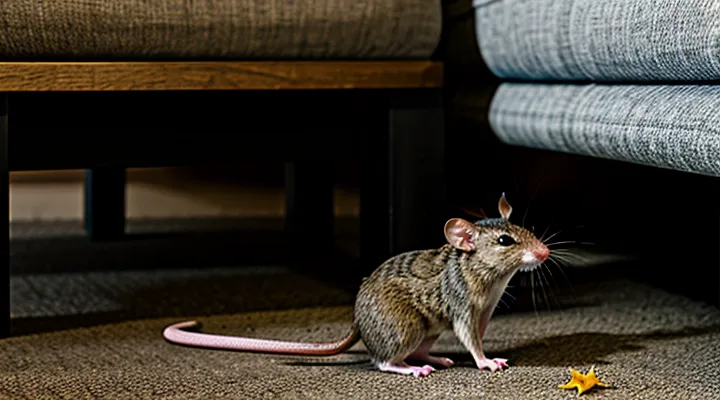
Understanding the Mouse Problem
Why Mice are a Nuisance
Mice create significant problems in homes and businesses. Their small size allows them to infiltrate walls, ceilings, and storage areas, where they cause structural damage by gnawing on wood, insulation, and wiring. Chewed electrical cables increase the risk of short circuits and fire hazards.
Food supplies suffer contamination when mice chew packaging, leave droppings, and spread bacteria. This compromises hygiene, leads to costly waste, and can trigger food‑borne illnesses.
Health risks extend beyond food contamination. Mice carry pathogens such as Hantavirus, salmonella, and leptospirosis, which can be transmitted to humans through direct contact or aerosolized particles from droppings and urine. Their presence also aggravates allergies and asthma by dispersing dander and urine proteins into the air.
Reproductive capacity amplifies the nuisance. A single female can produce several litters each year, with each litter containing up to a dozen offspring, resulting in rapid population growth if unchecked.
- Structural damage: gnawed wood, insulation, and wiring
- Electrical hazards: short circuits and fire risk
- Food contamination: spoiled products and bacterial spread
- Disease transmission: Hantavirus, salmonella, leptospirosis
- Allergy aggravation: airborne dander and urine proteins
- Rapid reproduction: exponential population increase
These factors collectively make mice a serious concern that demands effective control measures.
Signs of Mouse Infestation
Mice leave unmistakable evidence that signals a growing problem. Recognizing these indicators early prevents structural damage and health risks.
- Small, dark droppings about the size of a grain of rice, often found along walls, in cabinets, or beneath appliances.
- Gnawed edges on wood, plastic, or electrical wiring, especially near stored food or insulation.
- Nests constructed from shredded paper, fabric, or insulation, typically hidden in wall voids, attics, or behind appliances.
- Scratching or scurrying sounds in ceilings, walls, or crawl spaces, most active at night.
- Visible tracks in dusty areas, grease spots along baseboards, or footprints in soft soil near entry points.
- Strong, musky odor caused by urine, especially in confined spaces such as closets or pantries.
- Chewed or contaminated food packaging, with crumbs or spilled contents on shelves.
Each sign confirms the presence of rodents and warrants immediate action using proven folk-based control measures. Ignoring any of these clues allows populations to expand rapidly, increasing the difficulty of eradication.
Traditional Deterrents and Repellents
Herbal and Botanical Solutions
Peppermint Oil and Other Strong Scents
Peppermint oil is a widely recognized natural repellent used in traditional rodent control. Its high menthol concentration overwhelms a mouse’s olfactory system, causing avoidance behavior. Application guidelines include saturating cotton balls or small fabric pads with undiluted oil and placing them near entry points, nesting sites, and food storage areas. Replace the material every 3‑5 days to maintain potency.
Other strong scents that function similarly include:
- Eucalyptus oil – rich in eucalyptol, disrupts scent trails.
- Citrus peel – contains limonene, repels rodents when scattered or infused in water.
- Clove oil – high eugenol content creates an unpleasant environment.
- Ammonia solution – volatile ammonia fumes deter mice, but requires careful handling.
Effective deployment of these aromas follows a consistent pattern:
- Identify high‑traffic zones such as gaps under doors, behind appliances, and along baseboards.
- Position scent sources at least 12 inches apart to create overlapping coverage.
- Monitor activity for two weeks; adjust placement if signs of mouse presence persist.
- Combine scent methods with physical barriers (steel wool, door sweeps) for enhanced protection.
Safety considerations: essential oils may irritate skin and eyes; use gloves and avoid direct contact. Keep scented materials out of reach of children and pets. Ammonia should be used in well‑ventilated areas to prevent respiratory irritation.
When implemented correctly, strong aromatic deterrents reduce mouse activity without chemicals or traps, aligning with folk‑based, low‑impact pest management practices.
Bay Leaves and Cloves
Bay leaves and cloves are frequently mentioned in traditional rodent deterrent practices because their strong aromas interfere with mice’s sensory perception. The essential oils released by these spices contain compounds such as eucalyptol, linalool, and eugenol, which act as natural repellents. When dispersed in a living space, the odors mask food cues and create an uncomfortable environment for rodents.
- Crush a handful of bay leaves and place the fragments in corners, behind appliances, and along baseboards.
- Combine equal parts of ground cloves with the crushed bay leaves for a synergistic effect.
- Refresh the mixture weekly to maintain potency, especially in humid conditions.
Field observations indicate that areas treated with the bay‑leaf and clove blend experience a noticeable decline in mouse activity within two to three weeks. The method requires no chemicals, poses minimal risk to humans and pets, and can be integrated with other non‑toxic measures such as sealing entry points.
- Avoid using excessive quantities, which may cause irritation to skin or respiratory passages.
- Do not rely solely on aromatic deterrents when structural infestations are evident; combine with trapping or exclusion techniques.
- Store unused spices in airtight containers to preserve aromatic strength.
When applied correctly, bay leaves and cloves provide a cost‑effective, low‑maintenance component of a broader strategy aimed at reducing mouse presence in domestic environments.
Chilli Peppers and Spices
Chili peppers and aromatic spices constitute a reliable component of traditional mouse‑deterrent strategies. Capsaicin, the active ingredient of hot peppers, and piperine, derived from black pepper, trigger sensory irritation that mice avoid. The compounds act on trigeminal nerves, producing a burning sensation that discourages entry into treated areas.
Effective varieties include cayenne, jalapeño, habanero, and smoked paprika. Ground forms provide the highest surface area for contact; powdered mixtures retain potency longer than fresh pods. Essential‑oil extracts, such as chili‑infused oil, deliver capsicum in a liquid medium suitable for spray applications.
Application methods:
- Sprinkle a thin layer of ground pepper or mixed spice blend along baseboards, entry points, and interior walls.
- Prepare a spray by diluting chili‑infused oil (1 part oil to 4 parts water) with a few drops of dish‑soap; mist surfaces regularly.
- Place sealed sachets containing dried pepper flakes or spice pellets in cabinets, storage rooms, and under appliances.
- Incorporate chili powder into bait stations to increase repellency while maintaining attractant scent.
Safety considerations demand separation of treated zones from food preparation surfaces, avoidance of direct skin contact, and restriction of access for pets susceptible to capsaicin toxicity. Protective gloves and eye protection are advisable during handling.
Empirical observations report a reduction of mouse activity by 40‑70 % in environments where spice treatments are maintained weekly. Controlled trials confirm that capsaicin concentrations above 0.5 % (w/w) produce statistically significant avoidance behavior in laboratory rodents.
Combining spice repellents with other folk measures—such as sealing entry gaps, using ultrasonic devices, and deploying natural predators—enhances overall efficacy and sustains long‑term control without reliance on chemical rodenticides.
Physical Barriers and Home Remedies
Steel Wool and Caulk
Steel wool and caulk form a low‑cost, reliable barrier against mouse intrusion. The combination targets entry points that rodents exploit, providing a physical obstruction and a seal that resists gnawing.
Steel wool’s fine, interwoven fibers create a mesh too tough for mouse incisors. When packed tightly into cracks, gaps around pipes, or vent openings, the material blocks passage while conforming to irregular shapes.
Caulk, applied after steel wool placement, locks the mesh in place and fills remaining voids. Silicone‑based or acrylic caulk adheres to wood, drywall, and metal, creating a durable, weather‑resistant seal that eliminates residual openings.
Application steps
- Identify all potential entry points: gaps under doors, around utility penetrations, foundation cracks.
- Insert a sufficient amount of steel wool into each opening, pressing firmly to achieve a dense fill.
- Apply a continuous bead of caulk over the steel wool, smoothing with a fingertip or caulking tool to ensure full coverage.
- Allow the caulk to cure according to manufacturer instructions before exposing the area to moisture or temperature fluctuations.
Regular inspection confirms the integrity of the barrier. Replace damaged steel wool and re‑caulk any areas where the seal has deteriorated. Use gloves when handling steel wool to avoid irritation, and ensure adequate ventilation when applying caulk. This straightforward method integrates traditional rodent‑deterrent practices with modern sealing technology for lasting protection.
Dryer Sheets and Fabric Softeners
Dryer sheets and fabric softeners are common household items that many people employ as low‑cost deterrents against mice. Their strong fragrances, especially those containing lavender, citrus, or pine, mask the scent trails mice use to navigate and establish territories. When placed strategically, these scents can create a hostile environment that discourages rodents from entering or remaining in a space.
Effective deployment follows a simple pattern:
- Cut dryer sheets into quarters or halves for easier placement.
- Position pieces near entry points, such as gaps under doors, vents, and baseboard cracks.
- Replace sheets every two to three weeks, or sooner if the scent fades.
- For fabric softener, soak a small cloth in the liquid, wring out excess, and lay it in the same locations as the dryer sheets; refresh the cloth weekly.
The method’s advantages include affordability, ease of use, and the absence of chemicals that could pose health risks to humans or pets. However, the approach relies on scent potency; strong ventilation or cleaning can diminish effectiveness, and mice may become accustomed to the odor over time. For sustained control, combine dryer sheets or fabric softeners with physical barriers, trapping, and sanitation measures to eliminate food sources and nesting sites.
Folk Trapping Methods
DIY Traps with Household Items
Bucket Traps
Bucket traps provide a low‑tech, cost‑effective solution for catching house mice in homes, barns, and outbuildings. The device consists of a sturdy container—usually a five‑gallon plastic or metal bucket—mounted on a base that allows a mouse to fall through a funnel or ramp and become trapped at the bottom. Once inside, the mouse cannot escape because the bucket’s smooth walls prevent climbing.
Construction is straightforward:
- Obtain a bucket with a secure lid.
- Cut a 3‑inch opening near the rim; attach a wooden or PVC ramp that leads to the hole.
- Secure the bucket on a stable platform to keep it upright.
- Fit a one‑way gate or a flexible tube at the entrance to guide the mouse downward while preventing upward movement.
Effective bait selection enhances capture rates. Preferred options include:
- Peanut butter mixed with oats.
- Small pieces of cheese or dried fruit.
- Commercial rodent attractants.
Place traps along walls, behind appliances, and near known mouse pathways. Mice habitually travel close to vertical surfaces; positioning the ramp against a wall maximizes contact. Check traps daily; remove captured rodents, clean the bucket with hot water and mild detergent, and replenish bait as needed.
Safety considerations include wearing gloves when handling trapped mice and disposing of carcasses in sealed bags. Regular maintenance—tightening the ramp, inspecting for cracks, and ensuring the entry gate functions—prevents escape and prolongs trap life.
Field reports confirm that well‑maintained bucket traps can reduce mouse populations by 70‑80 % within two weeks, making them a reliable component of traditional rodent‑control strategies.
Bottle Traps
Bottle traps represent a time‑tested, low‑cost approach to mouse management. The device relies on a simple gravity‑induced mechanism: a mouse enters a baited bottle, loses footing on the slick interior, and slides to the bottom where escape is impossible.
Required materials include a clear glass or sturdy plastic bottle (1‑liter capacity works well), a piece of thin cardboard or stiff paper, a sharp knife or scissors, adhesive tape, and an attractive bait such as peanut butter, cheese, or sunflower seeds.
Construction steps
- Remove the bottle’s label and clean the interior thoroughly.
- Cut a small opening (approximately 2 cm in diameter) near the bottle’s neck; the opening must be large enough for a mouse to enter but small enough to prevent easy exit.
- Shape the cardboard into a funnel that fits snugly into the cut opening, directing the mouse toward the interior. Secure the funnel with tape, ensuring no gaps.
- Apply a thin layer of bait to the interior surface just below the funnel entrance.
Placement guidelines emphasize positioning traps along established mouse pathways: behind appliances, near walls, and adjacent to food sources. Position each trap with the funnel facing outward, and set them at floor level to match the rodents’ travel height. Monitor traps daily; remove captured mice promptly to prevent odor buildup.
Routine maintenance involves cleaning the bottle after each capture, replenishing bait, and inspecting the funnel for wear. Using non‑toxic bait and keeping traps away from children or pets maintains safety while preserving the method’s effectiveness.
Baiting Techniques for Homemade Traps
Bait selection determines the success of a homemade mouse trap. Fresh, high‑protein foods attract rodents more reliably than stale or low‑nutrient items. Preferred baits include:
- Small pieces of cooked chicken or turkey
- Peanut butter applied to a toothpick
- Sunflower or pumpkin seeds, lightly salted
- Soft cheese, broken into pea‑size fragments
Preparation of bait should follow a consistent routine. Use a clean utensil for each bait type to avoid cross‑contamination. Apply a thin coating of the attractant to the trigger mechanism, ensuring the mouse must manipulate the bait to release the trap. For sticky baits, press the material onto a small piece of cardboard to create a removable lure.
Placement guidelines enhance trap effectiveness. Position traps along walls, behind appliances, and near known runways. Align the trigger face perpendicular to the wall, allowing the mouse to approach naturally. Space multiple traps 2–3 feet apart in high‑traffic zones to increase capture probability. Check traps daily, replace spent bait promptly, and reset the mechanism after each catch.
Consistent use of these baiting techniques, combined with diligent trap maintenance, maximizes control of mouse populations using low‑cost, homemade solutions.
Natural Predators and Their Role
Cats as Pest Control
Cats have long served as biological agents against rodent infestations in residential and agricultural settings. Their predatory instincts trigger rapid response to mouse activity, reducing population density without reliance on chemicals or traps.
- Immediate detection of movement due to acute hearing and night vision.
- Natural hunting drives intermittent predation, lowering breeding success.
- Minimal upkeep compared with mechanical devices; food and veterinary care constitute primary costs.
- Presence of a cat creates a deterrent field; mice often avoid areas marked by feline scent.
Effective implementation requires careful selection and management. Choose breeds with strong hunting drive, such as domestic shorthair or Maine Coon, and ensure they receive regular health checks. Provide balanced nutrition while allowing occasional hunting opportunities; overfeeding may suppress predatory behavior. Monitor mouse activity to assess impact and adjust feeding or introduce additional cats if necessary. Recognize limitations: well‑fed or indoor‑only cats may ignore rodents, and some mouse populations develop avoidance tactics. Combining feline presence with complementary traditional methods enhances overall control success.
Owls and Other Birds of Prey
Owls and other birds of prey serve as natural predators that can suppress mouse populations in residential and agricultural settings. Their hunting instincts, nocturnal activity, and ability to cover large territories make them effective deterrents without chemical intervention.
Key characteristics that contribute to mouse control:
- Sharp talons and beaks capable of killing small rodents quickly.
- Acute hearing and night vision, allowing detection of mouse movement in darkness.
- Territorial behavior that discourages rodents from establishing colonies near nesting sites.
Implementation strategies for leveraging these predators include:
- Installing owl boxes or nesting platforms in barns, sheds, or garden structures to attract breeding pairs.
- Preserving existing raptor habitats such as tall trees, cliffs, or abandoned buildings to maintain a steady presence.
- Reducing pesticide use to protect the food chain and ensure birds have access to safe prey.
Benefits of using birds of prey in mouse management:
- Elimination of rodents without residue or secondary poisoning.
- Continuous predation pressure that adapts to fluctuating mouse numbers.
- Minimal maintenance after initial installation of nesting sites.
Considerations for successful adoption:
- Ensure placement of nesting boxes complies with local wildlife regulations.
- Provide adequate shelter from predators and harsh weather to encourage occupancy.
- Monitor box usage periodically and avoid disturbances during breeding seasons.
By integrating owls and related raptors into a broader program of traditional rodent control, property owners can achieve sustained reduction of mouse activity while supporting biodiversity.
Maintaining a Mouse-Free Environment
Food Storage and Sanitation
Effective mouse control in rural households depends heavily on how food is stored and how areas are kept clean. Improper storage provides easy access to grains, cereals, and pet food, encouraging rodents to establish permanent foraging routes. Maintaining airtight containers and separating raw from processed products eliminates the primary attractants that sustain infestations.
- Use solid‑wall containers with tight‑fitting lids for all dry goods.
- Store containers on raised platforms or shelves, away from walls and floor level.
- Rotate stock regularly; discard any product showing signs of moisture or spoilage.
- Keep pet feed in sealed bins and remove leftovers promptly.
- Clean storage areas weekly with hot, soapy water; rinse and dry before restocking.
Sanitation extends beyond storage. Sweep floors, clear debris, and eliminate standing water that can serve as secondary water sources. Inspect cracks, gaps, and openings in walls, floors, and doors; seal with steel wool or caulk to prevent entry. Regularly empty trash bins, line them with disposable bags, and store them in a location inaccessible to rodents. Consistent application of these practices reduces food availability, discourages nesting, and supports long‑term success of traditional mouse‑deterrent methods.
Sealing Entry Points
Sealing entry points forms the foundation of traditional mouse control. Mice exploit gaps as small as a quarter‑inch; eliminating these pathways prevents infestations before they begin.
Identify openings by inspecting foundations, walls, doors, windows, and utility penetrations. Use a thin line of flour or talc around suspected gaps; footprints reveal active routes. Pay special attention to:
- Gaps around pipe sleeves and vent pipes
- Spaces beneath baseboards and trim
- Cracks in exterior siding and brickwork
- Openings around HVAC ducts and electrical conduits
Select materials that resist gnawing. Effective options include:
- Steel wool tightly packed into gaps, covered with caulk for durability
- Hardware cloth (¼‑inch mesh) secured with screws or staples for larger openings
- Expanding polyurethane foam for irregular voids, applied in thin layers to avoid over‑expansion
- Silicone or acrylic caulk for seams around doors, windows, and trim
Apply sealing measures in a systematic sequence:
- Clean the area to remove debris and dust.
- Insert steel wool or hardware cloth into the gap, ensuring a snug fit.
- Apply caulk or foam over the filler to create a seamless barrier.
- Smooth the sealant with a putty knife, eliminating air pockets.
- Allow the material to cure according to manufacturer instructions before exposing the area to traffic.
Conduct periodic inspections, especially after seasonal temperature changes or building renovations. Replace compromised seals promptly to maintain an uninterrupted barrier. Consistent upkeep preserves the integrity of the exclusion strategy and sustains long‑term mouse deterrence.
Regular Home Maintenance
Regular upkeep of a dwelling creates conditions that deny mice shelter, food, and access routes, thereby reinforcing traditional, low‑tech control measures.
Key maintenance actions include:
- Sealing cracks, gaps, and openings around foundations, doors, windows, and utility penetrations.
- Repairing damaged screens, weather stripping, and door sweeps.
- Storing food in airtight containers and promptly cleaning crumbs, spills, and pet waste.
- Keeping indoor and outdoor clutter, such as piles of firewood, cardboard, and debris, away from walls and entry points.
- Maintaining proper drainage and eliminating standing water to discourage rodent activity near foundations.
Each action eliminates a specific advantage mice exploit: sealed entry points block ingress; intact barriers prevent interior movement; proper food storage removes attractants; reduced clutter deprives hiding places; dry surroundings limit shelter options. Consistent execution of these tasks sustains the effectiveness of folk‑based deterrents and traps.