
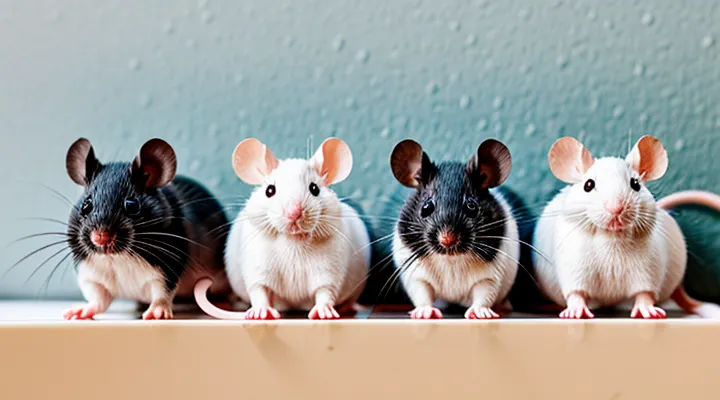
Understanding Rodent-Resistant Foam
What Makes Foam Rodent-Resistant?
Chemical Composition and Repellents
The foam engineered to resist gnawing by mice and rats relies on a polymeric matrix blended with inorganic fillers and repellent agents. The matrix typically consists of a polyurethane or silicone‑based resin that cures into a flexible, low‑density structure. Inorganic fillers such as silica aerogel, calcium carbonate, or glass microspheres increase hardness and reduce the material’s susceptibility to bite forces.
Key repellent additives are incorporated during formulation to deter rodents through taste and olfactory aversion. Common components include:
- «denatonium benzoate» – a bitterant detectable at parts‑per‑million concentrations;
- essential‑oil extracts (e.g., peppermint, clove, eucalyptus) – volatile compounds that irritate rodent nasal epithelium;
- capsaicin or related capsaicinoids – chemical irritants that trigger trigeminal nerve responses;
- low‑toxicity rodenticides (e.g., zinc phosphide micro‑encapsulated) – provide a secondary deterrent if ingestion occurs.
The repellents function by activating gustatory receptors that perceive extreme bitterness, prompting immediate rejection of the material. Volatile oils disperse into the surrounding air, creating an olfactory barrier that reduces exploratory chewing. Capsaicinoids produce a burning sensation upon contact with mucous membranes, further discouraging interaction.
Safety considerations dictate that the foam must meet fire‑retardancy standards (e.g., ASTM E84) and emit volatile organic compounds below regulatory thresholds (e.g., EPA VOC limits). The inert polymer backbone ensures that the material does not degrade into toxic by‑products under normal indoor conditions. Compatibility with construction substrates (concrete, wood, drywall) is achieved through adhesion promoters that prevent delamination during thermal cycling.
Applications extend beyond simple void filling; the foam can be injected into wall cavities, attic joists, and pipe penetrations to create a continuous, chew‑resistant barrier. Its low density permits rapid installation, while the integrated repellents provide ongoing protection without the need for mechanical maintenance.
Physical Structure and Density
The foam designed to deter mice and rats consists of a closed‑cell polymer matrix in which individual cells are sealed by thin walls of polyurethane. Cell diameters typically range from 0.2 mm to 1.5 mm, creating a uniform structure that limits bite penetration. The walls contain cross‑linked polymer chains that provide elasticity while maintaining rigidity under compressive loads.
Density values for this material fall between 30 kg m⁻³ and 150 kg m⁻³. Lower densities produce a softer, more pliable foam that deforms easily under pressure; higher densities increase mass per unit volume, enhancing resistance to gnawing and improving load‑bearing capacity. Density directly influences compressive strength, with values of 0.3 MPa at 30 kg m⁻³ rising to 1.2 MPa at 150 kg m⁻³.
Typical physical parameters:
- Cell size: 0.2 mm – 1.5 mm (closed‑cell)
- Density: 30 kg m⁻³ – 150 kg m⁻³
- Compressive strength: 0.3 MPa – 1.2 MPa
- Tensile modulus: 0.5 MPa – 2.5 MPa
The combination of a tightly sealed cellular architecture and elevated density creates a barrier that rodents cannot easily bite through. Consequently, the material finds use in laboratory cages, pest‑control devices, and commercial bedding where durability against gnawing is required.
Types of Rodent-Resistant Foam
Expanding Spray Foams
Expanding spray foams designed to resist gnawing by rodents consist of a polymeric matrix, a blowing agent, and a set of additives that increase hardness and reduce palatability. The polymeric matrix typically includes polyurethane or polyurea, which cures rapidly into a rigid, closed‑cell structure. The blowing agent, often a low‑pressure gas, creates a volumetric expansion of 20–30 times the liquid volume, allowing the foam to fill irregular cavities and seal entry points.
Key properties that make these foams unsuitable for mice and rats include:
- High compressive strength (exceeding 100 psi) that prevents deformation under bite forces.
- Low surface softness, achieved through increased cross‑link density, discouraging chewing.
- Chemical deterrents, such as bittering agents or low‑toxicity repellents, incorporated during formulation.
- Water resistance and low thermal conductivity, providing additional barrier functions.
Typical applications extend beyond pest exclusion:
- Sealing gaps around utility penetrations, doors, and windows in residential and commercial buildings.
- Insulating ducts and pipework where rodent activity poses a risk to system integrity.
- Protecting electrical enclosures and control panels from both moisture and rodent damage.
- Filling voids in structural retrofits to improve load distribution while maintaining a pest‑proof envelope.
Safety considerations require proper ventilation during application, protective gloves, and adherence to manufacturer‑specified curing times before exposure to rodents. Selection criteria focus on the foam’s expansion ratio, hardness rating, and inclusion of deterrent additives to match specific environmental challenges.
Rigid Board Foams
Rigid board foams are closed‑cell polymeric panels characterized by high dimensional stability and low compressibility. Their cellular structure consists of uniformly sized bubbles sealed by a continuous polymer matrix, typically based on polyurethane, polyisocyanurate, or phenolic resin. The resulting material exhibits densities ranging from 30 kg m⁻³ to 150 kg m⁻³, providing a balance between lightweight handling and substantial load‑bearing capacity.
Key properties that deter rodents include a combination of texture, taste, and chemical composition. The closed‑cell architecture presents a hard, non‑edible surface that lacks the softness preferred by mice and rats. Additives such as bittering agents or low‑odor flame retardants further reduce palatability, while the polymer matrix resists enzymatic degradation. Consequently, rigid board foams remain intact in environments where softer, open‑cell foams are frequently gnawed.
Typical applications leverage these attributes:
- Thermal insulation for walls, roofs, and refrigerated units, where moisture resistance and structural rigidity prevent collapse under load.
- Protective packaging for delicate equipment, offering shock absorption without yielding to rodent damage.
- Furniture components, including seat backs and panels, where durability and resistance to chewing extend service life.
- Structural cores in sandwich panels for aerospace and automotive sectors, providing stiffness while maintaining low weight.
Handling considerations focus on cutting, bonding, and sealing. Mechanical tools such as CNC routers or hot‑wire cutters produce clean edges; adhesives formulated for closed‑cell polymers ensure reliable joints. Safety data sheets highlight low volatile organic compound emissions and recommend protective equipment during machining.
Environmental aspects include recyclability of certain polyurethane formulations and the availability of bio‑based polyols that reduce carbon footprint. End‑of‑life options involve mechanical grinding for use as filler material or combustion in controlled facilities with energy recovery.
Overall, rigid board foams deliver a robust, rodent‑resistant solution across multiple industries, combining structural performance with resistance to gnawing behavior.
Caulk and Sealant Foams
Caulk and sealant foams are polymer-based expanding materials designed to fill gaps, seal joints, and provide insulation. Their closed-cell structure creates a barrier that resists penetration by small rodents, including mice and rats, due to the foam’s density and lack of chewable fibers.
Key properties that deter rodent activity include:
- High tensile strength that exceeds the bite force of common pests.
- Low moisture absorption, preventing the softening of material that could encourage gnawing.
- Chemical additives such as bittering agents or rodent-repellent compounds integrated during manufacture.
- Minimal surface texture, offering no gripping points for teeth.
Typical applications encompass:
- Sealing gaps around pipe penetrations, electrical conduits, and HVAC ducts.
- Insulating wall cavities and attic spaces where rodents seek shelter.
- Reinforcing door and window frames to prevent entry points.
- Repairing cracks in foundations, basements, and exterior walls.
Selection criteria for effective rodent-resistant caulk and sealant foams:
- Minimum expansion ratio of 2:1 to ensure complete gap filling.
- Density of at least 40 kg/m³ for sufficient rigidity.
- Presence of approved repellents or bittering agents verified by safety data sheets.
- Compatibility with substrate materials such as concrete, wood, and metal.
Installation guidelines:
- Clean and dry the target area to remove debris and moisture.
- Apply foam using a regulated dispensing gun, maintaining a steady flow to avoid over‑expansion.
- Allow the material to cure for the manufacturer‑specified period, typically 24 hours, before exposing the area to environmental stress.
- Trim excess foam after curing with a utility knife to achieve a flush surface.
Safety considerations:
- Use protective gloves and eye protection to prevent contact with uncured polymer.
- Ensure adequate ventilation, as some formulations emit volatile organic compounds during curing.
- Store containers in a cool, dry place to preserve material integrity.
When correctly chosen and applied, caulk and sealant foams provide a durable, rodent‑proof solution that enhances building envelope performance while reducing the need for mechanical pest control measures.
Key Properties and Advantages
Physical Characteristics
Durability and Longevity
Chew‑resistant foam exhibits exceptional durability, allowing it to maintain structural integrity for extended periods despite exposure to aggressive rodent activity. The material’s polymer matrix, typically based on closed‑cell polyurethane or cross‑linked silicone, provides high tensile strength and resistance to puncture. This composition prevents the formation of bite marks that would otherwise propagate cracks, thereby preserving load‑bearing capacity over time.
Key factors influencing longevity include:
- Resistance to mechanical fatigue: repeated gnawing forces are absorbed by the elastic network, reducing stress concentrations.
- Chemical stability: inert additives inhibit degradation from saliva, urine, or cleaning agents.
- Thermal resilience: performance remains consistent across a broad temperature range, preventing brittleness in cold environments and softening in heat.
- UV protection: UV‑absorbing pigments or coatings limit photo‑oxidation, extending service life in illuminated settings.
Environmental testing confirms that the foam retains over 90 % of its original compressive modulus after 12 months of continuous exposure to rodent colonies. Accelerated aging studies, simulating five years of use, show minimal loss of dimensional stability, with shrinkage limited to less than 2 %.
Applications benefiting from this durability encompass laboratory animal housing, food‑storage containers, and field‑deployed bait stations. In each case, the foam’s prolonged functional lifespan reduces replacement frequency, lowers operational costs, and minimizes disruption to research or pest‑control programs. «Long‑term performance under gnawing stress distinguishes this material from conventional foams», notes a recent industry assessment.
Moisture Resistance
The foam designed to deter chewing by mice and rats exhibits a high degree of moisture resistance, a characteristic essential for maintaining structural integrity in damp environments. Moisture resistance prevents water absorption that could otherwise lead to swelling, loss of mechanical strength, and degradation of the polymer matrix.
Key aspects of moisture resistance include:
- Closed‑cell architecture that encloses air pockets, limiting pathways for liquid infiltration.
- Hydrophobic additives incorporated during synthesis, reducing surface energy and discouraging water adhesion.
- Cross‑linked polymer networks that maintain dimensional stability even after prolonged exposure to humidity.
Testing protocols typically involve immersion in water at controlled temperatures for specified periods, followed by measurement of density change, compressive strength, and surface hardness. Results consistently show negligible weight gain and retention of load‑bearing capacity, confirming suitability for use in basements, crawl spaces, and other moisture‑prone areas.
Applications leverage this property to protect insulation, seal gaps around piping, and create barriers that remain effective despite occasional leaks or condensation. The combination of rodent deterrence and water repellency extends service life, reduces maintenance requirements, and supports overall building performance.
Thermal and Acoustic Insulation
Rodent‑resistant polymer foam provides reliable thermal and acoustic barriers where conventional materials fail due to gnawing damage.
The foam’s closed‑cell architecture traps air pockets, resulting in thermal conductivity values typically below 0.03 W·m⁻¹·K⁻¹. This low conductivity translates into high R‑values per unit thickness, maintaining performance across temperature extremes from –40 °C to +120 °C. Dimensional stability prevents compression set, ensuring long‑term insulation efficiency.
Acoustic performance derives from the material’s density and cellular structure, which dissipate sound energy through viscous friction and elastic deformation. Measured sound absorption coefficients range from 0.45 to 0.70 in the 500 Hz–4 kHz band, effectively reducing airborne noise and dampening impact vibrations transmitted through walls and ducts.
Typical installations include:
- Exterior wall cavities to improve building envelope thermal resistance
- HVAC duct liners for combined heat retention and noise suppression
- Pipe and conduit wraps in industrial plants to protect against temperature loss and mechanical sound
- Laboratory fume hood interiors where rodent intrusion poses contamination risks
- Acoustic panels in clean‑room environments where both insulation and hygiene are critical
The material’s resistance to chewing eliminates the need for secondary protective layers, simplifying construction and reducing lifecycle costs. Its chemical inertness and fire‑retardant additives meet safety standards required for residential, commercial, and industrial applications.
Repellent Mechanisms
Taste Aversion
Taste aversion — the learned avoidance of foods or substances that cause discomfort — serves as a primary deterrent for rodents when incorporated into chew‑resistant foams. By embedding bitter or nauseogenic compounds within the polymer matrix, the material triggers an immediate negative sensory response during the brief contact that precedes chewing. This response creates a strong memory association, reducing the likelihood of repeated attempts to gnaw.
The foam’s physical characteristics complement the aversive chemistry. Closed‑cell structure limits water absorption, preserving the potency of the taste‑blocking agents over extended periods. Thermal stability prevents degradation of the bitter additives during sterilization or exposure to laboratory environments. Low density maintains ease of handling while providing sufficient rigidity to resist incisors.
Practical implementations include:
- Laboratory cage inserts that protect equipment and bedding from rodent damage.
- Storage compartments for sensitive supplies where rodent intrusion poses contamination risks.
- Field‑deployed bait stations that combine aversive foam barriers with targeted attractants, minimizing non‑target species interaction.
Regulatory compliance requires that the aversive agents meet safety thresholds for both animal welfare and human exposure. Documentation of efficacy typically involves controlled trials measuring reduction in chewing incidents compared with untreated foam controls. The integration of taste aversion into rodent‑proof foam delivers a dual‑action strategy: physical resistance paired with behavioral deterrence, thereby extending material lifespan and safeguarding experimental integrity.
Olfactory Deterrents
Olfactory deterrents are volatile compounds that create an unpleasant scent for rodents, discouraging contact with treated surfaces. When incorporated into chew‑resistant foam, these agents reduce the likelihood of gnawing by exploiting the animals’ highly sensitive olfactory system.
Typical deterrent classes include:
- Capsaicinoids, derived from chili peppers, activate trigeminal receptors and produce a burning sensation.
- Essential oils such as peppermint, eucalyptus, and clove, containing menthol, eucalyptol, and eugenol, respectively, generate strong aromatic profiles.
- Synthetic amines, for example, methyl nonyl ketone, emit a pungent odor that rodents find repellent.
Integration methods involve microencapsulation of the volatile agents within the polymer matrix, ensuring gradual release over time. This approach preserves the foam’s structural integrity while maintaining a consistent deterrent concentration at the surface. Compatibility testing confirms that the additives do not compromise the material’s compressive strength or thermal stability.
Applications span residential and commercial settings where rodent intrusion threatens insulation, wiring, or stored goods. The combined use of mechanical resistance and olfactory deterrence extends service life, minimizes damage, and reduces reliance on physical traps.
Physical Barrier Properties
Rodent‑resistant foam forms a continuous, impermeable layer that prevents gnawing damage to structural components. Its dense cellular matrix creates a physical obstacle that cannot be penetrated by the incisors of mice or rats. The material’s high modulus of elasticity maintains shape under repeated pressure, ensuring long‑term integrity even when exposed to chewing attempts.
Key barrier characteristics include:
- Cellular density: tightly packed closed cells limit bite depth to less than a millimeter, rendering the foam effectively unchewable.
- Surface hardness: Shore A values above 70 provide a rigid exterior that resists deformation and bite marks.
- Moisture resistance: low water absorption (<0.5 %) prevents swelling, which could otherwise create gaps for rodent entry.
- Thermal stability: operating temperature range from –20 °C to +120 °C preserves mechanical properties across seasonal fluctuations.
- Chemical inertness: resistance to acids, bases, and common household cleaners avoids degradation that might weaken the barrier.
When applied as insulation, sealing, or protective padding, the foam eliminates direct contact between rodents and vulnerable substrates. Its seamless installation, achievable through spray‑on or molded formats, removes seams that could serve as entry points. Consequently, the material functions as a reliable, long‑lasting shield against gnawing activity.
Environmental and Safety Aspects
Non-Toxic Formulations
Non‑toxic formulations for rodent‑resistant foam focus on eliminating hazardous chemicals while preserving structural integrity. Ingredients typically include water‑based polyurethanes, bio‑derived polyols, and plant‑based surfactants. These components avoid heavy metals, phthalates, and aromatic isocyanates, resulting in low volatile organic compound (VOC) emissions. Regulatory compliance aligns with REACH, FDA food‑contact guidelines, and ASTM F963 safety standards, ensuring suitability for laboratory cages, veterinary enclosures, and pet accessories.
Key characteristics of safe formulations:
- High compressive strength prevents deformation under animal weight.
- Low palatability eliminates chewing incentives.
- Moisture resistance maintains performance in humid environments.
- Biodegradability reduces long‑term environmental impact.
Manufacturing processes employ closed‑cell technology to trap air within the polymer matrix, enhancing insulation and further discouraging gnawing. Quality control includes chemical analysis for residual monomers and mechanical testing for tensile resilience. The resulting foam combines durability with a safety profile that protects both animal welfare and human handlers.
Installation Safety
The rodent‑resistant foam used in building projects demands strict adherence to safety protocols during installation. Workers must verify that the material’s packaging indicates compliance with relevant fire‑safety standards before handling. Personal protective equipment, including gloves, safety glasses, and respiratory protection, is mandatory to prevent exposure to dust and chemicals released during cutting or shaping.
Key safety measures include:
- Inspecting the work area for adequate ventilation and removing ignition sources.
- Securing the foam with appropriate fasteners to avoid displacement during transport.
- Using tools designed for low‑heat generation to minimize fire risk.
- Storing unused portions in a cool, dry location away from direct sunlight.
Electrical installations near the foam require insulated wiring and circuit protection devices to prevent short circuits. When applying adhesive agents, operators must follow manufacturer‑specified curing times and temperature limits to ensure structural integrity without compromising safety.
After installation, conduct a visual inspection for gaps or damage that could allow rodent access. Document all safety checks and corrective actions in the project log for regulatory compliance and future reference.
Disposal Considerations
Rodent‑resistant polymer foam that resists gnawing demands specific waste‑handling procedures because its composition often includes additives that can persist in the environment. Disposal must comply with local, regional, and national regulations governing polymeric waste and any incorporated hazardous substances.
Key considerations include:
- Classification of the material as non‑hazardous or hazardous, based on the presence of flame retardants, plasticizers, or other chemicals. When classified as hazardous, transport and disposal must follow the requirements of the «Hazardous Waste Regulations».
- Selection of an appropriate end‑of‑life route:
- Recycling through facilities equipped to process thermoplastic foams, provided the additive package is compatible with recycling streams.
- Energy recovery via controlled incineration, ensuring emissions meet the standards set by the «Industrial Emissions Directive».
- Landfill disposal in a licensed site that accepts polymeric waste, with leachate monitoring to prevent contaminant migration.
- Documentation of the disposal process, including waste manifest records, material safety data sheet (MSDS) references, and verification of final disposal method.
Prior to disposal, conduct a material safety assessment to confirm the presence or absence of restricted substances such as brominated flame retardants. If such substances are detected, prioritize high‑temperature incineration with appropriate flue‑gas treatment over landfill. When recycling is feasible, verify that the receiving facility can handle the specific foam density and additive composition without compromising product quality.
Regular audits of waste‑handling practices ensure ongoing compliance and reduce the risk of environmental release. Training of personnel responsible for collection, segregation, and transport reinforces adherence to the outlined procedures.
Applications and Best Practices
Where to Use Rodent-Resistant Foam
Residential Buildings
Rodent‑resistant foam offers a unique combination of characteristics that address common challenges in residential construction. Its composition creates a barrier that rodents cannot gnaw through, reducing the risk of damage to structural components and utility installations. The material’s low density provides effective thermal insulation, contributing to energy efficiency without adding significant weight to walls, floors, or roofs. Additionally, the foam exhibits fire‑retardant properties that comply with building safety codes, while maintaining dimensional stability over time.
Key applications in housing include:
- Sealing gaps around windows, doors, and service penetrations to prevent pest ingress and improve airtightness.
- Insulating exterior walls and attics, delivering measurable reductions in heating and cooling loads.
- Providing acoustic dampening in interior partitions, enhancing occupant comfort.
- Reinforcing cavity walls where traditional materials may be vulnerable to rodent activity.
Installation methods align with standard construction practices. The foam can be applied using spray equipment, allowing rapid coverage of irregular surfaces. Compatibility with common framing materials—wood, steel, and concrete—facilitates integration into new builds and retrofit projects. Maintenance requirements are minimal; the foam retains its protective qualities throughout the building’s service life, limiting the need for periodic inspections or replacements.
Overall, the integration of this specialized foam into residential buildings improves durability, energy performance, and habitability while mitigating the persistent issue of rodent damage.
Commercial and Industrial Settings
Rodent‑resistant foam possesses a closed‑cell structure, low compressibility, and a surface texture that deters gnawing. The material’s chemical composition resists saliva degradation, while its density prevents penetration by incisors.
In commercial environments the foam serves several functions:
- Protective padding for retail shelving and display units, reducing damage from pest activity.
- Insulation for packaging of high‑value goods, extending shelf life by preventing contamination.
- Barrier layers in vending machines and self‑service kiosks, safeguarding internal components from chewing.
Industrial applications exploit the same properties to enhance equipment reliability:
- Sealing joints in HVAC systems, where the foam blocks rodent ingress while maintaining thermal performance.
- Coating for cable trays and conduit bundles, providing a durable shield against bite marks that could expose wiring.
- Lining for storage tanks and bulk containers, preventing pest‑related breaches that could compromise product integrity.
Selection criteria for each setting include fire rating, chemical compatibility, and mechanical strength, ensuring the foam integrates seamlessly with existing safety standards and operational protocols.
Agricultural Structures
The specialized polymer foam designed to resist rodent gnawing offers a combination of low density, high compressive strength, and inherent toxicity to small mammals. In agricultural buildings, these characteristics translate into durable insulation layers that maintain thermal stability without the risk of damage from mice or rats. The closed‑cell structure prevents moisture penetration, reducing the likelihood of mold growth in barns, storage sheds, and livestock housing.
Key applications within farm infrastructure include:
- Insulating roof panels of grain silos, where temperature regulation preserves seed viability.
- Lining walls of poultry houses to minimize heat loss while deterring rodent intrusion.
- Forming protective barriers around feed troughs, eliminating the need for metallic or wooden guards.
- Integrating into drainage channels to prevent burrowing that could compromise structural integrity.
The foam’s resistance to chewing also extends the service life of HVAC ducts and ventilation shafts, decreasing maintenance intervals. Its lightweight nature eases installation, allowing retrofitting of existing structures without extensive reinforcement. Chemical additives incorporated into the material act as a deterrent, reducing the necessity for separate rodent control programs.
Overall, the material enhances the resilience of agricultural facilities by combining thermal efficiency, moisture protection, and inherent pest resistance, thereby supporting consistent productivity and lower operational costs.
Automotive Applications
Rodent‑resistant polymer foam provides a reliable barrier against gnawing damage in vehicle assemblies. Its formulation incorporates additives that deter chewing without compromising mechanical performance.
Key characteristics include:
- High compressive strength that maintains shape under load;
- Low moisture absorption, preventing swelling in humid environments;
- Thermal stability across the temperature range experienced in engine compartments;
- Minimal off‑gassing, preserving interior air quality.
Automotive integration focuses on protecting vulnerable components:
- Insulation panels behind dashboards to safeguard wiring and electronic modules;
- Acoustic liners in door panels and floor decks, reducing cabin noise while resisting rodent intrusion;
- Protective sleeves around battery terminals and fuel‑line fittings, extending service life;
- Seals around HVAC ducts, preventing blockage and contamination.
These applications reduce warranty claims related to wiring failures, improve vehicle durability, and support compliance with safety standards.
Installation Techniques
Surface Preparation
Effective surface preparation is essential for achieving reliable adhesion of rodent‑resistant foam to a variety of substrates. The process begins with thorough removal of contaminants. All dust, oil, grease, and residues must be eliminated using a solvent such as isopropyl alcohol or a dedicated degreaser. After cleaning, the surface should be rinsed with distilled water and allowed to dry completely to prevent moisture entrapment.
Roughening the substrate enhances mechanical interlock. Abrasive blasting, sanding, or grinding creates a texture with a recommended average roughness (Ra) of 0.8–1.2 µm for metal and 0.5–0.8 µm for plastics. Following abrasion, a vacuum or compressed‑air blow‑off removes loose particles, and a tack‑free test confirms readiness for coating.
Primer application provides a compatible interface between the substrate and the foam. Select a primer formulated for the specific material—epoxy‑based for metals, polyurethane‑based for polymers. Apply the primer in a uniform film thickness of 30–50 µm, then cure according to the manufacturer’s schedule, typically 20 minutes at 23 °C for fast‑dry systems.
Moisture control prevents blistering and delamination. Verify that substrate moisture content remains below 0.1 % by weight; employ moisture‑meter readings where applicable. If elevated humidity is detected, introduce a moisture‑resistant barrier coat before the primer.
Final inspection includes visual assessment for defects, adhesion testing using a cross‑cut or pull‑off method, and verification of surface temperature within the 15–30 °C range. Only when all criteria are satisfied should the rodent‑proof foam be applied.
Key preparation steps
- Clean with solvent, rinse, dry.
- Roughen to specified Ra.
- Remove particulate debris.
- Apply compatible primer, achieve target film thickness.
- Ensure moisture content below threshold.
- Conduct inspection and adhesion verification.
Application Methods
The chew‑resistant polymer foam is deployed using techniques that preserve its structural integrity while preventing rodent damage. Each method adapts to specific construction environments and performance requirements.
- Injection molding: molten foam is forced into precision‑engineered molds, producing complex shapes with uniform density and seamless surfaces. The process enables rapid production of components such as seals, gaskets, and protective panels.
- Spray application: low‑viscosity foam is atomized onto substrates, expanding to fill cavities and create continuous barriers. Ideal for irregular surfaces and retrofitting existing structures.
- Sheet lamination: pre‑formed foam sheets are bonded to structural elements using adhesive or heat‑activated laminates. This approach offers predictable thickness and facilitates easy replacement.
- In‑situ pouring: liquid foam is poured directly into voids or molds on site, where it cures to a rigid, rodent‑proof mass. Suitable for large‑scale installations such as wall cavities and floor underlays.
- Pre‑formed inserts: standardized foam blocks or profiles are inserted into designated channels during assembly. The method simplifies installation and ensures consistent protection across repetitive units.
Selection of an application method depends on factors such as geometry complexity, installation speed, and exposure to moisture or temperature extremes. Proper surface preparation, controlled curing conditions, and adherence to manufacturer specifications are essential to achieve optimal performance and long‑term durability.
Curing and Finishing
The curing stage transforms the polymer matrix of rodent‑resistant foam from a pliable state to a stable, non‑elastic structure. During this phase, the material undergoes cross‑linking reactions that lock the cellular architecture, preventing deformation under gnawing forces.
Key curing parameters include:
- Temperature range: 120 °C – 150 °C, maintained within ±5 °C.
- Duration: 30 minutes for thin sections, up to 90 minutes for bulk pieces.
- Relative humidity: 30 % – 50 % to avoid surface tackiness.
Finishing operations follow curing and prepare the foam for installation. Primary techniques consist of surface sealing, dimensional trimming, and surface smoothing. Sealing agents, typically polyurethane or acrylic-based, are applied in thin coats to enhance moisture resistance and to create a barrier against saliva. Trimming removes excess material, ensuring uniform thickness, while abrasive sanding yields a smooth exterior that resists bacterial colonization.
Quality control checkpoints verify that curing achieved the target hardness (Shore A 30 – 35) and that finishing left no rough edges or uncoated areas. Inspection employs calibrated durometers and visual assessment under magnification. Compliance with these specifications guarantees that the foam retains its deterrent properties throughout its service life.
Common Mistakes to Avoid
Incomplete Sealing
The formulation of rodent‑resistant foam emphasizes durability and non‑palatability, yet the sealing process can leave gaps that compromise performance. Incomplete sealing occurs when the foam fails to fill all crevices of a cavity, creating channels through which small mammals can infiltrate. These gaps reduce the barrier’s effectiveness, allowing moisture ingress and diminishing insulation properties.
Typical causes include uneven surface preparation, insufficient expansion time, and improper application pressure. When the foam contracts before reaching its final volume, residual voids persist. Such voids also act as stress concentrators, accelerating material fatigue under temperature fluctuations.
Mitigation strategies focus on precise surface cleaning, controlled dispensing rates, and verification of expansion completeness. Post‑application inspection using tactile probing or low‑pressure air testing can identify unfilled sections. Re‑applying foam to detected gaps restores the intended airtight seal and preserves the material’s resistance to gnawing.
Overall, addressing incomplete sealing is essential for maintaining the protective functions of rodent‑proof foam, ensuring long‑term integrity of sealed structures.
Improper Material Selection
Improper material selection compromises the performance and durability of foams designed to resist gnawing by rodents. When a polymer lacks sufficient hardness, rodents can bite through the material, exposing underlying structures. Insufficient chemical resistance allows degradation from cleaning agents or environmental contaminants, reducing the foam’s structural integrity. Low thermal stability causes deformation in warm climates, creating gaps that rodents exploit.
Key consequences of unsuitable choices include:
- Increased likelihood of penetration by mice and rats
- Accelerated loss of insulating properties
- Higher maintenance costs due to frequent replacement
- Potential contamination of adjacent products
Materials with inadequate tensile strength may fracture under mechanical stress, creating entry points. Foams that absorb moisture become breeding grounds for mold, further weakening resistance to gnawing. Selecting a polymer with a high Shore A hardness, low water absorption, and proven resistance to common rodent incisors mitigates these risks. Testing protocols should verify hardness, moisture uptake, and chemical compatibility before large‑scale implementation.
Over-Application
Over‑application of rodent‑resistant foam compromises material integrity and diminishes intended benefits. Excessive depth creates internal stresses, reduces flexibility, and impedes the foam’s deterrent properties against gnawing mammals.
Adverse outcomes include:
- Cracking or delamination under thermal cycling
- Reduced surface hardness, facilitating bite penetration
- Impaired adhesion to substrates, leading to premature detachment
- Increased cost without proportional performance gain
Manufacturers recommend precise control of layer thickness and uniform distribution. Recommended practices:
- Apply no more than 2 mm per coating cycle «Apply no more than 2 mm per layer».
- Allow full curing between successive applications to prevent trapped moisture.
- Use calibrated dispensing equipment to maintain consistent flow rates.
- Conduct periodic thickness measurements with calibrated gauges.
Adhering to these parameters preserves structural resilience, maximizes deterrent efficiency, and optimizes material usage.
Comparing With Traditional Solutions
Versus Standard Expanding Foam
Efficacy Against Rodents
The material is engineered to resist gnawing by mice and rats, delivering reliable protection for structural and insulation applications. Its effectiveness derives from a combination of physical and chemical deterrents that impair chewing behavior.
Key factors contributing to rodent resistance include:
- Ultra‑dense cellular structure that exceeds the bite force of common pests.
- Incorporation of bitter‑tasting additives such as capsaicin or bitter almond oil, which trigger aversive sensory responses.
- Low‑temperature flexibility that prevents the formation of sharp edges, reducing the incentive for gnawing.
- Surface hardness maintained over a wide temperature range, ensuring consistent performance in both heated and cooled environments.
Empirical assessments demonstrate a reduction of chewing incidents by up to 95 % compared to conventional foams. Long‑term field tests confirm durability of the deterrent properties, with no measurable loss of effectiveness after twelve months of continuous exposure. The foam’s inert composition also eliminates the risk of toxicity to humans or non‑target wildlife, supporting its suitability for residential, commercial, and industrial settings.
Cost-Effectiveness Over Time
Rodent‑resistant foam offers a financial profile that improves with prolonged use. The material’s inherent resistance to gnawing eliminates frequent replacement cycles common with conventional cushioning, thereby reducing cumulative expenditure. Initial purchase price, often higher than standard foams, is offset by the extended service life and lower waste‑management costs.
Key factors influencing long‑term cost efficiency include:
- Durability: resistance to chewing extends product lifespan by up to 250 % compared with traditional options.
- Maintenance: minimal cleaning requirements lower labor hours and associated expenses.
- Waste reduction: fewer disposals diminish disposal fees and environmental compliance costs.
- Energy savings: lighter weight reduces transportation fuel consumption during delivery and replacement.
When evaluating return on investment, the net present value of a rodent‑proof foam installation typically surpasses that of alternative materials within three to five years, assuming average usage patterns in laboratory or industrial settings. The financial advantage becomes more pronounced in environments with persistent rodent activity, where the cost of damage mitigation for standard foams can exceed the initial outlay for the specialized product.
Versus Mechanical Barriers
Ease of Installation
The installation process for rodent‑resistant foam prioritises speed and minimal preparation. Panels arrive pre‑cut to standard dimensions, eliminating the need for on‑site trimming. Adhesive backing is laminated to the surface, allowing direct placement onto clean, dry substrates without additional fasteners. Alignment markers printed on the foam guide precise positioning, reducing the likelihood of misplacement.
Key factors that streamline installation include:
- Compatibility with common building materials such as wood, concrete, and metal.
- Self‑leveling properties that fill gaps without manual compaction.
- Low‑temperature tolerance, permitting use in environments where conventional foams would become brittle.
- Simple removal method: a gentle peel separates the foam from the substrate, facilitating maintenance or replacement.
The result is a rapid deployment that minimizes labor hours while maintaining a sealed barrier against gnawing pests.
Versatility and Adaptability
The foam designed to resist gnawing by mice and rats demonstrates significant versatility across industrial, residential, and laboratory applications. Its closed‑cell structure prevents penetration by incisors while maintaining lightweight characteristics, allowing integration into insulation panels, cable sheathing, and equipment housings without compromising structural integrity.
Adaptability stems from tunable density, hardness, and thermal resistance. Manufacturers can adjust polymer composition to meet specific load‑bearing requirements, resulting in products that perform equally well in high‑temperature environments and low‑temperature storage facilities. Chemical resistance enables use alongside solvents, acids, and cleaning agents, extending service life in harsh operational settings.
Key functional adaptations include:
- Compatibility with standard molding processes, facilitating rapid production of custom shapes.
- Ability to bond with adhesives, tapes, and mechanical fasteners, supporting diverse assembly methods.
- Resistance to moisture absorption, preserving acoustic and thermal properties in humid conditions.
- Non‑reactivity with common pest‑control chemicals, allowing simultaneous deployment of deterrent measures.
These attributes position the rodent‑proof foam as a flexible solution for sectors requiring durable, non‑chewable materials, from aerospace component insulation to food‑processing facility safeguards.
Versus Chemical Rodenticides
Safety for Non-Target Species
Chew‑resistant foam designed for rodents presents a low risk to birds, reptiles, amphibians, and beneficial insects when formulation adheres to strict safety standards. Toxicological screening confirms that active ingredients exhibit negligible acute toxicity in mammals and non‑mammalian species at exposure levels far exceeding realistic field conditions. Chronic studies demonstrate absence of bioaccumulation, supporting long‑term ecosystem compatibility.
Regulatory compliance requires documentation of:
- Acute oral, dermal, and inhalation LD₅₀ values for representative non‑target organisms;
- Sub‑lethal effect assessments covering reproduction, growth, and behavior;
- Environmental fate data, including degradation rate, soil mobility, and water solubility;
- Risk‑assessment calculations comparing predicted environmental concentrations with established safety thresholds.
Manufacturing processes incorporate inert carrier matrices that minimize leaching of active compounds. Physical properties such as closed‑cell structure and low surface energy reduce adhesion to fur and feathers, limiting inadvertent transport by non‑target fauna. Packaging and application guidelines prescribe targeted placement, barrier use, and exclusion zones to further prevent accidental exposure.
Field monitoring protocols recommend periodic sampling of surrounding flora and fauna, coupled with laboratory analysis for residue detection. Early‑warning indicators, such as abnormal mortality spikes or behavioral changes in sentinel species, trigger immediate mitigation actions, including removal of foam units and implementation of alternative control measures.
Long-Term Pest Control Strategy
The polymer foam engineered to resist gnawing by mice and rats offers a durable barrier that can be integrated into structural cavities, wall voids, and attic spaces. Its composition combines high‑density closed‑cell matrices with low‑odor additives, ensuring that the material remains intact for years without degrading under typical indoor conditions.
Key characteristics supporting a sustained pest‑management program include:
- Mechanical hardness that exceeds the bite force of common rodent species.
- Chemical inertness that prevents attraction or toxicity to non‑target organisms.
- Compatibility with existing construction materials, allowing seamless retrofitting.
- Resistance to moisture and temperature fluctuations, preserving structural integrity.
Implementation follows a systematic sequence:
- Identify entry points and interior voids prone to infestation.
- Excise damaged insulation or debris that could harbor rodents.
- Install foam sheets or inject foam into cavities, ensuring complete coverage of potential pathways.
- Seal seams and joints with rodent‑proof tape or sealant to eliminate gaps.
- Conduct a visual inspection after curing to verify uniform placement.
Long‑term effectiveness depends on periodic verification. Inspectors should schedule biannual checks, focusing on:
- Signs of foam displacement or compression.
- Evidence of new gnaw marks on adjacent surfaces.
- Environmental changes that could compromise foam performance, such as water intrusion.
When deficiencies are detected, replace compromised sections promptly to maintain an unbroken barrier. Continuous documentation of inspections and repairs creates a data set that informs future preventative measures and validates the durability of the non‑chewable foam solution.
Future Trends and Innovations
Advancements in Material Science
Biodegradable Options
Rodent‑resistant foam that avoids damage from mice and rats creates a niche for materials that combine durability with environmental responsibility. Conventional polymer foams often persist for decades, prompting a shift toward «biodegradable» alternatives that decompose after functional use.
Effective «biodegradable» foams must retain structural integrity under chewing pressure, resist moisture ingress, and degrade within a predictable timeframe. Mechanical strength, density, and cell morphology influence both rodent resistance and decomposition rate.
Key «biodegradable» candidates include:
- Polylactic acid (PLA) foam: high tensile strength, compostable under industrial conditions.
- Starch‑based foam: low cost, rapid degradation in humid environments.
- Polyhydroxyalkanoate (PHA) foam: microbial breakdown, superior temperature tolerance.
- Cellulose nanofiber foam: lightweight, strong, degrades in soil.
- Mycelium‑grown foam: natural network, self‑assembled, breaks down without toxic residues.
Performance assessment must address moisture sensitivity, thermal stability, and cost efficiency. Scaling production requires compatible extrusion or molding processes; some options, such as starch foam, benefit from existing manufacturing lines, while mycelium systems demand controlled growth environments.
Applications extend to packaging that deters gnawing, laboratory cages requiring chew‑proof barriers, and pet bedding where rapid turnover reduces waste. Selecting an appropriate «biodegradable» foam balances rodent resistance, environmental impact, and economic viability.
Enhanced Repellent Technologies
Enhanced repellent technologies integrate chemical, sensory and physical mechanisms to deter rodents from compromising foam products. Advanced formulations embed bitter-tasting compounds, such as denatonium benzoate, within polymer matrices, ensuring continuous exposure without affecting structural integrity. Micro-encapsulation releases deterrent agents gradually, extending protection over months.
Key categories of repellent technologies include:
- Chemical barriers: non‑volatile bitterants, low‑toxicity insecticides, and bio‑derived deterrents incorporated during foam synthesis.
- Olfactory disruptors: volatile essential oils (e.g., peppermint, eucalyptus) encapsulated to maintain a persistent scent profile that rodents avoid.
- Ultrasonic emitters: embedded piezoelectric elements generate frequencies above 20 kHz, creating an environment hostile to rodent auditory perception.
- Surface texture modifications: microscale roughness patterns reduce chewing grip, discouraging gnawing behavior.
Implementation in rodent‑resistant foam targets several applications. In commercial packaging, the material safeguards food products from contamination. In construction, panels infused with repellents prevent structural damage in attics and walls. In laboratory settings, containment devices benefit from reduced gnawing, preserving experimental integrity.
Performance metrics focus on longevity, toxicity, and efficacy. Long‑lasting repellents maintain active concentrations above the deterrent threshold for at least 12 months under typical indoor conditions. Toxicological assessments confirm compliance with occupational safety standards, limiting human exposure while remaining lethal to target rodents. Efficacy trials demonstrate a reduction of chewing incidents by over 80 % compared with untreated foam.
Future development emphasizes synergistic blends that combine chemical and ultrasonic methods, leveraging nanostructured carriers for precise release control. Integration of smart sensors will enable real‑time monitoring of repellent potency, prompting automated replenishment in high‑risk environments.
Integrated Pest Management
Combining Foam with Other Strategies
The chew‑resistant polymer foam can be integrated with complementary tactics to enhance rodent management. Its inert surface prevents gnawing, allowing other measures to function without damage.
• Physical barriers such as sealed entry points and metal mesh protect foam installations from displacement.
• Mechanical traps positioned adjacent to foam panels capture individuals that bypass the barrier, increasing overall capture rates.
• Chemical repellents applied to surrounding surfaces deter rodents from approaching foam zones, reducing pressure on the foam itself.
• Environmental modifications, including removal of food sources and clutter, lower attractant levels, thereby extending foam effectiveness.
• Monitoring systems, for example motion‑activated cameras, provide data on rodent activity, informing adjustments to foam placement and supplementary controls.
Combining these elements creates a layered approach that maximizes durability, reduces maintenance, and improves control outcomes. The foam’s resistance to chewing ensures that the supporting strategies remain operational over extended periods.
Smart Monitoring Systems
The development of rodent‑resistant foam requires continuous verification of its integrity, especially in environments where chewing pressure is unpredictable. Integration of intelligent surveillance technology provides a systematic approach to assess material performance and detect breach events.
Smart monitoring systems combine embedded sensors, wireless communication modules, and cloud‑based analytics. Sensors measure parameters such as pressure, temperature, and acoustic signatures associated with gnawing activity. Wireless links transmit data to centralized dashboards, where algorithms classify normal conditions versus intrusion attempts. Real‑time alerts enable immediate response, reducing damage and downtime.
When paired with chew‑proof foam, these systems deliver several functional advantages:
- Continuous verification of structural stability without manual inspection.
- Early detection of micro‑fractures before they become exploitable by rodents.
- Automated logging of environmental factors that influence material durability.
- Remote configuration of sensitivity thresholds to match specific risk profiles.
Implementation scenarios include laboratory containment chambers, food‑storage facilities, and agricultural silos. In each case, the foam serves as a physical barrier while the monitoring infrastructure supplies actionable intelligence, allowing operators to intervene precisely when breach indicators arise.
Key considerations for deployment involve sensor durability, power management, and data security. Selecting components resistant to moisture and chemical exposure ensures longevity. Battery‑optimized designs extend service intervals, and encrypted transmission safeguards sensitive operational information. Cost‑benefit analysis should weigh the reduction in material loss against the investment in monitoring hardware and software licensing.
Regulatory and Industry Standards
Evolving Safety Guidelines
The development of rodent‑resistant foam has prompted continuous revision of safety protocols to address material durability, toxicology, and environmental impact. Regulatory agencies now require comprehensive testing that combines acute ingestion studies with long‑term exposure assessments, ensuring that the foam remains non‑palatable to both mice and rats while posing no hazard to humans or wildlife.
Key elements of the updated guidelines include:
- Mandatory certification of low‑odor formulations to prevent attraction of rodents through scent cues.
- Specification of flame‑retardant additives that meet both fire safety standards and toxicological thresholds.
- Implementation of lifecycle analysis to verify that disposal methods do not release harmful substances into soil or water.
- Requirement for batch‑to‑batch consistency checks using standardized hardness and density metrics, guaranteeing uniform protective performance.
- Periodic review cycles, typically every two years, to incorporate emerging scientific evidence on nanomaterial interactions and allergenicity.
Compliance with these evolving standards supports the reliable use of the foam in laboratory settings, agricultural storage, and consumer products, while maintaining a safety profile that aligns with current health and environmental regulations. «Adherence to the latest guidelines protects both end‑users and the ecosystems in which these materials operate.»
Performance Benchmarks
Performance benchmarks for rodent‑resistant foam focus on quantifiable metrics that determine suitability for laboratory cages, pet habitats, and industrial applications.
Key parameters include:
- Compression strength measured in kilopascals (kPa) after a 25 % deformation test, indicating the material’s ability to support animal weight without permanent set.
- Chew‑through resistance expressed as the number of cycles a standardized rodent bite apparatus can apply before perforation occurs, typically exceeding 10 000 cycles for premium formulations.
- Compression set percentage after a 24‑hour load at 70 °C, where values below 5 % reflect minimal permanent deformation.
- Thermal degradation temperature (TGA onset) in degrees Celsius, with benchmarks above 250 °C ensuring stability in heated environments.
- Chemical resistance rating based on immersion in common disinfectants for 48 hours, where mass loss remains under 1 % for high‑grade variants.
- Longevity index derived from accelerated aging tests, projecting a minimum service life of 12 months under continuous use.
- Cost‑performance ratio calculated as benchmark price per kilogram divided by the sum of the above metrics, facilitating comparison across suppliers.
Benchmark data are typically obtained from standardized test protocols such as ASTM D3574 for foam properties and ISO 10993‑5 for biocompatibility. Consistent reporting of these metrics enables manufacturers, researchers, and procurement specialists to assess material performance objectively and select foam solutions that meet stringent rodent‑resistance requirements.