
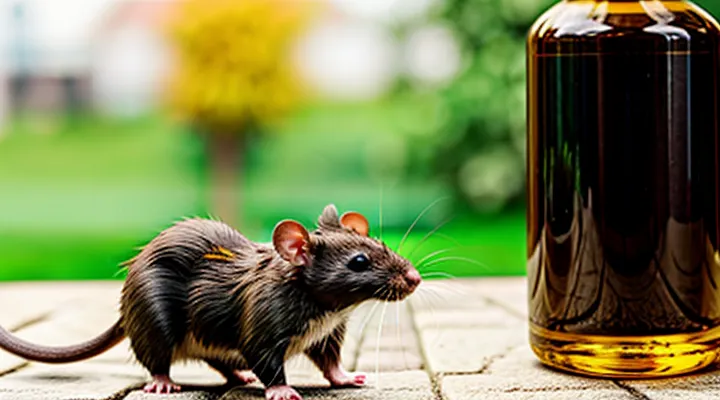
Understanding Fleas on Rats
Identifying a Flea Infestation
Common Symptoms in Rats
Rats with flea infestations often display observable signs that indicate the need for immediate treatment. Scratching or excessive grooming may appear as bald patches, especially around the neck, tail base, and hindquarters. Skin irritation presents as redness, swelling, or small crusted lesions where fleas bite. A sudden increase in weight loss or a decline in appetite can result from the stress of parasitic irritation. Respiratory changes, such as rapid breathing or wheezing, may develop if flea-borne pathogens affect the lungs. Behavioral alterations, including heightened aggression or lethargy, frequently accompany discomfort.
Recognizing these symptoms enables owners to select an appropriate flea shampoo for rats and apply it correctly.
- Verify that the product is formulated specifically for small rodents; mammalian shampoos for cats or dogs may contain ingredients toxic to rats.
- Check the active ingredient concentration; a low‑dose insecticide (e.g., 0.5 % fipronil) reduces risk of systemic toxicity while maintaining efficacy.
- Follow the label’s dilution ratio precisely; excessive concentration can cause skin burns or respiratory distress.
- Apply the shampoo to a damp, warm surface, ensuring full coverage of affected areas without forcing the liquid into the eyes or ears.
- Rinse thoroughly with lukewarm water, then dry the animal gently with a soft towel to prevent hypothermia.
Monitoring the rat after treatment for any worsening of the listed symptoms confirms the shampoo’s effectiveness and safety. If signs persist or intensify, veterinary consultation is required.
Visual Confirmation of Fleas
Visual confirmation of fleas on a rat involves direct observation of the parasite and its byproducts. Fleas appear as dark, oval bodies roughly 1–3 mm in length, moving quickly across the fur. Their bodies may be partially concealed by the rat’s coat, so close inspection under adequate lighting is essential.
Key indicators to examine include:
- Live insects crawling on the skin or fur, especially around the neck, tail base, and under the belly.
- Small, dark specks that detach easily when the fur is brushed; these are flea feces (digested blood) and indicate active infestation.
- Red or irritated skin patches where bites have occurred, often accompanied by hair loss or scabbing.
To verify the presence of fleas, use a fine-toothed comb or a flea brush. Drag the tool through the coat, then inspect the collected material on a white surface. Live fleas will move; dried feces will appear as black specks. Capture any specimens for identification if needed before proceeding with a rat‑specific flea shampoo regimen.
Risks of Fleas for Rat Health
Skin Irritation and Allergic Reactions
When selecting a flea‑removing cleanser for rats, prioritize products formulated to minimize cutaneous irritation. Rats have delicate skin; harsh surfactants, strong fragrances, or high concentrations of pyrethrins can provoke erythema, itching, or swelling. Look for shampoos labeled hypoallergenic, free of parabens, sulfates, and artificial dyes. Ingredients such as oatmeal, aloe vera, or colloidal oatmeal often provide soothing benefits without compromising efficacy against ectoparasites.
If a rat shows signs of adverse skin reaction—red patches, excessive scratching, puffiness, or discharge—discontinue use immediately. Rinse the animal with lukewarm water to remove residual cleanser, then apply a veterinary‑approved topical soothing agent. Document the specific product and batch number, then consult a veterinarian for diagnostic testing, which may include a patch test or allergy panel. Prevent future episodes by:
- Conducting a small‑area trial: apply a pea‑sized amount to a hidden spot for 24 hours before full‑body use.
- Choosing products with transparent ingredient lists; avoid unknown or proprietary blends.
- Maintaining a clean cage environment to reduce secondary irritants such as bedding dust.
- Scheduling regular health checks to monitor skin condition after each treatment.
Adhering to these practices reduces the likelihood of allergic responses while ensuring effective flea control for pet rats.
Anemia and Other Complications
Flea grooming products designed for rats can induce anemia when applied incorrectly. Harsh chemicals may damage skin and mucous membranes, causing chronic micro‑bleeding that reduces red blood cell count. Systemic absorption of irritants can also suppress bone‑marrow activity, further contributing to low hemoglobin levels.
Other health issues associated with improper use include:
- Dermatitis and ulceration at the application site
- Respiratory irritation leading to labored breathing
- Hepatic or renal toxicity from absorbed compounds
- Behavioral changes such as lethargy or aggression
Preventive measures focus on product selection and application technique. Choose formulations labeled for small rodents, free of potent pyrethroids or organophosphates. Apply the minimum effective amount, avoiding contact with eyes, ears, and mucous membranes. Conduct a patch test on a small skin area before full treatment. Monitor the animal for weight loss, pale gums, or abnormal breathing; discontinue use and seek veterinary care if symptoms appear. Regular health checks and proper grooming intervals reduce the risk of anemia and related complications.
Choosing the Right Flea Shampoo
Ingredients to Look For
Natural and Gentle Formulations
Natural flea shampoos formulated for rats should prioritize mild, plant‑derived ingredients that clean without irritating delicate skin. Common bases include oat‑infused water, aloe vera gel, and chamomile extract; each provides soothing moisture while supporting the coat’s natural oils.
Key components of a gentle formula:
- Oatmeal powder – reduces itching, absorbs excess moisture.
- Aloe vera – hydrates, promotes skin regeneration.
- Chamomile – offers anti‑inflammatory properties, calms irritation.
- Coconut‑derived surfactants – cleanse without stripping lipids.
- Essential oil‑free flea agents – such as diatomaceous earth or neem oil, applied at concentrations safe for small rodents.
When evaluating a product, verify that the ingredient list is free from synthetic fragrances, parabens, and harsh detergents like sodium lauryl sulfate. Certifications from veterinary or organic agencies provide additional assurance of safety.
Application guidelines:
- Wet the rat’s fur with lukewarm water; avoid water contact with eyes and ears.
- Apply a small amount of shampoo, massage gently for 30‑45 seconds, ensuring coverage of the tail base and ventral area where fleas often hide.
- Rinse thoroughly with clean water; residual soap can cause dryness.
- Pat dry with a soft towel, then allow the animal to air‑dry in a warm, draft‑free environment.
Regular use of a mild, natural shampoo reduces the risk of skin lesions and maintains the coat’s resilience, creating an effective barrier against flea infestations while preserving the animal’s comfort.
Avoidance of Harmful Chemicals
When treating rodents for ectoparasites, the presence of toxic substances in bathing products can cause severe respiratory, hepatic, or dermatological reactions. Rats possess delicate skin and a high metabolic rate, which amplifies the impact of even low‑level contaminants.
Key chemical categories to exclude:
- Parabens and formaldehyde releasers – preservatives that irritate mucous membranes and may disrupt endocrine function.
- Synthetic fragrances – volatile compounds that can provoke allergic dermatitis and stress‑related behavior.
- Phenoxyethanol and benzalkonium chloride – antiseptics with documented neurotoxicity in small mammals.
- Sulphates (e.g., sodium lauryl sulfate) – surfactants that strip natural oils, leading to dry, cracked skin and increased susceptibility to secondary infections.
- Essential oil blends containing camphor, eucalyptus, or tea tree – natural‑appearing extracts that are hepatotoxic at low doses for rodents.
To verify product safety, follow a systematic assessment:
- Read the full ingredient list; any abbreviation or “proprietary blend” warrants rejection.
- Cross‑reference each component with veterinary toxicology databases specific to small mammals.
- Prefer formulations labeled “hypoallergenic,” “paraben‑free,” and “fragrance‑free.”
- Choose shampoos where the active antiparasitic agent is a low‑toxicity compound such as pyrethrin‑derived products, applied at the minimum effective concentration.
- Conduct a patch test on a small area of skin, observing the animal for 24 hours before full application.
By eliminating the outlined hazardous substances and adhering to a rigorous ingredient review, caretakers can minimize health risks while effectively controlling flea infestations in rats.
Factors to Consider
Rat Age and Health Condition
When selecting a flea shampoo for a rat, age determines both the formulation strength and the frequency of application. Juvenile rats (under eight weeks) have delicate skin and immature immune systems; only mild, hypoallergenic shampoos with low‑pH levels are appropriate, and treatments should be limited to a single application after veterinary approval. Adult rats (eight weeks to two years) tolerate standard flea shampoos that contain insecticidal agents such as pyrethrins, provided the product specifies safe concentrations for rodents. Senior rats (over two years) often exhibit reduced organ function; shampoos with reduced active ingredient percentages and added soothing agents (e.g., aloe or oatmeal) are preferable, and a veterinarian should confirm suitability before use.
Health status further refines product choice. Rats with respiratory issues, skin lesions, or compromised immunity require shampoos free of strong fragrances, harsh detergents, or systemic insecticides; topical-only formulations with soothing additives are recommended. Animals undergoing medication (e.g., antibiotics or corticosteroids) may experience drug interactions; selecting a shampoo lacking synergistic chemicals and consulting a veterinarian prevents adverse effects. Pregnant or lactating females should receive only non‑toxic, fragrance‑free shampoos, as certain insecticidal compounds can cross the placenta or affect milk production.
Key considerations:
- Age group → appropriate potency and pH.
- Skin integrity → hypoallergenic or soothing additives.
- Existing medical conditions → avoid systemic insecticides.
- Current medications → check for interactions.
- Reproductive status → select non‑toxic, fragrance‑free options.
Following these criteria ensures the flea shampoo effectively eliminates parasites while minimizing risk to the rat’s physiological well‑being.
Product Safety and Efficacy
When assessing a flea shampoo designed for rats, safety and efficacy must be verified before any application.
Safety considerations include:
- Ingredient toxicity: Verify that active compounds, such as pyrethrins or fipronil, are approved for use on small rodents. Avoid products containing organophosphates, which are known to cause neurotoxicity in rodents.
- pH compatibility: Formulations should have a pH range of 6.5‑7.5, matching the natural skin balance of rats to prevent irritation.
- Dermal absorption: Choose shampoos with low systemic absorption rates; this reduces the risk of internal organ damage after topical use.
- Residue testing: Products must pass residue analysis confirming that no harmful concentrations remain on the animal’s fur after rinsing.
- Regulatory compliance: Ensure the product complies with relevant animal health regulations (e.g., FDA, EMA) and carries a veterinary endorsement.
Efficacy criteria focus on the shampoo’s ability to eliminate fleas and prevent reinfestation:
- Active ingredient concentration: Effective flea control typically requires 0.05‑0.1 % pyrethrin or equivalent. Concentrations below this threshold show reduced kill rates in controlled studies.
- Knock‑down time: Laboratory data should demonstrate ≥90 % flea mortality within 15 minutes of exposure.
- Residual effect: A lasting protective window of at least 24 hours is documented in efficacy trials, limiting the need for frequent re‑application.
- Spectrum of action: The formulation must target all life stages of the flea (egg, larva, adult) to interrupt the life cycle.
- Clinical validation: Peer‑reviewed studies or veterinary field trials must corroborate the product’s performance under typical housing conditions for rats.
To use the shampoo safely and achieve the advertised results:
- Wet the rat’s coat with lukewarm water, avoiding the eyes and ears.
- Apply the recommended amount, ensuring full coverage of the skin and fur.
- Massage gently for the time specified on the label, usually 3‑5 minutes.
- Rinse thoroughly until all suds are removed; incomplete rinsing can increase dermal irritation.
- Allow the animal to dry in a warm, draft‑free environment before returning to its cage.
Products that meet the safety checklist and demonstrate the efficacy benchmarks provide reliable flea control for rats while minimizing health risks.
Preparing for a Rat Bath
Essential Supplies
Shampoo and Towels
When selecting a flea shampoo for rats, prioritize products formulated specifically for small rodents. Human or cat shampoos often contain surfactants and fragrances that can irritate a rat’s delicate skin. Look for a label that mentions “rodent‑safe,” “hypoallergenic,” or “unscented.” Verify that the active ingredient, such as a low‑dose pyrethrin or neem extract, is approved for use on rats and that the concentration does not exceed 0.5 % to avoid toxicity.
After applying the shampoo, rinse thoroughly with lukewarm water. Residual soap can attract dust and promote skin infections. Use a soft, lint‑free towel to blot excess moisture; do not rub aggressively, as rats have fragile fur and skin. Pat the animal gently until the towel feels only slightly damp.
Drying guidelines:
- Place the rat in a warm, draft‑free area.
- Continue blotting with a clean towel every few minutes.
- If a low‑heat hair dryer is used, keep the nozzle at least 12 inches away and set the temperature below 30 °C.
- Monitor the animal for signs of stress; stop drying if the rat becomes agitated.
Storage recommendations:
- Keep the shampoo in a sealed container away from direct sunlight.
- Store towels in a dry, sanitary drawer to prevent mold growth.
- Replace towels after each use to maintain hygiene.
Safety checks:
- Test a small amount of shampoo on a single patch of skin before full application.
- Observe the rat for 24 hours after treatment for redness, excessive scratching, or lethargy.
- Discard any shampoo that shows discoloration or an off‑odor, as this may indicate degradation.
Warm Water and a Basin
Warm water, typically between 37 °C and 40 °C, provides the optimal temperature for dissolving flea shampoo without causing stress to a rat’s delicate skin. Water that is too hot can damage the fur’s protective oils, while water that is too cool reduces the shampoo’s efficacy and may prolong the cleaning process.
A shallow, non‑slipping basin of sufficient size allows the rat to stand comfortably without feeling confined. Plastic or stainless‑steel containers with smooth interiors prevent the buildup of residue and are easy to sanitize after each use. The basin should hold enough water to immerse the animal’s body up to the base of the tail, ensuring complete coverage of the shampoo.
When preparing the bath:
- Measure the temperature with a reliable thermometer; adjust with cool or warm tap water as needed.
- Fill the basin to a depth that covers the rat’s torso while leaving the head above water to prevent inhalation.
- Add the recommended amount of flea shampoo to the water, stirring gently to create an even solution.
- Submerge the rat slowly, supporting its body to avoid panic.
- Massage the solution through the fur for the duration specified on the product label, typically 2–3 minutes.
- Rinse thoroughly with fresh warm water, maintaining the same temperature range to avoid shock.
- Dry the animal promptly with a soft towel and monitor for signs of irritation.
Regular cleaning of the basin with mild detergent and a rinse cycle eliminates leftover shampoo, preventing cross‑contamination between grooming sessions. Using warm water and an appropriate basin together creates a controlled environment that maximizes the flea shampoo’s performance while safeguarding the rat’s health.
Creating a Stress-Free Environment
Calming Your Rat
When applying a flea‑removing shampoo to a pet rat, stress can compromise the animal’s immune response and make the treatment less effective. Reducing anxiety before and during the bath ensures a smoother process and better results.
Begin by establishing a calm environment. Dim the lights, keep the room temperature stable, and limit sudden noises. Place a soft towel on the surface where the rat will be handled; the familiar texture helps the rodent feel secure.
Before the shampoo is introduced, perform a brief handling session. Gently stroke the rat’s back for one to two minutes, allowing it to recognize the caregiver’s scent. This tactile contact lowers cortisol levels and prepares the animal for the upcoming routine.
When the shampoo is ready, follow these steps:
- Wet the rat with lukewarm water, avoiding the head to prevent water entry into the ears.
- Apply a thin layer of the flea‑specific solution, massaging it into the fur while speaking in a low, steady voice.
- Allow the product to act for the manufacturer‑specified time, typically two to three minutes.
- Rinse thoroughly with lukewarm water, ensuring no residue remains.
- Dry the rat using a low‑heat setting or a soft towel, then return it to its cage with fresh bedding.
After the bath, offer a small treat and a quiet corner of the cage. This positive reinforcement reinforces the calm behavior and helps the rat associate grooming with safety.
Monitoring the rat’s behavior for the next few hours is essential. Signs of lingering stress—such as excessive grooming, rapid breathing, or refusal to eat—should prompt a brief observation period and, if necessary, consultation with a veterinarian.
Temperature Control
Temperature control directly influences the safety and effectiveness of a flea shampoo bath for rats. Water that is too cold can cause stress and hypothermia, while water that is too hot may damage delicate skin and reduce the shampoo’s ability to eliminate parasites.
Ideal bathing temperature ranges from 30 °C to 34 °C (86 °F–93 °F). Within this span, rats maintain normal body temperature, the shampoo remains soluble, and the active ingredients penetrate the fur without causing irritation.
Water temperature affects shampoo performance in two ways: it keeps the formula stable, preventing premature breakdown of insecticidal compounds; it also ensures even distribution across the coat, allowing thorough coverage of the skin surface.
To maintain the correct temperature during a bath, follow these steps:
- Measure water with a calibrated thermometer before each use.
- Adjust temperature by adding warm tap water or cool distilled water in small increments.
- Re‑measure after any adjustment; temperature can drop quickly once the rat is introduced.
- Keep a separate container of pre‑warmed water ready for quick top‑ups if the temperature falls below the target range.
- After the bath, dry the rat promptly with a low‑heat hair dryer set to a safe temperature (no higher than 30 °C) to prevent chilling.
Common errors include relying on hand warmth as a gauge, using water heated in a microwave, and neglecting to re‑check temperature after the rat is immersed. Each of these practices can lead to temperature fluctuations that compromise both animal welfare and shampoo efficacy.
Consistent temperature monitoring, precise adjustments, and immediate post‑bath drying constitute the essential protocol for safe and effective flea treatment in rats.
The Bathing Process
Step-by-Step Guide
Wetting the Rat's Fur
Wetting the rat’s fur is a prerequisite for any flea‑control shampoo. Use lukewarm water (approximately 37 °C) to avoid shock and to keep the animal comfortable. Fill a shallow basin or sink with enough water to cover the back half of the body; submerge the rat gently, supporting the tail and hind limbs to prevent slipping.
Apply water evenly by pouring or using a soft spray nozzle. Direct the stream toward the coat, not the head, to reduce stress. Ensure the fur is saturated before introducing cleanser; dry patches will prevent the shampoo from reaching parasites.
Steps for proper wetting:
- Prepare lukewarm water and a non‑slippery surface.
- Hold the rat securely, with one hand supporting the torso and the other guiding the head away from the flow.
- Pour water over the back, sides, and hindquarters until the fur is fully damp.
- Allow excess water to drain briefly; the coat should be wet but not dripping.
After the fur is adequately moistened, apply the flea shampoo according to the product’s dosage instructions, massage gently, and rinse thoroughly with the same lukewarm water.
Applying and Lathering the Shampoo
Applying the shampoo correctly maximizes its effectiveness and minimizes stress for the animal. Begin by preparing a shallow basin of lukewarm water, deep enough for the rat’s body but shallow enough to keep the head above water. Wet the fur thoroughly; a fully saturated coat allows the cleanser to distribute evenly.
Next, dispense a measured amount of flea shampoo—typically ¼ to ½ teaspoon for an adult rat—directly onto the damp fur. Use fingertips to spread the product from the neck down, avoiding the eyes, ears, and genital area. Gently work the liquid into the coat, creating a thin, uniform layer. The formulation should produce a light foam; excessive bubbling indicates too much product and may irritate the skin.
While lathering, follow these steps:
- Massage the shampoo into the skin for 30–45 seconds, ensuring coverage of the back, tail, and hindquarters where fleas commonly reside.
- Rinse with fresh lukewarm water, keeping the flow gentle to prevent shock. Continue rinsing until no suds remain, as residual soap can cause dermatitis.
- Pat dry with a soft towel; avoid vigorous rubbing that could damage delicate fur. Allow the rat to air‑dry in a warm, draft‑free area before returning it to its enclosure.
Complete the process within a single session; repeated applications are unnecessary unless directed by a veterinarian. Proper technique delivers the active ingredients to the fur and skin, ensuring reliable flea removal while preserving the rat’s health.
Rinsing Thoroughly
Rinsing thoroughly removes residual shampoo, prevents skin irritation, and eliminates remaining fleas. Use lukewarm water—approximately 30 °C—to avoid shocking the animal while ensuring soap dissolution. Hold the rat securely, support its body, and direct a gentle stream over the fur, allowing water to flow from head to tail.
- Fill a shallow basin with lukewarm water.
- Submerge the rat briefly, keeping its head above water.
- Apply continuous, gentle water flow with a cup or sprayer.
- Massage the coat to dislodge trapped bubbles.
- Continue until water runs clear and no suds appear on the fur.
Inspect the coat after rinsing; lingering foam indicates incomplete removal. A quick touch test—running fingers through the fur—should reveal no slippery residue. If foam persists, repeat the rinsing cycle.
Complete rinsing safeguards the rat’s skin health and maximizes the effectiveness of the flea treatment.
Post-Bath Care
Drying Your Rat
After rinsing a rat with flea shampoo, immediate removal of excess moisture prevents skin irritation and reduces the risk of chill. Use a soft cotton or terrycloth towel to blot the animal gently; avoid rubbing, which can damage the delicate fur. Follow the blotting with a brief period of air drying in a warm, draft‑free area. A low‑temperature hair dryer set to the cool or warm setting can accelerate drying, but keep the nozzle at least six inches from the skin and move it continuously to avoid localized heating. Limit the dryer’s operation to 30–60 seconds per side.
Key considerations for safe drying:
- Temperature control – keep air below 30 °C (86 °F); higher temperatures may cause burns.
- Airflow – moderate airflow prevents static buildup while moving moisture away.
- Duration – stop when fur feels dry to the touch; over‑drying can desiccate skin.
- Environment – maintain ambient temperature around 22–24 °C (72–75 °F) and avoid direct drafts.
If a towel is insufficient, place the rat in a small, ventilated enclosure with a low‑heat heating pad beneath a thin blanket. Monitor the animal for signs of stress, such as rapid breathing or frantic movement, and intervene immediately.
Final step: inspect the coat for residual damp spots. A quick manual check ensures complete drying before returning the rat to its cage, reducing the chance of fungal growth and maintaining comfort.
Keeping Warm and Comfortable
When bathing a rat with a flea‑removing shampoo, maintaining a warm and comfortable environment prevents stress and supports effective cleaning. Temperature control is essential; the room should stay between 22 °C and 26 °C (71 °F–79 °F). Use a space heater or warm water basin, but avoid direct drafts that could chill the animal.
Pre‑bath preparation reduces discomfort. Place a soft towel on the bathing surface, and keep a dry towel within reach for immediate drying. Warm the shampoo to room temperature before application; cold liquid can cause rapid heat loss. Apply the product quickly, limiting exposure time to the recommended duration, then rinse with lukewarm water (approximately 30 °C/86 °F).
After rinsing, dry the rat thoroughly:
- Gently pat the fur with the dry towel, avoiding vigorous rubbing that may damage delicate hair.
- If a hair dryer is used, set it to low heat and low airflow, keeping it at least 15 cm from the skin.
- Offer a warm, insulated enclosure for recovery, such as a nest box with shredded paper or fleece.
Monitor the rat for signs of hypothermia—shivering, lethargy, or cold extremities. If observed, increase ambient warmth gradually and provide additional bedding. Consistent attention to temperature, gentle handling, and rapid drying ensures the flea treatment proceeds without compromising the animal’s comfort.
Aftercare and Prevention
Monitoring for Reinfestation
Regular Inspections
Regular inspections confirm that a flea‑control shampoo is working and that the rat remains healthy. After each bathing session, examine the animal’s coat for remaining flea debris, excessive shedding, or clumps of dead insects. Inspect the skin for redness, swelling, or signs of irritation that could indicate a reaction to the product.
A practical schedule includes a visual check immediately after the shampoo is rinsed, a brief examination 24 hours later, and a more thorough assessment once a week for the first month. Continue weekly reviews until the infestation is cleared, then reduce to bi‑weekly checks to maintain vigilance.
Key elements of each inspection:
- Coat: smoothness, absence of live fleas, minimal debris.
- Skin: no lesions, no excessive scratching, normal coloration.
- Behavior: normal activity level, no signs of distress or excessive grooming.
- Environment: bedding and cage surfaces free of flea eggs or larvae.
Document observations in a simple log. Record date, findings, and any adjustments to the shampoo dosage or frequency. Consistent records enable quick identification of trends, allowing timely changes to the treatment plan before problems escalate.
Environmental Control
Environmental control is a critical factor when applying flea treatment shampoo to rats. A clean, well‑ventilated enclosure reduces the risk of reinfestation and supports the effectiveness of the product. Regular removal of waste, replacement of bedding, and thorough cleaning of food dishes eliminate residual eggs and larvae that could survive a single shampooing session.
Maintain temperature within the species‑appropriate range (18‑24 °C). Excessive heat accelerates the degradation of active ingredients, while low temperatures slow the shampoo’s drying time and may cause skin irritation. Consistent humidity between 40 % and 60 % prevents the buildup of mold in bedding, which can compromise skin health and interfere with flea control.
Ventilation must provide fresh air exchange without creating drafts that chill the animals. Use cage filters or mesh covers that allow airflow while containing bedding particles. Periodic air‑flow checks ensure that stagnant zones do not develop, which could harbor flea eggs.
Implement a schedule that integrates environmental measures with shampoo application:
- Clean cage thoroughly, remove all debris, and replace bedding before each treatment.
- Adjust thermostat and humidifier to maintain target temperature and humidity.
- Verify ventilation system operates correctly; replace filters as needed.
- Apply the flea shampoo according to product instructions, ensuring full coverage of the rat’s coat.
- Allow the rat to dry in a draft‑free area; monitor for signs of irritation.
- Repeat cleaning and environmental checks weekly to prevent re‑infestation.
By coupling precise environmental management with proper use of the rat flea shampoo, owners achieve sustained parasite control and promote overall rodent welfare.
Long-Term Flea Prevention
Cage Cleaning and Hygiene
Effective flea control for rats begins with a clean environment. Regular removal of waste, uneaten food, and soiled bedding eliminates sources of parasites and reduces the risk of reinfestation after shampoo treatment.
Maintain the cage on a schedule that includes:
- Daily spot‑cleaning of droppings and food debris.
- Weekly complete bedding change, washing all removable accessories with hot water (minimum 60 °C) and a mild detergent.
- Bi‑weekly disinfection of the cage interior using a veterinary‑approved sanitizer; rinse thoroughly to prevent chemical residues.
When applying a flea shampoo, ensure the rat’s habitat is dry and free of excess moisture. Damp bedding can dilute the product, impairing its efficacy and potentially causing skin irritation. After the bath, place the animal in a clean, well‑ventilated enclosure with fresh bedding to allow the fur to dry completely before reintroducing it to the main cage.
Consistent hygiene practices complement chemical treatments, creating a hostile environment for fleas and supporting overall rodent health.
Safe Pest Control for the Home
Choosing a flea shampoo formulated for rats requires verification of ingredients that are non‑toxic to both the animal and household occupants. Look for products labeled as veterinary‑grade, free of pyrethroids, organophosphates, or harsh chemicals. Verify that the concentration of active agents falls within the dosage range recommended by a veterinarian for small rodents. Confirm that the packaging includes clear instructions for dilution, application time, and rinsing procedures.
Safe pest control in a residential setting complements the use of rat‑specific flea shampoo. Implement the following measures:
- Seal entry points such as gaps around doors, windows, and utility lines to prevent external infestations.
- Maintain cleanliness by regularly vacuuming carpets, upholstery, and pet bedding to remove eggs and larvae.
- Use traps or humane capture devices for rodent monitoring; avoid indiscriminate poisons that could contaminate food sources.
- Apply natural repellents—e.g., citrus oil sprays or diatomaceous earth—in areas where rodents travel, ensuring they do not contact the animal’s skin or respiratory tract.
When applying the shampoo, follow these steps:
- Prepare a shallow basin with lukewarm water; add the measured amount of shampoo according to the label.
- Gently place the rat in the water, allowing the solution to soak the fur for the specified duration.
- Massage the shampoo through the coat, focusing on areas prone to flea accumulation such as the tail base and hindquarters.
- Rinse thoroughly with clean water to eliminate residual chemicals.
- Dry the animal with a low‑heat towel or allow it to air‑dry in a warm, draft‑free environment.
Integrating targeted grooming with comprehensive household hygiene reduces the risk of flea resurgence and supports overall rodent health. Regular veterinary check‑ups reinforce the effectiveness of the chosen shampoo and confirm that pest‑control practices remain safe for all residents.