
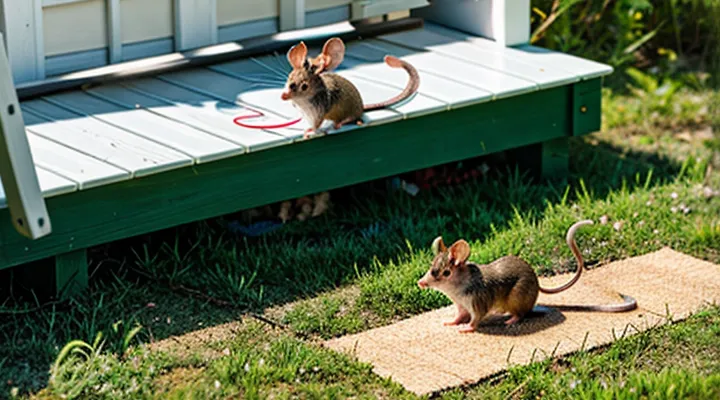
Understanding the Mouse Problem at the Summer Cottage
Why Mice are Attracted to Cottages
Food Sources
Mice are drawn to a cottage by any accessible food. Identifying and eliminating these resources is essential for an effective control program.
Typical attractants include:
- Unsealed pantry containers containing grains, cereals, or dried fruit.
- Pet food left out overnight or stored in open bowls.
- Compost piles, especially those with fruit scraps or vegetable peels.
- Birdseed feeders placed near the building’s foundation.
- Spilled crumbs on countertops, floors, or outdoor picnic tables.
- Fruit trees or berry bushes whose fallen produce accumulates near the structure.
To reduce food availability:
- Store all dry goods in airtight, rodent‑proof containers.
- Keep pet feeding stations indoors and remove leftovers after each meal.
- Maintain compost bins with tight-fitting lids and position them away from the cottage.
- Relocate bird feeders at least 10 meters from the house and use squirrel‑proof designs.
- Clean surfaces daily, sweeping or vacuuming to remove debris.
- Prune low‑hanging branches and clear fallen fruit from the garden perimeter.
Consistent removal of these food sources deprives mice of sustenance, limits reproduction, and enhances the success of any trapping or exclusion measures.
Shelter and Warmth
Effective control of rodents in a seasonal cottage depends on denying them shelter and warmth. Seal cracks, gaps, and opening around foundations, windows, and doors; install steel wool or copper mesh in ventilation shafts; and repair damaged roofing or siding. These actions eliminate hidden cavities where mice can nest and retain heat.
- Apply rigid foam insulation to interior walls and attics, then cover with sealed drywall to prevent rodent access.
- Install self‑closing doors on utility and storage rooms; fit weatherstripping on all exterior doors.
- Remove all sources of indoor heat during off‑season periods: turn off unused heating appliances, unplug electric blankets, and store firewood away from the building envelope.
- Clear vegetation and debris within two meters of the structure; trim branches that touch the roof to reduce bridge pathways.
By creating a tightly sealed envelope and eliminating artificial heat sources, the cottage becomes unattractive to mice seeking shelter and warmth, reducing infestation risk without reliance on chemicals.
Overwintering Needs
Mice that remain active during the cold months require specific conditions that facilitate survival in a cottage environment. Their primary concerns are shelter, nutrition, hydration, and protection from low temperatures.
- Shelter: Access to insulated spaces such as wall voids, attic insulation, and stored firewood piles provides the warmth and concealment mice need. Sealing gaps around doors, windows, and utility penetrations eliminates these refuges.
- Nutrition: Unsecured pantry items, pet food, and fallen fruit become critical food sources. Storing all consumables in airtight containers removes this incentive.
- Hydration: Condensation on cold surfaces or leaking pipes supplies water. Inspecting plumbing for drips and drying damp areas prevents the creation of liquid reservoirs.
- Temperature regulation: Mice cluster in areas where ambient temperature stays above freezing. Maintaining a minimum indoor temperature of 10 °C (50 °F) reduces the drive to seek external heat sources that may lead them into living spaces.
Implementing these measures before the first frost curtails the appeal of the cottage for overwintering rodents, thereby supporting broader rodent‑control strategies throughout the season.
Signs of Mouse Infestation
Droppings and Urine Stains
Rodent droppings and urine stains signal active infestation in a seasonal cottage. Fresh droppings appear as small, dark pellets, while older deposits turn grayish and may emit a faint odor. Urine stains darken wood, fabric, and walls, leaving a glossy sheen that can be felt when touched. Both contaminants pose health risks, including bacterial and viral transmission, and attract insects that feed on waste.
Identifying contamination requires systematic inspection. Walk the interior and exterior, focusing on hidden corners, attics, and storage areas. Use a blacklight to reveal urine traces invisible to the naked eye. Record locations where droppings accumulate, noting the density and freshness of each deposit. This data guides targeted treatment and prevents unnecessary chemical application.
Effective remediation follows a three‑step protocol:
- Remove physical waste – Wear disposable gloves and a mask, collect droppings with a damp paper towel, and place material in a sealed bag. Dispose of the bag according to local hazardous waste regulations.
- Sanitize surfaces – Apply a 1 % bleach solution (one part bleach to ninety‑nine parts water) to all stained areas. Allow the solution to remain for ten minutes, then rinse with clean water and dry thoroughly. For porous materials, use an enzymatic cleaner that breaks down organic residues.
- Prevent re‑contamination – Seal entry points, install steel‑mesh screens, and set proven bait stations near identified hotspots. Regularly monitor for new droppings and urine traces, repeating the cleaning cycle if signs reappear.
Consistent application of these measures eliminates health hazards and reduces the likelihood of rodents returning to the cottage environment.
Gnaw Marks
Gnaw marks are the most reliable indicator of mouse activity in a seasonal cottage. They appear as clean, crescent‑shaped bites on wood, plastic, or insulation, typically 2–5 mm deep. Fresh cuts retain a glossy surface; older marks darken and may show frayed edges.
To assess the extent of infestation, follow these steps:
- Inspect all exposed timber, baseboards, and furniture for fresh gnawing.
- Examine stored food containers, especially those made of polymer or cardboard.
- Check insulation in walls and attic spaces where mice can create pathways.
- Record the location, size, and direction of each mark to map movement patterns.
Effective control measures focus on eliminating access points and removing damaged material:
- Seal cracks larger than 6 mm with steel wool and silicone caulk; mice can squeeze through smaller openings.
- Replace heavily gnawed structural elements with untreated hardwood, which resists further chewing.
- Install metal mesh barriers around vents and utility openings; plastic screens are ineffective.
- Deploy snap traps or electronic devices at the periphery of identified gnawing zones; position them perpendicular to the cut direction for maximum impact.
Preventive maintenance reduces future gnawing:
- Store all food in airtight metal containers; avoid cardboard packaging.
- Keep the cottage free of clutter, especially near walls, to limit hiding spots.
- Conduct quarterly inspections during the warmer months, when mouse activity peaks.
- Use natural deterrents such as peppermint oil on cotton balls placed near entry points; replace weekly for sustained effect.
By systematically identifying gnaw marks, sealing entryways, and employing targeted trapping, mouse populations can be suppressed, preserving the structural integrity and hygiene of the summer retreat.
Nests and Tracks
Identifying mouse nests and tracks provides the first line of defense for a summer cottage. Precise knowledge of where rodents hide and travel allows targeted placement of control measures, reducing the need for widespread pesticide use.
Nests typically appear in concealed, dry locations. Common sites include:
- Under floorboards or within wall cavities
- Inside stored firewood piles
- Beneath insulation in attic spaces
- Within compost bins or garden sheds
Signs of active nests consist of shredded material, shredded paper, or cotton fibers arranged in a loose ball. A fresh nest will contain a faint, sweet odor and may be accompanied by droppings.
Tracks reveal movement patterns. Detectable elements are:
- Dark, pellet‑shaped droppings near food sources or along walls
- Fine, parallel gnaw marks on wires, wooden beams, or plastic containers
- Footprints in dusty corners, often forming a linear trail toward shelter
Using this information, implement the following protocol:
- Survey each potential nesting area; record evidence of nests or tracks.
- Confirm activity by checking for fresh droppings within the last 24 hours.
- Place snap or electronic traps directly along confirmed travel routes, positioning bait at the far end of the track.
- Apply rodent‑resistant sealant to entry points identified near nests.
- Remove and replace infested materials, such as firewood, with sealed containers.
- Monitor traps daily; replace bait and reset devices until no new tracks appear.
Accurate detection of nests and tracks streamlines eradication efforts, limits reinfestation, and preserves the cottage’s structural integrity.
Strange Odors
Strange odors often indicate the presence of rodents in a seasonal cottage and can be leveraged as part of an effective control strategy. Mice emit a musky scent from urine and glandular secretions; the odor intensifies in areas with high activity, such as hidden nesting sites, pantry corners, and attic spaces.
Detecting these smells allows targeted intervention. When an odor is identified:
- Locate the source by following the scent trail, checking walls, floor joists, and stored food containers.
- Inspect for droppings, gnaw marks, and shredded material near the odor.
- Confirm entry points by examining gaps around pipes, vents, and door frames.
Odor‑based repellents complement physical barriers. Proven options include:
- Commercial rodent‑repellent granules containing natural essential oils (e.g., peppermint, eucalyptus) applied around perimeter gaps.
- Saturated cotton balls infused with menthol or camphor placed in concealed corners.
- Ultrasonic devices that emit high‑frequency sounds, disrupting scent communication among mice.
Implementing these measures alongside sealing entryways and maintaining a clean storage environment reduces the likelihood of infestation and eliminates the persistent, unpleasant smells associated with rodent activity.
Preventive Measures: Keeping Mice Away
Securing the Cottage Exterior
Sealing Entry Points
Sealing entry points eliminates the most reliable route mice use to invade a summer cottage, preventing infestations before they begin.
Typical openings include gaps around doors, windows, utility penetrations, foundation cracks, and vent openings. Small cracks as narrow as a pencil lead can admit rodents, so thorough inspection is mandatory.
Required materials: steel wool or copper mesh, expanding polyurethane foam, silicone or acrylic caulk, weatherstripping, steel flashing, and a utility knife. Choose products rated for exterior use and resistant to weathering.
Procedure:
- Inspect the building envelope from the interior and exterior; mark every opening larger than ¼ inch.
- Insert steel wool or copper mesh into each gap; compress to fill the space completely.
- Apply expanding foam over the packed material; allow it to cure according to manufacturer instructions.
- Seal the foam surface with a thin bead of caulk to prevent moisture ingress.
- Install weatherstripping on doors and windows, ensuring a continuous seal when closed.
- Cover larger openings, such as vent pipes, with steel flashing secured by screws and sealed with caulk.
After completion, schedule a quarterly walk‑through to verify that seals remain intact and to repair any damage caused by weather or settlement. Maintaining a tight envelope sustains the cottage’s protection against mouse intrusion.
Repairing Foundation Cracks
Repairing foundation cracks is essential for maintaining structural stability while implementing effective rodent control at a seasonal retreat. Cracks provide entry points for mice, compromise load‑bearing capacity, and allow moisture infiltration that can exacerbate pest activity.
Identify all visible fissures and assess depth with a probe or inspection camera. Prioritize cracks larger than ¼ inch, those near utility lines, and openings adjacent to known mouse pathways.
- Clean each crack thoroughly: remove debris, loose concrete, and organic material with a wire brush and vacuum.
- Apply a moisture‑resistant epoxy filler: mix according to manufacturer instructions, press the compound into the opening, and smooth the surface with a trowel.
- For wider gaps, insert a flexible polyurethane sealant as a backing layer before epoxy application to accommodate slight movement.
- Allow the filler to cure for the recommended period, typically 24–48 hours, before exposing the area to foot traffic or additional treatment.
- Install a metal or PVC flashing strip over the repaired section to reinforce the seal and deter future intrusion.
- Conduct a final inspection: verify that the surface is level, the seal is intact, and no residual openings remain.
Document each repair with photographs and a log of materials used. Regularly schedule inspections, especially after heavy rain or seasonal temperature shifts, to detect new cracks early and prevent re‑entry by rodents.
Installing Mesh on Vents and Chimneys
Mice frequently enter summer cottages through unprotected vents and chimneys, causing damage and health risks. Installing metal mesh creates a physical barrier that prevents rodents from exploiting these openings while preserving airflow and draft.
- Choose stainless‑steel or galvanized mesh with openings no larger than ¼ inch (6 mm). Smaller apertures block juvenile mice as well as adult specimens.
- Measure each vent and chimney opening accurately; cut mesh with tin snips, leaving a 1‑inch (2.5 cm) excess on all sides.
- Secure the mesh using heavy‑duty stainless‑steel staples or self‑drilling screws, ensuring the material lies flat against the surface. Overlap seams by at least 2 inches (5 cm) and seal with heat‑resistant silicone caulk to eliminate gaps.
- Install a removable latch or hinged panel on larger vent covers to allow routine cleaning without compromising the barrier.
- Inspect the mesh annually for corrosion, rust, or displacement, and replace sections that show wear.
Properly fitted mesh reduces the likelihood of mouse intrusion, protects insulation, and maintains the cottage’s ventilation efficiency.
Interior Housekeeping and Storage
Storing Food Properly
Mice drawn to a summer cottage are often motivated by accessible food, making proper storage a critical component of any rodent‑control strategy.
Secure food in containers that prevent entry. Use those with snap‑tight lids, silicone seals, or heavy‑duty zip locks. Store grains, cereals, and dried goods in such containers, and keep them on shelves rather than on the floor. Refrigerate or freeze perishable items promptly; low temperatures deter mouse activity and preserve freshness.
- Airtight metal or thick‑walled plastic containers for dry foods.
- Heavy‑duty zip‑lock bags for snacks and spices.
- Refrigerator or freezer for meat, dairy, and fresh produce.
- Elevated shelving, at least 30 cm off the ground, to reduce gnawing access.
- Regular rotation of stock; discard items beyond their prime dates.
Inspect storage areas weekly. Look for signs of gnawing, droppings, or compromised seals. Label containers with purchase dates to track freshness. Remove waste promptly, sealing trash in sturdy bags before disposal. Consistent application of these practices limits food availability, thereby reducing mouse attraction and supporting an effective pest‑management program at the seasonal retreat.
Cleaning Up Crumbs and Spills
Effective rodent control at a seasonal cottage begins with eliminating food residues that attract mice. Crumbs and liquid spills provide a reliable source of nutrition, allowing infestations to develop quickly in a vacation setting. Removing these attractants reduces the likelihood of mouse activity and supports any broader pest‑management plan.
Key actions for maintaining a crumb‑free environment:
- Sweep or vacuum floors after each meal; focus on corners, under furniture, and pantry thresholds.
- Wipe countertops, tables, and stovetops with a disinfectant solution immediately after food preparation.
- Collect and dispose of all food waste in sealed containers; avoid leaving bags or wrappers on the floor.
- Mop any liquid spills promptly, using a detergent that removes residue rather than merely diluting it.
- Inspect and clean pet feeding areas daily; rinse bowls and remove excess kibble.
Implement a routine schedule to sustain cleanliness:
- Morning: quick sweep of kitchen and dining area, spot‑clean any visible crumbs.
- Mid‑day: wipe surfaces after lunch, address any accidental spills.
- Evening: thorough vacuum of all rooms, mop kitchen floor, empty trash bins, and secure lids on waste containers.
- Weekly: deep clean pantry shelves, sanitize storage containers, and inspect for hidden crumbs behind appliances.
Consistent execution of these steps deprives mice of food sources, thereby weakening their presence and complementing other proven rodent‑control techniques at a summer retreat.
Eliminating Clutter
Clutter creates hiding places, nesting sites, and pathways that enable mice to thrive in a summer cottage. Removing unnecessary items eliminates these micro‑habitats and reduces the likelihood of infestation.
- Store all food in sealed, rodent‑proof containers.
- Keep firewood off the floor, elevated on pallets or racks.
- Dispose of broken appliances, unused textiles, and debris promptly.
- Arrange garden tools, sports equipment, and seasonal gear on shelves or in locked cabinets.
- Eliminate piles of leaves, pine needles, or compost near the building’s foundation.
After initial decluttering, maintain a clean environment through routine checks. Inspect storage areas weekly for signs of gnawing or droppings; repair gaps in walls, doors, and windows immediately. Use durable shelving units that prevent items from falling to the floor, and keep the perimeter clear of vegetation that could serve as a bridge for rodents.
A clutter‑free cottage limits shelter, restricts food access, and simplifies the application of proven rodent‑control techniques, resulting in a more secure and hygienic retreat.
Using Airtight Containers
Airtight containers are a core element of any mouse‑control program at a seasonal cottage. By eliminating exposed food sources, they remove the primary incentive for rodents to enter living spaces.
Secure storage works because mice cannot breach a properly sealed lid, and they cannot detect scent through the barrier. Consequently, the risk of contamination and the likelihood of repeated foraging trips decline sharply.
Key attributes of effective containers include:
- Rigid, non‑flexible walls (plastic, glass, or metal);
- Silicone or rubber gasket that compresses evenly;
- Latch mechanism that locks from the inside;
- Capacity appropriate for the intended contents, avoiding overfill.
Placement should be strategic: store grain, pet food, and processed snacks in the most inaccessible areas, preferably on elevated shelves away from walls. Inspect seals weekly; replace any worn gaskets immediately.
Airtight storage complements other proven tactics such as sealing entry points, setting snap traps along established runways, and maintaining a clutter‑free environment. When combined, these measures create a hostile setting for mice and sustain a rodent‑free cottage throughout the summer months.
Outdoor Area Maintenance
Trimming Vegetation
Keeping the garden and surrounding foliage low eliminates shelter and travel routes for mice that seek refuge near the cottage. Dense shrubbery, tall grass, and overgrown vines provide cover, conceal food sources, and facilitate nesting. Regular trimming reduces these advantages, forcing rodents into exposed areas where they are more vulnerable to traps and predators.
- Cut grass to a height of 5 cm or less, especially around foundations, decks, and firewood stacks.
- Prune shrub edges to create a 1‑meter clearance from the building perimeter.
- Remove dead or decaying plant material that can serve as nesting sites.
- Thin groundcover plants, such as ground‑cover vines or low‑lying herbs, to prevent continuous ground pathways.
- Trim back tree branches that overhang the roof or eaves, eliminating aerial bridges into the structure.
Schedule trimming after the first frost when mouse activity peaks, then repeat every two weeks throughout the warm months. Inspect cut edges for regrowth and address any new vegetation immediately. Dispose of clippings in sealed containers to avoid providing additional food.
Consistent vegetation management, combined with other control measures, creates an environment where mice cannot establish safe habitats, thereby lowering the likelihood of infestation at the summer retreat.
Removing Debris and Woodpiles
Effective control of rodent activity in a seasonal retreat begins with eliminating shelter and food sources. Accumulated debris and stacked timber provide mice with nesting material, protection from predators, and pathways for movement. Removing these elements reduces the habitat suitability and forces the pests to seek alternative, less accessible locations.
Key actions for clearing debris and woodpiles:
- Gather all loose branches, leaves, and garden waste; transport them to a designated compost area located at least 30 feet from the cottage.
- Disassemble woodpiles; separate firewood from splintered or rotted pieces that could serve as burrows.
- Store usable lumber on raised platforms or in sealed containers to prevent direct ground contact.
- Dispose of non‑usable material in sealed bags or by municipal collection, ensuring no gaps remain where mice could hide.
- Conduct a final sweep of the perimeter, removing any stray objects that could act as temporary shelters.
Consistent implementation of these steps creates an environment where mice find little incentive to establish colonies, supporting broader pest‑management strategies for the summer residence.
Securing Trash Bins
Mice infest a summer cottage when trash containers are accessible, because food residues and odors provide a reliable food source. Preventing entry into garbage bins eliminates a primary attractant and reduces the likelihood of nesting nearby.
Effective protection relies on three actions:
- Use bins with tight‑fitting, lockable lids made of heavy‑duty plastic or metal; ensure the latch engages fully each time the bin is closed.
- Install a perimeter of steel or reinforced mesh around the bin area, leaving no gaps larger than ¼ inch; secure the mesh to the ground with concrete‑set staples.
- Apply a rodent‑deterrent coating to the exterior of the lid and hinges; choose products containing capsaicin or bitter‑oil compounds that discourage gnawing.
Routine maintenance sustains the barrier. Empty bins daily, rinse with hot water, and dry before replacement. Inspect latches and mesh for wear weekly; replace compromised components immediately. Keep the surrounding ground clear of debris, leaves, and standing water, as these elements facilitate mouse movement toward the bins.
By integrating lockable containers, physical exclusion devices, and deterrent chemicals, the cottage’s waste management system becomes inhospitable to mice, supporting long‑term control of rodent activity.
Active Mouse Control Methods
Humane Trapping and Relocation
Types of Live Traps
Live traps provide a humane solution for removing mice from a summer cottage without resorting to poisons. Several designs dominate the market, each with distinct mechanisms and handling requirements.
- Bucket trap – A wooden or plastic ramp leads to a baited entry hole that drops the mouse into a tall bucket. The bucket’s depth prevents escape, and the mouse can be released far from the property.
- Box trap – A hinged door opens inward when the mouse steps on a trigger plate. The interior chamber holds the animal securely; the trap can be emptied and reset quickly.
- Multi‑catch cage – A series of connected chambers share a single entrance. When a mouse enters the first chamber, a sliding door closes behind it, allowing additional captures in subsequent chambers.
- Tube trap – A narrow PVC or acrylic tube with a one‑way flap at the far end lets the mouse travel in but not out. The transparent walls permit visual inspection without opening the trap.
- Live‑catch snap‑type – A spring‑loaded door snaps shut when the mouse pulls a trigger lever. The mechanism is faster than traditional box traps, reducing stress on the captured animal.
Selection criteria should include ease of baiting, size of the capture chamber, and the ability to transport the mouse without injury. Bait options such as peanut butter, oats, or dried fruit improve capture rates across all trap types. Regular inspection—at least twice daily—prevents prolonged confinement and ensures prompt release. Proper sanitation of traps after each use eliminates scent trails that could deter further activity.
Implementing these live‑trap designs as part of an integrated mouse‑control program maximizes effectiveness while preserving the cottage’s ecological balance.
Baiting Strategies
Effective mouse control at a seasonal retreat relies on precise bait placement, attractant selection, and timing. Proper execution reduces rodent activity while minimizing impact on non‑target wildlife.
- Use high‑protein baits such as peanut butter, dried fish, or commercial rodent lures. Protein triggers feeding behavior more reliably than carbohydrate‑only options.
- Position bait stations along walls, near entry points, and behind stored items. Mice travel close to surfaces; placing bait within 10 cm of these routes maximizes contact.
- Rotate bait types every 3–5 days. Alternating scents prevents habituation and sustains interest.
- Secure stations in tamper‑resistant containers. Weather‑proof housings protect bait from rain and deter curious pets.
Deploy baits during the evening hours when mice are most active. Check stations daily, remove uneaten bait, and replenish with fresh material. Record capture rates to assess effectiveness and adjust placement accordingly. Consistent monitoring ensures that the baiting program remains efficient throughout the summer season.
Safe Release Procedures
When mice are captured at a seasonal retreat, releasing them without endangering the animals, the property, or surrounding ecosystems requires a disciplined protocol. The objective is to relocate the rodents to a habitat where they can survive while preventing re‑entry into the cottage environment.
- Choose a release site at least 1 km from the cottage, preferably a wooded area with natural cover and access to water.
- Wear thick gloves and protective clothing to avoid bites and contamination.
- Transport the mouse in a ventilated container that prevents escape during movement.
- Inspect the container for injuries; if trauma is evident, consult a wildlife rehabilitator before release.
- Open the container on the ground, allowing the mouse to exit voluntarily; avoid handling the animal directly.
- Observe from a distance for 2–3 minutes to confirm the mouse has fled, then retrieve the container.
- Seal the original capture point (e.g., trap opening, bait station) to eliminate further entry.
- Record the date, location, and condition of the release for future reference or regulatory compliance.
Lethal Trapping Techniques
Snap Traps
Snap traps provide immediate, lethal control of mouse infestations in a summer cottage environment. They function by delivering a swift, mechanical strike that kills the rodent instantly, reducing the risk of disease transmission and further damage to stored food and structures.
Placement is critical for success. Position traps along established mouse pathways—near walls, behind appliances, in corners, and close to entry points such as gaps around pipes or foundation cracks. Set each trap with the trigger arm facing the wall; mice typically run parallel to surfaces, increasing the likelihood of contact.
Effective bait enhances capture rates. Preferred options include:
- Small pieces of peanut butter
- Bits of dried fruit
- Soft cheese fragments
Apply a pea‑sized amount directly to the trigger mechanism to prevent spillage and maintain trap sensitivity.
Safety considerations:
- Use gloves when handling traps to avoid accidental activation.
- Keep traps out of reach of children and pets; secure them in locations inaccessible to non‑target animals.
- Inspect traps daily; remove captured rodents promptly to prevent odor buildup.
Disposal protocol:
- Wear disposable gloves.
- Place the dead mouse in a sealed plastic bag.
- Dispose of the bag in a locked outdoor trash container.
- Clean the trap with a mild detergent solution before resetting.
Maintenance ensures long‑term effectiveness. Replace worn springs or trigger arms after multiple uses, and inspect for rust or corrosion, especially in humid cottage conditions. A well‑maintained snap trap retains its kinetic force and reliability.
Advantages over alternative methods include:
- Immediate results without reliance on poison or electronic devices.
- No risk of secondary poisoning to wildlife.
- Low cost and minimal maintenance requirements.
When integrated with exclusion measures—sealing entry points and eliminating food sources—snap traps become a proven component of a comprehensive mouse‑control strategy for seasonal residences.
Electronic Traps
Electronic traps provide a reliable, non‑chemical solution for rodent control in summer cottages. They detect the presence of a mouse through motion sensors or infrared beams and deliver a rapid, lethal shock. The mechanism eliminates the need for poisons, prevents secondary poisoning of pets, and leaves no visible evidence of activity.
Key considerations when selecting and using electronic traps:
- Voltage rating of at least 2,000 V to ensure instant mortality.
- Capacity to hold multiple catches; models with 10–20 chambers reduce the frequency of servicing.
- Battery‑operated units for locations without reliable electricity; rechargeable lithium cells offer up to six weeks of operation.
- Safety features such as insulated wiring and a sealed chamber to protect humans and non‑target species.
Effective deployment follows a systematic approach:
- Identify high‑traffic pathways: along walls, near entry points, and adjacent to stored food.
- Position traps perpendicular to the wall, with the sensor facing the anticipated travel direction.
- Activate the device and verify proper functioning with a test shock.
- Inspect chambers weekly; empty and clean with a mild detergent, then recharge or replace batteries as needed.
- Rotate trap locations periodically to cover new activity zones and prevent habituation.
When integrated with exclusion measures—sealing gaps, storing food in airtight containers, and maintaining a tidy environment—electronic traps achieve mortality rates above 95 % within a two‑week period. Their discreet operation and low maintenance make them especially suited for seasonal residences where chemical treatments are undesirable.
Trap Placement Best Practices
Effective trap placement is essential for reducing mouse activity in a seasonal cottage. Position traps where rodents travel, hide, or seek food. Avoid random distribution; focus on established pathways.
- Identify high‑traffic zones: along walls, behind appliances, near stored grain, and in dark corners.
- Place traps perpendicular to walls, with the trigger side facing the wall; mice prefer to run close to surfaces.
- Use a staggered line of traps at 1‑ to 2‑foot intervals in long corridors to intercept moving mice.
- Position traps near entry points such as gaps around pipes, vents, and door frames; seal openings after placement.
- Set traps at a height of 2‑3 inches above the floor, matching the typical mouse run line.
- Rotate trap locations weekly to prevent habituation and to cover unexplored areas.
- Employ a combination of snap, electronic, and live‑catch traps to address varying preferences and to ensure quick mortality.
Maintain traps by checking daily, disposing of captured mice promptly, and resetting or replacing devices as needed. Clean surrounding areas to eliminate residual scent that could deter new captures. Consistent, strategic placement combined with regular maintenance maximizes control effectiveness throughout the summer season.
Repellents: Natural and Commercial
Essential Oils and Strong Scents
Essential oils and strong scents provide a chemical barrier that discourages mouse activity in rural dwellings. Volatile compounds interfere with the rodents’ olfactory receptors, prompting avoidance of treated zones.
- Peppermint oil: 10 ml diluted in 500 ml water, sprayed along baseboards, entry points, and storage areas twice daily.
- Eucalyptus oil: 8 ml mixed with 1 liter of white vinegar, applied to exterior door frames and window sills.
- Clove oil: 5 ml combined with 250 ml alcohol, placed on cotton balls in cabinets and pantry corners.
- Citronella oil: 12 ml blended with 600 ml oil‑free mineral oil, dripped onto wooden beams and roof eaves.
Application guidelines
- Clean surfaces before treatment to remove food residues that could mask scents.
- Reapply after rain or heavy cleaning; potency diminishes within 24‑48 hours.
- Use airtight containers for cotton‑ball dispensers to prolong evaporation control.
- Rotate oils weekly to prevent habituation; mice may adapt to a single scent over time.
Safety considerations
- Keep concentrations below 2 % for indoor use to avoid respiratory irritation in humans and pets.
- Store undiluted oils in sealed, child‑proof containers away from direct sunlight.
- Test a small area for material compatibility; some oils can degrade varnish or fabrics.
Limitations
- Oils deter but do not eliminate established infestations; combine with physical exclusion methods such as sealing gaps and setting traps.
- Strong scents may attract predators, altering local wildlife behavior.
Integrating essential‑oil treatments into a routine maintenance schedule reduces mouse presence without resorting to poison, preserving the natural environment of a summer retreat.
Ultrasonic Devices
Ultrasonic devices emit high‑frequency sound waves that rodents cannot tolerate, providing a non‑chemical option for mouse control in a seasonal cottage. The emitted frequencies range from 20 kHz to 65 kHz, creating an uncomfortable acoustic environment that discourages mice from entering or remaining in treated areas.
Key operational considerations:
- Placement: Position units near entry points, storage rooms, and along walls where mice travel. Avoid obstructing the speaker with furniture or curtains to maintain an unobstructed sound field.
- Power source: Use mains‑connected models for continuous operation during the summer months; battery‑operated units are suitable for temporary coverage but require regular replacement.
- Coverage area: Verify the manufacturer’s specified radius (typically 30–50 m²) and deploy additional units to achieve overlapping fields in larger structures.
- Frequency variation: Select models that cycle through multiple frequencies to prevent habituation, a documented adaptation in rodent populations.
Effectiveness depends on environmental factors. Solid walls and dense insulation reflect ultrasonic waves, reducing penetration depth; open spaces allow broader propagation. Devices do not affect humans, pets such as dogs and cats, or beneficial wildlife, making them safe for residential use. Regular cleaning of the speaker surface prevents dust accumulation, which can attenuate output.
Limitations include reduced efficacy in noisy environments where ambient sounds mask ultrasonic emissions and in areas with heavy clutter that blocks wave transmission. For comprehensive mouse management, integrate ultrasonic devices with sealing of structural gaps, proper food storage, and periodic inspection of nesting sites. This multi‑layered approach maximizes deterrence while minimizing reliance on poisons or traps.
Commercial Repellents (Sprays, Sachets)
Commercial repellents constitute a practical option for reducing mouse activity in seasonal dwellings. Products are available primarily as aerosol sprays and scented sachets, each offering distinct deployment methods and coverage patterns.
Sprays deliver concentrated active agents—typically synthetic predator odors, capsaicin, or essential‑oil blends—directly onto surfaces where rodents travel. Application points include baseboard gaps, vent openings, and interior corners. Coverage ranges from 10 to 30 square meters per can; manufacturers advise re‑application every 2–4 weeks, especially after cleaning or heavy ventilation. Proper use requires a thorough dry‑wipe of the target area, followed by a light mist that dries within minutes, leaving no visible residue.
Sachets consist of porous packets infused with volatile deterrents such as ammonia, naphthalene, or plant‑derived extracts. They are positioned in concealed locations—under furniture, inside storage cabinets, or within wall voids—where continuous emission can affect passing mice. A single sachet typically maintains effective concentration for 30–60 days, after which replacement is necessary. Advantages include low maintenance, silent operation, and suitability for areas where aerosol use is impractical.
Key criteria for product selection
- EPA registration or equivalent regulatory approval
- Low toxicity to humans, pets, and non‑target wildlife
- Odor profile compatible with occupant comfort
- Documented efficacy against Mus musculus
- Transparent re‑application schedule
Integration with complementary measures
- Seal all potential entry points—holes larger than 6 mm, gaps around pipes, and damaged screens.
- Maintain a clean environment: store food in airtight containers, remove crumbs, and manage waste promptly.
- Deploy traps or bait stations in conjunction with repellents to address any remaining individuals.
- Monitor activity regularly; adjust placement of sprays and sachets based on observed movement patterns.
When selected and applied according to manufacturer guidelines, commercial repellents can substantially lower mouse presence without reliance on lethal methods. Consistent use, combined with structural exclusion and sanitation, delivers a reliable, non‑invasive strategy for protecting summer cottages from rodent intrusion.
When to Call Professional Pest Control
Severe Infestations
Severe mouse infestations at a seasonal cottage present immediate threats to food stores, structural integrity, and health. High‑density populations generate extensive gnawing damage, contaminate surfaces with urine and droppings, and increase the likelihood of disease transmission. Early detection relies on observing multiple signs: droppings clustered near food, gnaw marks on wood or wiring, audible scurrying at night, and visible nesting material in concealed areas.
Effective response requires a coordinated, multi‑step approach:
- Secure food and waste – store all edibles in metal containers, remove crumbs, and dispose of trash in sealed bags.
- Eliminate entry points – seal gaps larger than ¼ inch in walls, foundations, doors, and windows using steel wool, caulk, or hardware cloth.
- Deploy traps strategically – place snap or electronic traps along walls, behind appliances, and near identified activity zones; replace bait regularly.
- Apply targeted rodenticides – use approved, low‑risk formulations in tamper‑proof stations, following label instructions and local regulations.
- Conduct thorough sanitation – clean all surfaces with disinfectant, remove nesting material, and ventilate rooms to reduce odor attraction.
- Monitor and adjust – inspect traps and stations daily, record captures, and expand coverage until activity ceases for at least two weeks.
Persistent infestations often indicate structural deficiencies or inadequate food management. Addressing these underlying factors prevents re‑colonization and protects the cottage’s longevity. Professional extermination may be warranted when populations exceed control capacity or when damage threatens electrical or plumbing systems.
Difficulty Identifying Entry Points
Identifying the routes mice use to infiltrate a seasonal cottage often proves more challenging than applying traps or repellents. Small mammals exploit gaps as narrow as a pencil diameter, and their activity leaves minimal visual clues, especially in structures with multiple external walls, eaves, and utility openings.
Typical indicators of concealed entry points include:
- Fresh gnaw marks on wooden framing, vent screens, or wiring conduits.
- Accumulated mouse droppings near baseboards, attic corners, or behind appliances.
- Chewed insulation or sealant material around windows, doors, and pipe penetrations.
- Unexplained squeaking sounds originating from concealed cavities during nighttime.
Systematic inspection reduces uncertainty. Begin by darkening the interior and using a high‑intensity flashlight to reveal shadows cast by tiny openings. Follow each wall from floor to roof, probing seams with a thin, rigid probe; any resistance suggests a potential gap. Conduct the same sweep outside, paying special attention to foundation cracks, roof overhangs, and the undersides of decks where vegetation may conceal breaches. Document each finding, then seal with steel wool, copper mesh, or expanding foam rated for rodent exclusion.
When gaps are identified and repaired, subsequent monitoring—such as placing motion‑activated cameras or non‑toxic tracking powders—confirms the effectiveness of the intervention and prevents re‑infestation.
Health Concerns
Mice presence in a seasonal cottage creates direct health hazards for occupants and visitors. Their activity introduces pathogens, triggers allergic reactions, and compromises food safety.
- Disease transmission – rodents carry bacteria such as Salmonella and Leptospira, viruses including hantavirus, and parasites like Echinococcus tapeworms. Contact with droppings, urine, or contaminated surfaces can lead to gastrointestinal illness, fever, and respiratory problems.
- Allergen exposure – mouse hair, dander, and urine proteins become airborne, provoking asthma attacks and allergic rhinitis, especially in sensitive individuals.
- Food contamination – gnawed packaging and stored provisions become sources of spoilage and toxin production, increasing the risk of food‑borne infections.
- Structural damage – chewing of insulation and wiring creates fire hazards and may release harmful particulates into indoor air.
These risks necessitate immediate remediation and ongoing prevention. Effective actions include sealing entry points, installing snap traps or humane catch‑and‑release devices, and employing professional pest‑control services when infestations are extensive. After removal, thorough sanitation—disinfecting surfaces with EPA‑approved agents, laundering contaminated fabrics, and safely disposing of droppings—reduces residual pathogen load. Regular inspection of storage areas and prompt repair of structural breaches sustain a safe environment throughout the cottage season.
Post-Extermination Cleanup and Future Prevention
Sanitizing Affected Areas
Disposing of Carcasses Safely
Effective carcass disposal prevents disease spread, protects other wildlife, and complies with local regulations. Immediate removal eliminates attractants for surviving mice and reduces the risk of secondary infestations.
- Place carcasses in sealed, biodegradable bags or rigid containers with tight-fitting lids.
- Store sealed packages in a cool, shaded area to slow decomposition while awaiting disposal.
- Transport sealed packages to an authorized landfill, animal rendering facility, or municipal composting site that accepts dead rodents.
- If a licensed incinerator is accessible, burn carcasses at temperatures exceeding 850 °C to ensure complete destruction.
- Record disposal details (date, method, destination) in a log for accountability and regulatory review.
Regularly audit disposal practices, verify that collection points are inaccessible to pets and children, and adjust procedures to reflect updates in local health ordinances. Consistent adherence safeguards the cottage environment and supports long‑term rodent management success.
Cleaning and Disinfecting Surfaces
Effective surface sanitation is essential for deterring rodents in a seasonal cottage. Clean surfaces eliminate food residues that attract mice, while proper disinfection reduces scent trails used for navigation.
- Remove all crumbs, spilled liquids, and pet food from countertops, tables, and floor edges.
- Sweep or vacuum daily; follow with a damp mop using hot water.
- Apply a detergent‑based cleaner to all hard surfaces; allow a 5‑minute contact time before rinsing.
- Disinfect with an EPA‑registered rodent‑safe solution (e.g., 70 % isopropyl alcohol or a quaternary ammonium product). Ensure the solution remains wet for the manufacturer‑specified dwell period, typically 10 minutes.
- Pay special attention to hidden areas: behind appliances, under cabinets, and inside pantry shelves. Use a brush or disposable cloth to reach crevices.
- Dispose of cleaning waste in sealed bags to prevent re‑contamination.
After each cleaning cycle, inspect for signs of mouse activity—droppings, gnaw marks, or urine stains. Promptly address any findings with targeted sanitation and, if necessary, reinforce exclusion measures (sealed entry points, traps). Consistent application of these procedures creates an environment that is inhospitable to rodents, supporting long‑term control at the cottage.
Airing Out the Cottage
Proper ventilation reduces mouse activity by eliminating the warm, humid microclimate that shelters rodents. Fresh air lowers indoor temperature and moisture, making the cottage less attractive for nesting and foraging.
Key actions for effective airing:
- Open all exterior doors and windows for a minimum of 30 minutes each morning.
- Position portable fans to create cross‑drafts, directing airflow from lower openings toward higher ones.
- Remove excess debris, compost, and damp wood piles from the perimeter before ventilation begins.
- Inspect vents and eaves for damage; repair gaps that could allow entry while preserving airflow.
After each airing session, seal any openings discovered during inspection. Replace weatherstripping on doors and install fine‑mesh screens on vents to maintain ventilation without compromising the barrier against rodents. Regularly clean air ducts and replace filters to prevent dust accumulation that could provide hiding places.
Consistent implementation of these steps diminishes the environmental conditions that support mouse populations, complementing other control measures employed at a summer retreat.
Implementing Long-Term Prevention Strategies
Regular Inspections
Regular inspections constitute a core element of any effective mouse‑control program for a seasonal cottage. Systematic surveys detect entry points, food sources and early signs of activity before infestations become visible.
A practical inspection schedule includes:
- Weekly checks while the cottage is occupied.
- Bi‑weekly inspections during the off‑season.
- Additional visits after severe weather, when structural damage is likely.
- A final walk‑through before long‑term storage of furnishings and supplies.
During each visit, examine the following areas:
- Exterior foundations and walls for cracks, gaps around pipes, and deteriorated siding.
- Vents, eaves and chimney openings; install or repair metal screens where needed.
- Interior spaces where food is stored, prepared or discarded; ensure containers are sealed and crumbs are removed.
- Waste disposal zones; verify lids fit tightly and bins are emptied regularly.
- Potential nesting sites such as attic insulation, stored firewood, and cluttered corners; look for shredded material, droppings or urine stains.
Record findings in a simple log: date, inspected location, observed condition, and corrective action taken. Immediate remediation—caulking, sealing, trap placement or removal of attractants—prevents mouse populations from establishing a foothold.
Consistent documentation creates a historical reference that highlights recurring problem areas and guides long‑term improvements, ultimately reducing the need for reactive measures.
Seasonal Preparedness
Seasonal changes alter mouse activity patterns, requiring targeted preparation before the summer retreat opens. Early assessment of structural gaps, such as cracks in foundations, gaps around utility lines, and unsealed attic vents, prevents entry points from being exploited during warm months. Sealant, steel wool, and expandable foam provide durable barriers that resist gnawing.
Food storage practices must adapt to higher ambient temperatures. Store grains, pet feed, and pantry items in airtight containers made of metal or heavy‑gauge plastic. Remove spilled crumbs daily, and keep outdoor garbage bins sealed with tight‑fitting lids to eliminate attractants.
Effective monitoring combines physical traps with strategic placement of non‑lethal deterrents. Deploy snap traps along walls, under cabinets, and near known runways; set them before the first heat wave to establish a baseline catch rate. Complement traps with ultrasonic emitters positioned at entry zones, rotating devices weekly to prevent habituation.
Key actions for summer readiness
- Inspect and seal all exterior openings.
- Upgrade storage containers for all foodstuffs.
- Install and pre‑bait snap traps in high‑traffic areas.
- Position ultrasonic or vibration deterrents near potential entry points.
- Conduct weekly inspections to record activity and adjust placements.
Maintaining a Clean Environment
A clean cottage deters mice by eliminating food sources, nesting sites, and shelter. Regular removal of crumbs, spilled liquids, and pet feed prevents rodents from establishing a foraging trail. Store all provisions in sealed containers; metal or heavy‑duty plastic bins with tight lids are essential.
Maintain hygiene in high‑traffic zones. Sweep kitchen floors daily, wipe countertops after each use, and vacuum corners where debris accumulates. Dispose of waste in bins equipped with lids that close securely; empty them nightly to avoid odor buildup.
Control moisture, which attracts insects that serve as mouse prey. Fix leaks promptly, wipe damp surfaces, and ensure proper ventilation in bathrooms, laundry rooms, and basements. Use dehumidifiers in humid periods to keep indoor humidity below 50 %.
Inspect the building envelope weekly. Seal cracks, gaps around pipes, and openings around doors or windows with caulk, steel wool, or metal mesh. Replace damaged screens and weatherstripping to block entry points no larger than a quarter inch.
Practical checklist
- Store food in airtight containers.
- Sweep and wipe surfaces after each meal.
- Empty trash bins with tight‑fitting lids nightly.
- Repair leaks and ventilate damp areas.
- Seal all exterior gaps and cracks.
- Conduct weekly visual inspection of walls, floors, and storage spaces.
Consistent application of these measures creates an environment where mice cannot locate sustenance or shelter, substantially reducing the likelihood of infestation during the summer season.