
Understanding Fiberglass Insulation
What is Fiberglass Insulation?
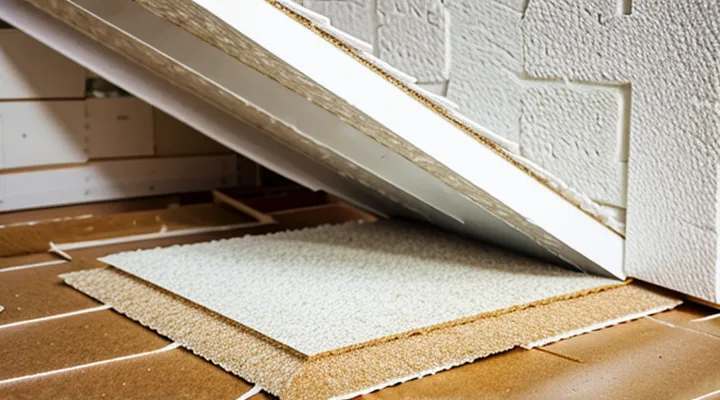
Fiberglass insulation consists of fine glass fibers bound together with a resin matrix, forming a porous material that traps air and reduces heat flow. The fibers are produced by melting silica sand and drawing the molten glass into strands, which are then layered and bonded to achieve the desired thickness and density.
Common configurations include:
- Batts and rolls, pre‑cut for standard stud spacing.
- Loose‑fill, blown into cavities through a hose.
- Rigid boards, used where structural support is required.
Thermal performance is expressed by the R‑value, typically ranging from R‑2.9 per inch for batts to R‑4.3 per inch for high‑density boards. The material’s low thermal conductivity, combined with a reflective foil or paper facing, enhances energy efficiency. Fire classifications such as Class A (non‑combustible) or Class B (limited flame spread) indicate compliance with safety standards.
Proper installation demands continuous coverage, sealing of seams with appropriate tape, and placement of a vapor barrier on the warm side of the assembly. Gaps or compression reduce effectiveness and can create pathways for air leakage. Protective equipment—gloves, goggles, and respiratory masks—mitigates exposure to irritant fibers during handling.
Regarding rodent intrusion, the dense network of glass fibers discourages chewing, while tightly sealed joints eliminate entry points. However, gaps around penetrations, unsealed seams, or low‑density installations may still permit mice to access interior spaces. Maintaining full coverage and using high‑density products increases the material’s resistance to gnawing and improves overall pest deterrence.
Properties of Fiberglass
Composition and Structure
Fiberglass insulation consists of fine glass fibers derived from molten silica, combined with a binding agent that holds the fibers together. The binder is typically a phenolic resin or a formaldehyde‑based compound, providing structural integrity while resisting moisture. Additives such as fire retardants, anti‑microbial agents, and dust‑suppressing agents are incorporated to meet building codes and health standards.
The material is produced in two primary configurations: batts and loose‑fill. Batts are pre‑cut panels with a uniform thickness, usually ranging from 2 inches to 4 inches, and a density between 1.5 and 3 lb/ft³. Loose‑fill consists of loose fibers that fill cavities to a comparable density but adapt to irregular spaces. Both forms feature a non‑woven mat of randomly oriented fibers, creating a porous matrix that traps air and reduces thermal conductivity. In many products, a foil or kraft paper facing serves as a vapor barrier, adding a layer of resistance to moisture penetration.
Key structural attributes that influence mouse deterrence include:
- High fiber density that limits the ability of rodents to chew through the material.
- Random fiber orientation that creates a tangled surface, discouraging gnawing.
- Absence of organic nutrients; the glass composition offers no food source.
- Presence of a vapor barrier or foil facing that adds a hard, impenetrable surface.
- Seamless installation that eliminates gaps where mice could enter.
These characteristics collectively define the composition and structure of fiberglass insulation and determine its effectiveness as a barrier against rodent intrusion.
Thermal Resistance
Thermal resistance (R‑value) quantifies a material’s ability to impede heat flow. Fiberglass batts typically provide R‑values ranging from 2.9 to 4.0 per inch of thickness, depending on density and fiber composition. Higher density increases the number of trapped air pockets, which raises the R‑value and improves energy efficiency.
When fiberglass is installed in walls, floors, or attics, the thermal barrier also creates a less favorable environment for rodents. Mice prefer warm, insulated spaces that facilitate nesting; a material with a high R‑value can reduce temperature differentials that attract them. However, the insulation’s effectiveness against intrusion depends on additional factors:
- Installation quality: Continuous coverage without gaps eliminates pathways for entry.
- Compression: Over‑compressed batts lose air space, lowering R‑value and creating denser material that may be easier for rodents to gnaw.
- Moisture control: Wet insulation loses thermal resistance and becomes more attractive to pests.
The relationship between thermal resistance and rodent deterrence is indirect. A higher R‑value improves thermal comfort and reduces heating costs, while proper installation that maintains that resistance simultaneously limits the physical routes mice can exploit. Selecting the appropriate thickness, ensuring airtight seams, and protecting the insulation from moisture collectively enhance both energy performance and pest resistance.
Fiberglass and Pests: The Mouse Problem
Why Mice are Attracted to Homes
Seeking Shelter and Food
Mice constantly search for protected nesting areas and readily available food. They exploit gaps around walls, ceilings, and ducts, using any cavity that offers warmth and concealment. When an opening leads to a cavity filled with insulation, the material can become part of the nest if the rodent can access it.
Fiberglass insulation influences mouse activity through several characteristics:
- Dense batts fill voids, limiting the size of passages that rodents can squeeze through.
- Properly sealed edges prevent direct contact between the insulation and structural framing, reducing entry points.
- Non‑woven or loose‑fill forms leave larger interstices, allowing easier movement and nesting.
- Installation quality—absence of tears, compression, or gaps—determines the barrier’s integrity.
When installation follows best practices, the insulation acts as a physical deterrent, decreasing the number of viable shelter sites. However, the material does not address food sources; crumbs, stored provisions, and structural leaks continue to attract mice. Effective control therefore combines a well‑installed insulation barrier with regular sanitation, sealing of exterior openings, and, when necessary, professional trapping or exclusion measures.
Entry Points
Mice gain access to a building through gaps, cracks, and openings that connect the interior to the exterior environment. These breaches vary in size from a few millimeters to several centimeters, allowing rodents to infiltrate walls, attics, and crawl spaces.
Typical entry points include:
- Gaps around utility penetrations (pipes, wires, ducts)
- Unsealed openings at the foundation, such as cracks in concrete or mortar joints
- Openings around doors and windows, especially where weatherstripping is missing or damaged
- Spaces around vent covers, exhaust fans, and chimney flues
- Gaps at the roofline where soffits, fascia, or eaves are not properly sealed
- Holes left by previous pest control attempts or construction work
Fiberglass insulation can reduce the likelihood of rodent entry when it is installed tightly against structural members, eliminating voids that serve as pathways. Properly placed batts fill cavities and create a physical barrier that forces mice to seek alternative routes. However, insulation alone does not seal structural gaps; supplemental measures such as caulking, steel wool, or metal flashing are required to close the openings identified above. Combining dense insulation with comprehensive sealing of all identified breaches provides the most effective deterrent against rodent intrusion.
The Myth of Fiberglass as a Deterrent
Common Beliefs
Many homeowners assume that fiberglass batts provide a natural barrier against rodents. The prevailing ideas include:
- The glass fibers irritate a mouse’s nose and skin, causing it to avoid contact.
- Mice cannot gnaw through the material, so it blocks access to concealed spaces.
- Installing insulation in wall cavities seals gaps, eliminating entry points.
- Fiberglass poses no health risk to rodents, allowing it to remain in place indefinitely.
These notions stem from the material’s physical properties and its widespread use in construction. In practice, the irritation effect is real but limited; mice can navigate around or through loosely packed batts, especially if gaps remain in the surrounding structure. The fibers do not constitute a solid barrier, and rodents can chew through the paper backing or any exposed edges. Sealing openings remains the decisive factor for exclusion, while insulation contributes only marginally to deterrence. Consequently, relying solely on fiberglass to prevent mouse infestations is unreliable; comprehensive sealing and exclusion methods are required for effective control.
Reality of Mouse Behavior
Fiberglass insulation is often marketed as a deterrent for rodents, yet the effectiveness of this material depends on the actual habits of house mice. Understanding those habits clarifies what insulation can realistically achieve.
- Mice gnaw continuously; their incisors can cut through soft fibers, cardboard, plastic, and thin metal. Fiberglass itself is not resistant to persistent chewing.
- They seek concealed, warm spaces for nesting. Gaps, seams, and exposed edges of insulation provide entry points that mice can exploit.
- Their sense of smell guides them to food sources and shelter. Insulation does not emit a scent that repels rodents, so odor cues remain unchanged.
- Burrowing behavior allows mice to travel through soil and loose debris, reaching wall cavities where insulation is installed.
When fiberglass is installed without airtight sealing, mice can bypass the material by entering through cracks, utility openings, or poorly fitted batts. Even fully sealed installations only delay access; the rodents’ ability to chew through the batts eventually creates new pathways.
Consequently, fiberglass insulation should be viewed as a secondary obstacle rather than a primary control method. Effective rodent management requires sealing entry points, eliminating food attractants, and, when necessary, employing traps or professional exclusion services.
How Mice Interact with Fiberglass Insulation
Nesting Habits
Shredding for Nests
Fiberglass batts installed in walls, ceilings, and crawl spaces present a physical barrier that mice must penetrate to reach interior spaces. When rodents encounter the material, they often attempt to bite or chew it, producing short fibers that can be incorporated into their nests. The resulting shredded fragments reduce the insulation’s thermal performance and create a loose substrate that mice readily use for building.
Key aspects of shredding behavior include:
- Mice gnaw on the fiberglass surface to create access points; the act generates loose fibers.
- The fibers are lightweight and easily collected by the animals during nest construction.
- Accumulated shredded material diminishes the original density of the insulation, compromising its resistance to heat flow.
- Repeated chewing enlarges entry holes, allowing additional rodents to enter and increase the amount of shredded debris.
Consequences for the building envelope are measurable. Studies show that the thermal rating (R‑value) of affected batts can decline by up to 30 % after extensive shredding. Moreover, the presence of nest material in wall cavities can attract pests, elevate humidity, and promote mold growth, further degrading the structure.
Mitigation strategies focus on preventing access rather than relying on the insulation’s inherent resistance. Effective measures include sealing gaps larger than ¼ inch, installing metal or rigid foam barriers, and using rodent‑proof mesh over vulnerable openings. When these steps are combined with fiberglass insulation, the material’s contribution to pest deterrence improves, but it does not eliminate the risk of shredding for nests.
Creating Tunnels
Mice establish networks of tunnels to navigate walls, floors, and ceilings in search of shelter and food. The tunnels are typically 2–3 inches wide, just enough for a mouse to pass, and they follow the path of least resistance, often exploiting gaps around pipes, electrical wiring, and structural joints.
When fiberglass insulation is installed, its dense, fibrous structure can impede the expansion of a tunnel. The material’s bulk fills cavities, reducing the voids that mice would otherwise enlarge. However, if insulation is not sealed at edges or around penetrations, mice can still insert their heads and progressively widen the passage, using the insulation as a temporary barrier rather than a permanent block.
Key factors that influence tunnel creation in insulated spaces:
- Presence of unsealed openings around service entries (e.g., HVAC ducts, plumbing)
- Gaps larger than ¼ inch between framing members
- Loose or improperly compressed insulation that leaves air pockets
- Access points at the building envelope, such as vents or cracks
Effective mitigation requires sealing all entry points before installing insulation, then compressing the fiberglass to its recommended density. After installation, regular inspection of exposed seams and utility penetrations helps detect early signs of tunneling, such as gnaw marks or displaced insulation fibers.
In summary, tunnel formation is a direct response to structural vulnerabilities. Properly sealed and correctly installed fiberglass insulation can limit tunnel growth, but it does not eliminate the need for comprehensive exclusion measures.
Damage Caused by Mice
Insulation Degradation
Fiberglass batts installed in walls and attics can lose structural integrity over time, reducing their ability to block small rodents. Moisture ingress, typically from roof leaks or condensation, causes the glass fibers to clump and lose loft, creating gaps that mice can exploit. In addition, prolonged exposure to high temperatures accelerates binder breakdown, resulting in softened material that no longer maintains a tight seal.
Common contributors to degradation include:
- Water penetration from roof or plumbing failures
- Persistent high humidity in crawl spaces
- Thermal cycling that weakens resin binders
- Physical compression from settling building components
When these factors combine, the insulation’s density decreases, allowing mice to push through or create tunnels behind the material. Moreover, compromised insulation can harbor mold, further attracting pests and creating health hazards.
To preserve the rodent‑deterring properties of fiberglass, regular inspection for moisture sources, prompt repair of leaks, and replacement of damaged sections are essential. Maintaining a dry, stable environment ensures the insulation retains its shape and continues to act as an effective barrier against mouse intrusion.
Wire Chewing Hazards
Mice frequently gnaw on electrical wiring, creating immediate fire risk and costly repairs. Their incisors continuously grow, prompting them to chew on any accessible material, including copper, aluminum, and insulated cables. When a wire’s protective coating is compromised, exposed conductors can spark, ignite surrounding insulation, and cause system failures.
The presence of fiberglass insulation does not stop rodents from reaching wires, but it can influence the severity of damage. Fiberglass does not deter chewing, yet it may limit the spread of fire once a short circuit occurs by providing a non‑combustible barrier. However, if mice penetrate the insulation, they still have direct access to the underlying cable sheathing.
Key hazards associated with rodent wire damage include:
- Electrical arcing leading to fire outbreaks.
- Loss of power to critical appliances and safety systems.
- Increased likelihood of short circuits and equipment failure.
- Elevated repair costs and potential liability for property owners.
Mitigation strategies focus on physical barriers and deterrents rather than relying on insulation type. Options such as steel mesh conduit, rodent‑resistant cable jackets, and regular inspections reduce the probability of chewing incidents and protect the electrical infrastructure.
Effective Mouse Control Strategies
Sealing Entry Points
Identifying Gaps and Cracks
Identifying gaps and cracks is the first step in evaluating whether fiberglass insulation can effectively block rodent intrusion. Small openings around pipe penetrations, vent ducts, and structural joints often escape casual inspection but provide direct pathways for mice. Measure each opening; any gap larger than a quarter‑inch permits entry.
Typical locations to examine include:
- Exterior wall sheathing seams where insulation meets the framing.
- Areas around electrical boxes, especially where boxes are recessed.
- Gaps behind HVAC ducts and at the junction of the roof and walls.
- Spaces around foundation vents and crawl‑space access doors.
- Unsealed attic hatch or ladder openings.
Use a flexible wire or a flashlight to probe concealed spaces. Document the size, material, and accessibility of each defect. Prioritize sealing with steel wool, expanding foam, or caulking, as these materials maintain integrity under pressure and resist gnawing.
After sealing, re‑inspect the insulated zones to confirm that the barrier is continuous. A seamless insulation layer, free of penetrations, reduces the likelihood that mice will use the cavity as a travel route, thereby enhancing the overall effectiveness of the fiberglass barrier.
Recommended Sealing Materials
Effective rodent exclusion relies on sealing gaps that allow mice to enter insulation cavities. The following materials provide durable, airtight barriers and are compatible with fiberglass insulation installations:
- Expanding polyurethane foam – fills irregular cracks, adheres to wood, metal, and drywall; cures to a rigid seal that resists chewing.
- Silicone caulk – maintains flexibility in joints around windows, doors, and pipe penetrations; remains effective under temperature fluctuations.
- Acrylic latex sealant – suitable for interior gaps where paintable finish is desired; bonds well to plaster and gypsum board.
- Self‑adhesive metal flashing – covers larger openings in foundations, vents, and utility chases; deters gnawing due to its hard surface.
- Rigid foam board (polyiso or EPS) with sealed edges – installed over larger voids, trimmed to fit, and sealed with tape or caulk to eliminate entry points.
Apply each material according to manufacturer specifications, ensuring that all seams intersect with the insulation layer. Properly sealed enclosures prevent mice from compromising the thermal performance of fiberglass insulation.
Trapping and Baiting
Types of Traps
Fiberglass insulation can reduce mouse activity, but rodents often find gaps and remain active inside walls. Mechanical traps provide a direct means of reducing populations that bypass the barrier.
- Snap traps: steel bar that strikes a weighted head, delivering a lethal blow. Ideal for concealed placement behind insulation where quick kill limits odor. Requires careful bait placement to attract mice.
- Live‑capture traps: cage‑style devices with a trigger plate. Allow removal of captured animals without damage to surrounding insulation. Suitable for areas where killing is undesirable; must be checked frequently to prevent stress‑related mortality.
- Electronic traps: battery‑powered plates that deliver a high‑voltage shock. Effective in sealed wall cavities because the device can be positioned against the insulation surface and does not leave debris.
- Glue boards: adhesive surfaces that immobilize rodents. Useful for monitoring activity levels in hard‑to‑reach sections of insulation, but not recommended as a primary control due to humane concerns and potential for insulation fibers to adhere to the board.
- Bait stations with poison: enclosed containers that hold anticoagulant pellets. Can be mounted on the exterior of insulation panels, limiting direct contact with the material. Requires compliance with safety regulations and regular inspection.
Selection should consider trap size relative to cavity dimensions, ease of installation without disturbing the insulation, and the need for humane or lethal outcomes. Placement near known entry points, such as gaps around ducts or pipe penetrations, maximizes capture rates. Regular monitoring ensures traps remain functional and prevents secondary damage to the insulation from dead rodents.
Integrating appropriate traps with fiberglass insulation creates a layered defense: the insulation blocks heat and sound, while traps address any rodents that manage to breach the barrier. Consistent use of the most suitable trap type for each location enhances overall effectiveness and reduces the likelihood of reinfestation.
Safe Baiting Practices
When fiberglass barriers are installed, the likelihood of rodent intrusion decreases, yet occasional breaches require targeted control. Deploying bait in such environments demands procedures that protect occupants, pets, and non‑target wildlife while maintaining the integrity of the insulation.
- Choose bait stations constructed of metal or heavy‑duty plastic; these prevent rodents from scattering poison and limit exposure to children.
- Position stations at least 12 inches away from any ventilation opening, electrical outlet, or exposed wiring to avoid accidental contact with the insulation.
- Use low‑toxicity anticoagulant formulations approved for indoor use; verify that the active ingredient complies with local regulatory limits.
- Seal each station after placement, ensuring the latch engages fully and no gaps remain.
- Record the exact location of every station on a floor plan; update the map after each inspection to track bait effectiveness and prevent redundant placement.
- Conduct weekly visual checks for tampering, spoilage, or signs of non‑target species; remove compromised stations immediately.
- Dispose of used bait containers according to hazardous‑waste guidelines; never discard them in regular trash streams.
Implementing these measures aligns pest management with the protective function of fiberglass insulation, reducing the risk of secondary damage while delivering effective rodent control.
Professional Pest Control
When to Call an Exterminator
Fiberglass insulation can deter occasional mouse activity, but it does not eradicate an established infestation. Professional intervention becomes necessary when the following conditions appear:
- Damage to insulation material, such as chewed or displaced batts, indicating repeated gnawing.
- Visible droppings, urine stains, or nesting material in walls, attics, or crawl spaces.
- Persistent odors of urine or a strong, musky scent that does not dissipate after cleaning.
- Recurrent entry points discovered despite sealing attempts, especially around vents, pipes, and foundation cracks.
- Signs of disease risk, including the presence of parasites or evidence of rodents in food storage areas.
If any of these indicators are present, contact a licensed pest‑control provider immediately. An exterminator can assess the extent of the infestation, implement targeted baiting or trapping, and recommend structural repairs to prevent future entry. Prompt professional action reduces property damage, safeguards indoor air quality, and eliminates health hazards associated with rodent activity.
Integrated Pest Management
Integrated Pest Management (IPM) provides a systematic framework for reducing rodent activity in residential and commercial structures. The approach combines preventive measures, monitoring, and targeted control actions to achieve long‑term suppression while minimizing reliance on chemical treatments.
Fiberglass insulation can contribute to the exclusion component of IPM. When installed correctly, it fills gaps within walls and attics, eliminating voids that rodents might use for nesting or travel. However, insulation does not block entry points; doors, utility penetrations, and foundation cracks remain primary access routes. Therefore, insulation must be paired with structural sealing to create an effective barrier.
Key IPM tactics that enhance the protective function of insulation include:
- Sealing all openings larger than ¼ inch with steel wool, copper mesh, or approved caulks.
- Installing door sweeps and weatherstripping on exterior doors.
- Trimming vegetation and removing debris that provide cover near the building envelope.
- Deploying snap or live‑catch traps in identified activity zones.
- Using bait stations in accordance with local regulations, positioned away from non‑target species.
- Conducting quarterly inspections to verify the integrity of seals and the condition of insulation.
Insulation alone does not eradicate mouse populations. Studies show that rodents can gnaw through or circumvent poorly fitted batts, and they readily exploit any unsealed conduit. Relying solely on thermal resistance or acoustic disturbance from fiberglass yields inconsistent results.
Effective integration of insulation within an IPM program follows a three‑step process: (1) complete a thorough building audit to locate and remediate entry points; (2) install insulation to eliminate interior voids; (3) implement ongoing monitoring and control measures, adjusting tactics based on trap counts and activity patterns. This coordinated strategy maximizes the deterrent effect of insulation while maintaining the broader goals of IPM.
Complementary Insulation and Deterrent Solutions
Other Insulation Types and Their Pest Resistance
Cellulose Insulation
Cellulose insulation is composed primarily of recycled paper treated with fire‑retardant chemicals. Its dense, fibrous structure fills wall cavities and attic spaces, providing thermal resistance and sound dampening.
When evaluating rodent resistance, cellulose does not create a physical barrier that prevents mice from entering cavity spaces. Mice can gnaw through the material, especially if it is not tightly packed or if gaps exist around framing members. The chemical additives used for fire protection do not deter rodents chemically.
Compared with glass‑fiber products, cellulose offers similar thermal performance but differs in pest interaction:
- Glass‑fiber batts are less attractive to mice because the fibers are coarse and less palatable.
- Cellulose can be compressed by chewing, creating tunnels that facilitate further intrusion.
- Proper installation—complete coverage, sealed edges, and use of rodent‑resistant mesh—reduces vulnerability for both materials, but the mesh is more critical with cellulose.
Maintenance considerations include periodic inspection of attic vents and penetration points. If evidence of gnawing appears, replace compromised cellulose sections and reinforce with metal flashing or hardware cloth.
In summary, cellulose insulation does not inherently protect against mouse activity. Effective rodent control relies on sealing entry routes and, when necessary, selecting insulation that is less prone to chewing, such as glass‑fiber, combined with physical barriers.
Spray Foam Insulation
Spray foam insulation creates a continuous barrier that eliminates many of the gaps through which rodents can enter a building. Unlike loose-fill materials, the expanding foam adheres to studs, joists, and other framing members, sealing cracks as small as a fraction of an inch. This property reduces the likelihood that mice will find a passage into conditioned spaces.
The material’s density also contributes to deterrence. Open‑cell foam is softer and may be chewed if a mouse reaches it, but closed‑cell foam is rigid and difficult for rodents to gnaw through. Closed‑cell foam also resists moisture, preventing the damp environments that attract pests.
When comparing spray foam to fiberglass insulation regarding rodent control, several points emerge:
- Sealing capability – Spray foam fills irregular cavities; fiberglass leaves voids that can be exploited.
- Structural resistance – Closed‑cell foam’s hardness deters chewing; fiberglass offers no physical barrier.
- Installation coverage – Foam expands to fill spaces completely; fiberglass batts require precise placement and may shift over time.
- Longevity – Foam retains its shape for decades; fiberglass can settle, creating new gaps.
Potential drawbacks of spray foam include higher material cost and the need for professional application to ensure proper coverage and safety. Improper installation can leave unfilled gaps, negating the pest‑proof advantage.
In practice, combining spray foam in critical areas—such as around foundations, attic hatches, and pipe penetrations—with fiberglass in less vulnerable zones can provide comprehensive thermal performance while minimizing mouse intrusion.
Enhancing Pest Protection
Mesh and Barriers
Mesh and barrier solutions complement fiberglass cavity fill by creating a physical obstruction that rodents cannot easily penetrate. Rigid metal or heavy‑gauge nylon mesh, installed over insulation, prevents gnawing and nesting within wall voids. The material must be rated for rodent resistance, typically 1/4‑inch (6 mm) gauge or larger, and securely fastened to studs or framing members to eliminate gaps.
Key considerations for effective implementation:
- Material selection: Stainless steel or galvanized steel mesh offers durability and resistance to corrosion; high‑tensile polypropylene mesh provides flexibility in irregular spaces.
- Installation technique: Mesh should be placed on the interior side of the insulation, stapled or screwed every 6–8 inches (15–20 cm) to maintain tension. Overlap seams by at least 2 inches (5 cm) and seal with rodent‑grade caulk.
- Integration with insulation: Cut insulation to accommodate mesh without compressing fibers, preserving thermal performance. Maintain the recommended R‑value by avoiding excessive compression or gaps.
- Maintenance: Inspect periodically for signs of wear, corrosion, or displacement. Replace damaged sections promptly to sustain barrier integrity.
When correctly applied, mesh and barriers reduce the likelihood of mice accessing the insulation, thereby preserving both thermal efficiency and structural integrity. They do not replace the need for proper sealing of entry points but serve as a secondary defense within the wall cavity.
Natural Repellents
Natural repellents provide a chemical barrier that can complement the physical barrier created by fiberglass batts. When mice encounter strong odors or irritants, they are less likely to gnaw through insulation or establish nests.
- Peppermint oil: volatile compounds irritate rodent olfactory receptors; regular re‑application maintains potency.
- Capsaicin (cayenne or hot sauce): creates a burning sensation on mucous membranes; effective on contact surfaces.
- Predator urine (fox, cat): signals danger through scent markers; works best in enclosed cavities.
- Essential oil blends containing eucalyptus, clove, or citronella: combine multiple irritants to reduce habituation.
Studies indicate that natural repellents reduce entry attempts by 30‑50 % in laboratory settings, but field results vary due to dilution, ventilation, and rodent adaptation. Repellents do not seal gaps; they merely deter activity, so intact insulation installation remains essential.
For optimal use, apply repellents to the outer surface of insulation panels, seal the area with a vapor‑barrier wrap, and repeat application every two weeks in high‑traffic zones. Combine with thorough sealing of cracks and proper ventilation to prevent moisture buildup, which could diminish both insulation performance and repellent efficacy.