
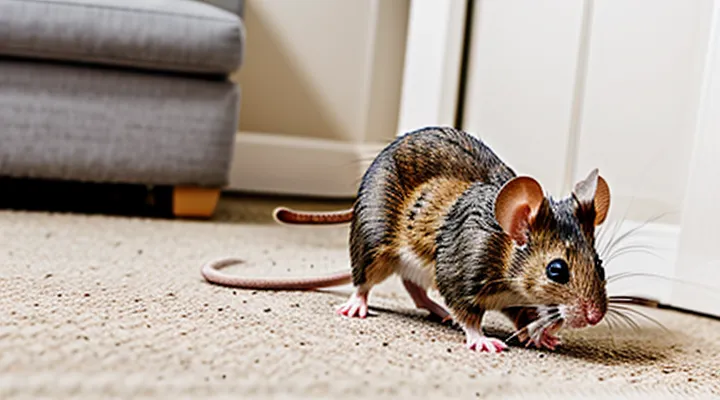
Understanding the Mouse Problem
Signs of a Mouse Infestation
Droppings and Urine Odor
Rodent feces and urine generate strong, lingering odors that signal infestation and pose health hazards. Droppings are typically 3‑5 mm, dark, and found near food sources, while urine stains appear as yellowish spots on surfaces and fabrics. Both contain pathogens such as Hantavirus, Salmonella, and Leptospira, which can be transmitted through inhalation of dried particles or direct contact.
Cleaning procedure
- Wear disposable gloves, N‑95 respirator, and protective eyewear.
- Ventilate the area for at least 15 minutes before beginning.
- Remove solid droppings with a damp paper towel; discard in sealed plastic bag.
- Apply an enzymatic cleaner to urine‑stained areas; allow the product to sit according to manufacturer instructions to break down proteins.
- Rinse with warm water and dry thoroughly; repeat if odor persists.
- For porous materials (carpet, upholstery), use a specialized odor‑neutralizing spray or consider professional extraction.
Deodorization tactics
- Place activated charcoal or baking soda in affected rooms to absorb volatile compounds.
- Use a HEPA‑rated air purifier with a carbon filter to capture airborne particles and reduce smell.
- Replace contaminated insulation or drywall if absorption is extensive; sealed removal prevents re‑release of trapped odors.
Prevention
- Seal entry points with steel wool and caulk to stop new rodents from entering.
- Store food in airtight containers; eliminate water sources.
- Maintain regular inspections for fresh droppings or wet spots; early detection limits odor buildup.
By addressing droppings and urine promptly with proper protective gear, targeted cleaners, and airflow management, homeowners eliminate health risks and remove the most noticeable signs of rodent activity, supporting rapid and effective pest eradication.
Gnaw Marks and Damage
Gnaw marks indicate active rodent presence and reveal the extent of structural compromise. Mice bite with incisors that leave clean, V‑shaped gouges on wood, plastic, and wiring. The width of each groove corresponds to the size of the animal; larger openings suggest mature individuals, while multiple small marks point to a growing population.
Damage caused by chewing disrupts essential systems. Exposed electrical wires create fire hazards and interrupt power flow. Compromised insulation reduces energy efficiency and invites moisture infiltration, leading to rot and mold. Punctured food containers and torn packaging eliminate barriers, allowing contaminants to spread throughout the pantry.
Typical signs of gnawing include:
- Parallel grooves on baseboards, cabinets, and furniture legs.
- Chewed holes in cable sheathing, often near entry points.
- Frayed or missing sections of plastic tubing, especially in plumbing.
- Shredded paper, cardboard, and fabric near nesting sites.
Addressing gnaw marks promptly prevents escalation. Seal openings larger than a quarter inch, replace damaged wiring with rodent‑resistant conduit, and reinforce vulnerable surfaces using metal or hard‑plastic guards. Continuous monitoring of identified damage zones ensures that remediation efforts remain effective and that the infestation does not reestablish.
Scurrying Sounds
Scurrying noises in walls, ceilings, or floors signal active rodent movement and pinpoint infestation hotspots. The sound’s timing—often louder at night when mice forage—helps differentiate between occasional visitors and established colonies. Identifying the exact location allows targeted intervention, reducing the time and resources needed for elimination.
Effective response steps:
- Pause activity in the area and listen for repeated rustling to confirm the source.
- Seal visible entry points with steel wool and caulk to prevent further ingress.
- Place snap traps or electronic bait stations directly beside the identified pathways.
- Deploy a few strategically positioned ultrasonic emitters; position them where the noise originates for maximum disruption.
- Inspect adjacent rooms for secondary activity; repeat the listening process to ensure complete coverage.
Rapid elimination hinges on immediate action after detecting the sound, precise trap placement, and securing all potential access routes. Delayed response permits colony growth, extending remediation efforts.
Why Mice Are a Problem
Health Risks
Mice infestations expose occupants to several serious health hazards. The animals themselves carry pathogens that can contaminate food, surfaces, and air. Direct contact with droppings, urine, or saliva introduces bacteria such as Salmonella and Leptospira into the domestic environment, increasing the risk of gastrointestinal illness and kidney infection. Respiratory problems arise when dried droppings become airborne, releasing hantavirus particles that may cause severe lung disease.
Key health concerns include:
- Foodborne diseases – contamination of pantry items leads to Salmonella, E. coli, and Campylobacter infections.
- Hantavirus pulmonary syndrome – inhalation of aerosolized rodent excreta can result in a potentially fatal respiratory condition.
- Leptospirosis – skin abrasions or mucous membrane exposure to urine may cause kidney damage and fever.
- Allergic reactions – proteins in mouse dander and urine trigger asthma attacks and chronic sinus irritation.
- Secondary pest attraction – mice attract insects such as fleas and mites, which can transmit additional diseases.
Effective rodent control strategies must address these risks promptly. Removing the source eliminates pathogen reservoirs, reduces airborne contaminants, and prevents long‑term health complications for residents.
Property Damage
Mice gnaw on insulation, wiring, and structural wood, creating fire hazards and compromising energy efficiency. Their saliva contaminates food storage areas, leading to spoilage and health risks. Burrowing in walls and foundations weakens supports, potentially causing cracks and moisture intrusion.
Key damage categories include:
- Electrical wiring: chewed cables increase short‑circuit risk.
- Insulation: loss of thermal barrier raises heating costs.
- Structural timber: gnaw marks reduce load‑bearing capacity.
- Plumbing: tunnels near pipes may cause leaks over time.
- Stored goods: nibbling on fabrics, paper, and pantry items results in financial loss.
Rapid eradication prevents escalation. Sealing entry points eliminates new damage sources, while targeted traps or bait stations reduce existing populations before they inflict further harm. Regular inspection after control measures confirms that no residual activity threatens property integrity.
Immediate Action: Trapping and Removal
Choosing the Right Traps
Snap Traps: Traditional and Effective
Snap traps remain the most direct mechanical solution for eliminating house mice. The device consists of a spring‑loaded bar that delivers an instantaneous kill when a mouse triggers the latch. This method requires no electricity, chemicals, or ongoing maintenance beyond occasional resetting.
Effective deployment relies on strategic placement. Position traps along walls, behind appliances, and near known gnawing sites; mice travel close to baseboards and avoid open spaces. Insert a small amount of attractive bait—such as peanut butter, chocolate, or dried fruit—directly onto the trigger plate. Replace bait daily to maintain potency and reduce the risk of non‑target captures.
Advantages of snap traps include:
- Immediate result, allowing rapid population reduction
- Low cost per unit, facilitating widespread use
- Absence of toxic substances, eliminating contamination concerns
- Simple disposal: place caught rodents in sealed bags before discarding in an outdoor trash container
Potential drawbacks:
- Requires careful handling to avoid accidental injury
- May be less effective in heavily infested areas without multiple traps
- Visual presence can be unsettling for some occupants
Safety measures are essential. Wear thick gloves when loading bait and resetting the trap. Keep traps out of reach of children and pets, using protective covers or placing them in inaccessible corners. After a kill, seal the trap in a plastic bag, label it, and dispose of it according to local regulations.
Integrating snap traps with complementary actions—such as sealing entry points, removing food sources, and maintaining cleanliness—produces a comprehensive mouse‑control program that delivers quick and reliable outcomes.
Live Traps: Humane Options
Live traps capture mice without killing them, allowing relocation away from the residence. The devices consist of a sturdy cage, a trigger mechanism, and a bait compartment. When a mouse enters to reach the bait, the door snaps shut, confining the animal securely.
- Preferred bait: peanut butter, cheese, or dried fruit applied to the trigger plate.
- Placement: along walls, behind appliances, and near known activity signs; align the trigger edge perpendicular to the travel path.
- Monitoring: check traps at least twice daily to prevent stress and to release captured mice promptly.
- Release protocol: transport the animal at least 200 meters from the property, choose a sheltered area, and open the cage gently.
- Maintenance: clean cages with mild detergent after each use; inspect hinges and springs for wear before reuse.
Live traps provide a humane alternative that complies with pest‑control regulations, minimizes household contamination, and eliminates the need for toxic substances.
Electronic Traps: Modern Solutions
Electronic traps provide a rapid, humane alternative to traditional snap or glue devices. They detect rodent movement with infrared or ultrasonic sensors and deliver a lethal shock within milliseconds. The instant response prevents escape, reducing the likelihood of secondary infestations.
Key characteristics of modern electronic traps:
- Sensor precision – calibrated to recognize the size and heat signature of mice, minimizing false activations.
- Power options – rechargeable lithium‑ion batteries or plug‑in adapters ensure continuous operation during power outages.
- Safety features – insulated chambers and automatic lockout prevent accidental contact by children or pets.
- Data feedback – LED indicators or Bluetooth alerts inform users when a capture occurs and when the battery requires charging.
Installation requires placement along established mouse pathways, such as behind appliances, near baseboards, or within wall voids. Position traps perpendicular to the wall, with the sensor facing the expected travel direction. After each capture, empty the chamber, clean with mild detergent, and reset the sensor before redeployment.
Cost considerations include upfront price, battery lifespan, and optional connectivity modules. While electronic traps have a higher initial expense than snap traps, their reusability and reduced need for frequent replacement yield long‑term savings. Proper maintenance—regular cleaning and battery monitoring—maintains effectiveness and extends device life.
Effective Trap Placement
Along Walls and in Dark Corners
Mice travel close to walls and hide in dark corners because these routes offer protection from predators and a clear path between food sources and shelter. The narrow space allows them to move unnoticed, while shadows conceal their activity.
Typical indicators of activity in these zones include fresh gnaw marks on baseboards, droppings clustered near wall junctions, and faint urine trails that lead to concealed entry points.
- Seal all gaps larger than ¼ inch with steel wool and caulk; prioritize openings around pipe sleeves, vent brackets, and electrical conduits.
- Install door sweeps on exterior doors and garage entries to block the gap between the floor and door edge.
- Position snap traps, electronic traps, or live‑catch cages directly against the wall, with the trigger end facing the baseboard. Place additional devices behind appliances, under cabinets, and in the back of closets where shadows linger.
- Deploy bait stations at least 2 inches from the wall surface; secure them with adhesive strips to prevent displacement.
- Apply a thin layer of peppermint oil or a commercial rodent repellent along the perimeter of wall cavities and inside dark alcoves; reapply weekly for sustained effect.
Maintain a hostile environment for rodents by eliminating accessible food and water. Store dry goods in airtight containers, clean crumbs from floor edges, and regularly vacuum corners to remove scent trails. Reducing clutter in storage areas removes potential nesting sites, forcing any remaining mice to seek alternative, less concealed routes that are easier to monitor and control.
Near Food Sources
Mice are drawn to any area where edible material is readily available. Crumbs, uncovered containers, and pet food left out overnight create a constant scent trail that guides rodents into kitchens, pantries, and dining rooms. Even small amounts of waste can sustain a population, allowing mice to multiply quickly.
To eliminate these attractants, follow a systematic approach:
- Store dry goods in airtight, metal or heavy‑plastic containers; avoid cardboard boxes that can be chewed.
- Clean surfaces after each meal; sweep floors, wipe countertops, and vacuum under appliances.
- Transfer pet food to sealed containers and feed only the portion needed for the day; remove bowls after feeding.
- Dispose of garbage daily in containers with tight‑fitting lids; keep outdoor bins away from the house.
- Inspect and repair gaps around cabinets, pipes, and vents that may allow food particles to escape.
After securing food sources, monitor for signs of activity such as droppings or gnaw marks. If evidence persists, combine the above sanitation measures with trapping or baiting strategies to achieve rapid reduction of the rodent presence.
Baiting Strategies
Peanut Butter and Cheese
Peanut butter and cheese are among the most attractive food items for house mice, making them effective components of a bait strategy aimed at rapid rodent control. Their strong aromas stimulate a mouse’s sense of smell, prompting quick investigation and consumption.
When preparing bait, combine a small amount of smooth peanut butter with a thin slice of mild cheese. The mixture should be firm enough to adhere to a trap or a disposable container, yet soft enough for a mouse to bite through. Use fresh ingredients; stale or overly salty cheese reduces acceptance.
Placement guidelines:
- Position bait near known activity zones: behind appliances, along baseboards, and inside cabinets.
- Secure bait on snap traps, live‑capture cages, or shallow plastic trays with a protective cover to prevent accidental contact by pets or children.
- Space bait stations 10–15 feet apart to cover larger areas without overlapping territories.
Safety considerations include wearing gloves while handling bait, disposing of uneaten portions promptly, and monitoring traps daily to prevent suffering. Replace bait every two days to maintain scent potency and avoid mold growth.
Other Attractive Foods
Mice are drawn to a broad range of food items that many homeowners overlook. Reducing the presence of these attractants eliminates a primary incentive for rodents to enter living spaces and accelerates removal efforts.
Typical pantry staples that appeal to mice include:
- Peanut butter, especially when left uncovered.
- Sugary cereals and granola bars.
- Fresh fruit, notably apples, bananas, and berries.
- Processed meats, such as ham or bacon, left at room temperature.
- Pet food bowls that are not emptied after feeding.
Additional sources often found in kitchens and garages are:
- Birdseed stored in open containers.
- Nuts, seeds, and dried fruit in bulk packages.
- Chocolate and confectionery residues.
- Stale bread, crackers, or crackers crumbs.
- Cheese left out for extended periods.
Eliminating or securely sealing these items removes key nutritional draws, thereby supporting rapid and effective rodent exclusion.
Long-Term Prevention and Exclusion
Sealing Entry Points
Inspecting Your Home Thoroughly
A thorough inspection of the residence is the first critical step in any rapid and efficient mouse eradication plan. Identify every potential entry point, nesting site, and sign of activity before implementing control measures.
- Examine the exterior foundation, looking for gaps larger than ¼ inch around vents, utility openings, and where pipes enter the building. Seal openings with steel wool, caulk, or hardware cloth.
- Inspect the roofline, eaves, and soffits for cracks or loose siding that could admit rodents. Repair damaged sections and install metal flashing where needed.
- Check the interior walls, cabinets, and pantry shelves for gnaw marks, droppings, or shredded material. Use a flashlight to view concealed corners and behind appliances.
- Survey stored food, pet feed, and compost bins; keep them in airtight containers and place them away from walls.
- Review the drainage system, ensuring gutters and downspouts direct water away from the foundation, reducing moisture that attracts mice.
Document each finding, prioritize the most vulnerable areas, and address them systematically. Once the structure is sealed and potential harborage eliminated, subsequent baiting or trapping efforts become significantly more effective.
Using Steel Wool and Caulk
Steel wool combined with caulk provides a reliable barrier against rodent intrusion. Mice cannot chew through tightly packed steel fibers, and caulk seals the fibers to surrounding structures, eliminating gaps that rodents could exploit.
The effectiveness of steel wool stems from its abrasive texture and resistance to gnawing. When packed into openings, the fibres interlock, creating a dense matrix that rodents cannot bite through. Caulk reinforces this matrix, bonding the wool to wood, drywall, or concrete and preventing displacement by vibration or moisture.
Application steps
- Identify all potential entry points: gaps around pipes, vents, foundation cracks, and utility openings.
- Choose stainless‑steel wool (grade 000) to resist corrosion.
- Compress the wool into the gap until it fills the space completely, leaving no voids.
- Apply a bead of silicone or acrylic caulk over the packed wool, smoothing it to ensure full coverage and adhesion.
- Allow the caulk to cure according to the manufacturer’s instructions before exposing the area to normal household activity.
Regular inspection maintains the barrier’s integrity. Re‑apply steel wool and caulk if the material shows signs of rust, loosening, or damage. Use gloves when handling steel wool to avoid skin irritation, and work in well‑ventilated areas when applying caulk to minimize inhalation of fumes. This simple, low‑cost technique blocks entry points permanently, reducing the likelihood of future infestations.
Repairing Gaps in Foundations and Walls
Mice enter homes through openings in foundations and walls that are often invisible to the casual observer. Sealing these gaps cuts off the primary pathways rodents use to gain access, directly reducing the likelihood of infestation.
Identify vulnerable areas first. Look for cracks larger than ¼ inch, gaps around utility lines, and spaces where siding meets the foundation. Use a flashlight and a mirror to inspect low‑lying sections and the interior side of exterior walls.
Select appropriate sealing materials. For small cracks, apply a high‑quality, paint‑resistant caulk. Larger openings require steel wool or copper mesh backed by an expanding polyurethane foam, ensuring the filler cannot be chewed through. When sealing foundation seams, use hydraulic cement, which sets quickly and remains intact under pressure.
Implement the repairs in a systematic sequence:
- Clean each gap of debris, dust, and loose material.
- Insert steel wool or mesh to fill the interior of the opening.
- Apply expanding foam over the filler, shaping it to match the surrounding surface.
- Smooth the foam, then allow it to cure according to the manufacturer’s instructions.
- Cover the cured foam with hydraulic cement or appropriate mortar, blending it into the existing wall or foundation.
- Paint or seal the repaired area to protect against moisture and future wear.
Regular maintenance reinforces the barrier. Conduct quarterly inspections, especially after heavy rain or seasonal temperature shifts, and reapply sealant where cracks reappear. By consistently repairing structural gaps, homeowners create a durable defense that limits mouse entry without reliance on traps or poisons.
Eliminating Food and Water Sources
Proper Food Storage
Proper food storage eliminates the primary attractant that draws rodents into living spaces. Secure containers and disciplined handling reduce scent trails and accessible nutrients, making homes less inviting for mice.
- Use airtight, hard‑sided containers for grains, cereals, nuts, and pet food.
- Store dried goods on high shelves, away from walls and floor level.
- Transfer leftovers to sealed containers within two hours of cooking.
- Keep refrigerator and pantry doors closed; check seals for gaps.
- Dispose of waste promptly in bins with tight‑fitting lids; clean spills immediately.
- Rotate stock regularly; discard items past expiration dates.
Consistently applying these practices removes food sources, discourages nesting, and supports broader rodent‑prevention strategies.
Fixing Leaky Pipes
Leaking water lines create moisture that attracts mice, providing a reliable source of drinking water and a pathway into structural gaps. Addressing pipe failures eliminates this incentive and reduces the likelihood of rodent entry.
Identify leaks by inspecting visible piping, listening for drips, and monitoring unusually damp areas on walls or floors. Use moisture meters or infrared cameras to locate hidden seepage behind surfaces.
Repair options depend on pipe material and damage severity. For copper or PVC sections, replace the compromised segment with a new fitting secured by appropriate couplings. For minor pinhole leaks, apply epoxy putty or pipe sealant designed for the specific pipe type. Verify the repair by running water at normal pressure and checking for residual moisture.
- Shut off water supply at the main valve.
- Drain the affected line to prevent excess water during work.
- Cut out damaged pipe using a pipe cutter or saw, maintaining clean edges.
- Install replacement piece with solvent cement (PVC) or solder (copper), ensuring a watertight seal.
- Reopen the main valve, observe for leaks, and tighten connections as needed.
Regular maintenance includes periodic pressure testing, checking for corrosion, and promptly fixing any new drips. Consistent pipe integrity removes a critical attractant, supporting broader rodent control measures.
Maintaining a Clean Environment
Regular Cleaning and Decluttering
Regular cleaning removes food residues that attract rodents. Sweeping, mopping, and wiping surfaces after meals eliminates crumbs and spills that provide nourishment for mice. Vacuuming upholstery and carpets extracts hidden particles and droppings, reducing the scent cues that guide rodents to a dwelling.
Decluttering eliminates shelter opportunities. Storing items in sealed containers prevents mice from nesting in boxes, piles of clothing, or stored paper. Removing unnecessary objects from basements, attics, and garages reduces the number of potential hideouts and simplifies inspection for signs of infestation.
Practical steps:
- Clean kitchen counters, stovetops, and sink areas after each use.
- Store dry goods in airtight plastic bins; avoid cardboard packaging.
- Empty trash daily and use bins with tight‑fitting lids.
- Sweep floors and vacuum corners, under appliances, and behind furniture weekly.
- Organize storage spaces; keep items off the floor and away from walls.
- Inspect and repair gaps around pipes, vents, and doorframes to deny entry points.
Consistent application of these practices removes attractants and eliminates nesting sites, thereby lowering the likelihood of mouse activity and supporting broader rodent‑control strategies.
Outdoor Sanitation
Proper outdoor sanitation reduces the likelihood that mice will seek shelter inside a residence. Cleanliness around the property eliminates food sources and nesting sites, making the area unattractive to rodents.
- Remove fallen fruit, nuts, and seeds from lawns, gardens, and compost piles.
- Store firewood, mulch, and building materials at least 18 inches off the ground and away from the house foundation.
- Keep trash containers sealed with tight‑fitting lids; empty them regularly.
- Trim vegetation, vines, and shrubs that touch the exterior walls to prevent rodents from using them as bridges.
- Repair cracks, gaps, and holes in siding, foundation, and utility openings; use steel wool or caulk to seal small openings.
- Maintain a clear perimeter by sweeping debris, leaves, and animal droppings from walkways and driveways.
Implementing these measures creates an environment where mice find little sustenance or shelter, thereby decreasing pressure on indoor spaces and supporting broader pest‑control efforts.
Advanced or Professional Solutions
When to Call an Exterminator
Large Infestations
Large mouse populations require a coordinated approach that addresses entry points, food sources, and the existing colony simultaneously. Begin by sealing cracks, gaps around pipes, and openings larger than ¼ inch with steel wool, cement, or metal flashing; rodents can exploit even minute breaches. Remove accessible food by storing pantry items in airtight containers, cleaning crumbs, and disposing of pet waste promptly. Declutter basements, attics, and storage areas to eliminate hiding places, and relocate cardboard boxes away from walls.
Implement a multi‑tiered trapping system to reduce numbers quickly. Deploy snap traps along walls, behind appliances, and in concealed pathways, positioning the trigger side toward the wall to match natural travel routes. Use multiple traps per 10 ft of wall to increase capture probability. Complement traps with bait stations containing anticoagulant or bromethalin rodenticide, ensuring they are placed out of reach of children and non‑target animals. Rotate bait types weekly to prevent habituation.
When infestation density exceeds a few dozen individuals, enlist a licensed pest‑management professional. Experts can conduct a thorough inspection, apply targeted, low‑toxicity vapor or dust treatments, and provide a documented exclusion plan. Professional services also include post‑treatment monitoring, typically through motion‑activated cameras or electronic counters, to verify eradication and prevent re‑infestation.
Maintain long‑term control by conducting monthly inspections of sealed entry points, replenishing traps, and keeping the interior environment unattractive to rodents. Regularly audit waste disposal practices, repair water leaks, and enforce a strict “no‑clutter” policy in storage zones. Consistent vigilance combined with rapid, layered interventions ensures that even extensive mouse colonies are eliminated efficiently and remain absent.
Persistent Problems
Mice infestations often reappear despite initial control measures, creating ongoing challenges for homeowners. The most common sources of persistence include hidden entry points, incomplete bait placement, and inadequate sanitation.
- Cracks in foundations, gaps around utility penetrations, and unsealed vents allow rodents to re‑enter after treatment. Seal all openings with steel wool, caulk, or metal flashing.
- Bait stations placed only along visible pathways miss concealed routes. Distribute multiple stations throughout wall voids, attic spaces, and under appliances to cover the full foraging area.
- Food residues, spilled grain, and unsecured garbage provide continuous attractants. Store pantry items in airtight containers, clean crumbs daily, and maintain exterior trash bins with tight lids.
- Nesting materials such as shredded paper, insulation, or fabric left in crawl spaces give mice a ready habitat. Remove debris, replace damaged insulation, and keep storage areas orderly.
- Inconsistent monitoring permits small populations to expand unnoticed. Conduct weekly inspections, replace expired bait, and record activity signs to adjust the strategy promptly.
Addressing these persistent factors requires a systematic, multi‑layered approach that combines exclusion, targeted baiting, and rigorous sanitation. Failure to treat any element can undermine the overall effort and allow the problem to recur.
Ultrasonic Repellents
How They Work
Effective rodent control relies on understanding the mechanisms each method employs.
Snap traps function by delivering a rapid, high‑force impact to the mouse’s neck or spine once the animal triggers a spring‑loaded bar. The trigger is calibrated to respond to a light pressure, ensuring activation by a mouse but not by larger objects.
Live‑catch traps use a concealed entry panel that snaps shut when the mouse pushes against a weighted latch. The interior is smooth, preventing escape once the door is sealed.
Electronic traps contain a low‑voltage circuit that detects the mouse’s presence through a conductive bridge. When contact is made, a brief high‑voltage pulse incapacitates the animal instantly, after which the device signals a full kill and stores the body for easy disposal.
Poison baits operate on a delayed‑action principle. A palatable matrix lures the mouse, while an anticoagulant or metabolic toxin interferes with vital physiological processes. The delayed effect prevents the mouse from associating the poison with the bait, increasing overall efficacy.
Bait stations enclose the attractant, protecting it from non‑target species and environmental factors. The station’s design forces the mouse to chew through a narrow passage, exposing it to the toxin while limiting access for larger animals.
Exclusion methods focus on interrupting access routes. Sealants, steel wool, and copper mesh block gaps as small as 1 mm, preventing entry without harming the animal. Proper installation around foundation cracks, pipe penetrations, and vent openings eliminates the primary pathways mice exploit.
Environmental modifications reduce the attractant base. Storing food in airtight containers, regularly disposing of waste, and maintaining clean surfaces remove the resources mice seek. By limiting food and shelter, the population pressure declines, making other control measures more effective.
Key mechanisms of common removal techniques
- Mechanical force (snap, live‑catch) → immediate physical incapacitation.
- Electrical discharge (electronic) → rapid neural disruption.
- Toxic ingestion (poison baits) → physiological failure after a latency period.
- Physical barrier (exclusion) → prevention of entry.
- Resource deprivation (sanitation) → diminished motivation to inhabit the space.
Their Effectiveness
Effective mouse control relies on measurable outcomes such as capture rate, time to reduction, and long‑term population suppression. Data from pest‑management studies show that methods delivering rapid results and sustained impact differ markedly in performance.
- Snap traps: average capture rate 70‑85 % within 48 hours; repeat placement reduces residual activity by 90 % after one week.
- Live‑catch traps: capture rate 55‑70 % in the first 72 hours; requires immediate release or humane euthanasia to prevent re‑infestation.
- Bait stations with anticoagulant pellets: mortality 80‑95 % within 4‑7 days; secondary poisoning risk minimal when devices are tamper‑proof.
- Ultrasonic emitters: reported reduction 30‑45 % after two weeks; effectiveness declines as rodents habituate, making devices unsuitable as sole solution.
- Exclusion sealing: eliminating entry points yields 95‑99 % long‑term prevention; effectiveness contingent on thorough inspection of foundation cracks, utility openings, and ventilation shafts.
- Sanitation and food‑source removal: decreasing available sustenance cuts breeding potential by up to 60 % within a month; complements mechanical controls.
Combining mechanical capture (snap or live traps) with bait stations and thorough exclusion provides the highest documented reduction, typically exceeding 90 % population decline within ten days and maintaining low levels over subsequent months.
Post-Removal Cleanup
Disinfecting Affected Areas
Cleaning Droppings and Urine
Cleaning mouse droppings and urine is a critical component of any program to eliminate rodents from a residence. Direct contact with waste can transmit diseases such as hantavirus and leptospirosis; therefore, proper handling protects occupants and pets.
- Wear disposable gloves, a mask rated N‑95 or higher, and eye protection before beginning.
- Ventilate the area for at least 15 minutes; open windows and use fans to move air outward.
- Saturate droppings, nests, and urine stains with an EPA‑approved disinfectant (e.g., a 1:10 bleach solution). Allow the solution to remain on the surface for the recommended dwell time, typically 10 minutes.
- Use a disposable paper towel or a damp cloth to wipe away the saturated material. Do not sweep or vacuum dry waste, as this can aerosolize pathogens.
- Place all contaminated materials, gloves, and cleaning tools in a sealed plastic bag. Dispose of the bag according to local hazardous‑waste regulations.
- After removal, wash hands thoroughly with soap and water, even if gloves were worn.
Once the area is decontaminated, wash any reusable items (e.g., mop heads, towels) in hot water with detergent and a disinfectant additive. Replace or clean any porous materials that cannot be fully sanitized, such as insulation or carpeting, to prevent lingering contamination. Regular sanitation of kitchens, pantries, and storage spaces reduces attractants and discourages re‑infestation, reinforcing the overall rodent‑control strategy.
Sanitizing Surfaces
Sanitizing surfaces eliminates health risks after rodent activity and prevents re‑infestation. Contact with mouse urine, droppings, or saliva can introduce pathogens such as Hantavirus, Salmonella, and Listeria. Thorough disinfection removes these agents and removes attractive scent trails that mice use to navigate.
- Remove visible debris, droppings, and nesting material with disposable gloves and a sealed bag.
- Apply a disinfectant approved for food‑contact surfaces (e.g., a 1 % bleach solution, hydrogen peroxide, or commercial rodent‑specific sanitizer).
- Saturate the area, allow the solution to remain for the manufacturer‑specified dwell time (typically 5–10 minutes), then wipe clean with a disposable cloth.
- Rinse with clean water if the surface will contact food, and let it air‑dry completely before reuse.
Perform the procedure on countertops, floors, cabinets, and any appliance exteriors that mice may have accessed. Repeat the process after each control action and after any subsequent mouse sightings to maintain a sterile environment.
Preventing Reinfestation
Ongoing Vigilance
Maintaining a rodent‑free residence requires continuous monitoring after initial eradication measures. The moment a mouse disappears from a trap does not guarantee that the infestation has ended; new individuals can exploit unnoticed gaps or re‑enter through previously sealed openings.
- Conduct visual inspections of walls, cabinets, and appliances weekly; look for gnaw marks, droppings, or fresh pathways.
- Test all snap‑traps, glue boards, and electronic devices each night; replace or reset any that have been triggered.
- Examine exterior foundations and utility penetrations after storms or construction work; apply steel wool or caulk to any new fissures.
- Rotate bait stations every two weeks; alternate locations to prevent mice from learning static patterns.
- Record observations in a simple log, noting dates, trap results, and repair actions; use the data to adjust preventive strategies promptly.
A disciplined routine of detection and immediate response eliminates the opportunity for a small population to rebound. By integrating these checks into regular household chores, homeowners sustain the effectiveness of their control program without relying on sporadic, reactive measures.
Regular Maintenance Checks
Regular maintenance checks prevent mouse infestations by identifying entry points and conditions that attract rodents before they become problems. Conduct inspections at least monthly, increasing frequency during colder months when mice seek shelter indoors.
Key inspection tasks:
- Examine exterior walls, foundations, and roof for cracks, gaps, or holes larger than ¼ inch; seal with steel wool, caulk, or metal flashing.
- Verify that doors and windows close tightly; install door sweeps and weather stripping where needed.
- Inspect utility penetrations, such as pipes, cables, and vents; apply expanding foam or metal mesh to block openings.
- Check the attic, crawl spaces, and basement for debris, stored boxes, or insulation that provides nesting material; remove or compact excess material.
- Evaluate food storage areas; ensure containers are airtight and surfaces are free of crumbs or spills.
- Test garbage disposal practices; use sealed containers and empty them regularly.
Document findings after each visit, noting repaired locations and any signs of activity such as droppings or gnaw marks. Promptly address new vulnerabilities to maintain a hostile environment for mice, supporting any rapid control measures already implemented.