
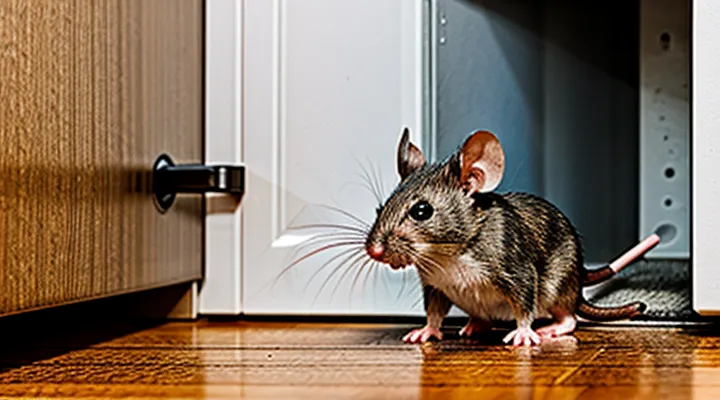
Understanding the Mouse Problem
Signs of Mouse Infestation
Droppings and Urine Stains
Rodent droppings and urine stains are reliable indicators of an active mouse presence in a dwelling. Fresh droppings appear as small, dark pellets about 3‑5 mm in length; older specimens may be lighter and crumbly. Urine stains manifest as yellowish or brownish discolorations, often accompanied by a faint, musky odor. Both contaminants pose health hazards, including the transmission of Hantavirus, Salmonella, and leptospirosis.
Effective remediation follows a systematic protocol:
- Wear disposable gloves and a N‑95 respirator before handling any material.
- Seal contaminated surfaces with a plastic bag to contain particles.
- Apply an EPA‑approved disinfectant (e.g., a 10 % bleach solution) to droppings and urine‑stained areas; allow a minimum of 10 minutes contact time.
- Use a disposable paper towel or a HEPA‑filtered vacuum to remove debris.
- Dispose of all cleaning materials in a sealed, double‑bagged container and discard according to local hazardous‑waste guidelines.
Preventing re‑infestation requires eliminating attractants and sealing entry points. Inspect walls, floors, and utility penetrations for gaps larger than ¼ inch; fill openings with steel wool and caulk. Store food in airtight containers, maintain clean countertops, and reduce clutter that could serve as shelter. Regular monitoring for fresh droppings or urine stains ensures early detection and swift corrective action.
Gnaw Marks
Gnaw marks are the most reliable indicator of active mouse presence. They appear as shallow, crescent‑shaped bites on wood, plastic, cardboard, or insulation, typically 2‑5 mm deep. Fresh marks have bright, pinkish edges; older ones turn dull and gray as the material oxidizes.
Identifying gnaw marks helps locate infestation hotspots. Follow these steps:
- Inspect baseboards, cabinets, and behind appliances for fresh bite patterns.
- Trace each mark to its source; mice often start at a single entry point and radiate outward.
- Record the exact locations to prioritize sealing and treatment.
Addressing gnaw marks prevents further damage and reinforces control measures. First, clean the area with a disinfectant to eliminate saliva‑borne pathogens. Next, seal the compromised material using steel wool, copper mesh, or expandable foam, then cover with caulk or wood filler. Finally, replace heavily damaged sections to remove attractive nesting sites.
Monitoring gnaw marks after intervention confirms success. Absence of new bites for two weeks indicates that entry points are effectively blocked and that the mouse population is no longer active. Continuous observation ensures that any resurgence is detected early, allowing prompt corrective action.
Scratching Noises
Scratching noises are a primary indicator that a rodent is active within the walls, ceilings, or floor joists of a residence. The sound typically originates from gnawing or movement against structural material and signals the presence of a mouse that must be removed promptly.
Identifying the source of the noise requires systematic observation. Listen during quiet periods, note the time of day when the sound is strongest, and trace the vibration by placing a hand on adjacent surfaces. Use a flashlight to inspect exposed gaps, vents, and insulation for fresh droppings or gnawed fibers.
Effective response consists of three coordinated actions:
- Seal entry points: apply steel wool, caulk, or hardware cloth to cracks, holes, and gaps larger than ¼ inch.
- Deploy traps: position snap or electronic traps along the identified pathway, ensuring bait placement matches the mouse’s travel direction.
- Monitor and adjust: check traps daily, replace bait as needed, and re‑inspect sealed openings to confirm integrity.
Eliminating the source of scratching noises reduces stress on the building structure and accelerates the removal of the infestation. Continuous vigilance after initial clearance prevents re‑entry and maintains a rodent‑free environment.
Unpleasant Odors
Unpleasant odors indicate active rodent activity and can undermine the success of any eradication effort. Detecting these smells early helps pinpoint infestation sites, allowing targeted intervention before the problem spreads.
Common sources of foul scents include:
- Urine stains on flooring, walls, or stored items
- Fecal pellets in hidden corners, cabinets, or insulation
- Nesting material saturated with body fluids
- Decomposing carcasses hidden behind walls or in crawl spaces
- Spoiled food remnants contaminated by gnawing
Identifying the odor type and its origin guides the cleaning strategy. Sharp ammonia-like smells suggest fresh urine, while a musky, sour odor often signals accumulated waste or decay. Use a handheld scent detector or follow the strongest aroma to locate the most contaminated area.
Immediate remediation steps:
- Increase airflow by opening windows and using fans.
- Remove visible waste with disposable gloves and sealed bags.
- Apply enzymatic cleaners to break down organic residues; these agents neutralize the odor at the molecular level.
- Disinfect surfaces with a solution containing at least 1,000 ppm bleach to eliminate pathogens.
- Dispose of any dead rodents promptly, sealing them in plastic before removal.
Long‑term odor control requires eliminating the conditions that attract mice. Seal cracks and gaps larger than ¼ inch, store food in airtight containers, and maintain a regular schedule of inspection and deep cleaning. By addressing unpleasant smells systematically, the overall eradication process becomes faster and more reliable.
Why Mice are a Threat
Health Risks
Mice inhabiting residential units expose occupants to a range of medical concerns. Pathogens carried on fur, saliva, and urine can cause disease transmission, while structural damage may aggravate respiratory conditions.
- Hantavirus: Inhalation of aerosolized particles from dried rodent droppings can lead to severe respiratory illness, with a mortality rate up to 38 % in untreated cases.
- Salmonellosis: Contamination of food surfaces by mouse feces introduces Salmonella bacteria, producing gastrointestinal symptoms such as diarrhea, fever, and abdominal cramps.
- Leptospirosis: Direct contact with urine or contaminated water results in a bacterial infection that may cause kidney failure, liver dysfunction, and meningitis.
- Allergic reactions: Proteins in mouse dander and urine trigger IgE‑mediated responses, manifesting as sneezing, wheezing, and eczema, especially in sensitive individuals.
- Asthma exacerbation: Persistent exposure to rodent allergens heightens airway hyper‑responsiveness, leading to increased use of rescue medication and higher risk of severe attacks.
Prompt elimination of rodents reduces the duration of exposure and limits the accumulation of contaminating material. Effective control strategies—such as sealing entry points, employing snap traps, and applying targeted bait stations—decrease the likelihood of pathogen proliferation and mitigate the health hazards outlined above.
Property Damage
Mice cause extensive property damage that undermines any attempt at swift and efficient rodent removal in a residence. Their incisors gnaw through electrical wiring, creating fire hazards and costly repairs. Insulation, drywall, and wooden structures are compromised, leading to loss of thermal efficiency and structural integrity. Food contamination results from droppings and urine, requiring thorough sanitation and possible replacement of pantry items.
Typical damage includes:
- Severed or exposed electrical cables
- Chewed insulation and plaster
- Damaged furniture and cabinetry
- Contaminated food supplies and storage containers
- Corroded metal fixtures and appliances
Identifying these issues early allows targeted remediation, reduces repair expenses, and supports a successful eviction process. Immediate repair of compromised wiring, reinforcement of vulnerable building materials, and thorough cleaning of contaminated areas are essential steps to restore safety and prevent re‑infestation.
Immediate Action: First Steps for Mouse Removal
Identifying Entry Points
Inspecting Walls and Floors
Inspecting walls and floors is a critical step in achieving rapid and reliable rodent removal from a dwelling. The process identifies entry points, nesting sites, and damage that facilitate mouse activity.
Key indicators to observe:
- Small gnaw marks on baseboards, framing, or drywall corners.
- Accumulations of shredded material, droppings, or urine stains along wall seams and under floorboards.
- Fresh burrows or holes ranging from ¼ to ½ inch in diameter, often near utilities, vents, or plumbing fixtures.
- Audible scratching or scurrying sounds when the unit is quiet, especially near concealed spaces.
Effective inspection procedure:
- Dim the lights, then use a high‑intensity flashlight to reveal shadows and droppings in low‑visibility areas.
- Employ a thin, rigid mirror or a flexible inspection camera to examine behind appliances, under cabinets, and inside wall cavities.
- Conduct a tactile sweep with gloved hands, feeling for loose wood, soft spots, or gaps in flooring joints.
- Record each finding on a diagram of the unit, noting precise locations for treatment and sealing.
After documentation, seal identified openings with steel wool, copper mesh, or expanding foam designed for pest exclusion. Apply caulk or concrete patch to reinforce structural integrity, and replace damaged sections of drywall or subfloor as needed. Re‑inspect the treated areas after sealing to confirm that no new gaps have emerged before implementing bait or trapping measures. This systematic approach ensures that the environment no longer supports mouse habitation, allowing subsequent control actions to succeed.
Checking Pipes and Vents
Inspecting plumbing and ventilation systems is a critical step in preventing mouse activity within a dwelling. Rodents exploit gaps around pipes and vent shafts to travel between rooms, access walls, and reach food sources. Identifying and sealing these pathways eliminates hidden entry points and reduces the likelihood of re‑infestation after treatment.
- Examine all exposed pipe joints, especially under sinks, behind appliances, and in utility closets. Look for cracks, loose fittings, or gaps larger than ¼ inch.
- Trace each vent duct from the exterior vent cap to the interior opening. Verify that the vent cover is intact and that the interior grille is secured.
- Use a flashlight and a flexible inspection mirror to view the interior of pipe cavities and vent ducts. Note any gnaw marks, droppings, or nesting material.
- Apply stainless‑steel mesh, silicone caulk, or expandable foam to seal identified openings. For larger gaps, install metal flashing or pipe sleeves.
- Re‑check sealed areas after 48 hours to confirm that the material has cured and that no new gaps have formed.
Regular maintenance of these systems, combined with prompt sealing of any deficiencies, supports a swift and effective rodent removal strategy in an apartment setting.
Sealing Gaps and Cracks
Sealing gaps and cracks eliminates the routes mice use to enter an apartment, decreasing reliance on traps and poison.
Common entry points include:
- gaps around baseboards and flooring edges
- openings around pipes, cables, and vents
- cracks in walls, especially near windows and doors
- holes behind appliances and cabinets
Effective sealing materials are:
- steel wool packed tightly into openings, then covered with caulk
- silicone or acrylic caulk for narrow seams
- expanding polyurethane foam for larger cavities, applied in thin layers
- hardware cloth (1/4‑inch mesh) secured with screws for vents and larger gaps
Application procedure:
- Conduct a thorough visual inspection, using a flashlight to locate all apertures.
- Remove debris and dry the surface to ensure adhesion.
- Insert steel wool into narrow gaps, then seal with caulk.
- Apply foam to larger spaces, allowing it to expand and harden.
- Cover vent openings with hardware cloth, fastening with screws or zip ties.
- Verify the seal by checking for drafts or visible gaps.
Regular maintenance involves inspecting sealed areas quarterly, reapplying materials where wear or damage appears, and addressing new construction gaps promptly. Consistent sealing creates a durable barrier that supports rapid and lasting rodent exclusion.
Sanitation and Food Storage
Cleaning Up Food Debris
Removing food remnants is a prerequisite for any strategy aimed at rapid and efficient rodent removal from a dwelling. Visible crumbs, spilled liquids, and open containers provide a continuous energy source that sustains mouse populations. Eliminating these resources forces the animals to seek food elsewhere, increasing the likelihood of their departure.
Effective cleanup requires systematic action:
- Sweep or vacuum all floor surfaces, paying special attention to corners, under furniture, and behind appliances where debris accumulates unnoticed.
- Wipe countertops, tables, and cabinet doors with a disinfectant solution to dissolve sticky residues that attract rodents.
- Store dry goods in airtight containers; seal bags and boxes tightly after each use.
- Empty trash bins daily, using liners that close securely, and place bins away from entry points.
- Clean pet feeding areas after each meal; rinse bowls and remove any spilled kibble promptly.
Routine maintenance amplifies results. Conduct a thorough inspection weekly to identify hidden spills or crumbs, and address them immediately. By denying mice a reliable food supply, the environment becomes inhospitable, encouraging the pests to leave without the need for chemical interventions.
Storing Food in Airtight Containers
Storing food in airtight containers eliminates readily accessible nutrition for rodents, reducing the incentive for mice to enter living spaces. By sealing all edible items, the environment becomes less attractive, complementing other control measures and accelerating the removal process.
Airtight containers also prevent odor leakage, which otherwise signals food presence to mice. The barrier created by a sealed lid blocks scent diffusion, limiting the ability of rodents to locate supplies through smell. This containment supports rapid population decline because mice cannot sustain themselves on hidden reserves.
Key practices for effective food storage:
- Choose containers with lock‑tight seals or silicone gaskets; verify that the lid remains closed under pressure.
- Transfer all dry goods—cereals, grains, nuts, pet food—into these containers; avoid leaving items in original packaging.
- Store perishable items in refrigeration units equipped with sealed compartments; discard any food that shows signs of spoilage.
- Label containers with purchase dates; rotate stock to ensure older items are used first, preventing long‑term storage that could attract pests.
- Conduct regular inspections for compromised seals; replace damaged containers immediately.
Implementing these steps removes a primary food source, forcing mice to seek sustenance elsewhere and facilitating swift, effective eviction from the apartment.
Managing Pet Food
Effective rodent control in a dwelling depends on eliminating food sources that attract mice. Pet nutrition management is a critical component because unsecured pet food provides easy access to protein and carbohydrates, encouraging infestation. Proper handling of animal feed reduces the likelihood of mouse presence and supports swift eviction efforts.
- Store dry kibble in airtight containers made of metal or heavy‑wall plastic. Seal each container after every use.
- Measure daily portions and discard leftovers within 30 minutes. Remove uneaten food before it cools, as warm remnants emit stronger odor cues.
- Keep feeding areas free of crumbs. Sweep or vacuum floors and countertops after each meal.
- Place wet food in shallow dishes and cover with a lid or silicone mat when not being consumed. Replace uneaten portions after one hour.
- Maintain a regular cleaning schedule for pet bowls, toys, and bedding. Use hot water and detergent to break down residue that may attract rodents.
- Position feeding stations away from walls, baseboards, and concealed spaces where mice travel. Elevate bowls on a stable platform if possible.
Implementing these practices removes a primary incentive for mice, facilitating rapid and decisive eradication of the pest population. Continuous adherence ensures that once mice are expelled, re‑infestation remains unlikely.
Effective Mouse Eviction Methods
Trapping Strategies
Snap Traps
Snap traps deliver immediate, lethal control of mice, making them a primary tool for rapid apartment clearance. The mechanism consists of a spring‑loaded bar that snaps shut when the mouse triggers a pressure plate, causing fatal injury within milliseconds. This instant result prevents ongoing damage to food storage, wiring, and insulation, and eliminates the risk of disease transmission that persists with live‑catch methods.
Effective deployment depends on strategic placement. Mice travel along walls, behind appliances, and near entry points. Position traps perpendicular to the wall, with the trigger end facing the wall, at a height of 2–3 inches from the floor. Use multiple traps in high‑traffic zones such as kitchens, pantries, and utility rooms. A concise checklist:
- Inspect for fresh droppings and gnaw marks to locate activity corridors.
- Place one trap per 10‑foot segment of wall in identified corridors.
- Bait with a small amount of high‑fat food (peanut butter, cheese, or bacon) to increase attraction.
- Replace any sprung trap immediately to maintain continuous pressure on the mouse population.
Safety considerations are essential in shared living spaces. Keep traps out of reach of children and pets by using tamper‑resistant models or enclosing traps in protective cages. Wear disposable gloves when handling sprung devices, and seal captured mice in a plastic bag before disposal in an outdoor trash container. Regular monitoring and prompt reset of traps sustain pressure on the infestation, ensuring that new entrants encounter active devices.
Snap traps achieve a high kill rate, often exceeding 90 % when correctly positioned and baited. Their low cost, ease of use, and lack of chemical residues make them suitable for landlords and tenants seeking a swift, reliable solution to rodent problems without resorting to poison or professional extermination services. Consistent application of the outlined placement and safety practices maximizes effectiveness and accelerates the restoration of a mouse‑free apartment.
Live Traps
Live traps provide a humane method for removing mice from residential spaces while maintaining a rapid response. The device consists of a cage with a trigger mechanism that closes the door when the rodent enters to reach bait. Because the animal remains alive, the homeowner can relocate it far from the dwelling, preventing future infestations inside the unit.
Key considerations for effective deployment:
- Choose traps sized for common house mice (approximately 3–4 inches long); larger traps may allow escape.
- Use strong-smelling bait such as peanut butter, sunflower seed butter, or dried fruit; apply a pea‑sized amount to the trigger plate.
- Position traps along walls, behind appliances, and near suspected entry points; mice travel close to surfaces.
- Set traps in the evening when rodent activity peaks; check them early each morning to reduce stress on captured animals.
- Wear disposable gloves when handling traps to avoid transferring scent that could deter further captures.
After capture, transport the mouse in a sealed container to a location at least two miles from the residence, preferably in a wooded or field area. Release the animal during daylight hours, allowing it to find shelter quickly. Disinfect the trap with a diluted bleach solution before resetting, and replace bait if it becomes stale.
Legal regulations vary by jurisdiction; many municipalities prohibit releasing captured rodents within urban zones. Verify local ordinances to ensure compliance and avoid penalties.
Electronic Traps
Electronic traps provide rapid, non‑chemical control of house mice in residential units. Devices emit a high‑voltage pulse that instantly incapacitates the animal upon contact with a conductive platform. The result is a humane, mess‑free solution that eliminates the need for poison or snap‑traps.
Key characteristics to evaluate when selecting a trap:
- Voltage output of at least 2,000 V ensures immediate incapacitation.
- Battery life of 12 months or more reduces maintenance frequency.
- Audible alarm signals capture for prompt disposal and monitoring.
- Safety interlock prevents accidental activation by children or pets.
Effective placement follows the typical mouse travel routes: along walls, behind appliances, and near identified entry points. Install traps at a height of 2–4 inches from the floor, aligning the conductive surface perpendicular to the wall. Space devices 5–10 ft apart to create a continuous barrier.
Maintenance consists of three steps after each capture: power off the unit, wear disposable gloves, remove the deceased mouse into a sealed bag, and clean the platform with an alcohol wipe. Replace batteries or recharge the unit according to the manufacturer’s schedule to preserve consistent performance.
When integrating electronic traps into a broader pest‑management plan, combine them with exclusion measures such as sealing cracks, storing food in airtight containers, and reducing clutter. This multifaceted approach maximizes speed and effectiveness of mouse removal while minimizing health risks and property damage.
Baits and Lures
Types of Bait
Effective mouse control in an apartment hinges on selecting bait that matches rodent behavior and the chosen trapping method. Proper bait maximizes capture rates while minimizing exposure to non‑target occupants.
- Food‑based baits – Peanut butter, chocolate, dried fruit, and grain mixtures attract mice through strong scent and high fat content. Apply a pea‑size amount to snap, glue, or electronic traps.
- Protein baits – Cooked bacon, sardines, or canned tuna provide a potent olfactory cue for mice that prefer animal protein. Use sparingly on trap platforms to avoid excess residue.
- Non‑food attractants – Pheromone lures simulate mouse urine, stimulating curiosity and territorial response. Combine with a minimal food scent to enhance effectiveness.
- Toxic baits – Commercial rodenticides containing anticoagulants or neurotoxins are formulated for ingestion. Place in tamper‑resistant stations, ensuring compliance with local regulations and safety for children and pets.
- Live‑capture baits – Soft cheese or rolled oats work well in humane traps, encouraging entry without premature escape. Check traps frequently to reduce stress on captured animals.
Each bait type serves a specific purpose. Food‑based options excel with general‑purpose traps, while protein baits target mice with a known preference for animal matter. Non‑food attractants supplement scent cues when food scents lose potency. Toxic baits deliver a lethal dose after ingestion but require strict placement to avoid accidental poisoning. Live‑capture baits facilitate humane removal and subsequent release or disposal.
When deploying bait, maintain cleanliness to prevent competing odors, replace stale bait daily, and position traps along walls, behind appliances, and near known gnawing sites. Consistent bait management accelerates mouse eviction while preserving the safety of the living environment.
Safe Placement of Bait
Place bait where mice are most active while keeping it out of reach of children, pets, and non‑target wildlife. Position devices along walls, behind appliances, and near known entry points; rodents travel close to surfaces and will encounter bait placed in these corridors.
- Use tamper‑resistant bait stations that lock securely after placement.
- Secure stations on stable surfaces; avoid loose shelves or cluttered corners.
- Install stations at a height of 2–4 inches from the floor, directly adjacent to walls.
- Space multiple stations 10–15 feet apart in each room, concentrating near suspected nesting sites.
- Replace stations promptly when bait is depleted or contaminated.
Avoid locations that attract accidental contact, such as countertops, open cabinets, or areas where food is prepared. Ensure stations are sealed before installation to prevent spillage. Regularly inspect placement to verify continued effectiveness and to adjust positions based on observed mouse activity.
Repellents and Deterrents
Natural Repellents
Natural repellents provide a rapid, low‑impact solution for removing mice from a residential unit. They deter rodents without chemicals that may affect occupants or pets, and they can be applied quickly to common entry points and foraging areas.
Effective natural repellents include:
- Peppermint essential oil – concentrate 10 ml of oil in 1 liter of water, spray around baseboards, cabinets, and gaps. The strong scent overwhelms mouse olfactory receptors, prompting avoidance.
- Ammonia – mix equal parts ammonia and water in a spray bottle, target concealed spaces such as behind appliances and under sinks. The pungent vapour creates an inhospitable environment.
- Cayenne or chili powder – sprinkle a thin layer near potential entryways and along walls. Capsaicin irritates the rodents’ nasal passages, discouraging passage.
- Clove oil – dilute 5 ml in 500 ml of water, apply to door thresholds and window frames. The aromatic compounds act as a sensory repellent.
- Vinegar – soak cotton balls in white vinegar, place them in corners, closets, and pantry shelves. The acidic odor interferes with scent marking.
Application guidelines:
- Identify all suspected pathways: gaps under doors, utility openings, and cracks in walls.
- Clean the area to remove food residues that could mask repellent odors.
- Apply the chosen repellent immediately after cleaning; reapply every 3–5 days or after cleaning activities.
- Monitor mouse activity for 1–2 weeks; sustained absence indicates successful deterrence.
Safety considerations:
- Keep essential oils away from children and pets; use low‑concentration solutions.
- Ensure adequate ventilation when using ammonia to avoid respiratory irritation.
- Avoid direct contact with skin; wear gloves if handling concentrated substances.
When deployed correctly, these natural agents create an environment that mice rapidly abandon, achieving efficient rodent exclusion without resorting to toxic poisons or traps.
Commercial Repellents
Commercial repellents provide a non‑lethal alternative for quickly reducing mouse activity in residential units. They are formulated to create an environment that mice avoid, allowing occupants to regain control without extensive trapping or extermination.
Key categories include:
- Ultrasonic devices – emit high‑frequency sound waves outside the hearing range of humans; frequencies typically range from 20 kHz to 65 kHz. Effectiveness depends on line‑of‑sight placement and uninterrupted power supply.
- Chemical deterrents – contain compounds such as naphthalene, peppermint oil, or capsaicin. Applied as sprays, powders, or impregnated pads, they create an odor or taste that mice find repulsive.
- Scent‑based repellents – use natural extracts (e.g., cloves, eucalyptus) or synthetic analogues. Deployed on cotton balls, sachets, or gel matrices, they disperse volatile molecules over several weeks.
- Electromagnetic emitters – generate low‑frequency electromagnetic fields that interfere with rodent nervous systems. Installation requires connection to a wall outlet and coverage of up to 1,200 sq ft per unit.
When selecting a product, evaluate the following factors:
- Efficacy data – manufacturer claims should be supported by independent testing or peer‑reviewed studies.
- Coverage area – match device output to the square footage of the apartment to avoid gaps.
- Safety profile – verify that the repellent poses no risk to humans, pets, or indoor air quality; look for EPA registration or equivalent certification.
- Longevity – consider the duration of active protection; replace or recharge devices according to the specified interval.
- Cost‑effectiveness – calculate total expense, including initial purchase, consumable refills, and electricity usage.
For rapid mitigation, combine a perimeter of ultrasonic units with strategically placed scent‑based pads in high‑traffic zones (kitchen cabinets, pantry shelves, entry points). Supplement this setup with a chemical spray applied to cracks and gaps that serve as entry routes. Monitor activity for 48 hours; if mouse sightings persist, increase device density or rotate to an alternative chemical formulation. This layered approach maximizes deterrence while minimizing reliance on lethal methods.
Preventing Future Infestations
Ongoing Home Maintenance
Regular Inspections
Regular inspections form the backbone of any successful rodent‑removal program in an apartment. By systematically surveying living spaces, property managers identify entry points, food sources, and nesting sites before an infestation escalates.
Inspections should occur at least once every month, with additional visits after severe weather, construction work, or any reported sightings. Scheduling them at consistent intervals creates a predictable routine that discourages mouse activity.
Key items to examine during each walkthrough:
- Exterior gaps around pipes, vents, and utility lines; seal with steel wool or caulk.
- Interior cracks in walls, baseboards, and flooring; repair with appropriate filler.
- Food storage areas; ensure containers are airtight and surfaces are free of crumbs.
- Garbage disposal zones; verify lids fit tightly and bins are emptied regularly.
- Signs of activity such as droppings, gnaw marks, or shredded material; document locations.
After each inspection, record findings in a standardized log, assign corrective actions, and set deadlines for completion. Follow‑up visits confirm that repairs are effective and that no new evidence of mice appears, maintaining a controlled environment and preventing future invasions.
Maintaining Yard and Exterior
Maintaining the yard and building exterior directly reduces the likelihood of mice entering an apartment. Overgrown vegetation, debris piles, and unsecured garbage create habitats that attract rodents and provide pathways to the interior. By eliminating these conditions, the pressure on indoor spaces diminishes, allowing eviction measures to work more efficiently.
- Trim shrubs and grass to within three feet of the building foundation.
- Remove leaf litter, woodpiles, and compost heaps that are not sealed.
- Store outdoor trash in containers with tight-fitting lids and relocate dumpsters away from building walls.
- Inspect and repair cracks, gaps, and vents in siding, soffits, and eaves; use steel wool or caulk to seal openings.
- Install rodent-resistant screens on vents and ensure that downspouts direct water away from the foundation.
A well‑kept exterior limits food sources, shelters, and entry points, thereby supporting rapid and lasting removal of mice from residential units.
Professional Assistance
When to Call an Exterminator
Mice that appear in an apartment can often be eliminated with traps, sealing entry points, and rigorous cleaning. When these measures prove insufficient, professional pest control becomes necessary.
Indicators that an exterminator should be contacted:
- More than a handful of sightings in a short period, suggesting a breeding population.
- Evidence of gnaw damage to wiring, insulation, or structural components.
- Presence of droppings, urine stains, or strong odor indicating health hazards.
- Repeated failure of traps or DIY methods after several days.
- Tenant or landlord obligations that require certified eradication for compliance with health codes.
If any of the above conditions are met, arrange for a licensed exterminator. Request a written inspection report, verify that the service uses integrated pest management, and confirm follow‑up monitoring to ensure the infestation does not recur.
Benefits of Professional Services
Professional rodent control firms bring specialized expertise that surpasses DIY attempts. Trained technicians identify entry points, assess infestation levels, and select targeted treatments, ensuring immediate reduction of mouse activity.
- Certified methods eliminate pests without endangering occupants or pets.
- Equipment calibrated for indoor use prevents damage to walls, wiring, and furnishings.
- Compliance with local health regulations eliminates liability risks.
- Service contracts often include follow‑up inspections and guarantees of pest‑free status.
- Rapid response minimizes food contamination and structural wear, saving time and repair costs.
Engaging experts converts a temporary nuisance into a permanent solution, safeguarding health, preserving property value, and reducing future re‑infestation probability.