
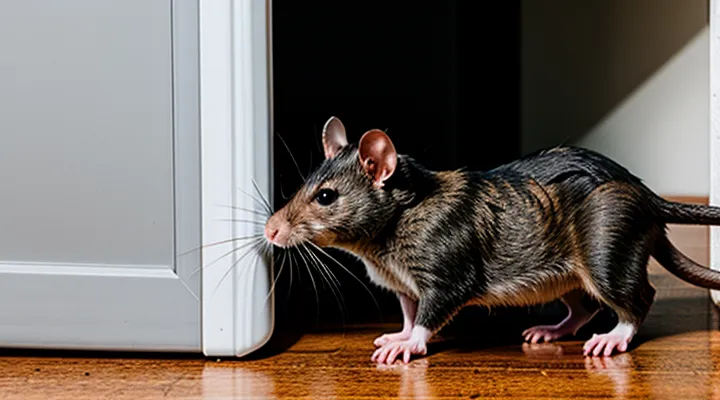
Understanding the Rat Problem
Signs of a Rat Infestation
Droppings and Urine Trails
Rodent droppings and urine trails provide the most reliable indicators of an active infestation. Fresh droppings appear as dark, pellet‑shaped feces, typically ½ to ¾ inch long, found along walls, in cabinets, and near food storage. Urine stains manifest as yellowish, glossy marks that may darken over time and emit a strong, ammonia‑like odor.
Health risks stem from pathogens carried on these residues. Hantavirus, leptospirosis, and salmonella can be transmitted through inhalation of dried droppings or direct contact with contaminated surfaces. Inhalation of aerosolized particles during cleaning poses the greatest danger.
Effective management requires prompt identification and thorough decontamination:
- Wear disposable gloves and a N‑95 respirator before entering the affected area.
- Seal the room, turn off HVAC systems, and ventilate briefly with open windows.
- Spray a 10 % bleach solution onto visible droppings; allow a 5‑minute dwell time to inactivate pathogens.
- Use a disposable mop or paper towels to remove the saturated material; discard in sealed bags.
- Follow with a second application of a commercial disinfectant labeled for rodent waste.
- Clean surrounding surfaces with a detergent solution to remove residual urine odor that may attract further activity.
After cleaning, eliminate sources that sustain droppings and urine production. Store food in airtight containers, repair leaks, and block entry points larger than ½ inch. Regular inspection of hidden areas—behind appliances, under sinks, and within attics—detects new deposits before populations expand.
Gnaw Marks and Damage
Rats leave distinctive gnaw marks that reveal the extent of their intrusion. Teeth leave crescent‑shaped holes in wood, plastic, and insulation, often accompanied by shredded fibers and exposed wiring. Such damage compromises structural integrity, creates fire hazards, and facilitates the spread of disease‑carrying pathogens.
Identifying gnaw damage enables targeted intervention. Look for:
- Parallel bite marks on beams, baseboards, and furniture.
- Chewed or missing sections of electrical cords, especially near entry points.
- Frayed upholstery, shredded cardboard, and compromised pantry packaging.
- Small piles of gnawed material, including droppings and urine‑stained fibers.
Assessing these signs determines the severity of infestation and guides the selection of control measures. Effective response includes:
- Sealing all identified entry points with steel wool, metal flashing, or concrete.
- Removing or repairing damaged components to eliminate shelter and food sources.
- Deploying snap traps, electronic traps, or bait stations in proximity to gnaw sites, ensuring placement follows safety guidelines.
- Conducting a post‑treatment inspection to verify the absence of new gnaw marks and to confirm that all repairs remain intact.
Prompt detection of gnaw marks and immediate remediation reduce the likelihood of re‑infestation and protect both property and occupants.
Strange Noises and Odors
Rats produce distinctive squeaks, scurrying sounds, and gnawing noises that intensify at night when they are most active. These auditory cues often precede visible damage, allowing early detection before populations expand.
Unusual odors accompany rat activity. A strong, musky scent results from urine marking territory, while a rancid, oily smell indicates the presence of dead rodents or decomposing food. Both odors persist despite ordinary cleaning and can be traced to hidden nests within walls, attics, or crawl spaces.
Identifying these signs supports targeted intervention. Effective measures include:
- Conducting a systematic acoustic survey during peak activity hours to locate active pathways.
- Using odor‑detecting dogs or portable scent‑traps to pinpoint contamination zones.
- Applying baits and traps directly at identified noise or odor hotspots.
- Sealing entry points discovered near the source of sounds or smells to prevent re‑entry.
Prompt response to strange noises and odors reduces the time rats have to establish extensive burrows, minimizes health risks, and enhances the success of control strategies.
Sightings of Live or Dead Rats
Observing live or dead rats provides the most reliable confirmation of a rodent problem in a dwelling. A live sighting indicates active movement, breeding potential, and immediate health risks, while a dead specimen confirms previous activity and may reveal the species, size, and possible entry points. Accurate identification of these occurrences enables targeted intervention and prevents unnecessary escalation of control measures.
Key information derived from sightings includes:
- Location of the animal (kitchen, basement, attic) – points to specific structural vulnerabilities.
- Condition of the carcass – suggests timing of infestation and effectiveness of any prior attempts.
- Frequency of encounters – distinguishes isolated incidents from established colonies.
Applying this data directs the selection of appropriate eradication techniques, such as sealing identified gaps, deploying bait stations in affected zones, or employing traps calibrated to the observed rodent size. Continuous monitoring of sightings after treatment validates success and informs any required follow‑up actions.
Why Rats are a Threat
Health Risks and Diseases
Rats in residential settings transmit pathogens that cause serious illnesses. Direct contact with urine, feces, saliva, or bite wounds introduces bacteria, viruses, and parasites into the human body. Indirect exposure occurs when rodent‑contaminated food, water, or surfaces are ingested.
Common health threats include:
- Leptospirosis – bacterial infection acquired through contact with contaminated water or soil; symptoms range from fever and headache to kidney failure.
- Hantavirus pulmonary syndrome – virus spread by inhalation of aerosolized rodent droppings; leads to severe respiratory distress and high mortality.
- Salmonellosis – bacteria transmitted via rodent‑tainted food; causes gastrointestinal upset, fever, and dehydration.
- Lymphocytic choriomeningitis (LCM) – virus carried by rats; can result in meningitis, encephalitis, or flu‑like illness.
- Rat‑bite fever (Streptobacillus moniliformis infection) – bacterial disease following a bite or scratch; produces fever, rash, and joint pain.
- Plague – Yersinia pestis transmitted by fleas that feed on rats; manifests as bubonic, septicemic, or pneumonic forms, each potentially fatal.
Allergens present in rodent dander and urine exacerbate asthma and trigger hypersensitivity reactions, especially in children and individuals with pre‑existing respiratory conditions.
Effective control measures reduce exposure risk. Prompt elimination of infestations, sealing entry points, and maintaining strict sanitation interrupt the transmission cycle. Personal protective equipment (gloves, masks, eye protection) is essential when cleaning contaminated areas to prevent inhalation or dermal contact with hazardous materials.
Property Damage and Contamination
Rats cause extensive structural damage and health hazards in residential settings. Their gnawing habit compromises building integrity, while their excreta introduce pathogens that contaminate living spaces.
-
Chewed electrical wiring leads to short circuits, fire risk, and costly repairs.
-
Damaged insulation reduces energy efficiency and may require replacement.
-
Burrowed openings weaken walls, floors, and foundations, prompting expensive reinforcement.
-
Urine and droppings contain bacteria such as Leptospira and viruses that can trigger illnesses.
-
Saliva carries parasites like Hymenolepis species, contaminating food and surfaces.
-
Shed hair and dander exacerbate allergic reactions and respiratory problems.
Effective rat control must address both damage mitigation and contamination reduction. Strategies that combine sealing entry points, deploying proven bait stations, and conducting thorough sanitation after removal minimize repair costs and health risks. Immediate remediation of gnawed components and comprehensive cleaning of contaminated areas are essential steps in any successful eradication program.
Prevention Strategies
Sealing Entry Points
Inspecting Your Home's Exterior
Inspecting the exterior of a residence is a critical early step in any rat control program. Identifying potential entry routes, food sources, and shelter opportunities allows targeted interventions that reduce the likelihood of infestation.
Key inspection areas include:
- Foundations and crawl spaces: Look for gaps larger than ¼ inch, cracks, and damaged vent covers.
- Roof eaves and soffits: Check for loose boards, missing shingles, and open vents.
- Utility penetrations: Examine pipe sleeves, cable conduits, and chimney flues for unsealed openings.
- Exterior walls: Scan for gaps around windows, doors, and siding panels.
- Ground clearance: Measure the distance between the soil and the bottom of the building; low clearance facilitates climbing.
After locating vulnerabilities, seal each opening with appropriate materials—steel wool, hardware cloth, or expanding foam—ensuring durability against gnawing. Replace damaged flashing, repair cracked mortar, and install door sweeps that close tightly against the threshold.
Maintain a perimeter that discourages rodent activity:
- Trim vegetation and tree branches that touch the structure.
- Remove debris, woodpiles, and compost bins from the immediate vicinity.
- Store garbage in sealed containers and keep lids tightly fastened.
- Keep outdoor lighting minimal or use motion‑activated bulbs to limit nighttime attraction.
Regular exterior inspections, performed at least twice yearly, confirm the integrity of barriers and reveal new entry points before rats can establish a foothold. Consistent maintenance combined with prompt sealing of identified gaps forms an effective foundation for long‑term rodent management.
Repairing Gaps and Cracks
Rats gain entry through even the smallest openings; sealing gaps and cracks eliminates the most common pathways.
Begin by inspecting the exterior and interior of the dwelling. Look for holes around utility pipes, vents, door frames, window sills, and foundation joints. Use a flashlight to reveal fissures hidden behind trim or under appliances.
Repair procedure
- Clean each opening to remove debris, dust, and loose material.
- Apply a suitable filler: expandable polyurethane foam for gaps larger than ¼ in., cement‑based mortar for structural cracks, and silicone caulk for flexible joints.
- Press the filler firmly to ensure full contact with surrounding surfaces.
- Trim excess material flush with the wall or floor.
- Allow the product to cure according to manufacturer specifications before repainting or reinstalling fixtures.
Materials selection
- Polyurethane foam: expands to fill irregular spaces, resistant to moisture and rod chewing.
- Mortar mix: provides structural integrity for foundation cracks; must be mixed to a dense consistency.
- Silicone or acrylic caulk: maintains flexibility where movement is expected, such as around doors and windows.
Regular maintenance checks prevent new openings from forming. Replace damaged sealant promptly, and monitor high‑traffic areas for signs of wear. By systematically sealing all potential ingress points, the home becomes inhospitable to rats, reducing the need for additional control measures.
Covering Vents and Openings
Covering vents and openings prevents rats from entering living spaces through the smallest gaps. Proper sealing creates a physical barrier that blocks access to walls, attics, and crawl spaces, limiting the routes rodents can exploit.
Identify all potential entry points before sealing. Typical locations include:
- Exterior vent grills on roofs and walls
- Utility openings for plumbing, electrical, and HVAC systems
- Gaps around pipe penetrations, cables, and ducts
- Unfinished attic hatch or roof access doors
- Cracks in foundation walls and sill plates
Select materials that resist gnawing and weather exposure. Heavy‑duty steel mesh (¼‑inch or smaller openings) works well for vent covers, while stainless‑steel flashing and expanding foam seal cracks around pipes. For larger openings, install metal plates secured with screws and sealant.
Apply sealing measures in a systematic order:
- Inspect each vent and opening, noting size and condition.
- Fit a steel mesh or metal plate over the opening, ensuring a tight fit.
- Secure the barrier with corrosion‑resistant fasteners.
- Apply a compatible sealant around the perimeter to eliminate residual gaps.
- Verify integrity by checking for any remaining openings after installation.
Regular maintenance sustains effectiveness. Inspect sealed areas quarterly for damage, corrosion, or displacement caused by weather or building movement. Repair compromised sections promptly to maintain an uninterrupted barrier.
Implementing these steps reduces the likelihood of rat intrusion, supports broader pest‑control strategies, and protects the structural integrity of the home.
Maintaining a Clean Environment
Proper Food Storage
Effective rodent control in residential settings begins with eliminating food sources that attract pests. Secure storage prevents rats from accessing nutrients, reduces population growth, and limits damage to property.
Key practices for safeguarding consumables include:
- Airtight, rodent‑proof containers for grains, cereals, and dried goods.
- Sealed, heavy‑duty bins for pet food, placed on non‑porous surfaces.
- Regular removal of waste from the kitchen; dispose of trash in containers with tight‑fitting lids.
- Daily inspection of pantry shelves; discard any items with signs of contamination.
- Rotation of stock based on expiration dates to avoid prolonged exposure.
Maintain cleanliness in food preparation areas. Wipe down countertops after each use, sweep floors to eliminate crumbs, and clean under appliances where debris can accumulate. Immediate cleanup of spills eliminates scent trails that guide rodents.
Implementing these measures creates an environment where food is unavailable to rats, thereby supporting broader eradication strategies and reducing the likelihood of reinfestation.
Regular Waste Disposal
Regular waste disposal directly reduces food sources that attract rats to residential interiors. When refuse accumulates in open containers, it provides shelter and nourishment, encouraging rodents to establish nests and reproduce. Prompt removal of waste eliminates these incentives, making the home environment hostile to rat activity.
Choose containers with tight-fitting lids and smooth interiors that prevent gnawing and accumulation of residue. Position bins away from walls and corners, ensuring rats cannot climb onto them. Inspect lids daily for cracks or gaps; replace damaged units immediately to maintain a secure barrier.
Implement a consistent disposal schedule. Empty waste receptacles at least once daily in high‑traffic households; twice daily is advisable during peak rodent seasons. Transport sealed bags to an external collection point, avoiding temporary storage inside the dwelling. Seal bags tightly to contain odors and prevent leakage.
Best practices:
- Use heavy‑duty, lockable lids on all indoor bins.
- Keep bins on raised platforms or shelves, not directly on the floor.
- Store waste bags in a cool, dry area before removal.
- Record disposal times to ensure compliance with the schedule.
- Clean bin interiors with a mild detergent weekly to remove food residue.
Adhering to these procedures minimizes attractants, disrupts rat foraging patterns, and supports broader efforts to eradicate rodents from homes.
Decluttering and Organization
Decluttering removes hiding places and food sources that attract rats, making environments less hospitable to infestation. Reducing unnecessary items limits the number of concealed pathways and nesting sites, thereby supporting any chemical or mechanical control measures.
Effective organization follows a systematic approach:
- Remove all food waste promptly; store perishables in sealed containers.
- Eliminate piles of paper, cardboard, fabric, and other soft materials that provide shelter.
- Keep storage areas elevated from the floor and use metal shelving that rodents cannot gnaw through.
- Install rodent‑proof lids on trash cans and compost bins.
- Regularly inspect closets, basements, and attics for accumulated debris and dispose of it safely.
Maintaining order after the initial cleanup prevents re‑colonization. Schedule weekly checks to verify that no new clutter accumulates, and repair any gaps or cracks in walls, floors, and foundations that could serve as entry points. Consistent organization sustains the effectiveness of traps, baits, and other eradication tools, ensuring long‑term control of rat populations in residential settings.
Landscape Management
Trimming Vegetation
Trimming vegetation around a residence reduces shelter and travel routes that attract rodents. Dense shrubs, overgrown trees, and ground cover create hiding places and facilitate movement toward entry points. Regular maintenance eliminates these advantages, forcing rats to seek alternative habitats less likely to intersect with human dwellings.
Key practices include:
- Cutting back shrubs to a minimum of 12 inches from walls and foundations.
- Removing vines that climb exterior surfaces, especially near windows and vents.
- Pruning tree branches so they do not overhang roofs or touch the house.
- Clearing leaf litter, compost piles, and garden debris within a three‑foot radius of the building.
- Maintaining a grass length of no more than two inches to discourage nesting.
Implementing these measures creates a clear perimeter, limits food access, and simplifies inspection of potential entry points. Consistent vegetation control, combined with sealing cracks and eliminating indoor attractants, forms an essential component of a comprehensive rat‑prevention strategy.
Removing Debris and Hiding Spots
Eliminating clutter and potential shelters directly reduces the attractiveness of a dwelling to rats, forcing them to seek food and refuge elsewhere.
Typical sources of concealment include piles of cardboard, unused appliances, stored firewood, and accumulated yard waste. Gaps behind cabinets, open crawl spaces, and unsealed openings in walls also serve as permanent hideouts.
- Remove all cardboard boxes, paper stacks, and discarded packaging; recycle or dispose of them promptly.
- Clear yard debris such as leaf litter, grass clippings, and compost heaps that lie against the house foundation.
- Store firewood on a raised platform, at least 12 inches above ground, and keep it at a minimum distance of three feet from the exterior walls.
- Inspect and seal cracks, gaps, and holes in foundations, vents, and utility penetrations with steel wool, caulk, or metal mesh.
- Relocate pet food, birdseed, and garbage bins to sealed containers; position them away from building walls.
- Trim vegetation, especially vines and shrubs, that contact the roof or exterior siding.
Consistent upkeep of these measures prevents re‑accumulation of shelter material, sustaining a hostile environment for rats and supporting long‑term rodent exclusion.
Eradication Methods
Trapping Techniques
Snap Traps
Snap traps provide immediate, mechanical removal of rats without chemicals. Their simple design—spring‑loaded bar and a trigger platform—delivers a lethal strike when the animal contacts the bait. This method eliminates rodents instantly, preventing the spread of disease and damage to property.
Effective snap trap use requires careful selection and placement. Choose models with a sturdy base, a sensitive trigger, and a secure cover to protect non‑target species. Position traps along walls, behind appliances, and near known runways; rats prefer routes adjacent to vertical surfaces. Bait with high‑protein attractants such as peanut butter, dried fruit, or small meat pieces, applying a pea‑sized amount to the trigger platform.
Key practices for optimal results:
- Inspect traps daily; replace bait and reset mechanisms promptly.
- Rotate trap locations every 2–3 days to avoid habituation.
- Wear gloves when handling traps to prevent transfer of scent.
- Dispose of captured rats in sealed bags, following local regulations.
- Store unused traps out of reach of children and pets.
Regular maintenance sustains trap efficiency. Clean the trigger mechanism with mild detergent to remove residue, then lubricate the spring lightly. Replace worn springs or broken bars to maintain consistent force. Incorporating snap traps within an integrated pest‑management plan—combined with sanitation, exclusion, and monitoring—maximizes rat eradication in residential environments.
Live Traps
Live traps provide a humane alternative for removing rats from residential environments. The device consists of a cage with a trigger mechanism that closes the door when a rat enters to reach bait. Once captured, the animal remains alive, allowing relocation away from the property.
Effective use of live traps requires strategic placement and proper bait selection. Position traps along walls, behind appliances, and near known gnawing sites, because rats travel close to surfaces. Preferred baits include peanut butter, dried fruit, or small pieces of meat, applied to the trigger plate to ensure rapid activation.
Key steps for managing live traps:
- Set the trap with bait securely attached to the trigger.
- Place the trap in a low‑light, concealed area where rat activity is observed.
- Check traps at least twice daily to prevent prolonged confinement.
- Transport captured rats in a sturdy container, release them at least 2 miles from the residence, and follow local wildlife regulations.
- Clean and disinfect the trap after each use to maintain hygiene and prevent disease transmission.
Advantages of live traps include avoidance of poison exposure, reduced risk of secondary infestations, and compliance with humane pest‑control standards. Limitations involve the need for frequent monitoring, potential stress to the captured animal, and the requirement for proper relocation to prevent re‑entry into the home. Integrating live traps with sanitation measures, exclusion techniques, and regular inspections enhances overall effectiveness in reducing rat populations indoors.
Electronic Traps
Electronic traps provide a rapid, chemical‑free solution for indoor rat control. The device detects a rodent’s presence with infrared or pressure sensors and delivers an instantaneous high‑voltage shock that kills the animal within milliseconds.
Key benefits include:
- Immediate mortality, eliminating the need for ongoing baiting.
- No toxic residues, protecting family members and non‑target wildlife.
- Reusable construction, reducing long‑term costs.
- Simple disposal of the deceased rodent without contact.
When selecting a model, evaluate the following criteria:
- Voltage level sufficient to ensure lethal shock for adult rats (typically 3,000–5,000 V).
- Chamber dimensions that accommodate the size of common rat species.
- Safety interlocks that prevent accidental activation by children or pets.
- Power source—battery‑operated units offer placement flexibility, while mains‑connected models guarantee continuous operation.
Installation steps:
- Position the trap along established runways, near walls, or close to entry points.
- Activate the sensor according to the manufacturer’s instructions.
- Monitor the device periodically; most units feature an indicator light or audible alert when a capture occurs.
Safety measures:
- Keep the unit out of reach of children and domestic animals.
- Verify that the power source is securely connected and that any exposed wiring is insulated.
- Follow local regulations regarding the disposal of dead rodents.
Compared with snap traps, glue boards, and rodenticides, electronic traps deliver faster results, avoid poison hazards, and require less frequent maintenance, making them a preferred choice for effective rat eradication in residential environments.
Baiting and Placement Strategies
Effective rat control in residential settings relies on precise bait selection and strategic placement. High‑potency anticoagulant blocks, such as bromadiolone or difenacoum, provide rapid mortality when consumed in small quantities. Non‑anticoagulant options, including zinc phosphide, are suitable where anticoagulant resistance is documented. All baits must be formulated for indoor use, sealed to prevent spillage, and labeled for household application.
Placement guidelines:
- Position baits along established rodent pathways, typically within 1–2 m of walls, behind appliances, and near concealed openings.
- Install bait stations at floor level; rats seldom climb higher than 30 cm when foraging.
- Space stations 3–5 m apart to ensure coverage without overlapping territories.
- Avoid areas prone to human or pet traffic; secure stations with tamper‑resistant locks.
- Replace stations every 7–10 days or after observed consumption to maintain lethal dosage.
Safety measures:
- Store unused bait in locked containers away from food preparation zones.
- Use gloves when handling stations to prevent dermal exposure.
- Record placement locations and inspection dates in a logbook for systematic monitoring.
Regular inspection confirms bait efficacy. Signs of activity—fresh gnaw marks, droppings, or urine stains—indicate the need for repositioning or increased station density. Consistent application of these strategies reduces rat populations while minimizing risk to occupants.
Baits and Rodenticides
Types of Rodenticides
Rodenticides are chemical agents specifically formulated to reduce rat populations in residential settings. They are categorized by active ingredient, mode of action, and delivery format, allowing pest‑control professionals to select products that match the infestation level and safety requirements of occupied homes.
Common classes include:
- Anticoagulants – inhibit blood clotting, leading to fatal internal bleeding. Subdivided into first‑generation compounds (e.g., warfarin, chlorophacinone) that require multiple doses, and second‑generation compounds (e.g., brodifacoum, difethialone) effective after a single ingestion.
- Metal phosphides – release phosphine gas in the stomach, causing rapid systemic toxicity. Zinc phosphide is the most widely used formulation for indoor applications.
- Neurotoxins – disrupt nerve transmission. Bromethalin interferes with mitochondrial function, while diphacinone acts as a neurotoxic anticoagulant.
- Sodium fluoroacetate (1080) – blocks the citric‑acid cycle, resulting in cellular energy failure. Its use is limited to severe infestations due to high toxicity.
- Bait matrices – non‑chemical carriers such as wax blocks, granules, or gelatin tablets that incorporate the active ingredient, facilitating placement in concealed areas while minimizing exposure to non‑target species.
Selection criteria focus on the product’s toxicity profile, resistance potential, and compliance with local regulations. Second‑generation anticoagulants provide the highest efficacy for single‑feed scenarios, whereas metal phosphides are preferred when rapid action is essential. Proper labeling, secure bait stations, and adherence to dosage recommendations are mandatory to protect occupants, pets, and wildlife while achieving effective rat eradication.
Safe Handling and Placement
Effective rat control begins with safe handling of devices and strategic placement throughout the residence. Use gloves made of nitrile or latex when setting traps, bait stations, or applying rodenticides. Dispose of used gloves in a sealed bag to prevent contamination. Store all control products out of reach of children and pets, preferably in a locked cabinet.
When positioning traps, focus on established rodent pathways: along walls, behind appliances, beneath sinks, and near entry points. Place snap traps perpendicular to the wall, with the trigger end facing the wall, allowing rats to approach from the side. For live‑catch traps, position them in low‑traffic areas where rats are likely to forage, ensuring escape routes are blocked.
Bait stations require careful placement to maximize effectiveness and minimize risk. Locate stations in concealed locations such as behind baseboards, inside cabinets, or within wall voids. Secure stations to prevent accidental displacement. Maintain a minimum distance of 10 feet from food preparation surfaces, water sources, and pet feeding areas.
Regularly inspect all devices. Replace depleted bait, reset triggered traps, and clean stations with a mild disinfectant. Record inspection dates to track activity patterns and adjust placement accordingly. By adhering to these handling and positioning protocols, homeowners can reduce health hazards while achieving reliable rat eradication.
Risks to Pets and Children
Rats attracted to food, water, and shelter pose direct threats to household animals and young children. Their presence can lead to immediate injuries and long‑term health complications.
- Bites and scratches from defensive rats cause wounds that may become infected with bacteria such as Streptococcus or Staphylococcus.
- Droppings, urine, and saliva contain hantavirus, leptospirosis, and salmonella, all of which can be transmitted through accidental ingestion or contact with contaminated surfaces.
- Rats chew electrical wiring, creating fire hazards that endanger pets and children who may be near the affected area.
- Toxic rodenticides used in control efforts can be secondary poisoned if pets ingest dead rats or handle bait stations; children may also accidentally swallow bait or contaminated objects.
- Allergic reactions to rat dander or urine can trigger respiratory distress, especially in infants and pets with pre‑existing sensitivities.
Effective mitigation requires selecting pest‑control products labeled safe for non‑target species, employing sealed bait stations placed out of reach, and integrating preventive measures such as sealing entry points, removing food sources, and maintaining strict sanitation. Continuous monitoring and prompt removal of any dead rodents reduce the risk of secondary poisoning and disease transmission.
Professional Pest Control
When to Call an Expert
Rats that have established a presence in a residence often require professional intervention when self‑managed tactics fail to halt population growth or eliminate health hazards. The following indicators demand the expertise of a licensed pest‑control specialist:
- Traps and bait stations placed by the homeowner produce no captures for more than two weeks.
- Droppings, gnaw marks, or urine stains appear in multiple rooms, suggesting widespread activity.
- Structural damage extends beyond minor gnawing, affecting wiring, insulation, or plumbing.
- Residents experience persistent allergic reactions, respiratory issues, or unexplained illnesses linked to rodent exposure.
- Infestation persists despite repeated application of over‑the‑counter products.
Engaging a professional offers several advantages. Certified technicians can conduct thorough inspections, identify concealed entry points, and implement integrated pest‑management plans that combine baiting, trapping, and exclusion techniques. They possess access to regulated rodenticides, safety equipment, and disposal protocols that comply with local health regulations. Moreover, experts provide warranties that guarantee follow‑up actions if activity resumes, reducing long‑term risk and property damage.
Homeowners should schedule a service call as soon as any of the listed conditions arise. Prompt action prevents escalation, protects occupants’ health, and safeguards the structural integrity of the dwelling.
Benefits of Professional Services
Professional pest‑control firms bring specialized knowledge that exceeds typical DIY attempts. Technicians identify entry points, assess infestation levels, and select chemicals or traps that target rodents while minimizing health risks to occupants.
- Certified operators apply products approved by regulatory agencies, ensuring compliance with safety standards.
- Integrated approaches combine exclusion, sanitation, and population‑reduction techniques, delivering long‑term results.
- Service contracts include regular inspections, allowing early detection of new activity before it escalates.
- Guarantees often cover re‑treatment at no additional cost, reducing overall expense compared with repeated amateur interventions.
- Equipment such as infrared cameras and bait stations is unavailable to most homeowners, enhancing detection accuracy.
Engaging experts eliminates trial‑and‑error, limits property damage, and protects family health. The combination of expertise, regulated methods, and ongoing monitoring makes professional assistance the most reliable solution for residential rat control.
Integrated Pest Management (IPM) Approaches
Effective rat control in residential environments relies on an Integrated Pest Management (IPM) framework that combines assessment, prevention, and targeted interventions. The process begins with a thorough inspection to identify entry points, nesting sites, and activity signs such as droppings, gnaw marks, and burrows. Accurate detection informs the selection of appropriate measures and reduces unnecessary pesticide use.
Key components of an IPM program include:
- Exclusion: Seal gaps around pipes, vents, doors, and foundations with steel wool, caulk, or metal flashing to block access.
- Sanitation: Eliminate food and water sources by storing food in airtight containers, promptly cleaning spills, and fixing leaks.
- Habitat modification: Remove clutter, trim vegetation away from the building, and store firewood off the ground to reduce shelter opportunities.
- Mechanical control: Deploy snap traps or electronic devices at identified pathways; position baits strategically while monitoring placement and efficacy.
- Biological control: Encourage natural predators, such as owls or domestic cats, where appropriate, to supplement other tactics.
- Chemical control: Apply rodenticides only when monitoring indicates high infestation levels; select products with low secondary toxicity and follow label instructions precisely.
Continuous monitoring validates the effectiveness of each action. Replace or reposition traps as activity patterns shift, and re‑inspect exclusion points after repairs. Documentation of findings, actions taken, and outcomes supports adaptive management and ensures compliance with local regulations.
Implementing these coordinated steps reduces rat populations while minimizing environmental impact and health risks, delivering a sustainable solution for household pest challenges.
Post-Eradication Measures
Cleaning and Sanitation
Disinfecting Contaminated Areas
Disinfecting areas contaminated by rats is essential to prevent disease transmission and secondary infestations. Rat droppings, urine, and saliva contain pathogens such as hantavirus, leptospirosis, and salmonella, which can survive on surfaces for weeks. Proper sanitation eliminates these hazards and removes attractants that encourage further rodent activity.
Effective disinfection follows a systematic process:
- Remove debris: Collect and discard droppings, nesting material, and food remnants using disposable gloves and a sealed bag.
- Ventilate: Open windows and doors for at least 15 minutes to disperse airborne particles before cleaning.
- Apply disinfectant: Use EPA‑registered products labeled for rodent pathogens. Saturate the contaminated surface, ensuring full coverage, and maintain the contact time specified on the label (typically 10–15 minutes).
- Rinse and dry: After the required exposure, wipe the area with clean water, then allow it to dry completely to inhibit microbial growth.
- Dispose of waste: Seal used materials, gloves, and cleaning tools in a plastic bag and discard according to local hazardous‑waste regulations.
Select disinfectants with proven efficacy against bacterial and viral agents, such as a 1:10 dilution of bleach (sodium hypochlorite) or quaternary ammonium compounds. Wear protective equipment, avoid mixing chemicals, and follow manufacturer safety data sheets. Regular application of these protocols after each rat sighting maintains a sanitary environment and supports long‑term rodent control in residential settings.
Removing Carcasses Safely
Removing dead rodents promptly and safely prevents disease spread, eliminates foul odors, and discourages surviving pests from returning. Follow these steps to handle carcasses with minimal risk.
Wear disposable gloves, a mask rated at least N95, and eye protection. Seal the carcass in a heavy‑duty plastic bag, then place that bag inside a second bag and tie both securely. This double‑bagging contains fluids and reduces exposure to pathogens such as leptospirosis and hantavirus.
Dispose of the sealed package according to local regulations. In most jurisdictions, dead rodents may be placed in regular trash if double‑bagged, but some areas require disposal at a licensed animal waste facility. Verify the appropriate method with municipal authorities to avoid fines.
After removal, clean the area thoroughly. Use an enzymatic cleaner or a bleach solution (1 part bleach to 10 parts water) to decontaminate surfaces. Apply the solution, let it sit for at least five minutes, then rinse with water. Dispose of cleaning materials in sealed bags.
Finally, inspect the premises for entry points that allowed the infestation. Seal gaps, repair broken screens, and maintain a clean environment to reduce the likelihood of future deaths and reinfestation. Regular monitoring and prompt action keep the home free of rodent hazards.
Ongoing Monitoring
Regular Inspections
Regular inspections are a cornerstone of any successful rat control program in residential settings. Systematic examination of potential entry points, food sources, and nesting areas reveals weaknesses before infestations become unmanageable.
Key elements of an effective inspection routine include:
- Frequency: Conduct a thorough survey at least once a month; increase to weekly during peak activity periods.
- Entry point identification: Check foundations, utility penetrations, windows, doors, and vents for gaps larger than ¼ inch; seal openings with steel wool, caulk, or metal flashing.
- Food storage assessment: Verify that pantry items are stored in airtight containers; clean crumbs and spills from countertops, floors, and appliances immediately.
- Waste management review: Ensure garbage bins have tight‑fitting lids; empty receptacles daily and keep outdoor dumpsters away from the building.
- Signs of activity: Look for droppings, gnaw marks, urine stains, and shredded materials in concealed locations such as behind appliances, under sinks, and within insulation.
- Documentation: Record findings, remedial actions taken, and dates of follow‑up inspections to track progress and identify recurring problem areas.
By maintaining a disciplined inspection schedule and addressing each finding promptly, homeowners reduce the likelihood of rodent colonization and support long‑term eradication efforts.
Maintaining Prevention Strategies
Effective rat prevention requires ongoing attention to structural integrity, sanitation, and monitoring. Seal all potential entry points, including gaps around pipes, vents, and foundation cracks, using steel wool, caulk, or metal mesh. Replace deteriorated weatherstripping and install door sweeps to block rodent access.
Maintain a clean environment that eliminates food and water sources. Store dry goods in airtight containers, promptly clean crumbs and spills, and repair leaky faucets or plumbing fixtures. Dispose of garbage in sealed bins and remove outdoor compost piles from the home’s perimeter.
Implement a regular inspection schedule. Conduct visual checks monthly for signs of activity—droppings, gnaw marks, or burrows—and document findings. Use motion-activated traps or electronic monitors to verify the presence of rodents between inspections.
Control surrounding vegetation and debris that provide shelter. Trim shrubs, remove pile‑ups of leaves, firewood, or construction waste, and keep the yard free of standing water. Maintain a clear gap of at least two feet between structures and any vegetation.
Adopt a documented maintenance plan that assigns responsibility, outlines inspection intervals, and specifies corrective actions. Review and update the plan quarterly to incorporate new findings or changes in the property’s condition.
By integrating these measures into daily routines and scheduled maintenance, households sustain long‑term protection against rat infestations without relying on reactive extermination.