
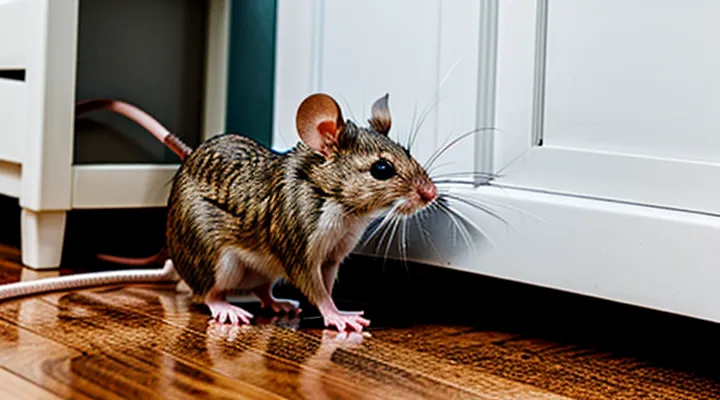
Understanding the Mouse Problem
Signs of a Mouse Infestation
Droppings and Urine Trails
Mouse droppings and urine trails provide the most reliable evidence of an active infestation. Fresh droppings appear as dark, pellet‑shaped feces, roughly the size of a grain of rice, often found along walls, behind appliances, and near food sources. Urine trails are invisible but can be detected by a faint, musky odor or by using a blacklight, which makes the residues fluoresce.
Health risks stem from pathogens such as hantavirus, salmonella, and leptospira, which survive in dried droppings for weeks. Inhalation of aerosolized particles during cleaning can cause respiratory illness; direct contact may lead to skin infections.
Safe removal procedure:
- Ventilate the area by opening windows; keep pets and children out.
- Wear disposable gloves, a N‑95 respirator, and a disposable gown.
- Lightly mist droppings and urine with a disinfectant solution (e.g., 1 % bleach in water) to prevent dust formation.
- Allow the solution to soak for at least five minutes.
- Use a disposable paper towel or a damp cloth to wipe the contaminated surface; place waste in a sealed plastic bag.
- Disinfect the cleaned area with a fresh bleach solution; let it air‑dry.
- Dispose of all protective equipment and cleaning materials in a sealed bag.
After cleaning, locate the source of the trails. Mice travel along established pathways, typically within 10 ft of food or water. Seal entry points larger than a half‑inch with steel wool and caulk; install snap traps or ultrasonic devices along the identified routes. Regular inspection of droppings and urine tracks confirms the effectiveness of control measures and prevents re‑infestation.
Gnaw Marks and Damage
Mice leave distinctive gnaw marks that reveal the extent of their intrusion. Incisor teeth create clean, V‑shaped holes roughly 2‑5 mm wide, often found on wooden baseboards, plastic pipe insulation, and electrical wiring. Damage patterns include chewed corners of cabinets, stripped veneer on furniture, and shredded paper or fabric. Recognizing these signs early prevents structural weakening, fire hazards from exposed wiring, and contamination of food supplies.
Assessing gnaw damage involves three steps:
- Survey – Walk through each room, inspecting low‑lying surfaces, behind appliances, and in attic or crawl‑space corners for fresh bite marks.
- Measure – Record the size and depth of each hole; larger openings indicate mature rodents capable of causing more severe damage.
- Prioritize – Rank findings by risk: electrical cables and structural members receive immediate attention; cosmetic damage follows.
Remediation must address both the physical repair and the underlying infestation. Seal holes with steel wool or copper mesh before applying a durable filler such as epoxy or cement, ensuring rodents cannot re‑enter. Replace compromised insulation and re‑route any damaged wiring to meet safety codes. Finally, implement a comprehensive, non‑toxic control plan—sealed entry points, traps, and natural repellents—to eliminate the source of gnaw marks and protect the home from future damage.
Strange Noises
Strange noises often precede visible signs of a mouse problem. High‑pitched squeaks, intermittent scratching, and soft thudding behind walls indicate activity in concealed areas. Identifying the source helps target safe control measures and prevents unnecessary exposure to harmful chemicals.
Typical sounds and likely locations:
- Squeaking or chirping: nests in insulation, ceiling voids, or attic spaces.
- Scratching on wood or drywall: movement through wall cavities or floor joists.
- Light thudding: rodents traveling along beams, pipes, or ducts.
- Scurrying in stored boxes: activity within pantry or storage closets.
When a noise pattern matches one of the above, follow these steps:
- Locate entry points by inspecting gaps around doors, windows, and utilities.
- Seal openings with steel wool, caulk, or metal mesh to block re‑entry.
- Deploy snap traps or live‑capture devices near identified pathways; position traps perpendicular to walls for maximum contact.
- Use non‑chemical repellents, such as ultrasonic emitters, only after confirming they do not disrupt household electronics.
- Monitor traps daily, dispose of captured rodents promptly, and clean the area with a mild detergent to eliminate scent trails.
Consistent attention to abnormal sounds enables early intervention, reduces infestation severity, and supports the use of humane, chemical‑free eradication techniques.
Why Mice Are Attracted to Homes
Food Sources
Food availability drives mouse activity; eliminating accessible nourishment reduces the likelihood of infestation.
Typical household attractants include uncovered pantry items, pet food left out, spilled grains, fruit remnants, and improperly sealed containers.
Secure food by implementing the following practices:
- Store dry goods in airtight, metal or heavy‑plastic containers.
- Transfer pet feed to sealed bins and remove leftovers after each meal.
- Clean crumbs and spills immediately, using a damp cloth rather than sweeping alone.
- Dispose of fruit peels and vegetable waste in sealed trash bags before placing them in the bin.
- Position garbage cans with tight‑fitting lids and empty them regularly.
Maintain a routine of thorough kitchen cleaning, focusing on floor edges, countertops, and behind appliances where crumbs accumulate. Regularly inspect storage areas for signs of gnawing or contamination, and replace compromised packaging promptly. By removing food sources, the environment becomes inhospitable to rodents, supporting safe, effective control measures.
Shelter and Warmth
Mice seek enclosed spaces that retain heat, making shelter and warmth central to their survival in residential settings. Removing these conditions reduces the likelihood of infestation without resorting to hazardous chemicals.
Typical shelter includes piles of newspaper, cardboard, clothing, and unsecured storage areas. Gaps around doors, windows, utility penetrations, and foundation cracks provide direct access to indoor environments. Loose insulation, attic debris, and dense vegetation near the building envelope also create favorable nesting sites.
Safe mitigation strategies focus on exclusion and environmental modification. Seal all openings larger than ¼ inch with steel wool, caulk, or hardware cloth. Store food in airtight containers; clear floors and countertops of crumbs. Relocate clutter to sealed storage units. Trim shrubs and trees away from the house to eliminate roof and wall bridges. Replace damaged weatherstripping and install door sweeps.
Warmth sources such as radiators, heat vents, and appliance-generated heat attract rodents. Maintain consistent indoor temperatures; avoid leaving heating elements on unattended. Insulate pipes and ducts without leaving gaps that could serve as concealed pathways. Ensure that laundry dryers vent externally and that chimney flues are capped when not in use.
Practical actions:
- Inspect exterior walls, foundation, and roof for cracks; repair with appropriate sealants.
- Install mesh screens on vents and chimneys.
- Keep basements, attics, and crawl spaces well‑ventilated and free of debris.
- Use sealed containers for pet food; remove leftovers promptly.
- Schedule regular cleaning to eliminate residual food particles and nesting material.
By systematically denying mice access to protected, warm spaces, homeowners achieve effective control while maintaining a safe living environment.
Entry Points
Mice enter homes through openings as small as a quarter‑inch. Detecting these gaps prevents infestation before it spreads.
Typical entry points include:
- Gaps around utility pipes and cables
- Cracks in foundation walls and basement slabs
- Openings beneath doors and windows, especially weatherstripping gaps
- Holes in soffits, eaves, and roof vents
- Unsealed gaps around vent fans, dryer exhausts, and chimney flues
- Spaces around cabinets, especially where they meet walls or floors
- Gaps under appliances such as refrigerators and stoves
To secure each opening, follow a systematic approach:
- Inspect exterior walls, foundation, and roof for visible cracks or holes.
- Use a flashlight to examine interior perimeters, focusing on baseboards, cabinets, and behind appliances.
- Apply steel wool or copper mesh to fill small gaps; these materials deter chewing.
- Seal larger openings with hardware cloth (¼‑inch mesh) or metal flashing, fastening with screws and expanding foam where needed.
- Replace worn weatherstripping on doors and windows; install door sweeps to block under‑door gaps.
- Ensure vent covers are fitted with fine mesh screens; repair any damaged lint or dryer vent connections.
- Maintain a clean perimeter: keep vegetation trimmed away from the foundation and store firewood at least 18 inches from the house.
Regularly repeat the inspection cycle, especially after seasonal weather changes, to confirm that sealed points remain intact. This proactive sealing strategy reduces the likelihood of mouse entry without reliance on toxic measures.
Preventing Mouse Infestations
Sealing Entry Points
Inspecting Foundation and Walls
Inspecting the foundation and walls is a prerequisite for any effective, non‑toxic rodent control strategy in a residence. Identify gaps, cracks, and openings where mice can gain entry; these are often located near utility penetrations, vents, and the base of exterior walls. Pay particular attention to areas where moisture accumulates, as damp conditions attract rodents and compromise building materials.
Key inspection actions:
- Walk the perimeter of the house, using a flashlight to highlight fissures larger than ¼ inch.
- Examine the interior side of foundation walls for signs of gnaw marks, droppings, or burrowed soil.
- Check around doors, windows, and sliding panels for weather‑stripping defects or misaligned frames.
- Inspect utility entries (cable, pipe, and vent sleeves) and seal any gaps with steel wool followed by caulking or expanding foam.
- Document each defect, prioritize repairs based on size and proximity to known mouse activity, and schedule immediate remediation.
Completing this assessment creates a sealed envelope that prevents mice from accessing interior spaces, thereby supporting long‑term, safe eradication efforts.
Gaps around Pipes and Wires
Gaps surrounding plumbing, electrical conduits, and cable bundles provide direct pathways for mice to enter walls, ceilings, and floor cavities. These openings often result from aging construction, renovation work, or improper installation of fixtures. Unsealed spaces as small as a quarter‑inch allow rodents to squeeze through, establishing routes to food sources and nesting sites.
To eliminate these entry points safely:
- Inspect all visible pipe and wire penetrations in basements, crawl spaces, and utility rooms.
- Use steel wool or copper mesh to fill irregular gaps, then apply a sealant rated for pest control.
- For larger openings, install metal flashing or rigid conduit sleeves before caulking.
- Choose low‑VOC, non‑toxic sealants to avoid indoor air quality issues.
- Re‑check sealed areas after seasonal temperature changes to ensure integrity.
Regular maintenance of the sealing material prevents deterioration that could recreate access routes. By systematically closing these vulnerabilities, homeowners reduce the likelihood of mouse infestations while maintaining a safe indoor environment.
Sealing Doors and Windows
Sealing doors and windows eliminates one of the most common pathways for mice to enter a residence, directly reducing the likelihood of infestation.
Begin by examining all exterior doors and windows for gaps larger than ¼ inch. Pay particular attention to the perimeter of frames, thresholds, and the space between the door slab and the jamb. Identify any cracks, holes, or deteriorated weatherstripping.
- Apply steel wool or copper mesh to fill small openings, then cover with caulk or expanding foam for a durable seal.
- Install self‑adhesive foam tape along the edges of doors and windows to block drafts and rodent access.
- Replace worn or damaged weatherstripping with silicone‑based products that maintain flexibility and resistance to chewing.
- Fit metal flashing or steel plates over larger cracks before sealing, ensuring a solid barrier that rodents cannot gnaw through.
- Verify that sliding doors have tight seals; add a brush seal or a threshold sweep where necessary.
After sealing, conduct a visual audit monthly to confirm that seals remain intact and that new gaps have not formed due to settling or weather exposure. Promptly repair any deterioration to sustain an effective barrier against mice.
Food and Waste Management
Storing Food Properly
Proper food storage eliminates the primary attraction that draws rodents into residential spaces. When consumables are sealed, moisture and scent are contained, reducing the likelihood of mice locating and exploiting these resources.
Key practices for secure storage include:
- Use containers with silicone‑gasket lids or heavy‑duty plastic seals for dry goods such as grains, cereals, and pet food.
- Store perishable items at refrigeration temperatures of 4 °C (40 °F) or lower; keep freezer doors closed tightly.
- Label containers with purchase dates and rotate stock to ensure older items are used first.
- Place waste bins with fitted lids away from food preparation areas; empty them regularly and clean the interior.
- Keep countertops and shelves free of crumbs; wipe surfaces with a mild detergent after each use.
Implementing these measures creates an environment where mice cannot locate viable food sources, thereby supporting broader rodent‑control strategies without resorting to hazardous chemicals.
Regular Cleaning Practices
Consistent cleaning eliminates food residues and shelter that attract rodents. Removing crumbs, spills, and accessible waste deprives mice of sustenance and encourages them to seek other locations.
Key practices include:
- Wiping countertops and tables after each meal.
- Sweeping and vacuuming floors daily, paying special attention to corners and under appliances.
- Storing dry goods in sealed containers made of glass, metal, or heavy‑wall plastic.
- Disposing of garbage in bins with tight‑fitting lids and emptying them regularly.
- Cleaning pet feeding areas each evening and keeping water dishes covered.
Maintaining a tidy environment also involves inspecting and cleaning hidden spaces such as behind cabinets, inside closets, and beneath furniture. Regularly moving stored items and vacuuming upholstery prevents nesting material from accumulating. These disciplined habits reduce the likelihood of mouse infestation while supporting safe, chemical‑free pest management.
Managing Outdoor Trash
Proper handling of outdoor waste directly reduces the attraction of rodents to residential areas. Food residues, organic debris, and unsecured containers provide a reliable food source for mice, encouraging them to venture closer to homes and increasing the likelihood of indoor infestations.
- Store trash bins with tight-fitting lids; inspect seals regularly for damage.
- Position containers at least three meters from the house foundation to limit easy access.
- Empty bins frequently, especially in warm weather, to prevent decomposition and odor buildup.
- Clean spills and residues around collection points; use a broom or hose to remove crumbs and liquids.
- Keep the surrounding area clear of overgrown vegetation, fallen leaves, and compost piles that can conceal food and nesting material.
Integrating disciplined waste management with indoor safeguards—such as sealing entry points and maintaining a clutter‑free interior—creates a comprehensive barrier that discourages mice from establishing a presence both outside and inside the dwelling.
Eliminating Water Sources
Fixing Leaky Faucets and Pipes
Leaking faucets and pipes create moist environments that draw mice into a residence, providing a reliable water source and facilitating nest construction. Eliminating these leaks removes a primary incentive for rodent intrusion and supports overall pest‑control efforts.
Identify leaks by observing drips, checking under sinks, and listening for running water when fixtures are off. Inspect joints, supply lines, and valve seats for signs of corrosion or wear. Use a dry cloth to trace moisture along pipe runs and confirm the exact point of loss.
- Tighten loose connections with an adjustable wrench.
- Replace worn washers or O‑rings with matching-sized replacements.
- Apply plumber’s tape to threaded joints before re‑assembly.
- Seal minor cracks using a water‑resistant epoxy or silicone sealant.
- Swap damaged pipe sections with new copper, PVC, or PEX segments, ensuring proper slope for drainage.
After repairs, test each fixture by running water at full pressure and monitoring for continued seepage. Schedule quarterly inspections to detect early signs of deterioration, and consider installing low‑flow aerators to reduce overall water usage, thereby limiting potential attractants for mice.
Drying Wet Areas
Dry environments discourage mouse activity because moisture supports nesting material and food sources. Eliminating standing water and damp surfaces removes essential resources, making the interior less attractive to rodents.
Identify all wet zones, including under sinks, behind appliances, in basements, and around leaky pipes. Use a moisture meter to confirm hidden saturation. Repair leaks promptly, replace damaged seals, and ensure proper ventilation in affected rooms.
Apply drying techniques systematically:
- Deploy dehumidifiers set to maintain relative humidity below 50 %. Position units near identified damp spots for continuous operation.
- Install exhaust fans in kitchens and bathrooms; run them for at least 30 minutes after water use.
- Place absorbent towels or silica‑gel packs on minor spills; replace them when saturated.
- Use low‑heat fans to circulate air across larger wet surfaces, reducing drying time without creating drafts that could disturb settled dust.
Monitor progress with weekly moisture readings. Once humidity stabilizes, inspect for signs of mouse activity—droppings, gnaw marks, or nesting material—in previously wet locations. Absence of these indicators confirms that drying measures have contributed to a less hospitable environment for rodents.
Safe and Humane Eradication Methods
Trapping Strategies
Snap Traps: Proper Placement and Baiting
Snap traps achieve rapid, humane control when positioned where mice travel and baited with attractants that trigger a swift strike. Place each trap perpendicular to the wall, with the trigger end facing the expected path; mice habitually run along edges, so aligning traps 1–2 inches from the baseboard maximizes contact. Position traps near known activity sites—near droppings, gnaw marks, or concealed food sources—and avoid high‑traffic human areas to reduce accidental activation.
Effective baiting requires a small, strong-smelling morsel that does not obstruct the trigger mechanism. Preferred options include a pea‑sized piece of peanut butter, a sliver of cheese, or a dab of dried fruit; these foods release scent quickly and adhere to the trigger plate. Apply bait directly to the trigger pedal, ensuring the mouse must press the lever to obtain the reward. Rotate bait types periodically to prevent habituation, and replace any trap that fails to capture within 48 hours to maintain pressure on the population.
Maintain a systematic layout by mapping trap locations and recording capture dates. Replace used traps promptly, inspect for damage, and dispose of captured rodents in sealed containers before cleaning the trap with hot, soapy water. This disciplined approach sustains effective rodent eradication while minimizing exposure to hazardous chemicals.
Live Traps: Catch and Release Techniques
Live traps provide a humane alternative for homeowners seeking to remove mice without lethal chemicals. The devices consist of a containment chamber triggered by the animal’s movement, allowing capture and subsequent release at a safe distance from the residence.
Effective use of live traps requires careful placement, bait selection, and timely release. Follow these steps:
- Position traps along walls, behind appliances, and near known activity signs; mice prefer concealed routes.
- Use high‑protein bait such as peanut butter, dried fruit, or small pieces of cooked meat; apply a thin layer to the trigger mechanism.
- Check traps at least twice daily; prolonged confinement increases stress and risk of injury.
- Relocate captured mice at least 500 feet from the property, preferably in a wooded or rural area with natural shelter.
- Clean and disinfect traps after each use to prevent disease transmission and maintain trap sensitivity.
Regular monitoring of entry points, sealing gaps, and maintaining clutter‑free environments complement live‑trap efforts, reducing the likelihood of reinfestation while preserving a non‑toxic approach to rodent control.
Electronic Traps: Advantages and Disadvantages
Electronic traps use a high‑voltage shock to kill mice instantly, offering a non‑chemical option for indoor pest control. They require a power source, either mains electricity or rechargeable batteries, and are activated by the animal’s contact with a sensor plate.
Advantages
- Immediate lethality eliminates prolonged suffering and prevents disease transmission.
- No toxic substances; safe for households with children and pets when devices are placed out of reach.
- Reusable; a single unit can eliminate dozens of rodents before battery replacement or recharging.
- Minimal odor; unlike poison or snap traps, electronic models leave no scent that could attract additional pests.
- Easy disposal; dead rodents can be removed without direct handling, reducing exposure risk.
Disadvantages
- Higher upfront cost compared to traditional snap or glue traps.
- Dependence on electricity; power outages render devices inoperative.
- Visible operation; some users find the flashing lights or audible clicks unsettling.
- Limited placement; devices must be positioned on flat surfaces and cannot be concealed in narrow wall voids.
- Potential for malfunction; sensor failure may result in missed catches or false activations.
Natural Deterrents
Peppermint Oil and Other Essential Oils
Essential oils provide a non‑chemical option for discouraging rodent activity inside residential spaces. Their strong aromatic compounds interfere with the olfactory cues mice rely on for navigation and feeding, creating an environment they avoid.
Peppermint oil contains menthol and menthone, substances that trigger a sensory overload in mice. A solution of 10 ml peppermint oil mixed with 250 ml water, applied to cotton balls or sprayed onto entry points, produces a detectable barrier. Placement near suspected pathways, behind appliances, and in cabinet interiors yields the most consistent deterrence. Reapplication every 48 hours maintains potency, as the volatile compounds dissipate quickly.
Other essential oils that exhibit similar repellent effects include:
- Eucalyptus oil – rich in eucalyptol, effective when diffused or soaked in fabric.
- Clove oil – high eugenol concentration, suitable for concentrated spots such as cracks.
- Citronella oil – lemon‑scented, works well in humid areas like basements.
- Tea tree oil – terpinen‑4‑ol content, useful for mixed‑oil blends.
When deploying these substances, follow a standardized protocol: saturate a piece of absorbent material, secure it in a breathable pouch, and position the pouch where mouse traffic is observed. For spray applications, combine the oil with a small amount of alcohol to improve dispersion, ensuring the mixture is clearly labeled and stored out of reach of children and pets.
Human safety considerations are straightforward. Dilute oils to at least a 1 % concentration to prevent skin irritation. Avoid direct contact with eyes and mucous membranes. Pets, especially cats, may react adversely to high concentrations of certain oils; limit exposure by using sealed pouches rather than open diffusion. Test surfaces for discoloration before extensive application.
Essential oil deterrents complement other low‑risk measures such as sealing entry gaps, maintaining clean food storage, and installing humane traps. Integrated use maximizes the likelihood of sustained rodent exclusion without resorting to toxic poisons.
Ultrasonic Repellents
Ultrasonic repellents emit high‑frequency sound waves that rodents cannot tolerate. The devices are powered by batteries or mains electricity and typically cover an area of 20‑30 feet in radius. When activated, they produce pulses ranging from 20 kHz to 65 kHz, frequencies beyond human hearing but uncomfortable for mice.
Key operational points
- Placement: Position units near entry points, along walls, and in areas where activity has been observed. Obstacles such as furniture or thick walls diminish coverage.
- Power source: Battery‑operated units allow placement without cords but require regular replacement; plug‑in models provide continuous operation.
- Frequency variation: Models that cycle through multiple frequencies reduce the risk of habituation, a common cause of reduced efficacy over time.
- Safety: No chemicals are released, eliminating exposure risks to pets and children. Devices do not emit radiation or heat.
Effectiveness considerations
- Laboratory tests show a 40‑60 % reduction in mouse activity within the first week of use. Field reports indicate variable results, often dependent on proper placement and environmental factors.
- Open spaces and cluttered rooms can create acoustic dead zones where the sound does not reach. Supplementing with traps or sealing entry points improves outcomes.
- Continuous operation is required; turning the device off for extended periods allows mice to re‑establish presence.
Maintenance
- Clean the exterior surface monthly to prevent dust buildup, which can interfere with sound transmission.
- Replace batteries according to manufacturer guidelines, typically every 6‑12 months for battery‑powered units.
- Verify that the unit is functioning by listening for a faint high‑pitch tone with a pet‑safe frequency detector.
Ultrasonic repellents provide a non‑toxic, low‑maintenance option for reducing mouse presence. Their success hinges on strategic deployment, regular upkeep, and integration with complementary control measures such as exclusion sealing and mechanical traps.
Introducing Natural Predators (e.g., Cats)
Cats are effective biological controls for household rodent populations. Their predatory instincts drive frequent hunting behavior, which reduces mouse activity and discourages colonization of indoor spaces. Domestic felines adapt to indoor environments, require minimal maintenance, and provide continuous pressure on rodent presence without chemical exposure.
Other natural predators can complement feline presence. Ferrets, trained for rodent capture, locate hidden mice and deliver swift elimination. Certain barn owl species, when housed in secure aviaries, deter larger infestations through aerial patrols and audible warnings. Each predator contributes a distinct hunting pattern, expanding coverage across different household zones.
Key considerations when employing natural predators:
- Ensure the animal’s welfare: provide adequate nutrition, veterinary care, and safe living conditions.
- Verify compatibility with household members, especially children and other pets.
- Maintain hygiene: clean litter areas, control parasite risk, and prevent food contamination.
- Assess legal restrictions: some regions regulate ownership of ferrets or owls.
- Monitor effectiveness: track mouse sightings and adjust predator numbers accordingly.
Professional Pest Control
When to Call an Expert
Mice can multiply quickly, turning a minor sighting into a widespread problem that threatens food safety and structural integrity. When the situation exceeds the limits of DIY measures, professional intervention becomes necessary.
Signs that expert assistance is required
- Activity persists despite traps, bait stations, or sealing of obvious entry points.
- Droppings, gnaw marks, or nesting material appear in multiple rooms or hidden areas such as wall cavities and attics.
- Evidence of disease vectors (e.g., urine stains, strong odor) is present, indicating health risks.
- Structural damage, such as chewed electrical wiring or insulation, is observed.
- The infestation is identified in a rental property, commercial kitchen, or other regulated environment where compliance with health codes is mandatory.
Factors to evaluate before contacting a professional
- Verify that all accessible entry points have been blocked; untreated gaps render any treatment ineffective.
- Ensure that child‑ and pet‑safe methods have been attempted; many commercial products require specialized handling.
- Assess the scale of the problem: multiple active nests or a colony larger than a few individuals generally exceeds the capacity of traps alone.
Advantages of hiring a qualified pest‑control service
- Certified technicians apply integrated pest‑management strategies that combine exclusion, monitoring, and targeted treatments while minimizing chemical exposure.
- Professionals possess tools for locating hidden activity, such as infrared cameras and moisture meters, which increase detection accuracy.
- Service contracts often include follow‑up visits and warranties, ensuring long‑term resolution and compliance with local regulations.
What to Expect from a Professional Service
Professional mouse control services begin with a thorough on‑site inspection. Technicians identify entry points, nesting locations, and activity signs, then document findings with photographs or sketches.
A customized treatment plan follows the inspection. The plan specifies the type of bait, traps, or exclusion methods selected, outlines application locations, and details any required structural repairs to block future access.
Safety protocols are integral to the service. All products used comply with EPA regulations, and technicians wear protective equipment. Recommendations for temporary relocation of pets or children are provided when necessary.
Clients receive a clear schedule. Initial treatment is performed promptly, with a written timeline for follow‑up visits to monitor effectiveness and adjust measures if mouse activity persists.
Guarantees and warranties accompany most professional contracts. Service providers often offer a satisfaction guarantee, promising re‑treatment at no additional cost if evidence of mice reappears within a defined period.
Transparent pricing is standard. Estimates include labor, materials, and any ancillary services such as sealing gaps or installing preventative devices. Detailed invoices break down each charge.
Communication channels remain open throughout the engagement. Technicians provide progress reports after each visit and are available for questions via phone or email.
Documentation of the entire process is supplied at completion. Reports summarize inspection results, treatments applied, safety precautions taken, and recommendations for long‑term prevention.
Post-Eradication Measures
Cleaning and Sanitization
Disinfecting Contaminated Areas
After rodent activity ceases, the affected zones must be treated to eliminate pathogens and prevent re‑contamination. Begin by removing all debris, droppings, and nesting material. Use disposable gloves and a mask to protect against airborne particles. Dispose of waste in sealed bags placed directly into an outdoor trash container.
- Clean surfaces with hot, soapy water; rinse thoroughly.
- Apply an EPA‑registered disinfectant that lists effectiveness against Salmonella, E. coli, and hantavirus. Follow the label’s contact time before wiping or air‑drying.
- For porous items (carpet, upholstery) that cannot be laundered, consider steam cleaning at temperatures above 150 °C or replace the material if damage is extensive.
- Allow the area to dry completely; improve ventilation with fans or open windows to reduce moisture buildup.
Finally, seal any entry points that were used by the rodents and monitor the treated spaces for residual odors or stains, indicating incomplete decontamination. Regular inspection and prompt cleaning after any future sightings will maintain a hygienic environment.
Removing Odors
Mice leave behind urine, feces, and decomposing bodies that generate strong, persistent odors. These smells can attract new rodents and create an unhealthy indoor environment, so thorough odor elimination is a necessary part of any rodent‑control plan.
The primary sources of odor are:
- Urine stains on floors, walls, and furniture
- Dried fecal pellets in hidden corners and behind appliances
- Decomposing carcasses hidden in walls, attics, or crawl spaces
- Nesting material saturated with waste fluids
Effective odor removal follows a systematic process:
- Locate all contaminated areas using a UV flashlight or black light to reveal urine spots.
- Wear disposable gloves and a mask; remove visible debris and dispose of it in sealed bags.
- Clean surfaces with an enzymatic cleaner designed to break down organic residues; allow the solution to dwell for the manufacturer‑specified time.
- Rinse with clean water and dry completely; moisture encourages bacterial growth and new odors.
- Apply a neutralizing agent, such as activated charcoal or a commercial odor absorber, to the treated zones.
- Increase ventilation by opening windows, using exhaust fans, or installing portable air purifiers with HEPA filters.
Prevent future odor problems by sealing entry points, maintaining regular cleaning schedules, and monitoring for signs of rodent activity. Prompt detection and immediate cleaning reduce the chance of lingering smells and support long‑term pest‑free conditions.
Ongoing Monitoring
Regular Inspections
Regular inspections form the backbone of any effective rodent‑control program in a residence. Detecting signs of activity early prevents populations from establishing and reduces the need for hazardous interventions.
Inspect all potential entry points and harborage zones at least once a month. Focus on kitchens, pantry shelves, basement corners, attic beams, and utility conduits. Look for droppings, gnaw marks, shredded insulation, and nesting material. Pay special attention after seasonal changes, when mice seek new shelter.
- Examine exterior walls for gaps larger than ¼ inch; seal with steel wool or caulk.
- Check door sweeps and window frames; replace damaged weatherstripping.
- Verify that garbage containers have tight‑fitting lids; empty them daily.
- Probe behind appliances and inside cabinets; move items to expose hidden areas.
- Use flashlights to scan dark crevices; record any fresh droppings with a date stamp.
Document each inspection in a simple log: date, location, observed evidence, corrective action taken. Review the log weekly to identify patterns and prioritize high‑risk zones. Promptly implement repairs or traps based on documented findings to maintain a rodent‑free environment.
Maintaining Preventative Measures
Effective rodent control does not end with a single intervention; sustained preventive actions are essential to keep mice out of the household.
- Inspect the building’s exterior and interior for gaps larger than a quarter‑inch. Apply steel wool, caulk, or metal mesh to seal cracks around doors, windows, utility penetrations, and foundation seams.
- Store all food in airtight containers made of glass, metal, or heavy‑duty plastic. Keep pantry shelves clean and wipe up spills immediately.
- Remove garbage daily, use bins with tight‑fitting lids, and place them away from the home’s perimeter.
Maintain a tidy environment that eliminates shelter and water sources. Trim vegetation that contacts the roof or walls, keep compost piles covered, and fix leaky pipes or drips promptly.
Implement a regular monitoring program. Place snap or live traps in high‑traffic zones, check them weekly, and record any captures. Conduct a visual survey of interior corners, under appliances, and in stored‑item areas at least once a month.
Create a maintenance calendar. Schedule quarterly inspections of sealing work, bi‑monthly cleaning of food storage areas, and monthly waste‑management checks. Consistent adherence to this schedule reinforces barriers and reduces the likelihood of re‑infestation.