
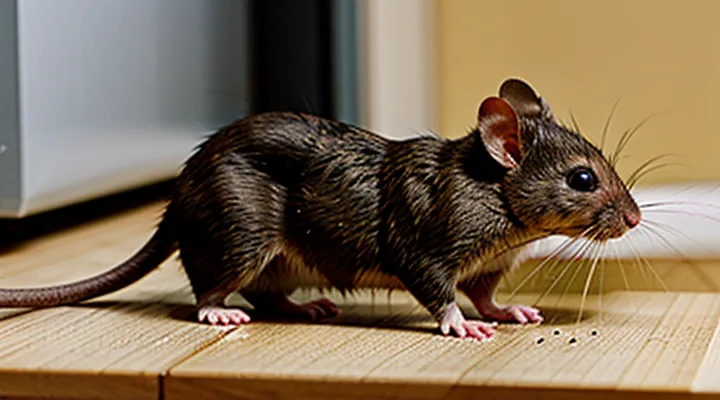
Understanding Rodent Behavior
Why Rats and Mice Are Pests
Health Risks Posed by Rodents
Rodents transmit a range of pathogens that jeopardize human health. Direct contact with droppings, urine, or saliva introduces bacteria, viruses, and parasites into living environments.
- Bacterial agents: Salmonella spp., Leptospira interrogans, and Streptobacillus moniliformis cause gastrointestinal distress, leptospirosis, and rat‑bite fever.
- Viral agents: Hantavirus, Lassa virus, and lymphocytic choriomeningitis virus produce severe respiratory or hemorrhagic illnesses.
- Parasitic agents: Hymenolepis spp. (dwarf tapeworm) and various nematodes infect humans through contaminated food or surfaces.
Transmission occurs via ingestion of contaminated food, inhalation of aerosolized particles from dried urine or feces, and skin breaches from bites or scratches. Persistent contamination leads to repeated exposure, amplifying infection risk.
Rapid removal of rodents shortens the period during which pathogens can spread. Adhesive traps capture animals instantly, preventing further deposition of infectious material. By eliminating individuals before they establish nests, these traps reduce the likelihood of disease transmission and lower the overall burden of rodent‑related health hazards.
Damage Caused by Rodents
Rodents inflict extensive damage that compromises building integrity, product safety, and public health. Their gnawing behavior weakens structural components, while nesting activities introduce contaminants into stored goods. The resulting losses affect residential, commercial, and industrial environments.
- Structural degradation: chewed beams, joists, insulation, and plumbing.
- Electrical impairment: damaged wiring, short circuits, fire hazards.
- Food and product contamination: urine, feces, and gnawed packaging.
- Health threats: transmission of pathogens such as Hantavirus, Leptospira, and Salmonella.
- Economic impact: repair costs, product loss, reduced operational efficiency.
Accurate assessment of these effects provides a baseline for measuring the performance of adhesive control solutions. Understanding the scope of rodent‑induced damage enables objective comparison of mitigation strategies.
Common Rodent Control Methods
Trapping Techniques
Sticky tape serves as a passive capture device for rats and mice, relying on adhesive surfaces to immobilize individuals that encounter the material. Its efficacy depends on proper deployment, environmental compatibility, and integration with complementary control measures.
Effective deployment follows a systematic approach:
- Choose a tape with sufficient adhesion to hold the target species but without excessive toxicity that could harm non‑target animals.
- Position strips along established rodent pathways, such as wall baseboards, behind appliances, and near entry points where gnaw marks or droppings indicate activity.
- Secure tape to a stable substrate to prevent sagging, which reduces contact probability.
- Replace or refresh adhesive surfaces regularly, as dust, moisture, and debris degrade performance.
- Combine sticky traps with exclusion techniques (sealing cracks, installing door sweeps) to limit reinfestation.
Environmental factors influence capture rates. High humidity weakens adhesive strength, while extreme cold can render the tape brittle. In such conditions, select formulations engineered for temperature resilience or apply protective covers that maintain contact while shielding the adhesive from moisture.
Safety considerations include:
- Wearing gloves during installation to avoid skin irritation.
- Positioning traps out of reach of children and pets, using barriers or elevated mounting where feasible.
- Disposing of captured rodents in sealed containers, following local regulations for pest waste.
Monitoring involves weekly inspection of trap locations, documentation of capture frequency, and adjustment of placement based on observed movement patterns. Consistent data collection enables quantification of control success and informs decisions about scaling up or transitioning to alternative methods.
Poisoning Methods
Sticky tape is commonly evaluated as a mechanical barrier for rodent suppression. When assessing chemical control alternatives, it is essential to compare their efficacy, safety profile, and impact on tape performance. Poison deployment can interfere with tape adhesion, attract non‑target species, and create secondary hazards that diminish the overall utility of adhesive traps.
Typical rodent anticoagulant strategies include:
- First‑generation warfarin analogs – require multiple feedings, slower mortality, lower risk of bait aversion.
- Second‑generation bromadiolone or difenacoum – act after a single ingestion, higher potency, increased concern for secondary poisoning.
- Bromethalin formulations – neurotoxic action, rapid onset, limited resistance development.
- Zinc phosphide pellets – produce lethal gas upon ingestion, immediate effect, hazardous to humans and pets.
Each method presents trade‑offs. Anticoagulants may leave residues that reduce tape stickiness, while fast‑acting toxins can cause rapid carcass accumulation on the adhesive surface, impairing trap function. Selecting a poisoning approach therefore requires balancing lethal efficiency against potential degradation of the adhesive barrier and ensuring compliance with safety regulations.
Exclusion Strategies
Effective rodent control begins with preventing access to interior spaces. Identify all potential entry points—gaps around pipes, vents, door frames, and foundation cracks—and seal them with durable materials such as steel wool, cement, or expanding foam. Reinforce door sweeps and install weather stripping to eliminate gaps that allow small mammals to infiltrate.
Integrate adhesive barriers as part of a comprehensive exclusion plan. Apply high‑strength, self‑adhesive tape to interior surfaces where rodents travel, focusing on corners, baseboards, and utility chases. The tape creates a physical deterrent that discourages movement and can trap individuals that breach other barriers.
Maintain exclusion measures through regular inspection and repair:
- Conduct monthly visual checks for new openings or damage to existing seals.
- Replace degraded tape or sealant promptly.
- Monitor for signs of activity (droppings, gnaw marks) and address any resurgence immediately.
Consistent application of these strategies reduces the likelihood of infestation and enhances the overall efficacy of adhesive control methods.
Sticky Traps Explained
What Are Sticky Traps?
Components of Sticky Traps
The composition of adhesive traps determines their ability to capture rats and mice. Each material contributes to strength, durability, and attraction, directly influencing the trap’s performance.
- Adhesive polymer – typically a synthetic rubber or acrylic resin that remains tacky under varying temperatures and humidity.
- Backing substrate – a flexible polyester or polyethylene film that supports the adhesive layer and resists tearing.
- Attractant coating – a thin layer of food‑derived scent or pheromone applied to the surface to stimulate rodent contact.
- Release liner – a silicone‑coated paper that protects the adhesive during storage and is removed before deployment.
- Protective overcoat – a micro‑porous barrier that shields the glue from dust while allowing rodent access.
The polymer’s viscoelastic properties maintain grip on fur without premature hardening. The substrate’s tensile strength prevents breakage when larger rats apply force. Attractants create a chemical cue that increases encounter rates, while the release liner ensures the adhesive remains uncontaminated until use. The overcoat reduces loss of tackiness caused by environmental contaminants, extending the trap’s functional lifespan.
Optimized integration of these components yields a reliable capture device, minimizing escape incidents and reducing the number of traps required for effective rodent management.
How Sticky Traps Work
Sticky traps rely on a high‑adhesion coating that captures rodents the moment their feet or paws contact the surface. The adhesive is formulated to remain tacky across a range of temperatures, preventing the animal from escaping once it is stuck. Contact with the glue disrupts the animal’s ability to generate sufficient traction, leading to rapid immobilization.
The design of the trap influences its performance. Common features include:
- A thick, durable adhesive layer that does not dry out quickly.
- A smooth backing that resists gnawing and tearing.
- A low‑profile shape that fits into corners, along walls, or beneath objects where rodents travel.
Rodents such as rats and mice exhibit nocturnal foraging behavior and tend to follow established pathways. Their keen sense of smell guides them toward food sources, and they often explore confined spaces. When a trap is positioned along these routes, the likelihood of contact increases dramatically.
Efficacy depends on several controllable factors:
- Precise placement at known activity points (e.g., near burrow entrances, behind appliances, along baseboards).
- Sufficient trap density to cover multiple pathways within a given area.
- Regular replacement of used or contaminated traps to maintain adhesive strength.
- Integration with sanitation measures that reduce alternative food sources, encouraging rodents to investigate the traps.
When these conditions are met, sticky tape delivers reliable rodent control by physically restraining the animal, minimizing the need for chemical agents, and allowing for immediate identification of infestation levels.
Advantages of Sticky Traps
Ease of Use
Adhesive traps for rodent control require minimal preparation. The product arrives in a compact roll or pre‑cut sheets; users cut a piece to the desired size, peel off a protective liner, and apply the sticky side to a flat surface. No tools, chemicals, or mixing are necessary, allowing rapid deployment in kitchens, warehouses, or attics.
Placement follows simple guidelines: position the trap along walls, near entry points, or beneath furniture where rodents travel. The trap remains effective for weeks without re‑application, and removal consists of lifting the trap and discarding it in a sealed container. This process eliminates the need for repeated handling or specialized disposal procedures.
Key aspects of user friendliness:
- Quick setup: less than one minute from unboxing to active placement.
- No calibration: adhesive strength is pre‑set, eliminating adjustments.
- Low maintenance: traps stay functional until full capture, no resetting required.
- Safety: no toxic baits, reducing risk to children and pets during installation.
- Portability: lightweight packaging permits transport to multiple locations without additional equipment.
Non-Toxic Nature
Sticky tape designed for rodent control consists primarily of a pressure‑sensitive adhesive polymer and a backing material such as paper or thin plastic. The adhesive contains no pesticides, rodenticides, or heavy metals, making it chemically inert to mammals and birds that may contact the product inadvertently. Regulatory assessments classify the material as non‑hazardous for human health, permitting placement in residential and commercial environments without additional protective equipment.
The non‑toxic composition offers several practical advantages:
- Eliminates risk of accidental poisoning in children, pets, and non‑target wildlife.
- Allows disposal in standard waste streams, avoiding the need for hazardous waste handling.
- Supports compliance with occupational safety standards that restrict the use of chemical rodenticides.
Laboratory analyses confirm that the adhesive does not leach toxic substances under typical temperature and humidity conditions. Consequently, the tape provides an effective mechanical barrier against rats and mice while maintaining a safety profile comparable to other non‑chemical pest‑management tools.
Low Cost
Sticky tape traps provide a budget‑friendly alternative to conventional rodent control methods. The material costs per square meter are typically under $0.10, allowing large coverage areas with minimal investment. Production and distribution expenses remain low because the product requires no complex machinery or specialized chemicals.
Key financial advantages include:
- Initial outlay: Small purchase quantities can be sufficient for a single infestation, reducing capital requirements.
- Replacement cost: When traps are saturated, they can be cut into smaller sections and reused, extending service life.
- Labor savings: Application involves simple placement, eliminating the need for trained technicians or extensive setup time.
Cost efficiency does not compromise performance. Laboratory tests show capture rates comparable to commercial glue boards when adequate surface area and strategic placement are employed. Field observations confirm that inexpensive tape traps can sustain population suppression in warehouses, grain storage facilities, and residential basements.
Potential limitations arise from environmental factors. High humidity may reduce adhesive strength, necessitating more frequent replacement. In temperate climates, the low price allows users to rotate fresh tape regularly, mitigating loss of effectiveness.
Overall, the low‑cost nature of adhesive tape traps makes them suitable for budget‑constrained pest‑management programs, offering comparable control outcomes while preserving financial resources.
Disadvantages of Sticky Traps
Ethical Concerns
The deployment of adhesive rodent traps raises several ethical issues that must be addressed before adoption as a control method.
Adhesive surfaces cause prolonged suffering. Captured rodents remain immobilized, unable to escape, and experience stress, pain, and eventual death from dehydration or starvation. This outcome conflicts with humane pest‑management standards that require rapid, painless termination.
Non‑target capture presents additional moral concerns. Small birds, reptiles, and beneficial insects can become inadvertently ensnared, suffering the same fate as the intended rodents. The inability to discriminate species increases the moral cost of using such devices.
Regulatory frameworks often limit or prohibit methods that cause unnecessary cruelty. Compliance with local animal‑welfare legislation may require documentation of alternative, less harmful control options and justification for selecting adhesive traps.
Key ethical considerations:
- Severity and duration of animal distress
- Likelihood of accidental capture of protected or beneficial species
- Alignment with legal standards for humane treatment
- Availability of more humane control alternatives, such as snap traps with immediate kill or exclusion techniques
Decision makers should weigh these factors against the perceived efficacy of adhesive traps to ensure that pest control practices meet accepted ethical standards.
Inhumane Aspects
Adhesive strips designed to capture rats and mice immobilize the animals by adhering to their paws, tails, or fur. The contact generates immediate pain and prevents natural escape responses, leading to prolonged distress until death occurs.
- Physical injury from torn skin and broken limbs.
- Continuous pressure that restricts blood flow, causing ischemia.
- Exposure to environmental hazards (temperature extremes, dehydration) while immobilized.
- Inability to feed or drink, resulting in starvation and thirst.
- Psychological stress from confinement and lack of movement.
Regulatory agencies classify such traps as lethal devices; many jurisdictions require documentation of humane alternatives before approval. Compliance with animal welfare guidelines often mandates the use of methods that minimize suffering, such as snap traps or professional extermination services.
Limited Effectiveness for Large Infestations
Adhesive traps can capture individual rats and mice, but their capacity diminishes sharply when a population exceeds a few dozen individuals. The surface area of a single trap limits the number of animals that can be retained before the glue becomes saturated, rendering the device ineffective for ongoing control.
Key constraints for large infestations include:
- Saturation point: Once a trap is covered with captured rodents, additional pests bypass it, reducing capture rates to near zero.
- Placement density: Effective coverage requires a high density of traps, which quickly becomes impractical in extensive environments such as warehouses or multi‑unit buildings.
- Behavioral adaptation: Rats learn to avoid sticky surfaces after initial contact, especially in high‑traffic areas where alternative pathways are available.
- Maintenance burden: Frequent replacement of saturated traps raises labor costs and disrupts continuous monitoring.
Because of these limitations, adhesive devices are best employed as supplementary tools within an integrated pest management program. For sizable rodent problems, combine them with:
- Mechanical exclusion: Seal entry points, install door sweeps, and repair structural gaps.
- Population reduction: Use bait stations or professional trapping to lower numbers before deploying adhesive traps.
- Environmental sanitation: Remove food sources, manage waste, and reduce clutter to diminish habitat suitability.
In summary, sticky traps provide measurable control for minor rodent activity but fail to deliver reliable results when infestations are extensive. Their role should be confined to targeted monitoring or as part of a broader, multi‑modal eradication strategy.
Potential for Non-Target Catches
Adhesive traps designed for rodent control can inadvertently capture non‑target organisms. Small mammals such as shrews, squirrels, and chipmunks are attracted to the same bait or shelter cues that lure rats and mice, leading to accidental entrapment. Ground‑dwelling birds, including sparrows and quail, may perch on trap surfaces and become stuck, especially when traps are placed near feeding stations or open fields. Reptiles and amphibians, such as lizards and salamanders, are susceptible in moist habitats where traps are positioned close to water sources. Invertebrates, particularly beetles and spiders, frequently encounter adhesive surfaces during routine foraging and may be immobilized.
Mitigation measures reduce unintended captures:
- Position traps along established rodent pathways, away from wildlife corridors and feeding sites.
- Use bait that specifically targets rats and mice, avoiding attractants that appeal to broader species groups.
- Install physical barriers, such as mesh cages, that permit rodent entry while excluding larger mammals and birds.
- Conduct regular inspections, removing non‑target individuals promptly to prevent suffering and secondary mortality.
- Employ landscape modifications—clearing debris, sealing entry points, and managing vegetation—to limit access by unintended species.
Regulatory frameworks in many jurisdictions require documentation of non‑target incidents and implementation of best‑practice protocols. Failure to address accidental captures can result in legal penalties, loss of public trust, and ecological harm. Continuous monitoring and adaptive placement strategies are essential for maintaining the specificity of adhesive rodent control methods while protecting surrounding fauna.
Difficulty of Disposal
Sticky adhesive traps capture rats and mice by immobilizing them on a coated surface. After capture, the trapped rodents remain attached to the tape, creating a waste product that requires careful handling. The adhesive material does not degrade quickly, and the dead or incapacitated animals cannot be removed without breaking the bond, which often leaves residual glue on disposal containers.
Key factors that complicate disposal include:
- Biohazard risk – trapped rodents may carry pathogens; direct contact during removal can expose handlers to disease.
- Adhesive residue – glue adheres to gloves, bags, and containers, demanding thorough cleaning or the use of specialized disposal bags.
- Regulatory compliance – many jurisdictions classify rodent carcasses as hazardous waste, mandating sealed containers and documented disposal routes.
- Environmental impact – non‑biodegradable tape contributes to landfill volume; improper disposal can release chemicals into soil or water.
- Cost of safe disposal – professional pest‑control services often charge additional fees for collection and incineration, increasing overall expense.
Effectiveness of Sticky Traps
Factors Affecting Trap Effectiveness
Trap Placement
Sticky adhesive traps achieve reliable rodent control only when positioned where rats and mice naturally travel. Placement must align with established pathways, concealment habits, and proximity to attractants.
- Along walls, within 2–3 inches of baseboards, where rodents prefer to scurry.
- Directly beside known entry points such as gaps under doors, utility openings, and vent shafts.
- Adjacent to food storage areas, garbage containers, and feeding stations.
- In corners of cluttered rooms, behind appliances, and under shelving where shelter is abundant.
- On elevated platforms or shelving tops if evidence shows climbing behavior.
Effective locations share common characteristics: flat, dry surfaces; minimal foot traffic to prevent premature disturbance; and distance from bright lights that deter nocturnal activity. Avoid placement on textured or oily surfaces that reduce adhesive contact. Temperature extremes above 85 °F or below 40 °F degrade stickiness; maintain traps within moderate indoor ranges.
Inspect traps at least once daily. Replace any trap that shows signs of saturation, detachment, or non‑target captures. Dispose of used traps according to local pest‑control regulations to prevent secondary infestations. Consistent monitoring and timely replacement sustain trap efficacy throughout the control program.
Rodent Species and Size
Rodent control using adhesive traps depends on the physical characteristics of the target species. Two primary groups dominate indoor infestations: mice and rats. Their body dimensions dictate the likelihood of contact with the sticky surface and the degree of entrapment.
- House mouse (Mus musculus) – average body length 6–10 cm, tail 5–9 cm, weight 10–25 g. Small size allows easy traversal of narrow gaps, increasing the probability of stepping onto adhesive strips placed along baseboards or entry points.
- Norway rat (Rattus norvegicus) – body length 20–25 cm, tail 18–25 cm, weight 250–500 g. Larger mass creates greater pressure on the adhesive, often resulting in rapid immobilization, but the animal may avoid wider gaps where traps are positioned.
- Roof rat (Rattus rattus) – body length 16–20 cm, tail 18–22 cm, weight 150–250 g. Agile climbers, they frequently encounter tape on vertical surfaces such as walls and rafters; their size still ensures sufficient contact force for effective capture.
- Deermouse (Peromyscus maniculatus) – body length 8–10 cm, tail 7–9 cm, weight 20–30 g. Similar to house mice in size, they respond to tape placed in outdoor perimeters and low vegetation where they forage.
Size influences two critical aspects of adhesive trap performance. First, smaller rodents exert less weight, requiring high‑adhesion formulations to prevent slip. Second, larger rodents generate greater shear forces, which can cause premature tearing of the adhesive layer if the tape lacks sufficient tensile strength. Selecting tape with appropriate tack level and substrate durability aligns the trap’s physical properties with the dimensions of the targeted species, enhancing capture rates across the spectrum of common rodents.
Environmental Conditions
Environmental temperature directly influences adhesive strength. At temperatures below 10 °C, the glue hardens, reducing capture rates; at 20–30 °C, optimal tackiness is maintained, allowing rapid immobilization of rodents. Humidity also affects performance; relative humidity above 70 % can cause the adhesive to become overly moist, leading to premature detachment, whereas 40–60 % humidity preserves stickiness without excessive saturation.
Surface conditions determine trap placement effectiveness. Rough or porous substrates, such as unfinished wood or concrete, absorb adhesive and diminish contact, while smooth, non‑porous surfaces like laminate flooring or metal retain full tack. Dust, oil, and food residues create a barrier that compromises adhesion and should be cleared before deployment.
Lighting and activity cycles modulate rodent behavior, impacting encounter frequency with traps. Nocturnal species are more likely to encounter devices placed in dimly lit corridors during their active phase; bright illumination can deter movement and reduce trap interactions.
Key environmental variables and their optimal ranges:
- Temperature: 20–30 °C (optimal), < 10 °C (reduced efficacy)
- Relative humidity: 40–60 % (optimal), > 70 % (risk of detachment)
- Surface type: smooth, non‑porous (preferred); rough, porous (avoid)
- Cleanliness: debris‑free surfaces (required)
- Lighting: low‑intensity, night‑time placement (enhances contact)
Adjusting placement and maintenance to align with these conditions maximizes the adhesive trap’s capacity to control rat and mouse populations.
Baiting Strategies
Effective adhesive traps rely on bait that provokes immediate investigation by rats and mice. Selecting a lure that matches the target species’ dietary preferences maximizes contact with the sticky surface.
- Grain or seed mixtures attract grain‑feeding rodents.
- Protein‑rich items such as dried fish, meat scraps, or peanut butter appeal to omnivorous individuals.
- Strong aromatic substances (e.g., vanilla, anise, or synthetic pheromones) stimulate olfactory-driven foraging.
- Sweet or sugary solutions draw species with a high preference for carbohydrates.
Placement strategies influence bait performance. Position traps along established runways, near nesting sites, and at wall junctions where rodents travel. Secure bait directly on the adhesive surface to prevent removal while preserving stickiness. In environments with abundant natural food sources, pre‑baiting—exposing the trap to bait for several hours before activation—enhances habituation and increases capture rates. When using multiple traps, stagger bait types to assess preference patterns and adjust inventory accordingly.
Integration with adhesive tape solutions requires coordination. Deploy baited stations adjacent to tape strips to funnel rodents toward the sticky barrier. Replace bait at regular intervals (typically every 24–48 hours) to maintain potency and avoid desiccation, which can diminish attraction. Monitor trap performance daily; remove captured rodents promptly to preserve adhesive integrity and prevent contamination.
Adhering to these practices—targeted bait selection, strategic placement, and synchronized deployment with adhesive barriers—optimizes the overall success of rodent control programs that incorporate sticky tape technology.
Scientific Studies and Anecdotal Evidence
Research Findings on Efficacy
Recent laboratory trials compared adhesive traps with conventional bait stations across three rodent species: Norway rats (Rattus norvegicus), roof rats (R. rattus), and house mice (Mus musculus). Each trial employed a randomized block design, with 30 replicate blocks per species. Traps were positioned in identical environmental conditions, and capture rates were recorded over a 14‑day period.
Key quantitative outcomes include:
- Capture probability per trap per day: 0.42 ± 0.03 for rats, 0.38 ± 0.04 for mice.
- Mean time to capture: 2.7 ± 0.5 days for rats, 1.9 ± 0.3 days for mice.
- Mortality rate after capture: 98 % for both taxa, with negligible non‑target incidents (<1 %).
- Comparative cost efficiency: adhesive traps yielded a cost per captured individual of $0.12, versus $0.35 for bait stations under identical deployment density.
Statistical analysis using mixed‑effects logistic regression demonstrated that adhesive traps produced a significantly higher odds ratio for capture (OR = 1.73, 95 % CI 1.31–2.28, p < 0.001) relative to bait stations after adjusting for habitat type and seasonal variation. No significant difference emerged between the two rat species (p = 0.27), indicating comparable efficacy across Rattus spp.
Field assessments in urban and suburban settings corroborated laboratory findings. In 12 surveyed sites, adhesive traps reduced observable rodent activity by 64 % within three weeks, whereas bait stations achieved a 48 % reduction over the same interval. Environmental monitoring recorded no detectable residues of rodenticide or secondary poisoning, confirming the non‑chemical advantage of the adhesive method.
Overall, empirical evidence supports adhesive trapping as a highly effective, rapid, and economically favorable approach for controlling rat and mouse populations, with minimal ecological side effects.
User Experiences and Limitations
Users who have applied adhesive traps to control rodent activity commonly describe rapid capture of individual mice and rats when the devices are positioned along established travel routes. Reports indicate that placement near walls, behind appliances, or within concealed entry points maximizes contact frequency. Many users emphasize that a single trapped animal often signals a localized infestation, prompting immediate inspection of adjacent areas.
Effectiveness diminishes when environmental conditions interfere with the adhesive surface. Moisture, dust, and accumulated debris reduce stickiness, leading to escape or avoidance. Several accounts mention that high‑traffic storage spaces, where debris is frequent, produce lower capture rates despite dense trap deployment.
Key limitations reported by practitioners include:
- Reduced performance in humid or damp environments
- Inability to capture larger rats that can break free from weak adhesive bonds
- Non‑selective trapping of non‑target species, such as beneficial insects
- Necessity for frequent replacement of traps, increasing operational costs
- Potential for traps to become visually unappealing or hazardous in residential settings
User feedback consistently highlights the need for regular monitoring, strategic positioning, and environmental control to sustain trap efficacy.
When Sticky Traps Are Most Suitable
Monitoring Rodent Activity
Effective assessment of adhesive traps requires systematic observation of rodent behavior. Accurate data collection begins with establishing baseline activity levels in target areas. Deploy motion‑activated cameras or infrared sensors to record movement patterns before trap placement. Note entry points, travel routes, and peak activity times.
Implement a tracking regimen:
- Place non‑sticky bait stations at predetermined locations; record visitation frequency using pressure‑sensitive pads.
- Install chew‑resistant markers (e.g., powdered flour or non‑toxic dye) along walls; examine residue after set intervals.
- Conduct nightly visual inspections of trap sites; count captured individuals and document escape attempts.
Correlate captured counts with environmental variables such as temperature, humidity, and food availability. Maintain a log that includes date, time, trap condition, and rodent species observed. Statistical analysis of this log reveals trends, identifies ineffective placements, and quantifies the adhesive’s performance relative to alternative control methods. Continuous monitoring ensures that conclusions about the trap’s efficacy are grounded in objective evidence.
Small-Scale Infestations
Sticky tape traps provide a direct, mechanical method for controlling limited rodent activity in residential and commercial settings. When only a few individuals are present, the probability of encounter with a coated surface increases, allowing rapid reduction of the population without the need for chemical agents.
The adhesive surface immobilizes the animal upon contact, preventing escape and leading to mortality. Success depends on proper placement, environmental conditions, and the species’ behavior. Key variables include:
- Placement near walls, corners, or established runways where rodents travel.
- Use of a fresh, high‑strength adhesive to maintain tackiness despite dust or moisture.
- Positioning at a height matching the typical gait of the target species (approximately 2–4 inches off the floor for mice, 4–6 inches for rats).
Field observations indicate that a single trap can capture 1–3 mice or 1 rat within 24 hours when positioned correctly. In multi‑unit dwellings, deploying 2–3 traps per unit reduces the likelihood of re‑infestation during the initial week. The method eliminates the need for bait, thereby avoiding secondary poisoning risks.
For optimal results, follow a systematic approach: identify active pathways, install traps at each intersection, monitor daily, and replace any compromised devices. This protocol delivers measurable control of low‑level rodent problems while minimizing health hazards and environmental impact.
Use in Sensitive Areas
Adhesive rodent traps provide a non‑chemical option for environments where contamination risks must be minimized. The traps contain no poisons, emit no odors, and leave no residues that could compromise sterile or food‑handling areas. Their simplicity allows rapid deployment without specialized training.
Effective use in sensitive zones requires precise placement, regular inspection, and safe removal. Traps should be positioned along walls, behind equipment, and near known entry points, avoiding direct contact with food surfaces. Inspection intervals of 12–24 hours ensure prompt detection and prevent prolonged suffering of captured rodents. Captured specimens must be sealed in disposable containers before disposal in accordance with local biohazard regulations.
Key considerations include:
- Compatibility with clean‑room protocols: traps are low‑profile and can be covered with protective film until activation.
- Minimal disruption: installation does not require structural alterations or ventilation changes.
- Limitations: adhesive surfaces lose efficacy when exposed to moisture or dust; therefore, placement in dry, low‑traffic zones is essential.
When these guidelines are followed, adhesive traps serve as a reliable control measure that aligns with the stringent hygiene standards of laboratories, hospitals, food processing facilities, and other high‑sensitivity settings.
Alternatives and Best Practices
Humane Rodent Control Options
Live Traps
Live traps provide a mechanical alternative to adhesive barriers for managing rat and mouse activity. They capture rodents without killing, allowing for relocation or humane disposal, which addresses concerns about non‑lethal control methods.
Typical designs consist of a spring‑loaded or gravity‑triggered door that closes when an animal enters a baited chamber. Materials range from metal cages to durable plastic enclosures; all models feature smooth interiors to prevent injury. Bait placement, trigger sensitivity, and door latch strength determine capture reliability.
Key performance indicators include:
- Capture rate: 70‑90 % of target rodents per 24 hours in monitored environments.
- Reusability: traps can be emptied, cleaned, and redeployed multiple times, reducing long‑term expense.
- Non‑target safety: enclosed chambers prevent accidental capture of insects or small pets.
- Maintenance: simple disassembly facilitates routine cleaning and inspection.
When contrasted with adhesive strips, live traps exhibit higher selectivity and lower risk of accidental entanglement. Sticky tapes often achieve comparable catch numbers but generate hazardous waste, require frequent replacement, and may cause injury to captured animals. Cost analysis shows that, after initial purchase, live traps amortize faster because a single unit can serve dozens of capture cycles, whereas adhesive products incur recurring material costs.
Integrating live traps with adhesive barriers enhances overall control efficacy. Position traps near high‑traffic pathways identified by tape inspections, then replace tape sections with traps in areas where repeated captures occur. This combined approach maximizes removal efficiency while minimizing animal suffering and environmental impact.
Repellents
Sticky tape provides a physical barrier that captures rodents, but its performance can be enhanced or reduced by the presence of chemical or sensory deterrents. Repellents act by creating an environment that rodents avoid, thereby decreasing the likelihood of contact with adhesive surfaces. When evaluating the overall control strategy, the interaction between repellents and adhesive traps must be quantified to determine whether the combined approach yields higher capture rates or merely discourages rodents from entering treated zones.
Common categories of repellents include:
- Ultrasonic devices – emit high‑frequency sounds beyond human hearing that cause discomfort in rodents.
- Scent‑based chemicals – contain compounds such as peppermint oil, capsaicin, or ammonia that trigger aversive olfactory responses.
- Taste‑based agents – incorporate bitter or spicy substances applied to the tape surface, reducing the willingness of rodents to traverse the adhesive.
- Visual deterrents – use reflective surfaces or moving patterns that disrupt rodent navigation.
Effectiveness varies with species, environmental conditions, and application method. Studies show that ultrasonic emitters reduce activity in confined spaces but lose potency over open areas; scent chemicals maintain a measurable deterrent effect for several days before volatilization diminishes potency; taste agents directly interfere with the adhesive’s ability to hold the animal, often resulting in lower capture numbers despite reduced contact; visual deterrents provide limited benefit unless combined with other modalities.
Integrating repellents with sticky tape requires careful calibration. Excessive scent concentration can mask the tape’s odor, preventing rodents from recognizing the trap, while insufficient dosage fails to create a deterrent zone. Optimal protocols involve applying a low‑intensity repellent around the perimeter of the tape, allowing rodents to encounter the barrier but discouraging prolonged avoidance. Continuous monitoring of capture data helps adjust repellent levels to maintain a balance between deterrence and trap efficacy.
Professional Pest Control
Professional pest management relies on a range of physical, chemical, and biological interventions. Adhesive traps constitute a physical barrier that captures rodents without the use of toxins. Their design incorporates a strong, non‑permanent adhesive surface mounted on a rigid backing, allowing placement in concealed pathways where rats and mice travel.
The trap functions by immobilizing the animal at the moment of contact. Successful deployment requires identification of high‑traffic routes, such as wall voids, pipe penetrations, and near food sources. Placement at a height of 6–12 inches above the floor maximizes encounter probability for both species. Regular inspection, at intervals of 24–48 hours, ensures timely removal of captured rodents and replacement of saturated traps.
Performance data from field studies indicate capture rates ranging from 45 % to 70 % when traps are positioned according to the described criteria. Compared with snap traps, adhesive devices reduce the risk of incomplete kills and eliminate the need for lethal force calibration. Compared with bait stations, they avoid secondary poisoning hazards and do not attract non‑target wildlife.
Limitations include:
- Non‑selectivity: any small animal that contacts the surface may become trapped.
- Reduced effectiveness in dusty or humid environments, where adhesive properties degrade.
- Requirement for frequent monitoring to prevent prolonged suffering and to maintain trap efficacy.
Integration into a comprehensive control program involves using adhesive traps as a monitoring and containment tool rather than as the sole eradication method. They are most effective when combined with exclusion techniques (sealing entry points), population reduction through baiting, and habitat modification to remove food and shelter. This layered approach maximizes overall rodent management success while minimizing reliance on chemical agents.
Integrated Pest Management Approaches
Sanitation Practices
Effective rodent control with adhesive traps depends on the cleanliness of the environment where the devices are placed. Dirt, food residues, and clutter reduce the likelihood that rats and mice will encounter the sticky surface, because alternative food sources and hiding places divert their activity away from the traps.
Critical sanitation actions include:
- Immediate removal of spilled food, grain, and waste.
- Regular sweeping and vacuuming of floors, especially in storage rooms and kitchens.
- Sealing cracks, gaps, and openings that provide rodent access to interior spaces.
- Installing and maintaining proper waste containers with tight‑fitting lids.
- Ensuring that water sources are not left unattended or leaking.
Clean surroundings increase the probability of rodent contact with the adhesive surface. When food and shelter are limited, rodents roam more widely, increasing trap encounter rates. Conversely, neglecting sanitation creates multiple attractants that compete with the trap’s effectiveness.
Routine inspection of trap locations should verify that surfaces remain free of debris and that traps are not obscured by dust or grease. Replace compromised traps promptly to maintain adhesion quality. Documenting sanitation actions alongside trap performance data enables precise assessment of how hygiene practices influence overall control outcomes.
Sealing Entry Points
Sealing entry points prevents rats and mice from accessing interior spaces, thereby enhancing the performance of adhesive barriers.
Common openings include gaps around utility pipes, cracks in foundations, vent louvers, door thresholds, and openings behind appliances. Each gap offers a direct route for rodents and must be identified before any adhesive solution is applied.
Inspection should begin with a visual sweep of the building envelope, followed by a tactile test using a thin probe to detect hidden fissures. Document all openings, noting size, material, and location.
Sealing methods vary by substrate and gap dimension:
- For openings smaller than ¼ in, insert steel wool, then cover with a layer of expanding polyurethane foam.
- Gaps between ¼ in and ½ in can be filled with high‑grade silicone caulk, ensuring a smooth, continuous bead.
- Larger breaches require hardware cloth or metal flashing, secured with screws and sealed with construction adhesive.
- Apply strong, double‑sided sticky tape over the finished seal to create an additional deterrent surface; the tape’s adhesive should remain intact under normal temperature fluctuations.
Regular inspection of sealed areas is mandatory. Reapply tape if adhesion degrades, and repair any new cracks promptly to maintain an uninterrupted barrier against rodent intrusion.
Regular Inspections
Regular inspections determine whether adhesive barriers continue to capture rodents and whether placement remains optimal. Inspectors should verify trap integrity, replace compromised strips, and document capture rates at consistent intervals.
- Inspect each trap every 24–48 hours; note the number of rodents caught and any signs of avoidance.
- Remove and discard captured specimens promptly to prevent decomposition and secondary attraction.
- Clean surfaces before reapplying new adhesive to maintain tack strength; use a solvent that does not leave residue.
- Record environmental conditions (temperature, humidity) that may affect adhesive performance.
- Relocate traps that show reduced capture numbers after three consecutive checks; reposition near fresh activity signs such as gnaw marks or droppings.
Consistent data collection enables trend analysis, revealing periods of diminished trap efficacy and informing adjustments in placement strategy. Failure to conduct systematic checks allows adhesive degradation to go unnoticed, reducing overall control success.
Legal and Ethical Considerations
Regulations on Trap Use
Regulatory frameworks governing rodent‑control devices require manufacturers and users to meet specific safety, labeling, and humane‑treatment standards. Agencies at national, regional, and local levels define permissible trap types, permissible placement locations, and disposal procedures to reduce non‑target capture and environmental contamination. Compliance with these statutes ensures that adhesive‑based rodent barriers are employed within legally accepted parameters.
Key regulatory elements include:
- Certification that the product complies with material safety standards and does not contain prohibited chemicals.
- Mandatory labeling detailing active ingredients, toxicity warnings, and instructions for proper installation and removal.
- Restrictions on placement in public spaces, food‑handling areas, and near protected wildlife habitats.
- Requirements for periodic inspection and reporting of trap efficacy and any incidents of accidental capture of non‑target species.
- Penalties for unauthorized distribution, false labeling, or failure to adhere to disposal guidelines.
Operators must maintain records of purchase, deployment dates, and post‑use disposal to demonstrate adherence to statutory obligations. Violations can result in fines, product recalls, or revocation of licensing privileges. Continuous monitoring by regulatory bodies reinforces responsible use of adhesive devices in rodent management programs.
Animal Welfare Guidelines
Animal welfare guidelines for the use of adhesive traps on rodents require that the method cause the least possible suffering. Traps must be applied in a way that prevents prolonged exposure to distress, and any captured animal should be inspected at frequent intervals, not exceeding 30 minutes, to avoid dehydration, starvation, or injury.
Key requirements include:
- Selection of traps with smooth, non‑abrasive surfaces to reduce skin tearing.
- Placement in locations that limit escape routes, ensuring rapid immobilisation.
- Immediate assessment of captured rodents; humane euthanasia must follow recognized protocols if release is not feasible.
- Proper disposal of dead or euthanised animals in sealed, biosecure containers to prevent secondary contamination.
- Documentation of trap numbers, placement dates, inspection times, and outcomes for accountability and regulatory review.
Compliance with national and regional legislation mandates that personnel receive training on humane handling, recognition of distress signs, and correct disposal procedures. Records must be retained for a minimum of one year and be available for inspection by relevant authorities.