
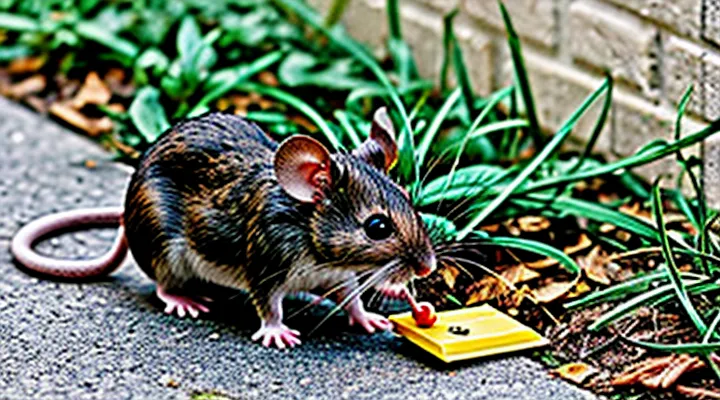
Understanding Mouse Behavior
The Mouse Senses
Olfaction and Bait Preference
Mice rely heavily on their sense of smell to locate food, making olfactory cues the primary driver of bait selection. Natural foods emit volatile compounds that trigger exploratory behavior, while synthetic attractants can mimic these signals to increase trap visitation.
Preferred odor profiles include:
- Grain and seed aromas – wheat, corn, and rice release carbohydrates that mice detect at low concentrations.
- Protein sources – dried fish, bacon fat, and peanut butter produce strong amino‑acid and lipid odors, drawing mice during nocturnal foraging.
- Sweet substances – honey, maple syrup, and fruit extracts emit sugars that stimulate gustatory receptors linked to olfactory pathways.
- Commercial lure blends – pheromone‑based mixtures contain mouse‑specific kairomones, enhancing attraction beyond generic food odors.
Bait effectiveness varies with environmental factors. Moisture accelerates odor diffusion, improving detection radius, while high temperatures may degrade volatile compounds, reducing lure potency. Seasonal shifts also influence preference: protein-rich baits dominate in colder months when energy demands rise, whereas carbohydrate sources become more attractive during warm periods.
Optimizing bait placement requires matching odor intensity to trap design. Concentrated scent sources should be positioned near the trigger mechanism to ensure the mouse encounters the cue immediately before entry. Using a small amount of highly aromatic bait prevents saturation, which can cause avoidance. Rotating bait types every few days mitigates habituation, maintaining consistent trap success.
Auditory Sensitivity
Mice possess acute hearing that detects frequencies between 1 kHz and 80 kHz, far beyond human perception. Their auditory system is tuned to locate subtle rustles, squeaks, and ultrasonic emissions, which guide foraging and predator avoidance. Exploiting this sensitivity can increase trap success without reliance on visual or olfactory cues.
Key auditory‑based tactics:
- Ultrasonic emitters: Devices generating 30–50 kHz tones mimic distress calls of conspecifics, prompting curiosity and approach. Position emitters near bait to create a localized sound field.
- Low‑frequency rustle simulators: Small mechanical elements (e.g., vibrating straw or thin plastic) produce 2–5 kHz noises resembling movement in debris. Place them inside the trap chamber to attract exploratory behavior.
- Playback of predator vocalizations: Recorded calls of owls or hawks at 3–8 kHz can trigger defensive investigation, leading mice to inspect the source and encounter the trap.
- Timed pulse sequences: Intermittent bursts (0.5 s on, 2 s off) prevent habituation, maintaining auditory interest over longer periods.
Implementation guidelines:
- Calibrate volume to remain within natural range (30–45 dB SPL at mouse ear level) to avoid alarm or avoidance.
- Align sound source direction toward the entrance, ensuring the acoustic gradient draws the animal inward.
- Combine auditory lure with minimal scent or food bait to reinforce attraction while preserving the primary acoustic cue.
By integrating precise frequency selection, appropriate amplitude, and strategic placement, auditory sensitivity becomes a reliable lever for guiding mice into capture devices.
Common Mouse Habitats
Indoor Hiding Spots
Mice prefer concealed areas where food, water, and shelter converge. Recognizing these indoor refuges allows precise placement of bait and traps, increasing capture rates.
- Behind appliances (refrigerator, stove, dishwasher) where heat and moisture accumulate.
- Inside wall cavities and baseboard gaps that provide darkness and protection.
- Underneath cabinets, especially near pantry shelves, where crumbs are common.
- Within cluttered storage spaces (attic, basement, closets) offering nesting material.
- Around plumbing fixtures (sinks, bathtubs) that supply water and occasional food residues.
To exploit each location, position a snap or live‑catch trap directly adjacent to the entry point of the refuge. Use a small amount of high‑energy bait (peanut butter, dried fruit, or cheese) secured to the trigger mechanism. In wall voids, insert a baited trap through a removable outlet cover or a drilled hole no larger than the trap’s width. For cabinet interiors, slide the trap onto the floor near the back wall, ensuring the bait is visible from the mouse’s typical route. In cluttered areas, clear a narrow pathway leading to the trap to guide the rodent without disturbing its hiding place. Around plumbing, attach the trap to the cabinet base or the underside of the sink rim, positioning bait within reach of the mouse’s water source.
By aligning traps with the exact points mice use to enter and exit their hideouts, the likelihood of contact with bait rises sharply, resulting in efficient removal.
Outdoor Entry Points
Identifying the ways rodents enter a property is essential for directing bait and traps to locations where mice are most likely to travel. Exterior openings provide predictable pathways; targeting them concentrates effort and maximizes capture rates.
Typical outdoor entry points include:
- Gaps around utility pipes and cables
- Cracks in foundation walls or slab edges
- Openings beneath doors, windows, and garage doors
- Unsealed vents, eaves, and soffits
- Damaged or missing weather‑stripping
- Holes in siding, trim, or exterior cladding
- Gaps around foundation vents and crawl‑space access doors
- Openings around outdoor lighting fixtures and fire‑escape ladders
Place snap or live traps directly adjacent to these openings, aligning the trigger side with the mouse’s expected travel direction. Use a small amount of high‑protein bait (e.g., peanut butter or dried insects) at the trap’s entrance to encourage entry. If an opening cannot be sealed immediately, position a trap within a few inches of the gap and monitor activity daily.
After successful captures, seal each identified opening with appropriate material—steel wool, copper mesh, or cement for larger cracks; silicone caulk or expanding foam for smaller gaps. Reinforce door sweeps and install tight‑fitting screens on vents. Regular inspection of exterior seams prevents re‑infestation and supports long‑term control.
Choosing the Right Trap
Types of Traps
Snap Traps
Snap traps remain a cornerstone of rodent control when the objective is to attract a mouse into a lethal device. Their rapid-action mechanism minimizes suffering and reduces the risk of escape, making them preferable in many residential and commercial settings.
Choosing the right bait is critical. High‑protein foods such as peanut butter, cooked bacon, or small pieces of cheese release strong olfactory cues that mice detect at a distance. For environments where scent may dissipate quickly, coating the trap’s trigger with a thin layer of honey or syrup extends the attractant’s reach without compromising the snap action.
Placement determines capture success. Position traps along established mouse pathways—near walls, behind appliances, or within concealed gaps—because rodents prefer to travel close to surfaces. Align the trap so that the trigger end faces the wall; this orientation encourages the mouse to approach from the side, increasing the probability of a clean strike. In multi‑room infestations, distribute traps at 10‑ to 15‑foot intervals to create a coverage grid that intercepts wandering individuals.
Maintenance ensures reliability. Inspect traps daily, removing dead mice promptly to prevent secondary odors that could deter further activity. Reset the trigger mechanism after each capture, and replace bait that has dried or become contaminated. When using disposable wooden snap traps, discard the entire unit after a single use; reusable metal models should be cleaned with a mild detergent and dried thoroughly before re‑baiting.
Safety considerations protect non‑target species and humans. Place traps out of reach of children and pets, preferably within sealed containers or behind protective barriers. Label each trap with a warning to alert household members of the concealed hazard.
By selecting potent bait, aligning traps with mouse traffic patterns, and maintaining a disciplined inspection schedule, snap traps become an efficient component of any mouse‑luring strategy.
Live Traps
Live traps capture rodents without harming them, making them suitable for humane pest control. Success depends on presenting an irresistible entry point and a safe release environment.
Key elements that increase capture rates:
- Food bait – high‑protein items such as peanut butter, sunflower seeds, or dried insects attract mice quickly. Apply a thin layer to the trigger mechanism to prevent spillage.
- Nest material – shredded paper, cotton balls, or soft fabric mimic a shelter, encouraging mice to explore the interior.
- Scent cues – a few drops of mouse urine or pheromone spray placed near the entrance stimulate natural curiosity.
- Darkness – mice prefer dim spaces; covering the trap with a lightweight cloth creates a shadowed interior that feels secure.
Placement guidelines:
- Locate traps along walls, behind appliances, or near known runways; mice travel close to edges.
- Position traps perpendicular to the wall, with the entry facing the baseboard.
- Keep the surrounding area clear of clutter to avoid accidental escape routes.
Release considerations:
- Transfer captured mice to a location at least one mile from the property to prevent immediate return.
- Use a sturdy container with ventilation when transporting the animal.
- Release during cooler evening hours to reduce stress and increase survival chances.
By combining appropriate bait, realistic nesting cues, and strategic placement, live traps become an efficient tool for attracting and containing mice without resorting to lethal methods.
Glue Traps (Considerations)
Glue traps provide a passive capture method that relies on adhesive surfaces to immobilize rodents. Their simplicity makes them attractive for quick deployment, but successful use depends on careful planning.
Key considerations include:
- Placement: Locate traps along known travel routes, such as walls, behind appliances, and near entry points. Position the adhesive side upward to prevent accidental contact with non‑target species.
- Bait selection: Apply a small amount of high‑fat attractant (peanut butter, cheese, or commercial rodent lure) to the center of the trap. Avoid excessive bait that can mask the adhesive quality.
- Safety: Keep traps out of reach of children and pets. Use protective gloves during handling to avoid skin contact with the glue.
- Environmental factors: Avoid placement in damp areas where moisture can reduce adhesive strength. Excessive heat may cause the glue to dry and lose effectiveness.
Proper disposal is essential. Once a mouse is captured, seal the trap in a rigid container, label it as hazardous waste, and follow local regulations for disposal. Do not attempt to release trapped rodents; the adhesive causes severe injury and can lead to prolonged suffering.
Legal and ethical aspects vary by jurisdiction. Some regions restrict or prohibit glue traps due to animal welfare concerns. Verify local statutes before purchase and consider alternative humane devices, such as snap traps or live‑catch cages, when compliance or ethical standards demand it.
Trap Placement Strategies
High-Traffic Areas
Identify the pathways that mice use most often and position traps directly within those routes. High‑traffic zones typically include:
- Gaps beneath appliances, especially refrigerators and stoves.
- Openings around utility lines, pipes, and wiring conduits.
- Areas behind cabinets, pantry shelves, and baseboards where food crumbs accumulate.
- Entry points near doors, windows, and garage doors that are left slightly ajar.
Place baited traps at least 2–3 inches from the wall in each of these locations. Mice prefer to travel close to surfaces, so aligning the trap parallel to the wall increases the likelihood of contact. Use a small amount of high‑protein attractant—such as peanut butter or dried fruit—secured to the trigger mechanism to maximize appeal.
Maintain a clear line of sight to the trap by removing clutter and excess debris from the surrounding area. This prevents obstruction and encourages the rodent to approach the device without hesitation. Inspect traps daily; replace bait and reset any triggered units promptly to sustain pressure on the mouse’s preferred routes.
By concentrating effort on the most frequented passages and ensuring unobstructed, baited placement, the probability of successful capture rises sharply.
Concealed Locations
Concealing a trap within the mouse’s regular pathways increases capture rates by reducing suspicion. Place the device behind appliances, under cabinets, or within wall voids where rodents travel unnoticed. The hidden setting mimics natural cover, encouraging the animal to investigate without perceiving danger.
Key concealed locations include:
- Behind the refrigerator or stove, where heat and food odors converge.
- Inside the space between baseboard and floorboard, accessed through a small opening.
- Within a stack of stored boxes or pantry items, using a shallow container to hide the trigger mechanism.
- In the gap beneath a sink, where moisture attracts foraging behavior.
- Inside a hollowed-out piece of furniture, such as a leg of a dining table or a wooden stool.
When positioning a trap, ensure the entry point aligns with the mouse’s typical entry route. Verify that the surrounding material does not obstruct the trigger and that the bait remains visible from the concealed angle. This approach leverages the rodent’s preference for sheltered foraging zones, leading to higher success without alerting the target.
Against Walls
Mice instinctively follow the perimeter of a room, keeping within a few inches of walls as they navigate. This behavior reduces exposure to open spaces and predators, making the wall line the most reliable pathway for movement.
Positioning a capture device directly against a wall exploits this habit. Align the rear of the trap with the wall so the entrance faces the expected travel route. Ensure the bait is placed at the front edge, allowing the mouse to encounter it without needing to cross open floor. Secure the trap to the wall if possible; a stable surface prevents displacement by the animal’s entry.
- Choose a trap type that allows a forward‑facing entry (snap, electric, or live‑catch).
- Place the trap no more than 2–3 inches from the wall baseboard.
- Use a strong, aromatic bait (peanut butter, chocolate, or dried fruit).
- Check the trap frequently to maintain effectiveness and prevent spoilage of bait.
By aligning the device with the wall’s edge, the mouse encounters the lure along its natural route, increasing capture probability while minimizing the need for multiple placements.
Effective Baiting Techniques
Irresistible Baits
Peanut Butter
Peanut butter is among the most reliable attractants for mouse traps because its strong aroma and high fat content stimulate a rodent’s sense of smell and taste. The paste adheres to bait stations, preventing premature removal by the mouse and ensuring contact with the trigger mechanism.
- Apply a pea‑sized amount to the trigger surface; excess can smear and reduce effectiveness.
- Use smooth‑shelled bait stations to keep the peanut butter from drying quickly.
- Replace the bait after each capture to maintain scent potency.
- Store unused peanut butter in an airtight container to preserve freshness and prevent contamination.
When selecting a trap, combine peanut butter with devices that require minimal force, such as snap traps or electronic models, to maximize capture rates. Avoid using low‑fat or powdered varieties; they lack the olfactory strength needed to draw mice from a distance. For environments with children or pets, place baited traps inside sealed containers or use tamper‑proof designs to mitigate accidental exposure.
Chocolate
Chocolate attracts mice due to its strong aroma and high sugar content, which stimulate the rodent’s olfactory receptors. The scent penetrates bedding and insulation, reaching mice that are otherwise cautious of unfamiliar foods.
When using chocolate as bait, follow these precise steps:
- Select a small piece of dark or milk chocolate, avoiding varieties with added nuts or fruit that could deter the mouse.
- Melt the chocolate gently, then coat a piece of cheese or a grain pellet; the combined texture encourages gnawing.
- Place the bait at the entrance of a snap or live‑capture device, ensuring the trap is set on a stable surface to prevent accidental closure.
- Position the trap along established mouse pathways—near walls, behind appliances, or within concealed gaps—where the scent can travel undisturbed.
- Check the trap at regular intervals (every 30–60 minutes) to minimize stress on the captured animal and to reset the device if necessary.
Chocolate’s rapid dissolution at room temperature can compromise bait integrity; therefore, store prepared bait in a cool, dry container and replace it after 24 hours to maintain potency. Use this method alongside sanitation measures—sealing entry points and removing alternative food sources—to increase capture efficiency.
Seeds and Grains
Seeds and grains constitute a reliable attractant for rodents because they match the natural diet of many mouse species. The high carbohydrate content provides immediate energy, while the aroma disperses quickly, creating a detectable scent trail.
- Millet: small size, easy to handle, strong scent.
- Oats: soft texture, appealing to both wild and domestic mice.
- Wheat kernels: robust flavor, resistant to moisture.
- Sunflower seeds: rich oil, strong odor, attractive to foraging mice.
- Rice grains: neutral taste, useful when mixing with stronger baits.
Effective deployment requires precise placement. Position a modest amount (approximately ¼ teaspoon) directly on the trigger mechanism to ensure the mouse contacts the trap while seeking the food. Avoid excessive quantities that may allow the mouse to feed without activating the device.
When using seeds in conjunction with other baits, combine them with protein sources such as peanut butter or dried insects. The mixed scent profile increases the probability of detection, while the protein component sustains interest if the mouse samples the bait repeatedly.
Environmental factors influence bait performance. In humid conditions, select seeds with low moisture absorption, such as millet or wheat, to prevent clumping. In cold climates, pre‑warm the bait briefly to release volatile compounds, enhancing olfactory cues.
Regularly refresh the seed bait. Mice quickly lose interest in stale material; replacing it every 24‑48 hours maintains potency and reduces the risk of trap avoidance.
By choosing appropriate seed varieties, applying minimal yet sufficient amounts, and adjusting for ambient conditions, seeds and grains become a highly effective component of any mouse‑capture strategy.
Commercial Lures
Commercial lures are engineered to increase the probability that a mouse contacts a trap. They combine attractants that stimulate feeding, scent, or territorial instincts, thereby reducing the time required for capture.
- Food‑based lures: Peanut butter, dried fruit, and grain mixtures provide high caloric value and strong olfactory cues. Formulations often include preservatives to maintain freshness over weeks.
- Scent‑enhanced lures: Synthetic cheese, bacon, or nut aromas mimic natural food sources while delivering a concentrated vapor that penetrates the surrounding environment.
- Pheromone lures: Synthetic mouse pheromones trigger curiosity and social investigation, prompting rodents to explore areas they might otherwise avoid.
- Hybrid lures: Combine food matrix with scent or pheromone additives, delivering multi‑modal attraction for broader effectiveness.
Select a lure that aligns with the trap type and placement. For snap traps, apply a pea‑sized amount of food‑based lure directly on the trigger mechanism. For glue boards, spread a thin layer of scent‑enhanced lure across the adhesive surface. For electronic traps, position pheromone dispensers near entry points to draw mice into the detection zone. Rotate lures every 7‑10 days to prevent habituation.
Commercial lures offer measurable advantages: rapid attraction, consistent performance across temperature ranges, and compliance with safety standards. Evaluate cost per unit, shelf life, and any regulatory restrictions before bulk procurement. Proper integration of these products into a trapping program maximizes capture rates while minimizing waste.
Bait Application
Small Portions
Small portions of bait increase the likelihood that a mouse will investigate and enter a trap. A mouse prefers to sample food in modest quantities; large chunks can appear suspicious or overwhelm the animal’s sense of safety, causing avoidance.
- Use 1‑2 mm pieces of cheese, peanut butter, or dried fruit.
- Apply a pea‑size dab of oil‑based bait to the trigger mechanism.
- Place a single grain of seed or a tiny crumb at the far end of the trap to draw the mouse through the entry point.
The size of the offering should match the mouse’s natural foraging behavior. Tiny pieces fit easily into the animal’s mouth, allowing quick consumption without hesitation. When the bait is too large, the mouse may hesitate, lose interest, or attempt to drag the food away, reducing trap effectiveness.
Select baits with strong scent and moderate texture. For oily substances, a thin smear ensures the mouse can lick without needing to grasp. For solid foods, a crumb that fits within the trap’s trigger chamber guarantees that the mouse must step onto the trigger to reach the reward, completing the capture process.
Secure Attachment
Secure Attachment is a critical element when designing a mouse capture system. The bait must remain fixed to the trap until the animal triggers the mechanism, preventing loss of lure and ensuring consistent performance.
- Use a thin, durable wire to thread the bait through the trap’s holding slot, tightening the knot with pliers to eliminate slack.
- Apply a small amount of non-toxic adhesive to the bait’s surface, then press it against the trap’s contact point; allow the adhesive to set for at least five minutes before placement.
- Attach a small clip or spring-loaded clasp to the bait, aligning it with the trap’s trigger bar so that the mouse’s attempt to bite also releases the latch.
Each method reduces the chance that a mouse will remove the lure without activating the trap, thereby increasing capture rates. Regular inspection of the attachment points for wear or loosening maintains effectiveness over multiple uses.
Bait Maintenance
Freshness
Fresh bait retains its appeal only while it remains crisp and aromatic. When a mouse encounters a scent that signals recent consumption, it is more likely to investigate and enter a trap. Therefore, maintaining the freshness of attractants directly influences capture rates.
- Store edible lures in airtight containers to prevent moisture loss and oxidation.
- Replace perishable items such as cheese, peanut butter, or fruit every 24–48 hours.
- Use frozen bait that thaws shortly before placement, ensuring a newly released odor profile.
- Avoid pre‑soaked or stale materials; dried remnants lose volatile compounds that mice detect.
Cold environments slow bacterial growth, extending freshness. Position traps in cooler areas of the premises, or cool the bait with a small ice pack wrapped in a breathable fabric. This preserves volatile chemicals without compromising scent intensity.
Freshness also affects texture. A firm, pliable lure encourages a mouse to grasp and bite, triggering the trap mechanism. Soft, collapsed bait may be ignored or cause the mouse to hesitate. Regularly inspect bait for signs of desiccation or mold; discard any compromised pieces immediately.
In summary, the effectiveness of mouse capture relies on delivering a consistently fresh, aromatic, and texturally appealing lure. Routine rotation, proper storage, and environmental control constitute the core practices for preserving bait freshness and maximizing trap success.
Replacement Frequency
When attempting to attract a rodent to a capture device, the reliability of each component declines predictably. Bait loses potency as moisture, ambient temperature, and exposure to air degrade its scent. Replace consumable attractants every 3–5 days in active infestations; extend to 7–10 days when mouse activity is low. Fresh bait restores the olfactory cue that guides the mouse to the trap, preventing loss of interest that can render a perfectly set device ineffective.
Mechanical elements also require scheduled renewal. Spring‑loaded traps experience fatigue after approximately 200 actuations; inspect and replace the spring mechanism after 150 cycles or when the trigger feels sluggish. Snap traps with plastic casings may crack under repeated use; substitute any damaged units immediately. Glue boards lose adhesiveness as dust and debris accumulate; change them after 48 hours of exposure or when any portion of the surface appears dry.
A concise maintenance timetable ensures continuous performance:
- Bait: replace every 3–5 days (high activity) or 7–10 days (low activity).
- Spring mechanism: replace after 150 actuations or when trigger resistance increases.
- Plastic housing: replace at first sign of cracks or deformation.
- Glue surface: replace after 48 hours or when adhesion diminishes.
Adhering to these intervals maintains the lure’s effectiveness and maximizes capture rates.
Advanced Luring Strategies
Scent Trails
Bait Scent Placement
Choosing the right scent and positioning it correctly determines whether a mouse will investigate a trap.
Select attractants that mimic natural food sources. Peanut butter, chocolate, and dried fruit release strong odors that mice detect at distances of up to several feet. Synthetic pheromones, when available, can supplement these aromas and trigger exploratory behavior.
Apply the bait sparingly. A pea‑sized amount placed directly on the trigger mechanism ensures the mouse must contact the trap to obtain the scent. Excessive bait creates a barrier that allows the animal to feed without activating the device.
Place scent in areas of high traffic. Corners where walls meet, along baseboards, and near known entry points concentrate mouse pathways. Position the trap so the scent faces the wall; mice often travel with their heads close to surfaces, increasing the likelihood of detection.
Consider environmental factors. Humidity accelerates scent diffusion; in dry conditions, refresh the bait every 24 hours. Strong airflow from vents or fans can disperse odors, reducing effectiveness; avoid placing traps directly in drafts.
Maintain consistency. Rotate bait types weekly to prevent habituation. Record placement locations and capture results to identify patterns and refine future deployments.
Natural Mouse Odors
Natural mouse odors provide a reliable stimulus for guiding rodents toward capture devices. Mice rely heavily on olfactory cues to locate food sources and safe pathways; exploiting this sensory preference enhances trap success.
Key odorants that attract mice include:
- Peanut butter – strong, fatty scent that mimics seed reserves.
- Bacon grease – volatile compounds mimic carrion and high‑energy food.
- Mouse urine – conspecific pheromones signal the presence of a familiar environment.
- Grain powders (wheat, cornmeal) – carbohydrate aroma signals staple nourishment.
- Cheese extracts – lactic acid and fat components stimulate foraging behavior.
Application guidelines:
- Apply a thin layer of the chosen attractant to the trap trigger mechanism.
- Avoid excess quantity; a modest amount prevents saturation and maintains scent potency.
- Replace the odor source every 48–72 hours to preserve freshness and prevent desensitization.
- Position traps along known mouse pathways, such as walls or near food storage, where scent diffusion aligns with natural travel routes.
Laboratory studies demonstrate that traps baited with a combination of fatty and proteinaceous odors yield capture rates 30 % higher than unbaited devices. Field observations confirm that conspecific urine, when applied in low concentrations, increases trap interaction without inducing avoidance behavior.
In practice, selecting an odor that mirrors the target rodent’s typical diet and reinforcing it with a trace of pheromonal cue creates a potent lure for effective rodent capture.
Environmental Modifications
Removing Competing Food Sources
Eliminating alternative food sources forces a mouse to seek out the baited trap, increasing capture rates. When accessible crumbs, pet food, or stored grains are removed, the rodent’s foraging behavior concentrates on the limited options presented.
- Store pantry items in sealed containers made of metal or heavy‑wall plastic.
- Clean countertops, floors, and cabinets daily to erase residue and spills.
- Dispose of garbage in bins with tight‑fitting lids and empty them regularly.
- Relocate pet feeding dishes to areas far from the trap and remove uneaten portions after each meal.
- Inspect and seal cracks or gaps that allow insects or other pests to provide supplemental nutrition.
By restricting the mouse’s diet to the trap’s lure, the animal’s natural hunger drives it toward the device, improving the likelihood of a successful catch.
Eliminating Water Sources
Mice require a reliable water supply for metabolism and thermoregulation. When accessible moisture is removed, the animals increase their foraging range and become more responsive to artificial water sources, including baited traps.
Limiting water sources creates a physiological drive that directs mice toward locations where moisture is offered. This heightened motivation raises the likelihood that a mouse will investigate a trap containing a water‑based attractant or a moist food lure.
- Inspect building envelope for leaks, condensation, and standing water; repair cracks and seal joints.
- Remove open containers, pet dishes, and plant saucers that hold water.
- Store food in airtight packaging to prevent condensation.
- Use dehumidifiers or ventilation to lower ambient humidity in storage areas.
After water sources are eliminated, position traps in areas where residual moisture remains, such as near the sole remaining leak or along established mouse pathways. Monitor trap performance regularly and adjust placement if mice begin to avoid the site, indicating that additional moisture sources may still be available.
Trap Camouflage
Blending with Surroundings
Blending with the environment increases the likelihood that a mouse will approach a trap without detecting danger. Natural colors, textures, and placement that mimic the rodent’s typical pathways reduce visual and tactile cues that trigger avoidance behavior.
Key considerations for effective camouflage:
- Use trap covers made of brown, gray, or muted green fabric that match floor or wall surfaces.
- Position the device along established runways, such as behind appliances, near baseboards, or adjacent to stored food containers.
- Apply a thin layer of shredded paper, dried leaves, or insulation material on top of the trap to conceal its shape while allowing the bait to remain exposed.
- Avoid bright or reflective surfaces; replace glossy plastic parts with matte alternatives or wrap them in non‑reflective tape.
When the trap integrates seamlessly with surrounding debris, the mouse perceives it as part of the habitat and is more likely to investigate the bait. Consistent use of these concealment tactics improves capture rates across various indoor settings.
Avoiding Human Scent
Human odor interferes with mouse attraction; rodents detect scent molecules on skin and clothing and often avoid areas where humans have been active. Reducing this olfactory cue increases trap efficacy.
- Wear disposable nitrile gloves when handling bait and traps.
- Wash hands with unscented soap before contact with equipment.
- Use plain, unperfumed cotton or polyester gloves for additional handling.
- Avoid scented lotions, deodorants, or perfumes in the work area.
Place traps in low‑traffic zones to limit residual human scent. Ventilate rooms for at least 15 minutes before setting devices, then close doors to maintain a stable air environment. Store bait in airtight containers until deployment; this prevents scent transfer from the container to the trap.
Handle bait with tweezers or tongs rather than fingers. Keep traps inside sealed plastic bags until the moment of placement. Choose clothing made of natural fibers that do not retain strong odors, and change into dedicated work attire before entering the infestation site. These measures collectively minimize human scent, allowing the mouse to focus on the food lure and increasing capture rates.
Post-Capture Procedures
Safe Trap Handling
Protective Gear
Protective gear safeguards the handler while setting and monitoring rodent capture devices. Gloves made of nitrile or cut‑resistant material prevent direct contact with bait, urine, and potential pathogens. Choose a size that allows precise finger movement to manipulate snap or live‑catch mechanisms without compromising grip.
Eye protection is essential when deploying spring‑loaded traps that can discharge with force. Polycarbonate lenses resist impact and provide a clear view of bait placement. Pair goggles with a snug strap to maintain alignment during crouched positioning.
Respiratory masks filter airborne particles released from droppings or dust stirred during trap inspection. A N95‑rated filter offers adequate protection for short‑duration tasks; replace cartridges according to manufacturer guidelines to preserve filtration efficiency.
Footwear with steel toe caps and puncture‑resistant soles protects against accidental stepping on concealed traps or sharp debris. Slip‑resistant tread reduces the risk of falls on cluttered flooring.
Maintain equipment by cleaning gloves, lenses, and masks after each use with mild disinfectant. Inspect for tears, cracks, or degraded straps before each deployment; discard compromised items to avoid contamination.
Recommended gear checklist
- Nitrile or cut‑resistant gloves
- Polycarbonate safety goggles with adjustable strap
- N95 respirator with replaceable filter
- Steel‑toe, puncture‑resistant, slip‑resistant shoes
- Disposable sleeves for additional hand protection (optional)
Disposal Methods (for snap and glue traps)
When a mouse is captured, the method of removal must protect health, prevent secondary infestations, and comply with local regulations. Snap traps hold the rodent in a sealed compartment; glue traps immobilize the animal on a sticky surface. Both require distinct handling procedures to ensure safe disposal.
Snap‑trap disposal
- Wear disposable gloves before opening the trap.
- Release the rodent into a sealed, biodegradable bag; avoid direct contact with body fluids.
- Place the bag in a second sealed container, then discard according to municipal wildlife waste guidelines.
- Clean the trap with a solution of 1 % bleach and water, rinse thoroughly, and allow to dry before reuse or storage.
Glue‑trap disposal
- Cover the trap with a thick plastic sheet to prevent the animal from escaping.
- Transfer the entire trap, still adhered to the animal, into a double‑bagged, puncture‑resistant container.
- Seal the container and label it as “rodent carcass – hazardous waste.”
- Dispose of the sealed unit at a licensed hazardous‑waste facility or follow local pest‑control authority instructions.
- Clean reusable surfaces with a detergent‑based degreaser; rinse and dry before future use.
Adhering to these steps eliminates disease risk, reduces odor, and maintains a sanitary environment after trapping.
Release Protocol (for live traps)
When a live trap captures a mouse, the release protocol determines humane outcome and prevents re‑entry into the same area. Follow these precise actions:
- Wear disposable gloves to protect against disease and reduce stress signals to the animal.
- Transport the trap to an open field or woods at least 200 meters from the building, preferably beyond the mouse’s known foraging range.
- Open the trap gently, tilt it downward, and allow the mouse to exit without direct hand contact.
- Observe the animal for a few seconds to confirm it has left the trap and is moving away.
- Close the trap, seal it in a plastic bag, and dispose of the gloves responsibly.
- Clean the trap with a mild detergent, rinse, and dry before reuse; apply a rodent‑safe disinfectant if the trap will be used again soon.
- Record the release date, location, and any observations about the mouse’s condition for future monitoring.
Adhering to this sequence eliminates unnecessary suffering, reduces the likelihood of recapture, and maintains the effectiveness of live‑capture strategies.
Preventing Future Infestations
Sealing Entry Points
Sealing entry points prevents mice from bypassing traps and reduces the likelihood of new infestations. By eliminating access routes, the baited trap becomes the only viable path, increasing capture efficiency.
Typical openings include gaps around pipes, vents, door frames, foundation cracks, and openings beneath appliances. Small holes as narrow as a pencil can serve as entryways; rodents can compress their bodies to fit through such spaces.
To secure a property against mouse ingress:
- Conduct a thorough visual inspection of interior and exterior walls, focusing on utility penetrations and structural joints.
- Use a flashlight and mirror to view concealed areas behind cabinets, under sinks, and within crawl spaces.
- Measure each opening; any gap larger than ¼ inch (6 mm) requires remediation.
- Apply appropriate sealing materials:
- Steel wool combined with expanding foam for irregular gaps.
- Copper mesh for larger seams where durability is needed.
- Silicone or acrylic caulk for cracks in non‑structural surfaces.
- Sheet metal or hardware cloth for vent openings and larger holes.
- Re‑inspect after sealing to confirm that no residual openings remain.
Consistent maintenance—checking for wear, damage, or new construction activity—ensures that the sealed environment continues to direct mice toward the trap, sustaining long‑term control.
Maintaining Cleanliness
Keeping the environment tidy directly influences a mouse’s willingness to approach a baited device. Food residues, spilled crumbs, and clutter create alternative foraging zones that distract rodents from the trap. By eliminating these distractions, the mouse’s attention narrows to the only available food source—your lure.
- Remove all visible food sources from countertops, floors, and cabinets. Store items in sealed containers.
- Sweep, vacuum, and mop daily to eradicate stray particles that could satisfy a mouse’s immediate cravings.
- Clean behind appliances, under sinks, and in pantry corners where crumbs accumulate unnoticed.
- Dispose of garbage promptly in bins with tight‑fitting lids; replace liners regularly to prevent odor buildup.
- Wash hands and tools after handling bait to avoid contaminating surfaces with human scent, which can deter rodents.
A spotless setting reduces competition for the mouse, making the bait’s scent and placement the most compelling option. Consistent sanitation therefore enhances trap efficiency without altering the lure’s composition.
Regular Inspections
Regular inspections verify that bait remains attractive, that traps are correctly positioned, and that any signs of mouse activity are promptly identified. Without systematic checks, bait can become stale, traps may be displaced, and early evidence of infestation can be missed, reducing capture rates.
- Examine each trap daily for captured mice and for signs of tampering.
- Refresh or replace bait when it shows signs of drying, contamination, or loss of scent.
- Inspect surrounding areas for droppings, gnaw marks, or new pathways; adjust trap locations accordingly.
- Record observations in a log, noting trap performance, bait condition, and environmental changes.
Consistent monitoring ensures that bait potency is maintained, trap placement stays optimal, and emerging mouse activity is addressed before it spreads, thereby sustaining high capture efficiency.