
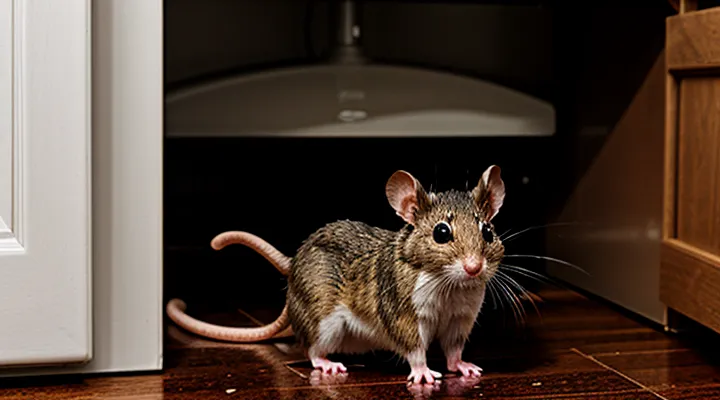
Understanding the Mouse Problem
Signs of a Mouse Infestation
Droppings and Urine Trails
Mice leave droppings and urine trails that serve as reliable indicators of their presence. Fresh droppings appear as small, dark, rice‑shaped pellets, usually found along walls, behind appliances, or in concealed corners. Urine stains manifest as faint, amber‑colored smears, often accompanied by a sharp, ammonia‑like odor.
These residues pose health risks. They can carry hantavirus, salmonella, and other pathogens capable of contaminating food, surfaces, and air. Inhalation of dried particles may trigger allergic reactions or respiratory irritation.
Proper removal eliminates contamination and improves the effectiveness of control measures. Follow these steps:
- Wear disposable gloves and a mask; avoid direct skin contact.
- Ventilate the area for at least 15 minutes before cleaning.
- Moisten droppings with a disinfectant solution (e.g., 1 % bleach in water) to prevent aerosolization.
- Use paper towels or disposable wipes to collect the material; dispose of them in a sealed bag.
- Apply the same disinfectant to the surrounding surface, let it sit for 10 minutes, then scrub and rinse.
- Clean adjacent flooring, baseboards, and cabinetry with the disinfectant, ensuring no residue remains.
Identifying droppings and urine trails guides trap placement and bait deployment. Locating active pathways allows technicians to concentrate interventions where mice travel, increasing capture rates and reducing the need for widespread chemical use. Regular monitoring of these signs supports early detection, preventing infestation escalation.
Gnaw Marks and Damage
Gnaw marks are the most immediate evidence of mouse activity. They appear on wood, plastic, electrical wiring, and food packaging. The characteristic V‑shaped bite pattern indicates the animal’s incisors, which continuously grow and require constant chewing.
Damage caused by mice extends beyond visible chew marks. Structural concerns include compromised insulation, weakened support beams, and perforated drywall. Electrical hazards arise when mice strip the coating from wires, exposing live conductors and increasing fire risk. Food contamination occurs when gnawed containers release crumbs, encouraging further infestation and potential health issues.
Addressing gnaw marks promptly prevents escalation:
- Inspect all accessible surfaces for fresh bite marks; prioritize areas near entry points.
- Seal identified holes with steel wool or cement to stop further chewing.
- Replace damaged wiring and repair compromised structural elements.
- Store food in rodent‑proof containers and clean residual debris.
Recognizing and repairing gnaw‑related damage reduces the likelihood of a persistent mouse problem and safeguards the integrity of the home.
Strange Noises
Strange noises often signal the presence of rodents and should be treated as a primary diagnostic cue when addressing mouse infestations in residential settings.
Typical sounds include high‑pitched squeaks, scratching within walls, and faint scurrying during nighttime hours. Squeaks usually originate from vocalizations of adult mice or juveniles communicating distress, while scratching indicates gnawing activity on structural elements such as insulation, wiring, or stored materials. Scurrying noises are produced when mice move rapidly across floorboards or through concealed pathways.
To confirm the source, isolate the area by turning off ambient appliances, then listen with a handheld recorder or a smartphone app capable of amplifying low‑frequency sounds. Follow the acoustic trail to identify entry points, nesting sites, or food caches. Visual inspection of suspected locations—looking for droppings, gnaw marks, or shredded material—provides corroborating evidence.
Once the presence and location of mice are verified, implement the following measures:
- Seal gaps larger than ¼ inch with steel wool, caulk, or metal flashing to block access routes.
- Place snap traps or electronic traps directly along walls where noises were detected; position bait at the far end of the trap to encourage entry.
- Deploy sealed bait stations containing anticoagulant pellets in concealed areas, ensuring they are out of reach of children and pets.
- Remove food sources by storing pantry items in airtight containers and promptly cleaning spills that could attract foraging behavior.
- Consider ultrasonic emitters only as supplemental devices, recognizing that effectiveness varies with species and environmental layout.
Monitoring should continue for several days after intervention; persistent or new noises may indicate additional colonies or incomplete sealing. Prompt response to acoustic indicators reduces the risk of structural damage, health hazards, and the need for extensive remediation later.
Musty Odors
Musty odors often signal a hidden mouse problem. Urine, feces, and decomposing bodies release ammonia and bacterial metabolites that mingle with moisture in walls or insulation, creating a stale, damp smell. The odor can travel through vents, baseboards, and floorboards, alerting occupants to infestation before visual evidence appears.
Detecting the source requires systematic inspection. Follow these steps:
- Examine concealed areas such as attic corners, crawl spaces, and behind appliances for stains or droppings.
- Use a blacklight to reveal urine spots that fluoresce.
- Smell for earthy, sour notes near stored food, insulation, or damp wood.
- Listen for scratching or scurrying sounds that accompany the smell.
Eliminating the odor involves removing the biological material and controlling moisture. Implement the following actions:
- Wear protective gloves and a mask; dispose of droppings and carcasses in sealed bags.
- Clean affected surfaces with a solution of one part bleach to ten parts water, or a commercial disinfectant approved for rodent waste.
- Rinse and dry the area thoroughly; employ fans or a dehumidifier to lower humidity below 50 % relative humidity.
- Replace saturated insulation, drywall, or carpet that cannot be fully sanitized.
- Seal entry points with steel wool, copper mesh, or caulk to prevent further intrusion.
- Set traps or use bait stations to capture remaining rodents, ensuring the population is reduced to avoid new waste accumulation.
After thorough cleaning and moisture control, monitor the space for recurring odors. Persistent musty smells may indicate hidden nests or secondary mold growth, requiring additional remediation or professional pest management. Maintaining low humidity and regular inspections prevents the reappearance of both the odor and the mouse infestation.
Why Mice Are Attracted to Your Home
Food Sources
Mice survive by exploiting readily available food, so removing these supplies is essential for any successful eradication effort.
- Store dry goods—cereals, pasta, grains—in sealed containers made of metal or thick plastic.
- Transfer pet food to airtight bins and feed pets only at scheduled times, cleaning up leftovers immediately.
- Keep countertops, tables, and floors free of crumbs; wipe surfaces after each meal and sweep regularly.
- Dispose of garbage in containers with tight-fitting lids; empty bins frequently, especially in kitchens and basements.
- Seal cracks, gaps, and openings around pipes, vents, and appliance wiring to prevent mice from accessing stored food.
Eliminating attractive food sources reduces the incentive for rodents to enter living spaces, making subsequent control measures—traps, baits, or exclusion techniques—significantly more effective.
Water Sources
Mice require a reliable supply of water to survive, reproduce, and expand their presence inside a dwelling. Removing accessible moisture disrupts their physiological needs and reduces the likelihood of colonisation.
Typical indoor water sources include:
- Leaking pipes, faucets, or showerheads
- Condensation on windows, walls, or cold‑water lines
- Pet water bowls left unattended for extended periods
- Damp basements, crawl spaces, or under‑sink cabinets
- Stagnant water in plant saucers, buckets, or trash containers
Address each source promptly: repair leaks, install drip‑catch trays, wipe condensation, cover or elevate pet dishes, improve ventilation in moisture‑prone areas, and empty containers daily. By eliminating these reservoirs, the environment becomes inhospitable to rodents, supporting broader pest‑management efforts.
Shelter and Warmth
Mice seek enclosed, insulated spaces where they can hide from predators and maintain body temperature. Loose insulation, gaps behind appliances, and clutter provide the shelter and warmth that sustain infestations.
Eliminate shelter by sealing entry points, removing debris, and organizing storage areas. Use steel wool or copper mesh for small cracks, and apply caulk or expanding foam to larger openings. Trim vegetation that contacts the building to prevent rodents from climbing onto the roof or walls.
Reduce warmth by decreasing indoor temperature fluctuations and limiting heat sources. Keep kitchen appliances clean, store food in airtight containers, and repair leaking pipes that create damp, warm environments. Install door sweeps and weather stripping to block drafts that may create micro‑climates favorable to mice.
Practical actions
- Inspect foundation, walls, and roof for gaps; seal with appropriate materials.
- Store items off the floor; use sealed plastic bins instead of cardboard boxes.
- Maintain a consistent indoor temperature; avoid leaving heat‑producing devices unattended.
- Repair water leaks; dry any moisture‑prone areas promptly.
- Remove clutter in attics, basements, and garages; keep spaces well‑ventilated.
Removing the conditions that provide shelter and warmth directly reduces the attractiveness of a home to rodents and supports long‑term control efforts.
Entry Points
Mice gain access to a home through gaps that are often overlooked. Detecting these openings is the first step in preventing infestation.
Typical entry points include:
- Cracks around foundation walls and basement floors.
- Gaps around utility penetrations such as water, gas, and electrical lines.
- Openings beneath doors, especially sliding or garage doors.
- Unsealed vents, exhaust fans, and dryer ducts.
- Holes in siding, soffits, and eaves.
- Small openings around windows, including damaged screens.
To eliminate these pathways, apply the following measures:
- Inspect the exterior shell of the building annually, focusing on the areas listed above.
- Use steel wool or copper mesh to fill cracks no larger than a quarter‑inch; then seal with caulk or concrete.
- Install door sweeps and weatherstripping on all exterior doors.
- Fit vent covers with sturdy metal mesh that resists chewing.
- Replace damaged siding or repair gaps with appropriate flashing.
- Maintain a tight seal around all utility entries by using expanding foam or metal plates.
Regular maintenance of the building envelope reduces the likelihood that mice will find a foothold, thereby supporting long‑term rodent control inside the residence.
Prevention Strategies
Sealing Entry Points
Inspecting the Exterior
Inspecting the outside of a home is the first line of defense against mouse intrusion. Identify every potential entry point before sealing it, because rodents exploit even the smallest openings.
- Examine the foundation for cracks, gaps around utility lines, and spaces where pipes or cables enter. Use a flashlight and a mirror to see hidden areas.
- Check the roofline, eaves, and soffits for holes or loose siding. Repair or replace damaged sections promptly.
- Trim vegetation that touches the house. Branches, vines, and dense shrubs provide bridges for mice to reach the roof and walls.
- Remove debris such as leaf piles, wood stacks, and unused equipment stored near the exterior walls. These create shelter and concealment.
- Inspect doors and windows for proper weatherstripping. Ensure that screens are intact and that door sweeps close tightly against the threshold.
- Verify that gutters and downspouts direct water away from the foundation. Standing water can erode soil and enlarge gaps.
- Look for signs of activity—droppings, gnaw marks, or nesting material—around the perimeter. Mark these locations for targeted treatment.
After locating all vulnerabilities, seal them with steel wool, metal flashing, or caulking designed for pest exclusion. Re‑evaluate the exterior quarterly to catch new damage before mice can establish a foothold.
Sealing Cracks and Gaps
Sealing cracks and gaps eliminates the access points mice use to enter homes. Identify all openings larger than a quarter‑inch in walls, floors, foundations, and around utility penetrations. Use a flashlight and mirror to locate hidden fissures behind baseboards, under sinks, and near HVAC ducts.
Apply appropriate sealants based on material type. Expandable polyurethane foam works for irregular cavities; cement mortar or steel wool combined with caulk suits larger gaps in concrete or brick. For joints around windows and doors, install weather‑stripping or silicone sealant to prevent rodent intrusion.
Regular inspection maintains effectiveness. Schedule a quarterly walkthrough, focusing on high‑traffic areas such as kitchens, garages, and basements. Repair any new cracks promptly to avoid re‑establishment of entry routes.
Key actions
- Locate openings > ¼ in.
- Choose sealant: foam for irregular gaps, mortar/caulk for structural cracks, steel wool plus caulk for larger voids.
- Apply sealant, ensuring complete coverage.
- Inspect and reseal as needed.
Repairing Damaged Screens and Vents
Repairing damaged screens and vents eliminates gaps that mice exploit to enter living spaces. Even small tears or loose mesh can provide a pathway for rodents, undermining other control measures.
Identify compromised areas by inspecting all exterior openings, including window screens, attic vents, dryer exhausts, and utility openings. Look for visible tears, sagging edges, or missing sections. Use a flashlight to examine the interior side of screens for hidden damage.
Repair procedure:
- Remove the damaged section by cutting away torn mesh with tin snips or a utility knife.
- Clean the frame to remove debris, rust, or old sealant.
- Cut replacement screen material to size, leaving a 1‑inch overlap on each side.
- Position the new mesh over the opening, secure it with a spline or appropriate fasteners, and press firmly to ensure a tight seal.
- Apply a weather‑resistant sealant around the perimeter to prevent future deterioration.
- For vent covers, replace cracked or corroded metal flaps, then reinstall with stainless‑steel screws to resist chewing.
Regular maintenance checks, performed quarterly, keep openings sealed and reduce the likelihood of new infestations. By eliminating entry points, homeowners strengthen overall rodent‑prevention strategies without relying on traps or chemicals.
Eliminating Food and Water Sources
Proper Food Storage
Proper food storage directly reduces the attraction that mice have to a residence. By limiting access to edible materials, you remove a primary incentive for infestation and make control measures more effective.
Store all dry goods—cereals, grains, nuts, and pet food—in airtight containers made of glass, metal, or heavy‑wall plastic. Ensure lids seal completely and inspect containers regularly for cracks or wear. Refrigerate or freeze perishable items promptly, and keep the refrigerator clean of spills.
Maintain a clean kitchen environment:
- Wipe countertops after each use.
- Sweep floors daily to eliminate crumbs.
- Empty trash cans nightly, using bins with tight‑fitting lids.
- Clean under appliances and behind cabinets where food particles may accumulate.
By implementing these storage and sanitation practices, you deprive mice of food sources, supporting any additional eradication techniques you may employ.
Cleaning Up Spills and Crumbs
Keeping surfaces free of liquid spills and food crumbs removes the primary attractants that draw mice into living spaces. Moisture provides a water source, while residual food supplies energy; both encourage rodents to explore and establish nests. Eliminating these cues forces mice to search elsewhere, reducing the likelihood of entry and lingering activity.
- Immediately wipe up any liquid spills with a disposable cloth or paper towel; sanitize the area with a diluted bleach solution (1 part bleach to 9 parts water) or an approved household disinfectant.
- Sweep floors after each meal, paying special attention to corners, under cabinets, and behind appliances where crumbs accumulate.
- Vacuum carpets and rugs daily; use a vacuum equipped with a HEPA filter to capture microscopic particles.
- Clean kitchen countertops, tables, and stovetops with a non‑oil‑based cleaner; avoid leaving standing water after cleaning.
- Store pantry items in sealed, rodent‑proof containers; discard packaging that cannot be resealed.
- Inspect and repair any leaks in pipes, faucets, or appliances to prevent persistent dampness.
Consistent execution of these practices creates an environment lacking the sustenance and hydration mice require, thereby supporting broader rodent‑exclusion strategies.
Addressing Leaks
Mice are attracted to moisture; unchecked water leaks create a reliable source of drinking water and soften building materials, making entry easier. Eliminating these sources removes a critical incentive for infestation and reduces the number of viable pathways.
Identify leaks by inspecting kitchens, bathrooms, basements, and crawl spaces. Look for damp spots, discoloration, rust stains, or the sound of running water when fixtures are off. Use a moisture meter to confirm hidden saturation in walls or flooring.
Repair procedures should focus on durability and prevention:
- Shut off water supply to the affected area before work begins.
- Replace corroded or cracked pipes with appropriate materials (copper, PEX, or PVC).
- Seal joint seams with plumber’s tape or approved sealant.
- Apply waterproofing membrane to walls and floors where moisture accumulates.
- Install drip trays or catch basins under appliances that generate condensation.
After repairs, dry the area thoroughly using dehumidifiers or ventilation fans. Verify that no residual moisture remains before reinstating food storage or furniture. Consistent monitoring of potential leak sites prevents re‑establishment of water sources, thereby supporting long‑term rodent control.
Maintaining a Clean Environment
Decluttering and Organization
Clutter creates hidden pathways and shelter that allow mice to move undetected through a home. Piles of paper, boxes, and unused items provide nesting material and protect food residues from routine cleaning, increasing the likelihood of an infestation.
- Remove all unnecessary items from storage areas, kitchens, and basements.
- Sort belongings into three categories: keep, donate, discard.
- Dispose of cardboard boxes promptly; recycle or break them down before storage.
- Store remaining items in sealed plastic containers rather than paper bags or open bins.
Organizing the remaining possessions prevents re‑accumulation of mouse‑friendly conditions. Arrange items so that surfaces remain visible and accessible for regular inspection. Keep pantry shelves empty of expired goods, and rotate stock to eliminate forgotten crumbs. Secure trash cans with tight‑fitting lids and place them away from walls.
Implement a routine inspection schedule. Weekly, check under appliances, behind furniture, and inside storage units for droppings, gnaw marks, or signs of nesting. Immediately address any discovered debris or food spillage. Consistent decluttering and systematic organization remove the resources mice need to survive, making the residence inhospitable to these pests.
Regular Waste Disposal
Regular waste disposal directly reduces food sources that attract rodents, making it a critical element of any mouse control strategy.
- Use containers with tight‑fitting lids to prevent access.
- Empty trash bins at least once daily, especially in kitchens and dining areas.
- Store compost and organic waste in sealed bags or metal containers.
- Keep the area around waste bins clean; remove spilled food and debris promptly.
Consistent removal of garbage eliminates the scent trails mice follow to locate nourishment. By maintaining a schedule that limits waste accumulation, homeowners remove a primary incentive for infestation, thereby supporting broader rodent‑prevention measures.
Landscaping Considerations
Trimming Vegetation
Keeping shrubs, trees, and ground cover away from the building envelope reduces the pathways mice use to reach the interior. Dense foliage that touches the roof, walls, or foundation creates a bridge for rodents, allowing them to climb, jump, or burrow directly onto the structure. By maintaining a clear zone around the house, the likelihood of mice finding shelter and entry points declines sharply.
Effective trimming practices include:
- Cutting back branches so they stop at least two feet below the roofline.
- Removing vines and ivy that cling to walls or crawl spaces.
- Pruning shrubs to a height of three feet, ensuring they do not overhang windows or doors.
- Clearing leaf litter, grass clippings, and debris within a three‑foot perimeter of the foundation.
- Trimming ground‑cover plants to prevent dense mats that can hide mouse nests.
Regular upkeep is essential. Schedule a seasonal inspection, trim any new growth that encroaches on the clearance zone, and dispose of trimmed material away from the property. Consistent vegetation management eliminates a primary access route, reinforcing other control measures and helping to keep the home mouse‑free.
Storing Firewood Away from the House
Storing firewood at a distance from the dwelling reduces the likelihood that mice will use the pile as shelter and a food source, thereby limiting their access to the interior.
- Place the stack at least 20 feet (6 m) from the house foundation.
- Elevate the wood on a sturdy platform or pallets so the bottom layer does not touch the ground.
- Cover the pile with a waterproof, breathable tarp that can be secured tightly to prevent rodents from entering.
- Keep the wood dry; moisture attracts insects, which in turn attract mice.
- Rotate the wood regularly, moving older pieces to the front of the stack to discourage nesting.
Maintain a clear perimeter around the firewood by removing debris, leaves, and vegetation that could serve as hiding places. Regularly inspect the stack for signs of gnawing or burrowing, and replace damaged cover immediately. These practices create an environment hostile to mice, supporting broader efforts to keep the home mouse‑free.
Extermination Methods
Trapping Techniques
Snap Traps
Snap traps provide rapid, lethal control of house mice when used correctly. The mechanism consists of a spring‑loaded bar that releases with a single touch, delivering an immediate, humane kill. Proper deployment maximizes effectiveness and minimizes risk to non‑target animals and humans.
- Select a trap size appropriate for the target species; standard mouse traps are sufficient for adult house mice.
- Load the trap with a small amount of attractive bait such as peanut butter, cheese, or dried fruit. Avoid excessive bait that can obstruct the trigger.
- Position traps along established mouse pathways: behind appliances, near walls, in dark corners, and at points of entry. Align the trigger end toward the wall, as mice prefer to run parallel to surfaces.
- Set traps with the spring tension fully engaged, ensuring the trigger plate is sensitive enough to respond to a light touch.
- Check traps daily. Dispose of captured rodents in a sealed bag and discard according to local regulations. Reset the trap with fresh bait for continuous coverage.
Safety considerations include keeping traps out of reach of children and pets, using gloves when handling captured mice, and storing unused traps in a secure container. Replacing traps after a few uses maintains spring tension and reliability. When integrated with complementary measures—such as sealing entry points and maintaining cleanliness—snap traps become a core component of an effective rodent‑management program for residential environments.
Live Traps
Live traps provide a humane alternative to lethal methods, capturing rodents without killing them. The devices consist of a sturdy enclosure with a trigger mechanism that closes the door when the mouse enters, usually attracted by bait such as peanut butter, seeds, or small pieces of fruit.
To use live traps effectively, follow these steps:
- Place traps along walls, behind appliances, and near known activity sites; mice travel close to surfaces.
- Set the trigger mechanism according to the manufacturer’s instructions, ensuring sensitivity is calibrated for small rodents.
- Bait each trap with a small amount of attractive food; avoid excessive bait that may allow the mouse to escape.
- Check traps at least twice daily; prolonged confinement increases stress and the likelihood of escape.
- Release captured mice at least one mile from the residence, preferably in a wooded or field area, to prevent re‑entry.
Advantages of live traps include:
- Compliance with humane pest‑control policies.
- Ability to monitor capture rates, providing data on infestation severity.
- Elimination of chemical residues and secondary poisoning risks.
Limitations to consider:
- Requirement for frequent monitoring; unattended traps can become breeding grounds for disease.
- Potential for released mice to return if released too close to the home.
- Higher upfront cost compared to snap traps or glue boards.
Integrating live traps with preventive measures—sealing entry points, maintaining cleanliness, and removing food sources—enhances overall control success and reduces the need for repeated trapping.
Electronic Traps
Electronic traps eliminate rodents by delivering a rapid, high‑voltage shock that kills the mouse instantly. The device contains a sensor that detects the animal’s presence, activates the circuit, and releases the discharge within milliseconds. This method prevents the mouse from escaping and eliminates the risk of disease transmission associated with live capture.
Key considerations when selecting an electronic trap:
- Voltage rating of at least 3,000 V to ensure immediate fatality.
- Built‑in safety lock to prevent accidental activation by children or pets.
- Transparent or illuminated chamber for easy inspection of captured rodents.
- Battery or plug‑in power source, depending on the location’s accessibility.
Effective placement maximizes catch rates. Position traps along known runways: behind appliances, near wall junctions, and inside cabinets. Ensure the sensor faces the entry direction and keep the area free of clutter that could obstruct the detection field. Replace batteries or verify power connections weekly to maintain consistent performance.
Maintenance involves emptying the chamber after each kill, cleaning the interior with mild detergent, and inspecting the sensor for debris. Most models include a reset button that restores the circuit after each use. Proper disposal of dead mice follows local regulations, typically by sealing them in a plastic bag before discarding.
Trap Placement and Baiting
Place snap or electronic traps along walls where mice travel, typically within 12‑18 inches of the baseboard. Position traps perpendicular to the wall, with the trigger side facing the rodent’s expected path. Focus on areas with visible droppings, gnaw marks, or near known entry points such as gaps around pipes and vents.
Set bait directly on the trap’s trigger mechanism. Use high‑fat, low‑odor foods—peanut butter, hazelnut spread, or small pieces of cooked meat—because they attract mice without dispersing scent quickly. Avoid fresh fruit, strong spices, or scented cleaners that can deter activity. Replace bait daily to maintain freshness and prevent mold.
Deploy several traps at each identified route; a minimum of three per corridor improves capture rates. Space traps 2‑3 ft apart to cover the full width of the passage. After each capture, reset the trap immediately with fresh bait and relocate any untouched traps to adjacent pathways to prevent mice from learning avoidance patterns.
Inspect traps each morning. Remove dead rodents promptly, clean the trap surface with mild detergent, and re‑bait. Rotate traps between rooms if activity shifts, ensuring continuous pressure on the mouse population until no signs of activity remain.
Using Baits and Rodenticides
Types of Baits
Mice are attracted to a limited range of food sources; selecting the appropriate bait maximizes trap success.
-
Peanut butter – high fat content, strong odor, remains attractive over time.
-
Chocolate – sweet scent appeals to nocturnal foragers; small quantities suffice.
-
Dry pet food – protein‑rich, readily available, works well in low‑traffic areas.
-
Seed blends – sunflower or birdseed attract outdoor‑oriented mice that have entered the home.
-
Anticoagulant rodenticides – interfere with blood clotting, cause delayed mortality; typically placed in sealed bait stations to reduce secondary poisoning.
-
Non‑anticoagulant toxins – bromethalin or zinc phosphide act rapidly, useful where anticoagulant resistance is suspected.
-
Pheromone‑enhanced baits – incorporate mouse‑specific scent markers to increase detection and handling time.
-
Live‑capture bait – small pieces of cheese or grain placed in humane traps; allows removal without lethal chemicals.
-
Electronic bait stations – contain a small amount of toxic gel; battery‑powered circuit delivers a swift shock when the mouse contacts the bait, minimizing exposure to non‑target species.
Choosing a bait aligns with the infestation level, location, and safety considerations. For indoor use, sealed stations with low‑toxicity formulations reduce risk to children and pets, while high‑potency rodenticides may be reserved for severe infestations in inaccessible wall voids. Regularly rotate bait types to prevent habituation and monitor placement to ensure consistent activity.
Safety Precautions
When addressing a mouse problem inside a residence, safety must precede every action. Mishandling control methods can cause poisoning, injuries, or structural damage, so strict adherence to precautionary measures is essential.
All household members, especially children and pets, should be kept away from treatment zones. Secure entry points before applying any product, and ventilate rooms when using chemical agents. Read manufacturer instructions thoroughly; ignore them at your own risk.
Key safety steps for common control tools:
- Snap traps: wear thick gloves, place traps perpendicular to walls, and position them out of reach of non‑target animals.
- Live‑catch traps: inspect captured rodents promptly, release them far from the property, and disinfect the trap after each use.
- Rodenticides: store in locked containers, apply only in tamper‑proof bait stations, and label each station with hazard warnings.
- Ultrasonic devices: verify electrical safety, avoid placement near water sources, and ensure cords are not a tripping hazard.
Personal protective equipment includes disposable gloves, eye protection, and, when handling poisons, a mask rated for chemical vapors. Dispose of dead rodents and contaminated materials in sealed bags, then place them in an outdoor trash receptacle. Clean surfaces with an EPA‑approved disinfectant after removal.
By following these protocols, the risk of accidental harm remains minimal while the infestation is effectively eliminated.
Strategic Placement
Strategic placement maximizes the impact of each control measure while minimizing the need for extensive chemical use. Position snap traps along known runways, typically within 1‑2 feet of walls, because mice prefer to travel close to surfaces. Place bait stations in concealed corners of cabinets, behind appliances, and near baseboards where activity has been observed. Install multiple devices in a grid pattern, spacing them 10‑15 feet apart to cover larger rooms without leaving gaps.
Seal all potential entry points before deploying traps. Use steel wool or copper mesh to block holes as small as ¼ inch, then apply caulk or expanding foam for a permanent barrier. Focus on areas where utilities enter the home, such as plumbing, electrical conduits, and ventilation ducts. After sealing, position monitoring traps directly adjacent to the sealed openings to confirm that the blockage is effective.
Rotate the locations of traps every 3‑4 days. Mice quickly become wary of static devices; moving them disrupts established pathways and forces rodents to encounter fresh bait. Record the capture count for each position to identify high‑traffic zones and concentrate additional resources there.
- Snap traps: 1‑2 feet from walls, perpendicular to the rodent’s path.
- Bait stations: hidden corners, near food storage, within 6 inches of baseboards.
- Monitoring traps: directly beside sealed openings, checked daily.
- Sealants: steel wool + caulk for cracks ≤ ¼ inch; expandable foam for larger gaps.
Monitoring and Disposal
Effective mouse control begins with systematic observation. Place snap traps, glue boards, or electronic devices along walls, behind appliances, and near known activity zones. Record capture dates, locations, and trap types to identify high‑traffic corridors and adjust placement accordingly. Use motion‑activated cameras or infrared monitors for concealed areas, especially attics and crawl spaces, to verify nocturnal movement without disturbing the infestation.
When a mouse is captured, handle disposal promptly to prevent disease spread. Wear disposable gloves, place the carcass in a sealed plastic bag, and discard it in an outdoor trash container with a tight‑fitting lid. For glue boards, submerge the entire board in a solution of warm water and mild detergent, then dispose of the liquid and board in sealed waste. Clean all trap sites with a disinfectant containing at least 70 % alcohol or a bleach solution (1 part bleach to 9 parts water) to eliminate residual scent trails that could attract additional rodents.
Maintain a clean environment to support monitoring efforts. Store food in airtight containers, promptly clean spills, and remove clutter that offers shelter. Seal cracks, gaps, and utility openings with steel wool, caulk, or metal flashing; these barriers complement active monitoring by limiting re‑entry. Regularly review capture logs and adjust trap density, ensuring that any resurgence is detected and addressed before the population expands.
Natural Repellents
Peppermint Oil
Peppermint oil is a widely cited natural repellent for house mice. Its strong menthol scent interferes with rodents’ olfactory receptors, causing discomfort and prompting avoidance of treated areas. Laboratory studies confirm that mouse activity declines when the oil is applied at sufficient concentrations.
To incorporate peppermint oil into a mouse‑control program, follow these steps:
- Dilute 10–15 drops of pure peppermint essential oil in 1 cup of water.
- Transfer the solution to a spray bottle.
- Apply the spray to baseboards, entry points, and interior corners three times per week.
- Re‑apply after cleaning or when the scent fades, typically every 48–72 hours.
Effectiveness depends on proper placement and regular re‑application. The oil does not kill mice; it merely deters them, so it should complement trapping or sealing measures. Use caution around pets and children, as high concentrations can cause irritation. For optimal results, integrate peppermint oil with physical barriers, snap traps, and thorough sanitation to eliminate food sources.
Dryer Sheets
Dryer sheets can serve as a supplemental deterrent against house mice. The strong fragrance, typically from scented fabric softeners, masks the scent trails mice rely on for navigation and foraging. When placed in strategic locations—behind appliances, inside cabinets, and along baseboard runways—the odor creates a barrier that discourages entry.
Application guidelines
- Cut sheets into small squares (approximately 2 × 2 inches).
- Position one square per potential entry point; replace every two weeks or when the scent fades.
- Avoid direct contact with food storage areas to prevent contamination.
Effectiveness factors
- Scent intensity: Stronger fragrances yield longer-lasting deterrence.
- Placement density: Multiple sheets increase barrier coverage, reducing the chance of a mouse finding a scent-free path.
- Environmental conditions: High humidity can diminish fragrance potency, requiring more frequent replacement.
Safety considerations
- Dryer sheets contain chemicals that may irritate skin or respiratory passages; use gloves when handling and keep them out of reach of children and pets.
- Do not rely solely on this method for severe infestations; combine with sealing entry points, trapping, and professional pest control when necessary.
Limitations
- The approach deters but does not eliminate established populations; mice already residing behind walls will not be expelled by scent alone.
- Effectiveness varies among mouse species and individual tolerance to specific fragrances.
Incorporating dryer sheets into an integrated pest-management plan adds a low‑cost, easy‑to‑implement layer of protection, especially useful for minor sightings or as a preventive measure in seldom‑used rooms.
Steel Wool
Steel wool works as a physical barrier that mice cannot chew through. When placed around openings such as pipe gaps, vent ducts, and foundation cracks, the tightly packed fibers damage rodent teeth and deter entry. The material should be compressed tightly and secured with caulk or expanding foam to prevent displacement.
- Identify all potential entry points, especially those smaller than ¼ inch.
- Insert a generous amount of steel wool into each gap, ensuring the fibers fill the space completely.
- Apply a sealant over the steel wool to lock it in place and protect against moisture.
Steel wool is inexpensive, readily available, and requires no chemicals. It remains effective as long as it stays dry; exposure to water can cause rust and reduce its integrity. For long‑term protection, combine steel wool with metal flashing or hardware cloth in areas prone to moisture.
When used alongside traps or bait stations, steel wool reduces the likelihood of new infestations by limiting reinvasion routes. Proper installation eliminates the need for repeated sealing, making it a reliable component of a comprehensive mouse management plan.
Commercial Repellents
Commercial repellents offer a practical alternative to traps and poison when addressing rodent intrusion. These products fall into several categories, each relying on a distinct mechanism to deter mice.
- Ultrasonic devices emit high‑frequency sounds beyond human hearing. Mice experience discomfort and avoid treated areas. Effectiveness diminishes if obstacles block the signal; placement near walls and open pathways maximizes coverage.
- Chemical repellents contain volatile compounds such as peppermint oil, ammonia, or capsaicin. The strong odor overwhelms the rodents’ sensory receptors, prompting them to leave. Regular reapplication is required because the scent fades with ventilation and cleaning.
- Electronic plug‑in units combine ultrasonic output with a low‑level electric field. The field creates a mild deterrent that discourages nesting while the sound adds a secondary barrier. Proper installation near entry points and concealed spaces enhances results.
- Granular or spray formulations disperse repellents across foundations, crawl spaces, and attics. Products based on natural extracts or synthetic pheromones create an inhospitable environment. Coverage must be uniform; gaps allow mice to bypass the barrier.
When selecting a commercial repellent, consider the following criteria:
- Safety profile – Choose formulations certified for indoor use, free of toxic residues, especially in homes with children or pets.
- Longevity – Opt for devices or chemicals that maintain efficacy for at least 30 days before re‑treatment.
- Coverage area – Verify that the product’s specifications match the square footage of the affected zones.
- Regulatory compliance – Ensure the product complies with local pest‑control regulations and carries an EPA registration number where applicable.
Proper deployment demands a systematic approach: identify all potential entry points, seal gaps, and install repellents at each location. Combine repellents with exclusion techniques for optimal outcomes; the deterrent effect reduces the likelihood of re‑infestation while physical barriers prevent new ingress.
In practice, commercial repellents achieve noticeable reductions in mouse activity when used consistently and in accordance with manufacturer instructions. They do not eradicate established colonies but create conditions unfavorable to settlement, supporting broader pest‑management strategies.
Professional Pest Control
When to Call an Expert
When mouse activity persists despite traps, baits, and sealing obvious entry points, professional intervention becomes necessary.
- Infestation spreads beyond a single room or reaches three or more locations.
- Damage appears in structural components, wiring, or insulation.
- Signs of disease‑carrying parasites are observed.
- Attempts to use over‑the‑counter products have failed repeatedly.
- The property is a rental, commercial space, or a multi‑unit building where liability concerns arise.
A licensed pest‑control specialist can identify hidden ingress routes, apply regulated rodenticides safely, and provide a documented eradication plan that complies with local health regulations. Their expertise reduces the risk of recurrence and minimizes collateral damage to occupants and property.
Benefits of Professional Services
Professional pest‑control providers bring specialized expertise that most homeowners lack. Certified technicians identify entry points, assess infestation severity, and select treatment methods that target rodents while minimizing risk to residents and pets.
- Accurate detection of hidden nests and pathways reduces the likelihood of recurring problems.
- Application of regulated baits and traps ensures compliance with health‑safety standards and maximizes mortality rates.
- Integrated pest‑management plans combine sanitation advice, structural repairs, and ongoing monitoring, delivering long‑term protection.
- Liability coverage included in service contracts protects property owners from accidental damage or exposure incidents.
Trained crews follow industry guidelines, employ equipment calibrated for indoor environments, and adjust strategies based on species behavior and seasonal patterns. This systematic approach shortens eradication timelines, lowers total expenditure compared with repeated DIY attempts, and provides documented proof of resolution for insurance or rental compliance purposes.
Post-Extermination Cleanup and Monitoring
Cleaning and Sanitizing Affected Areas
Disinfecting Surfaces
Disinfecting surfaces eliminates scent trails and food residues that attract rodents, thereby reducing the likelihood of re‑entry after removal efforts. Pathogen‑laden droppings and urine also pose health risks; thorough sanitation removes these hazards and discourages mice from establishing new pathways.
Apply a disinfectant that is EPA‑registered for rodent control. Follow the label’s dilution ratio, ensure complete coverage of countertops, cabinets, floor edges, and behind appliances. Allow the solution to remain wet for the contact time specified, then wipe dry with a disposable cloth.
Key steps for effective sanitation:
- Remove visible debris and food crumbs before applying chemicals.
- Spray or mop the area, focusing on corners, cracks, and baseboards where mice travel.
- Ventilate the space for at least 15 minutes to disperse fumes.
- Dispose of cleaning materials in sealed bags to prevent contamination.
Regular disinfection—weekly in high‑traffic zones and after any mouse sighting—maintains a hostile environment for pests and protects occupants from disease transmission.
Removing Droppings and Urine
Mice droppings and urine pose health risks and attract additional pests; prompt removal is a critical component of any rodent‑control program.
- Wear disposable gloves and a mask rated N95 or higher before handling contaminated materials.
- Ventilate the area for at least 15 minutes, opening windows and using fans to disperse airborne particles.
- Damp‑wipe surfaces with a solution of one part bleach to ten parts water, allowing the mixture to remain wet for a minimum of five minutes before wiping clean.
- Use disposable paper towels or cloths; place them directly into a sealed plastic bag, then seal and discard in an outdoor trash container.
- For porous items (carpet, insulation, upholstery) that cannot be fully decontaminated, remove and dispose of them as hazardous waste.
After cleaning, apply a disinfectant approved for rodent‑borne pathogens and allow it to air‑dry. Conduct a final visual inspection to confirm that all traces of droppings and urine have been eliminated before resealing the space. Regular monitoring and immediate cleanup of any new evidence will prevent re‑infestation and maintain a safe living environment.
Ventilating the Space
Ventilation reduces indoor humidity, creating an environment that discourages mice from nesting. Lower moisture levels make insulation and stored food less attractive, prompting rodents to seek drier locations elsewhere.
- Install exhaust fans in kitchens, bathrooms, and basements to expel moist air.
- Use ceiling or attic vents to promote continuous air exchange.
- Ensure vents remain unobstructed; seal gaps around ducts to prevent mice from using them as entry points.
Regularly inspect ventilation openings for signs of gnaw marks or droppings. Replace damaged screens and repair cracked vent covers to maintain a barrier against intrusion. By keeping airflow steady and humidity low, the interior becomes less hospitable, supporting broader pest‑control measures.
Preventing Future Infestations
Continuous Vigilance
Continuous vigilance means maintaining an ongoing awareness of mouse activity and promptly addressing any signs of infestation. Regular observation of potential entry points, droppings, gnaw marks, and trap captures prevents small problems from escalating into full‑scale infestations.
Practical actions for sustained monitoring include:
- Inspecting the perimeter and interior walls weekly for gaps, cracks, or holes; seal openings with steel wool, caulk, or metal mesh.
- Checking all traps each morning and evening; remove dead mice, reset bait, and relocate traps if capture rates decline.
- Recording locations of sightings and trap results in a simple log; patterns reveal hotspots that require additional barriers or bait stations.
- Maintaining a clean environment by storing food in sealed containers, promptly cleaning crumbs, and disposing of waste in tightly closed bins.
- Installing motion‑activated or electronic detectors in concealed areas; alarms signal activity that might otherwise go unnoticed.
Integrating continuous vigilance with exclusion techniques, sanitation measures, and targeted baiting creates a comprehensive defense. Persistent observation ensures that any breach is detected early, allowing immediate corrective action and sustaining a mouse‑free household.
Regular Inspections
Regular inspections form a cornerstone of any rodent‑prevention plan. By systematically checking the interior and exterior of a dwelling, homeowners detect entry points, nesting sites, and signs of activity before populations expand.
Inspections should occur at least once a month, with additional checks after severe weather or construction work. Focus on gaps around pipes, vents, and foundation cracks; examine stored food, pantry shelves, and garbage containers for droppings, gnaw marks, or nesting material. Use a flashlight to illuminate dark corners and a mirror to view concealed areas.
- Seal openings larger than ¼ inch with steel wool, caulk, or metal mesh.
- Remove food sources by storing items in airtight containers and cleaning spills promptly.
- Dispose of droppings with gloves and a disinfectant solution to eliminate scent trails.
- Record findings in a log, noting location, type of evidence, and corrective actions taken.
- Re‑evaluate sealed areas after two weeks to confirm durability.
Combining routine checks with proper sanitation and physical barriers enhances overall effectiveness, reducing the likelihood of a full‑scale infestation and supporting long‑term rodent control.
Maintaining Prevention Strategies
Maintaining prevention strategies is essential for long‑term control of rodent activity in residential settings. Consistent application of these measures reduces the likelihood of re‑infestation after initial eradication efforts.
- Inspect exterior walls, foundation, and roof for gaps larger than a quarter‑inch; seal openings with steel wool, caulk, or cement‑based filler.
- Install door sweeps and weather stripping on all exterior doors to block entry points.
- Keep vegetation trimmed at least six inches from the building foundation; remove dense ground cover that can conceal burrows.
- Store all food in airtight containers; clean crumbs and spills immediately to eliminate attractants.
- Dispose of garbage in sealed bins and remove waste from the property regularly.
- Place snap traps or electronic devices along known travel routes; check and reset them weekly.
- Conduct quarterly interior inspections, focusing on hidden areas such as under appliances, behind cabinets, and inside crawl spaces.
Regularly updating these practices creates a hostile environment for mice, preventing them from establishing new colonies. Documentation of inspection dates, repairs, and trap activity supports accountability and enables timely adjustments to the prevention plan.