
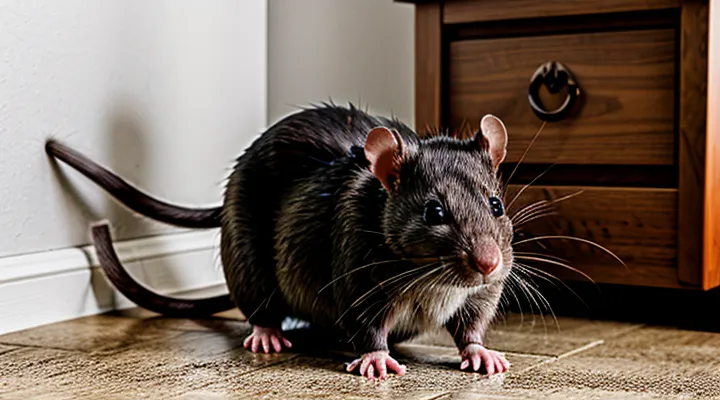
Understanding the Rat Problem
Identifying Rat Infestation Signs
Droppings and Urine Trails
Droppings and urine trails provide the most reliable evidence of rat activity inside a residence. Their presence indicates the location of nests, foraging routes, and potential entry points, allowing targeted intervention rather than random placement of traps or poisons.
Identify the signs promptly. Fresh droppings appear as dark, pellet‑shaped feces about half an inch long; older deposits turn lighter and may crumble. Urine stains manifest as darkened surfaces with a pungent, ammonia‑like odor, often concentrated near walls, cabinets, and appliances. Use a blacklight to detect fresh urine, which fluoresces under ultraviolet light.
Address health hazards immediately. Rat excreta carry pathogens such as Leptospira, Hantavirus, and Salmonella. Direct contact or inhalation of aerosolized particles can cause serious illness. Wear disposable gloves, a mask rated N95 or higher, and protective clothing before handling any contaminated material.
Implement a systematic cleaning protocol:
- Ventilate the area for at least 30 minutes, opening windows and using fans to disperse airborne particles.
- Apply a disinfectant containing at least 0.5 % bleach solution to all visible droppings and urine spots; allow a contact time of 10 minutes.
- Scrub surfaces with a stiff brush, then rinse with clean water.
- Dispose of contaminated rags, paper towels, and gloves in sealed plastic bags; discard according to local hazardous waste guidelines.
After decontamination, seal identified pathways. Install metal flashing or steel wool around gaps, repair damaged vent covers, and eliminate food sources by storing perishables in airtight containers. Continuous monitoring of droppings and urine trails confirms the effectiveness of the eradication measures and signals the need for further action if new evidence appears.
Gnaw Marks and Damage
Rats leave characteristic gnaw marks on wood, plastic, wiring, and insulation. These bite patterns are typically clean, shallow cuts on the edges of objects, often spaced at regular intervals of ¼ to ½ inch. Recognizing such evidence allows homeowners to confirm infestation and prioritize intervention.
Damage caused by chewing presents immediate risks:
- Compromised structural members, such as floor joists and wall studs, can weaken load‑bearing capacity.
- Exposed electrical conductors increase the likelihood of short circuits and fire.
- Breached insulation reduces thermal efficiency and invites moisture intrusion.
- Opened food containers and packaging create additional sources of nourishment, sustaining the population.
Timely identification of gnaw marks enables targeted control measures. Once evidence is documented, the following actions should be taken:
- Seal all entry points larger than a quarter‑inch to prevent further ingress.
- Replace or reinforce damaged structural components to restore integrity.
- Remove and dispose of chewed wiring, then install new, rat‑resistant conduit where feasible.
- Repair or upgrade insulation, ensuring seams are tightly sealed.
- Clean the affected area with a disinfectant to eliminate pathogens deposited by saliva.
Addressing gnaw marks and their associated damage not only curtails the current infestation but also reduces the probability of recurrence by eliminating conditions that support rat survival.
Unusual Noises and Odors
Unusual sounds and odors often indicate a hidden rat problem within a residence. High‑pitched squeaks, scratching on walls, and intermittent thumping at night suggest active burrowing or movement in concealed spaces. A sharp, ammonia‑like smell or a sweet, musky odor points to urine accumulation and nesting material, both of which confirm the presence of a colony.
Identifying these signals allows prompt intervention and prevents further damage. Typical actions include:
- Inspect attic, crawl spaces, and wall voids for entry holes and breeding sites.
- Seal openings larger than ¼ inch with steel wool, metal flashing, or cement.
- Deploy snap traps or electronic devices near noise sources; position bait stations in dark corners where odors linger.
- Clean contaminated areas with enzymatic cleaners to eliminate scent trails that attract survivors.
- Monitor for recurring sounds or smells after treatment; repeat sealing and trapping if activity persists.
Consistent observation of abnormal acoustics and foul smells, combined with targeted sealing and trapping, reduces rat populations and restores a sanitary living environment.
Sightings
Observing rat activity provides the first reliable data for any control program in a private residence. Direct sightings confirm the presence of individuals, while indirect signs—droppings, gnaw marks, gnawed food containers, and greasy pathways—extend the picture of infestation intensity and movement patterns.
When a rat is seen, note the time of day, exact location, and behavior. Rats are primarily nocturnal; daytime encounters often indicate a high population density or a disruption of their normal routine. Repeated sightings in kitchens, pantry shelves, or behind appliances suggest that these areas supply food and shelter, making them priority zones for intervention.
Documenting each observation creates a baseline for measuring progress. A simple log can include:
- Date and hour of sighting
- Room or specific spot (e.g., “behind refrigerator” )
- Number of individuals observed
- Noted activity (e.g., foraging, nesting)
Analyzing the compiled data reveals trends. An increase in nighttime sightings after initial bait placement may signal bait avoidance, prompting a shift to alternative control methods. Conversely, a decline in sightings across multiple rooms indicates that measures are reducing the population.
Sightings also guide the placement of traps and bait stations. Position devices along established pathways, near entry points, and in locations where rats have been directly observed. Adjusting device density based on sighting frequency maximizes contact while minimizing unnecessary exposure to non‑target areas.
Finally, regular monitoring of sightings after treatment confirms eradication success. A period of at least two weeks without any direct or indirect evidence should be considered a clear indicator that the infestation has been effectively eliminated.
Common Rat Species in Private Homes
Norway Rats (Rattus norvegicus)
Norway rats (Rattus norvegicus) are large, omnivorous rodents that thrive in damp basements, crawl spaces, and any area where food, water, and shelter are available. Their brown to black fur, robust body, and keen sense of smell enable them to locate hidden food sources and navigate complex indoor environments.
Common signs of infestation include gnaw marks on wood and wiring, droppings 1‑2 cm long with a pointed tip, grease‑stained runways along walls, and audible scratching noises in concealed spaces. Early detection prevents structural damage and disease transmission.
Effective control measures consist of:
- Sanitation: Eliminate food residues, store pantry items in sealed containers, and promptly clean spills. Remove standing water and maintain dry conditions.
- Exclusion: Seal entry points larger than ¼ inch with steel wool, cement, or metal flashing. Install door sweeps and repair foundation cracks.
- Mechanical trapping: Deploy snap traps or multi‑catch devices along established runways, positioning bait (peanut butter, dried fruit) at the rear. Check traps daily and dispose of captured rats according to local regulations.
- Chemical baiting: Use anticoagulant or non‑anticoagulant rodenticides in tamper‑resistant stations placed away from children and pets. Rotate active ingredients to mitigate resistance.
- Professional intervention: Engage licensed pest‑control operators for large infestations, comprehensive building assessments, and integrated pest‑management plans.
Implement the selected tactics sequentially: begin with sanitation and exclusion, then introduce traps and baits. Monitor activity for at least two weeks, adjusting placement and dosage as needed. Maintain preventive practices to avoid recurrence.
Roof Rats (Rattus rattus)
Roof rats (Rattus rattus) are agile climbers that preferentially inhabit elevated structures such as attics, eaves, and roof spaces. Their long tails and slender bodies enable navigation of narrow gaps, allowing them to enter homes through openings as small as a quarter‑inch. Once inside, they establish nests in insulation, stored materials, or debris, causing damage to wiring, insulation, and stored food.
Typical indicators of a roof‑rat problem include gnaw marks on wood or plastic, greasy smears along walls, droppings measuring ¼‑inch long with pointed ends, and audible scurrying in the upper levels of the house at night. Early detection prevents the rapid expansion of colonies that can reach several dozen individuals within weeks.
Effective control relies on a three‑phase approach: exclusion, population reduction, and habitat modification.
- Exclusion: Seal all entry points larger than ¼‑inch using steel wool, copper mesh, or cement. Install tight‑fitting caps on vent pipes, chimney flues, and utility conduits. Repair damaged soffits and roof sheathing to eliminate access routes.
- Population reduction: Deploy snap traps or electronic traps in active pathways, positioning them perpendicular to walls with the trigger end facing the wall. Bait traps with high‑fat foods such as peanut butter or dried fruit. For larger infestations, consider licensed application of anticoagulant baits, placing them in tamper‑resistant stations away from children and pets.
- Habitat modification: Remove vegetation that contacts the roof, trim tree branches at least 6 feet from the building, and store firewood several feet above ground on a raised platform. Keep storage areas clean, eliminate food spillage, and regularly dispose of garbage in sealed containers.
Monitoring after treatment is essential. Re‑inspect entry points weekly for a month, replace or reposition traps as needed, and maintain a clean environment to discourage re‑infestation. Consistent application of these measures yields lasting elimination of roof rats from private residences.
Prevention Strategies
Sealing Entry Points
Inspecting Foundation and Walls
Inspecting the foundation and exterior walls is a prerequisite for any successful rat control plan in a private residence. Rats exploit gaps, cracks, and utility penetrations to gain access, so identifying and eliminating these entry routes prevents reinfestation after treatment.
- Conduct a systematic walk‑around of the perimeter, focusing on the lower two feet of the foundation and wall surfaces.
- Use a flashlight and a steel probe or awl to test the integrity of mortar joints, brick seams, and concrete cracks.
- Record the location, size, and orientation of every opening larger than ¼ inch.
- Prioritize gaps near vegetation, water sources, and drainage lines, as they provide shelter and food access.
- Apply durable sealing materials: stainless‑steel mesh for large holes, cement‑based mortar for brick fissures, and silicone or expanding foam for irregular cracks.
After sealing, re‑inspect after a 48‑hour interval to verify that no new openings have appeared and that existing repairs remain intact. This disciplined approach eliminates primary access points, reducing the likelihood of future rat activity and supporting long‑term pest‑free conditions.
Securing Vents and Chimneys
Securing vents and chimneys prevents rats from entering the home through these common pathways. Install metal mesh or stainless‑steel screens with openings no larger than ¼ inch over all external vents, including dryer, bathroom, and attic exhausts. Use a durable, heat‑resistant material for chimney flues, fitting a tight‑closing chimney cap that includes a rod or latch to keep it closed when not in use.
Maintain the barriers regularly. Inspect screens for rust, tears, or displacement weekly; replace damaged sections promptly. Clean chimney caps of debris that could create gaps, and verify that the latch mechanism functions smoothly. Seal any gaps around vent frames with silicone caulk or expanding foam to eliminate secondary entry points.
Key actions for rat‑proof vent and chimney protection:
- Fit metal mesh (¼‑inch or smaller) on all exterior vents.
- Attach a chimney cap with a secure closure system.
- Conduct weekly inspections for damage or corrosion.
- Replace compromised screens or caps immediately.
- Seal surrounding gaps with appropriate sealant.
These measures create a physical barrier that blocks rodent access while preserving airflow and ventilation performance.
Repairing Gaps Around Pipes and Wires
Sealing openings around plumbing and electrical conduits eliminates the primary entry points rats exploit to access a home. Without these gaps, rodents cannot travel from exterior walls to interior spaces, reducing the likelihood of infestation and limiting damage to insulation, wiring, and stored food.
Identify all pipe and cable penetrations in walls, floors, and foundations. Inspect for visible cracks, holes, or loose fittings. Pay particular attention to areas where multiple utilities intersect, as these often contain the largest voids.
- Clean the surface of each gap to remove dust, grease, and debris.
- Apply a fire‑rated, rodent‑resistant sealant such as silicone‑based caulk, expanding polyurethane foam, or cement‑based mortar, depending on the material surrounding the opening.
- For gaps larger than ¼ inch, insert metal mesh or steel wool before sealing to reinforce the barrier.
- Smooth the sealant to create a continuous, airtight surface that adheres to both the pipe and the surrounding structure.
- Allow the sealant to cure according to the manufacturer’s instructions before exposing the area to moisture or temperature fluctuations.
Select materials that match the environment: silicone for wet areas, high‑expansion foam for irregular cavities, and cement mortar for concrete foundations. Verify that all products meet local building codes and fire safety regulations.
After completion, conduct a visual audit quarterly. Reapply sealant where shrinkage or cracking occurs, and replace damaged mesh promptly. Maintaining a sealed perimeter around utilities sustains an effective, long‑term barrier against rat intrusion.
Eliminating Food and Water Sources
Proper Food Storage
Proper food storage eliminates one of the most attractive resources for house rats. Secure containers made of metal or heavy‑wall plastic prevent gnawing and keep odors contained. Store all dry goods—cereals, grains, nuts, and pet food—in airtight bins with a tight‑locking lid. Keep the pantry organized so that no food remains exposed on shelves or the floor.
- Transfer opened packages to sealed containers within 24 hours.
- Label containers with purchase dates and rotate stock to use older items first.
- Place containers on shelves, not on the floor, to reduce easy access.
- Install a rubber or silicone gasket on pantry doors to block small entry points.
- Regularly inspect storage areas for spills, crumbs, or damaged packaging and clean immediately.
Eliminating food sources forces rodents to seek nourishment elsewhere, reducing their presence in the dwelling. Consistent application of these storage practices forms a reliable barrier against infestation.
Managing Pet Food
Proper handling of pet food significantly reduces the attraction of rodents to a residence. Food left exposed provides a reliable food source, encouraging rats to establish nests and reproduce.
Key practices for pet food management:
- Store dry kibble in airtight, rodent‑proof containers made of metal or heavy‑wall plastic.
- Keep wet food in sealed, disposable trays; discard leftovers within two hours.
- Feed pets at designated times rather than leaving food continuously available.
- Clean feeding areas after each meal, removing crumbs and spills promptly.
Additional measures reinforce these practices:
- Position feeding stations away from walls and hidden corners where rats can hide.
- Use elevated platforms or pet feeding stations equipped with anti‑rodent guards.
- Inspect storage containers regularly for signs of damage or gnaw marks; replace compromised units immediately.
- Maintain a clean kitchen and pantry, sweeping floors and wiping surfaces to eliminate residual crumbs.
Continuous monitoring ensures effectiveness. Record any signs of rodent activity near feeding zones, and adjust storage or cleaning routines accordingly. Consistent application of these protocols deprives rats of a primary food source, supporting broader eradication efforts within the household.
Repairing Leaks and Standing Water
Rats are drawn to moisture because it supports insects and softens building materials, creating an environment conducive to nesting. Leaking pipes, roof penetrations, and areas of standing water provide the water source rats need to survive, especially during dry periods. Eliminating these water sources removes a critical factor that encourages infestation.
To secure a private residence against rat activity, address leaks and standing water as follows:
- Inspect all plumbing fixtures, including under‑sink connections, toilet bases, and washing‑machine hoses; tighten fittings or replace damaged sections.
- Test the roof for compromised flashing, cracked shingles, or clogged gutters; seal gaps with appropriate roofing sealant and ensure drainage pathways direct water away from the foundation.
- Locate interior condensation points such as basement walls, bathroom exhaust fans, and laundry rooms; install vapor barriers or improve ventilation to prevent moisture buildup.
- Remove exterior standing water by grading soil away from the house, installing French drains, and maintaining functional sump pumps.
- Apply waterproofing compounds to foundation walls and crawl‑space floors; verify that sealant remains intact after seasonal temperature changes.
Regular maintenance reinforces these measures. Schedule quarterly checks of plumbing integrity, monitor humidity levels with a hygrometer, and promptly repair any new signs of moisture. Consistent attention to water control deprives rats of a vital resource, thereby reducing the likelihood of colonization.
Maintaining a Clean Environment
Regular Waste Disposal
Regular waste disposal directly influences rat activity in residential settings. Improperly managed refuse provides food, shelter, and breeding sites, encouraging infestations. Consistent handling of garbage eliminates these resources and reduces the likelihood of rodent entry.
- Store household waste in containers with tight‑fitting lids; inspect seals regularly for damage.
- Remove trash from the property at least once daily; avoid accumulation over weekends or holidays.
- Locate bins at least three meters from the building’s foundation and elevate them on platforms to prevent easy access.
- Clean spills and food residues immediately; use disinfectants that deter rodents.
- Separate compostable material and manage it in a dedicated, rodent‑proof compost bin; turn the pile regularly to discourage nesting.
- Seal all entry points to the waste area, including gaps around utility lines and vent openings.
Maintain a schedule that records collection times and inspection results. Document any signs of rodent activity near waste stations and adjust disposal practices promptly. Consistent execution of these measures sustains a hostile environment for rats and supports broader pest‑control strategies.
Decluttering and Organization
A clutter‑free environment removes shelter and food sources that attract rodents, making it a fundamental component of any rat‑control strategy for a residence.
- Eliminate stored food in open containers; transfer dry goods to airtight, metal‑sealed jars.
- Remove piles of newspaper, cardboard, and fabric that can serve as nesting material.
- Keep pet food in sealed containers and feed pets only at scheduled times, cleaning up leftovers promptly.
- Store seasonal items in elevated, insulated storage units rather than on the floor or in basements.
- Regularly dispose of garbage in containers with tight‑fitting lids, and empty them frequently.
Organize utility areas to maintain clear pathways for inspection and treatment. Install shelving that leaves at least six inches of space between stored items and walls, allowing traps and bait stations to be placed without obstruction. Label boxes with contents and dates to prevent unnecessary accumulation. Conduct quarterly audits of each room, discarding items that have been unused for more than a year.
By systematically reducing clutter and implementing structured storage, homeowners limit the habitats rats require, thereby enhancing the effectiveness of chemical, mechanical, or biological control measures.
Eradication Methods
Trapping Solutions
Snap Traps
Snap traps provide immediate, lethal control of rats when placed correctly. The mechanism consists of a spring‑loaded bar that delivers a rapid strike to the rodent’s neck, ensuring a quick death and minimizing suffering. Construction typically involves a wooden or plastic base, a bait holder, and a trigger plate that releases the spring when the animal applies pressure.
Effective deployment requires attention to rodent behavior. Rats travel along walls, use concealed pathways, and avoid open spaces. Position traps perpendicular to walls, with the trigger plate facing the baseboard. Place them near known activity sites such as droppings, gnaw marks, or entry points. Use a small amount of attractive bait—peanut butter, dried fruit, or fish—applied to the bait holder to entice the animal without allowing it to remove the lure without activating the trap.
Key practices for reliable results:
- Inspect traps daily; replace any that have been triggered or that show signs of tampering.
- Wear disposable gloves when handling traps to prevent scent transfer.
- Dispose of captured rats in sealed plastic bags, then place them in an outdoor trash container.
- Rotate trap locations every few days to prevent rats from learning avoidance patterns.
Advantages include instant kill, low cost, and no reliance on chemicals. Limitations involve the need for regular monitoring and the potential risk of accidental activation by pets or children; therefore, keep traps out of reach of non‑target species. Proper maintenance and strategic placement make snap traps a fundamental component of a comprehensive rat‑removal program in a private residence.
Live Traps
Live traps provide a humane method for removing rats from a residential setting. The device consists of a cage that closes automatically when a rodent triggers a pressure plate or trips a latch. This mechanism captures the animal without causing injury, allowing owners to relocate the pest away from the home.
Effective deployment of live traps follows a systematic approach:
- Select a trap sized for the target species; a 12‑inch cage accommodates adult rats comfortably.
- Position traps along walls, behind appliances, and near known gnawing sites, because rats travel close to vertical surfaces.
- Bait each trap with high‑protein attractants such as peanut butter, dried fruit, or small pieces of raw meat.
- Set the trigger mechanism according to the manufacturer’s instructions, ensuring sensitivity is calibrated to detect a rat’s weight.
- Inspect traps at least twice daily; release captured rats at least five miles from the property to prevent re‑entry.
Safety considerations include wearing gloves when handling traps, disinfecting cages after each use, and securing traps away from children and non‑target wildlife. Local regulations may restrict the release of captured rodents, so verify municipal guidelines before relocation.
Regular monitoring of trap performance helps maintain control. If capture rates decline, adjust bait type, increase the number of traps, or relocate devices to new activity zones. Consistent use of live traps, combined with sealing entry points and eliminating food sources, forms a comprehensive strategy for eliminating rat infestations in a private house.
Electronic Traps
Electronic traps provide a rapid, non‑chemical solution for removing rats from a private residence. The devices deliver a high‑voltage shock that instantly kills the rodent when it contacts a sensor plate. Sensors are calibrated for the size and weight of rats, preventing accidental activation by smaller animals or children. Most models operate on rechargeable batteries or AC power, allowing placement in locations without nearby outlets.
Effective deployment requires strategic positioning. Install traps along walls, behind appliances, and near known gnawing sites, because rats travel close to surfaces. Place the device on a stable surface to maintain sensor alignment; avoid clutter that could obstruct the entry path. For multi‑room infestations, distribute traps evenly to create a network that intercepts movement patterns.
Key benefits of electronic traps include:
- Immediate lethality reduces the chance of disease transmission.
- Reusable design eliminates recurring purchase costs associated with glue boards or snap traps.
- Built‑in containment compartments keep carcasses hidden, simplifying disposal.
- Low noise operation prevents disturbance to household occupants.
Limitations to consider:
- Initial investment is higher than traditional traps.
- Requires periodic battery replacement or charging.
- Effectiveness declines if sensors become dirty; routine cleaning is mandatory.
Maintenance protocol: after each capture, open the sealed compartment, remove the dead rat, and clean the sensor surface with a damp cloth. Reset the device and verify power status before redeploying. Following these steps ensures consistent performance and sustains a rat‑free environment in the home.
Trap Placement Best Practices
Proper trap placement determines the success of rodent control in a residence. Position traps where rats travel, hide, or feed, and avoid areas that reduce contact with the bait.
- Identify active pathways by locating gnaw marks, droppings, and grease trails. Place traps perpendicular to these routes, with the trigger end facing the wall.
- Target concealed zones such as behind appliances, under sinks, inside wall voids, and within attic insulation. These spots correspond to the rodents’ preferred cover.
- Install traps at least 2–3 feet above the floor when using snap or electronic devices, because rats often move along elevated runs. For floor‑level bait stations, keep them flush with the surface to prevent avoidance.
- Secure traps firmly to prevent displacement by the animal or household traffic. Use nails, screws, or adhesive pads as appropriate for the surface material.
- Space multiple traps 10–15 feet apart along continuous walls. Overlap coverage zones to eliminate gaps in the control network.
Check each trap daily, replace consumed bait, and reset or discard devices that have been triggered. Clean and disinfect the area after removal to remove scent cues that could deter further activity. Rotate trap locations every few days to prevent rats from learning safe pathways. Consistent monitoring and systematic repositioning sustain pressure on the population until activity ceases.
Baits and Rodenticides
Types of Rodenticides
Rodenticides are a primary tool for eliminating rats from a residential property. Their classification determines selection, application, and safety protocols.
- Anticoagulant baits: interfere with blood clotting. First‑generation compounds (warfarin, chlorophacinone) require multiple doses; second‑generation agents (bromadiolone, difethialone) act after a single ingestion and are effective against resistant populations.
- Neurotoxic agents: bromethalin disrupts cellular energy production, causing rapid mortality without affecting clotting mechanisms.
- Vitamin‑D derivatives: cholecalciferol induces hypercalcemia, leading to organ failure; it is slower‑acting but presents lower secondary poisoning risk.
- Metal phosphides: zinc phosphide releases phosphine gas in the stomach, producing swift lethal effects; suitable for outdoor bait stations due to strong odor.
Selection criteria include target species, resistance history, presence of non‑target animals, and local regulatory restrictions. Anticoagulants dominate indoor use because of their proven efficacy and low odor, but they demand strict placement to prevent accidental ingestion by pets or children. Neurotoxic and vitamin‑D products are reserved for situations where anticoagulant resistance is confirmed. Metal phosphides are generally confined to exterior applications where ventilation minimizes human exposure.
Proper deployment involves securing bait in tamper‑resistant stations, positioning them along walls, near gnaw marks, and in concealed entry points. Monitoring frequency should be at least every 48 hours; dead rodents must be removed promptly to reduce secondary poisoning. Integration with exclusion methods—sealing gaps, removing food sources, and maintaining sanitation—enhances overall control and prevents re‑infestation.
Safe Bait Station Placement
Proper placement of bait stations is critical for eliminating rodent activity while protecting occupants and pets. Position stations where rats naturally travel, such as along walls, behind appliances, and near food storage areas. Avoid locations that are easily reachable by children or domestic animals; use tamper‑resistant units and secure them to fixed structures.
- Install stations at least 2 feet above ground level or within enclosed boxes designed for rodent control.
- Place bait at least 10 feet from any food preparation surface, pantry, or open trash container.
- Space stations 15–20 feet apart in a linear pattern that follows known runways; adjust spacing in heavily infested zones to 10 feet.
- Mount stations on the interior side of exterior walls, under eaves, or within crawl spaces where moisture and shelter attract rodents.
Maintain a clear record of each station’s location, inspection date, and bait condition. Replace depleted or compromised units promptly. Regularly inspect for signs of tampering, and relocate any station that becomes accessible to non‑target species. By adhering to these placement guidelines, bait stations remain effective and safe throughout the eradication process.
Risks and Precautions for Baits
Using poison baits to control rats in a residential setting carries specific hazards that demand strict management.
Risks associated with bait deployment include:
- Acute toxicity to children, pets, and wildlife that encounter the product directly.
- Secondary poisoning when non‑target animals consume poisoned rats.
- Development of bait aversion or resistance if formulations are rotated improperly.
- Environmental contamination from improper storage or disposal, leading to soil and water exposure.
- Legal liability for violations of local pesticide regulations.
Precautions that eliminate or mitigate these dangers are:
- Install tamper‑resistant bait stations, securing access to authorized personnel only.
- Position stations away from food preparation areas, pet feeding zones, and child‑accessible spaces.
- Select baits with active ingredients approved for indoor use and follow label‑specified concentrations.
- Record bait locations, dates of placement, and quantities used to track exposure and effectiveness.
- Conduct regular inspections to replace depleted units, remove dead rodents, and prevent buildup of hazardous material.
- Train household members on safe handling, emergency procedures, and proper disposal of unused bait and carcasses.
- Verify compliance with municipal pest‑control statutes and retain documentation for regulatory audits.
Adhering to these measures ensures that bait applications remain effective against rat populations while protecting human health, domestic animals, and the surrounding ecosystem.
Natural and Repellent Methods
Essential Oils
Essential oils provide a non‑chemical option for deterring rats that have entered a dwelling. Their strong aromas disrupt the rodents’ scent trails and discourage nesting, making them a practical supplement to conventional control measures.
Effective oils include peppermint, eucalyptus, citronella, clove, and cinnamon. Each oil must be diluted with a carrier such as water or mineral oil before application to avoid staining surfaces and to prolong the scent release.
- Peppermint – mix 10 ml of pure peppermint oil with 500 ml of water; spray along baseboards, behind appliances, and in entry points. Reapply every 48 hours.
- Eucalyptus – combine 8 ml of oil with 400 ml of water; place soaked cotton balls in attic corners and crawl spaces. Replace weekly.
- Citronella – blend 12 ml of oil with 600 ml of water; soak rag strips and hang them in the kitchen and pantry. Refresh every three days.
- Clove – dissolve 5 ml of oil in 200 ml of mineral oil; apply a thin layer to wooden beams and structural supports. Reapply after two weeks.
- Cinnamon – stir 6 ml of oil into 300 ml of water; spray near garbage containers and compost bins. Repeat weekly.
Safety considerations are mandatory. Oils should be kept away from children and pets; direct skin contact can cause irritation. Ventilate rooms after each application to prevent respiratory discomfort. Essential oils do not eliminate existing infestations; they function as a repellent that reduces rat activity while trapping or extermination methods address the population directly.
Integrating essential oil repellents with sealing entry gaps, proper waste management, and, when necessary, professional rodent control creates a comprehensive strategy for managing rat problems in a private residence.
Ultrasonic Devices
Ultrasonic devices emit high‑frequency sound waves that rodents cannot tolerate. The emissions typically range from 20 kHz to 65 kHz, a spectrum inaudible to humans but disruptive to rat hearing and nervous systems. When a rat enters the projected zone, the rapid oscillations cause disorientation, loss of balance, and avoidance behavior, prompting the animal to vacate the area.
Effectiveness depends on several technical factors:
- Frequency selection: Devices that alternate between multiple frequencies reduce the chance of rodents adapting to a single tone.
- Power output: Sufficient decibel levels (generally 100 dB at 1 m) are required to penetrate walls, insulation, and furniture.
- Coverage area: Manufacturers specify square footage; multiple units may be needed for larger homes or multi‑level layouts.
- Placement: Install devices near entry points, concealed pathways, and nesting sites; avoid direct contact with metal surfaces that can reflect or absorb sound.
- Continuous operation: Constant emission maintains a hostile environment; intermittent cycles can diminish deterrence.
Advantages include silent operation for occupants, absence of chemicals, and minimal maintenance—most units require only periodic battery replacement or connection to a stable power source. Limitations involve reduced efficacy in heavily insulated or cluttered spaces, and documented cases of rats habituating after prolonged exposure. To mitigate habituation, rotate devices, adjust frequencies, or combine ultrasonic units with physical barriers, traps, and sanitation measures.
Regular inspection ensures the devices remain functional: verify indicator LEDs, test for audible hum (a sign of malfunction), and replace batteries according to the manufacturer’s schedule. Document the locations and settings of each unit to facilitate systematic coverage and future adjustments.
Integrating ultrasonic technology with complementary control strategies—such as sealing entry gaps, eliminating food sources, and deploying snap or live traps—creates a layered defense that maximizes the probability of complete rat removal from a private residence.
Natural Predators (e.g., cats, owls)
Natural predators can lower rat numbers inside a residence without chemicals or traps.
Domestic cats are the most accessible option. Choose a healthy, spayed/neutered animal that spends time outdoors but returns to the house each night. Provide a safe shelter, regular veterinary care, and a balanced diet to keep the cat motivated to hunt. Monitor the cat’s activity to avoid accidental injury to non‑target wildlife.
Barn owls and short‑eared owls excel at nocturnal rodent control. Install a sturdy nesting box 10–15 feet above ground, facing a clear flight corridor away from bright lights. Position the box near open fields, wooded edges, or garden borders where rats travel. Verify local regulations before attracting raptors, and keep the area free of perches that could attract unwanted predators.
Other natural hunters include hawks, snakes, and feral ferrets. Legal restrictions often apply; consult wildlife agencies before encouraging these species. Ensure that any introduced predator does not pose a risk to children, pets, or the structural integrity of the home.
Integrating predators with sanitation, sealing entry points, and limited trapping maximizes results.
Practical steps
- Select an indoor/outdoor cat, provide regular health checks.
- Install an owl nesting box at the recommended height and orientation.
- Verify legality of attracting hawks, snakes, or feral ferrets in the locality.
- Eliminate food sources: store waste in sealed containers, clean up crumbs.
- Seal cracks, vents, and gaps larger than ¼ inch to prevent re‑entry.
- Conduct monthly inspections of predator activity and structural defenses.
Combining biological pressure with habitat management creates a sustainable reduction in rat presence for private homes.
Post-Eradication Measures
Sanitation and Cleanup
Disposing of Carcasses
Disposing of rat carcasses is a critical component of any comprehensive rodent‑control program in a home. Improper handling can attract predators, spread disease, and undo the benefits of other eradication measures.
- Wear disposable nitrile gloves and a mask to prevent direct contact with bodily fluids.
- Place the dead animal in a sealed, leak‑proof bag; double‑bag for added security.
- Store the sealed bag in a locked, insulated container (e.g., a freezer) if immediate disposal is not possible.
- Contact a licensed pest‑removal service or municipal waste authority to arrange prompt pickup or incineration.
- If local regulations permit, bury the carcass at least 12 inches deep, away from water sources, utility lines, and food‑storage areas; use a heavy‑duty burial container to prevent scavenger access.
After removal, disinfect the area with a registered rodent‑specific sanitizer, then wash hands thoroughly with soap and water. Maintaining these procedures eliminates residual contamination and reduces the likelihood of re‑infestation.
Cleaning Contaminated Areas
Cleaning areas contaminated by rodents is a critical step in any rodent‑control program for a private residence. Residues left by rats—urine, droppings, and nest material—contain pathogens that attract additional pests and can compromise the health of occupants. Removing these contaminants eliminates food sources, reduces disease risk, and creates an environment where traps and baits function more effectively.
The cleaning process should follow a systematic protocol:
- Wear protective gear. Use gloves, disposable coveralls, goggles, and a respirator rated for particulate matter to prevent exposure to harmful microbes.
- Ventilate the space. Open windows and run exhaust fans for at least 15 minutes before beginning work to disperse airborne particles.
- Contain the area. Seal off doors and vents with plastic sheeting to prevent dust from spreading to other rooms.
- Remove debris. Collect nests, shredded insulation, and any visible droppings with a disposable scoop or vacuum equipped with a HEPA filter. Place all material in sealed, biohazard‑rated bags.
- Disinfect surfaces. Apply an EPA‑approved rodent‑specific disinfectant or a 1:10 dilution of household bleach to all hard surfaces, including countertops, cabinets, and floor edges. Allow the solution to remain on the surface for the manufacturer‑specified contact time.
- Clean porous materials. If upholstery, curtains, or insulation are heavily soiled, discard them; otherwise, steam‑clean using a temperature of at least 160 °C to destroy residual pathogens.
- Dispose of waste properly. Seal bags, label them as contaminated, and transport them to a licensed hazardous‑waste facility or follow local regulations for rodent waste disposal.
After cleaning, conduct a visual inspection to confirm that no droppings or gnaw marks remain. Re‑seal any entry points discovered during the process, and schedule regular inspections to maintain a clean, rodent‑free environment.
Long-Term Monitoring
Regular Inspections
Regular inspections form the backbone of any successful rat‑control program in a residence. By systematically surveying the property, owners can detect early signs of infestation, verify the effectiveness of previous measures, and prevent new incursions before they become severe.
Inspectors should focus on the following areas:
- Entry points: gaps around doors, windows, utility lines, and foundation cracks less than ¼ inch wide. Seal identified openings with steel wool, metal flashing, or cement.
- Food sources: uncovered trash bins, pet food left outdoors, and spillage in pantries or under appliances. Remove or store items in sealed containers.
- Nesting sites: piles of firewood, cluttered storage rooms, attic insulation, and behind appliances. Clear debris, elevate stored materials, and replace damaged insulation.
- Droppings and gnaw marks: dark, pellet‑shaped feces near walls, along baseboards, or in hidden corners. Document locations to map activity patterns.
- Traps and bait stations: check functionality, reposition if capture rates decline, and replace expired bait.
A practical inspection schedule includes:
- Initial comprehensive survey – conduct before any control actions to establish a baseline.
- Monthly walkthroughs – brief visual checks of high‑risk zones, focusing on new damage or signs of activity.
- Quarterly deep reviews – thorough examination of all structural elements, including roof eaves and crawl spaces, with measurement of any new openings.
Documentation is essential. Record date, inspected area, findings, and corrective actions in a logbook or digital spreadsheet. Consistent entries enable trend analysis, allowing owners to adjust sealing methods, reposition traps, or increase monitoring frequency.
Integrating regular inspections with other eradication tactics—such as trapping, baiting, and habitat modification—creates a feedback loop. Each inspection validates whether existing measures are suppressing the population or requires escalation. Failure to maintain this routine often results in unnoticed growth, leading to costly damage and health risks.
Maintaining Prevention Measures
Maintaining robust prevention measures is essential for long‑term control of rodent activity in a private residence. Once an infestation is eliminated, continuous vigilance prevents re‑entry and reduces the likelihood of future damage.
- Inspect the building envelope quarterly; seal cracks, gaps around pipes, vents, and foundation with steel wool, caulk, or metal flashing.
- Store all food in airtight containers; clean countertops and floors daily to eliminate crumbs.
- Keep garbage in sealed bins; remove waste from the property at least every 24 hours.
- Trim vegetation away from the house; maintain a clear perimeter of at least two feet to deny rodents shelter.
- Install door sweeps on exterior doors; ensure windows and screens are intact and free of tears.
- Maintain traps and bait stations according to manufacturer guidelines; replace worn components promptly.
- Conduct biannual professional inspections to verify that structural defenses remain effective.
Document each preventive action in a logbook, noting dates, locations, and any repairs performed. Review the record regularly to identify patterns and address emerging vulnerabilities before they become infestations.