
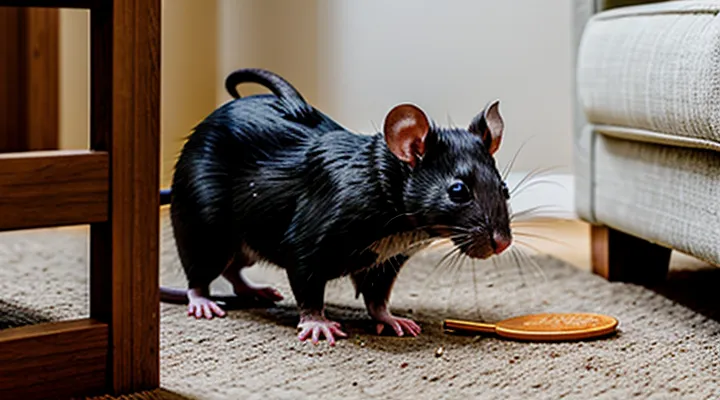
Understanding the Rat Problem
Identifying Rat Infestations
Signs of Rats
Detecting a rat problem early prevents extensive damage and health hazards in a private residence. Visible evidence, odor, and auditory cues provide reliable confirmation of infestation.
- Dark, pellet‑shaped droppings about one centimeter long, typically found along walls, under appliances, or near food sources.
- Gnaw marks on wood, plastic, or wiring, characterized by clean, crescent‑shaped teeth impressions.
- Nests constructed from shredded paper, insulation, or fabric, often located in hidden corners, attics, or crawl spaces.
- Grease or oily tracks on walls and floors, left by a rat’s oily tail secretions.
- Fresh urine stains that appear as yellowish spots, sometimes accompanied by a strong musky odor.
- Scratching or scurrying sounds, especially at night, emanating from ceilings, walls, or behind baseboards.
Frequent inspection of these indicators, particularly in areas where food is stored or waste accumulates, enables prompt intervention. Recognizing multiple signs together strengthens confidence in the diagnosis and informs the selection of appropriate control measures.
Common Entry Points
Rats gain access to a private residence through a limited set of structural weaknesses. Identifying and sealing these openings is a prerequisite for any successful control program.
- Gaps around exterior doors, especially beneath weather‑stripping or where hinges are exposed.
- Cracks and seams in the foundation, including gaps around utility penetrations and pipe sleeves.
- Openings around windows, vents, and eaves, particularly when screens are damaged or missing.
- Openings at the roofline, such as gaps around chimneys, skylights, and soffit vents.
- Unsealed gaps around plumbing stacks, dryer vents, and cable entries.
- Holes in siding, soffits, or fascia boards where wood is rotted or fasteners are loose.
- Spaces beneath crawl‑space access doors or interior stairwell doors that lack proper weather‑stripping.
A systematic inspection should begin at the ground level, progress upward to the roof, and include all utility entries. Seal each identified opening with durable materials—steel wool, copper mesh, or cement‑based caulk—followed by a weather‑proof barrier such as metal flashing or heavy‑duty sealant. Regular maintenance of these seals prevents re‑entry and supports long‑term rat exclusion.
Types of Rats
Norway Rats
Norway rats (Rattus norvegicus) are the most common rodent encountered in residential properties. They thrive in basements, crawl spaces, and areas with abundant food and water. Their burrowing behavior can undermine foundations, while gnawed wiring creates fire hazards.
Typical indicators of an infestation include:
- Fresh droppings, 1‑2 cm long, dark with a light rim, found along walls, behind appliances, and in storage boxes.
- Gnaw marks on wood, plastic, and electrical cables, often at a 45‑degree angle.
- Grease trails or oily smears along baseboards and behind furniture.
- Audible scratching or scurrying noises, especially at night.
Effective control combines three core actions: exclusion, population reduction, and habitat modification.
-
Exclusion – Seal all entry points larger than ¼ inch. Use steel wool, copper mesh, or cement to block cracks around pipes, vents, and foundation walls. Install self‑closing door sweeps and repair damaged screens.
-
Population reduction – Deploy snap traps or electronic kill traps in active zones. Place bait stations with anticoagulant rodenticides where local regulations permit; position them out of reach of children and pets. Rotate trap locations to prevent habituation.
-
Habitat modification – Eliminate food sources by storing pantry items in airtight containers, cleaning crumbs promptly, and securing garbage bins with tight lids. Reduce water availability by fixing leaks, draining standing water, and drying damp areas. Remove clutter, especially cardboard and fabric piles, to limit nesting sites.
Regular monitoring reinforces success. Inspect trap placements weekly, record catch numbers, and re‑seal any newly discovered openings. A systematic approach that integrates these measures yields lasting elimination of Norway rats from a private dwelling.
Roof Rats
Roof rats (Rattus norvegicus) thrive in attics, eaves and roof cavities where they find shelter and easy access to food. Their slender bodies enable movement through openings as small as ½ inch, making thorough inspection essential. Look for droppings (dark, rice‑shaped pellets), gnaw marks on wiring, and greasy smears along beams. Early detection prevents extensive damage to insulation, electrical systems and stored goods.
Effective control follows a three‑phase approach: exclusion, population reduction, and habitat management.
- Exclude entry points. Seal gaps larger than ¼ inch with steel wool, metal flashing or cement. Pay special attention to roof vents, soffit cracks, chimney crowns and utility penetrations. Install a continuous metal flashing strip around the roof perimeter to deter re‑entry.
- Reduce the existing population. Deploy snap traps or electronic traps in active runways, positioning them perpendicular to walls. Use bait such as peanut butter, dried fruit or canned fish. Place traps near known droppings and replace them daily. For larger infestations, consider professional placement of anticoagulant bait stations, following local regulations.
- Manage the environment. Remove food sources by storing pantry items in sealed containers, cleaning up fallen fruit, and trimming tree branches that contact the roof. Keep gutters clear to eliminate water sources that attract rodents.
Regular monitoring after treatment confirms success. Inspect traps weekly, re‑seal any newly discovered openings, and maintain sanitation practices year‑round. Combining physical barriers with targeted trapping creates a reliable solution for eradicating roof rats from a private dwelling.
Prevention Strategies
Sealing Entry Points
Inspecting Your Home
A thorough inspection identifies entry points, nesting sites, and food sources that sustain a rat population. Begin at the exterior, walking the perimeter while noting gaps larger than ¼ inch in siding, foundation cracks, and unsealed utility openings. Seal each opening with steel wool, copper mesh, or cement‑based caulk; replace damaged vent screens and install door sweeps.
Inside the house, examine attic rafters, wall cavities, and under‑floor spaces for droppings, gnaw marks, and shredded insulation. Use a flashlight and a handheld mirror to view concealed areas. Record locations of evidence on a simple diagram to prioritize treatment zones.
Assess the kitchen and pantry for unsecured food containers, spills, and overflowing trash cans. Store dry goods in airtight containers, clean crumbs promptly, and position garbage bins with tight‑fitting lids away from walls.
Maintain a regular schedule: inspect exterior seals quarterly, and conduct a detailed interior survey monthly during peak rodent activity (spring and fall). Document findings and corrective actions to track progress and prevent re‑infestation.
Materials for Sealing
Effective rat control in a private residence requires sealing every potential entry point. Durable, non‑chewable barriers prevent rodents from accessing the interior and complement trapping or baiting strategies.
Common sealing materials include:
- Steel wool, tightly packed into gaps and secured with caulk.
- Copper or stainless‑steel mesh (hardware cloth) with openings no larger than ¼ inch.
- Expanding polyurethane foam, applied to larger voids and trimmed after curing.
- Concrete or mortar for sealing cracks in foundations and walls.
- Silicone or acrylic caulk for gaps around pipes, ducts, and window frames.
- Metal flashing or sheet metal for reinforcing openings in vents and soffits.
When applying these products, ensure surfaces are clean and dry, press the barrier firmly into the opening, and verify that no gaps remain. Regular inspection of sealed areas helps maintain an impenetrable barrier against future infestations.
Maintaining a Clean Environment
Food Storage
Secure food storage is essential for preventing rodent infestations in residential properties. Containers must be made of heavy‑gauge plastic, metal, or glass with airtight seals; thin or damaged lids allow rats to sniff and gnaw through. Store all dry goods—cereals, grains, pet food, and snacks—on shelves away from walls, and keep the floor clear to eliminate hiding places. Inspect containers regularly for cracks or compromised seals, and replace any that show signs of wear.
Implement the following measures to maintain a rat‑proof pantry:
- Use sealed, lockable cabinets for bulk items; avoid open bags or boxes.
- Label each container with the date of purchase and rotate stock to use older supplies first.
- Keep the pantry temperature low; rats prefer warm, humid environments.
- Install a metal or solid‑core door sweep to block entry points under doors.
- Position trash bins with tight‑fitting lids outside the food storage area; empty them daily.
By enforcing strict storage protocols, homeowners remove the primary attractant for rodents, significantly reducing the likelihood of an infestation.
Waste Management
Proper waste handling is essential for preventing rat infestations in a private residence. Food residues and improperly stored garbage attract rodents, providing a reliable food source that encourages nesting and breeding. Managing waste effectively removes this incentive and supports broader pest‑control measures.
Key practices include:
- Use airtight containers for all food waste, ensuring lids seal tightly.
- Position trash cans away from the house, on a non‑porous surface, and keep them closed at all times.
- Empty indoor bins daily; schedule weekly removal for outdoor receptacles.
- Eliminate standing water in and around waste areas; dry containers prevent moisture‑seeking rodents.
- Store compost in a sealed, rodent‑proof bin, and turn it regularly to discourage burrowing.
- Clean spills immediately, wiping down countertops, floors, and appliance surfaces after food preparation.
- Keep pet food in sealed containers and avoid leaving leftovers overnight.
Regular inspection of waste storage areas for signs of gnawing, droppings, or burrows helps detect early activity. Promptly repair any damaged lids or cracks in bins, and replace worn seals. By maintaining strict waste hygiene, homeowners reduce the primary attractant for rats and create an environment hostile to their survival.
Outdoor Prevention
Landscaping Tips
Landscaping directly influences rodent activity around a residence. Proper garden design reduces shelter, food sources, and travel routes that attract rats, complementing interior control measures.
- Keep grass trimmed to 2–3 inches; short turf eliminates cover for nesting.
- Remove leaf litter, woodpiles, and debris within 10 ft of the house; these materials provide hiding places.
- Install a hard, sloped border of stone, gravel, or concrete around the foundation; this creates a barrier that rodents cannot climb easily.
- Position compost bins on raised platforms with tight‑fitting lids; secure placement prevents rats from accessing organic waste.
- Plant low‑maintenance shrubs with dense foliage at least 3 ft away from the building; spacing discourages rats from using vegetation as a bridge to the structure.
- Ensure irrigation systems do not create standing water; excess moisture attracts insects, which in turn draw rats.
- Prune trees and vines so branches do not touch the roof or walls; direct contact offers a pathway for entry.
Regular maintenance of these landscape elements sustains an environment hostile to rats, reducing the likelihood of infestation and supporting overall pest‑management strategies.
Securing Outdoor Structures
Rats exploit gaps, openings, and clutter in external buildings, using them as shelter and pathways to the interior. Securing sheds, garages, decks, and fences removes these access points and interrupts the rodents’ movement corridor.
- Inspect all outdoor structures for holes larger than ¼ inch; fill with steel wool, concrete, or metal mesh.
- Install tight‑fitting doors with self‑closing hinges; add weather‑stripping to eliminate gaps.
- Elevate storage platforms at least 12 inches above ground to prevent burrowing.
- Store firewood, tools, and other materials on pallets, keeping them away from walls.
- Trim vegetation within two feet of structures; maintain a clear perimeter to reduce cover.
- Use metal flashing on roof edges and eaves to block climbing routes.
- Apply rodent‑proof vent covers and seal utility penetrations.
Regularly review the condition of seals, replace damaged components, and keep the area free of debris. Continuous vigilance sustains the barrier, reducing the likelihood of rat infestation throughout the property.
Effective Rat Extermination Methods
Trapping Methods
Snap Traps
Snap traps are a mechanical solution that kills rats instantly by delivering a rapid, high‑force impact to the neck or spine. The device consists of a spring‑loaded bar, a trigger mechanism, and a concealed bait compartment. When a rat contacts the trigger, the spring releases, driving the bar forward with sufficient velocity to cause immediate fatal injury, eliminating the need for poison or prolonged suffering.
Placement determines success. Position traps along walls, behind appliances, in attics, and near known runways. Rats travel close to surfaces; aligning the trap with the wall edge maximizes contact with the trigger. Install traps perpendicular to the wall, with the trigger facing the expected direction of travel. Avoid areas with heavy foot traffic to reduce accidental activation.
Effective bait includes high‑protein items such as peanut butter, bacon grease, or dried fruit. Apply a small amount—no more than a pea‑sized dollop—to the trigger platform. Refresh bait daily to maintain scent strength. If traps remain untouched after 48 hours, relocate them to a different runway or replace the bait.
Safety measures protect occupants and pets. Use traps with enclosed chambers that conceal the spring mechanism, reducing the risk of accidental contact. Place traps out of reach of children and domestic animals, preferably in sealed rooms or behind protective barriers. Wear gloves when handling traps to prevent imprint transfer that could deter rats.
Maintenance involves regular inspection. Remove dead rodents promptly, dispose of them in sealed bags, and clean the trap with mild detergent to eliminate odor. Replace the spring or the entire trap after several captures, as repeated use diminishes force. Store unused traps in a dry environment to prevent rust.
Advantages of snap traps:
- Immediate lethal result, no secondary poisoning risk.
- Low cost per unit, suitable for extensive infestations.
- No chemical residues, safe for food‑storage areas.
- Reusable after proper cleaning and spring replacement.
Limitations:
- Requires precise placement and regular monitoring.
- Potential for non‑target capture if not secured properly.
- May be less effective in high‑traffic indoor spaces where accidental triggers are likely.
When integrated into a comprehensive rodent management plan—combined with sealing entry points, sanitation, and habitat reduction—snap traps provide a reliable, rapid method to eradicate rats from a private residence.
Live Traps
Live traps capture rodents without causing injury, allowing homeowners to remove them from the property. The devices consist of a cage, a trigger mechanism, and a secure latch that closes when the animal enters.
- Choose a trap sized for Norway or roof rats; cages should be at least 12 × 8 × 8 inches.
- Position traps along walls, behind appliances, in basements, and near known gnawing sites; rats prefer travel routes close to vertical surfaces.
- Bait with high‑protein items such as peanut butter, dried fruit, or small pieces of cooked meat; place bait on the trigger plate to ensure activation.
- Set the latch so that the door snaps shut when the rat pulls the trigger; test each trap before deployment.
- Inspect traps daily; remove captured rats promptly to prevent stress and possible disease transmission.
- Release captured rodents at least 2 miles away from the residence, preferably in a wooded area where they cannot return.
Advantages of live trapping include humane capture, avoidance of poison hazards, and the ability to identify the exact species present. Limitations involve the need for regular monitoring, potential escape if the latch fails, and the responsibility of relocating captured animals in compliance with local wildlife regulations.
Proper sanitation enhances trap success: seal food containers, repair structural gaps, and eliminate water sources. Combining live traps with exclusion measures—such as sealing entry points and maintaining a clean environment—provides a comprehensive, non‑lethal strategy for reducing rat populations in a private dwelling.
Electronic Traps
Electronic traps deliver a high‑frequency pulse that instantly disables a rodent’s nervous system. The device contains a metal plate that detects the animal’s presence through a conductive circuit; when contact is made, a capacitor discharges, producing a lethal shock within milliseconds. This method eliminates rats without poison, preventing secondary hazards such as contaminated food or secondary poisoning of pets.
Key factors for selecting an effective electronic trap include:
- Voltage rating of at least 5,000 V to ensure rapid incapacitation.
- Battery‑operated models for placement in areas without easy access to power outlets.
- Built‑in indicator lights or audible alerts that confirm a kill, allowing timely removal of carcasses.
- Durable housing resistant to weather and rodent chewing, suitable for indoor closets, basements, or attics.
Installation best practices involve positioning the device along established runways, typically near walls, behind appliances, or adjacent to waste containers. Ensure the trigger plate is flush with the floor to avoid false activations. After each kill, dispose of the body in a sealed bag, clean the plate with a mild disinfectant, and verify that the battery retains sufficient charge. Regularly inspect the unit for damage or corrosion; replace batteries according to the manufacturer’s schedule to maintain consistent performance.
Proper Trap Placement
Proper trap placement determines whether a rat control effort succeeds or fails. Position traps along established rodent pathways, such as walls, baseboards, and the edges of closets. Place devices perpendicular to the wall, with the entry side facing the wall, because rats naturally run close to surfaces for safety. Locate traps near food sources, but keep a clear distance of at least 12 inches to prevent premature bait avoidance. Install traps in concealed areas—behind appliances, under sinks, and within attics—where rodents seek shelter. Ensure each trap is anchored securely to prevent displacement by curious pets or the target animal.
Key placement guidelines:
- Identify high‑traffic routes by observing droppings, gnaw marks, and grease trails.
- Set traps 1–2 feet apart along these routes to create a continuous barrier.
- Use snap or electronic traps for rapid kill; place live‑catch traps only where humane removal is planned.
- Replace bait daily to maintain freshness and attractivity.
- Monitor traps at least once every 12 hours; remove dead rodents promptly to avoid secondary infestations.
By adhering to these precise positioning rules, homeowners maximize trap efficiency, reduce the likelihood of missed infestations, and achieve faster, reliable rat eradication.
Baits and Poisons
Types of Rodenticides
Rodenticides represent a core component of any residential rat‑control program. Selecting the appropriate formulation balances efficacy, safety for non‑target organisms, and regulatory compliance.
- First‑generation anticoagulants (e.g., warfarin, chlorophacinone). Require multiple feedings, lower toxicity to pets, and are effective against susceptible populations.
- Second‑generation anticoagulants (e.g., bromadiolone, brodifacoum). Operate after a single exposure, provide rapid mortality, but demand strict placement to prevent accidental poisoning.
- Bromethalin. Acts as a neurotoxin, disrupting mitochondrial function. Effective against anticoagulant‑resistant rats; limited by higher toxicity to wildlife.
- Cholecalciferol (vitamin D3). Induces hypercalcemia leading to organ failure. Low secondary poisoning risk, suitable for indoor use where bait stations are sealed.
- Zinc phosphide. Releases phosphine gas upon ingestion, causing rapid cellular collapse. Primarily used in outdoor baiting; requires airtight containers to avoid gas exposure.
- Anticoagulant‑bromadiolone blends. Combine mechanisms to address resistance, offering flexibility in bait rotation.
When deploying rodenticides, follow these principles:
- Locate bait stations along walls, near gnaw marks, and in concealed areas where rats travel.
- Use tamper‑resistant containers to protect children, pets, and wildlife.
- Rotate active ingredients every 4–6 weeks to prevent resistance buildup.
- Record placement locations and monitor bait consumption weekly.
- Dispose of dead rodents and unused bait according to local hazardous‑waste regulations.
Integrating these chemical agents with sanitation, exclusion, and trapping creates a comprehensive approach that maximizes rat eradication while minimizing unintended impacts.
Safe Use and Placement
When deploying rodent control measures, prioritize devices that minimize health risks to occupants and pets. Place traps along established runways—typically near walls, behind appliances, and in concealed corners—where rats travel. Ensure bait stations are secured with tamper‑resistant locks and positioned at least 2 feet above floor level to prevent accidental contact by children or animals.
Select products approved by relevant health authorities. Follow manufacturer dosage instructions precisely; over‑application can increase toxicity without improving efficacy. Store all chemicals in a locked cabinet, separate from food supplies, and label containers with clear hazard warnings.
Maintain a clean environment to support the effectiveness of control tools. Remove food debris, seal garbage containers, and repair structural gaps larger than ¼ inch. Regularly inspect and replace traps or baits according to a schedule that reflects observed activity levels.
Key practices for safe deployment:
- Use snap traps or electronic devices in high‑traffic zones; avoid poison where non‑target species may encounter it.
- Install bait stations at least 30 cm from pet feeding areas.
- Keep a log of placement dates, locations, and inspection results to track progress and adjust strategies promptly.
Risks to Pets and Children
Rats pose a direct threat to household animals and children through disease transmission, physical injury, and accidental poisoning. Rodent‑borne pathogens such as leptospirosis, salmonellosis, and hantavirus can be transferred via urine, droppings, or contaminated food, leading to severe gastrointestinal or respiratory illnesses in pets and youngsters. Bites or scratches from aggressive rats may cause puncture wounds that become infected if not promptly treated.
Common rat‑control tactics introduce additional hazards:
- Anticoagulant baits: secondary poisoning occurs when a dog, cat, or child ingests a partially consumed pellet or a dead rodent.
- Snap traps and glue boards: risk of accidental activation, resulting in lacerations or claw injuries.
- Rodenticides applied outdoors: runoff can contaminate garden soil and water sources frequented by pets and children.
- Ultrasonic devices: emit high‑frequency sounds that may cause stress or hearing discomfort in small animals.
Mitigation requires securing all toxic substances in locked containers, placing traps out of reach, and monitoring areas where rodents are active. Regular veterinary checks and pediatric health assessments should follow any suspected exposure.
Natural and DIY Solutions
Peppermint Oil
Peppermint oil is a natural rodent deterrent that can be incorporated into a comprehensive rat‑control plan for a private residence. Its strong menthol scent interferes with rats’ sensory receptors, causing discomfort and prompting avoidance of treated areas.
The oil’s volatility allows it to disperse quickly, creating an environment that rats find inhospitable. Unlike chemical poisons, peppermint oil poses minimal risk to humans and pets when applied correctly, making it suitable for indoor use in kitchens, basements, and attics.
Application guidelines
- Dilute 10–15 drops of peppermint essential oil in 250 ml of water; add a few teaspoons of mild dish soap to emulsify.
- Soak cotton balls or cloth strips in the solution and place them in known rat pathways, near entry points, and around food storage zones.
- Replace treated materials every 3–4 days to maintain potency, especially in high‑traffic areas.
- For larger spaces, use a spray bottle to mist walls, corners, and baseboards, allowing the surface to dry before re‑entry.
Safety considerations include avoiding direct skin contact with undiluted oil and ensuring adequate ventilation during application. Rats may become accustomed to a single scent source; rotating peppermint oil with other strong odors (e.g., eucalyptus or clove) enhances long‑term efficacy.
When used alongside structural exclusion measures—such as sealing gaps, removing clutter, and securing food containers—peppermint oil contributes to a reduced rat presence without reliance on toxic chemicals.
Ammonia
Ammonia serves as a chemical deterrent against rodents when applied correctly in a private dwelling. Its strong, pungent odor overwhelms the sensitive olfactory receptors of rats, causing them to avoid treated areas. The compound does not kill the animals but creates an inhospitable environment that interrupts foraging and nesting behavior.
Effective deployment requires the following steps:
- Dilute household ammonia with water at a 1:1 ratio to reduce corrosiveness while preserving odor intensity.
- Soak absorbent cloths or cotton balls in the solution and place them in known entry points, such as gaps around doors, windows, and utility openings.
- Distribute additional soaked materials near food storage areas, pantry shelves, and under appliances where rodents commonly travel.
- Replace the cloths every 48 hours to maintain odor potency; discard used materials in a sealed container.
Safety considerations are mandatory. Wear protective gloves and eye protection during preparation and placement. Ensure adequate ventilation to prevent respiratory irritation for occupants. Keep ammonia away from children, pets, and open flames, as the vapors are flammable and can cause skin burns.
Ammonia works best as part of an integrated pest‑management plan that includes sealing structural entry points, eliminating food sources, and employing traps where necessary. When combined with these measures, the chemical’s repellent properties contribute to a noticeable reduction in rat activity within the home.
Other Repellents
Ultrasonic emitters generate high‑frequency sound that rodents find uncomfortable. Devices should be placed in each room where activity is observed, with a clear line of sight to walls and ceilings. Models offering adjustable frequencies and timers provide flexibility for different infestation levels.
Essential oils such as peppermint, eucalyptus, and citronella act as chemical deterrents. Dilute the oil in water (approximately 10 ml per liter) and spray around entry points, food storage areas, and known pathways. Reapply weekly, or after cleaning, to maintain potency.
Predator‑based products mimic the scent of natural enemies. Commercially available granules or sachets contain fox, coyote, or owl urine extracts. Distribute them near burrows, under decks, and in crawl spaces. Replace every three months to prevent habituation.
Rodent‑repellent plants can be incorporated into landscaping. Strongly scented herbs—mint, rosemary, and lavender—should be planted along foundation walls and near outdoor waste containers. Trimming regularly ensures foliage remains dense enough to emit sufficient aroma.
Physical barriers complement chemical methods. Stainless‑steel mesh (¼‑inch opening) installed over vents, gaps, and utility openings blocks entry without harming the animal. Seal any cracks larger than 1/8 inch with steel wool followed by caulk to prevent re‑infestation.
When selecting any repellent, verify that the product is approved for indoor use and does not pose health risks to humans or pets. Combine at least two of the above approaches for a layered defense that reduces reliance on lethal control measures.
Post-Extermination Measures
Cleaning and Sanitation
Disinfecting Contaminated Areas
Disinfecting areas contaminated by rodents is essential after removal to prevent disease transmission and deter re‑infestation. Clean surfaces with hot water and detergent to eliminate organic residue, then apply an EPA‑registered disinfectant proven effective against bacterial and viral pathogens commonly carried by rats.
- Choose a disinfectant labeled for rodent‑borne pathogens (e.g., quaternary ammonium compounds, bleach solutions at 1 % concentration).
- Wear disposable gloves, goggles, and a mask to avoid direct contact with contaminants.
- Saturate the affected surface, allow the recommended contact time (usually 5–10 minutes), then rinse if required by the product label.
- Dispose of cleaning cloths and mop heads in sealed bags; treat them as biohazard waste.
After disinfection, allow the area to dry completely. Replace any damaged insulation, wiring, or structural components before sealing entry points, ensuring the environment remains inhospitable to future rodent activity.
Removing Carcasses Safely
Removing dead rodents promptly prevents disease spread, deters scavengers, and eliminates odors that attract surviving pests. Follow a structured protocol to protect health and maintain a sanitary environment.
- Personal protection – wear disposable gloves, a mask rated N95 or higher, and eye protection. Change gloves after each carcass and wash hands thoroughly with soap and water.
- Containment – place each carcass in a sealable plastic bag. Double‑bag to prevent leakage. If multiple carcasses are present, keep them separate from household waste.
- Disinfection – spray the bag’s exterior with a broad‑spectrum disinfectant (e.g., 1 % bleach solution). Allow contact time recommended by the product label before handling further.
- Removal – transport sealed bags to a municipal hazardous‑waste collection point or an approved animal‑disposal service. Do not discard in regular trash unless local regulations explicitly permit it.
- Area sanitation – after removal, clean the affected surface with a detergent, then apply a disinfectant. Allow the surface to dry completely before restoring normal use.
- Preventive measures – seal entry points, eliminate food sources, and monitor for additional deaths. Regular inspections reduce the likelihood of future carcass accumulation.
Adhering to this procedure safeguards occupants, complies with health regulations, and supports long‑term rodent management in a private residence.
Long-Term Monitoring
Regular Inspections
Regular inspections provide the earliest opportunity to detect rat activity before populations expand. Early detection limits damage, reduces the need for extensive extermination measures, and supports long‑term prevention.
Inspections should occur at least once a month during warm seasons and quarterly when temperatures drop. Additional visits are warranted after severe weather, construction work, or any indication of new food sources.
Key inspection targets include:
- Gaps around doors, windows, utility penetrations, and foundation cracks
- Openings in vents, soffits, and eaves
- Signs of gnaw marks, droppings, urine stains, or shredded material
- Accumulated food waste, unsecured garbage, and pet feed left outdoors
- Structural damage such as rotted wood or weakened insulation
Effective inspections rely on simple tools: flashlight, magnifying glass, disposable gloves, and a notepad or digital record. Document each finding, note the location, and assign a priority level for repair or treatment. Photographs enhance the record and facilitate follow‑up.
Combine inspection data with sealing of entry points, proper waste management, and targeted baiting or trapping. Consistent monitoring ensures that corrective actions remain effective and that any resurgence is addressed promptly.
Continuous Prevention Efforts
Continuous prevention is the cornerstone of long‑term rat management in a private residence. Even after an initial eradication effort, rodents quickly exploit any new entry points or food sources, so owners must maintain vigilance and systematic controls.
Key actions to sustain a rat‑free environment include:
- Seal all gaps larger than ¼ inch in foundations, walls, doors, and windows with steel wool, caulk, or metal flashing.
- Store food in airtight containers; clean countertops, floors, and pet‑feeding areas daily to remove crumbs.
- Keep garbage in sealed bins, remove waste from the property at least weekly, and place bins on a concrete or metal surface.
- Trim vegetation away from the house, eliminate standing water, and ensure that exterior lighting does not attract insects that serve as rodent prey.
- Inspect and maintain the integrity of attic, crawl‑space, and basement barriers quarterly; repair any damage promptly.
- Use snap traps or electronic devices in high‑risk zones on a rotating schedule; replace or reset devices after each capture.
Documenting inspections, repairs, and trap placements creates a record that highlights recurring problem areas and supports timely interventions. By integrating these practices into routine household maintenance, homeowners reduce the likelihood of reinfestation and maintain a safe, sanitary living environment.