
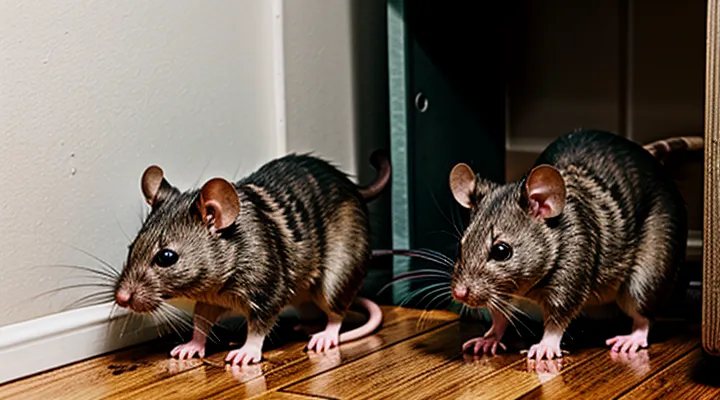
Understanding the Rodent Problem
Identifying Rodent Infestation Signs
Droppings and Urine Stains
Rodent droppings and urine stains indicate active infestation and pose health hazards. Fresh droppings appear as small, dark pellets, typically 0.2–0.5 cm in length, with a tapered shape. Dried deposits turn grayish and may crumble when disturbed. Urine stains manifest as yellowish, wet spots on surfaces, often accompanied by a strong, musky odor.
Health risks stem from pathogens such as Hantavirus, Leptospira, and salmonella, which survive in droppings and urine. Inhalation of aerosolized particles released during cleaning can lead to respiratory illness. Direct contact may cause skin irritation or infection.
Effective remediation follows a three‑step protocol:
- Containment – Seal entry points, isolate affected rooms, and wear disposable gloves, N‑95 respirator, and protective clothing.
- Disinfection – Apply an EPA‑registered rodent‑borne disease sanitizer or a 1:10 dilution of household bleach (sodium hypochlorite). Saturate droppings and stains, allow a 10‑minute dwell time, then wipe with disposable wipes.
- Removal – Collect saturated materials in sealed, leak‑proof bags, discard according to local hazardous‑waste guidelines. Vacuum with a HEPA‑rated unit only after chemical treatment is complete.
After cleaning, monitor for residual odor or new deposits. Persistent signs require professional pest‑control intervention to eliminate the source and prevent recurrence.
Gnaw Marks and Damage
Rodent gnaw marks provide the most reliable evidence of an active infestation. Teeth of rats and mice continuously grow, forcing the animals to chew on hard surfaces to keep them trimmed. Consequently, they leave characteristic V‑shaped bite edges on wood, plastic, wiring, and insulation. The depth of a bite often exceeds the thickness of the material, indicating that the pest has encountered resistance and is attempting to gain access to food or shelter.
Identifying gnaw damage early prevents costly repairs and reduces health risks. Common indicators include:
- Shallow to deep grooves on baseboards, cabinets, and furniture.
- Exposed copper or aluminum wiring with clean, parallel cuts.
- Frayed or stripped insulation around electrical outlets.
- Chewed holes in drywall or plaster, typically near gaps under doors or behind appliances.
- Crushed or chewed packaging materials in pantry shelves.
Each type of damage points to specific entry routes. For example, chewed wires suggest the rodent is traveling within walls, while gnawed openings in baseboards indicate ground-level access. Mapping these signs allows precise placement of traps, bait stations, and sealing materials, ensuring that control measures target the exact pathways used by the pests.
Effective elimination strategies rely on eliminating the sources of gnawing. Seal all identified openings with steel wool, copper mesh, or cement, then reinforce vulnerable structures with hard‑capped metal plates. Replace damaged wiring promptly to avoid fire hazards. Finally, maintain a clean environment devoid of food residues, as the absence of attractive foraging sites reduces the incentive for rodents to gnaw in search of sustenance.
Unusual Noises
Unusual sounds often provide the first reliable clue that rodents have entered a residence. High‑pitched squeaks, scurrying behind walls, and intermittent scratching reveal activity that visual inspection may miss, allowing early intervention before populations expand.
Typical noises and their implications include:
- Sharp squeaks in ceilings or attics – active rats or mice moving through insulation.
- Repetitive scratching on interior walls – gnawing behavior indicating nesting sites.
- Soft thumping from floor joists – larger rodents traveling along structural members.
- Intermittent rustling in stored boxes – foraging mammals searching for food.
To confirm the source, follow a systematic approach:
- Record the time, location, and frequency of each sound.
- Inspect adjacent cavities with a flashlight and a flexible inspection mirror.
- Place non‑toxic tracking powder or a small amount of food‑based bait near suspected entry points and monitor for footprints or droppings.
- Use a motion‑activated camera to capture activity during silent periods.
Once presence is verified, implement decisive controls:
- Seal gaps larger than ¼ inch with steel wool and caulk; rodents can compress smaller openings.
- Install snap traps or electronic devices at identified pathways, positioning bait at the rear to encourage entry.
- Apply rodent‑resistant storage containers for pantry items, eliminating food attractants.
- Schedule periodic inspections of attics, crawl spaces, and wall voids to detect new noise patterns promptly.
By treating unusual noises as actionable data, homeowners can disrupt rodent infestations before they become entrenched, preserving structural integrity and health standards.
Nests and Burrows
Rats and mice construct nests and burrows to shelter, store food, and rear young. These structures concentrate activity, protect pests from predators, and create stable environments for reproduction, making them critical targets in any residential rodent‑control program.
Detecting nests and burrows requires systematic observation. Look for shredded material, gnaw marks, fecal piles, and grease trails along walls, in attics, under appliances, and within crawl spaces. Soil mounds, tunnels, and loose, crumbling earth near foundations indicate underground burrows.
To eliminate existing nests and burrows, follow these steps:
- Locate all sites using visual cues and, if necessary, a flashlight or inspection camera.
- Remove debris, nesting material, and stored food from each site. Dispose of contents in sealed bags.
- Disinfect the area with a rodent‑safe sanitizer to reduce disease risk.
- Apply an appropriate rodenticide or bait station directly within the burrow, ensuring compliance with local regulations.
- Set snap traps or electronic traps near entry points and along runways to capture remaining individuals.
- Monitor the site for several days, re‑treating if activity persists.
Preventing new nests and burrows focuses on eliminating entry points and reducing attractants. Seal cracks, gaps around pipes, and utility penetrations with steel wool, caulk, or metal flashing. Maintain a clean environment by storing food in airtight containers, promptly repairing water leaks, and removing clutter that offers concealment. Regularly inspect the exterior foundation and interior spaces for signs of fresh burrowing activity, and address any findings immediately.
By systematically identifying, removing, and denying access to nesting and burrowing sites, homeowners can substantially reduce rodent populations and prevent re‑infestation.
Types of Common Household Rodents
House Mice
House mice (Mus musculus) are small, adaptable rodents that thrive in human dwellings. Adults measure 2‑4 inches in body length, possess a pointed snout, large ears, and a long, hair‑less tail. They reproduce rapidly, with females capable of producing up to ten litters per year, each containing three to twelve offspring. Their diet includes grains, crumbs, stored food, and even soft plant material, allowing them to exploit a wide range of household resources.
Signs of infestation appear quickly. Fresh droppings, approximately ¼ inch long and dark‑brown, accumulate near food sources and along walls. Gnaw marks on packaging, wood, or wiring indicate active foraging. Odor from urine and a faint, musky scent may be detectable in heavily infested areas. Nesting material—shredded paper, fabric, or insulation—often gathers in concealed spaces such as wall voids, attics, and under appliances.
Preventive actions focus on eliminating access and resources. Seal exterior cracks larger than ¼ inch, install door sweeps, and repair damaged screens. Store dry goods in airtight containers, keep countertops clear, and maintain regular cleaning of floors and waste receptacles. Reduce clutter in storage areas, and relocate firewood away from the building foundation.
Control measures combine mechanical, chemical, and biological options:
- Snap traps positioned perpendicular to walls, with bait such as peanut butter or chocolate, provide immediate reduction.
- Electronic traps deliver a lethal shock upon contact, offering a humane alternative with reusable components.
- Glue boards capture rodents for later disposal; placement requires careful monitoring to avoid accidental capture of non‑target species.
- Rodenticides, applied in tamper‑resistant bait stations, address hidden populations; usage must follow label instructions and local regulations.
- Professional exclusion services assess structural vulnerabilities and install permanent barriers.
Ongoing monitoring ensures lasting results. Conduct weekly inspections of trap locations, bait stations, and potential entry points. Replace or reposition devices as activity shifts. Document findings in a log to track trends and adjust strategies accordingly. Consistent vigilance, coupled with the outlined interventions, minimizes house mouse presence and protects property integrity.
Norway Rats
Norway rats (Rattus norvegicus) are the largest common rodent in residential settings, typically weighing 300–500 g and measuring 20–25 cm in body length. They prefer ground-level habitats, occupy basements, crawl spaces, and foundations, and create extensive burrow networks. Their nocturnal activity, strong swimming ability, and tendency to gnaw on structural materials make them especially damaging to homes.
Identification relies on physical characteristics: thick, coarse fur; a blunt, scaly tail; and a head‑to‑body ratio of roughly 1:1.5. Droppings are dark, cylindrical, and about 1 cm in length. Signs of infestation include gnaw marks on wood and wiring, grease tracks along walls, and audible scurrying in concealed areas.
Control measures focus on exclusion, sanitation, and targeted removal:
- Seal entry points larger than ¼ in. with steel wool, cement, or metal flashing.
- Eliminate food sources by storing pantry items in airtight containers and promptly cleaning spills.
- Reduce water availability by fixing leaks and draining standing water.
- Deploy snap traps or electronic kill traps along established runways, positioning them perpendicular to walls with the trigger end facing the wall.
- Use bait stations containing anticoagulant rodenticides only where children, pets, and non‑target wildlife are inaccessible; follow label instructions and local regulations.
- Conduct regular inspections to verify trap success and re‑evaluate blocked entry points.
Integrating these steps creates a comprehensive approach that minimizes Norway rat populations while protecting the structural integrity and health of the household.
Roof Rats
Roof rats (Rattus rattus) occupy upper levels of structures, favoring eaves, attics, and roof voids. Their agile climbing ability allows them to access insulation, wiring, and stored food from above. Droppings, gnaw marks on wood, and greasy smears along walls indicate their presence.
These rodents transmit pathogens, compromise electrical systems, and damage insulation, leading to increased energy costs and fire hazards. Their nocturnal activity makes early detection critical to prevent extensive infestation.
Effective control measures include:
- Seal entry points: Install steel‑wool or copper mesh over gaps larger than ¼ inch, focusing on roof vents, soffits, and chimney flues.
- Eliminate food sources: Store dry goods in sealed containers, remove fruit trees or vines that provide external feeding sites, and keep garbage bins tightly covered.
- Deploy traps: Use snap traps or electronic devices in attic corners, positioning them perpendicular to walls where rats travel.
- Apply rodenticides responsibly: Place bait stations in inaccessible areas, following label instructions and local regulations to avoid non‑target exposure.
- Introduce predators: Encourage barn owls or install bird‑of‑prey nesting boxes on the property to create natural pressure on rat populations.
- Maintain regular inspections: Conduct quarterly visual checks of roof structures and replace damaged flashing or roofing material promptly.
Combining exclusion, sanitation, and targeted removal yields lasting reduction of roof rat activity within residential environments.
Prevention Strategies
Sealing Entry Points
Inspecting the Exterior
Inspecting the exterior of a residence is the first line of defense against rodent intrusion. Identify all potential entry points, locate signs of activity, and assess the surrounding environment to prevent rats and mice from gaining access.
- Walk the perimeter and examine foundations, walls, and crawl spaces for cracks, gaps, or holes larger than ¼ inch; seal each opening with steel wool, caulk, or hardware cloth.
- Check utility penetrations, such as water, gas, and electrical lines; install metal flashing or expandable foam around the fixtures.
- Inspect roof eaves, soffits, and vent covers; repair damaged flashing and fit mesh screens over vents.
- Examine exterior doors and windows; fit weatherstripping and ensure door sweeps are intact.
- Clear vegetation, mulch, and debris within two feet of the building; trim tree branches and shrubs that touch the structure.
- Remove stacked firewood, compost, and trash containers from the immediate vicinity; store them on raised platforms with tight lids.
Document findings, prioritize repairs based on severity, and schedule maintenance to keep the building envelope sealed against future rodent activity.
Sealing Cracks and Holes
Sealing cracks and holes blocks the primary pathways that rats and mice use to enter residential spaces. Rodents can squeeze through openings as small as a quarter of an inch; therefore, even minor gaps in foundations, walls, and utility penetrations must be addressed.
Identify potential entry points by inspecting the interior and exterior of the building. Look for gaps around pipes, vents, electrical wiring, and where different building materials meet. Pay special attention to the perimeter of the foundation, the attic eave, and the space beneath doors and windows.
Select appropriate sealing materials for each type of opening. Use steel wool or copper mesh for small holes, then cover with a durable sealant such as silicone caulk, polyurethane foam, or expanding epoxy. For larger gaps, apply cement-based mortar, metal flashing, or rigid foam board, securing them with screws or nails as needed. Avoid using soft materials like cotton or wood shims, which rodents can gnaw through.
Apply the chosen sealant according to the manufacturer’s instructions. Clean the surface, ensure it is dry, and press the filler material firmly into the opening. Smooth the sealant to create a continuous barrier that adheres to both sides of the gap. Allow the product to cure fully before exposing it to moisture or temperature fluctuations.
Maintain the sealed envelope regularly. Inspect for new cracks caused by settlement, weathering, or pest activity. Promptly repair any deterioration to preserve the integrity of the barrier.
Key steps for effective sealing:
- Conduct a thorough survey of all potential rodent entry points.
- Choose durable, gnaw‑resistant materials matched to the size and location of each gap.
- Clean, fill, and seal openings with proper technique.
- Allow sealants to cure completely before re‑exposing the area.
- Perform periodic checks and reseal as necessary.
By eliminating access routes, sealing cracks and holes reduces the likelihood of infestation, complements other control measures, and contributes to a long‑term, rodent‑free environment.
Installing Door Sweeps and Vents
Door sweeps and vent covers create a physical barrier that prevents rodents from entering gaps beneath doors and through ventilation openings. Proper installation eliminates common entry points, reduces the likelihood of infestation, and limits indoor damage.
To install a door sweep:
- Measure the door’s width and the clearance between the door bottom and the floor.
- Select a sweep with a flexible brush or rubber seal that matches the measured gap.
- Align the sweep with the door edge, ensuring the seal contacts the floor when the door closes.
- Secure the sweep with the supplied screws, tightening until the seal remains flush without binding the door.
For vent protection:
- Identify all exterior vents, including dryer, attic, and crawl‑space openings.
- Choose vent covers made of steel or heavy‑duty mesh that resist chewing.
- Remove the existing vent grille, if present, and clean the opening.
- Fit the new cover, securing it with screws or bolts to the framing.
- Seal any surrounding gaps with rodent‑resistant caulk.
Regular inspection of sweeps and vent covers detects wear, loose fasteners, or damage. Replace worn components promptly to maintain an uninterrupted barrier. Combined with other exclusion measures, these installations form a reliable component of a comprehensive rodent‑control strategy.
Maintaining a Clean Environment
Proper Food Storage
Proper food storage eliminates the primary attractant for rodents. Seal all edible items in airtight containers made of glass, metal, or heavy‑wall plastic. Containers with screw‑on lids or child‑proof clamps prevent mice and rats from accessing crumbs or scent.
- Store dry goods (cereals, grains, pet food) in containers that lock tightly.
- Keep pantry shelves clear of spills; wipe surfaces after each use.
- Refrigerate or freeze perishable items that emit strong odors.
- Transfer bulk purchases into smaller, sealed containers within a week.
- Position containers away from walls and floor to reduce hiding spots.
Dispose of waste promptly. Use covered trash cans with tight‑fitting lids, and empty them before they fill. Compost bins should be sealed and placed outdoors, not inside the kitchen area.
Maintain a routine inspection. Check for cracked seals, damaged lids, or signs of gnawing weekly. Replace compromised containers immediately to sustain a rodent‑free environment.
Regular Waste Disposal
Regular waste disposal directly reduces food sources that attract rats and mice. Prompt removal of garbage eliminates the scent trails rodents follow to locate meals, thereby decreasing the likelihood of infestation.
Key practices for effective waste management:
- Store trash in containers with tight-fitting lids; inspect seals regularly for damage.
- Empty indoor bins daily, especially in kitchens and dining areas.
- Transfer waste to outdoor dumpsters no later than the evening before collection; avoid leaving bags exposed overnight.
- Keep dumpster areas clean; sweep debris and rinse surfaces weekly to remove residues.
- Separate organic waste from other trash and compost only in sealed, rodent‑proof units.
Consistent application of these measures removes readily available nourishment, discourages nesting, and supports broader pest‑control strategies throughout the residence.
Decluttering Spaces
Removing unnecessary items from rooms, closets, and storage areas eliminates hiding places and food caches that attract rats and mice. A tidy environment limits the opportunities for rodents to establish nests, thereby reducing the likelihood of infestation.
- Clear floor space beneath appliances and furniture; vacuum or sweep regularly to remove debris.
- Store food in sealed containers made of metal or heavy‑wall plastic; discard expired or uncovered items.
- Dispose of cardboard boxes, paper piles, and fabric scraps promptly; recycle or trash them in sealed bags.
- Trim vegetation and eliminate clutter around entry points such as doors, vents, and windows; keep the perimeter free of debris that could serve as a bridge to the interior.
Sustaining a clutter‑free home requires routine inspections. Conduct a weekly walkthrough to identify accumulating items, reorganize storage systems, and reinforce barriers that prevent rodents from accessing concealed spaces. Consistent decluttering complements other control measures and creates an environment where rats and mice cannot thrive.
Landscaping and Yard Maintenance
Trimming Vegetation
Trimming vegetation directly reduces the shelter and travel routes that rodents use to reach a residence. Overgrown shrubs, low-hanging tree limbs, and dense ground cover create protected pathways from the exterior to the foundation, attic eaves, and crawl spaces. By cutting these elements back, the environment becomes hostile to rats and mice, forcing them to seek less accessible sites.
- Keep all shrubs at least two feet away from the building envelope.
- Prune tree branches so they do not overhang windows, roofs, or vents.
- Maintain lawn height at a maximum of three inches; mow regularly to eliminate tall grass.
- Remove leaf litter, compost piles, and debris that accumulate at the base of plants.
- Clear vegetation from drainage ditches and around utility lines to prevent hidden corridors.
These actions eliminate nesting sites, limit food availability from garden produce, and expose rodents to predators and harsh weather. Consistent upkeep—monthly pruning during growing seasons and quarterly deep clearing—prevents regrowth that could re‑establish access points. The result is a perimeter that discourages rodent ingress without relying on chemical controls.
Removing Debris
Removing debris eliminates shelter and food sources that attract rodents, making the environment hostile to rats and mice. Clutter in basements, attics, garages, and storage areas provides hiding places, while accumulated waste offers easy nourishment. By clearing these materials, homeowners disrupt the conditions rodents need to thrive.
Key actions for effective debris removal:
- Collect and discard all cardboard boxes, paper piles, and fabric scraps; store necessary items in sealed, elevated containers.
- Sweep floors, vacuum corners, and vacuum upholstery to eliminate crumbs and droppings.
- Empty trash cans regularly, use lids that close tightly, and keep bins away from walls.
- Remove outdoor clutter such as leaf piles, firewood stacks, and garden debris; keep them at least three feet from the foundation.
- Inspect and clean behind appliances, under furniture, and inside cabinets, wiping surfaces with a disinfectant solution.
Consistent maintenance of a debris‑free home reduces rodent activity and complements other control measures, such as sealing entry points and deploying traps. The result is a less inviting habitat, lowering the likelihood of infestation.
Managing Water Sources
Rats and mice require reliable water to survive; depriving them of accessible moisture reduces population growth and activity. Identify all potential sources, such as leaky pipes, dripping faucets, pet water bowls, condensation on appliances, and standing water in basements or crawl spaces. Repair leaks promptly, replace worn seals, and install drip‑free aerators on faucets.
Implement the following measures:
- Seal cracks and gaps around plumbing penetrations with silicone or metal flashing.
- Direct downspouts away from the foundation, using extensions or splash blocks to prevent runoff accumulation.
- Elevate pet bowls on platforms with trays that can be emptied daily; use sealed containers for water storage.
- Install moisture‑absorbing dehumidifiers in damp areas, maintaining humidity below 50 % to discourage rodent habitation.
- Regularly inspect and clean gutters, ensuring they are free of debris that can create puddles.
Maintain a schedule for routine inspections: check under sinks, behind appliances, and in utility rooms monthly. Replace damaged hoses and fittings immediately. By eliminating standing water and reducing ambient moisture, the environment becomes inhospitable to rodents, supporting broader pest‑control strategies within the residence.
Elimination Methods
Trapping Techniques
Snap Traps
Snap traps provide a rapid, mechanical solution for rodent control. The device consists of a spring‑loaded bar that snaps shut when the animal triggers a trigger plate, delivering an instantaneous kill. This method eliminates the need for chemicals and reduces the risk of secondary poisoning for pets or children.
Effective use requires strategic placement. Position traps along walls, behind appliances, and near known droppings, because rodents travel close to surfaces. Secure the trap firmly to prevent displacement. Bait with high‑protein foods such as peanut butter, dried fruit, or small pieces of cooked meat; these attract both rats and mice more reliably than grain alone. Replace bait daily to maintain freshness and potency.
Safety considerations are essential. Handle traps with gloves to avoid accidental activation. Keep traps out of reach of non‑target animals and children, using lockable containers or placing them in concealed locations. After capture, wear protective gloves, place the dead rodent in a sealed bag, and dispose of it according to local regulations.
Key advantages of snap traps include:
- Immediate result without waiting for poison to act
- No lingering chemical residues in the home
- Low cost and reusable components
- Ability to target specific infestation zones
Limitations to acknowledge:
- Requires regular monitoring and bait replacement
- May be less effective in large, hidden infestations without supplemental methods
- Potential for humane concerns if the trap is not positioned correctly
Integrating snap traps with sanitation measures—sealing entry points, removing food sources, and maintaining a clutter‑free environment—maximizes overall effectiveness in eradicating household rodents.
Live Traps
Live traps capture rodents without killing them, providing a humane alternative to lethal devices. They consist of a cage, a trigger mechanism, and a bait compartment. When the animal takes the bait, the door closes, confining the rodent inside the enclosure.
Choosing an effective live trap requires attention to size, material, and trigger sensitivity. A trap designed for rats should have an interior length of at least 12 inches, a width of 6 inches, and a height of 6 inches; mouse traps may be half that size. Stainless steel or heavy‑gauge wire ensures durability and prevents escape. Spring‑loaded or side‑trigger models react quickly, reducing the chance of injury.
Proper placement maximizes capture rates. Identify active runways, near walls, and close to food sources. Position traps perpendicular to the wall, with the entry side facing the wall, because rodents prefer to run along edges. Secure traps to prevent tipping, and use a thin layer of peanut butter, sunflower seed, or a piece of fruit as bait. Replace bait daily to maintain freshness.
After a capture, handle the trap with gloves to avoid disease transmission. Transfer the animal to a secure container, then release it at least 2 miles from the residence, preferably in a wooded or agricultural area with shelter and water. Release should occur during daylight to reduce predation risk. Clean the trap with hot, soapy water and disinfectant before reuse.
Legal considerations vary by jurisdiction. Some regions restrict the release of captured rodents, requiring disposal through municipal services. Verify local regulations before implementing a live‑trap program to avoid penalties.
Key points for successful live trapping:
- Select appropriately sized, sturdy cages with sensitive triggers.
- Locate traps along established rodent pathways, near food and water.
- Use potent, fresh bait and refresh it regularly.
- Handle captures with protective gloves, release far from the home, and clean traps thoroughly.
- Confirm compliance with local wildlife and pest‑control laws.
Glue Traps
Glue traps consist of a flat, non‑stick surface coated with a strong adhesive that immobilizes rodents upon contact. They are inexpensive, require no electricity, and can be placed in hard‑to‑reach locations such as behind appliances, inside wall voids, or along baseboards.
Key characteristics
- Immediate capture without the need for baits that may attract non‑target animals.
- Silent operation; no noise or visible movement once a pest is caught.
- Compact size allows deployment in multiple sites without clutter.
Effective deployment
- Identify high‑traffic pathways: look for droppings, gnaw marks, or fresh chew paths.
- Position traps perpendicular to the wall, with the adhesive side facing the expected travel direction.
- Secure traps to prevent displacement by pets or children; use tape or a small clip if necessary.
- Replace traps every 2–3 days, or sooner if the adhesive becomes saturated.
Safety considerations
- Keep traps out of reach of children and household pets; accidental contact can cause painful injuries.
- Wear disposable gloves when handling used traps to avoid skin exposure to adhesive.
- Dispose of captured rodents in sealed bags; follow local regulations for dead‑animal disposal.
Limitations
- Does not provide a lethal solution; rodents remain alive but immobilized, which may be undesirable for some homeowners.
- Adhesive loses effectiveness when exposed to dust, moisture, or excessive debris.
- Ineffective against larger rats that can avoid or escape from the sticky surface.
Integration with other controls
- Combine glue traps with exclusion methods (sealing entry points) and sanitation (removing food sources) for a comprehensive rodent management plan.
- Use snap traps or electronic devices in areas where quick kill is preferred, reserving glue traps for monitoring or secondary capture.
When applied correctly, glue traps serve as a low‑cost, discreet component of a broader residential rodent‑control strategy, provided that safety protocols are observed and the devices are regularly maintained.
Strategic Trap Placement
Strategic trap placement maximizes capture rates while minimizing disruption to household activities. Identify high‑traffic pathways by observing droppings, gnaw marks, and grease trails; rodents rarely travel in straight lines, preferring walls and concealed routes. Position traps perpendicular to these routes, with the trigger side facing the wall, to intercept forward movement.
Key locations include:
- Behind appliances (refrigerator, stove) where heat and food residues attract foraging.
- Within wall voids and baseboard gaps that serve as natural conduits.
- Under sinks and cabinets, especially near plumbing where moisture accumulates.
- Near entry points such as door thresholds and utility openings, after sealing obvious gaps.
- In attic corners and crawl‑space joists, where nesting material is often stored.
Select trap type based on target species and environment. Snap traps provide immediate kill and are suitable for visible areas; glue boards capture without projection but require frequent inspection; electronic devices deliver rapid lethal shock and reduce secondary poisoning risk. Use bait that mirrors natural diet—peanut butter, dried fruit, or small pieces of meat—applied sparingly to avoid spillage that deters rodents.
Timing influences success. Deploy traps at night when rodents are most active, and check them early each morning to remove captured animals and reset mechanisms. Rotate trap positions weekly within the identified zones to prevent habituation.
Maintain a log of placement, bait used, and capture results. Data trends reveal persistent hotspots, guiding subsequent adjustments. Consistent monitoring, combined with precise positioning, ensures the most efficient reduction of rodent populations in residential settings.
Rodenticides (Baits)
Types of Baits
Effective rodent control relies on selecting baits that match the target species’ feeding habits and resistance patterns.
Pellet baits combine a compact matrix with a toxicant, allowing precise dosing. They are suitable for concealed placement along runways and can be formulated with anticoagulant or non‑anticoagulant agents.
Block baits present a larger, chewable unit that attracts both rats and mice. The solid form reduces spillage and supports longer exposure periods.
Liquid baits dissolve quickly, delivering rapid ingestion. They are ideal for environments where rodents favor moist food sources, but require secure containers to prevent accidental exposure.
Grain‑based baits mimic natural seeds and cereals, appealing to outdoor foragers and indoor populations that prefer plant material.
Wax baits embed the active ingredient in a malleable medium, offering resistance to moisture and ease of molding into custom shapes for tight spaces.
Natural attractants such as peanut butter, sunflower seeds, or dried fruit provide non‑chemical options. They can be combined with mechanical traps or used as pre‑bait to increase acceptance of subsequent toxic formulations.
Key considerations for bait deployment include:
- Placement along established travel paths, near walls, and close to entry points.
- Rotation of active ingredients every 30–45 days to counteract resistance development.
- Secure storage and labeling to protect children, pets, and non‑target wildlife.
- Compliance with local regulations governing rodenticide use.
Selecting the appropriate bait type, combined with strategic positioning and regular monitoring, maximizes reduction of rat and mouse activity within residential settings.
Safe Bait Station Placement
Bait stations deliver targeted control while minimizing exposure to non‑target animals. Proper placement maximizes efficacy and safety.
- Position stations along walls, behind appliances, and in concealed corners where rodents travel; avoid open floor areas.
- Install stations at least 18 inches above the floor to prevent access by pets and children.
- Secure each unit to a fixed surface using screws or heavy‑duty brackets; loose stations can be knocked over or moved.
- Keep stations at least 12 inches away from food preparation zones, pantries, and garbage containers to reduce accidental contact.
- Use weather‑proof models for basements, crawl spaces, and garages; ensure they are sealed against moisture to preserve bait potency.
- Label each station with a clear warning and place a small barrier (e.g., a low fence or a pet‑proof gate) around clusters in high‑traffic areas.
Regular inspection supports ongoing safety. Check stations weekly for depleted bait, damage, or signs of tampering. Replace or reposition units promptly to maintain coverage. Record locations and inspection dates to track effectiveness and ensure compliance with local pest‑control regulations.
Risks and Precautions
Rodent eradication efforts expose occupants and workers to several hazards that must be managed before, during, and after treatment.
Risks
- Direct contact with rodents can transmit diseases such as hantavirus, leptospirosis, and salmonellosis.
- Inhalation or skin absorption of toxic baits, rodenticides, or fumigants may cause respiratory irritation, neurological symptoms, or organ damage.
- Misapplication of chemicals can lead to fire, explosion, or corrosion of building materials.
- Improper disposal of dead rodents attracts secondary pests and contaminates surfaces.
Precautions
- Wear disposable gloves, goggles, and a certified respirator when handling baits, traps, or chemicals.
- Ensure adequate ventilation in treated areas; seal off adjacent rooms to prevent drift of airborne agents.
- Follow manufacturer dosage instructions precisely; use calibrated applicators and label all containers.
- Store all rodent control products in locked, child‑proof cabinets away from food and water sources.
- Conduct a thorough inspection after treatment to verify removal, then clean and disinfect surfaces with an EPA‑approved disinfectant.
- Keep detailed records of chemicals used, application dates, and locations for future reference and regulatory compliance.
Natural and Repellent Methods
Essential Oils
Essential oils provide a natural deterrent against rodents by exploiting their acute sense of smell. Certain oils emit odors that rodents find unpleasant, prompting them to avoid treated areas.
- Peppermint oil: strong menthol scent; apply 10‑15 drops to cotton balls, place in corners, pantry shelves, and entry points; replace every 2‑3 days.
- Eucalyptus oil: sharp, camphoraceous aroma; mix 1 ml oil with 250 ml water, spray around baseboards and outdoor foundations.
- Citronella oil: citrus‑type fragrance; soak rags in undiluted oil, position near trash bins and compost containers.
- Clove oil: pungent, spicy odor; combine 5 drops with 100 ml carrier oil (e.g., almond), brush onto wooden surfaces and cracks.
Effectiveness depends on concentration, placement, and regular renewal. Oils degrade quickly; reapplication every few days maintains potency. Use only in well‑ventilated spaces and keep away from children and pets, as some oils can cause irritation or toxicity. Combine oil treatment with physical barriers, sanitation, and traps for comprehensive control.
Ultrasonic Devices
Ultrasonic emitters generate high‑frequency sound waves that rodents cannot tolerate. The devices are powered by batteries or mains electricity and continuously broadcast frequencies typically between 20 kHz and 65 kHz. Rodents experience discomfort, leading them to vacate the treated area.
Effective deployment requires strategic placement. Install units near known entry points, along walls, and in concealed spaces such as basements, attics, and crawl spaces. Overlap coverage zones to prevent gaps where rodents could avoid exposure. Ensure each device faces outward without obstructions that could block sound propagation.
Key considerations when selecting an ultrasonic system:
- Frequency range: broader spectra cover more species and age groups.
- Adjustable timer: allows operation during peak rodent activity periods.
- Power source: plug‑in models provide constant output; battery units offer flexibility for hard‑to‑reach locations.
- Warranty and customer support: indicate product reliability and availability of replacement parts.
Limitations include reduced effectiveness in rooms with heavy furnishings, open doors, or high ambient noise that masks ultrasonic signals. Rodents may become habituated if exposure is intermittent; continuous operation mitigates this risk. Ultrasonic devices pose no known health hazards to humans or pets when used according to manufacturer instructions.
Regular maintenance involves cleaning speaker grills to prevent dust buildup and verifying that the unit remains powered. Replace batteries according to the manufacturer’s schedule or when signal strength diminishes. Combine ultrasonic emitters with complementary measures—such as sealing entry points and removing food sources—to achieve comprehensive rodent control in residential settings.
Natural Predators
Natural predators provide a biological alternative to chemical or mechanical rodent control in residential settings. By encouraging or introducing species that hunt rats and mice, homeowners reduce infestation pressure without relying on poisons or traps.
- Barn owls (Tyto alba): Nocturnal hunters that capture rodents on the wing. Installing a nesting box in a quiet part of the property attracts breeding pairs, resulting in regular predation cycles.
- Domestic cats (Felis catus): Skilled ambush predators. Allowing indoor‑only cats to patrol entry points and perimeters deters rodent activity; regular feeding maintains health and hunting motivation.
- Red-tailed hawks (Buteo jamaicensis): Diurnal raptors that seize ground‑dwelling rodents. Placing perches or open sky views near the house encourages occasional visitation, especially during migration periods.
- Snakes (e.g., corn snake, Pantherophis guttatus): Constrictors that silently eliminate small rodents. Securely housing non‑venomous snakes in a controlled enclosure near cluttered areas can suppress populations while preventing accidental bites.
- Ferrets (Mustela putorius furo): Agile carnivores that pursue rodents through narrow spaces. Supervised use in basements or crawl spaces offers targeted removal, followed by immediate release or humane euthanasia of captured prey.
Effective deployment requires habitat preparation: nesting boxes for owls, perches for hawks, and safe shelter for cats and ferrets. Ensure compliance with local wildlife regulations and consider potential impacts on non‑target species. Maintain cleanliness to support predator health and minimize disease risk.
Integrating natural predators with sealing entry points, proper waste management, and limited mechanical trapping creates a layered defense. Predators address the underlying population growth, while structural measures prevent new invasions, resulting in sustained reduction of rat and mouse activity within the home.
Post-Elimination and Monitoring
Cleaning and Sanitization
Disposing of Carcasses
When a rodent dies inside a residence, swift removal prevents odor, disease transmission, and attraction of other pests. Delay increases the risk of bacterial growth and secondary infestations.
- Wear disposable gloves and a mask before handling the carcass.
- Place the body in a sealable plastic bag; expel excess air and tie securely.
- Insert the sealed bag into a second bag for double containment.
- Store the double‑bagged carcass in a freezer for at least 24 hours to kill pathogens, then transport to a disposal site.
- If freezing is unavailable, wrap the carcass in heavy‑duty newspaper, seal in a bag, and place in a trash container with a tight‑fitting lid.
Acceptable disposal methods include:
- Municipal solid‑waste collection, provided the carcass is double‑bagged and labeled as animal waste.
- Professional pest‑control services that offer incineration or rendering.
- Outdoor burial in a location away from water sources, covered with at least 12 inches of soil.
Check local health‑department regulations to ensure compliance with waste‑management rules. Some jurisdictions require notification before discarding rodent remains, especially in multi‑unit buildings. Maintaining records of disposal dates and methods supports accountability and facilitates future inspections.
Disinfecting Contaminated Areas
Disinfecting areas that have been contaminated by rodents is a critical component of any home rodent‑control program. Rodent droppings, urine, and nesting material can harbor bacteria, viruses, and parasites that pose health risks to occupants.
- Identify all locations with visible signs of rodent activity, including kitchens, basements, attics, and storage closets.
- Remove debris, droppings, and nesting material using disposable gloves and a sealable bag.
- Apply an EPA‑registered disinfectant that is proven effective against Salmonella, Leptospira, and hantavirus. Follow the manufacturer’s dilution instructions precisely.
- Allow the disinfectant to remain on surfaces for the full contact time specified on the label.
- Ventilate the area by opening windows or using exhaust fans to accelerate drying.
- Dispose of used cleaning materials in sealed containers and discard them according to local hazardous‑waste guidelines.
Selecting the appropriate disinfectant requires verification that the product is labeled for rodent‑borne pathogen control. Products containing quaternary ammonium compounds, bleach solutions (5‑10 % sodium hypochlorite), or accelerated hydrogen peroxide provide broad‑spectrum efficacy. Verify compatibility with the surface material to prevent damage.
Safety measures protect both the user and the household. Wear disposable gloves, eye protection, and a mask rated for particulate matter. Avoid mixing disinfectants, as chemical reactions can produce toxic fumes. After treatment, wash hands thoroughly with soap and water before handling food or clean linens.
Consistent application of these disinfection procedures eliminates residual health hazards and supports long‑term prevention of rodent re‑infestation in residential environments.
Preventing Future Infestations
Preventing new rodent activity begins with eliminating conditions that attract rats and mice. Seal all exterior openings larger than a quarter‑inch with steel wool, caulk, or metal flashing; inspect foundations, vents, and utility penetrations regularly. Store food in airtight containers, clean crumbs and spills promptly, and keep garbage cans closed with tight lids. Remove clutter, especially cardboard and fabric piles, which provide nesting sites.
Implement environmental controls that discourage re‑infestation:
- Trim vegetation and tree branches at least two feet from the building to reduce bridge access.
- Maintain a dry interior by fixing leaks, using dehumidifiers, and directing water away from the foundation with proper grading.
- Install door sweeps and weather stripping on all entry doors.
- Schedule quarterly inspections of known rodent pathways and set up monitoring stations with non‑toxic bait stations where appropriate.
Consistent application of these measures creates a hostile environment for rodents, reducing the likelihood of future colonies establishing a foothold in the home.
Ongoing Monitoring
Regular Inspections
Regular inspections form a cornerstone of any residential rodent‑control program. By systematically surveying the property, homeowners identify entry points, nesting sites, and activity signs before infestations become severe.
Inspections should occur at least once each season, with additional checks after severe weather, construction projects, or after any known rodent sighting. Early detection reduces the need for extensive trapping or chemical treatment.
- Examine exterior walls, foundations, and roof eaves for gaps larger than ¼ inch.
- Inspect utility penetrations, such as pipes, cables, and vents, for missing or damaged seals.
- Look for droppings, gnaw marks, and urine stains in kitchens, pantries, attics, and basements.
- Verify that food storage areas are sealed, and waste containers have tight‑fitting lids.
- Test traps and monitoring stations for recent captures or activity.
Record findings in a log that notes location, type of evidence, and date. Use the log to prioritize repairs, schedule follow‑up inspections, and assess the effectiveness of interventions over time.
Combine inspection results with exclusion measures, sanitation improvements, and targeted trapping. Consistent monitoring ensures that newly created entry points are promptly sealed, preventing re‑infestation and maintaining a rodent‑free environment.
Addressing New Signs
When fresh evidence of rodent activity appears, immediate verification and response prevent an escalating infestation. Identify the sign—droppings, gnaw marks, nests, or fresh trails—and confirm its authenticity by comparing size, shape, and location with known rodent characteristics. Once validated, act on three priorities: containment, elimination, and prevention.
- Seal entry points discovered during inspection; use steel wool, caulk, or hardware cloth to block gaps no larger than ¼ inch.
- Deploy targeted bait stations or snap traps near the sign, positioning them perpendicular to walls where rodents travel. Replace or relocate devices after each capture to maintain pressure on the population.
- Clean the area thoroughly; disinfect surfaces with a bleach solution (1 part bleach to 9 parts water) to remove scent trails that encourage reinfestation.
Simultaneously, reassess the surrounding environment. Remove food sources by storing pantry items in airtight containers, repairing leaking pipes, and eliminating clutter that offers shelter. Document all actions and monitor the site for recurring signs over the next two weeks. Absence of new evidence confirms successful intervention; any recurrence signals the need for intensified measures, such as professional extermination or larger‑scale trapping arrays.
Maintaining Prevention Measures
Maintaining prevention measures is essential for a rodent‑free residence. Continuous vigilance prevents re‑infestation after initial eradication.
Regular inspection of the building envelope identifies new gaps. Seal cracks, holes, and utility openings with steel wool, caulk, or hardware cloth. Verify that doors and windows close tightly; install door sweeps where needed.
Store food in airtight containers. Remove crumbs and spills promptly. Keep garbage in sealed bins and dispose of it regularly. Eliminate outdoor attractants by trimming vegetation away from the foundation and storing firewood off the ground.
Deploy monitoring devices such as snap traps or electronic counters in high‑risk zones. Check and reset them weekly; record captures to detect activity patterns.
Schedule professional pest‑control visits at least twice a year. Request a written report detailing observed conditions and recommended actions. Maintain the report for comparison during subsequent inspections.
Maintain a clean, clutter‑free interior. Reduce hiding places by organizing storage areas and removing excess cardboard, fabric, or debris.
By adhering to these practices, homeowners sustain an environment that discourages rodents and supports long‑term control.