
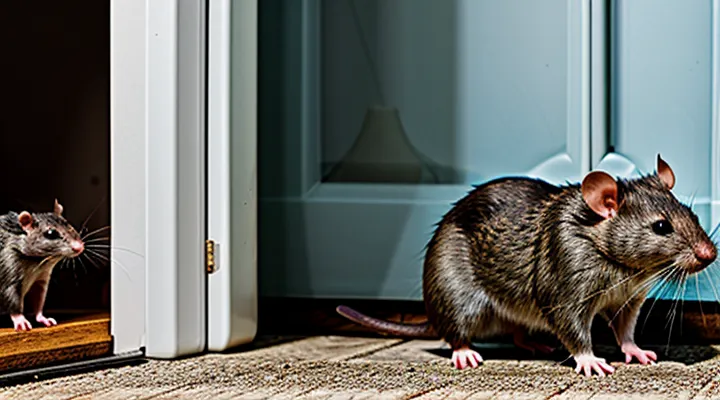
Understanding the Rat Problem
Identifying Rat Infestation Signs
Droppings and Urine Trails
Rat droppings and urine trails provide the most reliable evidence of an infestation inside a dwelling. Fresh droppings appear as dark, pellet‑shaped feces about one‑half inch long; older specimens darken and become brittle. Urine stains are invisible to the naked eye but can be detected by a faint ammonia odor or by using a blacklight, which reveals a bright fluorescence on surfaces such as wood, insulation, and drywall.
Identifying these signs enables targeted intervention. The presence of droppings in kitchens, pantries, or near food storage indicates active foraging, while urine trails along walls, baseboards, and behind appliances mark the routes rats use to travel between nesting sites and food sources. Mapping these pathways directs the placement of traps, bait stations, and exclusion measures precisely where rodents move.
Cleaning contaminated areas eliminates health hazards and removes attractants that encourage further activity. Recommended procedure:
- Wear disposable gloves and a mask; ventilate the room.
- Wet droppings with a disinfectant solution (e.g., 10 % bleach) to prevent aerosolization of pathogens.
- Scrub surfaces with the same solution; allow a minimum of 10 minutes contact time.
- Rinse with clean water and dry thoroughly.
- Dispose of cleaning materials in sealed bags.
After decontamination, apply control tools along the recorded trails:
- Snap or electronic traps positioned perpendicular to the wall, with the trigger end facing the travel direction.
- Bait stations placed at junctions where multiple urine lines converge.
- Seal entry points identified near the start of the trails to block further ingress.
Regular monitoring of droppings and urine tracks—weekly in high‑risk zones and monthly elsewhere—provides early detection of new activity and confirms the effectiveness of implemented measures.
Gnaw Marks and Damage
Rats leave distinctive gnaw marks on a variety of household materials. The cuts are usually clean, shallow, and exhibit a characteristic V‑shaped pattern that widens toward the bite. Fresh gnaw marks appear lighter in color than surrounding surfaces, while older ones may be darkened by oxidation. Identifying these traces allows homeowners to pinpoint active pathways and establish the scope of infestation.
Typical damage caused by rodent chewing includes:
- Electrical wiring insulation, creating fire hazards and intermittent power failures.
- Structural wood such as framing, joists, and baseboards, leading to weakened support and audible squeaks.
- Plastic piping and water lines, resulting in leaks and potential mold growth.
- Food packaging and stored goods, causing contamination and economic loss.
- Upholstery, curtains, and insulation, reducing comfort and increasing cleanup costs.
The location and frequency of gnaw marks directly influence control tactics. Concentrated activity near entry points suggests the need for immediate sealing of gaps using steel wool, cement, or metal flashing. Marks along walls or ceilings indicate preferred travel routes; placing bait stations or snap traps adjacent to these routes maximizes capture rates. When gnaw marks appear on wiring, electrical inspection should precede any rodent‑specific measures to avoid accidental short circuits.
Prompt response involves three steps:
- Conduct a systematic survey of all rooms, attic, and crawl spaces to map gnaw marks.
- Repair compromised structures with rodent‑resistant materials—copper‑clad wire, hardwood, or metal mesh.
- Install monitoring devices (e.g., motion‑activated cameras) and deploy appropriate traps or bait stations along identified pathways.
Long‑term prevention relies on eliminating attractive conditions and reinforcing vulnerable areas. Use sealed containers for food storage, maintain a clean kitchen environment, and keep garbage in tightly fitted lids. Replace vulnerable materials with hardened alternatives—copper‑coated cables, metal conduit, and pressure‑treated lumber. Regularly inspect exterior foundations, vents, and utility penetrations, applying steel mesh or concrete sealants to block access. Periodic review of trap activity and gnaw‑mark patterns ensures early detection of re‑infestation and sustains a rat‑free residence.
Unusual Noises and Odors
Unusual sounds and smells often provide the earliest evidence of a rodent problem inside a residence. Detecting these signs before visual confirmation allows homeowners to intervene promptly, reducing damage and health risks.
Typical auditory clues include scratching or scurrying within walls, squeaking from concealed spaces, and the faint rustle of nesting material. Each sound points to active movement, indicating that rats have established pathways or burrows behind insulation, under flooring, or within ceiling voids.
Odorous indicators consist of a strong, musky scent resembling ammonia, a sweet, grain‑like fragrance from urine, and the unmistakable odor of decomposing food. These aromas persist even after the animals vacate, signaling lingering activity or contamination.
To address auditory and olfactory evidence, follow these steps:
- Record the location, frequency, and time of each noise or odor occurrence.
- Inspect the identified areas for entry holes, gnawed material, or droppings.
- Seal all discovered openings with steel wool, cement, or metal mesh.
- Deploy snap traps or electronic devices at points where sounds are strongest.
- Apply enzyme‑based cleaners to neutralize urine and fecal residues, eliminating attractants.
- Re‑evaluate the site after 48 hours; repeat inspection and trapping if activity persists.
Consistent monitoring of unusual noises and odors, combined with targeted sealing and trapping, forms an efficient component of a comprehensive rat‑control strategy for private homes.
Common Entry Points for Rats
Gaps in Foundations and Walls
Rats enter residential buildings through openings that compromise the building envelope. Gaps in foundations and walls provide direct routes to shelter, food, and water, making them critical targets for any rodent‑management program.
Typical deficiencies include:
- Cracks wider than ¼ inch in concrete footings or slab edges.
- Unfilled expansion joints and control joints in foundations.
- Openings around pipe penetrations, vent stacks, and utility conduits.
- Gaps between masonry units, especially where mortar has deteriorated.
- Unsealed seams where basement walls meet floor joists or sill plates.
Effective inspection begins with a systematic visual survey. Use a flashlight and a mirror to examine the perimeter of the foundation, interior basement walls, and any exposed structural connections. Apply a thin dust or talc line across suspected cracks; movement of the material indicates active rodent traffic. For concealed areas, employ a borescope or infrared camera to detect heat signatures of nesting activity.
Remediation actions should be performed in the order listed:
- Clean debris from the opening to ensure proper adhesion of sealant.
- Apply a high‑quality, rodent‑resistant polyurethane or silicone caulk to fill cracks up to ¼ inch.
- Install metal flashing or steel wool for larger gaps, then cover with cement mortar or concrete patch.
- Seal pipe and vent penetrations with stainless‑steel collars or hardware cloth, securing them with screw‑type fasteners.
- Replace deteriorated mortar joints using a lime‑based mortar compatible with the existing masonry.
After sealing, establish a monitoring schedule. Inspect repaired sites monthly for at least six months, reapplying sealant where settlement or new cracking occurs. Maintain a clear perimeter around the foundation by trimming vegetation, storing firewood off the ground, and keeping garbage containers sealed. Consistent upkeep of these structural barriers significantly reduces the likelihood of rat colonization within a private home.
Unsealed Pipes and Vents
Unsealed pipes and vents provide direct pathways for rats to enter a dwelling. Gaps around plumbing penetrations, vent shafts, and utility lines allow rodents to bypass exterior barriers and reach interior spaces where food and shelter are available.
Inspect every pipe entry point, including water, gas, and sewer lines. Use a flashlight and a mirror to view hidden joints. Verify that vent covers are intact and that no cracks or missing sections exist in the ductwork. Record each opening that exceeds a quarter‑inch, the minimum size a rat can exploit.
Seal identified gaps with appropriate materials:
- Expandable foam for irregular gaps around large-diameter pipes.
- Stainless‑steel mesh or hardware cloth (¼‑inch mesh) for vent openings and larger holes.
- Silicone or polyurethane caulk for small cracks and seams.
- Metal flashing or pipe collars for high‑temperature or high‑pressure lines.
Apply sealants after cleaning surfaces of dust, grease, and debris. Allow curing time recommended by the manufacturer before exposing the area to moisture or temperature fluctuations.
Maintain the integrity of sealed areas through periodic checks. Re‑apply sealant if shrinkage, cracking, or rodent activity compromises the barrier. Ensure that outdoor vegetation does not touch the house, as vines can create new access points to pipes and vents.
By systematically eliminating unsealed conduits, homeowners remove a primary route of rat ingress, thereby strengthening overall rodent control within the residence.
Roof and Attic Access
Rats often gain entry to a home through gaps in the roof structure and the attic. Inspecting these areas regularly identifies potential pathways before infestations develop.
Typical access points include:
- Open eaves and soffits
- Unsealed vent openings
- Damaged roof shingles or flashing
- Gaps around chimney stacks and skylights
- Unfinished attic hatch or loose insulation
Seal each opening with appropriate material: steel wool or copper mesh for small holes, followed by a durable sealant such as silicone or expanding polyurethane foam. For larger gaps, install metal flashing or hardware cloth of at least ¼‑inch mesh, securing it with stainless‑steel screws. Replace broken shingles and repair flashing to restore a continuous barrier.
Maintain attic integrity by keeping storage items off the floor, allowing clear inspection of walls and joists. Install a one‑way exclusion door on any necessary access points; it permits human entry while preventing rodent escape. Periodically check for fresh gnaw marks, droppings, or nesting material, and address any new breaches immediately.
A systematic approach to roof and attic access—identifying, sealing, and monitoring—significantly reduces the likelihood of rat intrusion in a private residence.
Prevention Strategies
Sealing Entry Points
Exterior Home Inspection
Exterior inspection is the first line of defense against rodent intrusion. A systematic survey of the building envelope reveals structural weaknesses that rats exploit for entry and shelter.
Inspect the foundation for cracks larger than ¼ inch, gaps around utility penetrations, and deteriorated sealants. Repair or seal all openings with metal flashing, concrete filler, or stainless‑steel mesh. Verify that the grading slopes away from the house to prevent moisture accumulation, which attracts rats and softens soil near the foundation.
Examine the roofline and eaves for damaged soffits, missing shingles, or loose vent covers. Install tight‑fitting vent screens and reinforce soffit panels to eliminate aerial access points. Trim tree branches and vines that contact the roof or walls, as they provide bridges for climbing rodents.
Assess external drainage systems. Clear gutters, downspouts, and splash blocks of debris that creates standing water and food sources. Direct runoff at least 6 feet from the foundation to keep the soil dry and less appealing to rats.
Check exterior storage areas, such as sheds, decks, and compost bins. Ensure that doors close securely, gaps are sealed, and waste containers have tight lids. Store firewood and other combustible materials off the ground and away from the house’s perimeter.
A concise checklist for the inspection:
- Foundation: fill cracks, seal utility openings, apply rodent‑proof barrier.
- Grading: maintain a 2‑inch drop per foot away from the structure.
- Roof and eaves: repair damaged components, install vent screens, trim vegetation.
- Drainage: keep gutters clear, ensure proper water diversion.
- External storage: secure doors, seal gaps, elevate materials, use sealed containers.
Completing these exterior measures reduces the likelihood of rat colonization, supports any interior control efforts, and extends the longevity of the property’s structural integrity.
Interior Home Inspection
A thorough interior inspection is the first practical measure for preventing rat activity inside a private residence. The inspection pinpoints the conditions that attract rodents and reveals the pathways they use to move through living spaces.
During the walkthrough, focus on three categories: evidence of presence, structural weaknesses, and environmental factors that sustain infestations. Look for fresh droppings, gnaw marks, urine stains, and nests in concealed areas such as under appliances, behind cabinets, and within insulation. Examine walls, floors, and ceilings for gaps larger than a quarter‑inch, cracked plaster, damaged vent covers, and unsealed utility penetrations. Assess food storage practices, waste disposal methods, and moisture sources that could provide sustenance.
- Seal openings with steel wool, copper mesh, or cement‑based filler.
- Repair cracked plaster and replace damaged drywall.
- Install tight-fitting covers on vents, dryer exhausts, and utility lines.
- Relocate food items to sealed containers; clean crumbs and spills immediately.
- Eliminate standing water by fixing leaks and improving drainage.
- Position snap traps or electronic devices along identified runways, away from children and pets.
After the inspection, implement the corrective actions promptly. Re‑evaluate the interior after a two‑week interval to verify that entry points remain closed and that signs of activity have ceased. Continuous monitoring and maintenance of the inspected elements sustain long‑term rodent control without reliance on chemical treatments.
Eliminating Food and Water Sources
Proper Food Storage
Proper food storage eliminates the primary attractant for rodents in residential settings. When food is sealed, inaccessible, and kept clean, rats lose the incentive to enter kitchens and pantries.
- Store dry goods in containers with gasket seals rated for pest resistance.
- Place containers on shelves, not directly on the floor.
- Label each container with the date of purchase; use the oldest items first.
- Clean spills immediately; wipe shelves after each use.
- Dispose of crumbs and packaging in sealed trash bags before removal from the house.
Maintain a routine of inspecting storage areas for signs of damage or breach. Replace compromised containers promptly and discard any food that shows signs of spoilage or rodent activity. Keep the pantry organized to avoid hidden corners where pests can hide.
By implementing these practices, homeowners reduce food availability for rats, supporting broader rodent-management strategies within the dwelling.
Waste Management Practices
Effective rat control in a residence begins with eliminating food sources that attract rodents. Proper waste handling removes the primary incentive for infestation.
- Store refuse in sealed containers with tight-fitting lids; replace lids if they become warped.
- Transfer kitchen trash to an external bin at least once daily; avoid leaving waste overnight on countertops or in open bags.
- Use compost bins that are rodent‑proof, featuring metal mesh openings and locked lids.
- Keep recycling materials (e.g., cardboard, paper) in a dry, elevated area; moisture encourages gnawing and nesting.
- Dispose of animal carcasses, pet food, and expired groceries in sealed bags and place them directly in the outdoor waste container.
Regularly clean waste collection areas. Scrub bins with a disinfectant solution weekly to remove residues that may lure rats. Inspect containers for cracks or holes, repairing or replacing damaged units promptly. Position outdoor trash cans away from building foundations, ideally on a non‑soil surface, to prevent burrowing.
Integrating these waste management measures with structural maintenance—such as sealing entry points and eliminating clutter—creates an environment where rats find no viable food or shelter, thereby reducing the likelihood of infestation.
Addressing Leaks and Standing Water
Leaks and stagnant water provide rats with reliable drinking sources and ideal conditions for nesting. Moisture also softens building materials, making entry points easier to exploit. Eliminating these water sources removes a primary attraction and reduces the likelihood of infestation.
Practical actions:
- Conduct a thorough inspection of roofs, pipes, faucets, and appliances for drips or condensation.
- Repair cracked or corroded fittings, replace worn seals, and tighten connections.
- Install or adjust drainage slopes to direct water away from foundations and basements.
- Use moisture‑absorbing products, such as silica gel packs, in enclosed storage areas.
- Clear gutters and downspouts regularly to prevent overflow that can pool near the house.
- Ensure that outdoor containers (bird baths, pet water dishes) are emptied and refilled daily, preventing standing water.
By systematically removing leaks and eliminating standing water, homeowners deprive rats of essential resources, thereby strengthening overall pest‑control efforts within the residence.
Maintaining a Clean Environment
Decluttering and Organization
Clutter creates hiding places, nesting sites, and easy pathways for rats, making it a primary factor in household infestations. Removing unnecessary items eliminates shelter and reduces the attractiveness of a residence to these pests.
- Discard broken appliances, damaged furniture, and any items with food residue.
- Store seasonal belongings in sealed containers rather than open boxes.
- Keep storage areas elevated off the floor; use shelving with solid backs to prevent burrowing.
Organizing remaining possessions prevents future buildup of rat-friendly conditions. Implement systematic placement and regular audits to maintain a tidy environment.
- Assign a dedicated location for each category of items; label containers clearly.
- Conduct quarterly inspections to identify and remove debris or waste.
- Ensure all containers are made of durable, non‑permeable material and close tightly.
A disciplined decluttering and organization routine complements other rodent‑management measures, such as sealing entry points and eliminating food sources, thereby strengthening overall control of rat activity in a private residence.
Yard Maintenance
Maintaining the yard is a critical component of preventing rodent activity around a residence. Overgrown vegetation provides cover and travel routes for rats; regular mowing and trimming eliminate hiding places and discourage nesting. Removing leaf piles, wood stacks, and other debris reduces shelter options and simplifies inspection for signs of infestation.
Proper waste handling is essential. Secure trash bins with tight-fitting lids, and store compost in sealed containers. Discard fallen fruit and garden waste promptly to remove food sources that attract rodents.
Landscape features should be designed to impede access. Install low fences or metal mesh around garden beds, and keep plant pots on raised surfaces to prevent ground contact. Ensure irrigation systems do not create standing water, which can support insect populations that serve as secondary food for rats.
Structural maintenance around the yard complements interior protection. Seal gaps under decks, around utility lines, and at the base of exterior walls with steel wool or caulk. Repair damaged siding and replace cracked vent screens to eliminate entry points.
Key yard‑maintenance actions:
- Trim grass and shrubs to a height of no more than six inches.
- Remove all piles of wood, leaves, or compost that are not contained.
- Store garbage in containers with lockable lids; empty them regularly.
- Elevate pots and planters; use barriers such as metal mesh where needed.
- Inspect and seal all exterior cracks, gaps, and openings weekly.
- Keep irrigation runoff directed away from the foundation.
Consistent application of these measures limits habitat, food, and access for rats, thereby strengthening overall rodent management for the household.
Rat Control Methods
Trapping Techniques
Snap Traps
Snap traps provide a rapid, humane solution for eliminating rats that have entered a residence. The device consists of a spring‑loaded bar that releases with minimal force, delivering an instantaneous kill when the animal triggers the trigger plate. Proper placement, bait selection, and maintenance maximize effectiveness.
- Position traps along walls, behind appliances, and near known runways; rats prefer to travel close to surfaces.
- Use a small amount of high‑protein bait such as peanut butter, bacon, or dried fruit; the scent draws the rodent without allowing it to carry the bait away.
- Set traps at night when rat activity peaks; check them each morning to remove captured animals and reset the mechanism.
- Replace worn springs or broken trigger plates promptly; a compromised spring reduces lethality and may allow escape.
Safety considerations include wearing disposable gloves when handling traps, securing them out of reach of children and pets, and disposing of dead rodents in sealed bags. Regular inspection of potential entry points—gaps around pipes, cracks in foundations, and openings around doors—prevents new infestations and reduces reliance on traps over time.
Live Traps
Live traps capture rats without killing them, allowing homeowners to remove pests humanely. The device consists of a cage with a trigger mechanism that closes the door when the animal enters. This method eliminates the need for poison and reduces the risk of secondary poisoning to pets or children.
Trap selection depends on size, durability, and ease of cleaning. Common models include:
- Wire-mesh cages with a spring‑loaded door
- Plastic cages with a magnetic latch
- Multi‑compartment traps that hold several individuals at once
Choose a model that fits the average body length of the target rats (approximately 7–10 cm) and that can be disassembled for thorough sanitation.
Effective placement follows a simple protocol:
- Identify active runways by observing droppings, gnaw marks, and nocturnal activity.
- Position traps perpendicular to walls, with the entry side facing the runway.
- Use fresh bait such as peanut butter, dried fruit, or small pieces of meat.
- Set the trigger mechanism according to the manufacturer’s instructions.
- Check traps at least twice daily to prevent stress and to maintain hygiene.
When a rat is captured, transport the cage to a release site at least 1 km from the residence, preferably in a wooded or agricultural area. Release the animal at night to increase survival chances. After each capture, wash the trap with hot, soapy water and disinfect with a mild bleach solution to remove scent trails that could deter future captures.
Live trapping integrates well with sealing entry points, proper waste management, and sanitation. The approach provides immediate removal, limits population growth, and aligns with humane pest‑control standards.
Electronic Traps
Electronic traps provide a rapid, humane solution for eliminating rats within a residential setting. The device delivers a high‑voltage shock that instantly incapacitates the rodent, preventing escape and reducing the likelihood of injury to other occupants.
Key characteristics to evaluate when selecting a model:
- Voltage rating of at least 2,000 V ensures reliable lethality.
- Battery‑powered units offer flexibility in placement; plug‑in versions guarantee continuous operation.
- Audible alarm or LED indicator confirms capture, allowing prompt disposal.
- Built‑in safety lock prevents accidental activation by children or pets.
Effective deployment hinges on strategic positioning. Place traps along walls, behind appliances, and near known gnawing sites, as rats habitually travel close to surfaces. Maintain a clear line of sight to the bait compartment; clutter can obstruct the sensor and diminish success rates.
Routine maintenance extends device lifespan. After each capture, remove the carcass, clean the interior with mild detergent, and inspect the power source. Replace batteries or verify electrical connections monthly to avoid performance degradation. Cost analysis should balance upfront expense against reduced need for chemical poisons and professional extermination services.
Trap Placement and Baiting
Strategic placement and appropriate baiting are essential components of a successful rat‑control program for a private residence.
Position traps along established rodent pathways. Rats travel close to walls, under furniture, and through concealed gaps. Ideal sites include:
- Behind appliances and within cabinets.
- Adjacent to baseboards and plumbing stacks.
- In dark corners of closets, attics, and basements.
- Near suspected entry points such as holes or cracks.
Place traps perpendicular to the wall, with the trigger end facing the expected direction of travel. Ensure the device is stable and cannot be displaced by pets or children.
Select baits that attract rats while minimizing risk to non‑target animals. Effective options are:
- Fresh peanut butter or canned fish, applied in small quantities.
- High‑protein foods such as cooked chicken or boiled egg.
- Commercial rodent attractants, used according to manufacturer instructions.
Rotate bait types periodically to prevent habituation. Store unused bait in sealed containers to maintain potency and avoid contamination.
Inspect traps daily. Remove captured rodents promptly, reset the device, and replace bait if it appears dried or contaminated. Record trap locations and capture dates to identify activity hotspots and adjust placement accordingly. Regular monitoring sustains pressure on the infestation and reduces the likelihood of re‑establishment.
Rodenticides (Baits)
Types of Rodenticides
Rodenticides provide a chemical option for reducing rat populations inside a home. Their effectiveness depends on proper selection, placement, and adherence to safety guidelines.
- First‑generation anticoagulants (e.g., warfarin, chlorophacinone): require multiple feedings, suitable for low‑level infestations.
- Second‑generation anticoagulants (e.g., bromadiolone, brodifacoum, difethialone): act after a single dose, potent against established colonies.
- Metal phosphides (zinc phosphide): release phosphine gas when ingested, effective for rapid kill but demand strict handling.
- Vitamin D3 analogues (cholecalciferol): cause hypercalcemia, slower onset, low secondary poisoning risk.
- Bromethalin: disrupts mitochondrial function, fatal within hours, useful when resistance to anticoagulants is suspected.
Choosing a product requires assessment of infestation size, resistance history, and household composition. Bait stations should be tamper‑resistant, placed along walls, near gnaw marks, and out of reach of children and pets. Follow label instructions for dosage and disposal; keep records of application dates and locations. Regular monitoring after treatment confirms success and indicates whether repeat applications are necessary.
Safe Application and Placement
When implementing rodent‑control measures inside a residence, safety must guide both the choice of products and their positioning. The goal is to eliminate rats while preventing accidental exposure to humans, children, and non‑target animals.
- Use sealed, tamper‑resistant bait stations rather than loose granules. Place stations along walls, behind appliances, and in concealed entry points where rodent activity is evident. Ensure stations are at least 18 inches above floor level to deter pets and toddlers.
- Deploy snap or electronic traps in high‑traffic pathways, such as behind cabinets, under sinks, and near utility chases. Position traps with the trigger mechanism facing the wall so that the rodent approaches from the side, reducing the chance of a missed strike and limiting contact with the trap’s interior.
- Install exclusion devices—steel mesh, copper flashing, or concrete sealant—around gaps larger than ¼ inch. Apply sealant in a continuous bead, pressing it firmly into cracks around pipe penetrations, vent openings, and foundation seams. Verify that all openings are fully closed before introducing any toxic baits.
- Keep all chemicals, including anticoagulant baits, out of reach of children and pets. Store them in locked cabinets, and label each container with hazard warnings. When handling baits, wear disposable gloves and wash hands thoroughly afterward.
- Schedule regular inspections. Check bait stations weekly for depletion, replace expired products, and monitor trap catches. Remove dead rodents promptly, using sealed bags and disposing of them in accordance with local health regulations.
By adhering to these placement guidelines and safety protocols, homeowners can achieve effective rat suppression while minimizing health risks to occupants and non‑target species.
Risks and Precautions
Controlling rats inside a private residence introduces several hazards that must be managed to prevent harm to occupants, pets, and the environment.
- Toxicants: Rodenticides can cause accidental poisoning of children, pets, and non‑target wildlife. Ingestion, inhalation, or skin contact may lead to severe organ damage or death.
- Mechanical traps: Snap traps and live‑catch devices pose a risk of injury if mishandled, and may trigger allergic reactions from rodent saliva or urine.
- Chemical fumigants: Gas‑based treatments generate volatile compounds that can irritate respiratory passages, cause burns, or contaminate indoor air if ventilation is insufficient.
- Structural damage: Aggressive removal techniques, such as demolition of walls or floors, can compromise building integrity and expose occupants to dust, asbestos, or lead‑based paints.
Precautions reduce these risks and ensure safe, effective eradication.
- Personal protective equipment (PPE): Wear gloves, safety goggles, and disposable clothing when handling poisons or setting traps.
- Secure storage: Keep rodenticides in locked containers, out of reach of children and animals; label clearly with hazard warnings.
- Ventilation: Open windows and use exhaust fans during chemical applications to disperse fumes; follow manufacturer‑specified air‑exchange periods before re‑occupancy.
- Placement strategy: Position traps along walls, behind appliances, and in concealed pathways to minimize accidental contact.
- Pet and child exclusion: Block access to treated areas with barriers or temporary closures until the environment is declared safe.
- Monitoring and disposal: Check traps daily, dispose of dead rodents in sealed bags, and clean surfaces with disinfectant to prevent disease transmission.
- Professional consultation: Engage licensed pest‑control experts for high‑risk chemicals or extensive infestations; they possess training in dosage, application methods, and emergency response.
Adhering to these guidelines mitigates health hazards, protects vulnerable household members, and supports sustainable rat management in residential settings.
Natural Deterrents and Repellents
Peppermint Oil and Other Scents
Peppermint oil is a widely recognized repellent for rodents due to its strong menthol scent, which overwhelms the olfactory receptors rats use to locate food and shelter. Direct application involves soaking cotton balls or small fabric pads in undiluted oil and placing them in attic corners, behind appliances, and along baseboards. Replace the material every three to four days to maintain potency, as the volatile compounds evaporate quickly.
Other aromatic substances that deter rats include:
- Eucalyptus oil – irritates nasal passages, creating an uncomfortable environment.
- Citronella oil – masks food odors with a sharp, citrus aroma.
- Clove oil – contains eugenol, a natural insecticide that also repels mammals.
- Ammonia – emits a pungent vapor that rats avoid, but requires careful handling to protect occupants.
Effective deployment of scented repellents follows a consistent schedule: apply fresh material weekly, rotate placement to cover all potential entry points, and combine with physical barriers such as sealed gaps and traps. Scent alone does not eradicate an established infestation; it reduces activity and encourages migration toward treated zones.
Safety considerations include keeping essential oils out of reach of children and pets, using ventilation to prevent respiratory irritation, and testing a small area for surface damage before widespread application. When integrated with structural sealing and humane trapping, aromatic deterrents become a practical component of a comprehensive rodent management plan for a residence.
Ultrasonic Devices (Effectiveness Discussion)
Ultrasonic devices emit high‑frequency sound waves that rodents cannot hear but find uncomfortable. The emitted frequencies typically range from 20 kHz to 65 kHz, creating a hostile auditory environment that discourages rats from entering treated areas.
Laboratory trials report reduction in rodent activity of 30 %–70% when devices operate continuously in uncluttered spaces. Field observations in residential settings show inconsistent outcomes; some households experience noticeable decline in sightings, while others report negligible change. Variability correlates with environmental factors and device placement.
Key variables affecting performance include:
- Location: devices must be positioned in open areas without furniture or walls obstructing sound propagation.
- Frequency range: broader spectra reduce the chance of rats adapting to a single tone.
- Ambient noise: high‑level background sounds can mask ultrasonic emissions, diminishing impact.
- Power supply: continuous operation ensures consistent exposure; intermittent cycles allow habituation.
- Rodent age and species: mature rats exhibit lower sensitivity than juveniles, influencing deterrent effectiveness.
Advantages
- No chemical residues, safe for humans and pets when used as directed.
- Simple installation, minimal maintenance.
Limitations
- Effectiveness declines as rodents become desensitized to a static frequency.
- Sound does not penetrate solid barriers; gaps in walls or flooring limit coverage.
- Devices provide no lethal control; they must be part of an integrated strategy.
For reliable results, combine ultrasonic units with exclusion techniques (sealing entry points), sanitation practices (removing food sources), and, when necessary, humane traps. Regularly rotate frequencies or replace units every six to twelve months to mitigate habituation. Monitoring rodent activity after installation helps determine whether adjustments or supplemental measures are required.
Post-Control Measures
Cleaning and Sanitization
Disinfecting Infested Areas
Disinfecting areas where rats have been active removes pathogens, eliminates lingering odors, and deters re‑entry. After trapping or exterminating rodents, follow these steps to ensure a sanitary environment.
- Remove all food debris, droppings, and nesting material with disposable gloves and a HEPA‑rated vacuum.
- Wash surfaces with hot, soapy water to loosen organic residue.
- Apply an EPA‑registered disinfectant that is effective against hantavirus, leptospirosis, and salmonella. Follow the manufacturer’s contact time for maximum efficacy.
- For porous materials such as insulation or carpet padding that cannot be thoroughly sanitized, discard them to prevent hidden contamination.
- Rinse cleaned areas with potable water, then dry completely to discourage mold growth.
Regularly inspect concealed spaces—under appliances, behind cabinets, and within wall voids—and repeat the disinfection cycle if new signs of activity appear. Maintaining a dry, clean environment reduces the likelihood of future infestations and safeguards occupants’ health.
Removing Carcasses Safely
Removing dead rats promptly prevents disease spread, deters surviving rodents, and eliminates foul odors that attract pests.
Wear disposable gloves, a disposable protective suit, and a mask rated for particulate matter. Use goggles to shield eyes from splatter.
- Locate the carcass, confirming it is not trapped in walls or insulation.
- Place the carcass in a sealable, puncture‑resistant bag; double‑bag for added security.
- Seal the bag, tie tightly, and label with “dead rodent – biohazard.”
- Transport the sealed bag to an outdoor trash container that is regularly emptied, or deliver to a licensed animal‑carcass disposal service.
If municipal guidelines allow, freeze the sealed bag for 24 hours before disposal to kill parasites.
After removal, clean the area with a detergent solution, then apply a disinfectant containing at least 1 % sodium hypochlorite. Allow the surface to remain wet for the contact time recommended by the product label. Rinse with clean water and dry thoroughly.
Dispose of all disposable protective equipment in a sealed trash bag. Wash hands thoroughly with soap and water after removing gloves. These steps eliminate health risks and support ongoing rodent management in a private residence.
Preventing Re-infestation
Ongoing Monitoring
Ongoing monitoring sustains any rodent‑control program in a private residence. Without continuous observation, early signs of infestation are missed, allowing populations to expand before interventions become effective.
Regular inspections should focus on entry points, nesting sites, droppings, gnaw marks, and food sources. Conduct visual checks weekly in kitchens, basements, attics, and behind appliances. Record findings in a simple log, noting date, location, and evidence type. This documentation reveals patterns and guides targeted actions.
Implement passive detection tools to supplement manual surveys:
- Motion‑activated cameras placed near suspected pathways capture activity after dark.
- Non‑toxic chew blocks equipped with indicator dye reveal gnawing without harming pets.
- Electronic monitoring stations that log trap triggers provide quantitative data on capture rates.
Maintain traps and bait stations as part of the monitoring routine. Check and reset them at least every 48 hours; replace bait before it degrades. Clean and disinfect capture areas to prevent disease spread and to discourage re‑infestation.
Review collected data weekly. If trap captures decline while signs of activity increase, adjust placement or increase bait density. Persistent hotspots may require sealing of structural gaps, removal of clutter, or professional assessment.
By integrating systematic inspections, technology‑assisted detection, and disciplined record‑keeping, homeowners create a feedback loop that detects problems early, validates control measures, and sustains a rat‑free environment.
Long-Term Maintenance
Long‑term maintenance is the foundation of sustainable rat management in a private residence. After initial eradication, the property must remain inhospitable to rodents. The first priority is sealing all potential entry points. Inspect walls, foundations, roofs, and utility penetrations; install steel wool or copper mesh in gaps larger than ¼ inch and apply durable caulking. Reinforce doors and windows with weatherstripping, and fit screens to vents and chimneys.
Consistent sanitation prevents food sources that attract rats. Store dry goods in airtight containers, dispose of waste in sealed bins, and clean spills promptly. Eliminate standing water by repairing leaks and maintaining proper drainage around the building’s perimeter. Keep exterior vegetation trimmed and remove debris, compost piles, and clutter that could serve as shelter.
Monitoring and early detection are essential. Place motion‑activated cameras or infrared sensors along known travel routes to verify activity. Conduct quarterly visual inspections of walls, attics, and basements for gnaw marks, droppings, or fresh burrows. Maintain a log of findings, dates of inspections, and corrective actions taken.
- Replace or repair damaged sealing materials annually.
- Rotate or refresh bait stations according to manufacturer recommendations.
- Service traps quarterly; empty, clean, and reposition them as needed.
- Review waste‑management practices after seasonal changes or renovations.
Adhering to these routines creates a persistent barrier against reinfestation, ensuring that rat populations remain absent over the long term.