
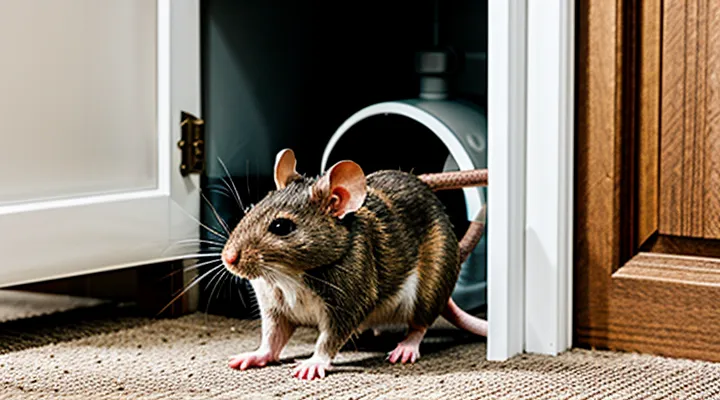
Understanding the Enemy: Rodent Behavior and Signs of Infestation
Identifying Common Rodent Species
Mice vs. Rats: Key Distinctions
Mice and rats belong to the same family but differ in several measurable ways that affect detection, damage, and control measures.
- Size: Mice average 2–4 inches in body length, while rats range from 7 inches to over a foot, making visual identification straightforward.
- Tail: Mouse tails are thin, hair‑covered, and proportionally long; rat tails are thicker, scaly, and often shorter relative to body length.
- Head shape: Mice possess a pointed snout and large ears; rats have blunt noses and smaller ears relative to head size.
- Reproduction: A female mouse can produce up to 10 litters per year with 5–6 pups each; a rat typically has 5–7 litters with 6–12 pups, resulting in a slower population growth for rats but larger brood sizes.
- Habitat preference: Mice favor higher, concealed locations such as attics and ceiling voids; rats prefer ground‑level areas, basements, and sewer lines.
- Food and water needs: Mice survive on minimal food and can subsist longer without water; rats require larger, more frequent food sources and readily access water.
- Damage patterns: Mice chew small openings, gnaw on wiring and thin materials; rats cause extensive structural damage, gnaw through thicker insulation, and can contaminate larger food stores.
- Signs of activity: Mice leave fine droppings (about ¼ inch) and faint gnaw marks; rat droppings are larger (½ inch), and their paths show pronounced gnawing and grease tracks.
Understanding these distinctions enables targeted interventions: traps sized for the specific rodent, bait stations calibrated to appropriate consumption rates, and placement strategies that reflect preferred habitats. Accurate identification reduces wasted effort and improves the efficacy of domestic rodent management programs.
Habitat and Breeding Habits
Rodents thrive in locations that provide constant access to food, water, and shelter. Common indoor habitats include kitchen counters, pantry shelves, behind appliances, and gaps around pipes or wiring. Exterior sites such as garden sheds, compost bins, and dense vegetation adjacent to the foundation also serve as entry points. Structural deficiencies—cracks in walls, unsealed door frames, and poorly fitted screens—facilitate movement between outdoor and indoor environments.
Breeding cycles enable rapid population growth. Female mice reach sexual maturity at 5–6 weeks, produce a litter of 5–8 offspring after a 19‑day gestation, and can breed every three weeks under optimal conditions. Rats mature slightly later, at 8–10 weeks, with a 21‑day gestation and litters of 6–12 pups; breeding intervals range from four to six weeks. Warmer months accelerate reproductive rates, but indoor climates can sustain year‑round breeding.
Understanding these patterns informs effective control measures. Reducing accessible food and water sources, sealing entry points, and eliminating clutter that offers nesting material directly limit habitat suitability. Interrupting breeding cycles—through timely trapping, removal of gravid females, and environmental sanitation—prevents exponential population increases.
Recognizing the Signs of Rodent Presence
Droppings and Urine Stains
Rodent feces and urine present immediate health hazards and signal active infestation. Droppings appear as small, dark pellets, typically 4‑6 mm long, with a pointed end. Urine stains manifest as yellowish or brownish discolorations on surfaces, often accompanied by a strong, musky odor.
Key concerns:
- Transmission of Hantavirus, leptospirosis, salmonella, and other pathogens.
- Contamination of food, utensils, and preparation areas.
- Attraction of secondary pests such as flies and beetles.
Safe removal procedure:
- Seal off the area, wear disposable gloves, N‑95 respirator, and eye protection.
- Ventilate the space for at least 15 minutes; use a HEPA filter if available.
- Moisten droppings and urine with a solution of 1 part bleach to 9 parts water; let stand 5 minutes to neutralize pathogens.
- Scrape solid waste into a sealed plastic bag; wipe wet stains with the bleach solution, then rinse with clean water.
- Disinfect the cleaned surface with a commercial rodent‑specific disinfectant or a 1 % bleach solution; allow to air‑dry.
- Dispose of all contaminated materials in a sealed container; wash hands thoroughly after glove removal.
Preventive actions:
- Store food in airtight containers; eliminate crumbs and spills promptly.
- Repair gaps larger than ¼ inch in walls, floors, and around pipes.
- Reduce moisture sources by fixing leaks and using dehumidifiers in damp areas.
- Install snap traps or electronic devices near identified droppings to intercept further activity.
Regular inspection of hidden spaces—behind appliances, under cabinets, and within attic insulation—detects fresh deposits early, enabling prompt sanitation and reducing the risk of disease spread.
Gnaw Marks and Damage
Mice and rats leave unmistakable evidence through their chewing activity. Recognizing gnaw marks early prevents structural deterioration and reduces health hazards.
Typical indications include:
- Clean, parallel cuts on wood, plastic, or insulation, usually 2–6 mm wide.
- Shiny, crescent‑shaped holes in wires, often accompanied by frayed insulation.
- Rounded bite marks on cardboard, paper, or fabric, often exposing inner layers.
- Partial removal of sealant or caulk around entry points, creating gaps for further intrusion.
- Damage to food packaging, evident by torn seams and exposed contents.
These signs point to active foraging and nest construction. Chewed electrical wiring can cause short circuits or fire risk; compromised insulation lowers energy efficiency and invites moisture intrusion. Food‑container breaches accelerate spoilage and attract additional pests.
Addressing gnaw damage involves three steps:
- Inspect all accessible surfaces, focusing on concealed areas such as attics, basements, and behind appliances.
- Repair or replace compromised materials promptly, using rodent‑resistant products where possible.
- Implement exclusion measures—seal openings larger than ¼ inch with steel wool, metal flashing, or cement—to eliminate access routes.
Integrating damage assessment with control actions ensures that eradication efforts are not undermined by ongoing structural vulnerability.
Nests and Runways
Rodents build nests from shredded paper, fabric, insulation and other soft materials; these structures provide shelter, breeding sites and protection from predators. Runways are the concealed pathways rodents follow between food sources, water, and nesting areas, often hidden along walls, behind appliances, or under cabinets. Recognizing and eliminating both elements is critical for long‑term control.
Typical indicators of nests include clusters of droppings, gnaw marks, urine stains, and visible mounds of debris. Runways appear as smoothed, parallel lines of gnawing or as faint grease trails along baseboards and behind furniture. Inspection should focus on concealed spaces—behind refrigerators, under sinks, within attic insulation, and inside wall cavities.
To eradicate nests:
- Remove all soft debris; discard shredded paper, cloth, and insulation.
- Clean the area with a detergent solution to eliminate scent cues.
- Place snap traps or electronic devices directly over the nest location.
- Apply a rodent‑specific bait station, ensuring it is inaccessible to children and pets.
To disrupt runways:
- Seal cracks and gaps larger than ¼ inch with steel wool, caulk or metal flashing.
- Install door sweeps and weather stripping to block entry beneath doors.
- Relocate food storage to airtight containers; eliminate crumbs and spills promptly.
- Use deterrent powders (e.g., diatomaceous earth) or ultrasonic emitters along identified pathways.
Regular monitoring after intervention confirms the disappearance of droppings and the absence of new debris, indicating that nests and runways have been successfully removed. Continuous maintenance of sealed entry points and strict sanitation prevents re‑establishment.
Prevention: The First Line of Defense
Sealing Entry Points
Inspecting the Exterior
Inspecting the exterior of a residence is the first line of defense against rodent intrusion. Identify all potential entry points by walking around the building and examining the foundation, walls, and roofline. Pay particular attention to cracks, gaps around utility lines, and openings around doors and windows. Seal any openings larger than a quarter‑inch with steel wool, caulk, or metal flashing; rodents can squeeze through much smaller spaces.
Check the surrounding landscape for conditions that attract mice and rats. Trim vegetation that contacts the house, remove debris piles, and keep firewood stored off the ground and away from the structure. Ensure that gutters and downspouts direct water away from the foundation; standing moisture creates a favorable environment for shelter building.
Maintain a clean perimeter to discourage foraging. Store garbage in sealed containers, sweep away spilled seeds or pet food, and keep compost bins tightly covered. Install motion‑activated lights or low‑intensity floodlights near entry zones; illumination reduces nocturnal activity without creating a nuisance.
Key inspection items:
- Cracks in foundation or walls
- Gaps around pipes, cables, and vents
- Damaged or missing weather stripping on doors and windows
- Overgrown bushes, vines, or tree branches touching the building
- Accumulated debris, wood piles, or clutter near the foundation
- Poor drainage or standing water near the house
- Unsecured trash cans, compost bins, or pet feeding stations
Document findings, prioritize repairs based on size and location, and schedule remediation promptly. A thorough exterior assessment limits the opportunities for rodents to establish footholds, forming the basis for an effective overall control strategy.
Interior Vulnerabilities
Rodent infestations often begin with unnoticed gaps inside the living space. Small openings in walls, floors, and ceilings provide direct pathways for mice and rats to explore food sources and shelter. Identifying these weak points is essential for any comprehensive control strategy.
Typical interior vulnerabilities include:
- Gaps around utility penetrations such as pipes, cables, and wiring sleeves.
- Unsealed cracks in drywall, plaster, or foundation walls.
- Openings around window frames, especially where screens are missing or damaged.
- Gaps beneath doors, particularly in homes with sliding or pocket doors.
- Unfinished attic or crawl‑space access points, including vent covers without mesh.
- Loose or damaged baseboard trim that creates gaps between the floor and wall.
Addressing each opening reduces the likelihood of rodent entry. Use steel wool or copper mesh to fill narrow gaps, then seal with caulk or expanding foam. For larger openings, install metal flashing or hardware cloth with a minimum ¼‑inch mesh. Ensure door sweeps are fitted tightly, and replace or repair damaged screens. Verify that vent covers are secured with mesh that rodents cannot chew through.
Regular inspection reinforces prevention. Conduct a systematic walk‑through each season, focusing on the listed areas. Document any new cracks or wear, repair promptly, and maintain a barrier around all utility entries. Consistent upkeep eliminates interior pathways, strengthening overall pest‑management efforts.
Eliminating Food and Water Sources
Proper Food Storage
Proper food storage is a critical element of any residential rodent‑prevention plan. Food that is easily accessible provides a strong attractant for mice and rats; eliminating this source reduces the likelihood of infestation.
Secure containers made of metal or heavy‑wall plastic prevent gnawing. Choose lids with snap‑fit or locking mechanisms; simple screw‑top jars are insufficient if the seal can be breached. Store all dry goods—cereals, grains, nuts, pet food—in such containers, and keep them on shelves away from floor level.
Maintain a clean pantry environment. Immediately discard packaging that has been torn or punctured, and wipe shelves with a mild detergent after each restock. Regularly inspect for spills; even small crumbs create a feeding opportunity.
Implement a routine for waste management. Use trash cans with tight‑fitting lids, and empty them daily. Compost bins should be sealed and stored outdoors, not inside the kitchen.
A concise checklist for food‑storage hygiene:
- Transfer all pantry items to rodent‑proof containers.
- Position containers on elevated shelves, at least 12 inches above the floor.
- Clean shelves and surrounding areas after each grocery delivery.
- Seal garbage cans with lids that lock in place.
- Remove pet food after feeding; store leftovers in sealed containers.
Adhering to these practices removes the primary food incentive for rodents, thereby strengthening overall pest‑control efforts within the home.
Addressing Leaks and Moisture
Moist environments attract rodents because they provide easy access to water and create conditions favorable for nesting. Eliminating leaks removes a primary incentive for mice and rats to establish a presence inside a residence.
Typical sources of unwanted moisture include dripping faucets, faulty pipe joints, roof penetrations, and condensation on cold surfaces. Each source can be identified through visual inspection or by monitoring areas with persistent dampness.
Steps to address leaks and moisture:
- Inspect all plumbing fixtures for drips; tighten connections or replace worn washers.
- Examine under‑sink cabinets and behind appliances for signs of water damage; repair or reseal pipe joints as needed.
- Test exterior walls and roof for infiltration after rainfall; apply sealant or replace damaged flashing.
- Install water‑resistant barriers in basements and crawl spaces; use vapor barriers on concrete floors.
- Employ moisture meters to verify that previously damp areas have returned to dry conditions.
Additional moisture‑reduction measures include installing dehumidifiers in high‑humidity rooms, ensuring adequate ventilation in kitchens and bathrooms, and using exhaust fans to expel humid air. Maintaining indoor relative humidity below 50 % discourages rodent activity and inhibits the growth of mold that can further attract pests.
By systematically removing water sources and controlling ambient humidity, homeowners create an environment that is inhospitable to mice and rats, thereby strengthening overall pest‑prevention efforts.
Maintaining a Clean Environment
Regular Cleaning Practices
Consistent cleaning eliminates food residues, nesting material, and shelter that attract rodents. Removing crumbs, spills, and pet food promptly deprives them of essential sustenance. Store dry goods in sealed containers; metal or heavy‑plastic bins prevent gnawing. Vacuum floors and upholstery weekly to capture hidden droppings and insects that serve as secondary food sources. Clean behind appliances, under sinks, and in cabinets where debris can accumulate unnoticed. Dispose of garbage in tightly sealed bins and empty them regularly to avoid odor buildup.
- Sweep and mop kitchen surfaces daily.
- Wipe countertops after each meal.
- Clean pet feeding areas after every use.
- Inspect and wash reusable grocery bags before storage.
- Disinfect trash cans and replace liners weekly.
Decluttering and Organization
Keeping living spaces tidy directly reduces the attractiveness of a home to rodents. Excess clutter creates hidden pathways, shelters, and nesting sites, making it easier for mice and rats to establish colonies. Organized environments limit these opportunities and simplify detection of early activity.
- Remove all food items from open countertops and store them in sealed containers made of glass or heavy‑wall plastic.
- Clear under‑sink and behind appliance areas of boxes, papers, and debris that could serve as nesting material.
- Consolidate stored items on elevated shelves, leaving a clear floor space for routine inspection.
- Dispose of infested or damaged materials promptly, preventing the spread of scent trails.
- Establish a routine of weekly visual checks, focusing on corners, wall voids, and utility spaces.
Implementing systematic organization also supports other control measures. When items are accessible, traps can be placed strategically, and bait stations remain protected from non‑target animals. Regular decluttering simplifies cleaning, reducing crumbs and spills that attract rodents. Maintaining an orderly home therefore serves as a foundational barrier, decreasing the likelihood of infestation and facilitating rapid response if rodents appear.
Eradication Methods: Taking Action
Trapping Strategies
Snap Traps: Effective Placement
Snap traps deliver rapid, humane results when positioned correctly. Their effectiveness hinges on placement that aligns with rodent movement patterns and habitat preferences.
Identify high‑traffic zones by observing droppings, gnaw marks, and nesting material. Common locations include:
- Along walls where rodents travel edge‑wise
- Behind appliances, cabinets, and pantry shelves
- Near entry points such as gaps around pipes or vents
- Inside concealed pathways like crawl spaces or attic joists
Set each trap with the bait side facing the wall, positioning the trigger at a shallow angle to encourage entry. Replace inactive traps promptly and dispose of captured rodents according to local health regulations. Consistent monitoring and strategic relocation prevent bait aversion and maintain pressure on the infestation.
Live Traps: Humane Removal
Live traps provide a non‑lethal method for removing mice and rats from residential spaces. The devices consist of a container with a trigger mechanism that closes the door once the animal enters, allowing safe capture without injury.
Key factors for effective use include:
- Trap selection – Choose models sized for target species; mouse traps are smaller, rat traps larger, with sturdy construction to prevent escape.
- Bait choice – Use high‑energy foods such as peanut butter, dried fruit, or small pieces of meat; secure bait to the trigger plate to ensure contact.
- Placement – Position traps along walls, behind appliances, and near known activity zones; align the entry hole with the animal’s natural travel paths.
- Monitoring – Check traps at least twice daily; release captured rodents promptly to avoid stress and potential disease transmission.
- Release protocol – Transport the trap to a suitable outdoor location at least 100 m from the residence; open the door gently, allowing the animal to exit unharmed.
Proper sanitation after each capture reduces scent trails that might deter further use. Clean traps with mild detergent and rinse thoroughly before redeployment. Seal any gaps or entry points discovered during inspection to limit re‑infestation.
Live trapping integrates seamlessly with broader home pest‑management practices, offering a humane alternative that complies with many local wildlife regulations while maintaining a rodent‑free environment.
Electronic Traps: Modern Solutions
Electronic traps provide a rapid, humane alternative to traditional snap or glue devices. The unit contains a high‑voltage circuit that delivers an instantaneous discharge when a rodent contacts the sensor plate, causing immediate immobilization. The mechanism eliminates the need for chemical baits, reduces secondary poisoning risk, and allows for precise placement in concealed areas such as wall voids, attics, and under appliances.
Key characteristics of modern electronic models include:
- Adjustable voltage levels to suit mice or larger rats.
- Audible alarm that signals a capture, facilitating prompt removal.
- Reusable chambers that can be emptied, cleaned, and redeployed without additional consumables.
- Battery‑powered or AC‑plug options, ensuring operation during power outages.
- Built‑in safety interlocks that prevent accidental discharge when the trap is opened.
Effective deployment follows a simple protocol: position the device along established runways, maintain a clear line of sight to the sensor plate, and avoid clutter that could obstruct the rodent’s path. After each capture, dispose of the deceased animal according to local regulations, wipe the interior with a mild disinfectant, and reset the alarm. Regular inspection of battery status or power connections preserves reliability, while periodic testing of the voltage output confirms consistent performance. By integrating electronic traps into a broader sanitation and exclusion plan, homeowners achieve rapid reduction of rodent activity with minimal collateral impact.
Baits and Rodenticides
Understanding Different Bait Types
Rodent control in residential settings relies heavily on selecting the appropriate bait. Different bait formulations address specific behaviors, safety concerns, and regulatory requirements.
-
Anticoagulant baits contain compounds such as brodifacoum or difenacoum. They cause internal bleeding after ingestion, leading to death within a few days. These baits are effective against both mice and rats but require careful placement to prevent accidental exposure of children, pets, and non‑target wildlife. Secure stations or tamper‑proof containers are essential when using anticoagulants.
-
Non‑anticoagulant baits employ active ingredients like bromethalin, cholecalciferol, or zinc phosphide. They act rapidly, producing neurological disruption, hypercalcemia, or metabolic poisoning, respectively. Non‑anticoagulants are often preferred in environments where quick knock‑down is necessary or where anticoagulant resistance has been documented. Proper ventilation and sealing of bait stations reduce the risk of inhalation or spillage.
-
Food‑based attractants such as peanut butter, grain, or dried fruit serve as carriers for the toxic agents. Selecting an attractant that matches the local rodent’s dietary preferences improves bait acceptance. For example, grain mixtures are more appealing to rats, while sweet, protein‑rich pastes attract mice. Combining attractants with a measured dose of active ingredient ensures consistent consumption.
-
Low‑risk, humane options include snap traps pre‑baited with crumb‑size food items or electronic devices that deliver a lethal shock. Although not chemical baits, these methods complement chemical strategies by reducing the overall poison load and providing immediate verification of capture.
When deploying any bait type, follow these best practices:
- Identify high‑traffic zones by inspecting droppings, gnaw marks, and nesting material.
- Place bait at least 2–3 inches off the ground to deter non‑target species.
- Rotate active ingredients every 3–4 months to mitigate resistance development.
- Record placement dates and monitor consumption daily; replace depleted stations promptly.
- Dispose of unused bait and dead rodents according to local health regulations.
Understanding the strengths and limitations of each bait category enables homeowners to design a targeted, effective rodent management plan while minimizing hazards to humans and pets.
Safe Application and Placement
Safe application and proper placement are critical for any rodent‑control effort inside a dwelling. Incorrect use of baits, traps, or electronic devices can create health hazards, damage property, or reduce effectiveness. Follow precise guidelines to protect occupants while eliminating mice and rats.
When using chemical or food‑based baits, observe these rules: place stations along walls where rodents travel, keep them at least 18 inches from food preparation surfaces, and secure them in tamper‑resistant containers. Use the minimum amount required for the product label; excess increases the risk of accidental ingestion by children or pets. Replace stations only after the active ingredient has degraded, typically after 30 days, and dispose of used units according to local hazardous‑waste regulations.
Mechanical traps—snap, live‑capture, or glue—must be positioned where evidence of activity exists, such as gnaw marks, droppings, or runways. Align the trigger mechanism perpendicular to the wall, with the bait side facing the rodent’s entry point. Avoid placing traps in high‑traffic human areas; a distance of at least 3 ft from walkways minimizes accidental contact. Inspect traps daily, remove captured rodents promptly, and disinfect the area to prevent disease spread.
Electronic devices emit ultrasonic or electromagnetic pulses. Install them at ceiling height, away from solid objects that block signal propagation. Space units 10–15 ft apart for full coverage. Turn devices off when the area is unoccupied for extended periods to conserve energy and reduce unnecessary exposure.
Routine monitoring ensures continued safety and efficacy. Record locations, dates of placement, and observations of activity. Adjust positions based on shifting rodent pathways. Regularly clean and sanitize all equipment to maintain performance and prevent secondary infestations.
Key placement principles
- Align all devices and stations along baseboards or walls, not in open floor space.
- Maintain a minimum clearance of 18 inches from food, cooking surfaces, and children's play zones.
- Use tamper‑proof housings for baits; lockable enclosures are preferred.
- Position traps perpendicular to travel routes, with bait facing the expected direction of approach.
- Space electronic units evenly, respecting manufacturer‑specified coverage radius.
Adhering to these practices delivers effective rodent control while safeguarding human health and property integrity.
Risks and Precautions
Rodent control carries several hazards that must be addressed before implementation. Direct contact with mice and rats can transmit diseases such as hantavirus, leptospirosis, and salmonellosis. Droppings, urine, and shed skin become airborne when disturbed, increasing inhalation risk. Chemical baits and fumigants pose toxicity threats to humans, children, and non‑target animals; improper handling may cause skin irritation, respiratory distress, or accidental ingestion. Physical traps can cause injury if they snap unexpectedly or are set in high‑traffic areas. Structural damage from gnawing can compromise electrical wiring, leading to fire hazards.
Precautions reduce these risks and ensure safe, effective rodent management:
- Wear disposable gloves and, where dust or aerosols may be generated, a mask rated for particulate protection.
- Use sealed bait stations that limit access to pets and children while containing poison.
- Place snap or live traps away from pathways, securing them to prevent accidental activation.
- Follow product labels precisely, observing recommended dosage, placement height, and re‑application intervals.
- Ventilate rooms after applying powders or sprays; allow sufficient drying time before re‑entry.
- Store all rodenticides in locked containers, separate from food and cleaning supplies.
- Inspect and repair structural entry points before deploying control measures to prevent re‑infestation.
- Keep a record of chemicals used, dates of application, and locations to monitor exposure and compliance with local regulations.
Adhering to these safety protocols minimizes health threats, protects non‑target species, and enhances the overall efficacy of rodent eradication efforts within residential settings.
Natural and Repellent Approaches
Essential Oils and Their Efficacy
Essential oils provide a non‑toxic option for reducing rodent activity inside residential spaces. Their strong volatiles disrupt the sensory receptors that mice and rats rely on for navigation and food detection.
Peer‑reviewed studies report measurable repellent effects when oils are applied at concentrations of 5‑10 % in carrier liquids. Peppermint oil, containing menthol and menthone, reduced foraging by up to 70 % in laboratory trials. Eucalyptus, clove, and citronella exhibited similar deterrent levels, although efficacy varied among species and exposure duration.
- Peppermint (Mentha piperita): highest documented repellency; vapour concentration ≥ 0.5 mg/L recommended.
- Eucalyptus (Eucalyptus globulus): effective against rats; requires re‑application every 48 h.
- Clove (Syzygium aromaticum): strong odor; useful in confined entry points.
- Citronella (Cymbopogon natalensis): moderate effect; best combined with other oils.
Application methods:
- Soak cotton balls with undiluted oil, place behind appliances, under sinks, and near known entryways.
- Prepare a spray by mixing 10 ml essential oil with 250 ml water and a few drops of emulsifier; spray along baseboards and cracks.
- Refresh cotton balls or re‑spray every 2–3 days, or after cleaning, to maintain vapour levels.
Essential oils alone do not eradicate infestations. Successful control requires sealing openings, eliminating food sources, and integrating mechanical traps or baits where appropriate. Some oils may irritate pets or cause allergic reactions; users should test in a limited area and keep treated materials out of reach of children and animals.
Ultrasonic Devices: Do They Work?
Ultrasonic repellents emit high‑frequency sound waves that are inaudible to humans but purportedly distress rodents. The devices typically operate at 20–65 kHz, a range that overlaps the hearing sensitivity of mice and rats. Manufacturers claim continuous emission forces pests to vacate the area, reducing damage and disease risk.
Scientific evaluations present mixed results. Controlled laboratory tests often show short‑term aversion, with rodents avoiding the source for minutes to a few hours. Field studies in residential settings report negligible long‑term reduction in activity. Key factors influencing performance include:
- Frequency stability: many units drift outside the effective range after weeks of use.
- Sound propagation: walls, furniture, and flooring absorb ultrasonic energy, creating dead zones.
- Habituation: rodents can become desensitized after repeated exposure, rendering the device ineffective.
Proper deployment can marginally improve outcomes. Recommendations are:
- Place devices at least 12 inches off the floor, facing open space.
- Ensure coverage overlap in larger rooms; each unit typically protects a 500‑square‑foot area.
- Replace units every six months to maintain frequency output.
Even when correctly installed, ultrasonic repellents rarely achieve the control levels of mechanical traps, exclusion methods, or professional baiting programs. For households seeking reliable pest suppression, integrating ultrasonic devices with sealing entry points and targeted trapping offers the most consistent results.
Pet Deterrents
Pets can serve as a practical line of defense against rodent infestations. A cat’s natural hunting instinct often discourages mice and rats from entering a dwelling. Regular feeding, health checks, and indoor confinement reduce the risk of the cat becoming a prey for larger rats. Dogs, particularly breeds with strong prey drives such as terriers, can be trained to detect and chase rodents, providing an active deterrent. Proper training, consistent reinforcement, and supervision prevent unwanted aggression toward household members.
Ferrets, though less common, possess keen scent detection and can locate hidden rodent nests. Their use requires secure housing, regular veterinary care, and an environment free of hazards. Small reptiles, such as certain lizards, may deter insects that attract rodents, indirectly reducing rodent activity.
Key considerations for employing pets as deterrents:
- Health monitoring: Routine veterinary examinations ensure the animal remains fit to confront rodents without compromising its well‑being.
- Safety protocols: Secure fencing, escape‑proof doors, and safe bedding prevent accidental injuries to both pet and homeowner.
- Legal restrictions: Verify local regulations regarding pet ownership, especially for exotic species.
- Supplementary measures: Combine pet presence with sealing entry points, proper waste management, and traps for comprehensive control.
When integrated responsibly, pets can complement other rodent‑management strategies, creating a multi‑layered approach that minimizes the need for chemical interventions.
Post-Eradication: Cleanup and Future Prevention
Sanitizing Infested Areas
Cleaning Up Droppings and Nests
Removing rodent droppings and dismantling nests eliminates food sources, reduces disease risk, and disrupts breeding cycles. Immediate action prevents contamination from spreadable pathogens such as Hantavirus and Salmonella.
Procedure for safe cleanup
- Wear disposable gloves, a N95 respirator, and protective eyewear.
- Ventilate the area for at least 15 minutes; keep children and pets away.
- Moisten droppings, urine stains, and nest materials with a 1:10 bleach solution or a commercial rodent disinfectant. Let the solution sit for 10 minutes to inactivate viruses.
- Collect the softened material with a disposable paper towel or a damp cloth. Place it directly into a sealable plastic bag.
- Dispose of the bag in an outdoor trash container that is emptied regularly. Do not recycle contaminated waste.
- After removal, scrub the surface with the same bleach solution, then rinse with clean water.
- Allow the cleaned area to dry completely before restoring any food items or bedding.
Post‑cleanup measures
- Replace damaged insulation, cardboard, or fabric with materials that rodents cannot gnaw easily.
- Seal entry points identified during inspection with steel wool and caulk or replace damaged sections of wall or flooring.
- Install sealed trash containers and keep food in airtight containers to remove attractants.
Consistent execution of these steps integrates seamlessly with broader home rodent control programs, ensuring a hygienic environment and minimizing the likelihood of re‑infestation.
Disinfecting Surfaces
Disinfecting surfaces eliminates food residues and scent trails that attract rodents and supports other control measures. Thorough cleaning removes droppings, urine, and spilled grains, while sanitation with an appropriate disinfectant destroys pathogens and erases odor cues used by mice and rats for navigation.
Key actions for effective surface treatment:
- Remove visible debris and waste before applying any chemical.
- Choose a disinfectant registered for rodent‑related contamination (e.g., quaternary ammonium compounds, bleach solutions at 1 % concentration).
- Apply the product to countertops, floors, cabinets, and any area where rodents have been observed; ensure full coverage for at least the contact time specified on the label.
- Allow the surface to dry completely; re‑apply if the area remains wet or if heavy traffic resumes quickly.
- Dispose of cleaning cloths or mop heads in sealed bags to prevent re‑contamination.
Regular implementation of these steps, combined with sealing entry points and eliminating food sources, creates an environment that discourages rodent activity and reduces health risks.
Long-Term Monitoring and Maintenance
Regular Inspections
Regular inspections are a cornerstone of residential rodent management. By examining potential entry points, food sources, and nesting areas on a consistent schedule, homeowners can identify early signs of activity before populations expand.
Typical inspection targets include:
- Gaps around doors, windows, and utility penetrations; seal openings larger than ¼ inch.
- Cracks in foundation walls, baseboards, and cabinetry; repair with durable material.
- Food storage zones; verify airtight containers and clean spills promptly.
- Hidden locations such as attics, crawl spaces, and behind appliances; look for droppings, gnaw marks, and shredded insulation.
- Waste disposal areas; ensure lids close tightly and bins are emptied regularly.
Inspection frequency should align with seasonal risk. Conduct a thorough walkthrough at the start of spring, repeat monthly through summer, and perform a final review before winter. In high‑risk environments—multiple occupants, abundant food waste, or proximity to vacant properties—add bi‑weekly checks.
Document findings after each inspection. Record the date, inspected area, evidence observed, and corrective actions taken. A simple log enables trend analysis, guides remediation priorities, and provides evidence for professional pest‑control consultations if needed.
Integrating inspections with other control measures strengthens overall effectiveness. Seal identified entry points, eliminate food attractants, and maintain sanitation standards immediately after each assessment. Consistent, methodical inspections reduce the likelihood of infestations and limit the need for reactive extermination.
Continuous Prevention Measures
Continuous prevention is essential for long‑term rodent exclusion. Seal all exterior openings larger than ¼ inch with steel wool, metal flashing, or cement. Install door sweeps and repair cracked foundation joints. Trim vegetation and remove debris within two meters of the building to eliminate shelter.
- Store food in airtight containers; avoid leaving pet food out overnight.
- Keep garbage bins sealed and empty them regularly.
- Use bait stations only as a temporary measure; rely on physical barriers for primary defense.
- Conduct monthly inspections of walls, ceilings, and utility spaces for gnaw marks, droppings, or nesting material.
Document findings after each inspection and address new entry points immediately. Rotate sealant materials annually to prevent deterioration. Maintain a schedule for cleaning behind appliances and moving stored items to uncover hidden gaps. Consistent application of these practices sustains a rodent‑free environment.