
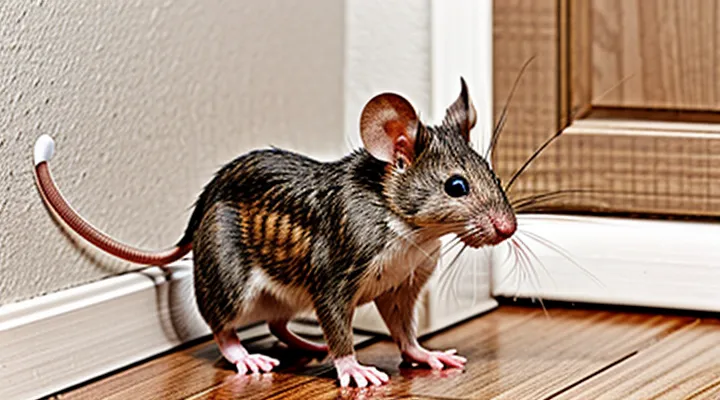
Understanding the Mouse Problem
Signs of a Mouse Infestation
Droppings and Urine
Droppings and urine provide reliable indicators of mouse activity within a residence. Their presence confirms infestation, guides trap placement, and signals health risks that require immediate attention.
Droppings appear as small, dark, pellet‑shaped fragments, typically found along walls, behind appliances, and in pantry corners. Urine stains manifest as faint, damp patches or a distinct odor, often near food sources or nesting sites.
Health hazards include transmission of hantavirus, salmonella, and leptospirosis. Inhalation of aerosolized particles from dried droppings can cause respiratory illness. Direct contact may lead to skin irritation or infection.
Cleaning protocol:
- Wear disposable gloves and a mask.
- Ventilate the area for at least 15 minutes.
- Moisten droppings with a disinfectant solution (e.g., 1 % bleach) to prevent aerosolization.
- Wipe surfaces with the same solution, allowing a 10‑minute contact time.
- Dispose of contaminated materials in sealed bags and discard them in an outdoor trash container.
Accurate identification of droppings and urine enables strategic trap deployment. Position snap traps or humane catch‑and‑release devices directly adjacent to confirmed activity zones to maximize capture probability. Regular monitoring of these signs ensures timely adjustment of control measures and prevents reinfestation.
Gnaw Marks
Gnaw marks serve as reliable indicators of mouse activity within a residence. Their presence confirms recent feeding or nesting behavior, allowing precise targeting of control measures.
Typical gnaw marks measure 2–5 mm in length, display sharp, V‑shaped incisions, and appear on soft materials such as wood, plastic, or cardboard. Frequently, marks cluster near food sources, entry points, or concealed pathways.
Identifying gnaw marks guides optimal placement of traps and bait stations. By mapping the distribution of these signs, the homeowner can concentrate efforts along the mouse’s preferred routes, increasing capture probability while minimizing unnecessary disturbances.
Practical steps for leveraging gnaw marks:
- Conduct a systematic inspection of rooms, focusing on corners, cabinets, and behind appliances.
- Record the location of each gnaw mark on a simple floor plan.
- Prioritize trap placement at the nearest point to each recorded mark, aligning the trigger mechanism perpendicular to the observed chewing direction.
- Use bait that mimics the material the mouse has been gnawing, enhancing attraction.
- Monitor traps daily, relocating them according to any new gnaw‑mark evidence.
Scratching Noises
Scratching noises serve as a primary indicator of mouse presence within a dwelling. These sounds typically originate from gnawing or nesting activities and concentrate in concealed areas such as wall cavities, attics, and storage closets. Detecting the pattern and intensity of the noise helps locate the rodent’s pathways and preferred hideouts.
Key characteristics of mouse-generated scratching include:
- High‑frequency, intermittent sounds lasting a few seconds to several minutes.
- Occurrence during nocturnal hours when rodents are most active.
- Localization near food sources, water lines, or structural gaps.
Utilizing scratching noises to improve capture success involves aligning traps with identified activity zones. Position snap or live‑catch traps directly behind walls, under cabinets, or along baseboard edges where the sounds are strongest. Ensure bait placement corresponds to the mouse’s foraging routes, typically along the same line of noise generation.
Practical steps for exploiting scratching noises:
- Conduct a quiet inspection after sunset to pinpoint audible sources.
- Mark each detection point with temporary tape for reference.
- Install traps within 12–18 inches of the marked locations, aligning with the direction of the noise.
- Replace or reposition traps after 24 hours if no capture occurs, guided by any shift in scratching patterns.
- Seal identified entry points after successful capture to prevent re‑infestation.
Systematic attention to scratching noises streamlines the identification of mouse activity, allowing precise trap placement and increasing overall capture efficiency.
Why Mice Are a Problem
Health Risks
Rodent infestations introduce pathogens that can cause serious illness. Common diseases transmitted by mice include hantavirus, leptospirosis, salmonellosis and plague. Direct contact with droppings, urine or saliva provides the primary route of infection; inhalation of aerosolized particles from disturbed nesting material also poses a risk.
Chemical rodenticides present toxic hazards. Anticoagulant baits may cause internal bleeding if ingested by children, pets or non‑target wildlife. Secondary poisoning occurs when predators consume poisoned rodents. Skin contact with concentrated formulations can lead to dermatitis or systemic absorption.
Mechanical traps generate physical injury. Snap traps can inflict severe lacerations if mishandled, while live‑capture cages may cause stress‑induced immunosuppression in captured animals. Improper disposal of trapped mice releases residual pathogens into the household environment.
Allergenic reactions arise from mouse hair, dander and shed skin. Sensitive individuals may experience asthma exacerbations, rhinitis or skin irritation upon exposure to these particulates.
Mitigation measures include:
- Wearing disposable gloves and masks when handling traps or cleaning contaminated areas.
- Using bait stations that restrict access to non‑target species.
- Selecting snap traps with safety shields to reduce accidental activation.
- Disinfecting surfaces with an EPA‑approved rodent‑specific sanitizer after removal of droppings.
- Maintaining sealed food storage to limit attractants and reduce exposure.
Adherence to these precautions minimizes health threats associated with mouse control activities in residential settings.
Property Damage
Mice frequently gnaw on structural components, creating holes in walls, floors and ceilings. Their incisors can compromise the integrity of wooden beams, drywall and insulation, leading to costly repairs and increased risk of pest re‑entry.
Common trapping and baiting techniques may exacerbate damage. Snap traps placed near electrical wiring can sever cords, creating short‑circuit hazards. Glue boards adhered to furniture surfaces leave residue that stains upholstery and finishes. Poison baits, if mishandled, can contaminate food storage areas, prompting disposal of unaffected provisions.
Preventive actions reduce the likelihood of property loss while controlling rodents:
- Seal entry points with steel‑wool or cement‑based caulk.
- Position mechanical traps away from wiring, plumbing and valuable surfaces.
- Use live‑catch cages with smooth interiors to avoid tearing fabrics.
- Rotate bait locations to prevent localized contamination.
By selecting methods that respect the home’s infrastructure, the homeowner limits repair costs and preserves the condition of the dwelling.
Prevention Strategies
Sealing Entry Points
Inspecting Your Home
Inspecting the residence is the first decisive action in any rodent‑control plan. Identify entry points, locate activity zones, and assess conditions that attract mice.
- Examine exterior walls, foundations, and utility penetrations for gaps larger than ¼ inch; seal with steel wool, caulk, or metal flashing.
- Inspect interior baseboards, cabinets, and pantry shelves for gnaw marks, droppings, or shredded food packaging.
- Verify that all food storage is in airtight containers; remove crumbs and spilled residues from countertops and floors.
- Check under appliances, inside closets, and behind furniture for concealed nests or droppings.
- Test door sweeps and window screens for wear; replace or repair as needed.
Documented findings dictate trap placement: position snap or live traps perpendicular to walls near confirmed runways, behind appliances, and adjacent to sealed entry points. Reducing available shelter and food sources simultaneously increases capture probability.
Materials for Sealing
Sealing entry points prevents mice from re‑entering a dwelling after capture. Effective exclusion relies on durable, impenetrable barriers that withstand gnawing.
- «Steel wool» packed tightly into gaps, then covered with caulk to block access.
- Expanding polyurethane foam applied to larger openings; foam hardens into a solid barrier.
- Copper mesh or hardware cloth (¼‑inch gauge) installed over vents and holes, resisting chewing.
- Silicone or latex caulk used for cracks around baseboards, pipes, and windows.
- Weather‑striped door sweeps and door‑bottom seals eliminate gaps beneath doors.
Application guidelines:
- Identify all potential routes by inspecting walls, floors, and utility penetrations.
- Clean surfaces to ensure adhesion of sealants.
- Insert chosen material, compressing it to fill the void completely.
- Apply a finishing layer of caulk or foam to seal edges and create a smooth surface.
- Allow curing time according to manufacturer instructions before restoring normal use.
Proper use of these materials creates a continuous barrier, reducing the likelihood of future rodent intrusion.
Food Storage and Sanitation
Proper Food Containment
Proper food containment eliminates a primary attractant for rodents and reduces the likelihood of an infestation. Secure containers made of metal or heavy‑wall plastic prevent mice from gnawing through and accessing crumbs. Seal all pantry doors and keep cabinets closed when not in use.
Key practices for effective food management:
- Store dry goods in airtight containers with screw‑on lids; avoid cardboard boxes that can be penetrated.
- Transfer bulk purchases into smaller, sealed containers promptly after opening.
- Place pet food in sealed bins and remove leftovers after each feeding.
- Clean spills immediately; use a damp cloth to remove residue from countertops, floors, and appliances.
- Dispose of waste in bins with tight‑fitting lids; empty them regularly to avoid odor buildup.
Regular inspection of storage areas identifies compromised containers before damage occurs. Replace worn seals and repair any gaps in shelving. Maintaining a clean, sealed environment removes the nutritional incentive that draws mice into residential spaces.
Regular Cleaning
Regular cleaning reduces the attractiveness of a residence to rodents. By removing food residues, crumbs, and spills promptly, the incentive for a mouse to explore the area diminishes. Consistent disposal of garbage in sealed containers prevents odor buildup that can draw pests.
Maintaining an orderly environment eliminates hiding places. Decluttering spaces such as basements, attics, and closets removes potential nesting sites. Storing items in airtight containers further limits shelter options.
A systematic cleaning routine also aids in early detection. Visible droppings, gnaw marks, or shredded material become apparent during routine inspections, allowing swift intervention before an infestation escalates.
Key actions for an effective cleaning regimen:
- Sweep and vacuum floors daily, focusing on corners and under appliances.
- Wipe countertops, tables, and kitchen surfaces after each meal preparation.
- Store dry goods in sealed, rodent‑proof containers.
- Empty trash bins regularly and keep lids tightly closed.
- Inspect and clean behind furniture, appliances, and storage units weekly.
Implementing these practices creates an inhospitable environment, supporting broader pest‑control strategies and increasing the likelihood of successful mouse capture.
Eliminating Water Sources
Eliminating water sources deprives rodents of a critical survival need, reducing their activity and encouraging relocation away from living spaces. Moisture accumulation in kitchens, bathrooms, and basements creates inviting environments; removing these reservoirs forces mice to seek drier habitats, making traps more effective.
- Repair leaky faucets, pipes, and appliance connections promptly.
- Dry sinks, countertops, and floors after use; avoid standing water in dish racks.
- Store pet water bowls on trays that can be emptied and cleaned daily.
- Use absorbent mats under houseplants and check for condensation on windowsills.
- Inspect basements and crawl spaces for seepage; apply sealants or dehumidifiers as needed.
Consistent removal of accessible water diminishes rodent presence, supporting broader pest‑management strategies.
Landscaping Considerations
Landscaping directly influences the likelihood of mouse ingress, making outdoor design a critical element of indoor rodent capture strategies. Dense shrubbery, unmanaged leaf litter, and excessive ground cover create sheltered pathways that facilitate entry through gaps in foundations and utility openings.
Key landscaping actions that support mouse control:
- Trim hedges and bushes to maintain a clear perimeter of at least one foot from the house foundation.
- Replace thick mulch with coarse, low‑moisture alternatives such as gravel or bark chips; avoid deep layers that conceal food sources.
- Elevate flower beds and garden containers on stands or pot feet, preventing direct contact with the building envelope.
- Install a graded slope away from the structure to promote water runoff and discourage moisture‑attracting habitats.
- Seal all cracks, gaps, and joints in exterior walls, siding, and roofing before planting near the property line.
Regular inspection of the yard for signs of burrowing activity, gnaw marks, and droppings enables timely remediation. Integrating these landscaping practices with indoor trapping measures enhances overall effectiveness in reducing mouse populations within residential spaces.
Trapping Methods
Live Traps
How They Work
Rodent‑control devices rely on specific behavioral triggers to secure a capture.
- Snap traps employ a spring‑loaded bar that stores potential energy; when a mouse contacts the trigger, the bar releases, delivering a rapid, lethal force to the skull.
- Live‑catch cages use a hinged door linked to a pressure‑sensitive platform; the mouse’s weight forces the door shut, confining the animal without injury.
- Glue boards present a sticky surface coated with a non‑toxic adhesive; once a mouse steps onto the board, its paws become immobilized, preventing further movement.
- Ultrasonic emitters generate sound waves at frequencies above human hearing; the continuous exposure creates an uncomfortable acoustic environment that drives mice away from the area.
- Bait stations combine attractant food with a concealed poison; the mouse ingests the toxin, which interferes with metabolic processes, leading to death after several hours.
Each mechanism exploits innate mouse instincts—exploratory behavior, foraging drive, or sensitivity to sound—to achieve containment or elimination within a domestic setting.
Placement Tips
Strategic placement of rodent control devices maximizes capture rates while minimizing disruption to household activities. Position traps along established travel routes, typically near walls, behind appliances, and within concealed spaces where mice seek shelter. Avoid open floor areas where rodents are less likely to travel.
Key considerations for optimal positioning:
- Align traps perpendicular to wall edges, allowing mice to approach from the side rather than head‑on.
- Place devices within 12‑18 inches of potential entry points such as gaps around pipes, vents, or door frames.
- Locate baited traps in low‑light zones, as mice prefer dim environments for foraging.
- Ensure a clear line of sight between trap and wall, eliminating obstacles that could deter movement.
- Rotate trap locations weekly to prevent habituation and maintain effectiveness.
Maintain a clean surrounding area; remove food debris and clutter that could distract rodents from the bait. Regularly inspect and adjust trap placement based on observed activity patterns to sustain consistent capture performance.
Releasing Mice
Releasing captured mice must be performed in a manner that prevents re‑entry into the residence and minimizes harm to the animal.
Select a release location at least 100 meters from the building, preferably in a wooded or grassy area where natural predators exist. Avoid roads, gardens with cultivated plants, or environments where the mouse could become a nuisance to neighbors.
Prepare the release site before transport. Clear debris that could trap the mouse, and ensure the ground is soft enough for immediate shelter.
When handling the mouse, wear disposable gloves to reduce stress and avoid disease transmission. Place the mouse gently onto the ground, turn it slightly to face away from the house, and step back promptly.
Key steps for humane release:
- Identify a suitable outdoor area meeting distance and habitat criteria.
- Transport the mouse in a sealed container that allows ventilation but prevents escape.
- Open the container at the release site, lower it to the ground, and allow the mouse to exit voluntarily.
- Observe from a short distance to confirm departure, then remove all equipment from the premises.
Documenting the release location and time assists in evaluating the effectiveness of the overall pest‑management strategy.
Snap Traps
Baiting Techniques
Bait selection determines trap success. High‑protein items such as dried fish, peanut butter, and cooked meat emit strong olfactory cues that attract rodents. Low‑fat options like cheese and fruit can supplement but may lose potency quickly. For allergic households, commercial rodent‑specific baits provide consistent scent without dietary concerns.
Application guidelines:
- Place a small amount of bait—approximately a pea‑sized portion—directly on the trigger mechanism to ensure contact.
- Secure bait with a thin layer of wax or petroleum jelly to prevent premature removal while maintaining scent release.
- Rotate bait types every 48 hours to prevent habituation and sustain curiosity.
- Position traps along established mouse pathways: behind appliances, near baseboards, and within concealed corners.
Environmental considerations improve effectiveness. Keep food storage sealed, eliminate clutter, and maintain a dry floor surface to reduce alternative foraging options. Regular inspection—once daily—allows prompt removal of captured rodents and replenishment of bait, preserving trap readiness.
Safe Handling and Placement
Effective mouse capture at home requires traps that are handled without risk to occupants and placed where they function reliably.
- Wear disposable gloves before touching any trap or bait to prevent skin irritation and avoid transferring scents that could deter rodents.
- Use traps with smooth, rounded edges to minimize accidental cuts.
- Store unused devices in sealed containers away from children and pets.
- Dispose of captured rodents promptly, using a plastic bag sealed tightly before discarding in an outdoor trash bin.
Placement determines success rates. Position traps along walls, behind appliances, and near known runways, because mice travel close to surfaces. Avoid high‑traffic human areas to reduce accidental contact. Select locations with limited light, as rodents prefer darkness. Secure traps firmly to prevent displacement by vibrations or cleaning activities. Regularly inspect and relocate any trap that has not yielded a catch after several days, ensuring continuous coverage of active pathways.
Electronic Traps
Advantages and Disadvantages
Various capture techniques present distinct benefits and drawbacks, influencing selection for residential pest control.
-
Snap traps
• Immediate termination of the rodent
• Low cost and reusable components
• Risk of injury to non‑target animals or children
• Requires careful placement to ensure effectiveness -
Live‑catch traps
• Allows relocation of the mouse without killing it
• Reduces ethical concerns associated with lethal devices
• Necessitates frequent monitoring to prevent stress or mortality
• Potential for escape if not secured properly -
Glue boards
• Simple deployment on flat surfaces
• No need for bait beyond the adhesive surface
• Causes prolonged suffering for captured rodents
• Difficult removal and disposal, posing hygiene issues -
Electric traps
• Delivers rapid, humane death through a high‑voltage shock
• Contains the rodent within a sealed chamber, limiting exposure
• Higher upfront cost compared with mechanical alternatives
• Requires power source and periodic cleaning of the chamber -
Natural deterrents (e.g., peppermint oil, ultrasonic emitters)
• Non‑lethal, safe for occupants and pets
• Easy to apply across multiple entry points
• Effectiveness varies widely among individual rodents
• May necessitate repeated application to maintain repellent effect
Choosing an appropriate method involves weighing immediate efficacy against humane considerations, safety of household members, and long‑term cost implications.
Setup Instructions
Effective mouse capture at a residence requires a systematic setup that maximizes trap performance and minimizes escape routes.
Gather the following items before beginning:
- Snap traps or electronic devices rated for household use
- Durable bait such as peanut butter, dried fruit, or commercial attractant
- Protective gloves to handle traps safely
- Sealant, steel wool, and caulking for entry‑point blockage
- Disposable containers for captured rodents
Arrange the equipment according to these steps:
- Identify high‑traffic zones by observing droppings, gnaw marks, and nesting material; prioritize kitchens, pantries, and concealed corners.
- Position each trap perpendicular to the wall, with the trigger end facing the anticipated travel path; ensure the bait is securely affixed to avoid premature removal.
- Test trap sensitivity by applying light pressure to the trigger mechanism; adjust tension if the snap action is sluggish.
- Seal visible gaps larger than ¼ inch using steel wool packed tightly, then cover with caulk to prevent re‑entry.
- Deploy additional traps in adjacent rooms to create a barrier, spacing them 3–4 feet apart for comprehensive coverage.
- Inspect traps daily; replace bait and reset mechanisms as needed.
- Dispose of captured specimens in sealed containers, following local regulations for pest waste.
Maintain the arrangement for at least five days, monitoring activity levels. If captures cease, reassess bait placement and verify that all potential entry points remain sealed.
«Proper preparation and consistent monitoring ensure reliable results».
Advanced and Alternative Solutions
Baits and Poisons
Safety Concerns
When using traps or baits, the primary risk is accidental exposure of non‑target occupants. Mechanical devices such as snap traps store kinetic energy; improper placement can cause injury to children, pets, or unsuspecting adults. Chemical rodenticides contain anticoagulants or neurotoxins; ingestion or skin contact may lead to severe health effects, including internal bleeding or neurological impairment.
Key safety measures include:
- Position traps out of reach of children and animals, preferably on walls or behind appliances.
- Select bait stations that lock securely, preventing direct handling of toxic substances.
- Wear disposable gloves when setting traps or applying poisons; wash hands thoroughly afterward.
- Store all rodent control products in locked cabinets, away from food preparation areas.
- Dispose of captured rodents and used traps in sealed bags before discarding in municipal waste.
Compliance with local health regulations mandates labeling, usage limits, and documentation of rodent control activities. Failure to adhere to these standards can result in legal penalties and heightened public health risks. Maintaining strict separation between control methods and living spaces reduces the probability of accidental poisoning or injury, ensuring a safe environment while addressing the rodent problem.
Types of Baits
Choosing the appropriate bait determines the success of a domestic rodent control effort. Different attractants exploit the mouse’s dietary preferences and sensory cues.
- Peanut butter – strong odor, high fat content, adheres to traps, remains effective in low‑temperature environments.
- Chocolate – sweet scent appeals to omnivorous tendencies, melts slightly to improve contact with trigger mechanisms.
- Cheese – traditional option, works best with fresh varieties that emit a pronounced aroma; less effective when stored for extended periods.
- Seeds and grains – sunflower seeds, wheat, or oats attract mice that favor plant material; suitable for bait stations where exposure time is longer.
- Pet food – dry kibble or canned meat provides a familiar scent for household rodents, especially when other food sources are scarce.
- Synthetic pheromones – laboratory‑produced compounds mimic mouse urine or glandular secretions, guiding individuals toward trap locations without reliance on taste.
Each bait type presents distinct advantages. Fat‑rich options such as peanut butter and chocolate maintain adhesion, reducing the likelihood of bait removal before activation. Plant‑based baits suit environments where mice primarily consume grains. Synthetic pheromones complement traditional foods, enhancing lure efficiency in heavily infested areas. Selecting a bait aligned with the observed feeding behavior maximizes capture rates while minimizing trial and error.
Proper Use
Proper use of rodent‑capture tools maximizes success while minimizing hazards. Selecting a device that matches the target’s size and behavior prevents ineffective attempts and accidental injury.
- Choose snap traps with a steel spring rated for small mammals; avoid oversized or undersized models.
- Position traps along walls, behind appliances, and near known gnaw marks; mice rarely travel across open space.
- Apply bait sparingly; a pea‑sized portion of peanut butter or a sliver of cheese creates sufficient attraction without contaminating the trap.
- Secure traps on stable surfaces; a wobbling mechanism reduces trigger reliability.
Maintain equipment according to manufacturer instructions. Inspect traps after each capture, replace broken springs, and dispose of caught rodents in sealed bags. Clean bait residues with mild detergent to avoid deterring future activity. Store unused traps in a dry environment to prevent rust, preserving functional integrity for subsequent deployments.
Professional Pest Control
When to Call an Expert
When DIY traps fail repeatedly, the situation warrants professional assessment. Persistent activity despite multiple devices, evidence of infestation beyond a single mouse, or damage to structural components signals that expert intervention is necessary.
- Multiple capture attempts over several days produce no result.
- Droppings appear in several rooms or near food storage areas.
- gnaw marks are found on wiring, insulation, or furniture.
- Signs of disease, such as unexplained illness among household members, emerge.
- The mouse has entered concealed spaces that are unsafe to access without specialized equipment.
In these circumstances, contact a licensed pest‑control specialist. Request an inspection that includes identification of entry points, evaluation of population size, and recommendation of integrated management strategies. Ensure the provider is certified, carries appropriate insurance, and follows local regulations for humane removal. Prompt professional action prevents property damage, reduces health risks, and restores a secure living environment.
What to Expect
When attempting to capture a rodent inside a residence, anticipate a short adjustment period during which the animal will test the new obstacles. Initial activity may increase as the mouse surveys the altered environment, then gradually decline once the trap locations become familiar.
- «Traps placed along walls» attract the creature because mice travel close to surfaces.
- «Bait with high protein or fat content» intensifies interest, leading to more frequent visits.
- «Quiet, low‑light conditions» reduce hesitation, encouraging quicker engagement.
- «Regular inspection every 12‑24 hours» reveals capture status and prevents prolonged suffering.
After a successful capture, expect a need for immediate disposal and thorough sanitation of the affected area. Seal any entry points identified during the process to discourage re‑infestation. Continued monitoring for at least one week confirms that the problem has been resolved.
Post-Capture Procedures
Cleaning and Sanitization
Disinfecting Contaminated Areas
Disinfecting areas where a mouse has been active prevents the spread of pathogens and eliminates lingering attractants. Thorough sanitation restores a safe environment and reduces the likelihood of re‑infestation.
The following actions ensure effective decontamination:
- Remove debris, droppings, and urine with disposable gloves and a damp paper towel. Place waste in a sealed bag before disposal.
- Apply an EPA‑approved disinfectant to all surfaces the rodent contacted. Follow the manufacturer’s contact time to achieve full microbial kill.
- Clean food storage containers, pantry shelves, and countertops with hot, soapy water before applying the disinfectant.
- Launder fabrics, bedding, and upholstery using the hottest wash cycle permissible for the material. Dry on high heat when possible.
- Ventilate the room for at least 15 minutes after chemical application to disperse residual fumes.
After completion, inspect the treated zone for missed spots and repeat the process if any residue remains. Maintaining a regular cleaning schedule in high‑risk areas sustains the effectiveness of rodent‑control measures.
Odor Removal
Odor removal is a critical component of any rodent control strategy, preventing lingering scent that can attract additional pests and cause discomfort for occupants. Immediate action after a capture reduces the risk of secondary infestation and improves indoor air quality.
Effective techniques include:
- Thorough cleaning of the capture site with hot, soapy water to dissolve organic residues.
- Application of enzymatic cleaners that break down protein‑based odors at a molecular level.
- Sprinkling baking soda over affected areas, allowing it to absorb volatile compounds for several hours before vacuuming.
- Placing activated charcoal bags near the source; the porous material adsorbs airborne molecules without releasing chemicals.
- Ensuring adequate ventilation by opening windows and using exhaust fans for at least 30 minutes to disperse trapped odors.
Regularly laundering fabrics, bedding, and pet accessories that may have contacted the rodent eliminates trapped scent particles. Sealing cracks and gaps after cleaning prevents re‑entry of odors and new intruders. Consistent implementation of these measures maintains a neutral environment and supports long‑term pest management success.
Preventing Re-Infestation
Ongoing Monitoring
Ongoing monitoring ensures that any capture method remains effective and that rodent activity is detected early. Continuous observation allows prompt adjustment of bait placement, trap type, or positioning before the mouse adapts.
Key practices for sustained surveillance:
- Inspect traps at least twice daily; record which devices are triggered and which remain untouched.
- Use low‑light cameras or motion‑sensing devices near high‑traffic zones; review footage each evening to identify new pathways.
- Examine walls, cabinets, and flooring for fresh droppings, gnaw marks, or urine stains; document locations to map movement patterns.
- Replace bait that has become stale or contaminated; freshness directly influences attraction.
- Rotate trap locations weekly; alternating positions prevents habituation and reveals preferred routes.
Regular data collection creates a clear picture of infestation dynamics, enabling targeted interventions that maintain control over the household environment. «Effective monitoring reduces the likelihood of resurgence and minimizes the need for extensive chemical measures.»
Maintaining Prevention Measures
Maintaining prevention measures ensures that rodent activity does not return after a capture. Regular inspection of potential entry points—gaps around pipes, cracks in walls, and openings under doors—allows prompt sealing with steel wool, caulk, or hardware cloth. Eliminate attractive conditions by storing pantry items in airtight containers, promptly cleaning spills, and disposing of waste in sealed bins.
Key actions to sustain a mouse‑free environment:
- Conduct weekly visual checks of trap placements and replace or reset devices as needed.
- Rotate baits and reposition traps to prevent habituation.
- Keep indoor humidity low; damp areas encourage nesting.
- Trim vegetation and remove debris from the building’s exterior to reduce shelter options.
Documentation of inspection dates, sealed openings, and trap performance creates a reference for future maintenance. Promptly addressing any new signs of activity—droppings, gnaw marks, or fresh tracks—prevents re‑infestation before it escalates.