
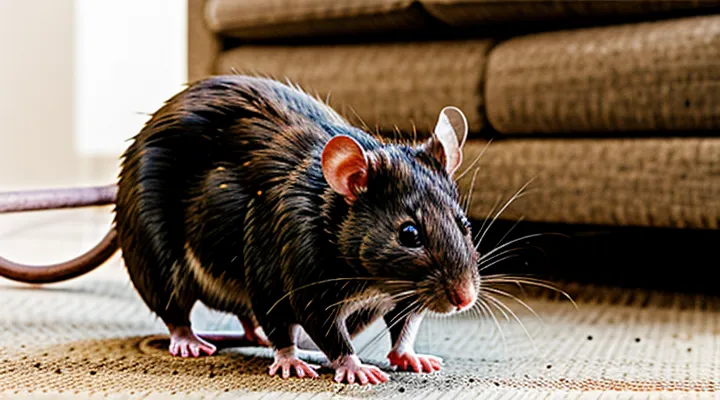
Understanding Rat and Mouse Infestations
Identifying Signs of Rodent Activity
Droppings and Urine Stains
Droppings and urine stains provide the most reliable visual indicators of rodent activity. Accurate identification enables timely intervention and reduces the risk of disease transmission.
-
Morphology: Rat feces are typically 12–20 mm long, cylindrical, and dark brown; mouse feces are 3–7 mm, rod‑shaped, and gray‑black. Both dry quickly, turning brittle and crumbly.
-
Distribution: Concentrations appear along walls, behind appliances, and in concealed cavities. Stains often accompany droppings, forming amber‑to‑yellow patches that may seep into porous surfaces.
-
Health hazards: Excreta contain hantavirus, leptospira, salmonella, and allergens. Inhalation of dried particles or direct contact with wet stains can cause respiratory, renal, or gastrointestinal illness.
-
Cleaning protocol:
- Ventilate the area; wear N‑95 respirator, disposable gloves, and eye protection.
- Saturate droppings and stains with a disinfectant containing at least 0.1 % bleach or a quaternary ammonium compound; let stand for 10 minutes.
- Scrape solid material into a sealed bag; wipe wet stains with disposable cloths.
- Rinse surfaces with clean water; repeat disinfection if residue remains.
- Dispose of all waste in a sealed container; clean protective equipment before removal.
-
Prevention: Seal entry points, eliminate food sources, and maintain regular inspections. Early detection of excreta patterns facilitates targeted bait placement and trapping, limiting population growth before infestations become severe.
Gnaw Marks and Damage
Rats and mice leave distinctive gnaw marks that serve as reliable evidence of their presence. The marks are typically clean, crescent‑shaped incisions on hard surfaces such as wood, plastic, or metal. Teeth leave parallel grooves with a smooth interior and ragged outer edges, reflecting the animal’s continuous tooth growth.
Common damage resulting from gnawing includes:
- Electrical wiring exposed or severed, creating fire hazards and power outages.
- Structural timber weakened, leading to compromised building integrity.
- Food containers punctured, allowing contamination and loss of product.
- Plastic pipe insulation stripped, increasing the risk of leaks and corrosion.
- Furniture and upholstery chewed, reducing usability and aesthetic value.
Identifying these signs enables targeted intervention. Once gnaw marks are documented, the following steps improve control effectiveness:
- Trace the mark to its origin to locate the active pathway.
- Seal identified entry points with steel wool, metal flashing, or cement.
- Replace or repair damaged wiring and structural components promptly.
- Deploy bait stations or traps along the confirmed travel route.
- Monitor the area regularly for new markings to assess treatment progress.
Accurate interpretation of gnaw marks reduces unnecessary damage and concentrates eradication efforts where the rodents are actively feeding or nesting.
Unusual Noises
Unusual vocalizations and acoustic signals provide direct insight into the physiological state of laboratory and pest rodents, allowing practitioners to refine therapeutic interventions with measurable precision.
- High‑frequency squeaks: often correlate with acute pain or distress, indicating that analgesic dosage may be insufficient.
- Low‑pitch chattering: frequently observed during respiratory compromise, suggesting the need for supplemental oxygen or anti‑inflammatory agents.
- Repetitive foot thumping: associated with neurological irritation or seizure activity, prompting evaluation of neurotoxic exposure or adjustment of anticonvulsant protocols.
Continuous acoustic monitoring enables real‑time assessment of treatment efficacy. When an abnormal sound pattern diminishes after a dosage change, the modification can be confirmed as beneficial without awaiting invasive testing. Conversely, the emergence of new noises signals adverse reactions, prompting immediate intervention.
Integrating sound analysis into standard operating procedures involves three steps:
- Install calibrated microphones in cages or enclosures to capture the full auditory spectrum of the subjects.
- Employ automated software to classify and quantify noise events, generating alerts when thresholds are exceeded.
- Align detected patterns with pharmacological records, adjusting dosages, delivery methods, or environmental conditions accordingly.
By treating acoustic anomalies as objective biomarkers, clinicians and pest‑control specialists enhance the reliability of rodent therapy while minimizing trial‑and‑error adjustments.
Nests and Burrows
Nests and burrows serve as primary refuges for rats and mice, influencing the efficacy of control strategies. Their architecture provides protection from environmental stressors and chemical agents, thereby reducing exposure to bait and traps. Understanding the spatial distribution of these structures allows for targeted placement of treatment devices, minimizing waste and accelerating population reduction.
Effective deployment of rodent control measures requires assessment of nest density, entrance size, and substrate composition. Hardened burrow walls, often reinforced with vegetation or debris, can impede bait access. In such cases, mechanical disruption followed by immediate application of rodenticides improves absorption rates. Monitoring for new tunnel activity after initial treatment signals the need for repeat interventions.
Key considerations for integrating nest and burrow management into control programs:
- Identify entry points using infrared cameras or tracking powders.
- Apply sealants or exclusion barriers to prevent re‑entry after treatment.
- Use granular bait formulations that can be introduced directly into tunnel systems.
- Schedule follow‑up inspections within 48–72 hours to confirm cessation of activity.
- Document burrow dimensions to select appropriately sized devices and ensure complete coverage.
Health Risks Associated with Rodents
Disease Transmission
Rodent-borne pathogens spread through direct contact, contaminated feed, water, and environmental surfaces. Effective therapeutic protocols must incorporate measures that interrupt these routes to reduce infection prevalence and prevent zoonotic spillover.
Key transmission pathways include:
- Fecal–oral exposure: Salmonella, Leptospira, and hantavirus particles persist in droppings and contaminate bedding, feed troughs, and water dispensers.
- Aerosolized particles: Hantavirus and certain mycoplasmas become airborne from dried urine or fur, reaching respiratory tracts of nearby animals.
- Vector‑mediated spread: Fleas, ticks, and mites transmit Yersinia pestis and murine typhus bacteria among rodent colonies.
- Vertical passage: Some viruses, such as mouse hepatitis virus, cross the placenta, establishing infection in litters.
Therapeutic regimens that address these mechanisms share several components:
- Environmental decontamination – Routine disinfection with agents effective against bacterial spores and viral envelopes, combined with removal of soiled bedding, reduces pathogen load.
- Barrier containment – Use of sealed cages, filtered ventilation, and dedicated equipment limits cross‑contamination between groups.
- Targeted antimicrobial therapy – Selection based on culture and sensitivity data ensures eradication of identified bacterial agents while minimizing resistance development.
- Vaccination where available – Immunization against common agents such as Lassa‑like arenaviruses and certain coronaviruses lowers herd susceptibility.
- Vector control – Application of insecticide‑treated bedding and regular ectoparasite monitoring curtails flea‑borne transmission.
- Quarantine protocols – Isolation of newly introduced or symptomatic individuals for a minimum of 14 days prevents introduction of novel pathogens.
Integrating these practices into treatment plans enhances drug efficacy, shortens recovery periods, and safeguards both animal and human health.
Allergens and Asthma Triggers
Allergens and asthma‑inducing agents are pivotal considerations when implementing therapeutic protocols for laboratory rats and mice. Exposure to airborne particles, urine‑derived proteins, and contaminated bedding can provoke respiratory inflammation, compromising both animal welfare and experimental outcomes.
Key sources of respiratory irritants include:
- Dust from wood shavings, paper, or corncob bedding
- Proteins in urine, particularly major urinary proteins (MUPs)
- Feed particles and mold spores in stored pellets
- Residual chemicals from cage sanitization agents
- Ambient pollen and fungal spores infiltrating ventilation systems
Effective mitigation integrates environmental management with pharmacologic support. Frequent cage changes, use of low‑dust bedding (e.g., aspen or specialized low‑allergen composites), and sealed micro‑isolation units reduce airborne load. HEPA filtration of room air and maintaining relative humidity between 40‑60 % limit aerosol formation. Routine monitoring of ammonia levels prevents secondary irritation from nitrogenous waste.
When exposure cannot be entirely eliminated, therapeutic measures target bronchial hyper‑responsiveness. Inhaled corticosteroids (e.g., budesonide) administered via nebulization alleviate inflammation. Short‑acting β₂‑agonists (e.g., albuterol) provide rapid bronchodilation for acute episodes. Systemic antihistamines (e.g., cetirizine) may reduce histamine‑mediated bronchoconstriction, though dosing must consider species‑specific metabolism.
Integrating allergen control with appropriate medication ensures that respiratory health does not impede the efficacy of rodent treatment regimens. Continuous assessment of environmental parameters and clinical signs enables timely adjustment of both preventive and therapeutic strategies.
Common Rodent Species
House Mice («Mus musculus»)
House mice (Mus musculus) are the most common laboratory and urban rodent species, requiring precise control measures to limit disease transmission, crop damage, and structural contamination. Successful management relies on integrating chemical, biological, and environmental tactics while respecting animal‑welfare regulations and public‑health standards.
Key components of an integrated control program include:
- Rodenticides: Anticoagulant baits (e.g., brodifacoum, difethialone) administered in tamper‑resistant stations; dosage calibrated to body weight to ensure rapid lethality and minimize secondary poisoning.
- Biological agents: Commercially available rodent‑specific viruses (e.g., mousepox) or genetically engineered strains that reduce fertility; applied under strict containment to prevent non‑target exposure.
- Physical barriers: Stainless‑steel mesh, sealed entry points, and perimeter traps to prevent ingress; regular inspection schedules reduce reinfestation risk.
- Sanitation: Removal of food sources, proper waste management, and reduction of clutter eliminate habitats that attract mice.
- Monitoring: Passive snap traps and electronic counters provide quantitative data for adjusting intervention intensity.
When chemical treatment is selected, rotating active ingredients prevents resistance development. Monitoring resistance patterns through laboratory susceptibility testing informs the choice of second‑generation anticoagulants. For humane euthanasia, CO₂ chambers calibrated to 60 % concentration achieve rapid loss of consciousness without distress, complying with institutional animal‑care protocols.
Effective control of Mus musculus therefore depends on a coordinated strategy that balances rapid population reduction, resistance management, and compliance with health‑safety guidelines. Continuous data collection and periodic reassessment ensure that interventions remain both efficient and compliant with regulatory expectations.
Norway Rats («Rattus norvegicus»)
Norway rats (Rattus norvegicus) are the most frequently encountered rodent in laboratory and urban environments, exhibiting high reproductive capacity, adaptability to diverse habitats, and resistance to many conventional control agents. Adult individuals weigh 250–500 g, mature at 6–8 weeks, and can produce up to eight litters per year, each containing 6–12 offspring. Their omnivorous diet and burrowing behavior facilitate rapid colonisation of sewers, basements, and food storage areas, creating persistent infestation risks.
Effective control strategies for this species combine chemical, biological, and environmental measures to achieve rapid population reduction while minimising non‑target impacts.
- Anticoagulant rodenticides (warfarin, bromadiolone, brodifacoum) administered in bait stations; dosage calibrated to body weight, with secondary‑poisoning precautions.
- Non‑anticoagulant toxins (zinc phosphide, cholecalciferol) offering alternative modes of action for resistant populations.
- Integrated pest‑management (IPM) protocols: sealing entry points, removing food sources, maintaining sanitation, and deploying snap traps or electronic devices for immediate removal.
- Biological control: introduction of predatory species (e.g., owls, feral cats) in outdoor settings; use of Bacillus thuringiensis formulations targeting larval stages of associated insects that support rat nutrition.
- Immunocontraceptive vaccines (GnRH‑based) applied via bait to suppress fertility, reducing long‑term population growth without lethal chemicals.
Monitoring programs employ motion‑activated cameras, tracking plates, and periodic bait consumption records to assess efficacy, adjust dosages, and detect resistance development. Continuous data collection enables timely modification of tactics, ensuring sustained suppression of Norway rat colonies.
Roof Rats («Rattus rattus»)
Roof rats (Rattus rattus) are agile, nocturnal rodents that prefer elevated habitats such as attics, roof spaces, and upper levels of structures. Their ability to climb smooth surfaces and navigate tight spaces enables rapid colonization of buildings, where they cause structural damage, contaminate food, and transmit pathogens.
Effective control of roof rats requires a systematic approach that combines exclusion, monitoring, and targeted eradication. The following components constitute a comprehensive program:
- Exclusion: Seal gaps larger than ¼ inch in roofs, eaves, vents, and utility penetrations. Install metal flashing and heavy-duty mesh around openings to prevent re‑entry.
- Sanitation: Remove food sources by storing grain, pet food, and refuse in sealed containers. Eliminate water leaks and standing moisture that attract foraging activity.
- Trapping: Deploy snap or live traps along known runways, near nesting sites, and at entry points. Position traps perpendicular to walls, with bait such as peanut butter, dried fruit, or fish oil. Check and reset traps daily.
- Rodenticides: Apply anticoagulant baits (e.g., bromadiolone, difethialone) in tamper‑resistant stations placed out of reach of non‑target species. Follow label instructions regarding dosage, placement, and re‑application intervals.
- Biological agents: Introduce predatory species (e.g., barn owls) where feasible, or employ entomopathogenic fungi formulated for rodent control, recognizing limited field efficacy.
- Integrated pest management (IPM): Combine the above tactics, monitor activity with tracking powders or motion‑activated cameras, and adjust measures based on infestation intensity and seasonal patterns.
Regular inspection of roof structures, especially after extreme weather, ensures early detection and reduces the likelihood of large colonies establishing. Documentation of trap counts, bait consumption, and exclusion work provides measurable indicators of program success and informs future interventions.
Integrated Pest Management («IPM») for Rodents
Prevention Strategies
Sealing Entry Points
Sealing entry points is a fundamental component of rodent management programs. By eliminating gaps and openings, populations of rats and mice are prevented from accessing shelter, food, and water inside structures, thereby reducing the need for chemical or trapping interventions.
Key actions for effective exclusion:
- Conduct a systematic inspection of the building envelope, focusing on foundations, walls, roof eaves, utility penetrations, and vent openings.
- Measure each opening; any gap larger than ¼ inch (6 mm) can admit a mouse, while gaps up to ½ inch (12 mm) may admit a rat.
- Apply appropriate sealing materials: steel wool or copper mesh for small cracks, followed by a durable sealant such as polyurethane caulk; for larger voids, use cement mortar, metal flashing, or hardware cloth with a minimum ¼‑inch mesh.
- Install self‑closing doors on vents and access panels to maintain airflow while restricting rodent passage.
- Verify that exterior drainage directs water away from the foundation, preventing soil erosion that can expose concealed gaps.
- Schedule periodic re‑inspection, especially after seasonal weather changes or building renovations, to confirm that seals remain intact.
Implementing these measures creates a physical barrier that limits rodent ingress, supports long‑term population control, and enhances the efficacy of any supplementary treatment methods.
Proper Food Storage
Proper food storage is a critical element of any comprehensive rodent health program. Secure containers prevent contamination, limit exposure to pathogens, and reduce the risk of nutritional deficiencies that can compromise therapeutic outcomes.
Key practices for maintaining optimal feed conditions include:
- Use airtight, rodent‑grade containers made of food‑safe materials.
- Store feed in a cool, dry environment; avoid direct sunlight and humidity.
- Implement a first‑in, first‑out system to ensure older stock is used before newer supplies.
- Label each container with the product name, batch number, and expiration date.
- Keep feed separate from bedding, water sources, and cage cleaning equipment.
- Conduct weekly inspections for signs of spoilage, pests, or moisture intrusion.
- Replace damaged or compromised containers immediately.
Consistent application of these measures supports reliable dosing, minimizes infection rates, and enhances the overall effectiveness of therapeutic protocols for laboratory and pet rodents.
Sanitation and Waste Management
Sanitation and waste management constitute a fundamental element of any rodent control program. Reducing food, water, and shelter sources through systematic cleanliness directly limits population growth and prevents reinfestation after chemical or mechanical interventions.
Practical measures include:
- Secure storage of feed and pet food in sealed containers; avoid open bowls or loose grain.
- Immediate removal of spilled food, crumbs, and debris from floors, countertops, and equipment.
- Installation of waste receptacles with tight‑fitting lids; empty them regularly to prevent overflow.
- Routine cleaning of drains, gutters, and sewage lines; use screens or traps to block entry points.
- Elimination of clutter, such as piles of cardboard, insulation, or unused materials, which can serve as nesting sites.
- Application of proper disposal techniques for organic waste, including compost bins that are rodent‑proof and regularly turned.
Implementation requires coordination between facility managers, maintenance staff, and waste contractors. Standard operating procedures should define cleaning frequency, inspection checkpoints, and corrective actions when violations are detected. Documentation of compliance supports audit trails and informs adjustments to the control strategy.
Consistent execution of these practices reduces attractants, lowers infestation pressure, and enhances the effectiveness of chemical or biological treatments. Integrated sanitation protocols therefore improve overall rodent management outcomes and protect public health.
Landscape Maintenance
Landscape maintenance directly influences the success of rodent population control in residential, agricultural, and commercial settings. Properly managed vegetation, ground cover, and structural elements reduce shelter and food sources that attract rats and mice, thereby enhancing the efficacy of chemical and biological interventions.
Key maintenance actions include:
- Regular trimming of grass, shrubs, and trees to eliminate dense growth that provides nesting sites.
- Removal of leaf litter, compost piles, and debris that conceal food and water.
- Prompt repair of irrigation leaks and drainage problems to prevent standing water.
- Installation of physical barriers such as metal flashing or concrete edging around building foundations.
- Periodic inspection and pruning of hedges near building entrances to maintain clear sightlines.
Integrating these practices with targeted baiting, trapping, and habitat modification creates a comprehensive management program. Consistent execution of landscape tasks limits reinfestation risk and supports long‑term reduction of rodent activity.
Non-Toxic Control Methods
Trapping Techniques
Trapping remains a core component of rodent control programs, providing immediate population reduction and supporting long‑term management goals. Effective implementation requires careful selection of trap type, strategic placement, appropriate baiting, and systematic monitoring.
-
Trap categories
- Snap traps – spring‑loaded devices delivering rapid lethal force; suitable for indoor and perimeter use.
- Live‑catch traps – cage‑style mechanisms that immobilize without killing; preferred when humane capture or relocation is mandated.
- Electronic traps – deliver a high‑voltage shock causing instantaneous death; offer consistent performance and reduced risk of operator injury.
- Glue boards – adhesive surfaces that immobilize; limited to short‑term applications due to animal welfare concerns.
-
Selection criteria
Target species: Size and behavior dictate trap dimensions and trigger sensitivity.
Environment: Weather‑resistant models for outdoor settings; compact designs for confined indoor spaces.
Regulatory compliance: Ensure traps meet local humane standards and licensing requirements. -
Placement guidelines
Identify activity zones: Runways, droppings, gnaw marks indicate high‑traffic pathways.
Set traps perpendicular to walls: Position jaws or entry points against the wall to align with natural movement.
Maintain spacing: Space multiple traps 1–2 m apart along a runway to maximize capture probability.
Avoid disturbances: Secure traps on stable surfaces; protect from non‑target interference. -
Bait selection
Protein‑rich foods: Peanut butter, canned fish, or dried meat attract both rats and mice.
Grain‑based options: Sunflower seeds or cracked corn are effective for mice, less so for rats.
Pre‑baiting: Place bait without activating the trap for 24 h to establish a scent trail before engagement. -
Monitoring and maintenance
Check traps daily: Remove captured rodents promptly to prevent scent accumulation and trap avoidance.
Record data: Log capture dates, locations, and numbers to assess efficacy and adjust trap density.
Sanitize: Clean reusable traps with a diluted bleach solution to eliminate disease vectors. -
Disposal procedures
Lethal captures: Use sealed containers for transport to a licensed disposal facility.
Live captures: If relocation is permitted, release animals at least 5 km from the original site, following local wildlife regulations.
Adhering to these practices integrates trapping into a comprehensive rodent management strategy, delivering rapid population control while minimizing non‑target impacts and complying with ethical standards.
Snap Traps
Snap traps provide rapid mechanical mortality for rodent populations, eliminating individuals within seconds of activation. Their design incorporates a spring‑loaded bar that releases upon contact with a trigger mechanism, delivering sufficient force to fracture the cervical vertebrae or spinal cord. This method minimizes suffering and prevents the release of disease‑bearing saliva or urine, which can contaminate surrounding areas.
Key operational considerations include:
- Placement along established runways, near walls, or adjacent to food sources to increase encounter rates.
- Selection of appropriate bait (e.g., peanut butter, dried fruit) to attract both rats and mice while avoiding non‑target species.
- Regular inspection, typically every 12–24 hours, to remove captured animals and reset the device, thereby maintaining trap efficacy and reducing odor buildup.
- Proper disposal of carcasses in sealed containers to comply with local health regulations.
Effectiveness depends on trap density relative to infestation severity. For low‑level infestations, a ratio of one trap per 10 m² often suffices; high‑density populations may require a 1:5 m² ratio. Integrating snap traps with complementary measures—such as habitat modification, exclusion, and sanitation—enhances overall control outcomes and reduces the likelihood of reinfestation.
Live Traps
Live traps provide a humane alternative to lethal control, capturing rodents alive for subsequent relocation or euthanasia in accordance with institutional policies. The devices consist of a concealed entry chamber and a trigger mechanism that closes a door when the animal enters, preventing escape.
Key characteristics of effective live traps include:
- Construction material: Durable plastic or metal ensures structural integrity and resistance to weather.
- Size options: Small (10 × 12 × 6 cm) for mice, medium (15 × 20 × 8 cm) for rats, larger models for adult specimens.
- Trigger sensitivity: Adjustable spring or lever mechanisms accommodate varying weights to reduce false releases.
- Ventilation: Mesh sides maintain airflow, reducing stress and heat buildup.
- Ease of cleaning: Removable floors or hinged lids simplify sanitation between captures.
Successful deployment relies on strategic placement and bait selection. Position traps along walls, near burrow entrances, or within established runways, as rodents prefer concealed routes. Preferred baits consist of high‑fat or protein foods—peanut butter, sunflower seeds, or canned fish—applied to the trigger plate to encourage rapid entry. Refresh bait daily to maintain potency.
Monitoring frequency directly influences animal welfare. Check traps at intervals not exceeding two hours during active periods (dusk to dawn) to prevent dehydration, injury, or predation. Upon capture, handle the trap with gloves, transport the rodent in a secure container, and release it at least 1 km from the original site, selecting a habitat offering shelter and food sources. Record capture data—species, sex, weight, location—to inform population assessments and adjust control measures.
Compliance with local regulations is mandatory. Many jurisdictions require permits for relocation, impose limits on the number of animals moved, or prohibit release of invasive species. Verify legal requirements before implementation to avoid penalties and ecological disruption.
Glue Boards
Glue boards are passive trapping devices that capture rodents by adhering to their fur when they step onto a coated surface. The adhesive is typically a synthetic polymer formulated to remain effective under a range of temperatures and humidity levels.
Key characteristics
- Effectiveness: Captures 80–95 % of rodents that encounter the board, regardless of species or size.
- Placement: Requires positioning along established runways, near walls, or in concealed areas where activity is observed.
- Maintenance: Boards should be inspected daily; captured animals must be removed promptly to prevent decomposition and loss of adhesive strength.
- Safety: Non‑toxic adhesive reduces risk of secondary poisoning, but accidental contact by non‑target species, including pets and wildlife, can cause distress or injury.
Operational guidelines
- Pre‑deployment assessment: Identify high‑traffic routes using tracking dust, droppings, or gnaw marks.
- Secure installation: Affix boards to flat surfaces with staples or adhesive tape; ensure edges are flush to prevent avoidance.
- Monitoring schedule: Conduct checks at least every 24 hours; replace boards when adhesive is compromised or after a capture event.
- Disposal protocol: Place captured rodents in sealed containers, follow local regulations for disposal, and handle with gloves to avoid contamination.
Regulatory considerations
- Many jurisdictions classify glue boards as “restricted devices” due to animal welfare concerns; users must verify compliance with local pest‑control legislation.
- Certification standards often require labeling that warns of potential non‑target exposure and provides instructions for humane handling.
Limitations
- Does not provide population reduction; traps individual rodents without affecting breeding groups.
- High visibility may deter rodents after initial exposure, reducing long‑term capture rates.
- Ethical objections arise from the prolonged suffering of trapped animals.
Integration with broader control strategies
Glue boards are most effective when combined with habitat modification, exclusion measures, and, where appropriate, baiting programs. Their role is to confirm presence, monitor activity levels, and provide immediate removal of problem individuals while other methods address source reduction and reproductive control.
Natural Repellents
Natural repellents constitute a core component of rodent control programs that aim to reduce reliance on synthetic chemicals. Their efficacy derives from odors, tastes, or physiological effects that deter rats and mice without causing lethal harm.
Commonly employed botanical agents include:
- Peppermint oil: strong menthol scent interferes with rodents’ olfactory receptors; apply diluted solution to entry points and interior surfaces.
- Eucalyptus oil: volatile compounds mask food odors and create an unpleasant environment; use concentrated spray in storage areas.
- Citronella oil: repels via citrus‑derived terpenes; treat perimeter zones and outdoor structures.
- Clove oil: eugenol content produces sensory irritation; place soaked cotton balls in concealed locations.
Non‑plant based natural deterrents comprise:
- Predator urine (fox, ferret, or cat): signals presence of a threat; distribute in bait stations or near burrows.
- Capsaicin extracts: create a burning sensation upon contact; mix with carrier oil and apply to chewable surfaces.
- Diatomaceous earth: abrasive particles damage exoskeletons, leading to dehydration; spread thinly along walkways and nesting sites.
Effective deployment follows a systematic approach:
- Identify high‑traffic pathways, nesting sites, and food storage zones.
- Select repellents compatible with the environment (e.g., avoid oils near food preparation surfaces).
- Apply at recommended concentrations; excessive dilution diminishes deterrent effect, while overconcentration may cause material damage.
- Reapply regularly, especially after cleaning, ventilation, or weather exposure, because volatile compounds dissipate over time.
- Monitor rodent activity using visual checks or tracking pads; adjust repellent type or placement if activity persists.
Safety considerations:
- Verify that selected agents do not pose toxicity risks to pets, children, or non‑target wildlife.
- Store concentrates in sealed containers away from heat sources.
- Conduct a small‑scale test on surfaces to detect potential discoloration or material degradation before full application.
Integrating these natural deterrents with structural exclusion measures and sanitation practices enhances overall management efficacy while minimizing environmental impact.
Chemical Control Methods
Rodenticides
Rodenticides constitute the primary chemical class employed to reduce rat and mouse populations in residential, agricultural, and industrial settings. They function by delivering toxic agents that interfere with vital physiological processes, leading to rapid mortality after ingestion.
Key categories include:
- Anticoagulants – second‑generation compounds (bromadiolone, difenacoum) inhibit vitamin K recycling, causing internal bleeding; first‑generation agents (warfarin, chlorophacinone) require multiple feedings.
- Metal phosphides – zinc phosphide releases phosphine gas in the acidic stomach environment, producing systemic toxicity.
- Neurotoxins – bromethalin disrupts mitochondrial ATP synthesis, resulting in cerebral edema; cholecalciferol (vitamin D₃) induces hypercalcemia and renal failure.
- Sodium fluoroacetate – interferes with the citric acid cycle, leading to cellular energy depletion.
Effective deployment demands precise dosage, bait placement, and timing to maximize uptake while minimizing non‑target exposure. Use of tamper‑resistant stations and bait stations with limited entry size reduces risks to wildlife and domestic animals. Rotate active ingredients periodically to mitigate resistance development, and integrate with mechanical controls (traps, exclusion) and sanitation measures for sustainable outcomes.
Regulatory compliance varies by jurisdiction; most regions require registration, label adherence, and documentation of application. Personal protective equipment, proper storage, and disposal protocols are mandatory to protect applicators and the environment. Continuous monitoring of rodent activity post‑application informs adjustment of treatment intensity and validates efficacy.
Anticoagulant Rodenticides
Anticoagulant rodenticides are chemical agents that induce fatal hemorrhage in rodents by disrupting normal blood clotting mechanisms. They constitute a primary option for controlling rat and mouse populations when rapid reduction of numbers is required.
- First‑generation compounds: warfarin, chlorophacinone, diphacinone.
- Second‑generation compounds: brodifacoum, difenacoum, bromadiolone, flocoumafen.
Both groups inhibit vitamin K epoxide reductase, preventing regeneration of active vitamin K and halting synthesis of clotting factors II, VII, IX, and X. The resulting internal bleeding leads to death within 2–7 days, depending on dose and species susceptibility.
Effective deployment follows these parameters: bait concentration typically ranges from 0.005 % to 0.025 % active ingredient; placement occurs along runways, near burrow entrances, and in concealed areas to maximize contact; exposure periods extend for at least 48 hours to allow secondary ingestion. Monitoring bait consumption and verifying mortality confirm treatment success.
Resistance emergence is documented in several rodent populations. Mechanisms include mutations in the target enzyme and enhanced metabolic detoxification. Management strategies involve rotating between first‑ and second‑generation products, integrating non‑chemical control methods, and conducting periodic susceptibility testing.
Safety protocols require protective gloves and masks during handling, secure bait stations to limit access by wildlife and children, and proper disposal of unused bait and carcasses according to regulatory guidelines. Environmental persistence of second‑generation agents demands particular caution to prevent secondary poisoning of predators and scavengers.
Non-Anticoagulant Rodenticides
Non‑anticoagulant rodenticides provide an alternative to first‑generation anticoagulants for managing rat and mouse populations. Their mechanisms differ, reducing the risk of cross‑resistance in pests that have developed tolerance to anticoagulants.
Bromethalin, a neurotoxic agent, interferes with mitochondrial oxidative phosphorylation, causing rapid energy depletion in the central nervous system. Cholecalciferol (vitamin D₃) induces hypercalcemia, leading to renal failure and cardiac arrhythmia. Zinc phosphide releases phosphine gas in the acidic environment of the stomach, producing cellular toxicity. These compounds act on distinct physiological pathways, allowing rotation or combination with anticoagulants to mitigate resistance development.
Key considerations for application:
- Target specificity – Formulations are designed for rodents; non‑target exposure can be minimized by using bait stations with restricted entry.
- Dosage precision – Recommended concentrations range from 0.05 % to 0.5 % active ingredient, depending on species, body weight, and environmental conditions.
- Regulatory compliance – Use must adhere to local pesticide legislation, including labeling, record‑keeping, and disposal procedures.
- Environmental impact – Bromethalin and cholecalciferol exhibit low persistence in soil; zinc phosphide degradation produces phosphine, which dissipates rapidly under open conditions.
Resistance management protocols advise alternating active ingredients every 3–6 months, monitoring bait consumption, and conducting periodic population assessments. Proper integration of non‑anticoagulant products within broader pest‑control programs enhances efficacy while preserving safety for humans, domestic animals, and wildlife.
Baits and Bait Stations
Bait products deliver anticoagulant or non‑anticoagulant toxicants directly to target rodents, providing rapid reduction of populations when applied correctly. Formulations include pellet, block, and gel matrices, each designed to attract specific species and feeding behaviors. Anticoagulants such as brodifacoum, bromadiolone, and difenacoum interfere with blood clotting, leading to mortality within 3–7 days; non‑anticoagulants like zinc phosphide cause fatal metabolic disruption after ingestion.
Bait stations protect the toxicant from non‑target exposure and environmental degradation. Key design elements are:
- Hardened, weather‑resistant housing that prevents rain infiltration.
- Secure entry slots sized for rats and mice while excluding larger wildlife.
- Tamper‑resistant locks to limit human contact.
- Internal bait trays that maintain product integrity and allow easy replacement.
Proper placement maximizes efficacy. Recommended practices include:
- Position stations along runways, walls, and near burrow entrances, typically 1–2 m apart in high‑activity zones.
- Install at ground level or slightly elevated to match rodent foraging height.
- Ensure stations are concealed from predators and human traffic but remain accessible to the target species.
Monitoring involves regular inspection of bait consumption, station integrity, and signs of rodent activity. Record-keeping should capture date of placement, product type, concentration, and observed mortality. Replacement of depleted bait occurs at intervals of 3–5 days, or sooner if consumption is high.
Safety protocols require personal protective equipment during handling, adherence to label instructions, and compliance with local regulations governing toxicant use. Non‑target species protection is achieved by restricting station access, employing bait formulations with low secondary poisoning potential, and situating stations away from food preparation areas.
Integration of baits and bait stations within broader pest management programs yields consistent population suppression, provided that product selection, deployment, and monitoring follow the outlined standards.
Professional Pest Control Services
When to Call a Professional
Determining the point at which a pest‑control specialist should be engaged saves time, reduces animal suffering, and prevents escalation of infestations.
- Persistent activity despite proper sanitation, exclusion, and approved rodent‑specific products.
- Rapid population growth, indicated by multiple sightings or droppings within a confined area.
- Evidence of disease transmission risk, such as contaminated food stores or contact with vulnerable individuals (children, immunocompromised patients).
- Structural damage that exceeds minor gnawing, including compromised wiring, insulation, or building integrity.
- Legal or regulatory requirements mandating professional intervention, for example in laboratory settings or food‑handling facilities.
When any of these conditions appear, a qualified technician can conduct a thorough assessment, apply integrated control measures, and provide documentation required for compliance. Early professional involvement limits the need for extensive remediation and safeguards health and property.
Benefits of Professional Extermination
Professional extermination employs licensed technicians, certified chemicals, and regulated procedures to eradicate rodent infestations. The approach integrates inspection, targeted treatment, and post‑treatment monitoring, ensuring comprehensive elimination.
Benefits include:
- Accurate identification of entry points and nesting sites, preventing re‑infestation.
- Use of approved, species‑specific baits and traps that minimize non‑target exposure.
- Compliance with health and safety regulations, reducing legal liability.
- Documentation of actions taken, supporting insurance claims and audit requirements.
- Rapid reduction of disease vectors, decreasing public‑health risks.
- Ongoing maintenance plans that sustain a rodent‑free environment over the long term.
Post-Treatment Measures and Long-Term Prevention
Cleaning and Sanitation After Rodent Removal
Disinfecting Contaminated Areas
Effective rodent control requires thorough decontamination of areas where rats and mice have been active. Disinfection eliminates pathogens left by gnawing, urine, and feces, reducing the risk of disease transmission to humans and livestock.
Key actions for successful decontamination:
- Identify contaminated zones – trace droppings, gnaw marks, and nesting material; prioritize food storage, preparation surfaces, and ventilation ducts.
- Select appropriate disinfectants – use EPA‑registered products proven against Salmonella, Leptospira, Hantavirus, and common bacterial strains. Preferred categories include quaternary ammonium compounds, chlorine‑based solutions (1,000 ppm available chlorine), and peracetic acid at 0.2 % concentration.
- Prepare the surface – remove debris, dry waste, and organic matter; rinse with hot water to prevent neutralization of the chemical agent.
- Apply disinfectant – follow manufacturer’s contact time (typically 5–10 minutes); ensure full coverage by spraying, fogging, or wiping, depending on the substrate.
- Ventilate and dry – maintain airflow to accelerate evaporation; avoid re‑contamination by sealing the area until the surface is dry.
- Validate efficacy – conduct swab testing with ATP bioluminescence or culture methods; repeat application if residual bioburden exceeds acceptable thresholds.
Safety considerations:
- Equip personnel with gloves, goggles, and respiratory protection compatible with the chosen agent.
- Store chemicals in labeled, secure containers; keep material safety data sheets accessible.
- Dispose of contaminated materials according to hazardous waste regulations; avoid mixing disinfectants that may produce toxic gases.
Routine monitoring:
- Schedule periodic inspections of high‑risk locations; document findings, disinfectant batch numbers, and contact times.
- Integrate decontamination logs into the broader rodent management program to track trends and adjust protocols promptly.
Removing Carcasses
Removing dead rodents is an essential element of rodent control programs. Prompt elimination of carcasses prevents the propagation of bacteria, viruses, and parasites that can survive in decaying tissue and contaminate food, equipment, and the environment. Failure to address dead animals compromises biosecurity and may violate health regulations.
The primary objectives of carcass removal are to halt pathogen transmission, preserve sanitation standards, and satisfy legal requirements for animal waste management. Execution must follow a standardized protocol to ensure safety and consistency.
Before handling a carcass, personnel must don appropriate personal protective equipment, including gloves, disposable gowns, eye protection, and respiratory filters when aerosol generation is possible. The area should be cordoned off, and any contaminated surfaces identified. Tools such as sealed containers, tongs, and disinfectant wipes must be prepared in advance.
Common disposal options include:
- Incineration: place the carcass in a certified high‑temperature furnace; ensure complete combustion to eliminate biological material.
- Burial: dig a pit at least 1 meter deep, line it with impermeable material, and cover with soil; applicable only where local ordinances permit.
- Rendering: transport the carcass to an authorized rendering facility that converts animal tissue into usable by‑products under controlled conditions.
- Chemical disinfection: submerge the carcass in a validated disinfectant solution for the required contact time, then dispose of the liquid according to hazardous waste guidelines.
After removal, the work area must be thoroughly disinfected with an EPA‑approved agent, focusing on surfaces that may have contacted the carcass. All actions, including date, location, personnel involved, and disposal method, should be recorded in a logbook for traceability. Ongoing monitoring for residual odors or signs of decomposition helps verify the effectiveness of the intervention.
Ongoing Monitoring
Regular Inspections
Regular inspections are a core component of any rodent‑control program, providing the data needed to evaluate the success of therapeutic interventions and to adjust strategies promptly.
Inspections should occur at consistent intervals that reflect the infestation level, seasonal activity, and the type of environment. Typical schedules include weekly checks in high‑risk areas, bi‑weekly in moderate zones, and monthly in low‑risk locations. Adjustments are made when new signs of activity appear or when treatment outcomes change.
Key inspection tasks:
- Identify droppings, gnaw marks, and urine stains on surfaces and equipment.
- Examine entry points such as gaps, vents, and utility penetrations for signs of compromise.
- Verify the condition and placement of bait stations, traps, and deterrent devices.
- Assess food and water sources for contamination or accessibility.
- Record temperature, humidity, and clutter levels that may influence rodent behavior.
All findings are entered into a centralized log, noting date, location, observed evidence, and corrective actions taken. Immediate remediation—repairing openings, replenishing baits, or repositioning traps—follows each recorded breach.
Integrating inspection data with treatment protocols ensures that chemical, biological, or mechanical measures are applied where they are most needed, reducing unnecessary exposure and improving overall efficacy. Continuous monitoring creates a feedback loop that sustains low‑level populations and prevents resurgence.
Maintaining Prevention Strategies
Effective rodent control relies on sustained prevention measures that reduce the likelihood of infestation and support therapeutic interventions. Regular assessment of premises identifies entry points, food sources, and harborage areas that facilitate population growth. Immediate remediation of these factors limits the need for chemical treatment and improves overall program efficacy.
Key components of a prevention program include:
- Environmental sanitation: Eliminate spillage, store feed in sealed containers, and remove debris that can serve as nesting material.
- Physical exclusion: Install door sweeps, seal cracks, and use rodent‑proof screens on vents and openings.
- Monitoring systems: Deploy bait stations, snap traps, and motion‑activated devices in strategic locations; record capture data daily.
- Staff training: Conduct routine briefings on identification of signs, proper handling of equipment, and reporting procedures.
- Documentation: Maintain logs of inspections, repairs, and pest activity trends to inform adjustments in management tactics.
Consistent execution of these actions creates an environment hostile to rats and mice, thereby enhancing the success of any therapeutic approach employed.
Educating Occupants
Promoting Good Hygiene Practices
Maintaining a clean environment directly reduces the risk of pathogen spread among rodents, thereby supporting therapeutic interventions. Regular removal of feces, urine, and food debris prevents bacterial and viral proliferation that can compromise treatment outcomes.
- Clean cages and holding areas at least once daily; replace bedding after each use.
- Apply an approved disinfectant to surfaces between animal batches; follow manufacturer‑specified contact time.
- Wear gloves and lab coats when handling animals; change protective gear after each session.
- Dispose of waste in sealed containers; treat contaminated material according to biohazard guidelines.
- Wash hands with antimicrobial soap before and after contact with rodents; use hand sanitizer when soap is unavailable.
- Sterilize feeding instruments and water bottles using autoclave or chemical sterilants before reuse.
Consistent hygiene lowers reinfection rates, enhances drug absorption, and reduces stress‑induced physiological changes that can mask therapeutic effects. Monitoring cleanliness through visual inspections and microbial swabs provides objective data to adjust protocols promptly.
Implement a schedule that assigns specific cleaning tasks to trained personnel, records completion times, and includes periodic audits. Training programs should emphasize proper technique, risk awareness, and the relationship between sanitation and treatment efficacy.
Understanding Rodent Behavior
Understanding rodent behavior is a prerequisite for any successful health‑management strategy. Knowledge of how rats and mice interact with their environment informs the selection, timing, and delivery of therapeutic interventions.
Key behavioral characteristics that influence treatment outcomes include:
- Social hierarchy: Dominant individuals may monopolize resources, affecting drug intake and exposure levels.
- Circadian activity: Peak activity occurs during the dark phase; administering medication during this period maximizes ingestion.
- Stress reactivity: Handling and confinement trigger physiological stress responses that can alter drug metabolism.
- Foraging patterns: Preference for specific textures and scents directs bait placement and formulation.
- Territorial marking: Scent marking delineates space use, guiding the placement of treatment stations to ensure coverage.
Accurate assessment of these traits enables the design of protocols that align with natural behaviors, reducing resistance and improving efficacy. Continuous observation and data collection are essential to adjust methods as colonies adapt to interventions.