
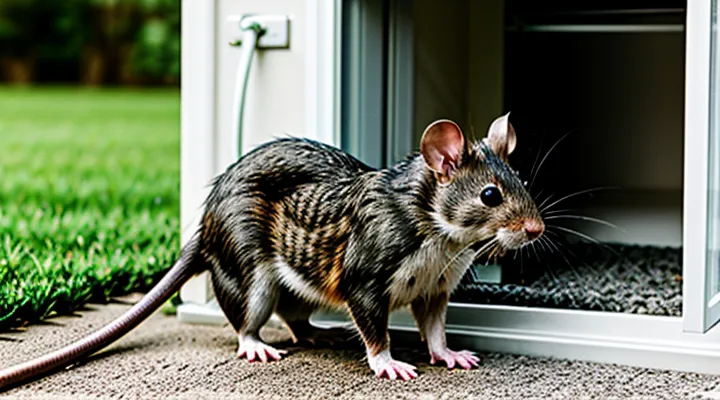
Understanding the Rodent Threat
Common Rodent Species in Homes
Mice «Mus musculus»
Mice (Mus musculus) are small omnivorous mammals that readily adapt to indoor environments. Their ability to squeeze through openings as narrow as 6 mm enables entry into walls, crawl spaces, and utility lines. Once inside, they reproduce quickly; a single pair can produce up to ten litters per year, each containing 5–8 offspring, leading to exponential population growth if unchecked.
Typical indicators of a mouse presence include gnaw marks on wood or wiring, droppings measuring 3–5 mm, faint musky odor, and visible tracks in dusty areas. Early detection prevents structural damage, electrical faults, and contamination of food supplies.
Effective domestic mouse management comprises three core actions:
- Exclusion: Seal cracks, gaps around pipes, and openings around doors and windows with steel wool, caulk, or metal mesh. Install door sweeps and repair damaged screens.
- Sanitation: Store food in airtight containers, promptly clean spills, and eliminate clutter that offers shelter. Regularly dispose of garbage in sealed bins.
- Population reduction: Deploy snap traps or electronic devices along walls and near suspected runways. Use multiple bait stations with anticoagulant rodenticides only where children or pets cannot access them, following label instructions and local regulations.
Integrated pest management (IPM) recommends rotating trap types and bait formulations to avoid habituation. Monitoring devices such as sticky boards or motion‑activated cameras help assess activity levels and guide adjustments to the control plan.
Consistent application of exclusion, sanitation, and targeted removal strategies maintains mouse populations below damaging thresholds, ensuring a safe and hygienic private residence.
Rats «Rattus norvegicus, Rattus rattus»
Rattus norvegicus (Norwegian rat) and Rattus rattus (black rat) are the two species most commonly encountered in residential settings. Both species are highly adaptable, capable of exploiting gaps as small as ¼ inch, and can establish populations in basements, attics, and wall voids. Distinguishing features include body size, tail length, and fur coloration, which aid in targeted identification and control.
These rodents cause structural damage by gnawing on wood, insulation, and wiring, increasing fire risk and compromising building integrity. They also contaminate food supplies with urine, feces, and pathogens such as Leptospira and Salmonella, posing health hazards to occupants.
Effective household rodent management combines immediate eradication with long‑term exclusion:
- Seal entry points: install steel wool or copper mesh in cracks, repair damaged screens, and fit door sweeps.
- Deploy bait stations: use anticoagulant or non‑anticoagulant blocks, place them behind appliances and along walls, and monitor weekly.
- Set snap traps or electronic traps: position perpendicular to runways, set at a ¼‑inch depth, and replace when triggered.
- Maintain sanitation: store food in airtight containers, eliminate standing water, and remove clutter that offers shelter.
- Conduct regular inspections: check for droppings, gnaw marks, and fresh tracks at least monthly.
Integrating these actions creates a hostile environment for rats, reduces reinfestation potential, and safeguards the home’s structural and sanitary conditions. Continuous vigilance and prompt response to early signs ensure lasting control.
Other Pests «Squirrels, Voles»
Squirrels and voles frequently appear alongside mice and rats in residential environments, demanding specific attention within a comprehensive home pest‑management program. Both species cause structural damage, compromise insulation, and create conditions conducive to secondary infestations.
Squirrels typically enter attics, eaves, and roof voids through gaps larger than 1 inch. Their gnawing weakens wooden beams and can expose wiring, raising fire risk. Voles, small burrowing rodents, infiltrate foundation walls, garden beds, and crawl spaces, where they erode soil and damage root systems, indirectly affecting the building’s moisture balance.
Effective mitigation begins with exclusion:
- Seal all openings ≥1 inch using steel wool, hardware cloth, or metal flashing.
- Install chimney caps and vent covers designed to prevent entry.
- Trim tree branches to maintain a minimum 10‑foot clearance from the roofline, eliminating natural bridges.
Habitat modification reduces attraction:
- Remove bird feeders, fruit trees, and nut‑bearing plants from the immediate perimeter.
- Keep grass and mulch at a maximum depth of 2 inches; eliminate dense ground cover that shelters voles.
- Store firewood off the ground and away from the house foundation.
Targeted control measures complement exclusion:
- For squirrels, use live‑capture traps placed near entry points, then relocate according to local regulations; alternatively, apply professional exclusion services that combine trapping with immediate sealing.
- For voles, deploy snap or kill traps in active burrow zones, or apply granular rodenticide labeled for vole control, following label directions to protect non‑target wildlife.
Monitoring and maintenance sustain results:
- Conduct quarterly inspections of exterior caulking, flashing, and vent screens.
- Track signs of activity—gnawed wood, fresh burrow mounds, or droppings—and intervene promptly.
- Integrate squirrel and vole management with broader rodent strategies to prevent overlapping infestations and ensure long‑term protection of the private residence.
Signs of Rodent Infestation
Droppings and Urine Trails
Droppings and urine trails provide the earliest reliable indication of rodent activity inside a residence. Typical droppings are dark, cylindrical, and measure 5‑10 mm in length; they often appear near food sources, along walls, or in hidden corners. Urine marks are invisible but leave a distinct metallic odor and can be detected on surfaces such as countertops, cabinets, and insulation.
These waste products carry pathogens, including hantavirus, salmonella, and leptospirosis, which may contaminate food, surfaces, and air. Direct contact or inhalation of aerosolized particles from dried urine increases the risk of respiratory and gastrointestinal illness.
Safe removal requires protective equipment: disposable gloves, N‑95 respirator, and eye protection. Wet the droppings with a disinfectant solution (e.g., 10 % bleach) before wiping to prevent aerosolization. Dispose of contaminated materials in sealed bags, then clean the area with a detergent‑bleach mixture and allow it to dry completely. After cleaning, inspect adjacent zones for additional signs.
Preventive actions focus on eliminating attractants and sealing entry points:
- Store food in airtight containers; eliminate crumbs and spills promptly.
- Reduce clutter in attics, basements, and storage rooms to limit hiding places.
- Seal gaps larger than ¼ inch around pipes, vents, and foundation cracks with steel wool and caulk.
- Install door sweeps and repair damaged screens.
- Maintain a regular inspection schedule, documenting any new droppings or urine stains.
Consistent monitoring and immediate sanitation of waste traces interrupt rodent breeding cycles and reduce health hazards within the home.
Gnaw Marks and Damage
Rodent gnawing produces distinctive damage that signals an infestation and compromises structural integrity, electrical safety, and food hygiene. Teeth continuously grow, prompting animals to gnaw on hard surfaces; the resulting bite marks are typically clean, shallow, and V‑shaped, with parallel grooves spaced 1–2 mm apart. Identifying these patterns enables prompt intervention before damage escalates.
Typical gnaw‑related problems include:
- Cut insulation exposing live wires, increasing fire risk.
- Severed wiring causing intermittent power loss or short circuits.
- Compromised wooden framing, weakening load‑bearing elements.
- Damaged plastic piping, leading to leaks and water damage.
- Punctured food containers, inviting contamination and spoilage.
Effective home rodent management hinges on early detection of gnaw marks, followed by targeted sealing of entry points, strategic placement of traps or bait stations, and ongoing monitoring to confirm eradication. Regular inspection of vulnerable areas—attic joists, baseboards, cabinetry, and utility spaces—prevents recurrence and protects the residence from costly repairs.
Strange Noises
Strange noises often signal the presence of rodents in a dwelling. Scratching, scurrying, or gnawing sounds heard behind walls, in attics, or beneath flooring indicate active burrowing or nesting. Identifying the source allows targeted intervention and prevents damage to structural components and wiring.
Typical indicators include:
- Repetitive scratching at night, especially in concealed spaces.
- Soft thumping or pattering sounds that increase when lights are turned off.
- High‑pitched squeaks emanating from insulation or ceiling voids.
Once a noise is confirmed as rodent activity, follow these steps:
- Locate entry points by inspecting gaps around pipes, vents, and foundation cracks; seal openings with steel wool, caulk, or metal flashing.
- Set traps or bait stations near the identified noise source, using snap traps or enclosed bait boxes to minimize risk to non‑target animals.
- Deploy ultrasonic repellents in rooms where noises originate; position devices to cover the full volume of the affected area.
- Remove food sources by storing pantry items in airtight containers and eliminating standing water.
- Conduct a thorough cleaning of infested zones, disposing of droppings and nesting material in sealed bags to reduce disease risk.
Monitoring after treatment is essential. Persistent or new noises suggest incomplete eradication, requiring additional inspection and possibly professional pest‑control services. Early detection and decisive action based on acoustic evidence protect the home’s integrity and occupants’ health.
Risks Associated with Rodents
Health Hazards «Diseases, Allergies»
Rodent infestations in residential settings pose significant health risks. Pathogens carried by mice and rats can cause serious illnesses, including:
- Leptospirosis – bacterial infection transmitted through urine, leading to kidney failure and liver damage.
- Hantavirus pulmonary syndrome – inhalation of aerosolized droppings or urine may result in severe respiratory distress.
- Salmonellosis – contamination of food surfaces by rodent feces triggers gastrointestinal symptoms.
- Lymphocytic choriomeningitis – exposure to infected rodent secretions can cause meningitis and encephalitis.
Allergic reactions also arise from rodent presence. Proteins in urine, saliva, and dander become airborne, provoking:
- Respiratory allergies – sneezing, wheezing, and asthma exacerbation.
- Dermatologic hypersensitivity – itching and rash upon direct skin contact.
- IgE‑mediated responses – heightened immune activity that may progress to chronic sinusitis.
Effective home pest management reduces these hazards by eliminating sources of contamination, limiting exposure to allergens, and interrupting disease transmission cycles. Prompt detection, sanitation, and targeted control measures are essential components of a comprehensive health‑protective strategy.
Property Damage «Electrical, Structural»
Rodents infiltrating a private residence frequently cause electrical damage by gnawing insulation, power cords, and wiring. Chewed conductors expose live wires, creating short circuits, increased fire risk, and costly repairs to circuit breakers and appliances. Structural harm arises from gnawed wooden framing, drywall, and insulation, weakening load‑bearing elements and compromising the integrity of walls, ceilings, and floors.
Common manifestations of rodent‑induced damage include:
- Frayed or exposed wiring leading to intermittent power loss or sparks.
- Burnt or melted insulation around compromised cables.
- Holes in structural timber that reduce support strength.
- Displaced or shredded drywall and plaster, exposing interior spaces.
- Compacted debris in attic or crawl‑space insulation, diminishing thermal performance.
Effective mitigation combines preventive and active measures:
- Seal all potential entry points with steel‑wool, caulk, or metal flashing; prioritize gaps around pipes, vents, and foundation cracks.
- Install tamper‑resistant bait stations and snap traps in concealed locations, focusing on known pathways such as wall voids and attic corners.
- Conduct quarterly visual inspections of wiring, joists, and insulation; document any gnaw marks or droppings.
- Engage licensed pest‑control professionals for comprehensive rodent exclusion programs, including ultrasonic deterrents and habitat reduction.
- Maintain a clean, clutter‑free environment; store food in sealed containers and eliminate water sources that attract rodents.
Prompt identification of electrical and structural damage, coupled with systematic exclusion practices, minimizes repair costs and preserves the safety and durability of the home.
Prevention Strategies
Sealing Entry Points
Inspecting Exterior Walls and Foundations
Inspecting the outer envelope of a residence is a critical first step in preventing rodent intrusion. Exterior walls and foundations provide the primary pathways for mice, rats, and other pests to enter a dwelling. Identifying gaps, cracks, and material deterioration eliminates access points before they become active infestations.
Key inspection actions include:
- Visual examination of all wall surfaces for holes larger than ¼ inch, paying special attention to areas around utility penetrations, vents, and siding seams.
- Tactile probing of mortar joints, brickwork, and stucco to detect hidden fissures.
- Assessment of foundation walls for settlement cracks, especially near the ground line and where water accumulates.
- Verification that drainage systems, such as gutters and downspouts, direct water away from the foundation to discourage burrowing.
- Inspection of crawl spaces and basement walls for signs of gnaw marks, droppings, or nesting material.
When a defect is found, seal it promptly using appropriate materials: steel wool or copper mesh for small openings, followed by caulk, expanding foam, or concrete patch for larger gaps. Reinforce vulnerable sections with metal flashing or hardware cloth where structural integrity demands. Regularly repeat the inspection cycle at least twice yearly, and after severe weather events, to maintain a secure barrier against rodent entry.
Securing Vents and Chimneys
Securing vents and chimneys prevents rodents from entering the living space through common access points. Install mesh screens with openings no larger than ¼ inch on all exterior vents, including dryer, attic, and bathroom exhausts. Choose stainless‑steel or galvanized material to resist chewing and corrosion. Verify that screens are tightly fastened and that any gaps around the frame are sealed with silicone caulk.
Inspect chimney flues regularly for damage to the chimney cap. Replace cracked or missing caps with a solid metal model that includes a built‑in guard to block entry. Ensure the cap sits flush with the flue opening and that the surrounding masonry is sealed with high‑temperature mortar to eliminate cracks.
Key actions for homeowners:
- Measure each vent opening; cut mesh to exact dimensions before installation.
- Attach mesh using rust‑proof screws or staples; apply sealant to all seams.
- Fit a chimney cap that matches the flue diameter; secure with masonry anchors.
- Apply a continuous bead of heat‑resistant sealant around the cap perimeter.
- Conduct quarterly visual checks; replace compromised components promptly.
Consistent maintenance of these barriers eliminates a primary route for mice, rats, and squirrels, reinforcing overall pest‑prevention efforts in the residence.
Repairing Gaps Around Pipes and Wires
Sealing openings around plumbing and electrical conduits eliminates the primary entry points that rodents exploit to access a residence. Unfilled gaps provide shelter, a travel route, and a means to reach food sources, so eliminating them directly reduces the likelihood of infestation.
Begin by inspecting all visible pipe and wire penetrations, both inside and outside the building envelope. Use a flashlight to identify cracks, gaps, and loose fittings. Measure the width of each opening to select an appropriate sealing material, and note any damage to surrounding surfaces that may require repair before sealing.
- Apply expanding polyurethane foam to gaps up to ½ inch; allow the foam to cure, then trim excess and smooth the surface.
- Use steel wool or copper mesh for larger openings, then cover with caulk or sealant to prevent gnawing.
- Install silicone-based sealant around small cracks and joints; ensure the sealant remains flexible to accommodate building movement.
- For gaps exceeding 1 inch, fit a metal or PVC collar that encircles the pipe or conduit, securing it with screws and sealing the edges with high‑grade silicone.
After sealing, verify that all repaired areas are airtight and inspect periodically for new openings caused by settling or wear. Routine checks, especially after seasonal temperature changes, sustain the integrity of the barrier and support long‑term rodent prevention in a private home.
Sanitation and Food Storage
Proper Waste Management
Proper waste management directly reduces the availability of food and shelter that attract rodents to a household. Secure containers prevent scavenging, while regular disposal eliminates residual crumbs and organic matter that serve as a food source.
Implement the following practices:
- Use trash cans with tight‑fitting lids; inspect seals for damage weekly.
- Store compost in sealed, rodent‑proof bins placed away from the house.
- Remove kitchen waste daily; avoid leaving food scraps in open containers.
- Keep outdoor garbage areas clean; sweep debris and trim vegetation that can conceal trash.
- Dispose of pet food promptly; store in airtight containers after each feeding.
Maintain a routine schedule for waste removal. Empty indoor bins before they become full, and transport outdoor refuse to municipal collection points promptly. Clean any spills immediately to avoid lingering odors that draw pests.
Inspect waste storage areas for signs of gnawing or nesting. Repair structural gaps, reinforce door sweeps, and ensure that all openings are sealed. Consistent attention to waste handling eliminates one of the primary incentives for rodents to enter a private residence.
Storing Food in Airtight Containers
Storing food in airtight containers removes accessible food sources that attract rodents, directly supporting home rodent management. Sealed containers prevent scent diffusion, limit chewable surfaces, and eliminate entry points for pests.
- Choose containers made of rigid plastic, glass, or metal with compression seals.
- Verify lid integrity regularly; replace damaged seals promptly.
- Label containers with purchase dates; rotate stock to keep older items at the front.
- Keep containers on shelves away from walls and floor level; rodents prefer low, concealed areas.
- Clean spills immediately; residual crumbs compromise container effectiveness.
Implementing these measures reduces food-driven rodent activity and complements other control strategies such as sealing entry points and maintaining a tidy environment.
Cleaning Up Spills and Crumbs Promptly
Prompt removal of food residues eliminates the primary attractant for rodents in a residence. Moisture from spills creates a favorable environment for shelter and breeding; crumbs provide a continuous food source. By addressing both immediately, homeowners reduce the likelihood of infestation.
Effective practices include:
- Wipe liquid spills with absorbent cloths, then clean the surface with a mild detergent and rinse thoroughly.
- Sweep or vacuum crumbs from floors, countertops, and under appliances after each meal preparation.
- Dispose of food waste in sealed containers; empty trash bins daily to prevent odor buildup.
- Sanitize high‑traffic areas such as kitchen islands and dining tables at least once daily.
- Inspect and clean behind refrigerators, stoves, and pantry shelves weekly, removing any hidden debris.
Consistent execution of these actions maintains a low‑attraction environment, supporting broader rodent‑deterrent measures within the household.
Landscape Management
Trimming Vegetation Away from the House
Keeping shrubs, trees, and groundcover at a safe distance from the house reduces the likelihood that rodents will use vegetation as a bridge to enter the structure. Overgrown plants create continuous cover from the yard to the roof, allowing mice and rats to move unnoticed. By maintaining a clear perimeter, you eliminate the hidden pathways that rodents exploit.
Practical steps:
- Trim back branches so they end at least 6 feet from the building’s walls and rooflines.
- Cut grass to a maximum height of 2–3 inches and remove clippings that may shelter rodents.
- Remove dense groundcover, such as ivy or low‑lying bushes, within a 3‑foot zone around the foundation.
- Dispose of leaf litter, compost piles, and fallen fruit promptly, as they provide food and nesting material.
A well‑kept perimeter also simplifies inspection of the exterior for entry points. With vegetation cleared, any gaps, cracks, or openings become visible, allowing timely sealing and reducing the risk of infestation. Regular maintenance of the yard thus supports an overall strategy for controlling rodents in a private residence.
Removing Debris and Clutter
Debris and clutter create shelter, nesting sites, and travel routes that attract rodents to residential properties. Eliminating these conditions removes the environmental incentives that sustain infestations.
- Clear storage areas of cardboard boxes, paper piles, and fabric scraps; place items in sealed containers or on shelves away from walls.
- Dispose of unused items, broken furniture, and damaged building materials promptly.
- Sweep floors, vacuum corners, and vacuum or shake out garage floors to eliminate hidden food residues.
- Trim vegetation, prune overgrown shrubs, and keep firewood stacked at least 18 inches off the ground and away from the house foundation.
- Seal gaps around utility lines, vents, and conduits where debris may accumulate and provide entry points.
Regular inspection of closets, basements, and attics ensures that new clutter does not accumulate unnoticed. Maintaining a tidy environment reduces hiding places, limits food sources, and strengthens overall rodent management in a private residence.
Securing Outdoor Storage
Securing outdoor storage is a critical component of a comprehensive rodent‑management plan for residential properties. Rodents readily infiltrate sheds, garages, and garden structures in search of shelter and food, turning these areas into breeding sites that compromise the entire household.
Effective measures begin with structural integrity. Inspect walls, floors, and roofs for gaps larger than ¼ inch and seal them with steel‑wool, caulk, or metal flashing. Install hinged, self‑closing doors on all entry points and fit weather‑stripping around frames to eliminate passive access.
Maintain a hostile environment for pests by controlling attractants. Store firewood, compost, and gardening tools at least three feet above ground on pallets or shelves. Use sealed, rodent‑proof containers for pet food, birdseed, and garden debris; discard waste in bins equipped with tight‑fitting lids.
Regular upkeep reinforces protection:
- Trim vegetation within two feet of the building to reduce cover.
- Remove standing water and clean drainage channels weekly.
- Position motion‑activated lights or ultrasonic deterrents near vulnerable zones.
- Conduct quarterly inspections, documenting repairs and noting any signs of activity.
Implementing these practices isolates outdoor storage from rodent intrusion, thereby supporting the overall effectiveness of home pest control efforts.
Rodent Control Methods
Trapping Solutions
Snap Traps «Advantages, Disadvantages»
Snap traps provide immediate, lethal removal of rodents with minimal equipment. The mechanism relies on a spring‑loaded bar that releases upon contact, delivering a rapid strike that kills the pest instantly. Because the device contains no chemicals, it eliminates the risk of contaminating food surfaces or attracting secondary infestations.
Advantages
- Instant kill reduces suffering and prevents breeding.
- No poison eliminates health hazards for children and pets.
- Low purchase price and reusable after each catch.
- Simple operation requires no electricity or maintenance.
- Discreet design fits under cabinets, behind appliances, or in wall voids.
Disadvantages
- Requires careful placement to avoid accidental activation by humans or non‑target animals.
- Effectiveness depends on proper bait selection and positioning.
- Single‑use nature may demand frequent resetting in high‑infestation areas.
- Visual evidence of dead rodents may be unsettling for occupants.
- Limited to indoor environments; outdoor use often impractical due to weather exposure.
In a residential setting, snap traps serve as a reliable component of an integrated pest‑management plan, complementing exclusion techniques and sanitation measures to achieve long‑term rodent suppression.
Live Traps «Humanitarian Concerns, Release Protocols»
Live traps provide a humane alternative to lethal methods, allowing homeowners to capture rodents without causing unnecessary suffering. The devices consist of a cage with a trigger mechanism that seals the animal inside once it enters seeking bait. Proper selection of trap size, material, and placement reduces stress on the captured rodent and increases capture efficiency.
Humanitarian concerns focus on minimizing injury, preventing prolonged confinement, and ensuring rapid release. Ethical use requires regular monitoring; traps left unattended for extended periods risk dehydration, overheating, or injury. Owners should check traps at intervals no longer than one hour during active periods and more frequently in warmer climates.
Release protocols must follow a consistent procedure to protect both the animal and the household:
- Transport the closed trap to a location at least 200 meters from the residence, preferably in a wooded or field area with natural cover.
- Open the trap slowly, allowing the rodent an unobstructed escape route; avoid sudden movements that could trigger a flight response.
- Observe the animal for a brief moment to confirm successful departure; if the rodent hesitates, gently encourage movement with a soft brush.
- Disinfect the trap after each use with a mild bleach solution (1:10 dilution) to prevent disease transmission.
- Record the date, species, and release site for future reference and to assess population trends.
Legal considerations vary by jurisdiction; many regions prohibit the release of captured wildlife near residential zones or protected habitats. Homeowners should consult local wildlife agencies to verify compliance before releasing any animal.
Integrating live traps into a broader pest‑management plan—alongside exclusion techniques, sanitation, and habitat modification—enhances overall effectiveness while respecting animal welfare.
Glue Traps «Ethical Considerations, Effectiveness»
Glue traps are a common option for homeowners seeking to reduce rodent activity. Their design consists of a sticky surface that immobilizes insects and small mammals upon contact. The device requires no electricity, can be placed in concealed locations, and provides an immediate visual confirmation of capture.
Ethical considerations focus on the animal’s experience after capture. Glue traps cause prolonged distress, as trapped rodents struggle to free themselves, leading to dehydration, starvation, or injury. Many animal‑welfare organizations classify this method as inhumane. Legal restrictions vary; several jurisdictions prohibit or limit the sale of adhesive devices for vertebrate control. Users must verify local regulations before deployment.
Effectiveness is measurable through capture rates and ease of use. Key points include:
- High initial capture success when traps are positioned along active runways.
- Limited reusability; each trap functions only until the adhesive surface is saturated.
- Non‑selective nature; the glue will also catch non‑target species such as beneficial insects or small reptiles.
- Difficulty in disposal; trapped rodents must be handled with protective gloves and placed in sealed containers for humane euthanasia or removal, complying with health guidelines.
When integrating glue traps into a broader rodent‑management plan, consider pairing them with exclusion techniques (sealing entry points) and sanitation measures (eliminating food sources). This combination reduces reliance on adhesive devices and aligns control practices with humane standards while maintaining high efficacy in a private residence.
Baits and Rodenticides
Types of Rodenticides «Anticoagulants, Non-Anticoagulants»
Rodenticides fall into two principal categories: anticoagulants and non‑anticoagulants. Both groups are employed in residential settings to suppress mouse and rat populations, but each operates through distinct biochemical pathways and presents specific handling considerations.
-
Anticoagulant rodenticides
Mechanism: Inhibit vitamin K recycling, preventing blood clot formation and causing fatal internal bleeding after several days of ingestion.
First‑generation compounds (e.g., warfarin, chlorophacinone) require multiple feedings to achieve lethality; they are less persistent in the environment.
Second‑generation compounds (e.g., brodifacoum, difenacoum) are effective after a single dose and possess higher toxicity, leading to prolonged residual activity in bait stations.
Safety: Require secure placement to avoid accidental exposure of children, pets, and non‑target wildlife. Secondary poisoning risk is higher with second‑generation agents; proper disposal of dead rodents is essential. -
Non‑anticoagulant rodenticides
Bromethalin: Disrupts neuronal ion transport, causing rapid paralysis and death within 24–48 hours. Effective against anticoagulant‑resistant populations; limited residual effect reduces environmental buildup.
Cholecalciferol (vitamin D₃): Induces hypercalcemia, leading to organ failure. Requires multiple feedings, similar to first‑generation anticoagulants, but presents a distinct toxicity profile.
Zinc phosphide: Releases phosphine gas in the acidic stomach, producing acute toxicity. Typically applied as bait blocks; suitability limited to outdoor or well‑ventilated indoor areas due to gas release.
Selection of a rodenticide type should align with the infestation severity, known resistance patterns, and household safety constraints. Anticoagulants remain the default for low‑to‑moderate activity, while non‑anticoagulants are reserved for resistant colonies or when minimizing secondary poisoning is a priority. Proper bait placement, regular monitoring, and prompt removal of carcasses complete an effective control regimen.
Safe Placement and Usage Guidelines
Place rodent control devices out of reach of children and pets. Secure traps on flat surfaces behind furniture, inside cabinets, and along baseboards where rodents travel. Use snap traps or electronic devices with enclosed mechanisms to prevent accidental contact.
Store bait stations in sealed containers when not in use. Position bait only in concealed locations such as wall voids, attic corners, or under sinks. Ensure bait is inaccessible to non‑target animals by installing tamper‑resistant covers approved for residential use.
Seal entry points before deploying control measures. Apply steel wool or copper mesh to gaps around pipes, vents, and utility openings, then reinforce with caulk or expanding foam. Verify that doors and windows close tightly; install weatherstripping if necessary.
Follow manufacturer instructions for each product. Calibrate electronic devices according to voltage specifications. Replace expired bait promptly; do not reuse containers that have been opened.
Dispose of captured rodents and used baits according to local health regulations. Wear disposable gloves, place contents in sealed bags, and discard in a trash receptacle with a tight‑fitting lid. Clean and disinfect the area with an EPA‑registered disinfectant after removal.
Maintain a log of device locations, inspection dates, and replacement intervals. Review the record quarterly to adjust placement strategies and ensure continuous protection throughout the residence.
Risks to Pets and Children
Rodent control in a residence inevitably introduces hazards that can affect both pets and children. Many products contain anticoagulant rodenticides, snap traps, and electronic devices that, if mishandled, may cause poisoning, injury, or accidental death.
Common risks include:
- Poison ingestion: Bait stations often contain compounds that disrupt blood clotting; a single chew can be lethal for a small animal or a child.
- Physical injury: Snap traps and live‑catch cages have moving parts that can crush limbs or cause deep wounds.
- Secondary poisoning: A predator that eats a poisoned rodent can suffer delayed toxicity.
- Chemical exposure: Sprays, powders, and granules may irritate skin, eyes, or respiratory passages upon direct contact.
- Electrical hazards: Ultrasonic repellents emit high‑frequency sounds that can distress pets with sensitive hearing.
Mitigation measures:
- Place bait stations in locked, inaccessible locations such as behind appliances or inside cupboards.
- Use tamper‑proof traps that require a two‑handed activation, reducing accidental triggering.
- Choose non‑chemical deterrents—e.g., sealing entry points, maintaining cleanliness, and employing natural repellents like peppermint oil in low concentrations.
- Educate household members about the location and purpose of each control device.
- Monitor pets regularly for signs of exposure, including lethargy, bleeding, or unusual behavior, and seek veterinary care immediately if symptoms appear.
Natural and Repellent Methods
Essential Oils and Plant-Based Repellents
Essential oils and plant-derived compounds offer a practical, non‑chemical option for deterring rodents in residential settings. Their strong aromas interfere with the sensory pathways rodents use to locate food and shelter, reducing the likelihood of infestation without introducing toxic residues.
Commonly employed botanicals include:
- Peppermint oil – high menthol concentration creates an unpleasant scent for mice and rats. Apply a few drops to cotton balls and place them near entry points, attic corners, and pantry shelving.
- Eucalyptus oil – contains eucalyptol, which rodents find offensive. Soak cloth strips in the oil and distribute them in crawl spaces and behind appliances.
- Citronella oil – volatile citral compounds repel rodents and also deter insects. Use in combination with other oils for broader coverage.
- Clove oil – eugenol acts as a natural irritant. Apply sparingly around baseboards and pipe penetrations.
- Neem oil – azadirachtin disrupts feeding behavior. Mix with water and spray onto exterior walls and garden perimeters.
For sustained effectiveness, replace treated media every two to three weeks, as volatility diminishes over time. Combine botanical repellents with structural measures—seal cracks, install door sweeps, and eliminate food sources—to create a comprehensive barrier against rodent entry. This integrated approach minimizes reliance on poison baits and maintains a safe environment for occupants and pets.
Ultrasonic Devices «Effectiveness Debates»
Ultrasonic pest repellents emit high‑frequency sound waves that are inaudible to humans but claimed to irritate rodents. Manufacturers cite frequencies between 20 kHz and 65 kHz, continuous or pulsed emission, and coverage areas ranging from 200 ft² to 1,200 ft².
Scientific assessments present mixed results. Controlled laboratory studies often demonstrate short‑term avoidance behavior, yet field trials in occupied residences show limited or no reduction in mouse or rat activity. Variables such as wall composition, furniture layout, and ambient noise influence acoustic propagation, reducing device reach.
Key points of contention include:
- Efficacy evidence – Peer‑reviewed experiments report inconsistent outcomes; some record a 30 % decline in captures, others find no statistical difference from placebo units.
- Habituation – Rodents may acclimate after several days, diminishing the repellent effect.
- Safety – Frequencies above 20 kHz are generally safe for humans and pets, though some dogs and cats can perceive higher tones, potentially causing stress.
- Cost‑benefit – Units range from $30 to $150; replacement of batteries or units may offset any marginal pest reduction.
Alternative measures with documented success involve sealing entry points, maintaining sanitation, and deploying snap traps or bait stations. When ultrasonic devices are used, they should complement, not replace, these proven strategies. Continuous monitoring of rodent signs determines whether the devices contribute measurable control or require removal.
Maintaining Predator-Friendly Environments
Creating an environment that supports natural predators can reduce reliance on chemical or mechanical rodent control. Encourage birds of prey, such as owls and hawks, by installing perches and nesting boxes on eaves, in barns, or on garage walls. Provide open sky views and unobstructed flight paths to make the property attractive to these hunters.
Install bat houses on the side of the house or in a detached shed. Bats consume large quantities of insects that attract rodents, indirectly lowering rodent activity. Position the structures at least 15 feet above ground, facing south to receive ample sunlight, and ensure they are mounted on solid surfaces free of excessive glare.
Maintain habitat features that favor predatory mammals while limiting shelter for rodents:
- Trim low branches and shrubs to create clear ground lines.
- Keep compost bins sealed and away from the house foundation.
- Store firewood off the ground, preferably on a raised platform.
- Remove dense debris piles that could serve as nesting sites.
Regularly monitor predator activity and adjust habitat enhancements accordingly. A well‑managed predator‑friendly setting complements other rodent‑control measures, leading to sustained protection of the private residence.
Post-Control Measures
Cleaning and Disinfection
Removing Droppings and Contaminated Materials
Removing rodent droppings and contaminated materials is a critical step in any residential pest‑management program. Failure to address these residues can sustain disease agents, attract additional pests, and undermine other control measures.
First, isolate the affected area. Close doors and windows, turn off HVAC systems, and seal vents to prevent aerosol spread. Wear disposable gloves, N‑95 respirator, and eye protection; replace these items if they become soiled.
Collect droppings with a damp paper towel or disposable wipe. Avoid dry sweeping, which can aerosolize pathogens. Place each used wipe into a sealable plastic bag, expel excess air, and seal tightly. For larger accumulations, use a HEPA‑rated vacuum equipped with a disposable bag; discard the bag following the same sealing procedure.
After removal, disinfect the surface. Apply a solution containing at least 1 % sodium hypochlorite (household bleach) or an EPA‑registered rodent‑specific disinfectant. Ensure the solution contacts the area for the manufacturer’s recommended dwell time, typically 10 minutes. Rinse with clean water if the surface will be used for food preparation.
Dispose of all contaminated waste according to local regulations for biohazardous material. If no specific guidance exists, treat the waste as household hazardous waste and place it in a sealed container for municipal collection.
Finally, conduct a visual inspection to verify no residual droppings remain. Repeat the cleaning cycle if any are missed. Maintaining a schedule for periodic inspections and prompt removal of new deposits sustains a sanitary environment and supports overall rodent‑mitigation efforts.
Disinfecting Affected Areas
Disinfecting areas where rodents have been active prevents the spread of pathogens and eliminates lingering odors that can attract further infestations. Begin by isolating the contaminated space; close doors and windows to contain dust and debris. Wear disposable gloves, a mask rated N95 or higher, and protective eyewear before entry.
Remove all visible droppings, urine stains, and gnaw marks with a stiff brush or disposable wipes. Place waste in a sealed bag and discard according to local hazardous‑waste guidelines. Do not sweep or vacuum dry droppings, as this can aerosolize harmful particles.
Apply an EPA‑registered disinfectant proven effective against rodent‑borne bacteria and viruses. Follow the product label for concentration, contact time, and safety precautions. Commonly recommended agents include:
- 1 % sodium hypochlorite solution (bleach) diluted with water.
- Quaternary ammonium compounds formulated for household use.
- Hydrogen peroxide solutions of at least 3 % concentration.
After application, keep the area wet for the required dwell time, then wipe surfaces with a clean cloth. Allow the space to dry completely; use fans or dehumidifiers to accelerate ventilation while maintaining airflow away from occupied rooms.
Finally, inspect the treated zone for residual moisture or stains. Repeat disinfection if any new droppings are discovered during subsequent inspections. Maintaining a routine schedule—monthly in high‑risk areas such as kitchens, pantries, and basements—ensures that any future rodent activity is promptly neutralized.
Ventilating Enclosed Spaces
Ventilation reduces humidity and eliminates food sources that attract rodents, making enclosed areas less hospitable to infestations. Proper air circulation also prevents the buildup of droppings and urine odors, which can draw pests from surrounding environments.
Effective ventilation strategies include:
- Installing exhaust fans in basements, attics, and crawl spaces to expel stale air.
- Using passive vents with adjustable louvers to maintain a steady airflow without creating drafts that could compromise structural seals.
- Integrating dehumidifiers with vented exhaust to lower moisture levels below thresholds that support rodent activity.
- Sealing ductwork and ensuring fan filters are regularly cleaned to avoid providing nesting material.
Regular inspection of vent openings, cleaning of grilles, and verification that seals remain intact prevent rodents from exploiting ventilation components as entry points. Combining these measures with other control tactics creates a comprehensive barrier against rodent intrusion in a private residence.
Ongoing Monitoring and Maintenance
Regular Inspections for Reinfestation
Regular inspections provide the earliest indication that rodents have returned, allowing swift corrective action before an infestation expands.
A practical schedule includes:
- Monthly checks throughout the year.
- Additional inspections after severe weather changes.
- Immediate review following any treatment or trap deployment.
- Quarterly deep assessments of hidden areas such as attics, basements, and crawl spaces.
Inspection tasks focus on observable signs and structural vulnerabilities:
- Look for droppings, gnaw marks, and urine stains along walls, cabinets, and near food storage.
- Examine entry points for fresh chew damage; seal gaps no larger than ¼ inch.
- Test active traps for recent captures; replace or reposition as needed.
- Use flashlights to inspect behind appliances and inside insulation for nesting material.
Document each visit with date, location, and evidence type. Compare records to identify patterns and prioritize high‑risk zones. When signs appear, implement targeted measures—additional bait stations, reinforced sealing, or professional intervention—without delay.
Integrating regular inspections with sanitation, exclusion, and baiting creates a continuous feedback loop that sustains a rodent‑free environment in a private residence.
Sustaining Preventive Practices
Consistent preventive measures are essential for long‑term rodent management in a residential setting.
Routine inspection of the property identifies new entry points before infestations develop. Conduct a visual sweep of the building envelope monthly, focusing on gaps around doors, windows, utility penetrations, and foundation cracks. Document findings and repair openings with steel wool, copper mesh, or silicone sealant, as rodents can gnaw through softer materials.
Sanitation practices reduce food sources that attract pests. Store dry goods in airtight containers, promptly clean crumbs and spills, and dispose of garbage in sealed bins. Maintain a clutter‑free environment; excess storage provides shelter and concealment.
Monitoring devices sustain vigilance between professional treatments. Place snap traps or electronic counters along known travel routes, such as behind appliances and in attics. Check devices weekly, record captures, and adjust placement based on activity patterns.
Environmental modifications support the preventive framework. Trim vegetation away from the building’s foundation, eliminate standing water, and ensure proper drainage to deter rodents from seeking shelter near the home.
Adhering to a schedule—monthly inspections, weekly sanitation checks, and regular trap maintenance—creates a proactive barrier that minimizes the likelihood of a resurgence, preserving the effectiveness of any previously applied control methods.
When to Seek Professional Help
Rodent activity that persists despite traps, bait stations, or sealing efforts indicates the limits of DIY methods. When infestations involve multiple entry points, large populations, or evidence of gnawing on structural components, professional expertise becomes essential.
- Repeated sightings in several rooms within a short period.
- Damage to insulation, wiring, or cabinetry that compromises safety.
- Presence of droppings or urine in concealed areas such as attics, crawl spaces, or behind appliances.
- Signs of disease vectors, including fleas or ticks, associated with rodent carriers.
- Failure of conventional traps or baits after several weeks of use.
Professional pest controllers bring licensed equipment, targeted bait formulations, and knowledge of rodent behavior that reduce recurrence risk. They can conduct comprehensive inspections, identify hidden pathways, and implement exclusion techniques that meet building codes and health regulations.
Before contacting a service, homeowners should document infestation evidence, secure food sources, and block obvious entryways. Providing this information speeds assessment and ensures that the chosen provider can apply the most effective, long‑term solution.