
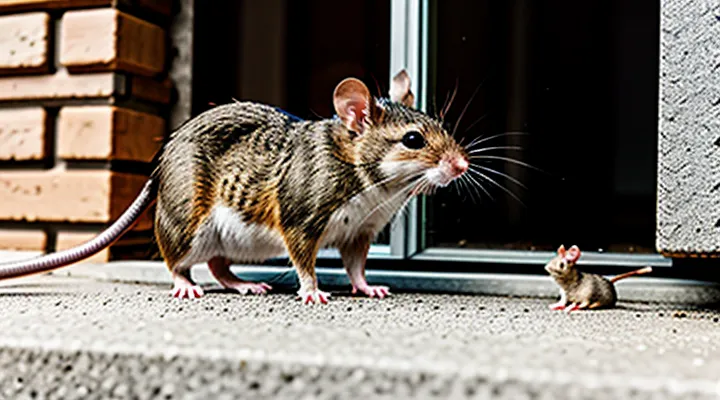
Understanding the Enemy: Mice Behavior and Biology
Identifying a Mouse Infestation
Signs of Mice Presence
Mice leave unmistakable evidence that can be identified without specialized equipment. Droppings appear as small, dark, rice‑shaped pellets, typically found along walls, beneath appliances, and near food sources. Gnaw marks reveal themselves as clean, shallow cuts on wood, plastic, or wiring, often positioned at right angles to the material’s grain. Chewed food packaging displays frayed edges and may contain shredded contents.
A distinct musky odor emerges from urine and gland secretions, becoming noticeable in confined spaces such as closets, basements, or crawl spaces. Nesting material consists of shredded paper, fabric, insulation, or dried plant matter, gathered in hidden corners, behind wall cavities, or under stored items. Tracks are visible when mice move across dusty surfaces, leaving fine footprints with four toe marks on the front paws and five on the hind paws.
These indicators form the primary basis for confirming an infestation and guide the selection of appropriate control measures.
Common Entry Points for Mice
Mice infiltrate structures through openings that provide direct access to food, water, and shelter. Identifying and sealing these pathways is essential for successful mouse management.
- Gaps around utility penetrations (pipes, cables, wires) as small as ¼ inch.
- Cracks in foundation walls, slab edges, and basement floors.
- Spaces beneath doors, including gaps at the bottom of exterior and interior doors.
- Unsealed openings around windows, especially where frames meet the wall.
- Openings around HVAC ducts, vent grills, and exhaust fans.
- Holes in roofing material, soffits, and eaves that connect attic space to the exterior.
- Unfinished or damaged siding, where weather‑stripping is missing or torn.
- Gaps around plumbing fixtures, such as where sinks and bathtubs meet the wall.
- Openings around pet doors, crawl‑space doors, and garage door seals.
The Risks of Mice Infestations
Health Hazards
Rodent infestations present significant health risks that extend beyond property damage. Mice carry pathogens such as hantavirus, salmonella, and leptospira, which can contaminate food, surfaces, and air through urine, droppings, and saliva. Direct contact with these secretions may cause respiratory illness, gastrointestinal infections, and allergic reactions.
Control measures introduce additional hazards that must be managed:
- Chemical rodenticides: Anticoagulant baits can cause accidental poisoning of humans, pets, and non‑target wildlife. Inhalation of dust or ingestion of residues may lead to internal bleeding, liver damage, or neurotoxicity.
- Snap and glue traps: Improper handling can result in puncture wounds, lacerations, or allergic skin reactions. Traps placed in high‑traffic areas increase the likelihood of accidental injury.
- Ultrasonic devices: Although non‑lethal, prolonged exposure to high‑frequency sound may affect hearing sensitivity in humans and domestic animals.
- Environmental contamination: Dead rodents decompose rapidly, releasing ammonia and other volatile compounds that irritate respiratory passages and exacerbate asthma.
Mitigation strategies focus on reducing exposure while maintaining efficacy:
- Select low‑toxicity baits, apply them in tamper‑proof stations, and keep them out of reach of children and pets.
- Install mechanical traps in concealed locations, use protective gloves during placement and disposal, and follow manufacturer safety instructions.
- Conduct regular cleaning of contaminated areas with appropriate disinfectants, wear respiratory protection when removing droppings, and seal entry points to prevent re‑infestation.
- Monitor indoor air quality after treatment, especially in sealed environments, and ventilate spaces before reoccupancy.
Adhering to these practices limits the health dangers associated with mouse control and protects occupants, caregivers, and the surrounding ecosystem.
Property Damage
Mice compromise building integrity by gnawing on wood, insulation, and structural components, creating holes that weaken walls and ceilings. Their incisors continuously grow, prompting relentless chewing that can undermine load‑bearing elements and increase the risk of collapse.
Typical damage includes:
- Chewed electrical wiring, leading to short circuits, fire hazards, and costly repairs.
- Destroyed insulation, reducing thermal efficiency and raising heating or cooling expenses.
- Contaminated food stores and packaging, resulting in waste and potential health violations.
- Scratched and torn upholstery, flooring, and drywall, diminishing aesthetic value and resale potential.
Unaddressed damage accelerates infestation because compromised structures provide additional entry points and shelter, facilitating rapid population growth. Effective mitigation therefore requires immediate repair of gnawed components combined with preventive measures.
Key actions for property protection:
- Inspect and seal gaps larger than ¼ inch in foundations, vents, and utility penetrations.
- Replace damaged wiring and insulation promptly, using rodent‑resistant materials where possible.
- Deploy snap traps, electronic traps, or tamper‑proof bait stations in identified activity zones.
- Conduct regular monitoring to detect new gnaw marks and intervene before structural deterioration expands.
Integrating repair work with targeted mouse management reduces long‑term expenses, preserves building safety, and limits the economic impact of rodent‑related damage.
Prevention: The First Line of Defense
Sealing Entry Points
Inspecting Your Home
A thorough inspection identifies entry points, nesting sites, and activity indicators, forming the foundation for any mouse management plan.
- Examine the building envelope from the foundation to the roof.
- Check gaps around pipes, vents, utility lines, and electrical conduits.
- Inspect door frames, window sills, and garage doors for cracks or missing seals.
- Verify that weather‑stripping and door sweeps are intact and properly seated.
Visible signs confirm infestation and guide targeted interventions.
- Fresh droppings along walls, cabinets, or near food containers.
- Gnaw marks on wood, plastic, or insulation.
- Smearings of urine on surfaces, especially in dark corners.
- Accumulated shredded material, such as paper, fabric, or insulation.
Record each finding with location details and photographs. Use the data to prioritize repairs, place traps or baits, and schedule follow‑up checks. Continuous monitoring after corrective actions verifies the effectiveness of the control measures.
Recommended Sealing Materials
Effective mouse exclusion requires durable barriers that resist gnawing and seal gaps permanently. Selecting appropriate sealing materials is essential for long‑term success.
- Steel wool (grade #40 or finer) – dense fibers prevent chewing; combine with caulk for airtight closure.
- Copper or stainless‑steel mesh – ¼‑inch or smaller openings; suitable for larger openings where flexibility is needed.
- Silicone or polyurethane caulk – adheres to wood, drywall, and metal; remains flexible while sealing cracks less than ¼ inch.
- Expanding spray foam (low‑expansion, closed‑cell) – fills irregular voids; apply over a steel‑wool or mesh backing to deter chewing.
- Concrete or mortar – ideal for sealing foundation gaps, floor seams, and exterior walls; creates a permanent, hard barrier.
- Metal flashing or sheet metal – covers vent openings, utility penetrations, and roof edges; install with overlapping seams and seal with caulk.
- Weatherstripping (rubber or silicone) – used on doors and windows; compresses to close gaps while maintaining movement.
When applying these materials, clean the target area, remove loose debris, and ensure a tight fit. Overlap seams by at least 1 inch and seal joints with compatible caulk to eliminate any residual entry points. Regular inspection of sealed areas helps detect wear or new gaps before infestations develop.
Maintaining Sanitation
Proper Food Storage
Proper food storage is a core element of any program aimed at reducing mouse activity in residential or commercial settings. Food that is left unsecured provides a reliable energy source, encouraging mice to establish foraging routes and nesting sites.
Mice locate supplies through scent and visual cues. When food is stored in permeable containers or left uncovered, volatile compounds escape, creating a detectable trail. This attraction increases the likelihood of infestations and complicates eradication efforts.
Effective storage practices include:
- Use containers with sealed lids made of metal or heavy‑grade plastic; avoid flimsy packaging that can be chewed.
- Keep dry goods in airtight bins; transfer bulk items into smaller, resealable units.
- Refrigerate perishable products promptly; maintain temperatures below 40 °F (4 °C) to inhibit spoilage.
- Label containers with purchase dates; rotate stock to prevent prolonged exposure.
- Clean storage areas weekly; remove crumbs, spills, and debris that could serve as secondary food sources.
- Dispose of waste in sealed bags; place refuse bins away from food storage zones and empty them regularly.
Implementing these measures limits the availability of edible material, thereby reducing the incentive for mice to infiltrate the environment and supporting broader control strategies.
Waste Management
Effective mouse control relies on eliminating food sources that attract pests. Proper waste management reduces the availability of edible debris, thereby limiting population growth.
Key waste‑related practices include:
- Securing trash containers with tight‑fitting lids.
- Removing organic waste from the premises daily.
- Storing compost in rodent‑proof bins.
- Disposing of spoiled food promptly and cleaning spillages immediately.
- Positioning waste stations away from building foundations and entry points.
Consistent implementation of these measures interrupts the foraging behavior of mice, decreases infestation risk, and supports broader pest‑reduction programs.
Landscape Management
Trimming Vegetation
Trimming vegetation reduces shelter and food sources that attract mice, limiting their ability to establish nests near buildings. Regularly cutting grass, shrubs, and low‑lying branches creates a clear zone around structures, making it harder for rodents to move undetected.
Key practices for effective vegetation management:
- Maintain a minimum 3‑foot clearance between ground cover and building foundations.
- Remove dense ground cover, such as weeds and leaf litter, within a 10‑foot radius of exterior walls.
- Prune tree branches that overhang roofs or gutters to prevent direct access.
- Conduct trimming after the growing season to discourage re‑growth before winter, when mice seek indoor refuge.
Integrating vegetation control with other measures—such as sealing entry points and eliminating indoor food sources—creates a comprehensive approach to suppress mouse populations and prevent re‑infestation.
Removing Debris
Removing debris eliminates shelter and food sources that attract mice, directly reducing the likelihood of infestation. Cluttered areas provide nesting material and concealment, allowing rodents to establish colonies unnoticed.
Effective debris removal involves several precise actions:
- Conduct a thorough inspection of all rooms, storage spaces, and outdoor zones to identify accumulated items such as cardboard boxes, paper piles, fabric scraps, and fallen vegetation.
- Dispose of unwanted materials in sealed containers before transporting them to a waste facility; avoid leaving debris in open trash cans.
- Clean surfaces with a vacuum equipped with a HEPA filter or a damp mop to eliminate residual crumbs and dust that could serve as food.
- Organize remaining items using sealed, rodent‑proof containers made of metal or heavy‑wall plastic; label containers to maintain order and prevent re‑accumulation.
- Schedule regular maintenance, ideally weekly, to assess and clear any new debris before it becomes a potential habitat.
By systematically eliminating clutter, property owners remove essential resources that mice require for survival, thereby strengthening overall control measures.
Eradication: Effective Control Methods
Trapping Methods
Snap Traps
Snap traps remain a cornerstone of rapid mouse elimination. Their design relies on a spring‑loaded bar that delivers an instantaneous closure when a mouse contacts the trigger mechanism. The simplicity of the device allows for immediate kill, reducing the likelihood of disease transmission and secondary infestations.
Key considerations for optimal use include:
- Placement: Position traps along walls, behind appliances, and near known activity zones; mice prefer routes that offer concealment.
- Bait selection: Use high‑protein or high‑fat items such as peanut butter, dried fruit, or small pieces of cheese; ensure bait is securely attached to prevent premature removal.
- Sensitivity adjustment: Calibrate the trigger to react to minimal pressure; overly sensitive settings may cause false closures, while insensitive settings permit avoidance.
- Safety measures: Wear gloves when handling traps to avoid contaminating the bait and to protect against accidental activation; keep traps out of reach of children and non‑target animals.
- Disposal protocol: After capture, seal the trap in a sturdy bag and discard according to local regulations; replace the trap promptly to maintain continuous coverage.
When integrated into a broader mouse management plan—combined with sanitation, exclusion, and monitoring—snap traps deliver swift population reduction and contribute to long‑term control success.
Live Traps
Live traps capture mice without killing them, allowing relocation to a site far from human habitation. The devices consist of a cage with a one‑way entry triggered by the animal’s movement.
Advantages include humane treatment, elimination of poison risks, and repeated use after cleaning. Reusable units reduce long‑term costs compared to disposable snap traps.
When selecting a trap, prioritize the following criteria:
- Interior dimensions that accommodate adult mice (minimum 3 × 3 × 6 inches).
- Sensitive trigger mechanism that activates with a weight of 10–20 g.
- Durable construction, preferably stainless steel or heavy‑duty plastic.
Effective placement follows these guidelines:
- Position traps along walls, behind appliances, and near known runways.
- Set traps perpendicular to the wall, with the entry facing the expected travel direction.
- Avoid open floor areas where mice are unlikely to travel.
- Space multiple traps 5–10 ft apart in high‑activity zones.
Check traps at least twice daily. Use gloves to prevent scent transfer, release captured mice at a minimum of 2 mi from the original location, and ensure the release site offers shelter and food sources. After each capture, disinfect the cage with a mild bleach solution, dry thoroughly, and inspect the trigger for wear.
Regular maintenance—cleaning, bait replacement (e.g., peanut butter or grain), and mechanism testing—maintains trap efficiency and prevents habituation.
Multi-Catch Traps
Multi‑catch traps are designed to capture several mice simultaneously, reducing the need for frequent resetting. The devices typically feature a spring‑loaded platform or a series of hinged doors that close when a rodent triggers a pressure plate. Because the mechanism does not rely on lethal force, the traps can be used in residential, commercial, and food‑processing environments where humane handling is required.
Key advantages include:
- High capture capacity (often 5–10 individuals per unit)
- Minimal maintenance; only periodic cleaning and bait replenishment are needed
- Reusability; the same trap can be deployed repeatedly without replacement parts
- Compatibility with a variety of baits, allowing adaptation to local mouse preferences
Effective deployment follows a systematic approach:
- Identify high‑traffic zones by inspecting for droppings, gnaw marks, and nesting material.
- Position traps perpendicular to walls, with the trigger side facing the expected travel route.
- Space units at 10‑15 ft intervals along walls, concentrating in corners and near entry points.
- Use attractive, non‑toxic bait (e.g., peanut butter, sunflower seeds) and refresh every 3–4 days.
Safety considerations require placement out of reach of children and pets. After capture, relocate mice according to local regulations or release them at a suitable distance, ensuring compliance with humane‑treatment standards. Regular inspection of trap integrity prevents accidental release and maintains efficacy over extended periods.
Baits and Rodenticides
Types of Baits
Effective mouse management relies on selecting appropriate baits that match the target population’s behavior and resistance profile. Bait selection determines placement density, monitoring frequency, and overall success of control programs.
- Anticoagulant baits – contain compounds such as warfarin, bromadiolone, or brodifacoum; interfere with blood clotting, leading to death after a single or multiple feedings; suitable for established infestations but require careful handling to prevent secondary poisoning.
- Non‑anticoagulant baits – include active ingredients like zinc phosphide or cholecalciferol; cause rapid toxicity without affecting coagulation; useful where anticoagulant resistance is documented.
- Food‑based baits – formulated from grains, seeds, or processed foods that mimic natural mouse diet; enhance acceptance in low‑density populations; often combined with low‑dose toxicants for early‑stage control.
- Natural attractants – employ plant‑derived oils, essential oils, or fermented products; serve as pre‑baits to increase contact with secondary toxic formulations; limited standalone efficacy but valuable in integrated programs.
- Whole‑grain and pellet baits – compact, moisture‑resistant units that permit precise dosing; ideal for indoor use where exposure to humidity is a concern.
Each bait type demands specific placement strategies. Anticoagulants are typically deployed in tamper‑resistant stations near wall voids, while non‑anticoagulants may be scattered in dry, concealed areas to maximize ingestion. Food‑based formulations benefit from bait stations that protect against non‑target consumption. Natural attractants should be refreshed regularly to maintain potency. Selecting the correct bait, aligned with environmental conditions and resistance status, enhances control efficacy while minimizing risk to non‑target species.
Safe Use of Rodenticides
Rodenticides provide rapid reduction of mouse populations when applied correctly. Their toxicity demands strict adherence to safety procedures to protect humans, non‑target animals, and the environment.
- Wear chemical‑resistant gloves, goggles, and disposable coveralls before handling any bait.
- Keep products in original containers with intact labels; do not transfer to unmarked vessels.
- Store away from food preparation areas, at temperatures specified by the manufacturer.
- Restrict access to treated zones; post clear warning signs indicating the presence of poison.
Apply bait only in sealed stations or tamper‑proof containers. Position stations along walls, behind appliances, and in concealed corners where mouse activity is observed. Use the dosage recommended on the label; excess amounts increase risk without improving efficacy. Avoid scattering loose bait, which can be ingested by pets or wildlife.
After use, collect empty stations and any residual bait. Dispose of waste in accordance with local hazardous‑waste regulations; do not place in regular trash. Decontaminate equipment with soap and water, then rinse with a neutralizing solution if required by the product’s safety data sheet.
Compliance with federal and regional pesticide statutes is mandatory. Personnel must complete certified training that covers product identification, exposure symptoms, emergency response, and record‑keeping. Maintaining accurate logs of application dates, locations, and quantities supports accountability and facilitates future monitoring.
Placement Strategies
Strategic placement of control devices determines the success of mouse management programs. Devices must be positioned where rodents travel, feed, or nest, and must remain inaccessible to non‑target species and children.
Key considerations include:
- Identify high‑traffic zones by observing droppings, gnaw marks, and food spillage. Place traps and bait stations along walls, behind appliances, and near entry points.
- Install devices perpendicular to the wall, with the trigger side facing the baseboard, because mice prefer to run close to surfaces.
- Position bait stations at least 12 inches from food preparation areas and out of reach of pets; use tamper‑resistant models when necessary.
- In multi‑room infestations, distribute devices evenly, maintaining a 10‑foot interval between traps to prevent gaps in coverage.
- Rotate placements weekly to disrupt habituation; move traps a few inches along the same wall or relocate them to adjacent rooms.
Proper spacing, orientation, and periodic adjustment create a continuous barrier that intercepts mouse movement patterns while minimizing exposure to humans and domestic animals.
Professional Pest Control
When to Call an Expert
Professional assessment becomes necessary when mouse activity exceeds the limits of DIY measures. Persistent damage to structural components, such as gnawed wiring, insulation, or flooring, indicates a level of infestation that can compromise safety and requires specialized intervention.
Key indicators for engaging a pest‑control specialist include:
- Traps and bait stations fail to reduce capture rates after several weeks.
- Evidence of mice in multiple rooms or floors, suggesting a widespread problem.
- Presence of droppings or urine stains in areas inaccessible to homeowner‑placed devices.
- Signs of disease risk, such as contamination of food storage or preparation surfaces.
- Legal or insurance requirements that mandate certified removal methods.
When these conditions arise, an expert can perform a thorough inspection, identify entry points, and implement control strategies that comply with health regulations. Professional services also provide ongoing monitoring to prevent re‑infestation and minimize future damage.
Benefits of Professional Services
Professional pest‑control firms bring expertise that surpasses DIY attempts. Trained technicians identify entry points, assess infestation severity, and apply targeted treatments that eliminate mice while minimizing health risks.
Key advantages of hiring experts include:
- Accurate species identification and behavior analysis, enabling selection of the most effective control measures.
- Use of certified baits and traps that comply with safety regulations, reducing accidental poisoning of non‑target animals and humans.
- Implementation of integrated pest‑management (IPM) protocols, which combine sanitation, exclusion, and population reduction for long‑term results.
- Documentation of actions taken, providing legal proof of compliance for landlords, businesses, or insurers.
- Ongoing monitoring and follow‑up visits that prevent re‑infestation, saving time and resources compared with repeated amateur attempts.
Professional services also offer warranties that guarantee performance, allowing clients to recover costs if mice reappear within the agreed period. This accountability reinforces preventive measures and supports sustainable control outcomes.
Post-Extermination: Cleanup and Ongoing Monitoring
Safe Cleanup Procedures
Disposing of Carcasses
Proper disposal of mouse carcasses is a critical component of any comprehensive rodent management program. Mishandling dead rodents can attract predators, spread disease, and undermine control efforts. Immediate removal prevents secondary infestations and limits odor buildup.
Effective disposal methods include:
- Sealed bag removal – Place the carcass in a heavy‑duty plastic bag, seal tightly, and place the bag in an outdoor trash container with a secure lid.
- Burial – Dig a hole at least 12 inches deep, place the carcass, and cover with soil. Verify local regulations permit burial before use.
- Incineration – Use a small, approved incinerator or burn the carcass in a metal container on a nonflammable surface, ensuring complete combustion.
When handling carcasses, wear disposable gloves and a face mask to reduce exposure to pathogens such as hantavirus or salmonella. Disinfect any tools or surfaces that contacted the carcass with a solution containing at least 70 % alcohol or a diluted bleach mixture (1 part bleach to 9 parts water). After disposal, wash hands thoroughly with soap and water.
Compliance with municipal waste rules is mandatory; many jurisdictions require carcasses to be placed in sealed containers and labeled as animal waste. Failure to follow local ordinances can result in fines and increased health risks. By adhering to these procedures, pest control practitioners maintain sanitary conditions and reinforce the overall effectiveness of mouse management strategies.
Disinfecting Contaminated Areas
Disinfecting areas contaminated by mice is a critical component of any comprehensive mouse‑infestation management program. After removal or trapping, surfaces may harbour pathogens, urine, and fecal material that can spread disease. Follow these steps to ensure thorough decontamination:
- Wear protective equipment: gloves, goggles, and a disposable gown prevent skin contact and inhalation of aerosols.
- Ventilate the space: open windows or use exhaust fans for at least 15 minutes before cleaning to reduce airborne particles.
- Remove visible debris: sweep or vacuum loose droppings and nesting material into a sealed bag; dispose of the bag in a hard‑plastic container with a tight‑fitting lid.
- Apply an EPA‑registered disinfectant: choose a product effective against Salmonella, Leptospira, and Hantavirus. Follow label instructions for concentration, contact time, and safe use.
- Scrub hard surfaces: use a disposable cloth or mop saturated with the disinfectant; work from clean to dirty zones to avoid cross‑contamination.
- Treat porous items: discard heavily soiled fabrics, insulation, and cardboard; for lightly contaminated items, steam‑clean or apply a suitable disinfectant spray.
- Rinse and dry: if the disinfectant requires rinsing, use clean water; allow surfaces to dry completely before re‑occupying the area.
- Verify effectiveness: perform a surface swab test or visual inspection to confirm the absence of residue and odor.
Consistent application of this protocol eliminates residual health risks and supports long‑term mouse‑population reduction.
Continuous Monitoring
Regular Inspections
Regular inspections form the backbone of any comprehensive mouse management program. Detecting activity early prevents population growth, limits damage, and reduces reliance on chemical interventions.
- Inspect interior spaces weekly: examine baseboards, cabinets, and behind appliances for droppings, gnaw marks, and nesting material.
- Survey exterior perimeters monthly: check for gaps around utilities, foundation cracks, and vegetation that contacts the building.
- Use motion‑activated cameras or non‑lethal traps in high‑risk zones to confirm presence and identify entry points.
- Record findings in a log, noting date, location, and evidence type; compare entries over time to assess trend direction.
Follow‑up actions must be taken promptly after each inspection. Seal identified openings with steel wool, cement, or appropriate mesh; eliminate food sources by storing items in sealed containers; and maintain a clean environment by removing debris that could serve as shelter. Consistent documentation enables measurable progress and informs adjustments to control tactics, ensuring long‑term effectiveness against mouse infestations.
Maintaining Prevention Strategies
Consistent prevention is essential for long‑term mouse management. Regular inspection of interior spaces, such as kitchens, storage rooms, and utility areas, identifies entry points before infestations develop. Seal gaps larger than ¼ inch with steel wool, caulk, or metal flashing; replace deteriorated weatherstripping on doors and windows. Maintain a clean environment: store food in airtight containers, promptly clean spills, and dispose of waste in sealed bins. Reduce outdoor attractants by trimming vegetation away from building foundations, storing firewood off the ground, and keeping compost piles covered.
Key maintenance actions
- Conduct a monthly visual sweep for gnaw marks, droppings, or nesting material.
- Test door sweeps and window seals for integrity; repair any damage immediately.
- Rotate and refresh rodent‑proof barriers in high‑traffic zones at least quarterly.
- Review sanitation protocols weekly, ensuring no food residues remain on surfaces or floors.
- Document all inspections and repairs in a log to track trends and verify compliance.
Adhering to these routine measures sustains the effectiveness of broader mouse control programs and minimizes reliance on reactive extermination.