
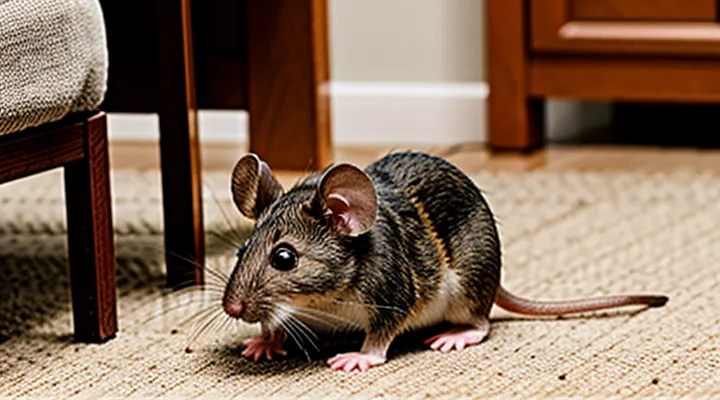
Understanding Mouse Poisons («Rodenticides»)
Types of Rodenticides
Anticoagulants
Anticoagulant rodenticides are the most widely employed chemical agents for controlling mice in residential environments. They act by disrupting the vitamin K cycle, which is essential for blood clotting. Ingestion of a single dose prevents the synthesis of clotting factors II, VII, IX, and X, leading to internal hemorrhage and death within 24–72 hours.
Typical formulations for home use include:
- First‑generation anticoagulants (e.g., warfarin, chlorophacinone). Require multiple feedings; resistance is increasingly reported.
- Second‑generation anticoagulants (e.g., brodifacoum, bromadiolone, difenacoum). Effective after a single consumption; higher potency and longer persistence in the liver.
- Hybrid products that combine a first‑generation agent with a secondary toxin to mitigate resistance.
Key considerations for safe and effective deployment:
- Place bait stations in concealed, inaccessible locations to prevent accidental exposure by children or pets.
- Use bait amounts calibrated to the size of the target area; excess bait increases non‑target risk and environmental contamination.
- Rotate active ingredients periodically to delay the development of resistance in mouse populations.
- Follow local regulations regarding disposal of dead rodents and unused bait; contaminated materials must be sealed and taken to an approved waste facility.
- Monitor for signs of poisoning (e.g., lethargy, blood‑tinged feces) to confirm efficacy and adjust bait density accordingly.
Resistance management relies on integrating anticoagulant use with non‑chemical measures such as sealing entry points, removing food sources, and maintaining cleanliness. When resistance is confirmed, switching to a different anticoagulant class or employing alternative toxicants (e.g., zinc phosphide) may be necessary. Proper adherence to label instructions and safety protocols ensures that anticoagulant rodenticides remain a reliable solution for indoor mouse control while minimizing hazards to humans and non‑target animals.
Non-Anticoagulants
Non‑anticoagulant rodenticides provide rapid lethal action without relying on blood‑clotting disruption. These compounds target the nervous system, cellular metabolism, or calcium regulation, leading to death within hours of ingestion.
Rapid onset reduces the likelihood that mice will consume sub‑lethal amounts and develop bait aversion. Because toxicity does not depend on blood coagulation, secondary poisoning of predators and pets is markedly lower, meeting many household safety standards.
Typical active ingredients include:
- Bromethalin – blocks mitochondrial ATP production, causing cerebral edema.
- Zinc phosphide – reacts with stomach acid to release phosphine gas, a potent cellular toxin.
- Cholecalciferol (vitamin D₃) – induces hypercalcemia, disrupting cardiac and renal function.
- Sodium fluoroacetate – interferes with the citric acid cycle, leading to metabolic failure.
Safety measures demand sealed storage, placement in tamper‑resistant bait stations, and exclusion of children and non‑target animals. Label instructions must be followed for dosage per kilogram of mouse body weight; excessive amounts increase risk without improving efficacy.
Effective deployment relies on strategic bait placement along walls, near entry points, and in concealed pathways. Monitoring bait consumption and replacing depleted stations sustain control pressure until mouse activity ceases.
How Mouse Poisons Work
Mechanism of Anticoagulants
Anticoagulant rodenticides disrupt the blood‑clotting cascade by inhibiting vitamin K epoxide reductase (VKOR). This enzyme regenerates reduced vitamin K, a cofactor required for the γ‑carboxylation of clotting factors II, VII, IX, and X. When VKOR activity is blocked, newly synthesized clotting proteins remain inactive, reducing the blood’s ability to form fibrin clots.
The physiological consequence appears after several days of ingestion because existing functional clotting factors must be depleted. Mice experience internal bleeding, primarily in the gastrointestinal tract and vital organs, leading to gradual hypovolemic shock and death. The delayed onset minimizes bait aversion, allowing multiple doses to be consumed before symptoms manifest.
Key aspects of the anticoagulant mechanism:
- Competitive inhibition of VKOR prevents recycling of vitamin K to its active form.
- Inactive clotting factors accumulate, lowering plasma pro‑thrombin levels.
- Hemorrhagic events develop once residual active factors fall below a critical threshold.
- Dose‑dependent toxicity permits formulation of low‑concentration baits suitable for residential environments, reducing risk to non‑target species while maintaining efficacy against house mice.
Mechanism of Non-Anticoagulants
Non‑anticoagulant rodenticides provide an alternative to blood‑clotting agents for indoor mouse control. They act by disrupting vital physiological pathways rather than interfering with vitamin K metabolism.
- Neurotoxins (e.g., bromethalin) block the flow of ions across neuronal membranes, causing rapid swelling of nerve cells and fatal paralysis.
- Metabolic poisons (e.g., zinc phosphide) release phosphine gas when exposed to stomach acid, inhibiting cellular respiration and collapsing ATP production.
- Calcium channel disruptors (e.g., diphacinone‑free formulations) impair muscle contraction, leading to respiratory failure.
- Digestive tract irritants (e.g., sodium fluoroacetate) interfere with the citric‑acid cycle, producing toxic metabolites that accumulate and halt energy generation.
Each mechanism delivers a swift, irreversible effect on the mouse’s central nervous system or cellular metabolism. The absence of anticoagulant activity eliminates the risk of delayed death and secondary poisoning through blood clotting pathways. Formulations designed for household use often incorporate bittering agents to deter accidental ingestion by children or pets while maintaining potency against rodents.
Effective deployment requires placement of bait in concealed, rodent‑frequent locations and monitoring for consumption. Proper handling minimizes exposure to toxic vapors from metabolic agents and ensures that the intended lethal pathway remains active until the target is eliminated.
Choosing the Right Mouse Poison for Home Use
Factors to Consider
Target Rodent Species
Identifying the specific rodent species present in a dwelling determines the choice, concentration, and placement of an effective rodenticide.
- House mouse (Mus musculus) – Small, agile, prefers interior walls, cabinets, and stored food. Frequently consumes soft, grain‑based baits and shows rapid reproductive cycles.
- Norway rat (Rattus norvegicus) – Larger, burrows in foundations, basements, and sewers. Favors coarse, protein‑rich bait blocks and can tolerate higher toxin doses before mortality.
- Roof rat (Rattus rattus) – Climbs to attics, eaves, and upper stories. Attracted to sweet or fruit‑based baits, often avoids ground‑level traps.
- Deer mouse (Peromyscus maniculatus) – Occupies attics and crawl spaces, prefers seeds and insects. Shows moderate susceptibility to anticoagulant poisons.
Species‑specific traits affect poison performance. House mice require low‑dose, fast‑acting formulations to match their high metabolism; Norway rats need higher‑concentration products to overcome larger body mass and potential resistance. Roof rats respond best to bait stations positioned above ground level, while deer mice benefit from placement near seed stores. Selecting a rodenticide without regard to these biological differences reduces efficacy and may increase non‑target exposure.
Level of Infestation
The severity of a mouse problem dictates how much bait, where it is placed, and how it is monitored.
Low infestation (1–5 individuals) requires minimal exposure. Use a single low‑toxicity pellet in a concealed area near known activity. Replace the pellet every 7 days to maintain potency.
Moderate infestation (6–20 individuals) calls for multiple bait stations. Deploy 2–3 stations per 100 sq ft, each containing 2–3 pellets. Position stations along walls, behind appliances, and in cabinets. Check stations daily; remove dead rodents and replenish bait as needed.
High infestation (more than 20 individuals) demands extensive coverage and frequent replenishment. Set up 4–5 stations per 100 sq ft, each with 4–5 pellets. Include secondary stations in secondary rooms and attics. Perform spot checks twice daily, disposing of carcasses promptly to prevent disease spread. Increase the concentration of the active ingredient only if the product’s label permits, and follow all safety warnings.
Accurate assessment of infestation level enables efficient use of home‑grade rodenticides, reduces waste, and minimizes risk to non‑target occupants.
Safety Concerns («Pets and Children»)
Rodenticides intended for indoor use pose significant hazards to non‑target animals, especially household pets and young children. Accidental exposure can result in severe toxicity or death, demanding strict precautions.
Pet safety concerns
- Ingestion of bait pellets or contaminated food leads to gastrointestinal ulceration, internal bleeding, or neurological impairment.
- Small dogs, cats, and ferrets are most vulnerable because they may chew or swallow bait unnoticed.
- Symptoms appear within minutes to hours and include vomiting, drooling, lethargy, seizures, and abnormal heart rhythms.
- Immediate veterinary intervention is essential; activated charcoal, antidotes, and supportive care improve survival rates.
Child safety concerns
- Curious toddlers may mistake brightly colored pellets for candy, resulting in rapid oral intake.
- Toxic effects mirror those in pets: abdominal pain, vomiting, bloody stools, respiratory distress, and convulsions.
- Early signs can progress to multi‑organ failure if treatment is delayed.
- Prompt medical evaluation, gastric lavage, and specific antidotes are required to mitigate damage.
Preventive measures
- Store rodent bait in locked containers, out of reach of animals and children.
- Place bait stations behind appliances, in wall voids, or under furniture where pets cannot access them.
- Use tamper‑proof, sealed dispensers that release only small, measured doses.
- Label all storage areas clearly with hazard warnings and keep emergency contact numbers nearby.
- Consider alternative control methods—snap traps, electronic devices, or exclusion techniques—to reduce reliance on chemical poisons.
Adhering to these protocols minimizes accidental poisoning while maintaining effective rodent management in residential environments.
Environmental Impact
Effective rodent control agents used in households introduce toxic substances into indoor environments, which can migrate to surrounding ecosystems through waste, runoff, or accidental release. The primary environmental concerns include:
- Persistence of active ingredients in soil and water, leading to bioaccumulation in non‑target organisms.
- Secondary poisoning of predators, such as birds of prey and domestic cats, that ingest contaminated rodents.
- Disruption of microbial communities in compost or sewage systems when poisoned carcasses decompose.
- Contribution to chemical resistance in rodent populations, prompting higher dosage use and increased environmental load.
Mitigation strategies focus on containment and proper disposal. Users should seal bait containers, place traps in isolated areas, and collect dead rodents promptly. Waste should be placed in sealed bags and discarded according to local hazardous‑waste regulations, preventing leaching into landfill leachate. Alternative methods, such as mechanical traps or exclusion techniques, eliminate chemical exposure entirely and reduce ecological risk.
Bait Formulations
Baits Blocks
Bait blocks are compact, solid formulations designed to attract and eliminate rodents in residential environments. They combine a palatable matrix with a measured dose of anticoagulant or neurotoxic agents, delivering lethal exposure after a single ingestion.
The matrix typically consists of grain flour, wheat germ, or peanut butter, providing a scent and texture that mice find appealing. Active ingredients may include bromadiolone, difenacoum, or bromethalin, each calibrated to achieve mortality within 48–72 hours while minimizing risk to non‑target species.
Effective deployment follows a consistent routine:
- Place blocks in concealed locations such as behind appliances, within wall voids, or along known travel routes.
- Position blocks 1–2 inches off the floor to reduce access by pets and children.
- Replace each block after two days of inactivity to maintain potency.
- Rotate placement every week to address shifting activity patterns.
Safety considerations demand secure handling. Wear disposable gloves when removing blocks from packaging, and store unused units in a locked container away from food preparation areas. In case of accidental exposure, seek immediate medical advice and provide product details.
Storage guidelines extend product life. Keep blocks in a cool, dry place, away from direct sunlight. Seal containers tightly to prevent moisture absorption, which can degrade the active compound and reduce efficacy.
Disposal of spent blocks requires adherence to local hazardous waste regulations. Do not discard in regular trash; instead, place in a sealed bag and deliver to an authorized collection point.
Selecting the appropriate bait block involves evaluating rodent pressure, indoor layout, and household composition. High‑traffic infestations benefit from blocks with stronger attractants, while homes with children or pets should prioritize low‑risk formulations and consider placement height to limit accidental contact.
Pellets
Pellet baits are compact, dense formulations designed for indoor rodent control. They combine anticoagulant or neurotoxic active ingredients with attractants, providing a stable delivery system that resists crushing and spillage.
Typical composition includes:
- Active ingredient (e.g., bromadiolone, diphacinone, or zinc phosphide) at concentrations calibrated for mouse toxicity.
- Palatable carrier such as wheat germ, soy flour, or peanut butter to ensure rapid consumption.
- Binding agents that maintain structural integrity in humid environments.
Application guidelines:
- Place pellets in tamper‑resistant stations near walls, behind appliances, and inside cabinets.
- Position stations at least 5 cm above floor level to avoid accidental contact by children or pets.
- Replace any spent or disturbed pellets daily to maintain bait potency.
- Limit the number of stations to the minimum required for effective coverage, typically one per 25 m² of interior space.
Safety considerations:
- Store in sealed containers away from food preparation areas.
- Use gloves when handling to prevent dermal exposure.
- Keep out of reach of non‑target animals; consider secondary‑containment devices if pets are present.
Advantages:
- Low dust generation reduces inhalation risk.
- Resistant to moisture, suitable for kitchens and bathrooms.
- Precise dosing limits waste and environmental contamination.
Disadvantages:
- Larger size may be less appealing to mice compared with granular baits.
- Requires secure stations to prevent accidental ingestion by humans or pets.
Grains
Grains serve as the primary attractant in many household rodent control preparations. Their natural sweetness and texture stimulate foraging behavior, ensuring that the poison is ingested quickly.
- Commonly used grains: wheat, barley, cornmeal, oatmeal, and rice. Each offers a distinct flavor profile that appeals to different mouse populations.
- Selection criteria: low moisture content, easy storage, and minimal propensity to mold. Moisture‑rich grains degrade rapidly, reducing bait effectiveness.
- Preparation steps:
Safety considerations include wearing gloves during handling, keeping bait out of reach of children and pets, and disposing of unused grain‑based poison according to local regulations. Store the prepared bait in airtight containers at temperatures below 20 °C to preserve potency.
When deploying grain‑based bait, position it along established mouse pathways, near walls, and behind appliances. Replace bait every 48 hours or when signs of consumption diminish, ensuring continuous pressure on the rodent population.
Liquid Baits
Liquid baits provide a rapid, covert method for controlling house mice. The formulation typically combines a potent anticoagulant or neurotoxin with a palatable carrier such as soy protein, cheese extract, or grain syrup. The liquid matrix enables mice to ingest a sufficient dose with a single sip, reducing the time required to achieve lethality.
Effective deployment relies on three factors: placement, concentration, and environmental safety.
- Placement – Position bait stations near walls, behind appliances, and in concealed corners where mouse activity is observed.
- Concentration – Follow the manufacturer’s recommended dilution to ensure the dose remains lethal while minimizing waste.
- Environmental safety – Use tamper‑resistant containers to prevent accidental exposure of children, pets, or non‑target wildlife.
Advantages of liquid baits include quick ingestion, ease of application to irregular surfaces, and the ability to treat hard‑to‑reach areas such as crawl spaces or attic joists. Disadvantages comprise a higher risk of spillage, limited shelf life once opened, and the necessity for secure containment to avoid secondary poisoning.
When selecting a product, verify that it is approved for residential use, contains an active ingredient with proven efficacy against mice, and provides clear labeling on dosage and disposal procedures. Proper rotation of active ingredients helps prevent resistance development in rodent populations.
Safe and Effective Application of Mouse Poison
Placement Strategies
Identifying Mouse Activity Areas
Identifying the locations where mice are most active is essential for placing bait where it will be encountered quickly and reliably. Observations should focus on evidence of movement, nesting, and feeding. Look for droppings, gnaw marks, shredded materials, and smudge patterns along walls, under appliances, and in concealed corners. These signs indicate regular traffic routes and preferred pathways.
To pinpoint high‑traffic zones, conduct a systematic inspection:
- Follow mouse trails from entry points such as gaps around pipes, vents, and doors.
- Examine areas near food storage, garbage containers, and pet feeding stations.
- Check warm, sheltered spots like behind baseboards, under cabinets, and inside wall voids.
- Use a flashlight to reveal urine stains and fresh droppings, which darken with age.
Once activity zones are confirmed, position poison stations directly along these routes, ensuring they are inaccessible to children and pets. Positioning bait near established pathways maximizes contact frequency, reduces the time required for control, and limits the need for excessive product use.
Securing Bait Stations
Securing bait stations is a critical component of any home mouse control program. Properly protected stations minimize accidental exposure, reduce the risk of non‑target ingestion, and maintain the efficacy of the poison.
Place stations where mouse activity is evident yet out of reach of children and pets. Ideal locations include wall voids, behind appliances, and inside cabinets. Avoid areas with high traffic or direct sunlight, which can degrade the active ingredients.
Select tamper‑proof containers that lock automatically after the lid is closed. Features to look for:
- Built‑in latch that requires a tool to open
- Reinforced walls resistant to gnawing
- Secure mounting brackets that prevent removal without disassembly
When installing, attach stations to solid surfaces using screws or heavy‑duty adhesive. Verify that the mounting depth leaves no gap for rodents to access the bait from the side.
Implement additional safeguards for households with vulnerable occupants. Use stations labeled with clear hazard warnings, and consider models with child‑proof locks. Keep bait away from food preparation areas and store any unused poison in its original, sealed container.
Conduct routine inspections at least weekly. Check for signs of tampering, bait depletion, or moisture damage. Replace compromised units immediately and record the date of each service for accountability.
Dispose of spent bait and empty containers according to local regulations. Place waste in a sealed, puncture‑resistant bag before discarding it in a designated hazardous‑material collection point. Maintaining these practices ensures that mouse control remains effective while protecting human and animal health.
Avoiding Non-Target Exposure
When using rodent control products inside a residence, preventing harm to pets, children, and beneficial wildlife is essential. Select formulations that incorporate low‑toxicity active ingredients, such as anticoagulant baits with reduced secondary poisoning risk, or non‑chemical traps that rely on mechanical capture. Ensure the product is labeled for indoor use only and complies with EPA regulations for restricted exposure.
Place bait stations in concealed locations inaccessible to non‑target species. Ideal sites include wall voids, behind appliances, and within sealed containers that open only when a mouse enters. Verify that stations are anchored securely to prevent displacement by pets or curious children.
Maintain a strict inventory of all toxic substances. Store unused bait in locked cabinets, away from food preparation areas. Label containers clearly with hazard warnings and keep safety data sheets readily available for reference.
Implement regular monitoring. Inspect stations weekly, remove any compromised or empty units, and replace with fresh bait. Document findings to track rodent activity and adjust placement as needed.
Key practices for minimizing unintended exposure:
- Use tamper‑resistant bait stations certified for indoor environments.
- Position stations at least 12 inches above floor level or behind barriers that block access.
- Keep all bait out of sight and out of reach of children and pets.
- Dispose of dead rodents and used stations according to local hazardous waste guidelines.
By adhering to these protocols, homeowners can achieve effective rodent control while safeguarding non‑target organisms.
Dosage and Replenishment
Following Manufacturer Instructions
When using rodent control products inside a residence, strict adherence to the producer’s directions determines safety and efficacy. The label provides precise dosage, placement, and exposure time; deviating from these parameters can reduce lethality, increase the risk of accidental ingestion by non‑target animals, and violate legal requirements.
Key elements of the instructions include:
- Dosage – apply only the amount specified for the target area; excess bait does not enhance performance and may cause contamination.
- Location – position traps or bait stations along walls, behind appliances, and in concealed pathways, as indicated. Avoid open surfaces where children or pets can access the product.
- Environmental conditions – respect temperature and humidity limits; extreme conditions can alter the active ingredient’s stability.
- Ventilation – ensure adequate airflow if the product emits fumes; sealed rooms can lead to hazardous buildup.
- Disposal – follow the recommended method for spent bait and containers; improper disposal may expose wildlife or contaminate waste streams.
Compliance also entails regular inspection of the product’s expiration date and integrity of packaging. Replace any compromised units promptly. Recording the date of application and the specific product batch supports traceability and facilitates troubleshooting if infestations persist.
By executing the manufacturer’s protocol exactly as described, users achieve optimal rodent suppression while minimizing health hazards and regulatory violations.
Monitoring Bait Consumption
Monitoring bait consumption is essential for evaluating the effectiveness of any home rodent control program. Accurate data reveal whether mice are locating the bait, determine the required quantity, and help prevent unnecessary exposure of non‑target animals.
To track consumption, apply the following procedures:
- Place each bait station on a stable surface and record its initial weight with a calibrated scale.
- Inspect stations at consistent intervals (e.g., every 12 hours) and note any visual changes, such as bite marks or missing pieces.
- Re‑weigh each station after inspection; calculate the difference to quantify the amount removed.
- Log the time, location, and amount consumed in a dedicated notebook or digital spreadsheet.
- Replace depleted bait promptly to maintain continuous pressure on the mouse population.
Maintain a clean environment around stations to reduce interference from pets or children. Use tamper‑resistant containers when possible, and label each station with a unique identifier for easy cross‑referencing. Regular analysis of the collected data enables adjustments to bait density, placement strategy, and product choice, ensuring sustained control while minimizing waste.
Safety Precautions During Application
Wearing Protective Gear
When applying a potent rodenticide in a domestic setting, direct contact with the substance poses health risks. Protective equipment creates a barrier that prevents skin absorption, inhalation, and accidental ingestion.
- Heavy‑duty nitrile or latex gloves, inspected for tears before each use
- Disposable coveralls or long‑sleeved work shirts with sealed cuffs
- Safety goggles or full‑face shield to guard eyes against splashes
- Respiratory protection rated N95 or higher when ventilation is limited
- Slip‑resistant footwear to maintain stable footing on treated surfaces
Wear each item before handling the poison, and replace gloves immediately if punctured. After application, remove gear in a controlled sequence—gloves first, then clothing—while avoiding contact with the outer surfaces. Place all disposable items in a sealed bag for proper disposal according to local hazardous‑waste regulations. Clean reusable equipment with soap and water, then disinfect with a solution containing at least 70 % alcohol. Maintaining this protocol minimizes exposure and ensures safe, effective rodent control within the home.
Proper Handling and Storage
Effective rodent control products require strict adherence to handling and storage protocols to preserve potency and prevent accidental exposure. Use disposable gloves and eye protection when transferring poison from its original packaging. Avoid direct skin contact; if contact occurs, wash the area immediately with soap and water.
Label every container clearly with the product name, concentration, hazard symbols, and date of opening. Store containers in a locked cabinet or a high, inaccessible shelf, away from food preparation areas, children, and pets. Maintain a temperature range of 15‑30 °C; excessive heat or cold can degrade active ingredients.
Maintain an inventory log that records:
- Date of receipt
- Batch number
- Expiration date
- Quantity on hand
Inspect the log weekly; remove any product that has passed its expiration date and dispose of it according to local hazardous waste regulations. Do not discard unused poison in regular trash or down drains.
When disposing of empty containers, rinse them with a neutralizing solution recommended by the manufacturer, then place them in a sealed, puncture‑resistant bag before disposal. Keep the neutralizing agent readily available in the same locked storage area.
In the event of a spill, contain the area with absorbent material, wear protective gloves, and clean using a detergent‑based solution followed by a thorough rinse. Document the incident, notify all household members, and review handling procedures to prevent recurrence.
Post-Application Management
Disposal of Deceased Rodents
Health and Hygiene Considerations
When selecting a rodent control agent for residential environments, prioritize formulations that minimize toxic exposure to occupants. Choose products labeled low‑toxicity for humans and domestic animals, and verify that active ingredients meet regulatory safety thresholds.
Store the poison in a sealed container, out of reach of children and pets. Place the container in a locked cabinet or high shelf, and keep the original labeling intact for reference. Record the purchase date to monitor expiration, as potency declines over time and degraded compounds may pose additional risks.
Before application, wear disposable gloves and, if ventilation is limited, use a mask rated for chemical fumes. Apply bait only in concealed locations such as wall voids, crawl spaces, or behind appliances. Avoid placing poison on surfaces that may contact food preparation areas, countertops, or utensils.
After placement, maintain a clean environment to prevent accidental ingestion. Sweep or vacuum any spilled granules promptly, using a disposable bag that can be sealed and discarded according to local hazardous waste guidelines. Wash hands thoroughly after handling bait or cleaning contaminated areas.
Disposal of used bait and containers requires adherence to municipal hazardous waste protocols. Do not flush residues down drains, as they can contaminate water supplies. Transfer waste to an approved collection point, and document the disposal date for accountability.
Regular monitoring reduces the need for repeated applications. Inspect bait stations weekly, replace depleted units, and remove dead rodents with gloves, sealing them in a disposable bag before disposal. Prompt removal prevents secondary contamination from bodily fluids and reduces odor that may attract insects.
Cleaning Up Infested Areas
Preventing Future Infestations
Effective rodent control in a residence requires more than a single application of poison; it demands a systematic plan to eliminate sources of attraction and block re‑entry. The following measures create lasting protection.
- Inspect and seal all potential entry points: gaps around pipes, vents, doors, and foundation cracks. Use steel wool, caulk, or metal flashing to close openings that mice can gnaw through.
- Maintain a clean environment: store food in airtight containers, clean crumbs and spills promptly, and dispose of waste in sealed bins. Eliminate standing water and excess vegetation near the building’s perimeter.
- Reduce shelter opportunities: keep storage areas organized, elevate items off the floor, and remove clutter that can serve as nesting material.
- Implement regular monitoring: place snap traps or electronic detectors in high‑traffic zones, inspect them weekly, and record activity to identify emerging hotspots.
- Rotate or combine control agents: alternate poison formulations or integrate non‑chemical methods such as ultrasonic devices to prevent tolerance development.
Consistent application of these practices minimizes the likelihood of a renewed mouse problem and enhances the overall efficacy of any toxic bait used in the home.
Alternatives and Integrated Pest Management
Non-Toxic Mouse Control Methods
Trapping
Trapping complements a residential rodent control strategy by providing immediate reduction of mouse activity while poison works over a longer period. Deploying traps in high‑traffic areas such as along walls, behind appliances, and near entry points interrupts foraging routes and limits population growth.
Key considerations for effective trap use include:
- Placement – position traps perpendicular to walls, with the trigger side facing the mouse’s expected path.
- Bait selection – combine a small amount of potent poison with attractive food (peanut butter, chocolate) to increase capture rates.
- Safety – use sealed, tamper‑resistant traps to protect children and pets; place them out of reach or inside enclosed stations.
- Monitoring – check traps daily, remove captured mice, and reset with fresh bait to maintain pressure on the infestation.
Integrating traps with a low‑dose, fast‑acting rodent toxin enhances overall efficacy. The toxin weakens survivors, making them more likely to enter traps, while captured individuals reduce the breeding pool. Proper disposal of trapped rodents and used bait prevents secondary contamination and complies with health regulations.
Regular rotation of trap locations prevents habituation. After initial saturation, shift traps to secondary pathways to address residual activity. This systematic approach ensures sustained control without relying solely on chemical agents.
Exclusion
Exclusion refers to the systematic prevention of rodent ingress into residential environments. By eliminating pathways through which mice can enter, the reliance on chemical baits decreases and the overall effectiveness of control measures improves.
Key actions for implementing exclusion:
- Conduct a thorough inspection of the building envelope to locate gaps, cracks, and openings larger than ¼ inch.
- Apply durable sealing materials such as steel wool, copper mesh, or silicone-based caulk to close identified entry points.
- Install door sweeps and weather stripping on exterior doors and windows.
- Repair damaged screens, vents, and utility penetrations, ensuring that any gaps around pipes and cables are tightly sealed.
- Maintain a clean perimeter by removing debris, firewood piles, and dense vegetation that could harbor rodents.
Integrating exclusion with potent rodent bait for residential use creates a two‑layer defense. Sealed structures limit mouse movement, concentrating activity near bait stations and reducing the quantity of poison required. Additionally, exclusion prevents non‑target animals from accessing bait, minimizing accidental exposure. Regular monitoring of sealed areas and periodic re‑inspection after seasonal changes sustain the barrier’s integrity and support long‑term rodent management.
Combining Methods for Best Results
Combining multiple control tactics yields higher efficacy than reliance on a single approach. A bait formulation with delayed-action anticoagulant should be positioned alongside mechanical traps to address both feeding and non‑feeding individuals. This dual strategy reduces the chance that surviving mice will develop bait aversion.
Key elements of an integrated plan include:
- Bait placement – locate poison stations along walls, behind appliances, and near known travel routes; secure them to prevent accidental contact by children or pets.
- Trap deployment – use snap or electronic traps in high‑traffic zones; set them with sensitivity adjusted to the size of the target species.
- Sanitation measures – eliminate food sources by storing grain, cereal, and pet feed in sealed containers; promptly clean spills and remove clutter that offers shelter.
- Monitoring and rotation – inspect stations daily, replace expired bait, and rotate trap locations to prevent habituation.
Synchronizing these actions shortens infestation duration and limits population rebound. Regular assessment of activity signs, such as droppings or gnaw marks, informs adjustments to bait concentrations or trap density. Implementing the combined protocol ensures consistent, reliable results in residential rodent management.