
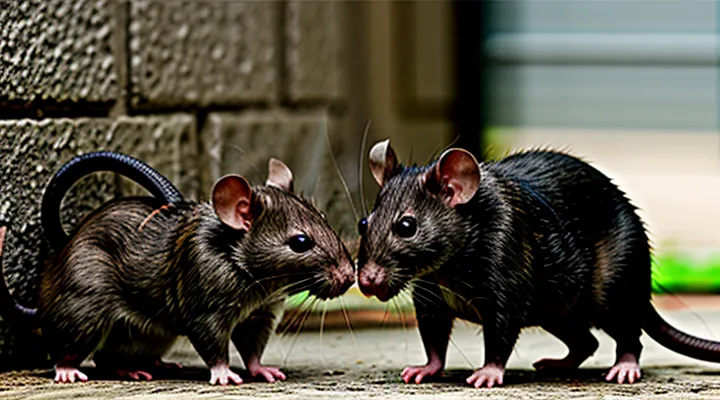
Understanding Rat Behavior and Risks
Why Rats are a Problem
Health Risks Associated with Rats
Rats serve as vectors for numerous pathogens that affect humans and domestic animals. Their saliva, urine, and feces contain agents capable of causing severe illness, making exposure a public‑health concern.
Common diseases transmitted by rats include:
- Leptospirosis, a bacterial infection leading to kidney failure, liver damage, and meningitis.
- Hantavirus pulmonary syndrome, a viral illness characterized by rapid respiratory distress and high mortality.
- Salmonellosis, caused by Salmonella bacteria resulting in gastroenteritis and systemic infection.
- Rat‑borne typhus, an rickettsial disease that produces fever, rash, and potentially fatal complications.
- Plague, caused by Yersinia pestis, which can progress to septicemia or pneumonic forms if untreated.
Transmission occurs through direct contact with contaminated materials, inhalation of aerosolized particles from dried urine or feces, and bites or scratches. Secondary exposure arises when insects such as fleas and mites feed on infected rodents and subsequently bite humans. Environmental contamination spreads pathogens to food stores, water supplies, and surfaces, increasing infection risk in residential, commercial, and agricultural settings.
Mitigating these health hazards requires prompt identification of rodent activity, sanitation measures to eliminate food and water sources, and implementation of control strategies that reduce population density. Effective reduction of rat‑borne disease incidence depends on integrating surveillance, habitat modification, and targeted removal techniques.
Structural Damage Caused by Rats
Rats compromise building integrity through direct physical actions and indirect effects, creating entry points that undermine any pest‑management program. Recognizing and repairing such damage is essential for long‑term success in reducing rodent populations.
- Gnawing of wooden joists, studs, and support beams weakens load‑bearing elements.
- Chewed insulation and ductwork expose cavities to moisture and temperature fluctuations, accelerating decay.
- Burrowing in concrete foundations and masonry creates cracks that serve as hidden pathways.
- Nibbled electrical wiring leads to short circuits, fire hazards, and disrupted power supplies.
- Corrosion of metal components, such as pipe brackets and fasteners, results from urine and droppings, reducing structural resilience.
Unaddressed damage expands access routes, increases repair costs, and elevates health risks associated with disease‑carrying contaminants. Structural compromise also diminishes property value and may violate building codes.
Effective rat mitigation requires systematic inspection: employ flashlights, mirrors, and acoustic detectors to locate gnaw marks, fresh deposits, and fresh burrows. Prioritize sealing identified openings with steel wool, cement, or metal flashing before applying bait or traps. Replace damaged timber, re‑insulate compromised zones, and repair concrete cracks with epoxy or hydraulic cement. Conduct electrical safety checks and replace any chewed conductors. Document all repairs to track progress and ensure compliance with maintenance standards.
Identifying Rat Infestation
Common Signs of Rats
Rats leave unmistakable evidence that signals their presence and activity. Recognizing these indicators is essential for timely intervention and effective pest management.
- Fresh droppings, typically ¼‑inch long, dark brown, and found along walls, behind appliances, and in pantry corners.
- Gnaw marks on wood, plastic, wiring, or food packaging, often with clean, smooth edges.
- Grease or oil trails left by their fur on surfaces they travel frequently.
- Nests constructed from shredded paper, fabric, insulation, or dried vegetation, usually hidden in concealed areas such as wall voids, attics, or under appliances.
- Scratching noises, especially at night, originating from ceilings, walls, or stored food containers.
- Unexplained food loss or contamination, accompanied by shredded packaging or spillage.
- Urine stains that appear as yellowish spots, often producing a strong, musky odor, especially near their pathways.
Each sign confirms active infestation and should trigger immediate assessment and the deployment of appropriate control measures.
Locating Rat Entry Points and Nests
Identifying where rats gain access and where they establish colonies is essential for any control program. Visible signs such as gnaw marks, droppings, grease streaks, and disturbed insulation indicate active pathways. Inspect the building envelope from ground level to the roof, focusing on gaps around pipes, vents, utility openings, and foundation cracks. Measure each opening; any aperture larger than ¼ inch permits entry.
- Seal gaps with steel wool, copper mesh, or cement‑based caulk before applying permanent materials.
- Install self‑closing door sweeps on exterior doors and weather stripping on windows.
- Replace damaged screens and repair torn roofing felts.
Locating nests requires systematic observation. Follow these steps:
- Trace droppings back to their source; clusters point to nesting sites.
- Examine concealed areas such as attic rafters, wall cavities, under appliances, and storage boxes.
- Use a flashlight to detect shredded material, shredded paper, or nesting debris.
- Deploy motion‑activated cameras or infrared detectors to confirm activity during nocturnal periods.
When a nest is discovered, document its exact position and surrounding conditions. Remove nesting material, clean the area with a disinfectant, and apply a registered rodenticide or bait station according to label instructions. After treatment, re‑inspect the site weekly for at least three weeks to ensure no new activity appears. Continuous monitoring and prompt repair of any newly formed entry points sustain long‑term effectiveness.
Prevention Strategies
Sealing Entry Points
Inspecting Your Property
A thorough property inspection is the first line of defense against rodent infestations. By identifying entry points, nesting sites, and food sources, you prevent rats from establishing colonies before chemical or mechanical controls become necessary.
Inspect all exterior walls, foundations, and rooflines for gaps larger than a quarter‑inch. Seal openings with steel wool, caulk, or metal flashing. Examine utility penetrations, vent covers, and pipe sleeves; reinforce them with hardware cloth or cement. Trim vegetation that contacts the building, as vines and overgrown shrubs create bridges for rodents.
Inside the structure, focus on:
- Attics and crawl spaces: look for droppings, gnaw marks, and shredded insulation.
- Kitchen and pantry areas: keep food in sealed containers, clean crumbs, and ensure garbage bins have tight lids.
- Storage rooms: store items off the floor, use pallets, and maintain a clean environment.
Conduct inspections quarterly, increasing frequency after severe weather or after any known sightings. Record findings in a log, noting location, severity, and remediation actions taken. Review the log before scheduling any pest‑control measures to ensure that structural barriers are in place and that subsequent treatments target only active infestations.
Regular documentation and prompt repair of identified vulnerabilities reduce the likelihood of rat populations thriving on the property, thereby enhancing the effectiveness of any broader control program.
Materials for Exclusion
Materials that prevent rat entry are essential components of any comprehensive rodent management program. Effective exclusion relies on durable, impenetrable barriers that seal potential access points and withstand gnawing pressure.
- Steel wool or copper mesh – tightly packed into gaps around pipes and vents; resistant to chewing, conforms to irregular shapes.
- Hardware cloth (1 mm or finer) – metal screening applied over larger openings such as crawl‑space vents; provides long‑term protection.
- Metal flashing – installed on roof eaves and foundation joints; deflects rodents away from structural seams.
- Concrete or cement mortar – fills cracks in foundations, walls, and floors; creates a solid, non‑digestible barrier.
- Silicone or polyurethane sealant – seals seams around doors, windows, and utility penetrations; remains flexible to accommodate movement.
- Expanding polyurethane foam – fills voids in walls and attics; hardens to a dense barrier that rats cannot bite through.
- Metal plates or bars – reinforce door thresholds and sill gaps; prevent rats from levering open entry points.
- Rigid PVC or metal pipe sleeves – encase utility conduits that pass through walls; eliminate chewable surfaces.
Selection of these materials should correspond to the size and location of each potential entry. Combining multiple barrier types at a single site maximizes resistance to gnawing and lever‑action, thereby reducing the likelihood of infestation. Regular inspection and maintenance of installed exclusions ensure continued effectiveness and prevent new openings from developing.
Sanitation and Food Storage
Proper Waste Management
Proper waste management reduces food availability for rats, directly limiting population growth. Secure containers prevent rodents from accessing refuse; lids must fit tightly and be made of durable material. Regular collection schedules remove potential attractants before they accumulate, and overflow bins should be replaced promptly.
Key practices include:
- Use sealed, rat‑proof dumpsters with lockable lids.
- Position waste containers away from building foundations and vegetation.
- Empty bins at least once daily in high‑risk areas such as restaurants and food processing facilities.
- Separate organic waste and store it in compost bins designed to deter rodent entry, employing fine mesh covers and frequent turning.
- Inspect and repair damaged seals, cracks, or gaps in storage areas to eliminate entry points.
Maintaining clean surroundings further discourages nesting. Remove debris, trim overgrown shrubs, and keep ground surfaces free of litter. By eliminating accessible food sources and shelter, waste management becomes a critical component of an integrated rat control program.
Securing Food Sources Indoors
Securing indoor food supplies removes a primary attraction for rodents, thereby reducing the likelihood of infestation. Store all consumables in containers that seal tightly, preferably with metal or heavy‑duty plastic lids that resist gnawing. Keep pantry shelves clear of spills, crumbs, and packaging debris; clean surfaces after each use. Position waste bins away from food preparation areas and fit them with lids that close securely.
- Use airtight, rodent‑proof containers for dry goods, pet food, and grains.
- Transfer opened packages to sealed containers within 24 hours.
- Inspect storage areas weekly for signs of damage or contamination.
- Eliminate standing water and damp spots that can attract rodents.
- Place trash cans on non‑absorbent surfaces and empty them regularly.
Implementing these measures creates an environment where food is inaccessible, limiting the resources rodents need to survive and reproduce. Consistent enforcement of these practices supports long‑term pest management and reduces reliance on chemical controls.
Maintaining Outdoor Areas
Maintaining outdoor areas reduces the availability of food, water, and shelter that attract rats, thereby strengthening overall pest‑management programs. Clean surfaces, trimmed vegetation, and repaired structures remove the conditions rats exploit for nesting and foraging.
- Remove trash daily; store waste in sealed containers.
- Trim grass, shrubs, and trees to eliminate dense cover.
- Clear fallen leaves, debris, and compost piles that conceal burrows.
- Repair cracks, holes, and gaps in walls, foundations, and fences.
- Direct water away from foundations; fix leaky irrigation systems.
- Keep ground cover low; use gravel or concrete in high‑traffic zones.
- Position snap traps or live‑catch devices along established runways.
- Conduct weekly inspections to identify new activity and adjust controls.
Control Methods
Trapping Techniques
Snap Traps
Snap traps remain a primary mechanical solution for rat management. Their design relies on a spring‑loaded bar that delivers a rapid, lethal strike when the animal triggers the trigger mechanism. This method provides immediate mortality, eliminates the need for chemical agents, and reduces the risk of secondary poisoning.
Key characteristics of snap traps include:
- Rapid action: The spring releases within milliseconds, ensuring a humane kill.
- Reusable construction: Stainless‑steel or cast‑iron frames withstand repeated use after proper cleaning.
- Low cost: Unit prices are modest, allowing deployment in multiple locations without significant expense.
- Minimal maintenance: Only the bait and trigger need periodic inspection.
Effective deployment follows a systematic approach:
- Placement: Position traps along walls, behind appliances, and near known runways. Rats prefer concealed routes; placing traps perpendicular to these pathways maximizes contact.
- Bait selection: Use high‑protein attractants such as peanut butter, dried fruit, or small pieces of meat. Secure bait to the trigger plate to prevent premature removal.
- Trigger sensitivity adjustment: Calibrate the trigger spring to respond to the target rodent’s weight while avoiding accidental activation by non‑target species.
- Safety measures: Wear thick gloves when handling traps, set them on stable surfaces, and keep them out of reach of children and pets.
- Monitoring: Check traps daily, remove captured specimens, and reset or replace traps as needed. Record capture data to identify activity hotspots.
When integrated with sanitation improvements and exclusion techniques, snap traps contribute significantly to reducing rat populations. Their simplicity, reliability, and direct lethality make them an essential component of any comprehensive rodent control program.
Live Traps
Live traps capture rats without killing them, allowing relocation or humane euthanasia. They are essential for integrated pest‑management programs that prioritize non‑lethal control.
Typical designs include:
- Single‑catch cage traps with spring‑loaded doors.
- Multi‑catch traps that hold several individuals before requiring emptying.
- Wire‑mesh box traps equipped with trigger plates.
Effective placement follows three principles: locate traps along walls, near known runways, and close to food sources; set traps at ground level; avoid areas with high human traffic to reduce accidental captures.
Bait selection influences capture rates. Peanut butter, dried fruit, or small pieces of meat provide strong olfactory cues. Refresh bait daily to maintain potency and prevent contamination. Inspect traps each morning; remove captured rats promptly to reduce stress and prevent escape.
Advantages:
- Eliminates chemical exposure.
- Allows targeted removal of specific individuals.
- Reduces risk of secondary poisoning.
Disadvantages:
- Requires regular monitoring.
- May necessitate transport and release permits.
- Captured rats can suffer injury if traps are mishandled.
Legal frameworks often mandate humane handling and proper disposal of captured rodents. Operators must follow local wildlife regulations, obtain necessary permits for relocation, and ensure release sites are unsuitable for reinfestation. Documentation of trap checks and animal outcomes supports compliance and program evaluation.
Electronic Traps
Electronic traps provide a rapid, humane solution for rat suppression. They operate by delivering a high‑voltage shock that instantly renders the animal unconscious, eliminating the need for poison or manual handling. The shock circuit is triggered when a rodent contacts the baited trigger plate, completing an electrical pathway that discharges a calibrated pulse.
Key advantages include:
- Immediate mortality, preventing disease transmission and secondary infestations.
- No residual chemicals, making the method safe for food‑handling areas and households with children or pets.
- Reusability; a single unit can capture dozens of rodents before battery replacement or cleaning is required.
- Precise monitoring; most models feature digital counters that record each activation, facilitating data‑driven assessment of infestation levels.
When selecting an electronic trap, consider the following criteria:
- Voltage range (typically 2,000–5,000 V) appropriate for the target species.
- Power source—rechargeable battery versus mains‑operated—to match the deployment environment.
- Bait compartment design that minimizes non‑target captures.
- Durability of the housing, especially for outdoor or industrial settings.
- Warranty and service support from the manufacturer.
Installation guidelines:
- Position traps along walls, behind appliances, and near known gnawing sites, as rats prefer concealed pathways.
- Secure the unit to prevent displacement by larger animals or accidental contact.
- Use high‑protein bait (e.g., peanut butter or dried fish) to attract nocturnal foragers.
- Maintain a clearance of at least 12 inches from other objects to ensure reliable trigger activation.
Maintenance procedures:
- Empty the collection chamber after each activation to avoid odor buildup.
- Clean the trigger plate with a mild detergent; avoid abrasive cleaners that could degrade the sensor surface.
- Test the voltage output monthly with a built‑in diagnostic feature or external meter.
- Replace batteries or recharge the unit according to the manufacturer’s schedule, typically after 500–1,000 captures.
Safety considerations:
- Ensure the device is grounded according to local electrical codes.
- Keep the trap out of reach of children and non‑target wildlife; lockable enclosures are recommended for high‑traffic areas.
- Follow personal protective equipment (gloves, eye protection) when handling captured specimens.
Electronic traps, when deployed with proper placement, regular maintenance, and adherence to safety protocols, constitute an effective component of comprehensive rat control programs.
Baiting Strategies for Traps
Bait selection determines trap efficacy and directly influences capture rates. Choose attractants that align with the target population’s dietary preferences and seasonal availability. Implement the following practices:
- Protein‑rich baits (e.g., peanut butter, canned fish) for urban rats that favor high‑calorie foods. Apply a thin, uniform layer to prevent spoilage and maintain scent strength.
- Carbohydrate‑based baits (e.g., cornmeal, wheat germ) for rural settings where grains dominate the diet. Combine with a small amount of oil to enhance palatability.
- Hybrid formulations that mix protein and carbohydrate sources, offering broader appeal across mixed colonies. Adjust ratios based on observed feeding behavior.
- Pre‑baiting: Place bait without a trap for 24–48 hours to establish a feeding station, then introduce the trap while maintaining bait presence. This reduces trap avoidance.
- Bait rotation: Alternate bait types every 3–5 days to prevent habituation. Record which bait yields the highest capture numbers for future reference.
- Environmental conditioning: Protect bait from rain, wind, and direct sunlight using waterproof containers or sealed compartments. Moisture and temperature extremes degrade attractant potency.
- Safety measures: Use non‑toxic baits in residential areas to minimize risk to children and pets. Label bait stations clearly and position them out of reach.
Consistent monitoring of bait consumption and trap performance enables rapid adjustment of strategies, ensuring sustained reduction of rat activity.
Baits and Rodenticides
Types of Rodenticides
Rodenticides are chemical agents specifically formulated to eliminate rodent populations, with a primary focus on rat infestations. Their effectiveness depends on the active ingredient, delivery system, and adherence to safety protocols.
-
Anticoagulant rodenticides – inhibit blood clotting, leading to fatal internal bleeding. Subdivided into first‑generation (e.g., warfarin, chlorophacinone) requiring multiple feedings, and second‑generation (e.g., brodifacoum, difethialone) effective after a single dose. Second‑generation compounds pose higher secondary‑poisoning risks and demand strict regulation.
-
Non‑anticoagulant rodenticides – act through alternative physiological pathways. Common examples include:
- Bromethalin – disrupts mitochondrial function, causing rapid neuro‑muscular failure.
- Zinc phosphide – releases phosphine gas in the stomach, producing acute respiratory toxicity.
- Cholecalciferol (vitamin D3) – induces hypercalcemia, resulting in kidney failure.
- Sodium fluoroacetate – interferes with the citric acid cycle, leading to cellular energy collapse.
Each class requires specific handling measures. Anticoagulants demand careful placement to minimize non‑target exposure, while non‑anticoagulants often necessitate bait stations that restrict access to rodents. Selection should consider infestation severity, environmental constraints, and regulatory compliance. Continuous monitoring of bait uptake and post‑treatment verification ensures optimal outcomes and reduces the likelihood of resistance development.
Safe and Responsible Use
Safe and responsible implementation of rat management strategies requires strict adherence to regulatory standards, precise execution, and ongoing evaluation. Operators must verify that all devices, chemicals, and equipment are approved for use in the specific jurisdiction and that material safety data sheets are readily accessible.
Key practices include:
- Regulatory compliance – obtain necessary licenses, follow label instructions, and record all applications of rodenticides.
- Targeted placement – position traps and bait stations along established runways, away from non‑target wildlife and human activity zones.
- Personal protection – wear gloves, eye protection, and respiratory gear when handling toxic substances; decontaminate equipment after each use.
- Environmental safeguards – select low‑toxicity baits, employ sealed bait stations, and monitor for accidental exposure to pets or children.
- Documentation – log dates, locations, quantities, and outcomes for each intervention; review records to adjust tactics and prevent resistance development.
- Training – ensure personnel complete certified courses on rodent control, hazard recognition, and emergency response.
Continuous monitoring of rodent activity informs adjustments to control measures, reducing reliance on chemicals and minimizing ecological impact. By integrating these protocols, practitioners achieve effective rat suppression while upholding safety and ethical standards.
Placement Considerations
Proper positioning of traps, bait stations, and exclusion devices determines the success of any rat management program. Placement must align with observed rodent pathways, nesting sites, and food sources while minimizing exposure to non‑target animals and humans.
- Identify high‑traffic zones by inspecting walls, ceilings, and utility lines for gnaw marks, droppings, and grease trails.
- Position devices along walls or in corners, as rats prefer traveling close to surfaces for concealment.
- Install bait stations at least 12 inches above ground on sturdy platforms to deter pets and children.
- Avoid locations near open water, extreme heat, or direct sunlight, which can degrade bait effectiveness.
- Ensure devices are concealed from weather and debris; use weather‑proof housings where exposure is unavoidable.
- Space multiple units no more than 20 feet apart in dense infestations; increase density in larger structures.
- Conduct regular checks, rotating or relocating devices based on activity shifts observed during monitoring.
Integrating these placement principles with comprehensive sanitation and structural repairs enhances the overall efficacy of rat control efforts.
Natural and Humane Deterrents
Essential Oils and Scents
Essential oils provide a chemical barrier that exploits rodents’ acute olfactory system. When dispersed in a confined area, volatile compounds create an environment that rats find repellent, reducing the likelihood of entry and nesting.
Commonly employed oils include:
- Peppermint oil – high menthol concentration triggers irritation of nasal passages.
- Eucalyptus oil – contains eucalyptol, which produces a strong, unpleasant odor for rats.
- Citronella oil – emits a citrus scent that masks food cues and discourages foraging.
- Clove oil – rich in eugenol, which acts as a neurotoxic irritant at low concentrations.
Effective deployment follows a systematic approach:
- Dilute oil in water or a carrier (e.g., mineral oil) at a ratio of 1 %–5 % depending on the target area.
- Apply the solution to cotton balls, cloth strips, or commercial diffusers placed near entry points, burrows, and food storage zones.
- Refresh applications every 3–5 days, as volatility diminishes rapidly under ambient conditions.
- Combine multiple oils to broaden the spectrum of repellent odors and prevent habituation.
Safety considerations demand proper ventilation and avoidance of direct skin contact. While essential oils are generally low‑toxicity for humans and pets, concentrated exposure may cause irritation. Use sealed dispensers in areas inaccessible to children and domestic animals.
Limitations include reduced efficacy in large, open spaces where airflow disperses scent rapidly, and the possibility of rats adapting to low‑intensity odors over time. Integrating oil‑based repellents with structural exclusion, sanitation, and trapping yields a comprehensive, non‑chemical rat management program.
Predator Scents
Predator scents exploit the innate fear response of rats to the odors of natural enemies, creating a chemical barrier that discourages entry and foraging. The approach integrates with broader rat control strategies by reducing habitat attractiveness without relying on toxic agents.
Key predator-derived odors include:
- Fox urine, rich in volatile compounds that trigger avoidance behavior.
- Mustelid (weasel, mink) gland secretions, containing sulfide and amine substances.
- Owl feather extracts, producing a distinct avian scent profile.
- Ferret anal gland fluid, delivering a strong mammalian predator cue.
Effective deployment follows a systematic protocol:
- Identify entry points and high‑traffic pathways.
- Apply a measured dose of scent to surfaces, using absorbent pads or aerosol dispensers.
- Reapply at intervals of 7–10 days, accounting for environmental degradation.
- Monitor rat activity with motion sensors or tracking plates to assess deterrence.
Advantages comprise non‑lethal impact, minimal residue, and compatibility with food‑handling areas. Limitations involve scent dilution by ventilation, potential habituation after prolonged exposure, and the need for regular replenishment. Combining predator scents with physical exclusion and sanitation maximizes overall efficacy.
Ultrasonic Devices
Ultrasonic devices emit high‑frequency sound waves that are inaudible to humans but cause discomfort to rodents, prompting them to vacate the area. The technology relies on frequencies typically ranging from 20 kHz to 70 kHz, which interfere with the auditory system of rats and disrupt their normal behavior patterns.
Key characteristics of ultrasonic repellents:
- Frequency range: 20 kHz–70 kHz, adjustable to target specific rodent species.
- Coverage area: usually 30–45 ft² per unit; multiple units required for larger spaces.
- Power source: plug‑in, battery, or solar options, influencing deployment flexibility.
- Safety: no chemicals, no risk of fire, and no impact on pets that can hear lower frequencies.
Effectiveness depends on proper installation and environmental factors. Devices must be positioned at the height of rodent pathways, away from obstacles that block sound propagation. Continuous operation is essential; intermittent use reduces deterrent impact. Studies indicate that ultrasonic repellents achieve a 40–60 % reduction in rodent activity when combined with sanitation and exclusion measures.
Limitations include reduced efficacy in open or highly reverberant spaces, habituation over time, and incompatibility with rodents that have adapted to ultrasonic exposure. Regular rotation of frequency settings and periodic replacement of units mitigate habituation. Maintenance involves cleaning transducers and verifying power supply integrity to ensure consistent output.
Integrated Pest Management (IPM) for Rats
Combining Multiple Methods
Combining several control techniques yields higher success rates than relying on a single approach. Integration reduces the likelihood of rat populations developing resistance or exploiting gaps in a solitary method.
Key components of an integrated strategy include:
- Environmental sanitation: Remove food sources, seal garbage containers, and eliminate clutter that offers shelter.
- Exclusion: Install metal flashing, seal gaps larger than ¼ inch, and repair broken vents to prevent entry.
- Mechanical trapping: Deploy snap traps or electronic devices in high‑activity zones; position them perpendicular to walls for optimal contact.
- Chemical baiting: Use anticoagulant or non‑anticoagulant baits placed in tamper‑proof stations; rotate active ingredients to mitigate resistance.
- Biological control: Introduce predatory species such as barn owls where feasible, and maintain habitats that support natural enemies.
- Monitoring and record‑keeping: Conduct regular inspections, map activity hotspots, and adjust interventions based on observed trends.
Effective coordination requires scheduling: begin with sanitation and exclusion, follow with trapping and baiting, and supplement with biological agents as populations decline. Continuous monitoring validates each measure’s impact and informs timely modifications. This layered approach maximizes population suppression while minimizing non‑target effects and chemical usage.
Monitoring and Evaluation
Monitoring and evaluation are essential components of any rat management program. Accurate data collection allows practitioners to quantify infestation levels, assess the impact of control actions, and guide resource allocation.
Key monitoring activities include:
- Trap counts – record the number of captures per trap per night to estimate population density.
- Bait consumption – measure the amount of rodenticide or alternative bait removed from stations.
- Visual inspections – document signs such as droppings, gnaw marks, and burrows during scheduled site walks.
- Geographic mapping – plot capture locations with GIS software to identify hotspots and movement patterns.
Evaluation relies on predefined performance indicators:
- Reduction in capture rates – compare pre‑ and post‑intervention trap counts to determine percentage decline.
- Bait uptake efficiency – calculate the ratio of bait consumed to expected consumption based on target species size.
- Infestation index – combine visual signs, trap data, and bait consumption into a composite score for each site.
- Cost‑effectiveness – divide total expenses by the number of rats removed to assess economic viability.
Data should be collected at regular intervals—weekly for high‑risk areas, monthly for stable zones—and entered into a centralized database. Automated alerts trigger when indicators exceed predefined thresholds, prompting immediate corrective measures.
Periodic reviews compare actual outcomes with projected targets. Successful interventions are documented, and lessons learned are incorporated into updated control protocols. Continuous feedback loops ensure that management tactics remain responsive to changing rat activity patterns.
When to Call a Professional
When infestations exceed the capacity of DIY measures, professional intervention becomes necessary. Signs such as repeated sightings despite traps, extensive gnaw damage, and droppings in multiple rooms indicate that the problem has escalated beyond safe, manageable limits.
- Population density visible in hidden areas (attics, basements, crawl spaces)
- Damage to structural components or wiring
- Presence of disease vectors (e.g., fleas, mites)
- Ineffective or exhausted trap and bait setups
- Legal or health‑code violations in commercial settings
Professional services provide expertise in inspection, identification of entry points, and deployment of integrated control tactics that combine exclusion, sanitation, and targeted baiting. They also ensure compliance with local regulations and reduce exposure to hazardous rodenticides.
Before contacting a specialist, homeowners should document evidence (photos, locations of activity), secure food sources, and seal obvious gaps. This preparation accelerates the assessment and allows the contractor to implement a focused, effective plan.