
Understanding the Pest Problem
Recognizing the Presence of Mice
Common Mouse Species Affecting Gardens
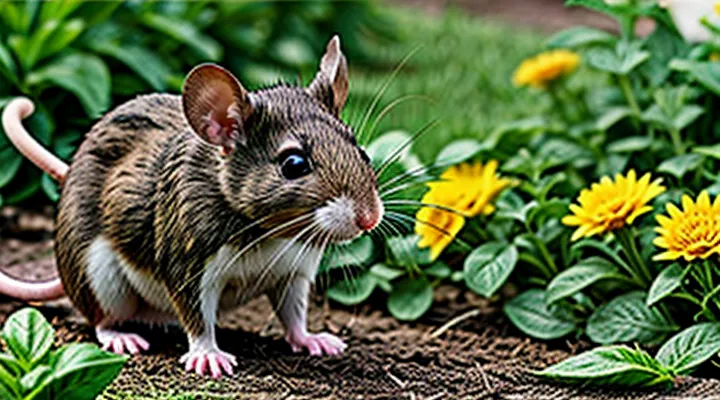
Garden ecosystems frequently encounter several mouse species that cause measurable damage to crops, seedlings, and soil structure. Understanding the biology and behavior of these rodents is essential for designing effective control strategies.
- House mouse (Mus musculus) – Small, gray‑brown body, 6–9 cm tail. Prefers dense vegetation and stored feed. Gnaws seedlings, contaminates produce with urine and droppings, and creates burrows near garden edges.
- Field mouse (Apodemus sylvaticus) – Larger than house mouse, reddish‑brown fur, 8–10 cm tail. Occupies open fields and hedgerows, feeds on seeds, fruits, and tender shoots. Constructs shallow surface tunnels that destabilize soil.
- Wood mouse (Apodemus flavicollis) – Distinctive yellowish throat patch, 7–9 cm tail. Thrives in woodland margins adjacent to gardens. Consumes grains, nuts, and young plants, and may compete with beneficial insects for food.
- Deer mouse (Peromyscus maniculatus) – Gray‑brown coat with a white belly, 9–12 cm tail. Often found in temperate regions with mixed vegetation. Eats a wide range of plant material and may transmit pathogens through its droppings.
- Southern red‑backed vole (Myodes gapperi) – Dark brown dorsal fur, reddish stripe along the back, short tail. Although technically a vole, it behaves similarly to mice in garden settings, feeding on roots and underground stems, leading to plant wilting.
Each species exhibits specific foraging times, reproductive cycles, and habitat preferences. Accurate identification enables targeted interventions, such as habitat modification, exclusion devices, and population‑reducing measures, thereby reducing the overall impact on garden productivity.
Identifying Damage to Crops and Infrastructure
Mice activity becomes evident through specific alterations to plant material and garden structures. Early detection prevents extensive loss and guides the selection of appropriate control tactics.
Typical signs of crop damage include:
- Freshly chewed stems or stalks, often leaving ragged edges;
- Missing or partially eaten seedlings, especially at ground level;
- Holes in leaves or fruit skins, frequently irregular in shape;
- Presence of shredded plant tissue or droppings near affected plants.
Infrastructure impairment manifests as:
- Networks of shallow tunnels beneath the soil surface, observable by displaced soil;
- Gnawed sections of irrigation tubing, drip emitters, or water hoses;
- Damaged wooden stakes, trellises, or garden fences, with bite marks or splintered wood;
- Accumulated mouse urine or nesting material around garden equipment.
Identifying these indicators enables targeted interventions, such as installing physical barriers at tunnel entrances, repairing compromised irrigation components, and applying localized bait stations where activity concentrates. Accurate assessment reduces unnecessary chemical use and improves the overall efficiency of mouse management on the garden plot.
Factors Contributing to Infestation
Availability of Food Sources
Mice are attracted to garden plots primarily because accessible food supplies sustain their populations. When edible material is left on the soil surface, in compost, or within plant debris, rodents quickly locate and exploit these resources, increasing the likelihood of infestation.
To limit food availability, implement the following practices:
- Remove fallen fruit, seeds, and vegetables daily.
- Store harvested produce in sealed containers or refrigeration.
- Keep compost bins tightly covered and avoid adding kitchen waste that contains high‑sugar items.
- Trim low‑lying branches and weeds that can harbor fallen debris.
- Apply mulch sparingly; choose coarse, inorganic options that deter burrowing.
Regular inspection of the garden ensures that new food sources do not emerge unnoticed. After each rainstorm, sweep the area to collect displaced organic matter. Rotate crops annually to disrupt rodent foraging patterns and reduce residual seed banks. Consistent application of these measures lowers the nutritional support that mice depend on, thereby strengthening overall pest‑management efforts.
Shelter and Hiding Spots
Mice exploit any structure that offers protection from predators and weather, making shelter and hiding spots a primary factor in garden infestations. Identifying and eliminating these refuges reduces the likelihood of colonization and supports other control measures.
- Remove debris piles, such as fallen leaves, twigs, and compost that are not sealed.
- Trim dense vegetation, especially low‑lying shrubs and groundcovers, to create open sight lines.
- Store garden tools, pots, and feed containers off the ground and away from walls; seal openings with metal or hard‑plastic lids.
- Repair cracks in foundations, raised beds, and irrigation tubing; fill gaps with steel wool or concrete.
- Elevate wooden boards, mulch, and stone arrangements to prevent mice from nesting underneath.
By systematically denying mice access to concealed areas, the garden environment becomes inhospitable, allowing traps, baits, and natural predators to function more effectively.
Strategic Prevention and Exclusion
Cultural Practices to Deter Mice
Maintaining Garden Cleanliness and Organization
Maintaining a tidy garden bed reduces shelter and food sources that attract rodents. Regular removal of fallen fruit, seed pods, and decaying vegetation eliminates the primary attractants that mice seek for nourishment and cover.
Key practices for garden sanitation include:
- Weekly collection of plant debris and compost material that has not yet decomposed.
- Immediate disposal of excess mulch, ensuring it remains at least six inches away from the soil surface.
- Prompt trimming of overgrown weeds and grasses that create dense ground cover.
- Routine inspection and repair of irrigation lines to prevent water pooling, which encourages insect populations that serve as secondary food for rodents.
- Secure storage of garden tools and supplies in sealed containers to prevent nesting.
Consistent organization of planting zones, pathways, and storage areas limits the complexity of the habitat, making it easier to monitor for signs of intrusion and to apply targeted deterrents when necessary. The result is a less inviting environment for mice, supporting overall pest‑management objectives without reliance on chemical interventions.
Proper Storage of Produce and Animal Feed
Storing harvested crops and animal feed correctly eliminates easy food sources that attract mice to garden areas. Secure containers prevent rodents from accessing nutrients that would otherwise support their populations.
Produce should be kept in airtight, moisture‑resistant bins placed on raised platforms. Separate each type of vegetable to avoid cross‑contamination. Clean containers regularly to remove residue that could lure pests. Position storage units at least ten feet from planting zones to reduce scent diffusion.
Animal feed requires similar protection. Use metal or heavy‑duty plastic containers equipped with lockable lids. Store feed in a dry, shaded area to inhibit mold growth, which can also draw rodents. Rotate stock to use older feed first, eliminating prolonged exposure that encourages infestation.
Key practices:
- Seal all containers with gasketed lids.
- Elevate storage units off ground level.
- Locate bins away from garden borders.
- Inspect containers weekly for signs of gnawing or breach.
- Remove spillage immediately and clean the surrounding area.
By denying mice convenient nourishment, these storage measures reduce their presence and limit damage to plants, supporting overall garden pest‑management objectives.
Physical Barriers and Exclusion
Protecting High-Value Plants with Mesh and Guards
Mice quickly damage tender vegetables, herbs, and fruiting plants that require extra protection. Effective barriers prevent entry, reduce losses, and allow the gardener to focus on crop development.
- Choose fine‑mesh hardware cloth (¼‑inch or smaller openings) for stems, crowns, and root zones. Galvanized steel resists rust, while PVC‑coated variants add durability in wet conditions.
- Cut mesh to surround each plant, leaving a 2‑inch gap between the soil surface and the top edge to discourage burrowing. Secure edges with stainless‑steel staples or garden staples driven into the ground.
- For larger plants, construct cylindrical cages using mesh tubes or wrap mesh around a flexible frame. Overlap seams by at least 2 inches and fasten with zip ties or wire clamps.
Physical guards complement mesh by shielding vulnerable points:
- Collar guards: place a circular mesh band (4‑6 inches tall) around the base of stems to block climbing.
- Fruit guards: fit lightweight cages or netting over developing fruits, anchoring them to the plant with soft ties to avoid damage.
- Root shields: lay a layer of mesh beneath the planting hole before backfilling, creating a subterranean barrier that deters tunneling.
Installation steps:
- Measure plant dimensions and select appropriately sized mesh.
- Cut mesh with sharp scissors or tin snips, allowing extra length for secure fastening.
- Position mesh or guard, ensuring no gaps at ground level.
- Fasten with staples, ties, or clips, checking for tightness after rain or soil movement.
Regular maintenance extends barrier life. Inspect weekly for torn sections, displaced fasteners, or mouse gnaw marks. Replace compromised areas promptly. Clean mesh with a garden hose to remove debris that could attract rodents.
Combining fine mesh with strategically placed guards provides a reliable, low‑maintenance solution for safeguarding high‑value garden plants from mouse damage.
Securing Sheds and Composting Areas
Secure storage structures and compost zones are essential components of any mouse‑control program for a garden. Rodents exploit gaps, loose doors, and soft organic material; eliminating those resources reduces population growth and prevents re‑infestation.
Begin by inspecting all shed walls, floors, and ceilings for openings larger than ¼ inch. Install metal flashing or hardware cloth to cover gaps around vents, utility lines, and foundation cracks. Replace damaged weather stripping on doors and ensure hinges and latches close tightly. Use heavy‑duty, lockable hinges on exterior doors to deter forced entry.
Maintain compost piles in containers with tight‑fitting lids. Select bins constructed from metal or thick plastic; reinforce seams with wire mesh. Turn compost regularly to increase temperature, which discourages nesting. Keep the area surrounding the bin clear of fallen leaves, straw, or garden debris that could serve as shelter.
Implement these practices in a systematic routine:
- Conduct a weekly visual inspection of sheds and compost containers.
- Seal new gaps immediately with appropriate material (e.g., steel wool, expanding foam, or metal flashing).
- Store garden tools, feed, and seed in sealed, rodent‑proof containers.
- Position snap traps or live‑catch devices along the interior perimeter of sheds, focusing on known travel routes.
By reinforcing structural integrity, limiting access to food sources, and maintaining a regular inspection schedule, the garden environment becomes inhospitable to mice, supporting long‑term population suppression.
Effective Active Control Methods
Utilizing Biological and Natural Controls
Encouraging Natural Predators like Owls and Snakes
Encouraging owls and snakes creates a biological barrier against garden rodents. Owls require safe nesting sites, perches for hunting, and a reliable food supply. Install sturdy nesting boxes at heights of 10–15 feet, oriented toward open sky, and position them away from heavy foot traffic. Provide perches on fence lines or low branches to give owls clear lines of sight. Avoid bright lighting that deters nocturnal activity, and keep surrounding vegetation trimmed to maintain unobstructed flight paths.
Snakes thrive in environments that offer cover, moisture, and abundant prey. Preserve log piles, stone stacks, and dense groundcover to serve as shelter. Maintain shallow water sources such as birdbaths or rain barrels with gentle slopes, allowing easy access. Limit pesticide applications that reduce the insects and small amphibians that sustain snake populations. Create a mosaic of sun‑exposed and shaded areas to accommodate thermoregulatory needs.
Practical steps to attract these predators:
- Install at least one owl box per 0.5 acre, using untreated wood and a 4‑inch entrance hole.
- Place wooden or stone refuges at intervals of 10 feet to provide snake hideouts.
- Keep garden edges free of dense shrubbery that blocks owl flight while preserving some brush for snake cover.
- Provide a continuous water feature with gentle slope and rock ledges.
- Eliminate rodent bait stations that may interfere with natural hunting cycles.
- Monitor activity with motion‑activated cameras to assess predator presence and adjust habitat features accordingly.
By integrating nesting structures, shelter options, and water sources, gardeners harness the predatory instincts of owls and snakes, reducing rodent pressure without chemical intervention.
Employing Repellent Plants and Scents
Plants and aromatic compounds can deter garden mice without chemicals. Selecting species that emit strong, unpleasant odors for rodents creates a natural barrier while preserving the aesthetic of the plot.
- Strong‑scented herbs: mint (Mentha spp.), rosemary (Rosmarinus officinalis), thyme (Thymus vulgaris), and sage (Salvia officinalis). Plant in dense rows around the perimeter; prune regularly to maintain vigor and scent intensity.
- Aromatic grasses: citronella (Cymbopogon nardus) and lemongrass (Cymbopogon citratus). Establish as border strips; cut back monthly to release volatile oils.
- Odor‑rich flowers: marigold (Tagetes spp.) and lavender (Lavandula angustifolia). Interseed with vegetables; the combined fragrance repels rodents and attracts beneficial insects.
Essential oils and extracts provide supplemental protection. Apply diluted solutions (5 % essential oil in water) to soil surface or foliage once every two weeks. Effective compounds include:
- Peppermint oil – disrupts mouse olfactory cues.
- Eucalyptus oil – creates an inhospitable scent field.
- Clove oil – irritates sensory receptors.
Combine plant placement with periodic oil treatments for sustained deterrence. Rotate species annually to prevent habituation; avoid planting mouse‑preferred foods (e.g., corn, beans) near repellent zones. Regular monitoring of activity tracks efficacy and informs adjustments to planting density or oil concentration.
Mechanical Trapping Techniques
Selection and Placement of Appropriate Traps
Choosing the right trap is the first decisive step in reducing mouse activity on a garden plot. Snap traps, live‑capture cages, and electric kill stations each have specific strengths: snap traps deliver immediate mortality, live cages allow relocation, and electric stations provide rapid, humane elimination. Select a model that matches the intended outcome, complies with local regulations, and can be secured against non‑target animals.
Effective placement maximizes capture rates while minimizing interference with planting. Position traps along established runways, typically near the edges of mulch, beneath low vegetation, and close to food sources such as compost piles. Place devices at a height of 2–3 inches above ground, aligning with the mouse’s natural foraging path. Space individual traps 10–15 feet apart to cover the entire area without overlap.
Maintain a systematic rotation schedule. Check traps daily, dispose of captured rodents according to sanitary guidelines, and reset each device in the same location for at least three consecutive nights before relocating. Replace bait with fresh material—peanut butter, oats, or dried fruit—every 24 hours to sustain attraction. Consistent monitoring and prompt resetting prevent bait loss and sustain trap efficacy throughout the growing season.
Maximizing Trap Effectiveness with Proper Baiting
Effective bait selection directly influences the capture rate of mouse traps in a vegetable garden. Fresh, high‑protein foods such as peanut butter, cooked bacon, or canned tuna attract rodents more reliably than dry grains. Combine a small amount of bait with an adhesive surface to prevent the mouse from removing it before triggering the trap.
- Use a pea‑sized dab of bait; excess material can be carried away, reducing trap activation.
- Apply bait to the trigger mechanism, not the interior, to ensure the mouse contacts the spring or snap when feeding.
- Replace bait every 24 hours in warm weather, as spoilage diminishes scent strength.
- Rotate bait types weekly to prevent habituation; mice quickly lose interest in a single food source.
Placement matters as much as bait. Position traps along established runways, near burrow entrances, and close to food sources such as compost piles. Set traps perpendicular to the wall, with the trigger facing the expected direction of travel. Check traps daily; a captured mouse should be removed promptly to avoid scent buildup that deters further activity.
Maintaining a clean garden reduces alternative food options, making bait more compelling. Remove fallen fruit, seed heads, and excess mulch. By aligning bait choice, quantity, and trap positioning with mouse foraging behavior, the efficiency of each device increases, leading to faster population reduction.
Chemical Control Considerations
Assessing the Necessity of Rodenticides
Rodenticides become necessary only when non‑chemical measures fail to reduce mouse activity to acceptable levels. Before applying poison, verify that traps, habitat modification, and predator encouragement have been implemented for a minimum of four weeks. Conduct a population assessment by counting active burrows, droppings, and gnaw marks; if the estimated density exceeds the threshold that causes measurable crop loss, chemical control should be considered.
Key factors influencing the decision include:
- Risk to non‑target species – anticoagulant baits can be ingested by birds, pets, and beneficial insects.
- Regulatory restrictions – many jurisdictions require a licensed applicator and impose buffer zones near edible plants.
- Residue concerns – persistent compounds may remain in soil and affect subsequent planting cycles.
- Cost‑effectiveness – rodenticides often provide rapid reduction but may require repeated applications, increasing overall expense.
When rodenticides are deemed essential, select a product with the lowest toxicity profile that matches the target species, apply it in bait stations that prevent access by wildlife, and monitor the area for effectiveness and unintended impacts. Documentation of usage, dosage, and observed outcomes supports future assessments and compliance with agricultural regulations.
Safety Protocols for Using Poison Baits
When employing rodent toxic baits in a garden, strict safety measures protect humans, pets, and non‑target wildlife. Select bait formulations approved for outdoor use, store them in sealed containers, and keep them out of reach of children and animals.
Key safety protocols:
- Place bait stations at least 2 m from vegetable rows, fruit bushes, and compost piles.
- Secure stations with lockable covers that allow mouse entry but prevent accidental contact.
- Label each station with warnings, including active ingredient concentration and expiration date.
- Wear disposable gloves when handling baits; discard gloves after each use.
- Avoid applying baits during rain or high humidity, which can cause runoff.
- Record station locations on a garden map for regular inspection.
During the control period, inspect stations weekly. Remove damaged or depleted stations, replace with fresh bait, and clean surrounding soil to eliminate residue. After the rodent problem subsides, dismantle all stations, seal remaining bait in a fire‑resistant container, and dispose of it according to local hazardous‑waste regulations. Continuous monitoring ensures that the baiting program remains effective while minimizing risk to the garden ecosystem.
Long-Term Management and Safety
Minimizing Risk to Non-Target Species
Securing Traps and Baits from Pets and Wildlife
When setting traps or placing bait in a vegetable or flower garden, protecting them from non‑target animals is essential for safety and effectiveness.
Secure locations: position devices under a raised platform, inside a PVC pipe with a removable lid, or within a wooden box that has a small entrance sized for mice only. Cover traps with a mesh screen that allows mouse entry but blocks larger pets and birds.
Select bait containers: use lock‑tight, weather‑proof containers that feature a narrow dispensing slot. Plastic bait stations with snap‑on lids prevent curious dogs, cats, or squirrels from accessing the poison or food.
Maintain barriers: surround the trap area with a low fence or garden edging made of metal or rigid plastic. Ensure gaps are no larger than 2 cm to keep out medium‑size wildlife.
Regular inspection: check each device daily. Remove any signs of tampering and replace damaged covers immediately.
Key practices
- Elevate traps at least 12 inches off the ground.
- Use bait stations rated for outdoor use and wildlife‑proof.
- Install a physical barrier (fence, netting) around the entire treatment zone.
- Record observations of non‑target interactions to adjust protection measures promptly.
Handling and Disposal of Deceased Pests
When a mouse is eliminated in a garden, immediate and safe removal prevents disease transmission and deters other rodents from scavenging. Wear disposable gloves and, if possible, a mask to protect against aerosolized pathogens. Place the carcass in a sealed, puncture‑resistant bag; seal the bag tightly before transport to a disposal site.
Disposal options
- Municipal waste – most local authorities accept sealed animal carcasses in regular trash; verify any restrictions.
- Burial – dig a hole at least 12 inches deep, away from vegetable beds and water sources; cover with soil and compact to discourage digging by other animals.
- Incineration – use a licensed incinerator or fire pit that reaches temperatures above 500 °C; ensure complete combustion to eliminate residual pathogens.
- Professional services – engage licensed pest‑removal companies that provide certified disposal, especially for large numbers of dead rodents.
After removal, clean the area with a solution of one part bleach to nine parts water, or an EPA‑approved disinfectant. Rinse and allow the surface to dry before replanting. Dispose of gloves and any contaminated materials in sealed bags; wash hands thoroughly with soap and water.
Maintain a record of each removal, including date, location, and disposal method, to track patterns and comply with local wildlife regulations. Regular monitoring and prompt disposal reduce the risk of secondary infestations and protect garden health.
Establishing a Monitoring and Maintenance Schedule
Seasonal Inspections for Reinfestation
Regularly scheduled garden checks prevent mouse populations from reestablishing after an initial reduction. Inspecting each season aligns the effort with mice’s breeding cycles and environmental changes, ensuring early detection before damage escalates.
During spring, focus on fresh growth and newly uncovered soil. Look for fresh gnaw marks on seedlings, small droppings near vegetable rows, and burrows near irrigation lines. Summer inspections should emphasize moisture‑rich areas; examine compost piles, mulched borders, and shaded shelters for nesting material and scent trails. In autumn, assess stored produce, fallen fruit, and debris piles, as mice seek food reserves before winter. Winter checks concentrate on insulated structures, garden sheds, and any openings that could admit rodents seeking warmth.
A concise inspection routine:
- Walk the perimeter; note gaps larger than ¼ inch in fencing, netting, or mulch.
- Scan plant bases for chew marks, shredded bark, or displaced leaves.
- Collect droppings, urine stains, or tail‑skirt marks; record locations.
- Probe suspected burrows with a thin rod; deep, active tunnels indicate ongoing colonies.
- Verify that traps, bait stations, and exclusion devices remain functional and properly positioned.
Document findings in a simple log: date, area inspected, evidence observed, corrective action taken. Promptly seal identified entry points, replace damaged mulch, and reinstall or refresh trapping devices. Integrating these seasonal reviews with broader control strategies maintains a low‑density mouse environment and protects garden productivity throughout the year.
Integrating Control Methods for Sustained Protection
Integrating multiple control tactics creates a resilient barrier against garden‑dwelling mice, reducing reliance on any single method and preventing population rebounds.
Physical exclusion forms the first line of defense. Install fine‑mesh hardware cloth around plot edges, seal gaps beneath raised beds, and use raised planters with smooth, non‑porous surfaces. These measures eliminate easy entry points and force rodents to encounter secondary controls.
Trapping complements exclusion by removing individuals that bypass barriers. Deploy snap traps along established runways, positioning them perpendicular to travel paths and baiting with high‑protein attractants. Rotate trap locations weekly to avoid habituation.
Chemical and botanical repellents provide a non‑lethal deterrent. Apply granular repellent containing p‑cymene or use crushed mint leaves around perimeter rows. Reapply after heavy rain or irrigation to maintain efficacy.
Habitat modification reduces attractants. Remove fallen fruit, thin dense vegetation, and store compost in sealed containers. Regularly mow edges to expose soil, discouraging nesting.
Biological agents add long‑term suppression. Introduce predatory birds by installing nesting boxes, and consider safe deployment of rodent‑specific nematodes in soil when appropriate.
Monitoring ensures the integrated system remains effective. Conduct weekly inspections for fresh gnaw marks, droppings, or new burrows; adjust component placement based on observed activity patterns.
Implementation checklist
- Install hardware‑cloth barriers on all perimeter and base surfaces.
- Set snap traps in high‑traffic zones; rotate weekly.
- Apply repellent granules or mint crusts after each irrigation event.
- Clear debris, thin vegetation, and secure compost.
- Provide bird boxes and, where permitted, introduce nematode treatments.
- Record signs of mouse presence weekly; modify tactics as needed.
A coordinated approach that blends exclusion, removal, deterrence, habitat management, and biological pressure sustains low mouse activity, protects crops, and minimizes the need for repeated chemical interventions.