
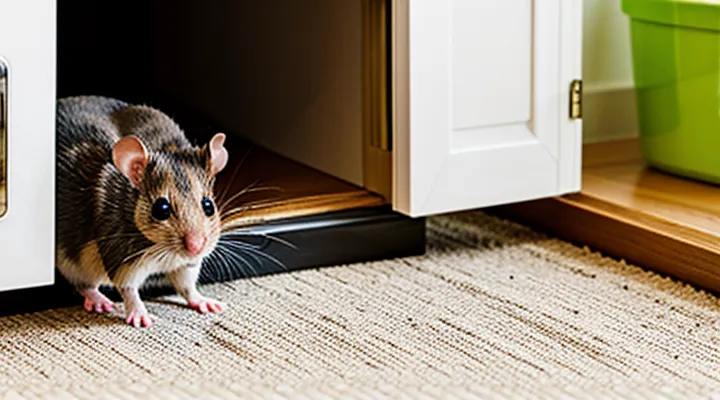
Understanding the Threat: Why Mice are a Problem
Health Risks Associated with Mice
Diseases Transmitted by Rodents
Rodents living in residential settings serve as reservoirs for a range of pathogens that can affect human health. Direct contact with droppings, urine, or contaminated food surfaces provides a pathway for infection. Understanding the specific illnesses associated with mice is essential for effective pest management in the household.
Common rodent‑borne diseases include:
- Hantavirus pulmonary syndrome – transmitted through inhalation of aerosolized rodent excreta; symptoms progress from fever and muscle aches to severe respiratory distress.
- Leptospirosis – caused by Leptospira bacteria present in urine; entry occurs via skin abrasions or mucous membranes, leading to fever, jaundice, and potential kidney failure.
- Salmonellosis – results from ingestion of food contaminated with rodent feces; manifests as gastrointestinal cramps, diarrhea, and fever.
- Lymphocytic choriomeningitis (LCM) – spread by contact with infected urine, droppings, or nesting material; initial flu‑like symptoms may evolve into meningitis.
- Rat‑bite fever – bacterial infection (Streptobacillus moniliformis) following a bite or scratch; produces fever, rash, and joint pain.
Each disease poses a distinct risk profile, yet all share reliance on environmental contamination. Reducing mouse populations diminishes the source of pathogens and lowers exposure opportunities. Integrated control strategies—such as sealing entry points, maintaining clean food storage, and employing traps—directly interrupt transmission cycles. Regular inspection for droppings, gnaw marks, and nesting material aids early detection, allowing prompt remedial action before disease spread becomes probable.
Allergic Reactions and Asthma Triggers
Controlling mouse populations in residential settings introduces allergens that can provoke immune responses and exacerbate respiratory conditions. Mouse urine, feces, and dander contain proteins that act as potent sensitizers. Exposure routes include inhalation of aerosolized particles, direct skin contact, and ingestion of contaminated food residues.
Certain control techniques generate additional asthma triggers. Chemical rodenticides release volatile compounds that irritate airways. Snap traps and glue boards produce dust and fragmented debris when activated. Glue residues may adhere to clothing, prolonging skin contact with allergens. Frequent disturbance of mouse nests releases a surge of allergenic particles.
Common allergens and irritants associated with home mouse control:
- Urine and fecal proteins (Mus m 1)
- Dander and hair fragments
- Volatile organic compounds from rodenticides
- Dust generated by trap deployment
- Residual adhesive from glue boards
Mitigation measures reduce health risks while maintaining effective pest management. Seal entry points to prevent infestation, limiting the need for extensive trapping. Employ low‑dust, sealed bait stations to contain chemicals. Use disposable gloves and protective masks during trap placement and nest removal. Conduct thorough cleaning with HEPA‑filtered vacuums after eradication efforts. Ensure adequate ventilation in affected rooms to disperse airborne particles.
Damage Caused by Mice
Property Damage: Chewing and Nesting
Mice cause extensive property damage through two primary behaviors: chewing and nesting. Chewing compromises structural integrity, electrical safety, and food storage. Commonly affected items include:
- Electrical wiring, leading to short circuits or fire hazards.
- Insulation material, reducing thermal efficiency and increasing energy costs.
- Wooden components such as baseboards, cabinetry, and structural beams, resulting in weakened frameworks.
- Plastic and rubber products, including pipe seals and appliance housings, which lose functionality after gnawing.
Nesting creates additional problems. Mice build nests in concealed areas—wall cavities, attics, and under flooring—using shredded fabrics, paper, and insulation. Consequences of nesting include:
- Accumulation of urine and droppings, fostering mold growth and unpleasant odors.
- Blockage of ventilation passages, diminishing airflow and promoting moisture buildup.
- Attraction of secondary pests, such as insects, that thrive in the debris.
These damages elevate repair expenses and pose health risks for occupants. Prompt identification of gnaw marks, shredded materials, and nesting sites enables targeted intervention, reducing the likelihood of extensive deterioration.
Contamination of Food and Surfaces
Mice readily infiltrate kitchens and storage areas, leaving droppings, urine, and hair on food items and preparation surfaces. Their constant gnawing creates entry points for contaminants, while their movement spreads pathogens across countertops, cutting boards, and utensils.
Contamination occurs through direct contact with food, shedding of fur and saliva, and indirect transfer via contaminated surfaces. Even sealed packages can be breached by persistent gnawing, allowing access to stored grains, cereals, and pet food.
Pathogens commonly associated with rodent activity include Salmonella, Hantavirus, and Leptospira. Ingestion of tainted food or handling of contaminated surfaces can lead to gastrointestinal illness, fever, and respiratory complications.
Typical indicators of infestation include:
- Small droppings near food storage or preparation zones
- Gnaw marks on packaging, wires, or furniture
- Grease tracks along walls and cabinets
- Unusual odors resembling ammonia
When contamination is suspected, immediate sanitation is essential. Recommended steps:
- Remove all exposed food; discard items showing signs of damage or contact with droppings.
- Wear disposable gloves and a mask; clean surfaces with a detergent solution, then disinfect using a rodent‑approved sanitizer (e.g., a bleach solution of 1 part sodium hypochlorite to 10 parts water).
- Launder fabrics, curtains, and removable upholstery at the highest temperature safe for the material.
- Seal cracks, gaps, and entry points with steel wool, caulk, or metal mesh to prevent further intrusion.
Preventive practices that minimize food and surface contamination include:
- Store dry goods in airtight, rodent‑proof containers made of metal or thick plastic.
- Keep countertops clear of crumbs; sweep and mop daily.
- Position trash cans with tight‑fitting lids away from food preparation areas.
- Install bait stations or traps in concealed locations, monitoring and replacing them regularly.
Implementing rigorous sanitation combined with structural exclusion significantly reduces the risk of rodent‑borne contamination in residential environments.
Proactive Prevention Strategies
Sealing Entry Points
Inspecting Your Home's Exterior
Inspecting the exterior of a residence provides the first line of defense against rodent intrusion. Identifying structural vulnerabilities, potential entry points, and attractive conditions for mice reduces the likelihood of infestation before it reaches the interior.
Key inspection actions include:
- Examining the foundation for cracks, gaps, or displaced mortar; sealing any openings with cement, steel wool, or appropriate caulk.
- Verifying that all doors and windows close tightly; installing door sweeps and weather‑stripping where gaps exceed a few millimetres.
- Assessing siding, soffits, and eaves for loose panels, damaged screens, or missing shingles; repairing or replacing compromised sections.
- Clearing vegetation, mulch, and debris within two metres of the building; trimming tree branches that touch the roof or walls.
- Inspecting utility penetrations, such as pipe sleeves and cable entries, for gaps; using metal flashing or expanding foam to block access.
- Checking drainage gutters and downspouts for clogs; ensuring water runoff does not create damp areas that attract rodents.
A systematic exterior audit, followed by prompt remediation, creates a physical barrier that limits mouse access and supports broader residential rodent‑control strategies.
Common Entry Points for Mice
Mice gain access to residential interiors through a limited set of structural vulnerabilities. Identifying and sealing these openings prevents infestations and supports long‑term control strategies.
Typical entry points include:
- Gaps beneath exterior doors and sliding windows, often exceeding a quarter‑inch.
- Cracks in foundation walls and floor joists, especially where concrete meets soil.
- Unsealed utility penetrations, such as plumbing, electrical conduit, and HVAC ducts.
- Openings around vent covers, chimney flues, and attic access doors.
- Holes in siding, soffits, and roof eaves created by weather or pests.
- Gaps around cabinets, pantry shelves, and appliance installations.
- Pet doors and other purpose‑built openings lacking tight closures.
- Small openings around pipe sleeves and cable bundles that pass through exterior walls.
«Mice can exploit openings as small as a quarter‑inch», therefore routine inspection of the building envelope is essential. Use metal flashing, steel wool, or concrete sealant to close identified gaps. Reinforce door sweeps and install tight‑fitting weatherstripping on windows. Seal utility penetrations with expanding foam or metal collars, and inspect vent covers for damage. Regular maintenance of these points reduces the likelihood of rodent entry and enhances the effectiveness of any subsequent control measures.
Materials for Effective Sealing
Effective sealing eliminates entry points that mice exploit, reducing infestations without reliance on traps or chemicals. Durable barriers prevent rodents from re‑entering through cracks, gaps, and openings commonly found around foundations, utility penetrations, and ventilation systems.
• Steel‑welded mesh (¼‑inch gauge) – withstands gnawing, suitable for larger openings.
• Copper flashing – flexible, corrosion‑resistant, ideal for sealing around pipes and vents.
• Expanding polyurethane foam – fills irregular gaps, expands to seal tightly; choose rodent‑resistant formulations.
• Cement‑based mortar – repairs foundation cracks, provides a hard, impenetrable surface.
• Silicone or acrylic sealant – seals small seams around doors, windows, and trim; remains flexible to accommodate structural movement.
Application begins with thorough inspection to locate all potential ingress sites. Clean surfaces remove debris that could compromise adhesion. Install mesh or flashing before applying sealants, ensuring overlaps of at least two inches. Expandable foam should be injected sparingly to avoid excess pressure that may fracture surrounding material. After curing, verify integrity by visual inspection and, if necessary, reinforce with additional sealant layers. Regular maintenance checks sustain barrier effectiveness over time.
Maintaining a Clean Environment
Proper Food Storage Techniques
Proper food storage is a fundamental component of any home rodent‑prevention plan. Food that is left exposed provides a reliable source of nutrition, encouraging mice to explore and settle in the kitchen and pantry areas.
- Keep all dry goods in airtight containers made of glass, metal, or heavy‑wall plastic. Sealable lids prevent scent diffusion and block entry points.
- Store perishable items such as fruits, vegetables, and leftovers in the refrigerator or in sealed bins immediately after use.
- Dispose of waste promptly; use trash cans with tight‑fitting lids and empty them regularly to eliminate lingering odors.
- Clean countertops, floors, and shelves after each meal preparation. Remove crumbs and spills before they dry, as they can attract rodents.
- Position pet food bowls away from cabinets and cover them when not in use; pet food can be as enticing as human food.
Additional measures reinforce these practices. Regularly inspect storage containers for cracks or damaged seals and replace them promptly. Rotate stocked items to consume older products first, reducing the time food remains in the home environment. Maintain a dry interior by fixing leaks and using a dehumidifier in damp areas, because moisture increases the appeal of stored provisions. Implementing these techniques consistently limits food availability, thereby reducing the likelihood of mouse activity throughout the residence.
Waste Management Best Practices
Proper waste handling directly reduces food sources that attract rodents, thereby strengthening any domestic rodent management plan. Eliminating accessible debris deprives mice of the nutrition needed to establish colonies, making other control measures more effective.
Key practices include:
- Store all refuse in containers equipped with tight‑fitting lids; metal or heavy‑plastic bins prevent gnawing.
- Transfer waste to external dumpsters daily; avoid allowing garbage to accumulate inside the home.
- Separate compostable material from non‑compostable waste; keep compost bins sealed and positioned away from entry points.
- Clean food preparation areas immediately after use; wipe down counters and sweep floors to remove crumbs.
- Dispose of pet food in sealed bags; avoid leaving bowls overnight.
Regularly inspect storage areas for torn bags or damaged containers, repairing or replacing them promptly. Maintain a schedule for deep cleaning of kitchens, pantries, and garbage zones to eliminate hidden residues. By adhering to these protocols, the habitat becomes inhospitable to mice, supporting broader control efforts without reliance on chemical interventions.
Decluttering and Organization
Decluttering eliminates hiding places that attract rodents, reducing the likelihood of infestation. Removing paper stacks, excess cardboard, and unused items from floors and shelves creates an environment where mice cannot establish nests. Regularly sorting belongings and discarding unnecessary materials prevents debris accumulation that provides cover and food sources.
Organized storage solutions further limit access to potential food. Sealed containers for pantry items, raised shelving for recyclables, and designated waste bins with tight-fitting lids create physical barriers. By maintaining clear pathways, inspection of vulnerable areas becomes more efficient, allowing early detection of rodent activity.
Key practices for maintaining a mouse‑unfriendly home include:
- Conducting weekly sweep of closets, basements, and attics to remove clutter.
- Installing airtight storage for grains, cereals, and pet food.
- Positioning trash receptacles away from walls and ensuring lids close securely.
- Labeling and rotating supplies to avoid prolonged exposure of food items.
- Scheduling quarterly deep‑cleaning sessions to eliminate dust and debris.
Consistent application of these organizational measures supports broader pest‑control strategies, creating conditions that discourage mice from establishing residence. «A tidy space is a hostile space for rodents.»
Eliminating Water Sources
Fixing Leaky Pipes and Faucets
Moisture from leaking pipes and faucets provides a reliable water source for mice, encouraging them to enter and remain in a residence. Eliminating these leaks removes an essential attractant, thereby supporting broader rodent‑control strategies.
Identify the origin of each leak by inspecting all visible joints, connections, and appliance supply lines. Use a flashlight to detect drips behind cabinets and under sinks, and listen for continuous running sounds that may indicate hidden seepage.
- Turn off the water supply at the main valve before commencing repairs.
- Replace worn washers or O‑rings with new components matching the manufacturer’s specifications.
- Tighten threaded fittings with an adjustable wrench, avoiding over‑torque that could damage pipe threads.
- Apply plumber’s tape to threaded connections to ensure a seal against moisture.
- For cracked pipe sections, cut out the damaged portion and install a coupling or use a pipe repair clamp rated for the pipe material.
After repairs, verify the absence of moisture by wiping dry all previously wet areas and monitoring for new drips over 24 hours. Maintain regular inspections of plumbing fixtures, promptly address any signs of corrosion or wear, and keep the environment dry to discourage mouse activity.
Addressing Condensation Issues
Condensation creates damp surfaces that attract mice seeking shelter and food sources. Moisture accumulation in walls, ceilings, and cabinets weakens structural integrity, encourages mold growth, and provides a comfortable environment for rodents. Reducing humidity therefore removes a key factor that supports infestations.
Practical steps to eliminate condensation:
- Identify leak sources such as faulty plumbing, roof cracks, or inadequate ventilation; repair promptly.
- Install or upgrade exhaust fans in kitchens and bathrooms to expel humid air.
- Use dehumidifiers in basements and crawl spaces, maintaining relative humidity below 50 %.
- Insulate cold-water pipes and external walls to prevent surface cooling that leads to moisture buildup.
- Ensure proper air circulation by keeping interior doors open and arranging furniture to avoid blocking airflow.
By maintaining dry conditions, the attractiveness of indoor spaces to mice diminishes, enhancing the overall effectiveness of home mouse control strategies. Regular monitoring of moisture levels and swift remediation of any new condensation problems sustain a hostile environment for rodents.
Effective Mouse Control Methods
Trapping Techniques
Snap Traps: Pros and Cons
Snap traps provide an immediate, lethal solution for household rodent infestations. Their design consists of a spring‑loaded bar that delivers a rapid strike when a mouse triggers the trigger plate. The mechanism ensures a high kill rate, often exceeding ninety percent when placed correctly. Because the device is self‑contained, it does not require electricity or chemical agents, reducing the risk of fire or toxic exposure. The low purchase price and reusable nature make snap traps a cost‑effective component of a broader pest‑management plan.
Advantages include:
- Rapid action eliminates the target before breeding can occur.
- Absence of poison prevents secondary poisoning of pets or children.
- Compact size allows placement in concealed areas such as behind appliances or within wall voids.
- Reusability after each capture lowers long‑term expenses.
Disadvantages involve several practical considerations. First, the requirement for precise positioning means that ineffective placement can result in missed captures and prolonged activity. Second, the visible nature of a dead mouse may cause discomfort for occupants and may necessitate frequent disposal. Third, snap traps provide no monitoring capability; users cannot assess infestation levels without physically inspecting each device. Finally, the lethal approach may conflict with humane pest‑control preferences, prompting some homeowners to seek alternative methods.
Balancing these factors, snap traps serve as a reliable, low‑cost option for immediate reduction of mouse populations, while their limitations suggest integration with preventive measures such as sealing entry points and maintaining cleanliness to achieve lasting control.
Live Traps: Humane Removal
Live traps provide a humane alternative to lethal devices. They capture mice without injury, allowing owners to release animals away from the residence.
Key considerations when choosing a live trap:
- Size compatible with adult house mice (approximately 3–4 inches long).
- Secure locking mechanism that prevents escape once triggered.
- Transparent walls for easy monitoring of capture status.
Effective placement maximizes capture rates. Position traps along established pathways, near walls, and close to food sources. Secure traps to the floor or a stable surface to prevent displacement by curious rodents. Check traps at least twice daily to reduce stress on captured individuals.
When releasing captured mice, follow these steps:
- Transport the trap to a location at least 200 feet from the home, preferably in a wooded or field area.
- Open the trap gently, allowing the mouse to exit voluntarily.
- Close the trap promptly after release to prevent re‑entry.
Maintenance includes regular cleaning with mild detergent and disinfectant to eliminate scent markers that could deter future captures. Replacing bait—such as small pieces of peanut butter or cheese—every 24 hours sustains attraction.
Implementing live traps within an integrated pest‑management plan reduces mouse populations while adhering to humane standards.
Glue Traps: Ethical Considerations
Glue traps consist of a sticky surface that immobilizes rodents upon contact. The device requires placement along established pathways, typically near walls, cabinets, or entry points. Once a mouse becomes entangled, it cannot escape without assistance.
Ethical concerns arise from several factors:
- Prolonged distress caused by immobilization and inability to free oneself.
- Potential capture of non‑target species such as insects or small reptiles.
- Difficulty in monitoring traps, leading to unattended suffering.
Regulatory frameworks in many jurisdictions restrict or prohibit the sale of adhesive devices for pest control. Compliance with local statutes reduces legal risk and aligns practice with humane standards. Documentation from animal welfare authorities advises that any use of glue traps be accompanied by immediate inspection, humane euthanasia, and proper disposal.
For responsible mouse management, consider the following alternatives:
- Seal entry points to prevent ingress.
- Deploy snap traps equipped with quick‑kill mechanisms.
- Employ bait stations containing anticoagulant rodenticides, administered under professional supervision.
When glue traps are employed, adhere to strict protocols: check traps at least twice daily, release captured non‑target organisms unharmed, and apply humane euthanasia methods to trapped mice within a short timeframe. These measures mitigate suffering while maintaining effective control of rodent populations in residential settings.
Proper Placement of Traps
Proper placement of traps determines the success of any home mouse control program. Mice travel along walls, use concealed routes, and seek food and shelter. Positioning traps in locations that intersect these behaviors maximizes capture rates.
- Near walls: place traps with the trigger side facing the wall, as rodents rarely cross open spaces.
- Along established runways: identify gnaw marks, droppings, or grease trails and set traps directly on these paths.
- Adjacent to food sources: position traps close to pantry shelves, garbage containers, or pet feeding stations, but keep a safe distance to avoid contaminating food.
- In hidden corners: install traps behind appliances, under cabinets, and inside closets where mice hide during daylight.
- At entry points: locate traps near holes, cracks, or gaps in foundations, doors, and windows that provide access to the interior.
- In attics and crawl spaces: use baited snap or electronic traps on joists and beams where mice often nest.
Effective trap placement requires regular inspection. Check traps daily, relocate any that remain untouched, and adjust bait placement if captures decline. Consistent monitoring sustains a high level of control and prevents re‑infestation.
Baits and Rodenticides
Types of Baits and Their Efficacy
Effective mouse management in residential settings relies heavily on selecting appropriate attractants. Bait categories differ in composition, mode of action, and target specificity.
• Rodenticide blocks – anticoagulant compounds that disrupt blood clotting, resulting in delayed mortality; suitable for established infestations.
• Acute toxin blocks – neurotoxic agents causing rapid death; appropriate for urgent reduction of activity.
• Non‑chemical baits – protein‑rich foods, grain mixtures, or scented oils; employed when avoidance of poisons is required.
• Enzyme‑based baits – digestive inhibitors that impair nutrient absorption; useful for populations tolerant to conventional poisons.
Efficacy depends on palatability, resistance levels, and placement strategy. Anticoagulant blocks achieve high kill rates when mice consume multiple doses, but resistance can diminish performance. Acute toxins deliver immediate impact but may be rejected if odor is strong. Non‑chemical options provide low mortality but reduce activity and breeding. Enzyme‑based formulations retain effectiveness against resistant strains but require consistent exposure. Optimal results arise from integrating bait type with environmental monitoring, ensuring rotation to prevent habituation and resistance development.
Safety Precautions When Using Rodenticides
When employing chemical rodenticides in residential settings, strict adherence to safety measures prevents accidental poisoning and environmental harm.
Read the product label thoroughly before any handling. Verify that the active ingredient, concentration, and target species match the intended use. Follow the recommended application rate precisely; excessive amounts increase risk without improving efficacy.
Wear appropriate personal protective equipment (PPE): gloves, eye protection, and, when required, a mask. Dispose of used gloves and contaminated clothing in sealed bags to avoid cross‑contamination.
Place bait only within tamper‑resistant stations. Position stations away from food preparation areas, open cabinets, and any location accessible to children, pets, or non‑target wildlife. Ensure that stations are anchored to prevent displacement.
Store unused rodenticide in its original container, tightly sealed, and out of reach of unauthorized persons. Keep the storage area locked, cool, and dry, away from direct sunlight or heat sources.
Maintain adequate ventilation during and after application. If indoor treatment is necessary, open windows and use fans to disperse airborne particles. Avoid smoking or open flames in the treated area.
In the event of accidental exposure, seek medical assistance immediately. Keep the product’s safety data sheet (SDS) accessible for reference by emergency responders.
Dispose of empty containers according to local hazardous waste regulations. Do not pour leftover product down drains or into the soil.
By implementing these precautions, the use of rodenticides remains a controlled, effective component of home mouse management without compromising human health or household safety.
Proper Disposal of Baited Rodents
Proper disposal of rodents that have consumed bait is a critical component of a comprehensive home mouse‑control program. Mishandling dead, bait‑exposed animals can create secondary poisoning risks for pets, wildlife, and humans, and may violate local health regulations.
When a rodent is found dead after bait ingestion, follow these steps:
- Wear disposable nitrile gloves to prevent direct contact with toxins.
- Place the carcass in a sealable, puncture‑resistant plastic bag.
- Add a second outer bag for double containment, sealing both with airtight ties.
- Label the outer bag with a brief notice such as «baited rodent – hazardous waste».
- Dispose of the sealed package in a regular trash container that is emptied frequently, or deliver it to a municipal hazardous‑waste collection point if required by local ordinances.
- Clean and disinfect any surfaces that may have been contaminated, using a solution of bleach (1 part bleach to 9 parts water) or an EPA‑approved disinfectant.
Consult municipal guidelines to determine whether the dead rodent qualifies as hazardous waste. Some jurisdictions mandate delivery to a licensed disposal facility, while others permit inclusion in household refuse provided the double‑bag protocol is observed. Maintaining documentation of disposal actions can assist in demonstrating compliance during health‑department inspections.
Natural Deterrents
Peppermint Oil and Other Essential Oils
Peppermint oil is recognized for its strong, volatile scent that mice find intolerable. When applied to cotton balls, cloth strips, or small spray bottles, the oil creates an olfactory barrier that discourages rodents from entering treated areas. Concentrated formulations maintain potency longer than diluted mixtures, reducing the frequency of reapplication.
Other essential oils demonstrate comparable repellent properties:
- Eucalyptus oil – high menthol content interferes with mouse sensory perception.
- Citronella oil – sharp citrus aroma overwhelms rodent olfactory receptors.
- Clove oil – eugenol component acts as a natural irritant.
- Lavender oil – strong floral scent deters mice while offering a pleasant indoor fragrance.
Effective deployment follows these steps:
- Soak absorbent material in undiluted oil or a 1:4 oil‑to‑water solution for spray use.
- Place treated items near entry points, nesting sites, and food storage areas.
- Replace or refresh applications every two to three weeks, or sooner if the scent diminishes.
- Combine oil treatment with physical exclusion methods, such as sealing gaps and maintaining cleanliness, to enhance overall efficacy.
Safety considerations include avoiding direct contact with skin, storing oils out of reach of children and pets, and testing a small area for potential surface discoloration. When integrated into a comprehensive rodent‑deterrent program, peppermint and related essential oils provide a low‑toxicity alternative to conventional poisons, supporting sustainable mouse control in residential settings.
Ultrasonic Devices: Do They Work?
Ultrasonic devices emit high‑frequency sound waves that are inaudible to humans but purportedly disruptive to rodents. Laboratory studies show that mice experience temporary discomfort when exposed to frequencies above 20 kHz, leading to reduced activity in confined test chambers. Field trials in residential settings produce mixed results; some installations report a decline in mouse sightings during the first weeks, while others observe no lasting impact after habituation.
Effectiveness depends on several factors. Proper placement is critical: devices must cover the entire infestation zone without obstacles that block sound propagation. Continuous operation is required, as intermittent use allows mice to resume normal behavior. Power supply stability affects output intensity; voltage fluctuations can reduce acoustic pressure below the threshold needed for deterrence.
Key advantages:
- No chemical residues, eliminating secondary poisoning risks.
- Silent operation for occupants, preserving indoor comfort.
- Simple installation, usually requiring a wall outlet.
Primary limitations:
- Limited range, typically 10–20 feet, necessitating multiple units for larger homes.
- Diminished efficacy after rodents acclimate to the sound pattern.
- Ineffectiveness against burrowing mice that remain outside the device’s acoustic field.
Consumer reports indicate that ultrasonic deterrents are most successful when combined with exclusion techniques, such as sealing entry points and maintaining a clean environment. Relying solely on sound emission rarely yields complete eradication. For homeowners seeking a non‑toxic component of an integrated control plan, ultrasonic devices can serve as an auxiliary measure, provided expectations align with their documented performance parameters.
Natural Predators: Cats and Barn Owls
Natural predators provide a biologically based approach to reducing mouse populations within residential environments. Predatory species actively seek out rodents, creating continuous pressure that diminishes breeding success and overall numbers.
Cats exhibit innate hunting instincts that target small mammals. Their presence alone deters mice from establishing nests, while individual predation removes active individuals. Effective use of felines requires consideration of the following factors:
- Indoor‑only or supervised outdoor access to prevent unintended wildlife encounters.
- Regular health monitoring to avoid disease transmission.
- Adequate feeding to maintain motivation without encouraging over‑reliance on supplemental food.
Barn owls specialize in nocturnal rodent control. Their silent flight and acute hearing enable detection of hidden mice, resulting in high capture rates. Successful integration of owls into a household setting involves:
- Installation of a secure, weather‑resistant nesting box positioned at a height of at least 12 feet.
- Minimal disturbance of the surrounding area to preserve the owl’s hunting corridor.
- Legal compliance with local wildlife regulations, as many jurisdictions protect owls and require permits for keeping them.
Combining feline and avian predators creates complementary coverage: cats dominate daylight activity, while barn owls focus on nighttime foraging. This dual‑predator strategy reduces reliance on chemical baits and traps, fostering a sustainable, low‑maintenance solution for mouse management in the home. «Natural predation establishes a self‑regulating system that aligns with ecological principles and human health concerns».
Post-Extermination Procedures
Cleaning and Sanitation After Mouse Removal
Disinfecting Contaminated Areas
Disinfecting areas contaminated by mouse activity eliminates pathogens that can compromise health and undermine pest‑control efforts. Droppings, urine, and saliva contain bacteria, viruses, and parasites; their removal reduces the risk of disease transmission and removes attractants that may encourage further infestation.
- Wear disposable gloves, mask, and eye protection.
- Ventilate the space for at least 15 minutes.
- Sweep or vacuum debris, discard in sealed bag.
- Wash surfaces with hot soapy water; rinse thoroughly.
- Apply an EPA‑registered disinfectant formulated for rodent‑borne germs.
- Observe manufacturer‑specified contact time (usually 5–10 minutes).
- Rinse if required, then allow area to dry completely.
- Dispose of cleaning materials in sealed containers.
Select disinfectants with proven efficacy against Salmonella, Leptospira, and hantavirus. Follow label instructions for dilution and exposure. Repeat the procedure after each major cleaning cycle or when new signs of mouse activity appear. Maintaining a routine of thorough disinfection supports long‑term mouse management in residential settings.
Removing Droppings and Nests
Removing mouse droppings and nests is a critical component of any rodent‑control program. Droppings can transmit diseases such as hantavirus and salmonella; nests indicate ongoing infestation and provide shelter for breeding.
Safety measures precede any cleaning activity. Wear disposable gloves and a particulate‑filter respirator; seal discarded materials in plastic bags before disposal. Use a disinfectant solution containing at least 1 % bleach (1 part bleach to 9 parts water) or an EPA‑approved rodent‑specific sanitizer.
Steps for cleaning droppings:
- Wet the area with the disinfectant; allow it to remain moist for at least five minutes.
- Scrape droppings into a disposable container using a disposable scoop or paper towel.
- Dispose of the container in a sealed bag and place it in an outdoor trash receptacle.
- Rinse the surface with clean water and dry thoroughly.
Locating and removing nests follows a similar protocol. Identify nests in concealed locations such as behind appliances, inside wall voids, or within insulation. Once found:
- Apply the same disinfectant spray to the nest material.
- Allow the spray to penetrate for several minutes.
- Collect the nest with disposable gloves, place it in a sealed bag, and discard as above.
- Inspect the surrounding area for additional signs of activity; repeat the process until no further nests are detected.
Final inspection should include sealing entry points and maintaining a clean environment to prevent re‑infestation. Regular monitoring and prompt removal of droppings and nests sustain an effective rodent‑control strategy.
Preventing Future Infestations
Regular Home Inspections
Regular home inspections form a cornerstone of any residential mouse‑control strategy. Systematic examination of structural and environmental factors reveals entry points, attractants, and signs of activity before infestations become severe.
Key inspection actions include:
- Examine exterior walls, foundations, and roof eaves for gaps larger than ¼ inch; seal openings with steel wool, caulk, or metal flashing.
- Inspect utility penetrations, such as pipes, cables, and vent ducts; apply appropriate weather‑resistant materials to block rodent access.
- Verify integrity of doors and windows; install or repair sweeps and weatherstripping to eliminate gaps.
- Assess indoor storage areas; keep food in airtight containers, remove clutter, and maintain clean surfaces to reduce available shelter and nourishment.
- Look for droppings, gnaw marks, and nesting material in hidden locations such as attics, basements, and behind appliances; document findings for targeted treatment.
Conducting inspections quarterly, and after severe weather events, ensures early detection and rapid response, thereby limiting population growth and property damage.
Continuous Monitoring for Rodent Activity
Continuous monitoring provides real‑time insight into mouse presence, enabling prompt reaction before populations expand. By detecting activity early, it reduces reliance on extensive extermination efforts and limits damage to property.
Key monitoring devices include:
- Motion‑activated infrared sensors placed near known entry points.
- Snap‑trap or live‑trap models equipped with pressure‑sensitive switches that record each capture.
- Low‑power cameras with night‑vision capability for visual verification.
- Chew‑sensitive tape or electronic boards that emit an alert when gnawed.
Effective deployment follows a systematic pattern. Sensors should be installed at potential ingress locations such as utility openings, foundation cracks, and behind appliances. Devices positioned along interior walls capture movement along typical rodent pathways. Calibration occurs weekly to confirm sensitivity and battery status. Data logs are reviewed daily; any recorded event triggers immediate inspection of the corresponding zone.
Interpretation of alerts guides subsequent actions. A single detection may warrant placement of additional traps in the vicinity, while recurring alerts indicate a persistent breach requiring structural sealing. Heat‑mapping of activity clusters highlights high‑traffic corridors, informing targeted bait placement and exclusion work.
Integration with broader control measures ensures comprehensive management. Continuous monitoring operates alongside sanitation improvements, habitat reduction, and chemical deterrents, forming a feedback loop that refines each component based on observed results. Regular assessment of monitoring efficacy—through comparison of capture rates before and after interventions—maintains optimal performance and prevents resurgence.