
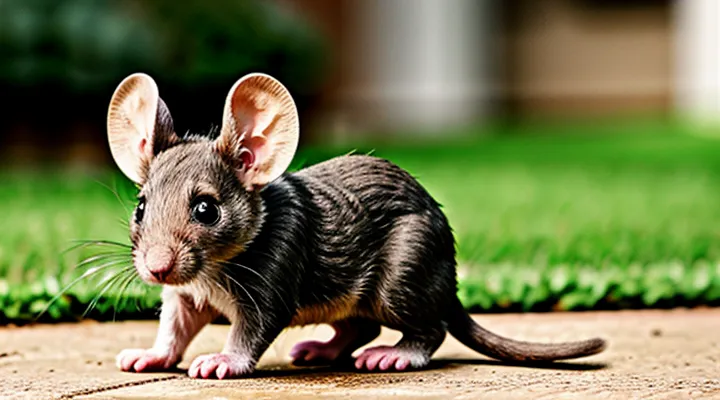
Understanding the Dumbo Rat
Origin and Development
The Dumbo rat originated in the United States during the early 1990s when breeders selected for enlarged, low‑set ears that resemble the cartoon character’s distinctive appearance. Initial crosses involved standard laboratory rats (Rattus norvegicus) and pet varieties displaying spontaneous ear mutations. By systematically pairing individuals with pronounced pinnae, breeders amplified the trait while maintaining overall health and temperament.
Key milestones in the breed’s development include:
- 1992: First documented litters with consistently large, flat ears appear in hobbyist records.
- 1995: Formation of a dedicated Dumbo rat registry to track lineage and eliminate genetic defects.
- 2000: Introduction of standardized show criteria, prompting refinement of coat colors and body conformation.
- 2010: Expansion of breeding programs to Europe and Asia, resulting in broader genetic diversity and wider availability as companion animals.
Physical Attributes
Ear Placement
Ear placement in the Dumbo rat breed is characterized by ears that sit low on the sides of the skull, near the cheeks rather than the typical top‑of‑head position. The low‑set orientation creates a broader ear surface that can affect handling and health management.
The anatomical shift results in a larger, more exposed cartilage framework. This configuration increases the risk of accidental trauma during cage cleaning or handling, requiring gentle manipulation to avoid pinching or tearing of the ear tissue.
Auditory capability remains comparable to that of standard laboratory rats; the altered position does not diminish frequency detection. Directional sound localization may be slightly reduced because sound waves reach the ears from a more lateral angle.
Regular grooming is essential because the ear folds can trap wax and debris. Accumulated material may lead to infection or inflammation if left unchecked. Veterinary examinations should include inspection of the ear canal and surrounding skin at each routine visit.
Ear placement is a hereditary trait selected through breeding programs. Breeders prioritize low‑set ears to maintain the breed’s distinctive appearance while monitoring for structural defects that could compromise ear integrity.
Care guidelines for low‑set ears
- Inspect ears daily for redness, swelling, or discharge.
- Clean the outer ear surface with a soft, damp cloth; avoid inserting objects into the canal.
- Trim excess hair around the ear folds to improve ventilation.
- Provide a cage environment free of sharp objects and excessive dust.
- Schedule veterinary checks at least twice yearly to assess ear health.
Body Type
The Dumbo rat, a popular companion rodent, displays a compact, rounded physique that distinguishes it from standard laboratory strains. The body length, measured from nose to base of the tail, typically ranges between 9 and 12 cm, while the tail accounts for an additional 5–7 cm. Adult individuals weigh 150–250 g, reflecting a dense musculature that supports vigorous activity without excessive bulk.
Key physical attributes include:
- Broad, flattened skull that merges seamlessly with the torso, giving a low‑profile silhouette.
- Short, stout limbs positioned close to the torso, enhancing stability during climbing and burrowing.
- Thick, plush fur covering the entire body, contributing to a rounded appearance and providing insulation.
- A robust rib cage that accommodates a sizable lung capacity, facilitating sustained aerobic exercise.
These characteristics combine to produce a sturdy, low‑center‑of‑gravity form, ideal for indoor environments where agility and comfort are essential.
Coat Variations
The Dumbo rat, a favored companion rodent, presents a wide range of coat phenotypes that influence visual appeal and care requirements.
Coat colors fall into several distinct categories:
- Solid: uniform hue across the entire body.
- Agouti: banded hairs creating a speckled appearance, typically brown or gray.
- Roan: intermingling of colored and white hairs, yielding a diluted effect.
- Piebald: sharp contrast between pigmented patches and white regions.
- Tortoiseshell and brindle: irregular mixing of two or more colors, often with a marbled pattern.
Texture variations include:
- Standard short hair, the most common type, requiring routine brushing.
- Satin, characterized by a glossy, slightly longer coat that may need more frequent cleaning to prevent matting.
- Rex, featuring a plush, velvety surface due to altered hair structure; grooming focuses on gentle detangling.
- Hairless, a rare mutation with minimal fur, demanding careful temperature regulation and skin moisturization.
Genetic inheritance governs both coloration and texture. Breeders track specific alleles to predict offspring traits, while owners should monitor for coat-related health issues such as dermatitis in satin and rex varieties or skin dryness in hairless individuals. Regular veterinary checks and appropriate grooming practices mitigate these risks.
Size and Weight
Dumbo rats are notably larger than standard fancy rats, reflecting selective breeding for a robust body frame. Adult body length, measured from nose to base of tail, typically spans 20–25 cm (8–10 in). Tail length adds approximately 12–15 cm (5–6 in), resulting in a total length of 32–40 cm (12–16 in).
Weight varies with sex, age, and nutrition. Mature males generally weigh 250–350 g (8.8–12.3 oz), while females range from 200–300 g (7.1–10.6 oz). Juveniles under three months average 100–150 g (3.5–5.3 oz). Well‑conditioned individuals may exceed these limits, but excessive weight can impair mobility and health.
Key factors influencing size and weight:
- Genetic line: breeders prioritize larger skeletal structure.
- Diet: high‑quality protein and balanced calories support growth.
- Activity level: regular exercise maintains muscle tone and prevents obesity.
- Health status: parasites or illness can reduce body mass.
Understanding these dimensions assists owners in providing appropriate housing, feeding regimes, and veterinary care for their Dumbo rats.
Temperament and Behavior
Sociability
The Dumbo rat breed exhibits high levels of sociability, making it a preferred choice for companion animals. Individuals of this breed readily seek human interaction, respond positively to gentle handling, and display consistent affection through grooming and nuzzling.
Social behavior extends to conspecifics; Dumbo rats form stable hierarchies, share nesting spaces, and engage in mutual grooming. Cohabitation with one or more companions reduces stress indicators and promotes overall health.
Key aspects of sociability include:
- Immediate acceptance of new owners after a brief acclimation period.
- Strong attachment to a primary caregiver, evidenced by following behavior and vocalizations.
- Compatibility with other rats when introduced gradually, resulting in cooperative play.
- Sensitivity to environmental changes; stable routines enhance confidence and reduce aggression.
Effective socialization strategies involve daily short handling sessions, gradual exposure to varied stimuli, and provision of enrichment items that encourage group interaction. Consistent positive reinforcement during these activities strengthens the bond between the animal and its caretaker while supporting the breed’s natural inclination toward communal living.
Intelligence and Trainability
The Dumbo rat exhibits notable cognitive abilities that distinguish it from many other pet rodents. Observations indicate rapid problem‑solving when confronted with simple puzzles, such as navigating mazes or retrieving hidden food. Individuals readily memorize the location of feeding stations and adapt their routes after environmental changes, demonstrating flexible learning.
Trainability aligns closely with this intelligence. The breed responds consistently to positive reinforcement, allowing owners to shape behaviors through clicker training or treat‑based cues. Typical achievements include:
- Responding to name recognition within a few sessions.
- Performing basic commands such as “come,” “stay,” and “target” with reliable execution.
- Learning to navigate obstacle courses, which enhances agility and confidence.
- Accepting handling for grooming, nail trimming, and health examinations after brief conditioning periods.
The learning curve remains short; most rats acquire new tasks after 3–5 repetitions, provided the reward is immediate and the task is broken into incremental steps. Social interaction further accelerates acquisition, as individuals often observe and imitate cage mates performing trained actions.
Overall, the breed’s mental acuity and receptiveness to structured training make it an engaging companion for owners seeking an interactive, trainable small pet.
Activity Level
The Dumbo rat displays a moderate activity profile suited to indoor living. Adults engage in brief bursts of vigorous movement followed by periods of rest, reflecting a natural pattern of exploration and recuperation.
- Daily exercise requirement: 30–45 minutes of active play, preferably in a secure, multi‑level enclosure.
- Preferred activities: climbing, tunneling, and short sprints across solid surfaces; these behaviors stimulate musculature and mental acuity.
- Social interaction: frequent handling and brief sessions of gentle play with owners enhance engagement and reduce sedentary tendencies.
- Nocturnal inclination: heightened activity during twilight hours; providing dim lighting and quiet enrichment during this phase supports natural rhythms.
- Enclosure considerations: minimum floor space of 2 sq ft per rat, with climbing structures and tunnels to facilitate movement and prevent boredom.
Interaction with Humans
The Dumbo rat breed displays distinct patterns of interaction with people. These rodents readily form bonds when introduced to consistent, gentle handling. Early exposure to human contact reduces fear responses and promotes calm behavior during routine care.
Key aspects of human‑rat interaction include:
- Tactile engagement – Soft strokes along the back and around the ears trigger relaxation; abrupt pressure elicits defensive squeaks.
- Vocal cues – Low purring sounds indicate contentment, while high‑pitched chirps signal curiosity or mild distress.
- Eye contact – Brief, steady gazes encourage trust; prolonged staring may be perceived as threat.
- Play behavior – Small objects such as wooden tunnels or chew toys become shared activities, reinforcing mutual interest.
Effective handling techniques involve supporting the rat’s torso with both hands, allowing the forepaws to remain free. This posture prevents injury and conveys security. Regular short sessions, ranging from two to five minutes, maintain engagement without causing fatigue.
Training potential extends to simple commands like “come” when the rat is called by name. Positive reinforcement—tiny food rewards delivered immediately after the desired action—accelerates learning. Consistency in cue tone and timing is essential for reliable responses.
Interaction also influences health. Rats that receive daily social contact exhibit lower cortisol levels, stronger immune function, and reduced incidence of stress‑related conditions such as respiratory infections. Conversely, prolonged isolation correlates with increased aggression and weight loss.
Overall, the Dumbo rat’s capacity for affectionate, communicative relationships makes it a suitable companion for owners who commit to regular, gentle interaction and attentive observation of behavioral signals.
Care and Husbandry
Housing Requirements
Cage Size and Type
A proper enclosure is essential for the health and wellbeing of a Dumbo rat kept as a household companion. The cage must provide sufficient floor space, vertical room, and secure construction.
Minimum dimensions for a single adult Dumbo rat are 24 inches (61 cm) long, 12 inches (30 cm) wide, and 12 inches (30 cm) high. For a pair, increase the floor area by at least 50 percent, aiming for 36 inches (91 cm) by 18 inches (46 cm). Adding a second level or climbing platforms adds valuable vertical space without enlarging the footprint.
Key cage characteristics:
- Bar spacing: ½ inch (12 mm) or less to prevent escape and protect delicate ears.
- Material: Sturdy, rust‑resistant wire or acrylic panels; solid bottom with a removable tray for easy cleaning.
- Ventilation: Continuous airflow through the wire mesh; avoid fully enclosed glass tanks that trap humidity.
- Safety: Rounded edges on bars, no sharp corners, and secure latch mechanisms that cannot be opened by the rat.
- Enrichment: Attachable shelves, tunnels, and chew toys; ensure they are anchored firmly to the cage frame.
Regular cleaning of the bedding tray and inspection of bars for wear extend the cage’s lifespan and maintain a hygienic environment for the pet. Selecting a cage that meets these specifications supports the Dumbo rat’s active nature while providing a safe, manageable habitat.
Bedding Options
Bedding for pet Dumbo rats must balance absorbency, dust control, and safety. Materials that retain moisture reduce the risk of skin irritation, while low‑dust options protect respiratory health. All selections should be free of toxic chemicals and large fragments that could be ingested.
- Paper‑based products (shredded paper, cellulose pellets): high absorbency, minimal dust, easy to replace; may require frequent changes to maintain dryness.
- Aspen wood shavings: low aromatic oils, moderate dust, natural texture encourages nesting; occasional monitoring for splintering is advisable.
- Coconut fiber (coir): excellent moisture wicking, biodegradable, low dust; can become compacted, necessitating regular fluffing.
- Fleece blankets: reusable, soft, no dust; absorbency depends on additional liners, and cleaning requires laundering at high temperature.
Selection should consider cage size, humidity level, and the individual rat’s preference. Regular inspection for damp spots or buildup ensures a hygienic environment that supports the animal’s well‑being.
Enrichment and Toys
Enrichment is essential for the well‑being of Dumbo rats kept as companions. These rodents display high curiosity and require stimuli that encourage natural foraging, climbing, and problem‑solving behaviors.
- Chewable items such as untreated wood blocks, natural branches, and cardboard tunnels support dental health and exploratory instincts.
- Puzzle feeders that dispense treats when manipulated promote mental engagement and slow eating.
- Climbing structures, including rope ladders, woven hammocks, and multi‑level platforms, provide vertical space and exercise opportunities.
- Interactive toys with moving parts, like rolling balls with textured surfaces, stimulate locomotion and coordination.
Selection criteria prioritize non‑toxic materials, durability, and size appropriate for the rat’s small stature. Items must be free of paint, glue, or metal components that could cause injury. Regular inspection identifies wear, splintering, or contamination; compromised pieces should be removed promptly.
Rotation of toys every one to two weeks prevents habituation and maintains interest. Introducing novel objects, such as fresh hideouts or scent‑infused fabrics, expands sensory experiences without overwhelming the animal.
Cleaning protocols involve rinsing washable toys with mild detergent, sterilizing hard surfaces with a diluted hydrogen peroxide solution, and drying thoroughly before reintroduction. Soft items may be replaced periodically to preserve hygiene.
Providing a varied enrichment program reduces stress, enhances physical health, and fosters the natural intelligence of the Dumbo rat breed when housed as a pet.
Diet and Nutrition
Staple Diet
The Dumbo rat requires a balanced staple diet that supplies protein, fiber, vitamins, and minerals essential for growth, dental health, and immune function. Commercially formulated rodent pellets formulated for small mammals serve as the primary source of these nutrients. Pellets should be offered daily in quantities that allow the animal to consume the entire portion within a few hours, typically 1–2 g per 100 g body weight.
Fresh vegetables and fruits complement the pellet base, providing additional fiber and micronutrients. Suitable options include:
- Leafy greens (e.g., kale, spinach, romaine lettuce) – 1–2 tsp per day
- Root vegetables (e.g., carrots, sweet potato) – small, diced pieces, ½ tsp per day
- Fresh fruit (e.g., apple, banana, berries) – occasional treats, ¼ tsp per day
Protein enrichment can be achieved with small amounts of cooked lean meat, boiled egg, or low‑fat cottage cheese, limited to 1 tsp per week to prevent excess calories. Water must be continuously available in a clean, refillable bottle, with daily inspection for contamination.
Avoid foods high in sugar, fat, or salt, such as processed snacks, chocolate, and citrus peel, as they can cause gastrointestinal upset and obesity. Regular monitoring of body condition and adjustment of portion sizes ensure the diet remains appropriate throughout the rat’s life stages.
Supplements and Treats
Supplements for pet Dumbo rats should address common nutritional gaps without disrupting their natural diet. A balanced approach includes:
- Vitamin E capsules (1 IU per 100 g of body weight) to support skin elasticity and muscle health.
- Calcium carbonate powder (0.2 g per kilogram of feed) to strengthen bone density, especially in breeding females.
- Probiotic blends containing Lactobacillus spp. (10⁸ CFU per serving) to maintain gut flora balance and reduce digestive disturbances.
Treats serve as enrichment and reinforcement tools. Ideal options are:
- Small pieces of fresh fruit (e.g., apple, blueberry) limited to 5 % of daily caloric intake to avoid excess sugar.
- Unsalted, low‑fat cheese cubes (no larger than 2 mm³) for protein boost, administered no more than twice weekly.
- Commercial rat treats formulated with high fiber and low fat, verified by a reputable manufacturer’s nutritional analysis.
Administer supplements and treats separately from the staple pellet diet to ensure accurate dosing. Record quantities and frequencies in a care log to monitor health indicators such as weight, coat condition, and activity level. Adjust regimens promptly if signs of obesity, dental wear, or gastrointestinal upset appear.
Forbidden Foods
Dumbo rats kept as household companions require a diet free of substances that can cause toxicity or digestive distress. Their small size and sensitive gastrointestinal tract make them vulnerable to a range of foods that are safe for humans or larger pets but hazardous for these ear‑floppy rodents.
Certain items must never appear in a dumbo rat’s bowl. They contain compounds that impair liver function, irritate the mucosa, or introduce harmful bacteria. Consumption of these foods can lead to acute illness, chronic health problems, or death.
- Chocolate and cocoa products – contain theobromine, a stimulant toxic to rodents.
- Caffeine‑containing beverages and foods – stimulate the heart and nervous system beyond safe limits.
- Avocado flesh and pit – high in persin, which damages cardiac tissue.
- Raw or undercooked beans, especially kidney beans – contain phytohemagglutinin, a potent gastrointestinal irritant.
- Citrus peels and highly acidic fruits – cause enamel erosion and stomach upset.
- Processed meats with high salt or nitrate content – increase risk of dehydration and kidney strain.
- Dairy products beyond small, occasional amounts – many rats lack sufficient lactase, leading to diarrhea.
- All nuts with shells or added salt – present choking hazards and excess sodium.
- Artificial sweeteners, particularly xylitol – can induce rapid insulin release and hypoglycemia.
- Any food contaminated with mold, mold toxins, or bacterial growth – introduces harmful pathogens.
Owners should read ingredient lists carefully, store food in sealed containers, and discard leftovers after 24 hours. Fresh vegetables, high‑quality rat pellets, and occasional small portions of plain cooked protein constitute a balanced regimen. When uncertainty arises, consulting a veterinarian experienced with small‑rodent nutrition provides the most reliable guidance.
Health and Wellness
Common Health Issues
The dumbo rat, a popular small‑animal companion, is prone to several recurring medical conditions that owners should monitor closely.
Common ailments include:
- Respiratory infections – often triggered by drafts, dust, or poor ventilation; signs are sneezing, nasal discharge, and labored breathing. Early veterinary assessment and humidified environments reduce severity.
- Gastrointestinal disturbances – diarrhea, constipation, or bloating may result from abrupt diet changes, low‑fiber feeds, or stress; consistent high‑fiber pellets and fresh water are essential preventive measures.
- Dental overgrowth – continuously growing incisors require regular wear; inadequate gnawing material leads to malocclusion, difficulty eating, and facial deformities. Provide safe chew objects and schedule periodic dental checks.
- Skin parasites – mites and fleas can cause alopecia, itching, and secondary infections; routine grooming and environmental cleaning help prevent infestations.
- Tumors – especially mammary and testicular neoplasms appear more frequently with age; palpation during routine handling and prompt veterinary diagnostics improve outcomes.
Effective management combines proper cage hygiene, balanced nutrition, environmental enrichment, and regular health examinations. Prompt identification of symptoms and veterinary intervention are critical to maintaining the well‑being of this breed.
Lifespan
Dumbo rats typically live between two and three years, with exceptional individuals reaching four years under optimal conditions.
Factors influencing longevity include:
- Genetic health of the breeding pair
- Balanced diet rich in fresh vegetables, quality pellets, and occasional protein sources
- Clean, well‑ventilated enclosure with regular bedding changes
- Routine veterinary examinations and prompt treatment of illnesses
- Low stress environment, avoiding overcrowding and excessive handling
Adequate nutrition and preventive health care can extend the upper range of the breed’s lifespan, while neglect in any of the listed areas commonly shortens it.
Veterinary Care
Dumbo rats, distinguished by their enlarged ears and compact bodies, demand veterinary protocols tailored to their anatomy and common health concerns. Routine examinations performed quarterly allow early detection of respiratory infections, skin disorders, and musculoskeletal issues. Veterinarians should assess ear canals for debris, palpate the abdomen for organ enlargement, and evaluate gait for signs of spinal or limb problems.
Dental health requires weekly inspection of incisors. Overgrown teeth cause malocclusion, weight loss, and facial deformities; regular trimming by a qualified practitioner prevents these outcomes. A diet rich in fiber, low in sugary treats, supports natural tooth wear and gastrointestinal balance.
Nutrition management focuses on high‑quality rodent pellets supplemented with fresh vegetables and limited fruit. Monitoring body condition scores each visit ensures avoidance of obesity, which predisposes rats to cardiovascular strain and hepatic lipidosis.
Parasite control includes monthly ectoparasite treatments and quarterly fecal examinations for internal worms. Products approved for rodents must be prescribed to avoid toxicity.
Environmental hygiene reduces infection risk. Clean cages weekly, replace bedding bi‑weekly, and sterilize food and water containers with mild disinfectants. Proper ventilation prevents buildup of ammonia, a common irritant to the respiratory tract.
Recognizable indicators of illness include:
- Nasal discharge or sneezing
- Ocular opacity or swelling
- Lethargy or reduced activity
- Hair loss or skin lesions
- Unexplained weight fluctuation
- Abnormal stool consistency
When any symptom appears, immediate veterinary consultation is critical. Emergency care should address airway obstruction, severe trauma, or sudden collapse with oxygen support, fluid therapy, and analgesia as needed.
Adhering to these veterinary measures sustains the health and longevity of dumbo rats kept as companion animals.
Suitability as a Pet
Considerations for Owners
Owners of Dumbo rats must address several practical aspects to ensure health, safety, and a stable environment.
Proper housing requires a spacious cage with solid flooring to protect delicate foot pads. Provide multiple levels, tunnels, and chew‑safe accessories to satisfy natural climbing and gnawing behaviors. Maintain a temperature range of 65‑75 °F (18‑24 °C) and avoid drafts, as these rodents are sensitive to rapid temperature shifts.
Nutrition should consist of a balanced commercial rodent mix supplemented with fresh vegetables, occasional fruit, and high‑quality protein sources. Monitor portion sizes to prevent obesity; a typical adult consumes 1–2 tablespoons of dry feed daily, adjusted for activity level.
Health management includes routine cage cleaning, weekly spot checks for skin lesions, swollen eyes, or abnormal discharge, and quarterly veterinary examinations by a small‑animal specialist. Establish a quarantine protocol for new arrivals—at least two weeks of separate housing—before integrating them with existing pets.
Social needs are pronounced; Dumbo rats thrive in small groups of compatible individuals. Introduce unfamiliar rats gradually, observing interactions for signs of aggression. Provide daily handling sessions of 10–15 minutes to reinforce trust and reduce stress.
Key considerations for prospective owners:
- Space: minimum 2 sq ft per rat, vertical enrichment essential
- Diet: high‑fiber pellet base, fresh produce, limited treats
- Temperature: stable 65‑75 °F, avoid extreme fluctuations
- Hygiene: weekly deep clean, daily spot removal of waste
- Health: regular veterinary checks, prompt attention to respiratory or skin issues
- Social structure: keep in groups of 2–4, monitor compatibility
By adhering to these guidelines, owners can maintain robust health, behavioral well‑being, and a rewarding companionship with their Dumbo rats.
Compatibility with Other Pets
Dumbo rats generally coexist well with other small mammals when introduced gradually and housed in a secure environment. Their docile nature reduces the likelihood of aggressive encounters, but individual temperament varies and should be assessed before permanent integration.
- Cats and dogs: supervise interactions, keep rats in a sturdy cage, prevent predatory behavior. Use a barrier or leash for dogs; never leave a rat unattended with a cat.
- Other rats: group housing promotes social enrichment, but mix only compatible individuals to avoid hierarchy disputes. Provide multiple hideaways and nesting areas.
- Hamsters, gerbils, mice: compatible if cage size accommodates all species, with separate feeding stations to prevent competition. Monitor for signs of stress or bullying.
- Birds: avoid direct contact; rats may chew cage bars, and birds can view rats as prey. Maintain a minimum distance of 2 feet between enclosures.
- Reptiles and amphibians: generally unsuitable due to predation risk and differing environmental requirements. Do not share space.
Health considerations include regular veterinary check‑ups, parasite control, and quarantine of new animals for at least two weeks. Clean cages frequently to limit disease transmission between species. Provide enrichment items such as tunnels, chew toys, and climbing structures to reduce boredom and potential aggression.
Pros and Cons of Owning a Dumbo Rat
Dumbo rats are small rodents distinguished by oversized, low‑set ears and a reputation for calm temperament. Their compact size and social nature make them suitable for indoor environments and interactive handling.
-
Gentle disposition reduces risk of bites during routine care.
-
Compact body length (5–7 inches) fits comfortably in cages of modest dimensions.
-
High adaptability to varied housing setups, including standard rodent enclosures.
-
Strong scent‑marking ability simplifies territory identification, aiding litter training.
-
Short grooming requirements; a weekly brush maintains coat health.
-
Sensitive respiratory system demands filtered, low‑dust bedding and consistent humidity.
-
Prone to obesity if diet lacks balance; strict portion control essential.
-
Vocalizations may increase in stressful conditions, indicating need for environmental enrichment.
-
Lifespan of 2–3 years limits long‑term companionship compared with larger mammals.
-
Potential for ear infections due to large ear flaps if hygiene lapses occur.
Pros and cons require weighing temperament and space efficiency against health maintenance and lifespan considerations. Prospective owners should ensure proper ventilation, balanced nutrition, and regular veterinary checks to maximize the benefits of keeping a Dumbo rat as a pet.