
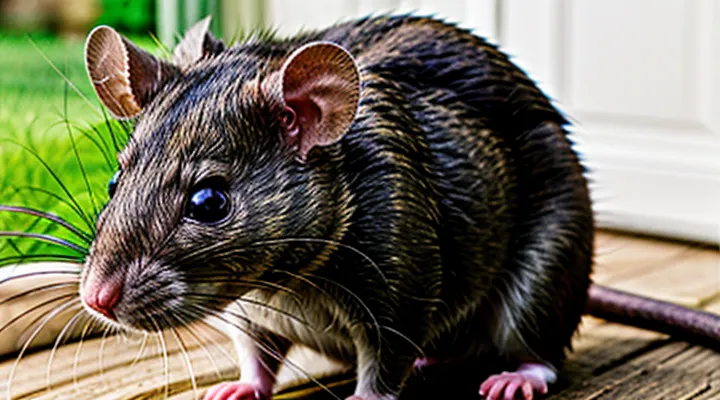
The Lifespan of Domestic Rats
Factors Influencing Longevity
Genetics and Breeding
Domestic rats exhibit a comparatively long lifespan for rodents, a trait that reflects both innate genetic factors and deliberate breeding practices. The species’ genome contains alleles linked to enhanced cellular repair, efficient metabolic regulation, and resistance to age‑related disease. Variants of the Sirt1 and FoxO gene families, for example, correlate with increased mitochondrial function and reduced oxidative damage, contributing directly to longevity.
Research identifies several genetic markers that predict lifespan potential. Telomere maintenance genes (e.g., TERT) show higher expression levels in long‑lived lines, while polymorphisms in the ApoE locus associate with reduced incidence of neurodegeneration. Genome‑wide association studies have isolated quantitative trait loci (QTL) responsible for delayed senescence, providing a molecular framework for selection.
Breeding programs that prioritize lifespan employ the following strategies:
- Outcrossing with genetically diverse stock to introduce heterozygosity and mitigate inbreeding depression.
- Line selection based on documented longevity data, emphasizing individuals that consistently exceed median lifespan benchmarks.
- Health screening for recessive disorders (e.g., dwarfism, renal disease) using PCR‑based marker panels before mating.
- Controlled litter size to avoid overcrowding, which can impair growth and increase stress‑related mortality.
Effective implementation requires rigorous record‑keeping. Breeders should maintain pedigrees that include lifespan outcomes, health test results, and any observed phenotypic anomalies. Genetic testing services enable early detection of deleterious alleles, allowing removal of carriers from breeding cohorts. Continuous evaluation of offspring performance against established longevity metrics ensures that selection pressure remains focused on extending healthy life expectancy.
Environmental Conditions
Domestic rats thrive when environmental parameters remain within defined limits. Temperature between 18 °C and 24 °C supports thermoregulation; deviations increase metabolic stress and reduce lifespan. Humidity maintained at 40‑60 % prevents respiratory irritation and skin lesions.
Consistent light cycles, typically 12 hours of illumination followed by 12 hours darkness, synchronize circadian rhythms and promote stable hormone production. Sudden changes in photoperiod disrupt sleep patterns and elevate cortisol levels.
Cage dimensions must allow unrestricted movement; a minimum floor area of 0.5 m² per pair of rats prevents crowding. Adequate ventilation removes ammonia and odor, preserving airway health. Materials should be non‑porous, easy to clean, and free of toxic coatings.
Bedding composed of absorbent, dust‑free substrate—such as paper pulp or aspen shavings—maintains dryness and reduces allergen exposure. Frequent replacement (every 2‑3 days) limits bacterial growth.
Environmental enrichment, including tunnels, chewable objects, and nesting material, satisfies exploratory behavior, reduces stereotypic actions, and improves immune function. Cohabitation with compatible conspecifics supplies social interaction essential for stress mitigation.
Key environmental specifications
- Temperature: 18‑24 °C
- Relative humidity: 40‑60 %
- Light cycle: 12 h light / 12 h dark
- Cage floor space: ≥ 0.5 m² per pair
- Ventilation: continuous airflow, ammonia < 25 ppm
- Bedding: dust‑free, replaced every 2‑3 days
- Enrichment: tunnels, chew toys, nesting material, social pairing
Adhering to these conditions maximizes health outcomes and extends the natural longevity of domestic rats.
Diet and Nutrition
Domestic rats require a balanced diet to support their relatively long lifespan compared to other rodents. Nutrient composition directly influences growth, immune function, and reproductive health.
Key nutritional components include:
- Protein: 18‑20 % of diet, sourced from quality rodent pellets, cooked chicken, eggs, or soy products. Adequate protein maintains muscle mass and tissue repair.
- Fat: 4‑6 % of diet, provided by small amounts of vegetable oil or nuts. Essential fatty acids aid brain development and skin health.
- Carbohydrates: Complex carbs from whole grains and vegetables supply steady energy and fiber.
- Fiber: 5‑7 % of diet, derived from leafy greens, carrots, and whole‑grain pellets, promotes gastrointestinal motility and prevents constipation.
- Vitamins and minerals: Commercial pellets are formulated to meet requirements for calcium, phosphorus, vitamin A, D, E, and B‑complex. Supplementation with fresh produce adds vitamin C and additional antioxidants.
Feeding practices that optimize health:
- Offer a measured portion of complete pellets twice daily; adjust quantity based on activity level and body condition.
- Provide fresh vegetables (e.g., broccoli, kale, bell pepper) and limited fruit (e.g., apple, banana) as daily supplements.
- Limit high‑sugar treats and processed human foods to prevent obesity and metabolic disorders.
- Ensure constant access to clean, fresh water; replace daily to avoid bacterial growth.
Common nutritional hazards:
- Obesity: Resulting from excessive pellet or treat intake; monitor weight and adjust portions.
- Calcium‑phosphorus imbalance: Over‑reliance on dairy or calcium‑rich treats can disrupt bone metabolism.
- Toxic foods: Chocolate, caffeine, onions, and raw beans are lethal; remove from the environment.
A disciplined feeding regimen, combined with regular health checks, maximizes the longevity and well‑being of pet rats.
Veterinary Care and Health Management
Veterinary care for pet rats requires routine examinations, targeted vaccinations, and proactive disease prevention. A qualified small‑animal veterinarian should conduct a physical assessment at least twice yearly, evaluating weight, coat condition, ocular and nasal discharge, and limb mobility. Blood work and fecal analysis are appropriate when clinical signs suggest internal illness.
Nutritional management supports the species’ relatively long lifespan among rodents. High‑quality laboratory‑grade pellets provide balanced protein, fat, and micronutrients; fresh vegetables and limited fruit add fiber and vitamins. Water must be available at all times, preferably from a bottle to reduce contamination.
Common health concerns include respiratory infections, gastrointestinal parasites, dental overgrowth, and neoplasia. A concise list of preventive actions:
- Vaccination against Mycoplasma pulmonis where available.
- Monthly ectoparasite treatment with approved products.
- Regular dental checks; trimming overgrown incisors under anesthesia if needed.
- Monitoring for signs of lymphoma or mammary tumors, especially in older females.
Environmental hygiene reduces stress and infection risk. Cages should be cleaned weekly, with bedding replaced to prevent ammonia buildup. Provide chewable objects and tunnels to promote natural gnawing behavior and mental stimulation, which correlate with improved immune function.
Understanding Rat Aging
Common Health Issues in Older Rats
Respiratory Diseases
Pet rats exhibit a high incidence of respiratory pathology, a factor that directly influences their extended lifespan relative to other rodent species. The confined environment of household habitats, combined with the species’ natural propensity for rapid breeding, creates conditions conducive to the transmission of airborne agents. Consequently, respiratory health represents a critical component of overall longevity in these animals.
Common respiratory disorders include:
- Mycoplasma pulmonis infection – chronic upper‑respiratory tract inflammation, often manifesting as sneezing, nasal discharge, and audible wheezing.
- Streptococcus pneumoniae pneumonia – acute lung consolidation, characterized by rapid onset of dyspnea and lethargy.
- Sendai virus (paramyxovirus) infection – self‑limiting bronchitis with potential progression to secondary bacterial pneumonia.
- Allergic rhinitis – hypersensitivity to environmental allergens, resulting in persistent nasal congestion and mucosal edema.
Effective management relies on early detection, environmental control, and targeted therapy. Routine observation for nasal secretions, audible breathing abnormalities, and reduced activity enables prompt veterinary assessment. Diagnostic confirmation typically involves nasal swabs for polymerase chain reaction testing, radiographic evaluation of pulmonary fields, and complete blood counts to identify leukocytic patterns. Treatment protocols prioritize antimicrobial agents selected for sensitivity to Mycoplasma spp., supportive respiratory care such as humidified chambers, and, where appropriate, anti‑inflammatory medications. Preventative measures include maintaining low humidity, regular cage sanitation, and quarantine of new arrivals for a minimum of four weeks. By mitigating respiratory disease burden, caretakers can preserve the inherent longevity of domestic rats and sustain their health across the lifespan.
Tumors and Cancers
Domestic rats exhibit a lifespan that frequently exceeds that of many other rodent species, creating a prolonged window for neoplastic processes to manifest. Epidemiological surveys of pet and laboratory rat colonies report tumor incidence rates ranging from 30 % to 70 % in animals older than two years, with a marked increase after the third year of life.
Common neoplasms in these animals include:
- Mammary adenocarcinomas
- Hepatocellular carcinomas
- Pulmonary adenomas
- Lymphosarcomas
- Soft‑tissue sarcomas
Tumor development correlates with genetic predisposition, exposure to carcinogenic agents, and dietary composition. Inbred strains such as Sprague‑Dawley and Wistar display higher baseline frequencies of specific tumors, whereas outbred populations show more heterogeneous patterns. Chronic administration of nitrosamines, aflatoxins, or high‑fat diets accelerates hepatic and mammary tumor formation; conversely, antioxidant‑rich regimens can modestly reduce overall incidence.
The high prevalence of spontaneous cancers in long‑lived rats underpins their utility as models for human oncology. Comparative pathology demonstrates parallel molecular pathways, including p53 mutation, Ras activation, and angiogenic signaling, facilitating translational investigations of chemopreventive agents and targeted therapies.
Diagnostic protocols rely on palpation, imaging (ultrasound, MRI), and histopathological confirmation. Early detection improves therapeutic outcomes; surgical excision remains the primary intervention, supplemented by chemotherapy protocols adapted from human regimens when appropriate. Regular health monitoring and environmental control are essential components of colony management to mitigate tumor burden.
Kidney Disease
The domestic rat, distinguished by a lifespan that exceeds most rodent species, serves as a primary model for studying renal pathology. Kidney disease in this species mirrors many aspects of human nephropathy, making it essential for translational research.
Epidemiological data indicate that chronic kidney disease (CKD) appears in 10‑15 % of laboratory rat colonies older than 18 months. Incidence rises sharply with age, reflecting the animal’s extended longevity compared with wild counterparts. Genetic strains differ markedly: the Sprague‑Dawley line shows a higher prevalence of glomerulosclerosis, whereas the Wistar strain exhibits predominant tubular atrophy.
Pathological features include:
- Glomerular basement membrane thickening
- Segmental sclerosis of glomeruli
- Interstitial fibrosis
- Tubular dilation and loss of epithelial cells
- Vascular hyalinosis
Diagnostic protocols rely on serum creatinine, blood urea nitrogen, and urinary protein quantification, complemented by histological examination of renal tissue. Imaging modalities such as high‑resolution ultrasound provide non‑invasive assessment of renal size and cortical echogenicity.
Therapeutic interventions focus on dietary protein restriction, angiotensin‑converting enzyme inhibition, and antioxidant supplementation. Experimental trials frequently employ these measures to evaluate novel renoprotective agents.
The relevance of rat kidney disease extends beyond veterinary health. Findings on disease mechanisms, progression, and treatment outcomes inform human nephrology, particularly in age‑related CKD. Consequently, maintaining renal health in long‑lived laboratory rats is integral to the validity of biomedical investigations.
Arthritis and Mobility Issues
Domestic rats frequently develop degenerative joint disease as they age, with arthritis representing the most common source of reduced locomotion. Clinical signs include joint swelling, stiffness after rest, decreased willingness to climb or explore, and altered gait patterns. Early detection relies on visual assessment of posture, measurement of limb use during open‑field testing, and, when available, radiographic confirmation of cartilage loss and osteophyte formation.
Risk factors encompass genetic predisposition, excessive body weight, and repetitive strain from confined housing environments. Nutritional imbalances, particularly insufficient omega‑3 fatty acids and vitamin D, exacerbate inflammatory processes. Chronic infections and traumatic injuries can initiate secondary arthritic changes, further compromising mobility.
Management strategies prioritize pain mitigation, joint support, and activity modification. Non‑steroidal anti‑inflammatory drugs (NSAIDs) such as meloxicam provide analgesia, while disease‑modifying agents like glucosamine‑chondroitin complexes aim to slow cartilage degradation. Physical therapy, including gentle stretching and low‑impact treadmill sessions, maintains range of motion and muscle tone. Environmental enrichment—ramps, low platforms, and soft bedding—reduces joint stress during daily activities.
Preventive measures focus on maintaining optimal body condition, providing balanced diets rich in anti‑inflammatory nutrients, and ensuring cages allow natural movement without excessive climbing height. Regular health checks, ideally quarterly, enable early identification of joint abnormalities before functional decline becomes severe.
Key points for caretakers:
- Monitor for limping, reluctance to climb, or prolonged rest periods.
- Keep weight within species‑specific standards; adjust feed if necessary.
- Offer joint‑support supplements under veterinary guidance.
- Adjust cage layout to include ramps with gentle slopes and avoid steep steps.
- Schedule veterinary evaluations for radiographic screening in rats older than 18 months.
Signs of Aging in Domestic Rats
Behavioral Changes
Domestic rats exhibit distinct behavioral trajectories as they age, reflecting physiological and neurological shifts. Juvenile individuals display high exploratory drive, frequent climbing, and rapid habituation to novel environments. As they progress to early adulthood, exploratory activity stabilizes, while social dominance hierarchies become more pronounced; dominant rats assert priority access to food and nesting sites, and subordinate individuals demonstrate increased submissive postures and vocalizations.
Mid‑life rats show reduced locomotor speed, longer latency to engage with unfamiliar objects, and heightened reliance on learned cues. Cognitive performance, measured by maze navigation and object recognition, declines modestly; error rates increase by approximately 10 % compared to peak adult levels. Social interaction patterns shift toward selective affiliative behavior, with rats spending more time in close contact with familiar cage mates and less time engaging in aggressive encounters.
Advanced age introduces pronounced behavioral alterations:
- Decreased nocturnal activity; rats spend a larger proportion of the dark phase resting.
- Elevated anxiety‑like responses, evidenced by reduced time in open arms of elevated plus mazes.
- Impaired thermoregulation leading to increased nesting behavior and preference for insulated shelter.
- Diminished grooming frequency, correlating with slower skin turnover and reduced fur quality.
- Greater susceptibility to stress‑induced stereotypies, such as repetitive pacing.
These age‑related changes are consistent across laboratory and household settings, indicating that longevity in domestic rats is accompanied by predictable modifications in exploration, social dynamics, cognition, and stress reactivity.
Physical Changes
Domestic rats exhibit a distinct progression of physical characteristics that correspond to their extended lifespan relative to other rodent species. Early development is marked by rapid growth; body mass can increase threefold within the first two months, and skeletal ossification reaches near‑adult density by eight weeks. Muscular development follows, with forelimb strength and bite force continuing to improve until the third month.
Key physiological transformations include:
- Coat coloration and texture: Juvenile fur appears softer and lighter; as rats age, pigmentation deepens and hair becomes coarser, often accompanied by localized thinning or bald patches in senior individuals.
- Dental wear: Incisor length remains constant due to continuous growth, but enamel wear patterns shift, leading to flattened chewing surfaces that may affect dietary efficiency.
- Sensory acuity: Visual sharpness declines after the first year, while olfactory sensitivity generally remains robust; auditory thresholds increase modestly, influencing response to high‑frequency sounds.
- Reproductive anatomy: Testicular volume peaks between four and six months, then gradually regresses; in females, uterine size and mammary gland development diminish after the fifth reproductive cycle.
Age‑related musculoskeletal changes manifest as reduced joint flexibility and increased susceptibility to arthritis, particularly in the lumbar region. Skin elasticity decreases, causing slower wound closure and heightened infection risk. These physical alterations necessitate adjustments in housing, nutrition, and veterinary monitoring to sustain health throughout the rat’s prolonged adult phase.
Extending Lifespan Through Care Practices
Optimal Diet Strategies
Pet rats exhibit a lifespan that exceeds most other rodent species, reaching up to three years with proper care. Nutrition directly determines health outcomes, disease resistance, and longevity in these animals.
An optimal diet combines high‑quality protein, balanced fats, complex carbohydrates, and essential micronutrients. Key components include:
- Protein sources: lean poultry, fish, or commercially formulated rat pellets containing 18–20 % protein.
- Fats: omega‑3 and omega‑6 fatty acids from fish oil or flaxseed, limited to 5 % of total calories.
- Carbohydrates: whole‑grain cereals, oats, and cooked vegetables providing fiber for gastrointestinal health.
- Vitamins and minerals: calcium, phosphorus, vitamin D, and B‑complex vitamins supplied through fortified pellets or targeted supplements.
- Water: constant access to fresh, clean water; dehydration accelerates renal failure.
Feeding practices that support longevity:
- Consistent schedule: Offer measured portions twice daily to prevent overeating and obesity.
- Variety: Rotate fresh vegetables (broccoli, carrots, leafy greens) to supply phytonutrients and prevent monotony.
- Avoidance of toxic foods: Exclude chocolate, caffeine, raw beans, and high‑salt processed foods that cause acute toxicity.
- Monitoring: Track body condition score weekly; adjust caloric intake if weight deviates by more than 5 % of ideal.
- Supplementation only when needed: Conduct blood tests to identify deficiencies before adding isolated vitamins or minerals.
Implementing these strategies aligns dietary intake with the physiological demands of pet rats, promoting robust immune function, skeletal integrity, and extended lifespan.
Enrichment and Mental Stimulation
Domestic rats live considerably longer than many other rodent species, often reaching two to three years with proper care. Prolonged lifespan correlates strongly with the provision of varied enrichment and consistent mental challenges, which mitigate stress and prevent the development of repetitive behaviors.
Enrichment should address three primary dimensions: physical environment, social interaction, and problem‑solving opportunities. Physical enrichment includes nesting material, tunnels, and climbing structures that encourage natural exploratory movements. Social enrichment involves housing compatible individuals together or providing regular, supervised interaction with human caretakers. Cognitive enrichment consists of puzzle feeders, foraging trays, and maze configurations that require the animal to manipulate objects to obtain food.
Benefits of a comprehensive enrichment program are documented as:
- Reduction of stereotypic pacing and bar‑biting.
- Improved weight management through increased activity.
- Enhanced immune function linked to lower cortisol levels.
- Greater overall vitality, contributing to extended lifespan.
Implementation guidelines:
- Rotate toys and accessories weekly to maintain novelty.
- Introduce foraging tasks that hide small food portions within shredded paper or wooden blocks.
- Schedule brief, daily handling sessions to reinforce trust and mental engagement.
- Periodically rearrange cage layout, ensuring safe escape routes and stable platforms.
- Monitor individual preferences; some rats favor climbing, others prefer digging, and enrichment should reflect these tendencies.
Consistent application of these strategies creates a stimulating environment that aligns with the natural behaviors of domestic rats, supporting their health and longevity without relying on generic statements or filler language.
Regular Health Check-ups
Domestic rats can live up to three years, far longer than many other rodents. Extended lifespan increases the probability of chronic conditions, making systematic health monitoring a practical requirement for responsible owners.
A comprehensive check‑up includes:
- Physical inspection of fur, skin, eyes, ears, and nose for lesions or discharge.
- Palpation of the abdomen to detect masses, organ enlargement, or pain response.
- Assessment of weight, body condition score, and dental alignment.
- Evaluation of gait, posture, and respiratory sounds.
- Collection of fecal samples for parasite screening and bacterial culture when indicated.
Veterinary examinations should occur at least twice yearly for mature rats; juveniles merit quarterly visits until six months of age. Additional appointments are warranted after surgical procedures, illness recovery, or observable behavioral changes.
Prompt attention is required if a rat exhibits:
- Sudden weight loss or gain exceeding 10 % of body mass.
- Persistent sneezing, nasal discharge, or labored breathing.
- Unusual swelling, lumps, or ulcerated skin areas.
- Dental overgrowth causing difficulty eating or drooling.
- Lethargy, tremors, or seizures.
Adhering to these schedules and observation criteria helps maintain the health of long‑lived pet rats and reduces the risk of preventable diseases.